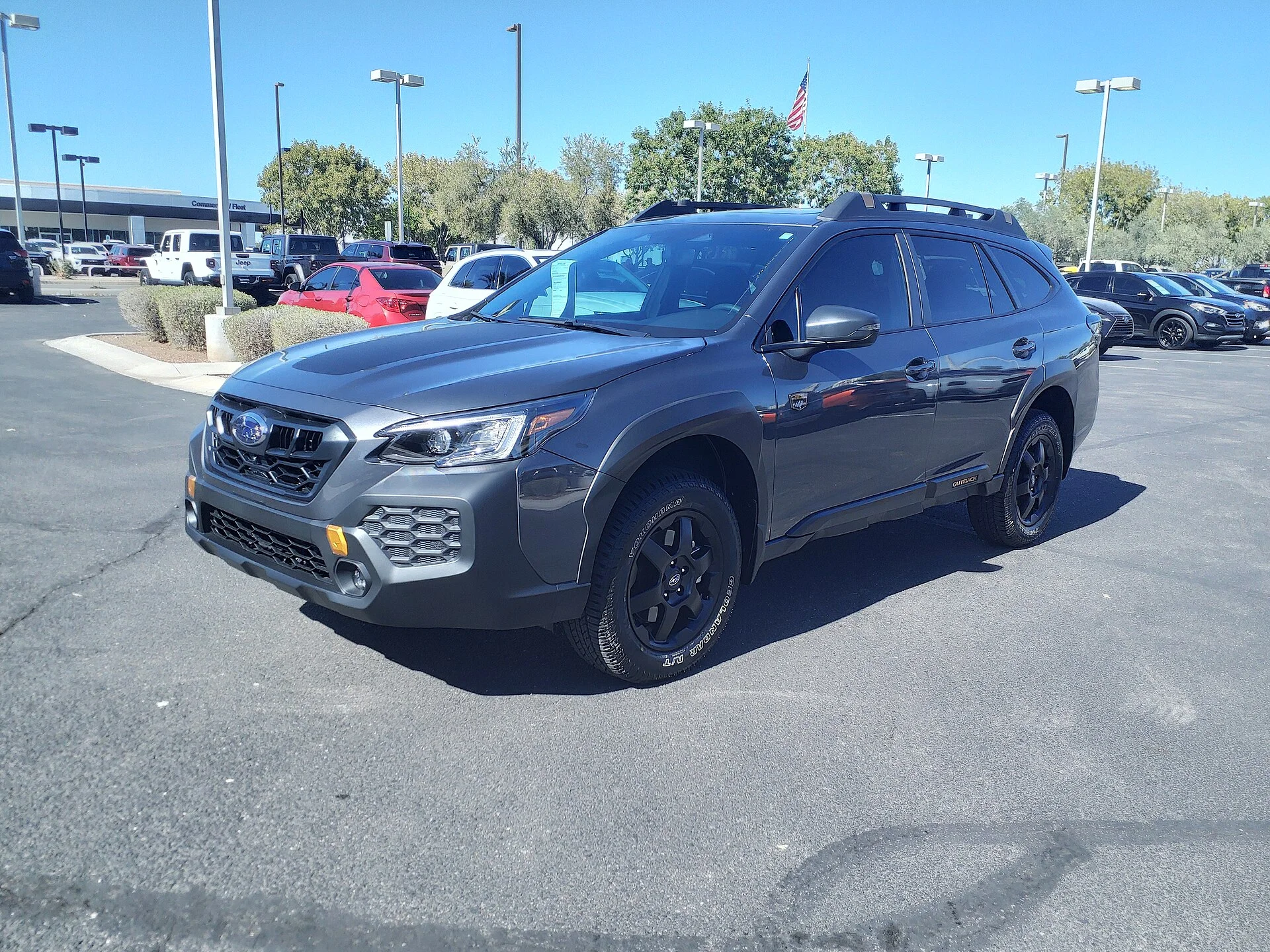
The Outback's 12V power: three sockets, one big limit
Two hundred miles from the nearest parts store, the Subaru Outback's power layout stops being a spec-sheet footnote and becomes the thing your whole camp runs on. The good news: the sixth-generation Outback gives you three 12-volt sockets - glove box, center console, and cargo area - per Subaru's owner's manual. That's more outlets than a lot of rivals, spread usefully around the cabin.
The catch is the one that matters when you can't just plug in at home: all three are ignition-switched, meaning they only carry power with the car in accessory or on. None stays live when the Outback is fully off. So this page maps the whole system - where the three sockets are, how much each will pull, which fuse feeds them, and, most important, the ignition-switched limit and the power plan that works around it. Get this right and the Outback runs a fridge and lights for days. Get it wrong and you drain the battery that gets you home - which, on my rig, is the one failure I plan hardest against.
Where the three 12V outlets are
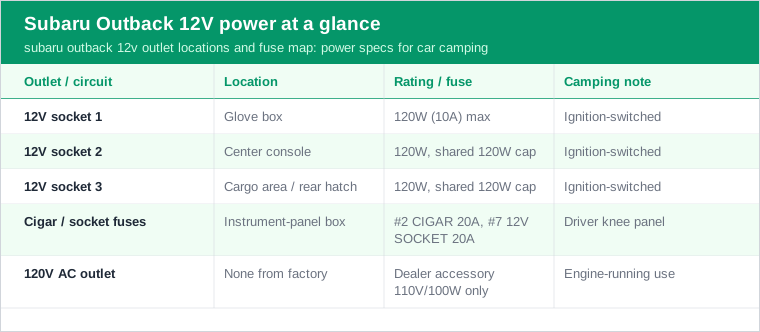
Knowing exactly where the sockets live saves you fishing for them in the dark, so here's the Outback's layout per the owner's manual. All three are standard 12-volt accessory sockets.
- Glove box: a 12V socket inside the glove box - handy for hiding a small always-charging device out of sight.
- Center console: a 12V socket in the console, usable with the lid closed through the cord gap, so it feeds a fridge on the floor cleanly.
- Cargo area / rear hatch: a 12V socket in the back - the one you'll actually use for a cargo-mounted fridge or a light string.
For sleeping, the cargo socket is the workhorse: it puts power right where the fridge and the bed are. But remember every one of these three shares the same limit and, as you'll see, the same modest wattage budget - having three sockets doesn't mean three independent power sources.
The glove-box socket is the sleeper of the three, and I use it more than people expect. Tucked inside a closed compartment, it hides a small always-charging device out of sight and out of the weather while you drive - a phone, a headlamp, a GPS unit - so it stays charged without a cord draped across the cabin. On a long overland day that quiet, out-of-the-way port keeps the visible sockets free for the fridge and the things you actually reach for, and it's the kind of small placement detail that makes the Outback feel thought-through for living out of.
How much you can pull: 120 watts, and a shared cap
Here's the number that decides what runs and what trips: Subaru rates each 12V socket at 120 watts maximum - that's 10 amps at 12 volts - per the owner's manual. More important, the manual states the combined draw of all outlets used at once must also stay under 120 watts. You do not get three independent 120W circuits; you get one 120W budget to share.
Nice in a driveway, this looks like plenty of sockets. Two hundred miles out, it's one 120-watt budget - enough for a compressor fridge and a phone, not a fridge plus an inverter plus a kettle.
What that budget covers:
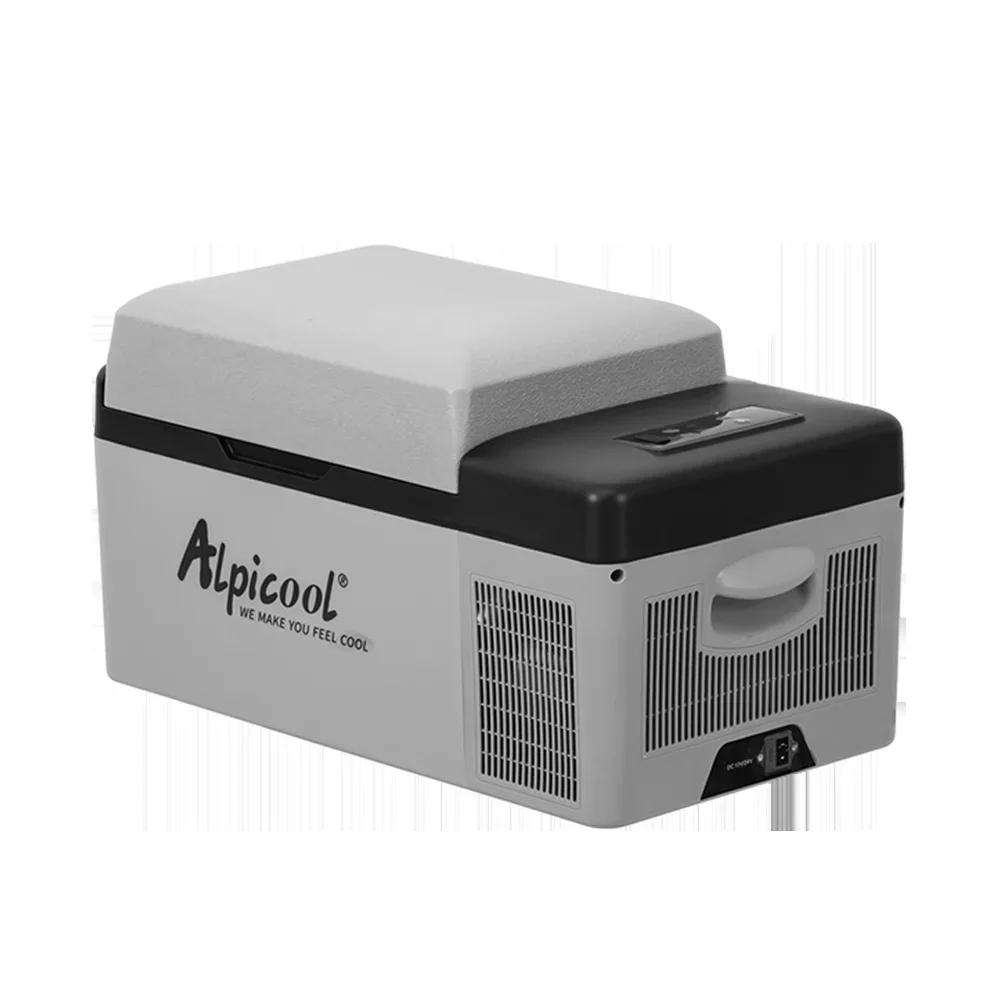
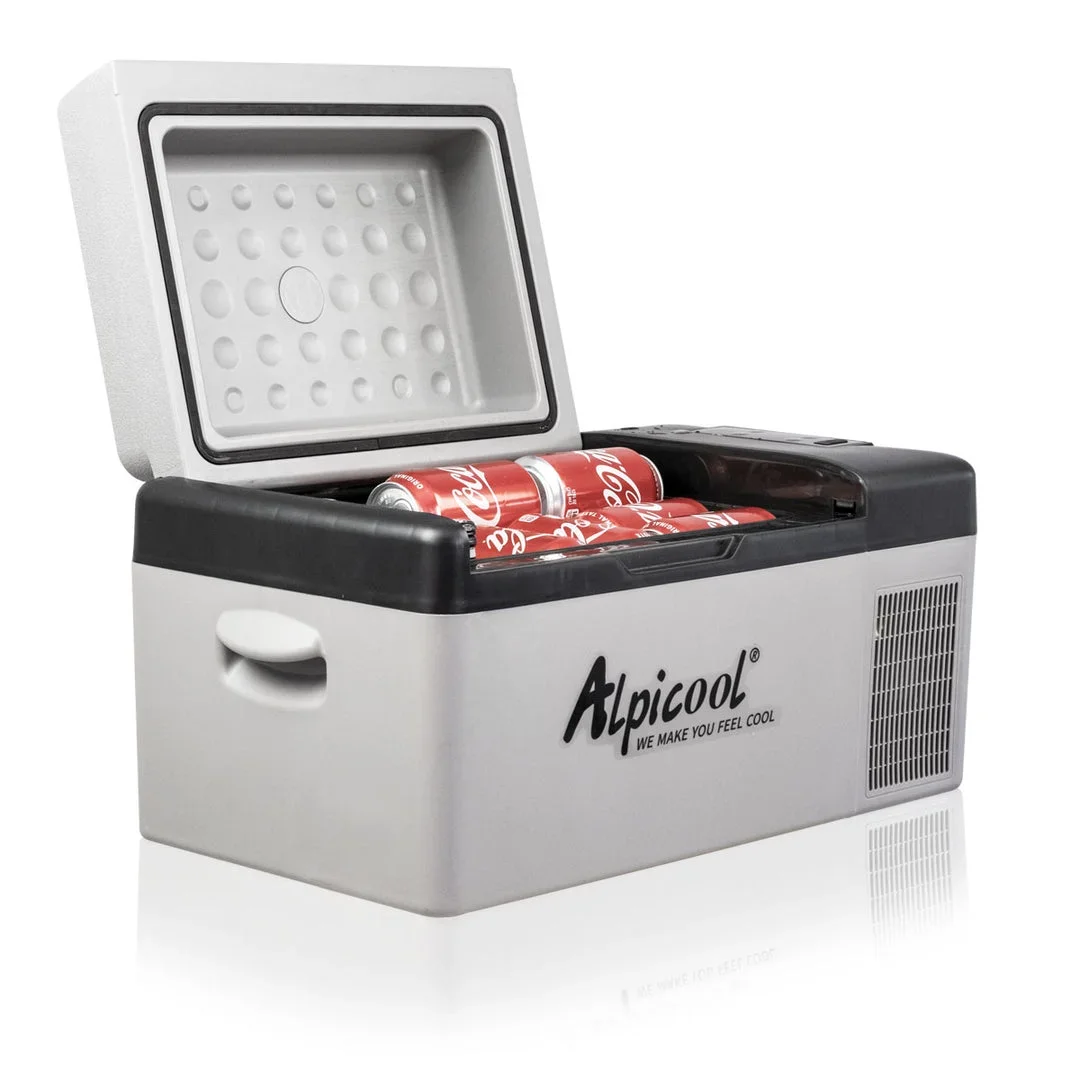
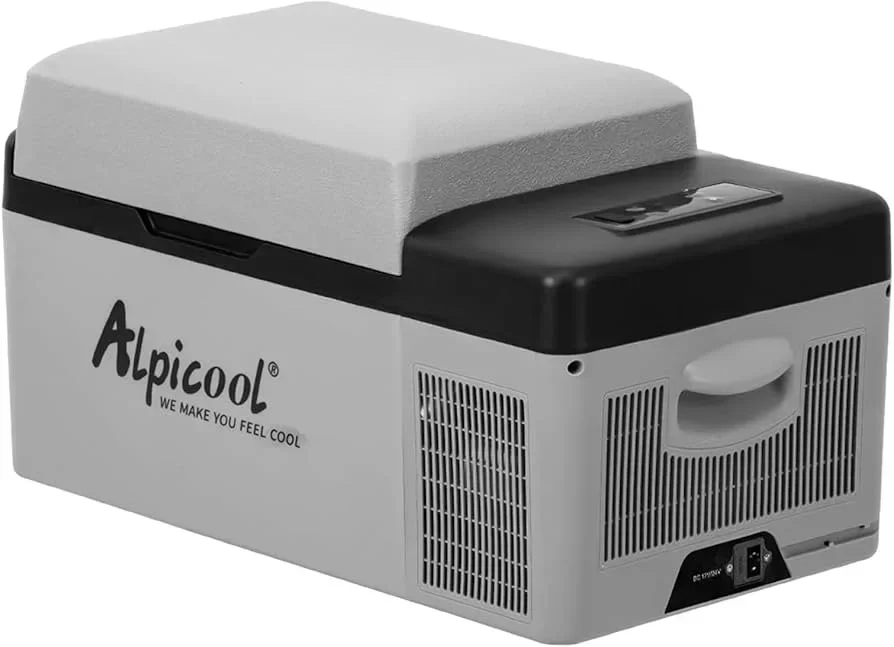
- A 12V compressor fridge pulling roughly 45 watts - the Alpicool C20 portable 12V fridge is the classic fit - leaves headroom for charging.
- Phone and light charging alongside the fridge, comfortably within 120W.
- Not a high-draw inverter - a 120W cap won't run a kettle or a microwave; that's what a separate power station is for.
The shared-cap detail catches people who plug into two sockets thinking they've doubled their headroom. You haven't - the Outback's wiring meters the whole system to that single 120-watt budget, so a fridge on the cargo socket and an inverter on the console socket will trip you just as fast as if they shared one outlet. Size everything to the one budget, not to the number of sockets, and you'll never chase a mystery blown fuse at dusk.
The fuse map: which fuse feeds the sockets
When a socket goes dead, the fuse box is the first stop, so here's the Outback's map, cross-verified across two fuse references. The accessory sockets are fed from the instrument-panel fuse box, behind the cover on the driver's side below and left of the steering wheel - the driver knee panel.
- Fuse #2, 'CIGAR', 20A: the cigar/power-outlet circuit, per fuse-box.info and StartMyCar, which both agree on the #2 CIGAR 20A assignment.
- Fuse #7, '12V SOCKET', 20A: a second 20A power-outlet circuit, again confirmed by both references.
- Location: both live in the instrument-panel box on the driver side, not the engine bay - that's where you check first.
One honest caveat: the exact socket-to-fuse mapping - which fuse feeds the glove box versus the console versus the cargo socket - isn't spelled out in an official source, so treat the CIGAR-versus-12V-SOCKET split as the fuse labels, not a guaranteed per-socket assignment. Carry two 20A spares and you're covered either way.
A field tip on the box itself: the instrument-panel fuse cover on the Outback pops off with a firm pull at the notch, and the diagram is usually printed on the inside of that cover or in the manual's fuse pages. When a socket dies far from home, that printed lid is your fastest diagnosis - pull the suspect fuse, hold it to the light, and a broken filament tells you instantly whether it's the fuse or the device. It's a two-minute check that saves you assuming the socket is broken when a fifty-cent fuse is the whole problem, and it's exactly the kind of self-reliance that matters when the nearest Subaru dealer is a day's drive back.
The failure mode that strands you: every socket is ignition-switched
Here's the failure mode that matters when you can't just return to a garage: none of the Outback's three 12V sockets is always-on. Per Subaru's owner's manual, they carry power only with the ignition in accessory or on, and the manual explicitly warns that long use with the engine off drains the battery. There is no factory always-hot socket on this car.
What that means for a real overnight:
- Turn the Outback fully off and every socket goes dead - your fridge stops, your lights stop.
- Leave it in accessory to keep them live and you're draining the starter battery all night - the exact way people wake up to a no-start.
- The only safe camp loads on these sockets run while you drive, to pre-chill a fridge or recharge a battery, not overnight.
This isn't an Outback flaw so much as a fact of most modern cars, but it's the single thing that decides your power plan. Plan for it and it's a non-issue; ignore it and it's the dead battery that ends the trip.
I've watched this exact mistake strand people. The pattern is always the same: someone leaves the Outback in accessory to keep a fridge or a phone charging through the night, the modern electronics and the load quietly drain the battery, and at dawn there's a click instead of a crank - two hundred miles from the nearest jump. A modern car's battery has far less starting margin than people assume, and accessory mode keeps a lot more than the socket alive. Treat 'never sleep in accessory' as a hard rule, not a suggestion, and this whole failure mode simply never happens.
No factory 120V - and the dealer outlet that isn't much
If you're hoping the Outback hides a household outlet, it doesn't - not even on the Wilderness. There is no factory 120-volt AC outlet on the sixth-generation Outback, per the outlet listings. The only path to an AC socket is a dealer accessory, and it's modest.
What the accessory actually is:
- Subaru accessory outlet (H7110AL100): a 110-volt household-style outlet rated about 100 watts continuous and 120 watts peak, per Cars101 - small devices only.
- Location: mounted on the back of the center console, listed as fitting Premium or Limited trims.
- Engine-running use: at 100W it's for a laptop charger or a small fan, not a real camp appliance, and it draws from the same system you don't want running all night.
Bottom line for AC power: treat the Outback as having none worth planning around. If you need household power at camp, you carry it.
It's worth understanding why even the rugged Wilderness trim skips a real inverter, because it surprises people who buy the Outback as an adventure rig. Subaru positions the Wilderness around clearance, tires, and durability - the mechanical side of going remote - not around a house-on-wheels electrical system. That's a defensible engineering choice: a built-in inverter big enough to matter adds cost, heat, and drain to a car most owners don't camp in, and the ones who do are better served by a portable battery they can carry to a picnic table anyway. The takeaway isn't that Subaru cheaped out; it's that the Outback expects you to bring your own power, and the smartest owners plan for exactly that from day one.
What you can run overnight (and what you can't)
Let's turn all this into an honest overnight plan, because the ignition-switched limit changes everything about what the Outback can and can't do while you sleep. The short answer: the car's own sockets run nothing overnight safely, so your camp loads move to a battery you control.
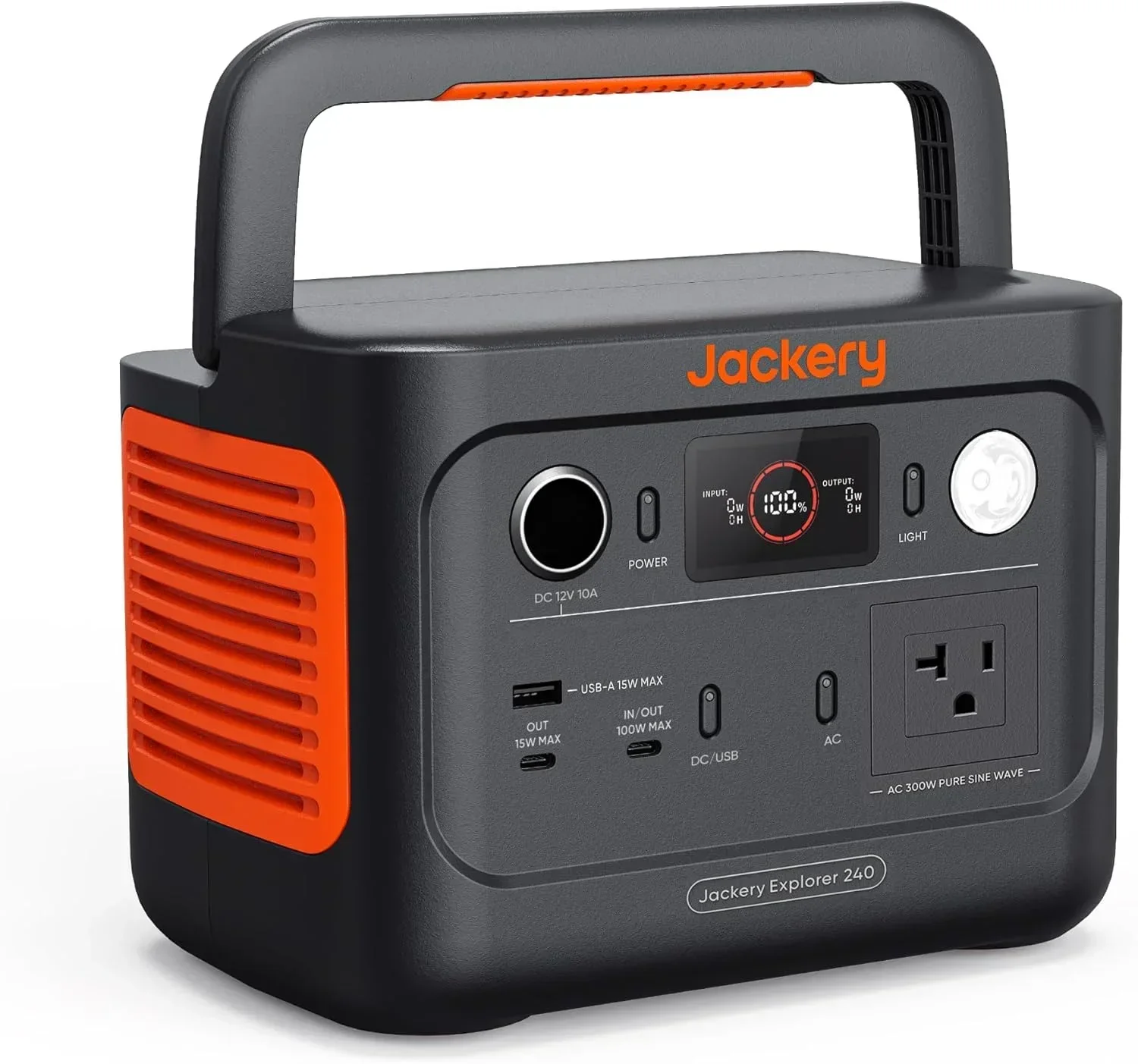
- Overnight fridge: run it off a Jackery Explorer 240 v2 power station, not the car socket - the station has its own always-on outlets and recharges off the 12V socket while you drive between camps.
- Lights and charging: same battery, so a dead-off car never costs you your fridge or your phone.
- Driving hours: use the car's cargo socket only while moving - pre-chill the fridge and top up the station on the way in.
The Outback's sockets are for driving power; your camp power is a separate battery. Keep those two jobs separate and the ignition-switched limit never touches your night.
One more field-tested habit that separates a smooth trip from a tense one: recharge the station on every drive, not just when it's low. On a long overland loop the driving legs are your only reliable resupply, so topping the battery from the Outback's cargo socket every time the wheels turn means you roll into each camp full, not hoping the last charge stretches. It costs nothing - the socket is live anyway while you drive - and it turns the ignition-switched limit from a liability into a routine. A long way from a parts store, routines like that are what keep a small problem from ever becoming a stranding one.
Wiring an always-on circuit - and whether you should
Sooner or later an Outback owner asks the obvious question: if the factory sockets die with the car, can't I just wire one that stays live? You can, and plenty of overlanders do - but it's a real decision with a real failure mode, so let's be honest about both sides before you run wire.
The trade-offs from the field:
- A fused line straight to the battery gives you a genuine always-on socket - but anything you leave plugged in now draws directly from the starter battery, which is the one that has to crank the engine in the morning.
- A low-voltage cutoff is mandatory if you go this route - a simple battery-protect relay disconnects the load before it pulls the starter battery too low to start.
- The cleaner answer for most people is to skip the wiring entirely and let a portable power station be the always-on source - no cutoff to trust, no starter battery at risk, and it comes out for use away from the car.
On my rig, the calculus is simple: a hardwired circuit makes sense if you're building a dedicated second-battery system, and it's overkill if you just want a fridge to survive the night. The Outback's ignition-switched sockets aren't a flaw to engineer around so much as a nudge toward the simpler, safer setup - a separate battery that can't strand you no matter what you forget to unplug.
The overlander's power plan for the Outback
Here's the plan I'd run on an Outback, start to finish, so the power system is one less thing that can strand you far from help.
- Map your three sockets - glove box, console, cargo - and default to the cargo one for the fridge near the bed.
- Respect the 120W shared cap - fridge plus charging, not fridge plus a high-draw inverter.
- Carry two 20A spare fuses for the #2 CIGAR and #7 12V SOCKET circuits.
- Never sleep with the car in accessory to keep a socket live - that's the battery-killer.
- Move overnight loads to a power station and recharge it while driving.
- Cross-reference the setup: our Jeep Wrangler 12V outlet guide shows the same power logic on a different rig, and our best portable power station for car camping guide sizes the battery.
The verdict: fine sockets, plan around the ON-only limit
The Subaru Outback's 12V power is genuinely useful once you understand its one hard limit. You get three 120-watt sockets - glove box, console, and cargo - sharing a 120-watt combined cap, fed by fuses #2 CIGAR and #7 12V SOCKET in the driver-side instrument-panel box, with no factory 120V outlet. Every socket is ignition-switched, so none runs overnight without draining the battery.
The Outback has plenty of sockets and one rule: they die when the car does. Move your overnight fridge and lights to a portable power station and the Outback's power is a strength, not a trap.
Map the sockets, respect the shared cap, carry spare fuses, and keep camp loads on their own battery, and the Outback powers a long trip without ever threatening your drive home. For the sleeping side of the setup, our Outback cargo dimensions for sleeping breakdown covers the bed itself.