Engineering the Tucson's 12V power as a system
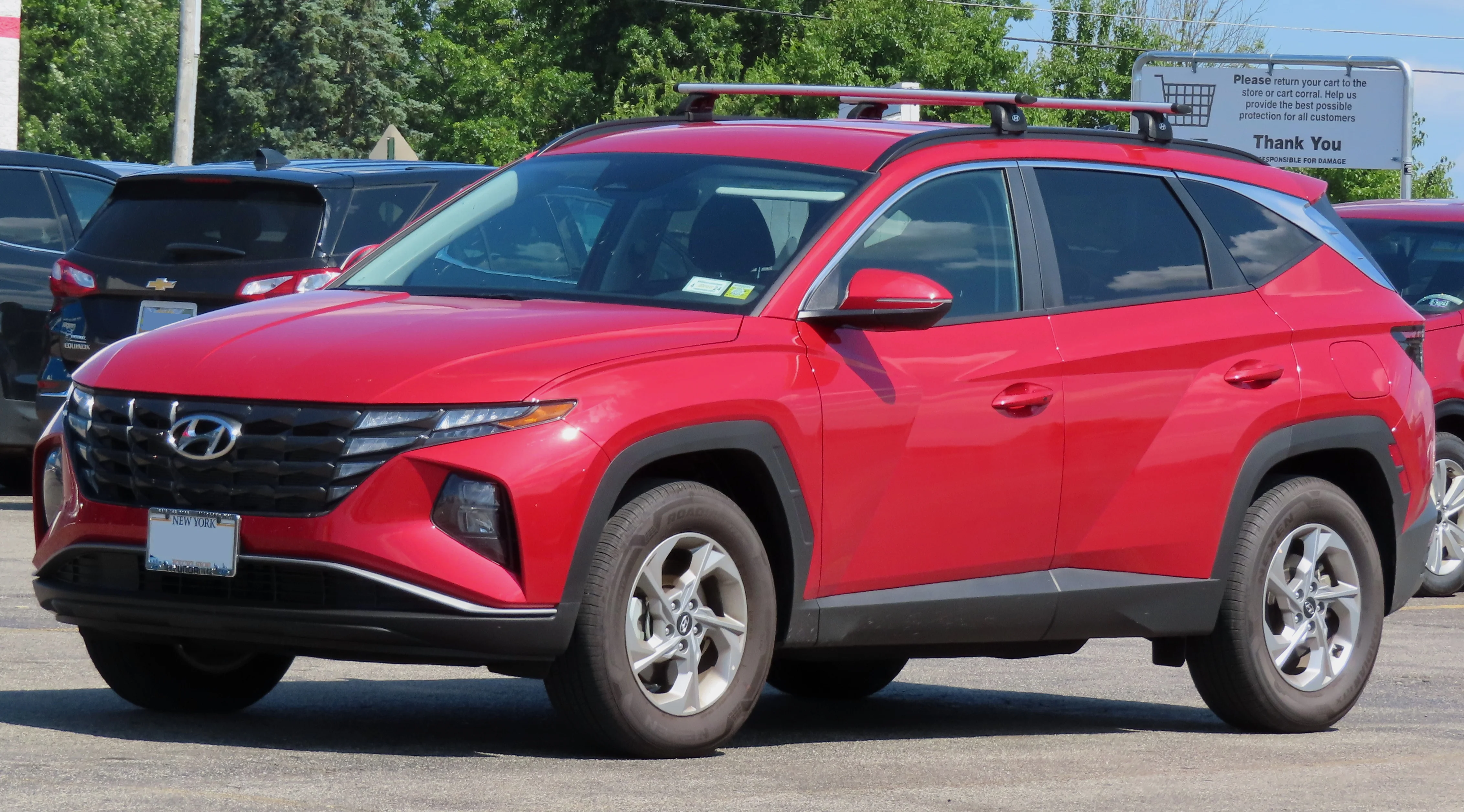
Engineer it like a system: cost on one side, capability on the other. The fourth-generation Hyundai Tucson gives you a decent starting point - two 12-volt power outlets, one in the lower center console area and one in the rear cargo area, each rated up to 180 watts, per the NX4 owner's manual. Two well-placed sockets with a healthy wattage ceiling is more than a lot of rivals offer.
Here's the trade-off the marketing skips: both outlets are ignition-switched, so neither carries power with the car off, and the fuse assignments actually change between model years - a detail most fuse guides flatten out. So we'll map the system honestly: where the two outlets are, how much the 180-watt ceiling really buys you, which fuse feeds each (and how that shifts for 2025-2026), the switched-only constraint that decides your overnight plan, and the small battery that closes the gap. Size it right and the Tucson runs a fridge and lights for a weekend. Size it wrong and you're troubleshooting a dead socket at a campsite with the wrong fuse in your hand.
The two outlets: front and cargo, both 180 watts
Two outlets, two roles - and a wattage ceiling worth knowing. Per the NX4 owner's manual, both Tucson 12V sockets are rated for accessories under about 180 watts (roughly 10 amps at 12 volts).
- Front 12V outlet: in the lower center console / fascia area, the natural spot for a dash cam feed or a front phone charger.
- Cargo 12V outlet: in the rear luggage area - the one that matters for camping, right where a fridge or a light lives.
The 180-watt ceiling is genuinely useful - it's higher than the Outback's 120-watt cap, so the Tucson can feed a slightly hungrier accessory. But capability without availability is just a number: both sockets share the same switched-only limit, so that 180 watts is a driving-hours figure, not an overnight one. Keep the ceiling and the constraint in mind together - that's the system.
That 180-watt-versus-120-watt edge over the Outback sounds academic until you hit a device that lives right at the boundary - a larger 12V fridge, a small heated blanket, an air pump that spikes on startup. On the Tucson those marginal loads run off the socket while you drive without tripping; on a tighter-rated car they'd nuisance-blow a fuse. It's a real, if narrow, advantage, and it's the kind of spec that only matters once you've actually stood at a campsite watching a fuse pop. Know your device's real draw, including its startup surge, and match it to the 180-watt headroom before you count on it.
Unlike the Outback's explicit shared cap, the Tucson's manual rates the outlets per-socket at 180 watts without publishing a documented combined ceiling, so the practical limit is the fuse feeding each circuit rather than one system-wide budget. That's a small engineering advantage - two genuinely independent circuits give you a little more flexibility to split loads - but it's not a license to run a heavy inverter, because each socket's own fuse and the ~10-amp accessory rating still bound what any one outlet will pass before it opens.
The fuse map - and the model-year twist most guides miss
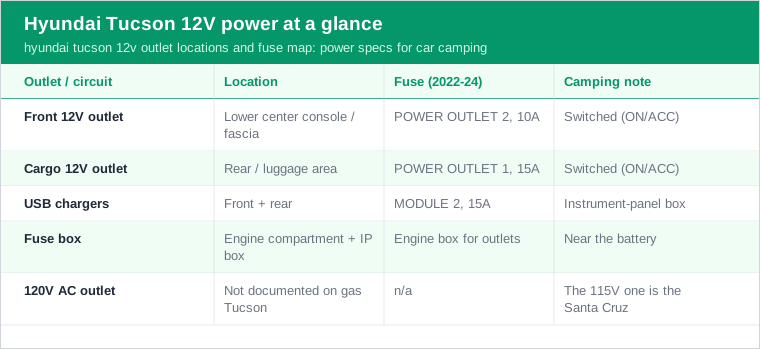
Here's where the source-linked detail pays off, because a lazy guide will give you one fuse number and be wrong half the time. Per fuse-box.info, the Tucson's outlet fuses live in the engine-compartment box near the battery, and the assignments for 2022-2024 are:
- POWER OUTLET 2, 10A: feeds the front 12V outlet.
- POWER OUTLET 1, 15A: feeds the rear/cargo (luggage) 12V outlet.
- MODULE 2, 15A: the front and rear USB chargers, over in the instrument-panel box.
The twist: for 2025-2026, fuse-box.info shows the assignments flip - POWER OUTLET 1 becomes 7.5A (front) and POWER OUTLET 2 becomes 30A (luggage), with Hybrid and PHEV at 20A each. Trust the physical fuse-box label on your own car, not a year-generic chart.
The engineering takeaway: don't memorize a number, read your lid. Carry a range of spares (7.5A, 10A, 15A) so whichever layout your model year uses, you can fix a blown outlet fuse roadside.
This model-year drift is exactly the kind of detail that makes copy-pasted fuse charts dangerous. A guide that confidently tells you 'the Tucson cargo outlet is POWER OUTLET 1, 15 amps' is right for 2022 through 2024 and wrong for 2025 onward, where that same cargo circuit jumps to 30 amps under a different label - and the Hybrid and PHEV run their own 20-amp layout again. The physical fuse diagram printed on the box lid or in your owner's manual is the only source that's guaranteed correct for the car in your driveway. Trust the lid; treat every year-generic chart, including the table at the top of this page, as a starting point to confirm.
The system constraint: both sockets are switched, none always-on
Every power system has one binding constraint, and on the Tucson it's this: neither 12V outlet is always-on. Per the owner's manual, they work only with the ignition in ON or ACC, and the manual advises using them with the engine running to avoid draining the battery. There's no factory always-hot socket.
What the constraint forces in your design:
- Car fully off = zero socket power - a fridge on the cargo outlet stops the moment you shut down for the night.
- Leaving it in ACC to keep power drains the starter battery - the classic overnight failure.
- So the sockets are a driving-hours resource - pre-chill and recharge on the move, never the overnight source.
This is the number that decides everything downstream. Once you accept that the Tucson's sockets don't run overnight, the rest of the system - a separate battery for camp loads - designs itself.
It's worth appreciating why manufacturers wire it this way rather than giving you an always-hot socket, because understanding the reason keeps you from fighting it. An always-on outlet is a permanent parasitic-drain risk on a starter battery that has exactly one critical job: turning the engine over tomorrow. By tying the sockets to ignition, Hyundai guarantees that a phone charger left plugged in for a week can never leave you stranded in a parking lot. That's good engineering for the average driver and a mild inconvenience for the camper - and the fix, a separate battery that isolates camp loads from the starter, is the same fix the manufacturers themselves would recommend.
No factory 120V (and the Santa Cruz mix-up)
A common search leads people wrong here, so let's clear it. The gas Tucson has no documented 120-volt or 115-volt household outlet - it's not in the NX4 owner's manual power-outlet section or the fuse map. The 115-volt bed outlet people ask about belongs to the Hyundai Santa Cruz, the Tucson's pickup cousin, not the Tucson.
What that means for your build:
- Don't plan on AC power from the car - the Tucson doesn't provide it.
- If you saw a 115V outlet, check the model - it was almost certainly a Santa Cruz.
- Household power at camp comes from your battery, which we're about to size.
No AC outlet isn't a strike against the Tucson so much as a spec to design around. It just means the AC side of your system is a portable station, not the car.
The mix-up is common enough to be worth diagnosing, because the Tucson and Santa Cruz share a platform, a face, and a showroom, so specs bleed together in people's heads and in half the guides online. If a listing or a forum post swears the Tucson has a 115-volt bed or cargo outlet, check the photo: a pickup bed means Santa Cruz, full stop. Getting this right matters because building a camp power plan around an outlet your vehicle doesn't have is exactly the kind of assumption that leaves you improvising in the dark. Verify against your own owner's manual, and treat the Tucson as a 12V-only vehicle for planning purposes.
Sizing the system: what 180 watts runs, and the battery you add
Now the fun part - sizing the whole thing so it actually works. The Tucson's 180-watt sockets easily handle real camp accessories while you drive; the overnight loads move to a battery you carry. Here's the math that decides it.
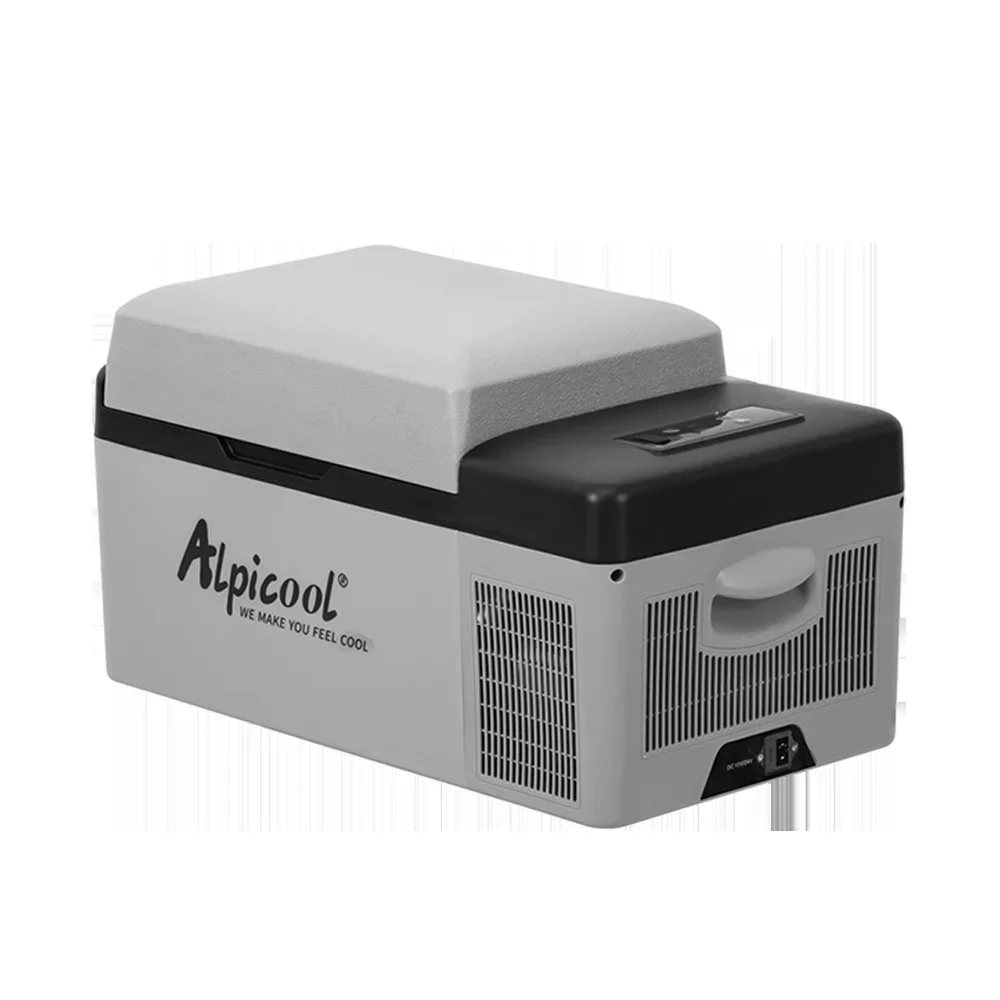
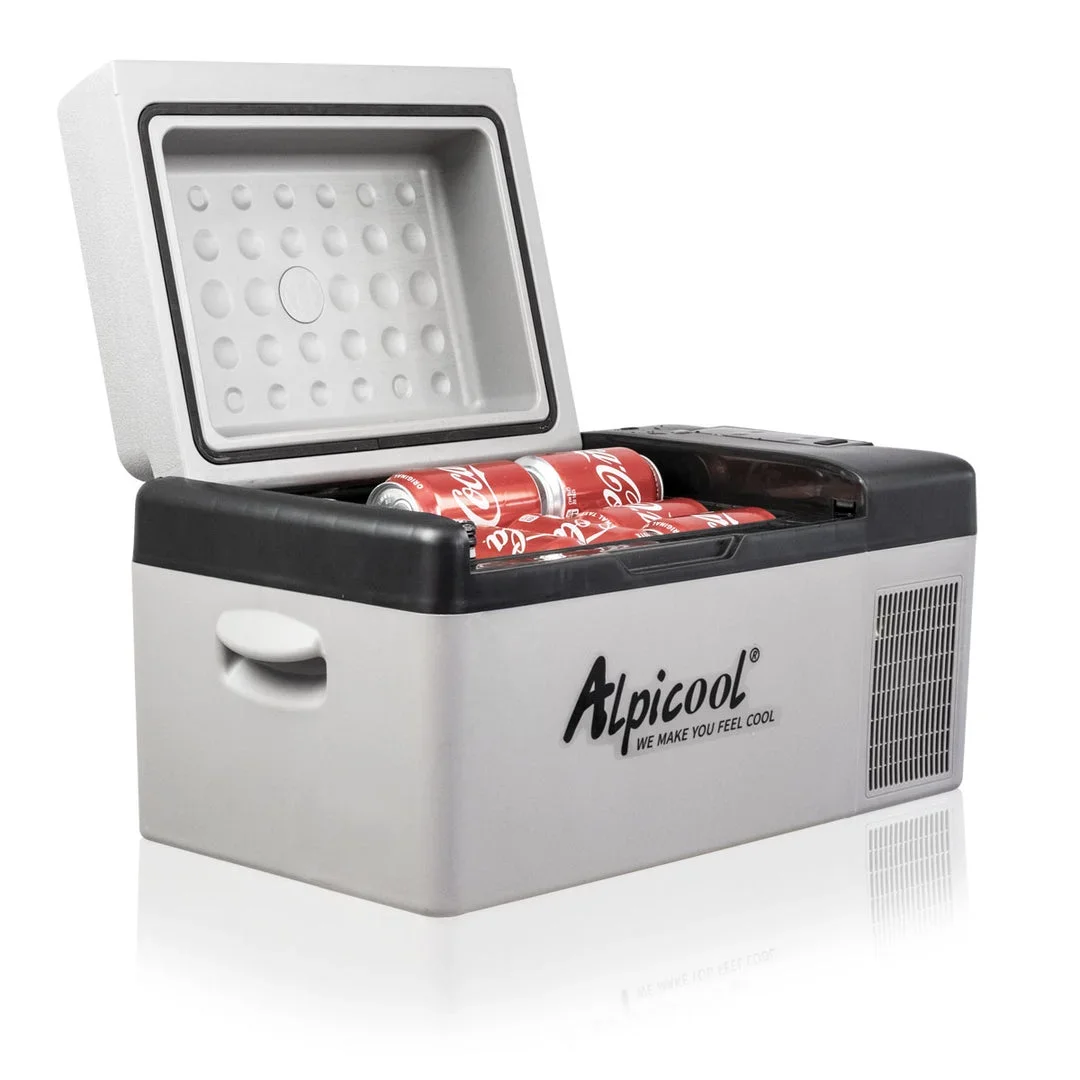
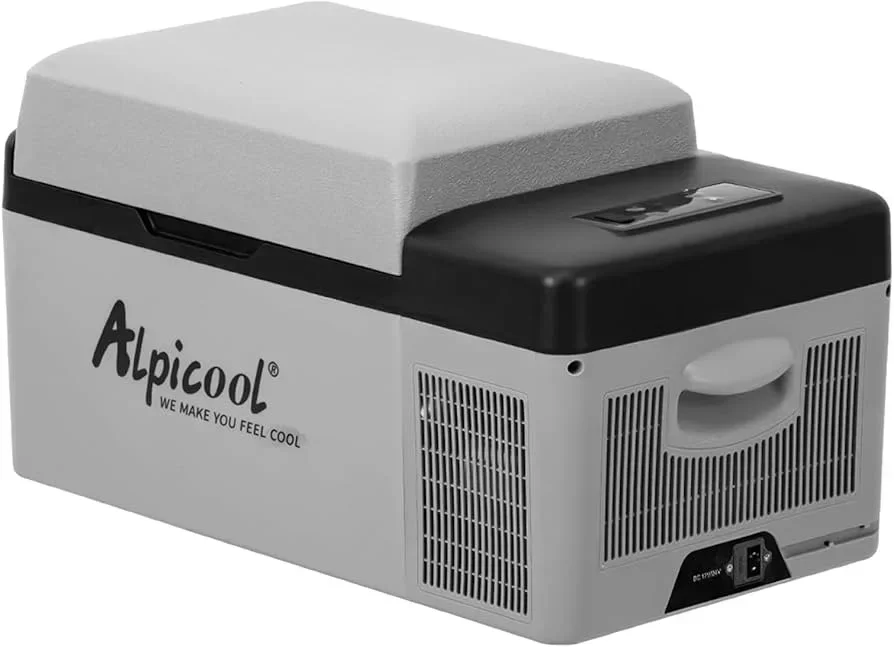
- A 12V compressor fridge like the Alpicool C20 portable 12V fridge pulls about 45 watts - a quarter of the 180W ceiling, so the socket runs it fine on the move.
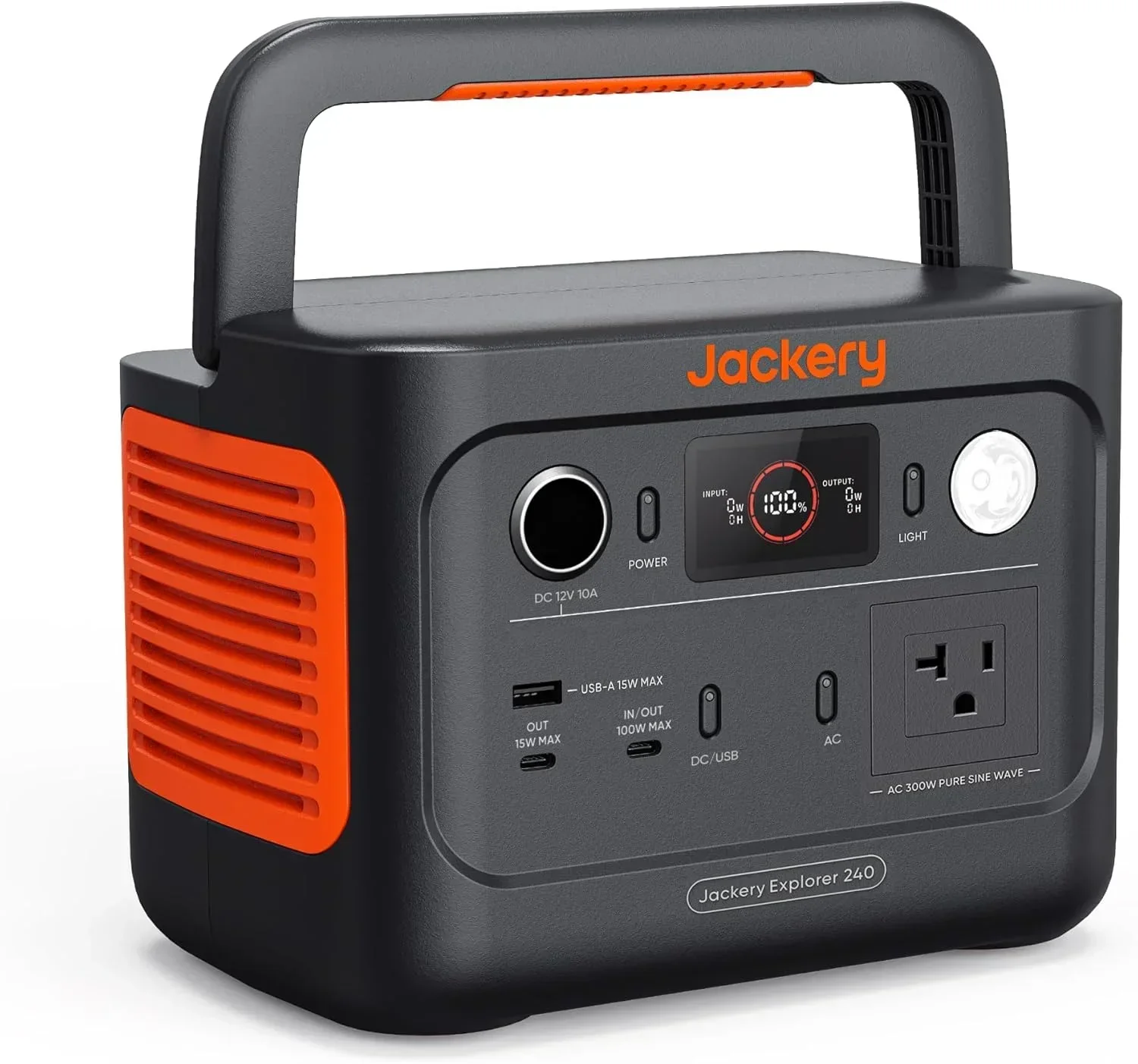
- Overnight, that same fridge needs an always-on source; a Jackery Explorer 240 v2 power station at 256Wh covers a low-draw fridge plus charging for a night, sized right without overpaying.
- Where more capacity stops paying off: a weekend fridge doesn't need a giant station - match the battery to the load and skip the weight.
That's the whole system: the car's sockets pre-chill and recharge; the station carries the night. Cost on one side, capability on the other, and it balances cheaply.
Push the sizing math one step further and it gets even friendlier. A low-draw fridge averaging 40 watts over a night - it cycles, so it isn't pulling 40 watts continuously - uses well under 256 watt-hours across eight hours once you account for the duty cycle, which is why even the smallest station covers a summer weekend. Add lights and phone charging and you're still comfortably inside a 256Wh to 300Wh battery. The only reason to size up is a hotter climate, a bigger fridge, or multiple nights between drives - and each of those is a specific, knowable factor you can plan for, not a mystery. Engineer to the duty cycle, not the nameplate, and you buy exactly the battery you need.
Cold weather and the starter-battery margin
Engineer the system for the worst night, not the average one, and on the Tucson that means cold weather - because temperature quietly rewrites your power math. A cold battery holds less usable charge, a cold compressor fridge cycles harder to hold temperature, and the ignition-switched sockets tempt you to leave the car in accessory to keep things running. Those three factors stack, and they stack against you.
What changes when the temperature drops:
- Less starting margin: a battery that cranks fine at 70 degrees has noticeably less reserve near freezing, so the same overnight accessory drain that was survivable in summer can leave you with a no-start.
- Harder fridge duty: a fridge fighting a cold-soaked cabin still draws power, so don't assume winter means less load - insulate the fridge and it cycles less.
- Bigger case for the separate battery: a power station kept in the cabin stays warmer and carries the cold-night load without ever touching the starting reserve you'll need at dawn.
The engineering margin is the whole game here: size the camp battery for the coldest night you'll actually see, keep the starter battery untouched, and the Tucson starts every morning regardless of temperature. A system that only works in fair weather isn't a system - it's a gamble you'll eventually lose on the one trip you most needed it.
The Tucson power build
Here's the build, engineered start to finish, so the power side is solved before you leave the driveway.
- Use the cargo socket for the fridge while driving to pre-chill and recharge.
- Read your fuse-box label - POWER OUTLET 1 and 2 assignments differ by model year; don't trust a generic chart.
- Carry 7.5A, 10A, and 15A spares to cover whichever layout your Tucson uses.
- Never sleep in ACC to keep a socket alive - that's the battery-killer.
- Add a right-sized power station for overnight loads; don't overbuy.
- Cross-reference: our Jeep Wrangler 12V outlet guide shows the same system on another rig, and our Hyundai Tucson camping accessories guide covers the rest of the kit.
The dual-battery question: when a real system pays off
Sooner or later a Tucson owner who camps a lot asks whether to stop carrying a power station and build a proper second-battery system instead. It's the right question to engineer, because the answer depends entirely on how you camp, not on which setup sounds more hardcore.
The decision framework I'd use:
- Weekend and occasional camper: a portable power station wins outright - no wiring, no permanent load on the Tucson's electrical system, and it doubles as home backup. This is most people.
- Long-haul or full-time: a dedicated house battery with a DC-DC charger off the alternator makes sense, because you're recharging daily and the fixed install stops being a novelty and starts being infrastructure.
- The Tucson-specific caution: the compact engine bay and modern electrical architecture make a clean second-battery install fiddlier than on a body-on-frame truck, so factor real install effort into the trade.
The engineering honesty here is that most people talk themselves into more system than they need. A 256Wh to 500Wh portable station covers the overwhelming majority of Tucson camping - a fridge, lights, and charging for a weekend - with zero permanent modification and full flexibility to carry it away from the car. The dual-battery build is genuinely better only at the high-mileage, every-night end of the spectrum. Size the system to your real trips, not to the trips you imagine, and you'll spend less and carry less while covering every night you actually sleep out.
The verdict: two switched sockets, engineered around
The Hyundai Tucson's 12V power is a solid foundation once you engineer around its one constraint. You get two 180-watt sockets - front (POWER OUTLET 2) and cargo (POWER OUTLET 1) - in the engine-compartment fuse box, a separate 15A USB circuit (MODULE 2), fuse assignments that shift for 2025-2026, and no factory 120V outlet. Both sockets are ignition-switched.
The Tucson's 180-watt ceiling is generous and its sockets are well placed; the only design constraint is that they're switched, not always-on. A right-sized camp battery closes that gap for very little money.
Read your fuse label, carry the right spares, use the sockets for driving-hours power, and add a small station for the night, and the Tucson runs a clean, cheap camp power system. For the sleeping side, our guide to sleeping in a Hyundai Tucson covers the bed and the fit.