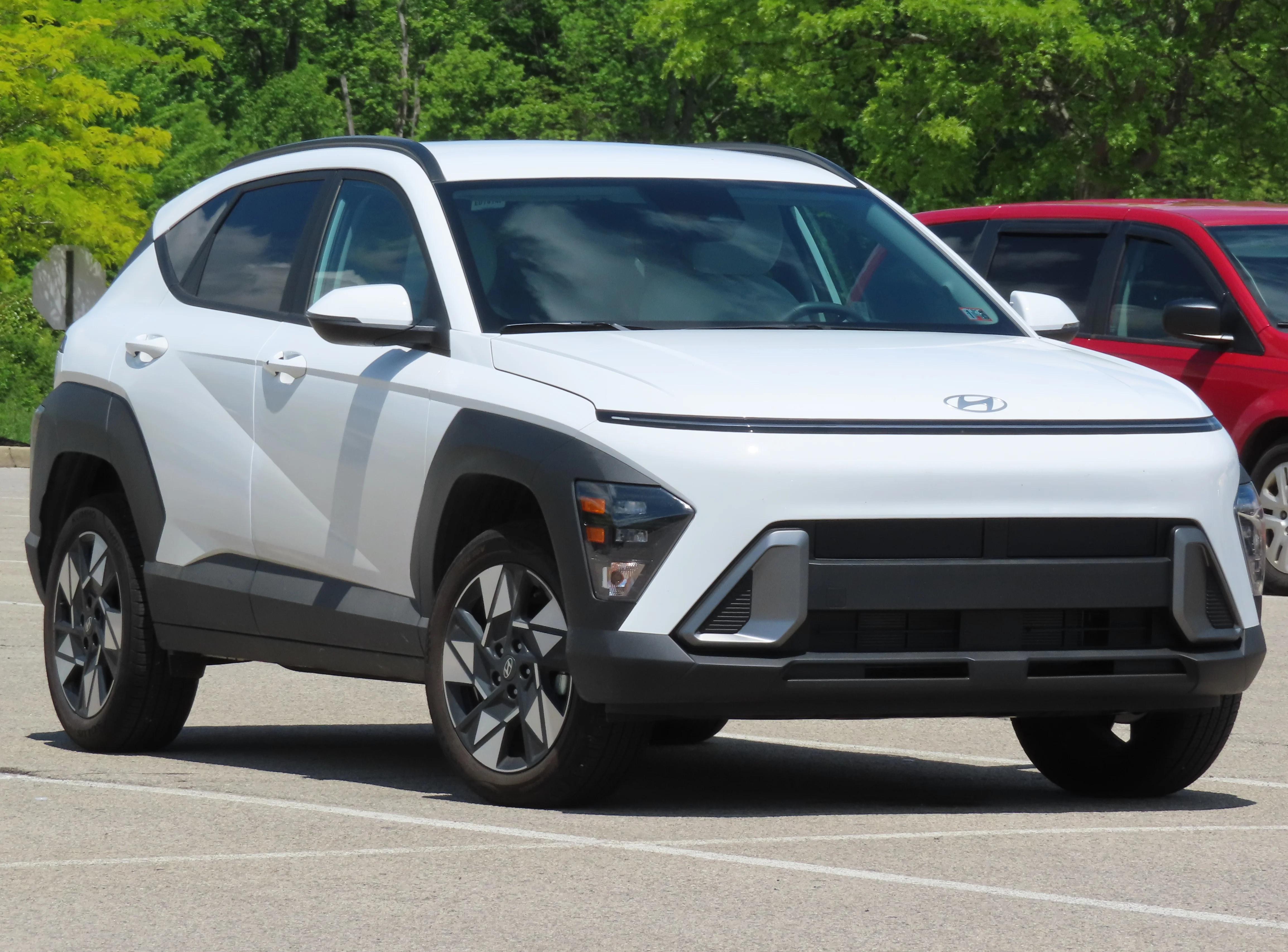
The answer depends on which Kona you mean
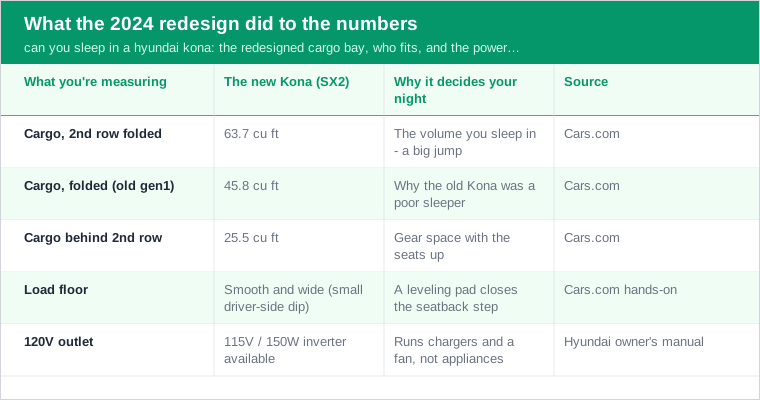
Can you sleep in a Hyundai Kona? Yes - but only really since 2024, and that caveat is the whole story. The old Kona, the one sold through 2023, was a poor sleeper: just 45.8 cubic feet folded, per Cars.com, in a bay too short and narrow to take seriously. The redesigned 2024 Kona is a different vehicle. Cars.com's hands-on measured 63.7 cubic feet with the seats folded - a jump of nearly eighteen cubic feet - and it explicitly flagged the gain over the old car's 45.8. That single change is what moved the Kona from 'no' to 'yes, for one.'
So if you are reading spec sheets, make sure you are reading the new one. This page is about the 2024-and-newer Kona, the SX2 redesign, because that is the one worth sleeping in. It is still a subcompact, so it is a solo bed and a tight one for two - but it is now a genuinely usable solo camper with a couple of surprises hiding in it, and the rest of this page walks exactly who it fits and how to set it up honestly.
The redesign's real gift: a bigger, flatter bay
The new Kona's cargo numbers are what make it work, so start there. Cars.com measured 25.5 cubic feet behind the second row and 63.7 with it folded - and for a subcompact, 63.7 folded is a real, sleepable volume, close to what some larger compacts give. Just as important, the hands-on review described the load floor as smooth and wide, with only a small depression on the driver's side 'big enough for a half-gallon carton.' Wide and smooth is exactly what a sleeper wants.
Here is how to read the new Kona's bay like a camper:
- 63.7 cu ft folded: the number that matters - a real solo bay, and the reason the new Kona qualifies at all.
- Smooth, wide floor: fewer humps and ridges to fight than the old car, so a pad lies flatter with less fuss.
- The small driver-side dip: a minor quirk a pad or a folded towel erases - worth knowing, not worth worrying about.
Hyundai does not publish a load-floor length, so the honest move is to measure your own - but the volume and the flat, wide floor tell you the new Kona finally has the shape of a one-person bed the old one never did.
It is worth being clear about what that eighteen-cubic-foot jump actually does, because a volume number can feel abstract. In practice it is the difference between a bay where a solo pad fits with gear crammed around your feet, and one where the pad lies flat with room to keep water, a headlamp, and tomorrow's clothes beside you instead of on top of you. The old Kona forced you to choose between sleeping length and gear space; the redesigned one gives you enough of both that a weekend does not feel like living in a closet. That is the quiet upgrade the spec sheet undersells - not just more cubic feet, but a bay that finally has margin.
Leveling the floor and measuring your own fit
Because Hyundai prints volume but not a sleeping length, the tape measure in your own driveway beats any number you will read online - including the owner-measured figures that float around forums, which I would treat as starting points, not gospel. What is verified is the shape: a smooth, wide floor with a modest step at the folded seatbacks. Two moves turn that into a flat bed.
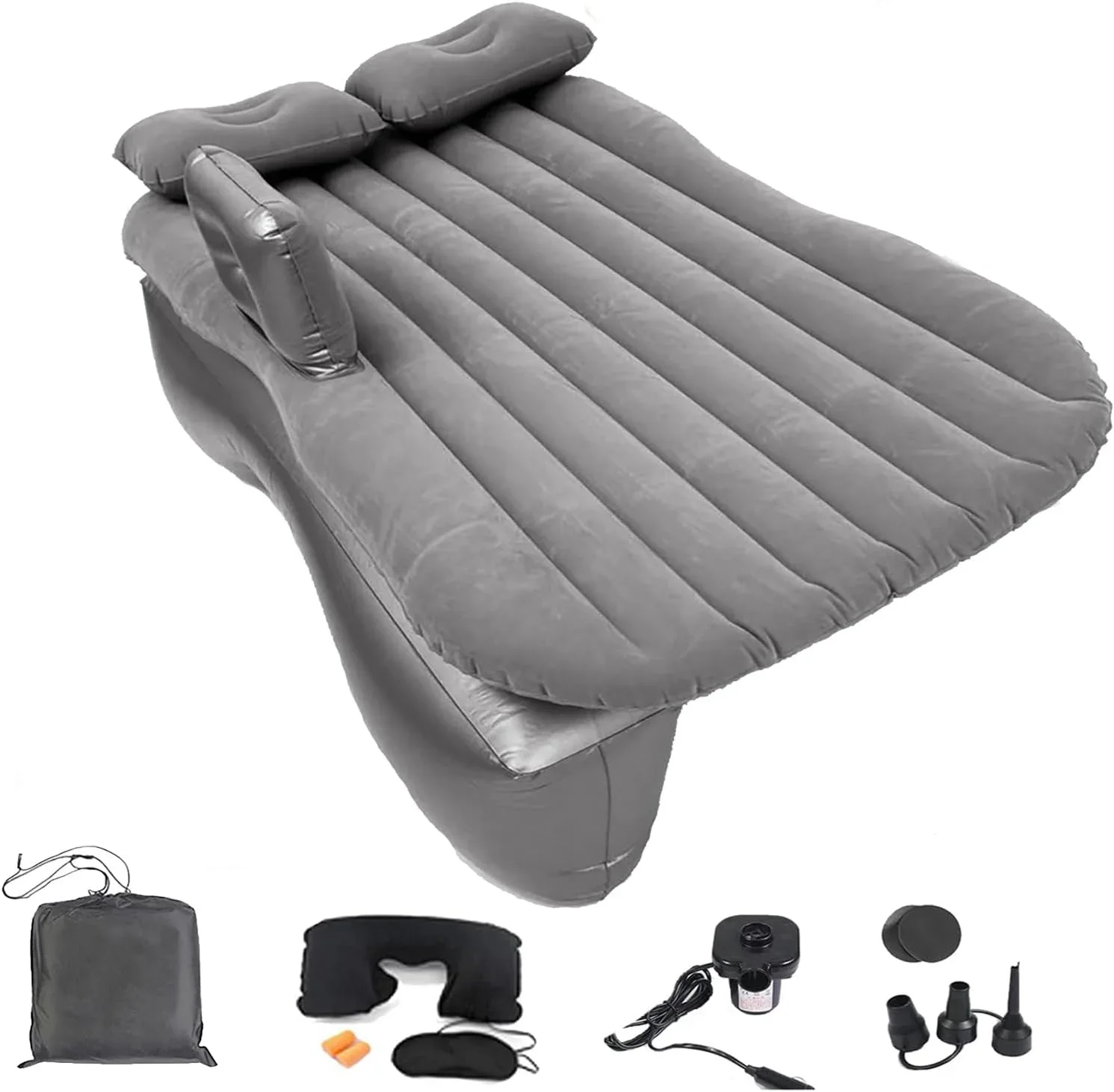
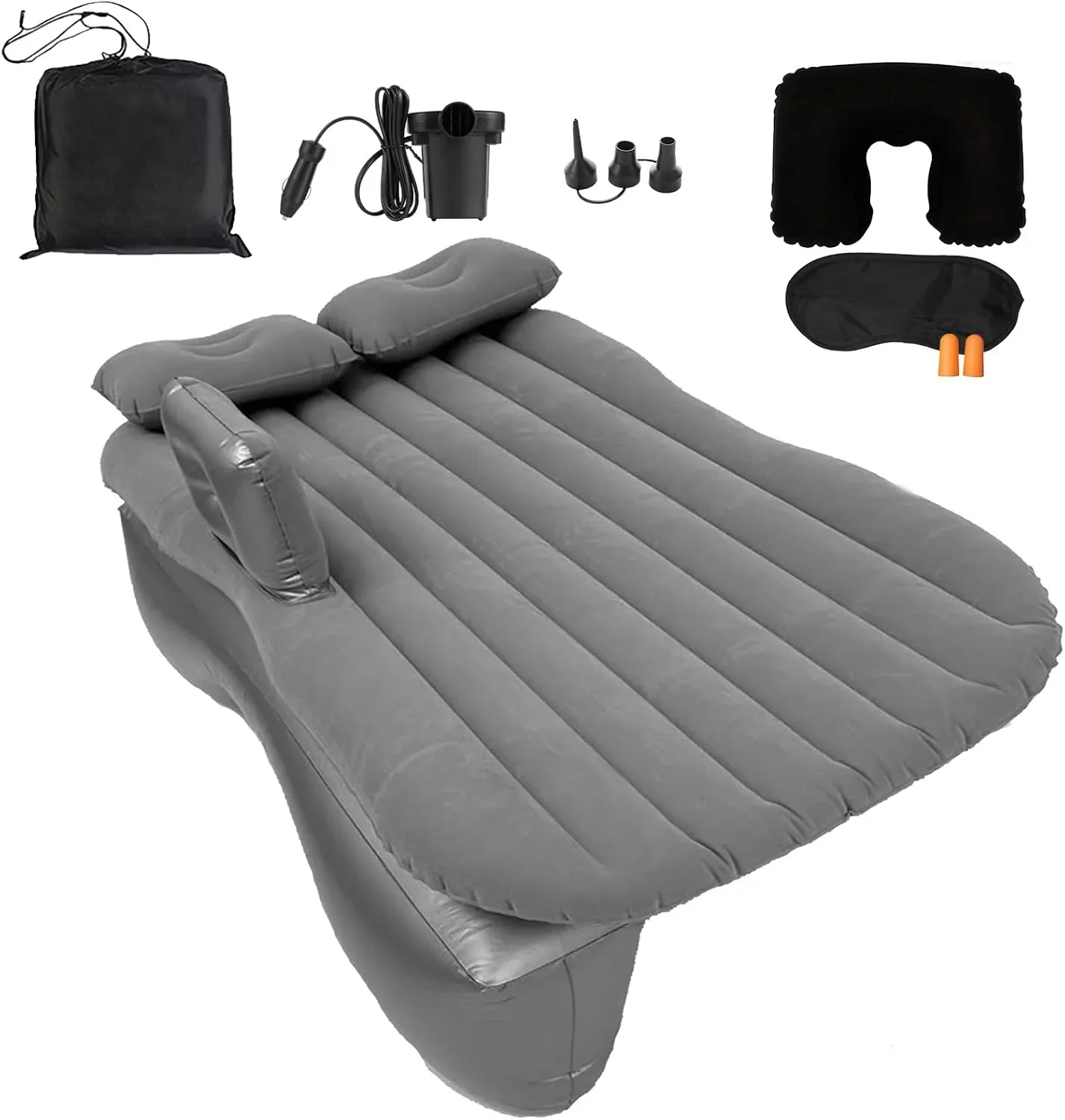
- Close the seatback step. Fill the small gap where the folded seats meet the cargo floor, then lay a bridging pad. An Onirii SUV air mattress is built to span exactly that step so the surface sits flat end to end.
- Measure before you buy. Fold the seats, slide the front seats forward, and run a tape from the tailgate to the seatbacks - and again on the diagonal. That is your real bed length, and it decides everything below.
- Fill the driver-side dip. The one floor quirk Cars.com noted disappears under a pad or a rolled towel.
Do those and the new Kona's bay reads flat and usable. The point is that the vehicle now has the raw shape to work; the setup is quick and the measuring is the only homework that actually matters.
Who fits in the new Kona
It is still a subcompact, so sort yourself honestly. The redesign widened the yes, but it did not turn the Kona into a family bunkhouse.
The solo camper under about 5 foot 10. This is the new Kona's sweet spot. With the front seats slid forward you get a usable flat run, the wide floor takes a single pad with room beside it, and 63.7 cubic feet swallows your gear. For you it is a comfortable, efficient solo camper.
The camper between 5 foot 10 and 6 foot 4. You are a diagonal sleeper. Corner to corner buys the length, and it works - but measure first, because a subcompact gives you no spare inches to guess with.
Two adults. Tight. The new Kona is wider than the old one but still a subcompact, so two average adults touch shoulders and stack gear outside. Treat it as a great solo bed that can sleep two slim people in a pinch, not a nightly two-person camper.
Prove your own fit in the driveway
Specs get you close; your own body settles it, and in a subcompact you have no spare inches to guess with. Before you spend on a mattress, run this test in your driveway - it costs nothing and it has talked people out of the wrong vehicle more than once.
- Fold the seats and lie down straight. Note where your feet land. In a Kona, most sleepers will find they fit better on the diagonal.
- Now lie diagonally. Corner to corner buys a taller sleeper real inches - this is the position a subcompact actually sleeps in.
- Slide the front seats forward. See how much length that reclaims; on a short bay it is the difference between fitting and not.
- Feel the floor. Find the small driver-side dip and the seatback step with your own back so you know exactly what your pad has to cover.
- Bring a tape measure. Confirm your own flat length, because trim and build shift the numbers and Hyundai never printed one.
Ten minutes here saves a ruined first night and a returned mattress. In a vehicle this size, the honest answer to 'do I fit' is the one you get lying down, not the one on a spec sheet - and the redesigned Kona rewards the check, because it fits more people than the old car ever did.
Where the Kona fights you at night - and how to win
Every vehicle has a personality after dark, and the Kona's has two quirks worth planning around. Neither is a dealbreaker; both are predictable once you know them.
The small cabin and the glass. A subcompact warms fast in the sun and fogs fast in the cold, because there is less air volume to buffer either. Two people breathing overnight put off close to a pint of water vapor, and in a bay this size it condenses on the windows into a cold morning drip. The fix costs nothing: crack two windows about an inch on opposite sides for cross-flow, keep wet boots and jackets up front, and skip any combustion heater inside a sealed cabin this small.
The reflective-cover habit. Window covers do double duty - privacy at night, sun block by day - and in a small cabin they meaningfully steady the temperature. Pair them with the cross-flow and the Kona holds a comfortable, dry night about as well as anything its size. The gear that fits the Kona's specific bay - covers, pads, organizers - is rounded up in our Kona camping accessories guide, which saves you the trial and error of buying things that do not fit.
A night in the new Kona, hour by hour
Numbers tell you whether you fit; a real night tells you whether you will do it twice. Here is how a dialed-in Kona overnight runs once the setup is sorted, so nothing surprises you at 2 a.m.
7 p.m. - pick the spot. A level pull-off matters in a subcompact, because any ground slope stacks onto the small seatback step you just leveled. Our where to park overnight rundown covers which lots and rest stops welcome a sleeping car - settle that before dark.
8 p.m. - setup. Fold the seats, close the seatback step and the driver-side dip, slide the front seats forward, inflate the pad, and stage tomorrow's clothes up front. With practice the whole job runs under ten minutes.
11 p.m. - lights out. Run a light and phone charging off the 150-watt outlet or a small station, keep two windows cracked, and the morning holds no surprises.
6:30 a.m. - teardown. Deflate, roll, stash, seats up, and the Kona is a tidy commuter again. Before your first trip, walk the whole build - pad sizing, leveling, insulation - with our Hyundai Kona camping guide, and read up on the rules with our guide to sleeping in your car safely and legally so the legal side is settled before you go.
The surprise: a 150-watt outlet, and more on the Electric
Here is the detail most Kona shoppers miss: the new Kona can carry a real AC outlet. Hyundai's owner's manual documents a 115-volt, 150-watt inverter on the 2024 Kona - modest, but genuinely useful. It will not run a fridge or a kettle, but 150 watts covers phone and laptop chargers, a CPAP-class device, and a small fan, which is more overnight power than most subcompacts give you at all.
If you are looking at the Kona Electric, the camping story gets better:
- Vehicle-to-load power: the Kona Electric supports V2L at roughly 1.6 kilowatts in North America, per InsideEVs - enough to run real camp gear straight off the traction battery, a different league from the 150-watt gas inverter.
- An adjustable cargo floor: Cars.com notes the Electric adds a dual-level cargo floor, so you can set it high to close the seatback step for sleeping.
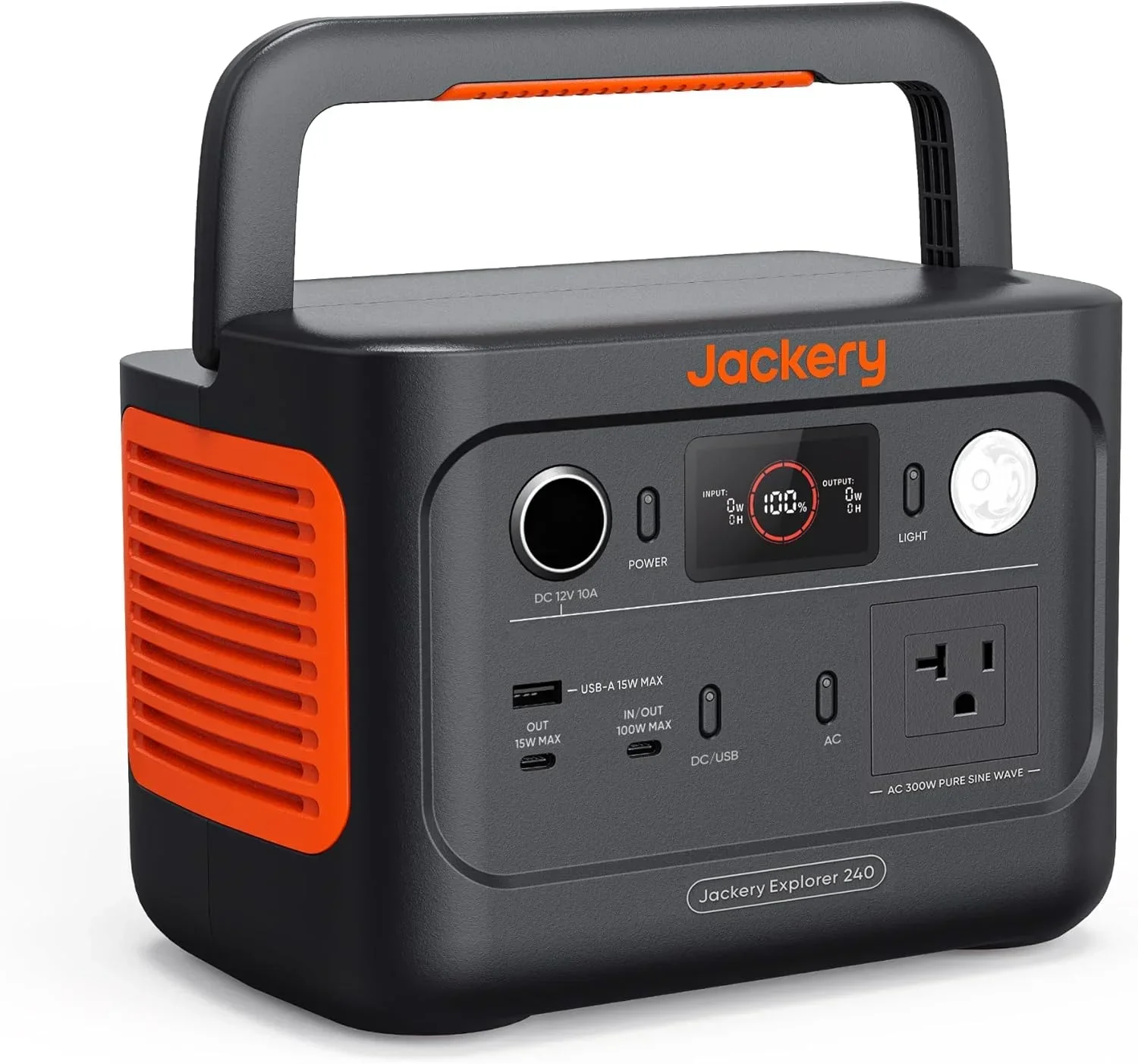
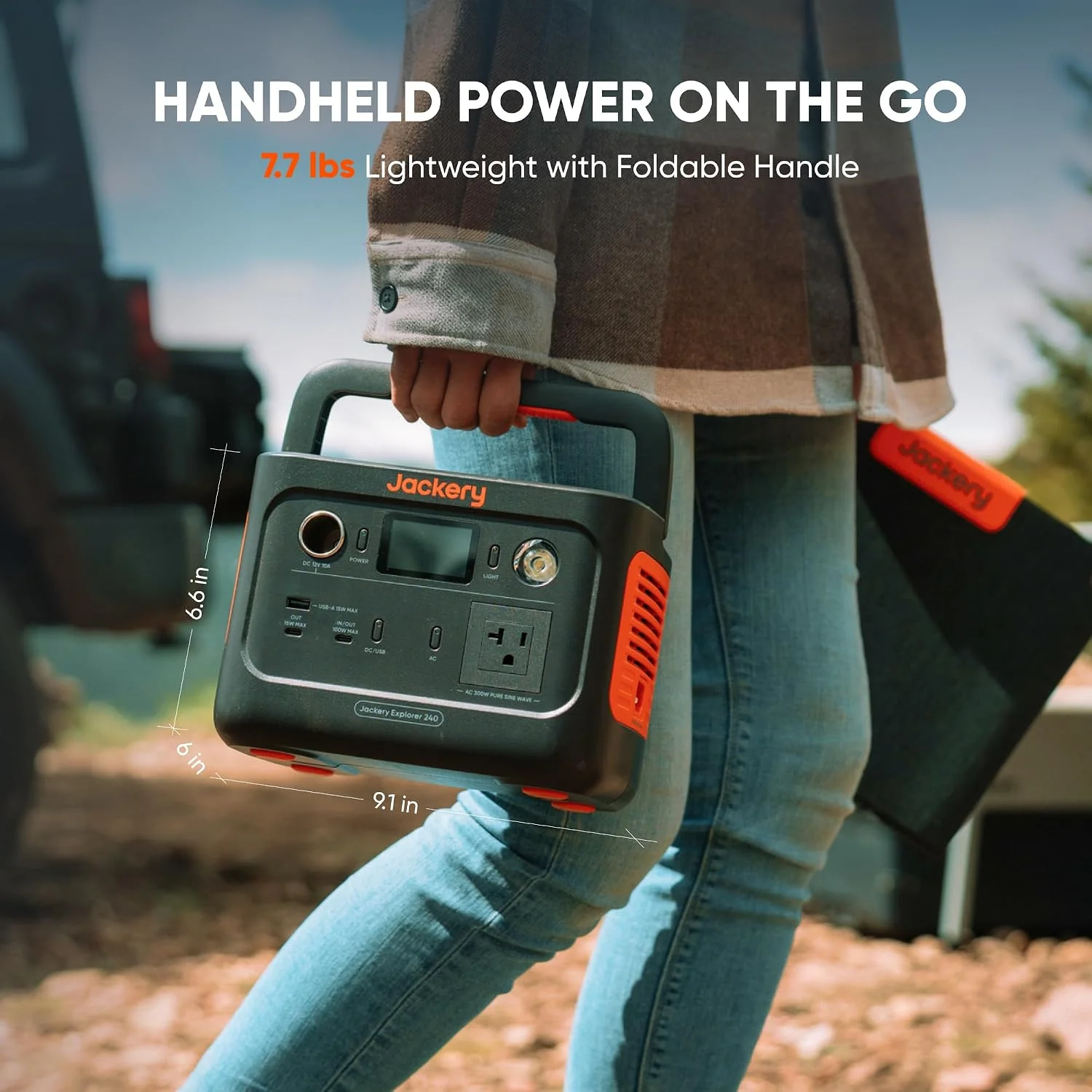
- Gas trims still want a station: if you have a gas Kona, treat the 150-watt outlet as a bonus and bring a Jackery Explorer 240 v2 for anything past a charger and a fan.
So the power answer splits by drivetrain: the gas Kona gives a helpful trickle, and the Electric gives you a genuine outlet on wheels.
Climate and the subcompact's condensation trap
A small cabin warms fast and fogs fast, and the Kona is no exception. Two people breathing overnight put off close to a pint of water vapor, and in a bay this size it lands on the glass as a cold morning drip if you seal yourself in. The fix costs nothing and matters more the smaller the vehicle.
- Crack two windows about an inch on opposite sides for cross-flow - the single biggest thing you can do against condensation.
- Keep wet gear up front. Boots and a damp jacket dump moisture all night; stash them in the footwells, not the sleeping bay.
- Skip combustion heaters inside. They add water and carbon monoxide to a small sealed space; a warmer bag is the safer answer.
The Kona holds heat reasonably for its size, but ventilation is non-negotiable in any subcompact. Sort the airflow before your first cold night and you wake up dry instead of blaming the car for water that came from your own breath. The reflective covers earn their place here too, trapping a few degrees of warmth against the glass and taking the edge off a cold morning in a cabin that has little mass of its own to hold heat.
How the new Kona stacks up against its rivals
Cross-shopping a Kona for sleeping usually means weighing it against other subcompacts and the compacts one size up. Here is where the redesigned car honestly lands.
- Versus the old Kona: no contest - the 2024 car's 63.7 cubic feet folded dwarfs the old 45.8, and that gap is the difference between a usable bed and a shrug.
- Versus a subcompact like the Corolla Cross: the new Kona's bigger, wider bay makes it the friendlier solo sleeper, and its available 150-watt outlet is a genuine edge.
- Versus a compact like a RAV4 or CR-V: those still give you more length and real two-person width. If two adults must sleep inside, size up; the Kona's win is thrift and easy parking, not outright space.
The redesign earned the Kona a spot on the solo-camper list it did not deserve before. Pick it for a comfortable one-person bed with a power bonus - not for two adults, which is still a size up from here.
The honest bottom line on sleeping in a Kona
Can you sleep in a Hyundai Kona? In the 2024-and-newer redesign, yes, and well, for one person under about 5 foot 10 who levels the floor and measures their own length first. You get about 63.7 cubic feet folded, per Cars.com - a sharp jump from the old car - a smooth, wide floor, and even a 115-volt, 150-watt outlet, with real V2L power if you choose the Electric.
Buy the night in a new Kona if you camp solo and want a well-shaped, efficient bed with a power surprise. Look at the old pre-2024 Kona as a non-starter, and size up past the Kona entirely the moment two adults have to sleep inside - the width still says one.
The Kona is the rare vehicle where the honest answer changed with a redesign. The new one finally has the volume, the flat floor, and even the outlet to be a real solo camper - so match it to a solo camper, confirm your own fit with a tape measure, and it does the job every night you ask it to.