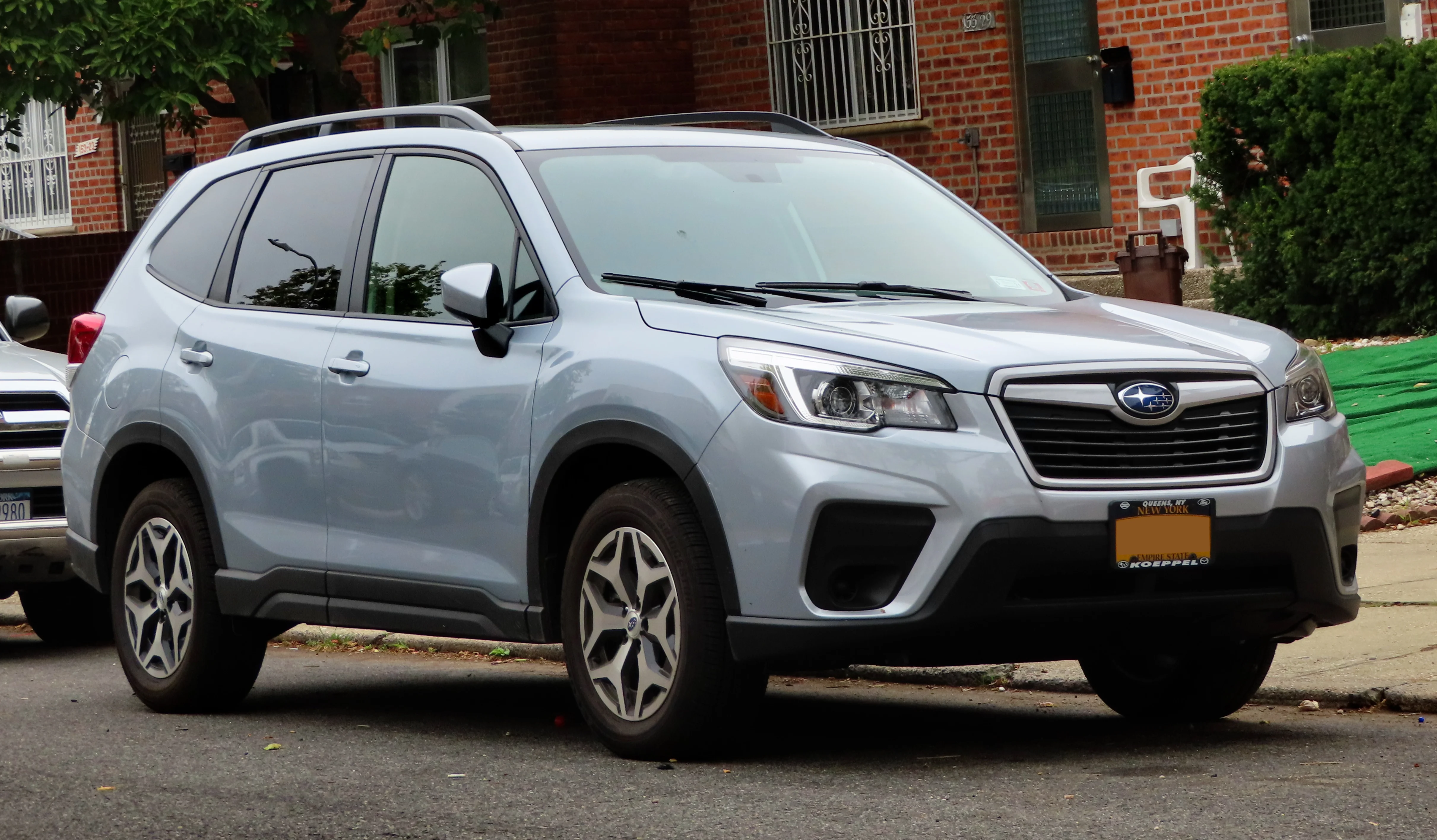
Can you actually run a fridge off a Subaru Forester?
Short answer, and it's the one that saves you money: not overnight, not off the factory sockets, not without a plan. The Subaru Forester gives you three 12V outlets, which sounds generous until you read the two lines that matter - they share a single 120-watt budget, and every one of them shuts off when you pull the key. That combination is why a fridge plugged straight into a Forester socket either quits at night or quietly drains the battery you need in the morning.
I fix my own stuff because I won't pay shop rates, so I care about the cheapest setup that actually works, not the fanciest one. This page maps the Forester's three sockets, explains the 120-watt shared cap most owners never notice, lists the fuses with their amp ratings, kills a Subaru rumor that costs people money, and then answers the real question: is the always-on rewire everyone talks about worth it, or does a sixty-dollar power station make the whole thing moot? Spoiler in the sockets: the Forester's electrical is fine. You just have to stop asking it to be a house battery. Here's the cost math you came for: a from-scratch constant-socket rewire runs roughly $30 in parts plus an afternoon, a shop will bill $150 and up for the same labor, and a power station lands near $200 with zero wiring - keep those three numbers in mind as you read.
The three sockets, and where Subaru hid them
Subaru actually gives the Forester more 12V outlets than most rivals - three of them, per the owner's manual. Knowing where they are decides where your gear lives and which one you'd ever bother rewiring.
- Below the climate control dials: the main front socket, easy to reach from either front seat.
- In the center console: a second front-area socket, handy for a dash cam or a charger tucked out of sight.
- In the cargo area: the one campers care about, because it's closest to where a fridge or fan lives - owners confirm it on the SubaruForester forums.
Here's the value angle: three sockets does not mean three times the power. They all draw from the same limited budget, so the extra outlets buy you convenient placement, not more watts. Don't pay for a triple-socket splitter thinking you unlocked more capacity - the cap in the next section is the wall, and it doesn't move because you found another hole to plug into. One placement note that saves a purchase: because the cargo outlet is the only socket sitting near where a fridge rides, a short extension is all most campers need back there - a triple-socket splitter mounted up front does nothing for the one outlet that actually matters for camping.
Why 120 watts is the real ceiling, total
This is the Forester's quietest and most important spec, and it's different from most cars: the manual rates the outlets at 120 watts maximum per appliance AND 120 watts total across all outlets used at once. That word 'total' is the catch. On a lot of vehicles each socket gets its own budget; on the Forester, plug a fridge into the cargo socket and a fan into the console and they're splitting one 120-watt pie.
Read it as one 120-watt circuit with three plugs, not three 120-watt circuits. That's the false assumption that trips people who add a second device and wonder why a fuse popped.
What the shared 120 watts realistically runs: a 45-watt 12V compressor fridge plus a fan and phone charging, together, with a little room. What it won't do is add a second big load on top - and it will never run anything with a heating element. The budget lesson: the Forester's cap is fine for a sensible camp, but it's a hard line, and the 15- or 20-amp fuse behind the socket won't save your gear if you blow past the 120-watt rating the fuse isn't protecting. The failure looks like this in practice: a 45-watt fridge on the cargo outlet and a 90-watt cooler pouch on the console read as 'two small loads,' but they sum to 135 watts, past the shared 120, and the Forester either browns out or trips mid-trip - the sockets never warned you they were pooled, because nothing on the dash shows the combined draw.
Does any Forester socket stay on with the key out?
No - and this one corrects a genuine piece of Subaru folklore that costs people money. The manual is explicit: power is available at the outlets only when the ignition switch is in ACC or ON. Every socket, including the cargo one, dies when you remove the key. There is no factory always-on outlet on the Forester, whatever a forum post from another model year implies.
Why it matters for your wallet as much as your battery: people read 'Subarus have an always-on socket,' plan to run a fridge off it, and wake up to a dead start because the socket was switched all along - or they pay to chase a problem that was never wired the way they thought. The Forester behaves like most of the segment - every factory socket switched; our Hyundai Tucson 12V and fuse map maps another all-switched layout. The Forester documents none, so overnight power is a plan, not a plug. The tell is easy to confirm before you rely on it: kill the ignition entirely, feed a phone into that rear cargo socket, and watch its charge light go dark - if it stays lit, you have a different car than the manual describes, worth knowing while it's still light out.
The fuse map, and the one fuse claim I won't repeat
Here's where to look when a socket goes dead, with a money-saving honesty flag. Two aggregators agree on the outlet fuses in the interior box, left of the steering wheel:
- #2 CIGAR, 20A - a cigar-lighter/power-outlet circuit (fuse-box.info and StartMyCar agree).
- #7 12V SOCKET, 15A - a second power-outlet circuit (both agree).
What I won't do is hand you a number that gets you cutting into the wrong wire: which physical socket each fuse feeds is not documented anywhere I could reach, so don't assume the cargo socket is on #7. And an owner claim floating around that the cargo socket is 'fuse 13, 20A in the left footwell' conflicts with fuse-box.info, which lists #13 as a 7.5A ignition circuit - so I'm leaving that claim out entirely. Match these two fuses to the diagram on your own fuse-box lid and meter the cargo socket before you tap it. A wrong guess here is a blown module, and that's the opposite of saving money. To be concrete about the exclusion: the floating claim pins the cargo socket to a 20-amp 'fuse 13' in the left footwell, but fuse-box.info lists slot #13 as a 7.5-amp ignition feed - dropping a 20-amp load onto a 7.5-amp circuit is exactly the mismatch that melts wiring, so that number stays off this page rather than sending you into the wrong footwell fuse.
Is rewiring an always-on socket worth it?
This is the question the forums argue about, so here's the honest value math. Because the cargo socket is switched, owners who want key-off power either run a fused wire from the battery to a new constant socket, or tap the trailer-harness battery lead. It works. It also costs you parts, an afternoon, and the risk of doing it wrong on a modern car full of electronics.
The rewire is the right call for one kind of camper: someone who sleeps in the Forester constantly and wants hardwired, set-and-forget fridge power. For everyone else, it's paying with time and risk to solve a problem a portable battery already solved.
My take as the guy who won't overspend: if you camp a few weekends a year, don't rewire anything. A power station does the same job with zero wiring, zero risk to the car's electrical, and it comes inside when you're done. If you're building a dedicated sleep rig you'll use fifty nights a year, the fused direct-to-battery line earns its keep. Match the spend to how often you actually sleep in the thing. Run the numbers before you commit: a fused battery-to-socket kit is a $25-to-$40 pile of parts - inline fuse holder, 12-gauge wire, ring terminals, a fresh socket - plus a couple of hours; a shop doing it right lands between $150 and $300; a power station near $200 skips the wiring and follows you into the next vehicle. The cheapest path is decided by your night count, not by the sticker on the parts.
No 110-volt outlet, and the inverter false economy
Don't hunt for a household plug in a Forester - Subaru doesn't fit one on any trim. Only 12V DC sockets and USB show up in the manual and the fuse tables. If you need AC, that's an add-on, and here's where people waste money: they buy a big cheap inverter, wire it to the switched socket, and discover it only works with the key on and still can't exceed the 120-watt cap.
- The false economy: a $40 inverter on a switched, capped socket is a device that can't do what they bought it for.
- The honest fix: a power station with its own AC outlet runs your gear off its own battery, independent of the car's ignition or its 120-watt limit.
The engineering point in plain terms: an inverter just converts the same limited, switched 12V budget into AC and adds losses. For camping, a standalone battery you recharge while driving beats squeezing AC out of a socket that turns off when you sleep. There's a numbers reason underneath it: a 400-watt inverter advertises far more than the outlet can feed, because the pooled 120-watt ceiling and its 15-to-20-amp fuse throttle the draw long before the inverter's rating ever matters - you paid for headroom the Forester simply won't let you reach.
What the Forester runs overnight for the price of a power station
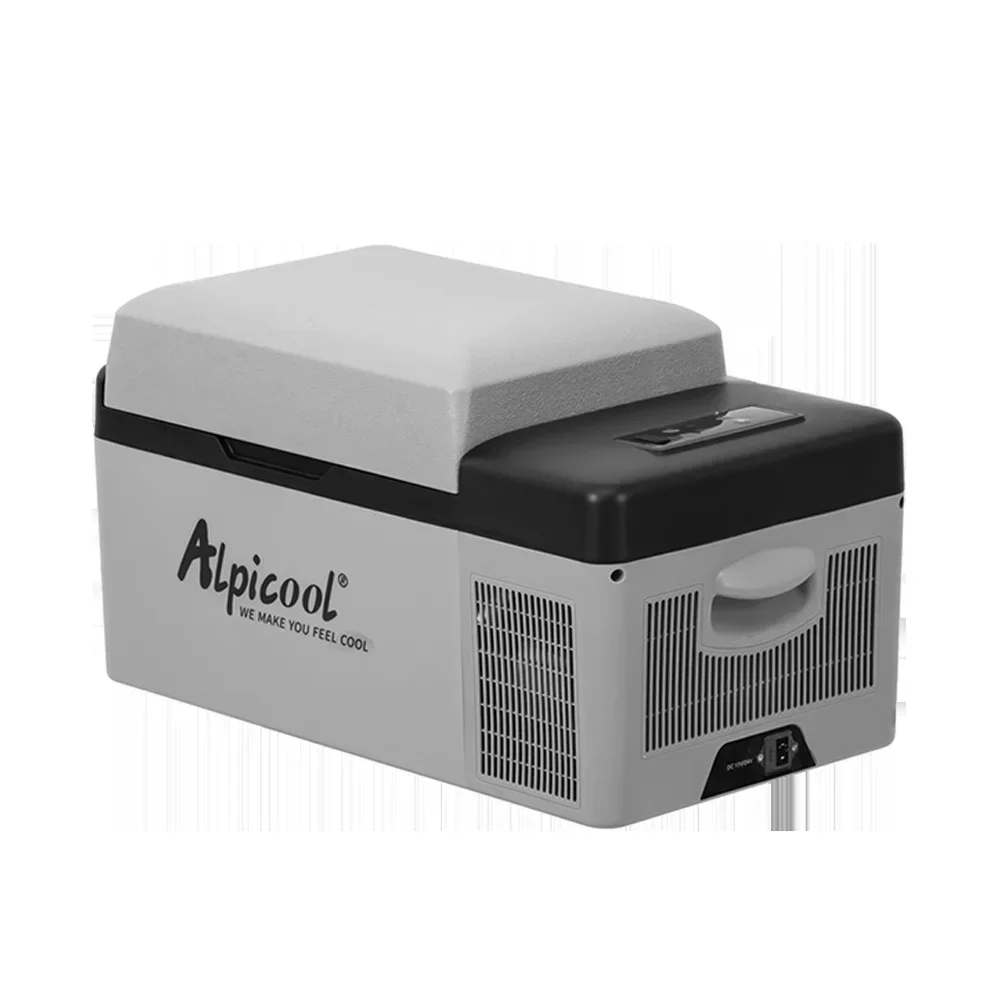
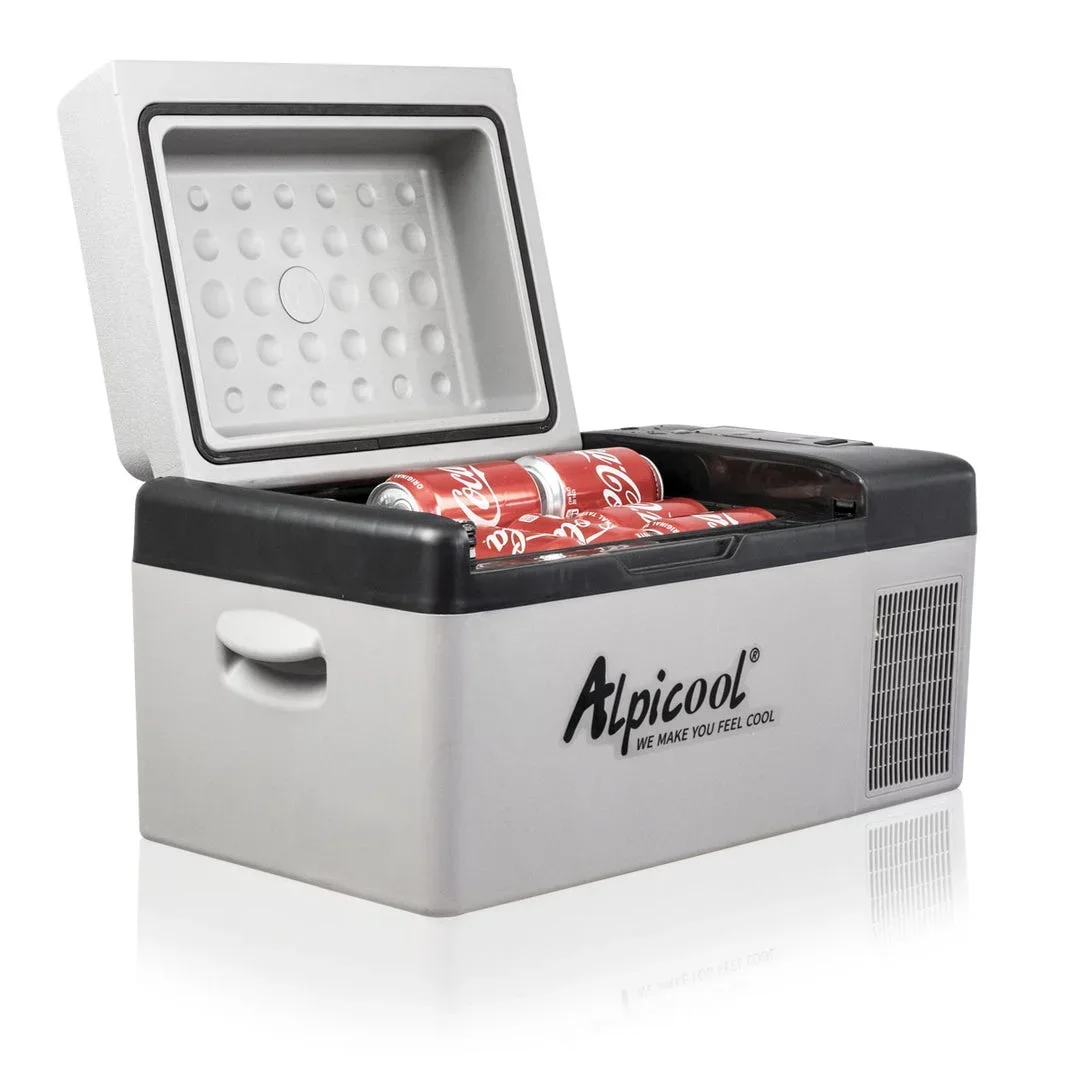
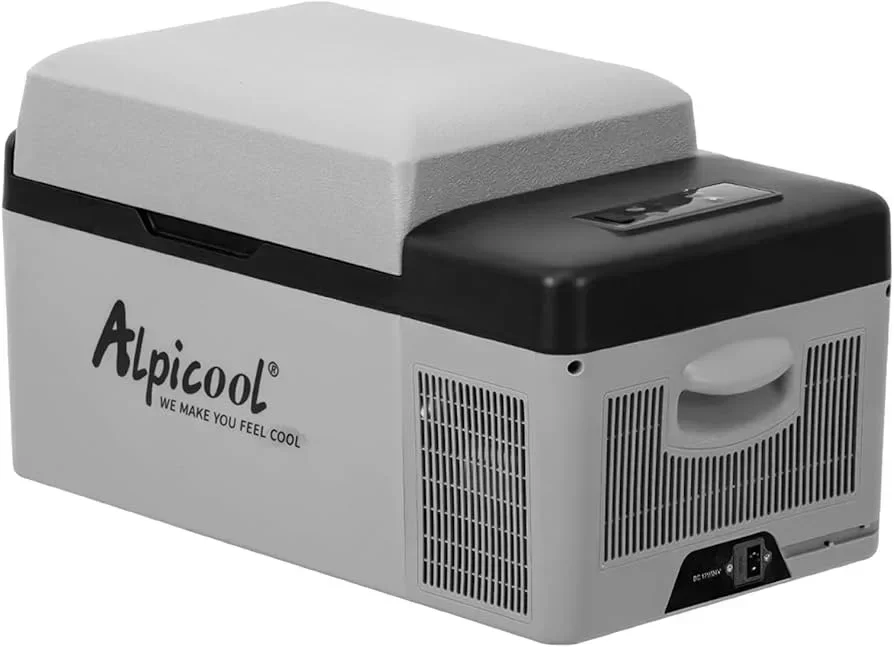
Here's the cheapest setup that genuinely works. Because every Forester socket dies with the key, running a Alpicool C20 fridge straight off the cargo socket overnight is the mistake - it quits when the car's off, or drains the start battery if you leave accessory power on. Either way you've spent money to make a problem.
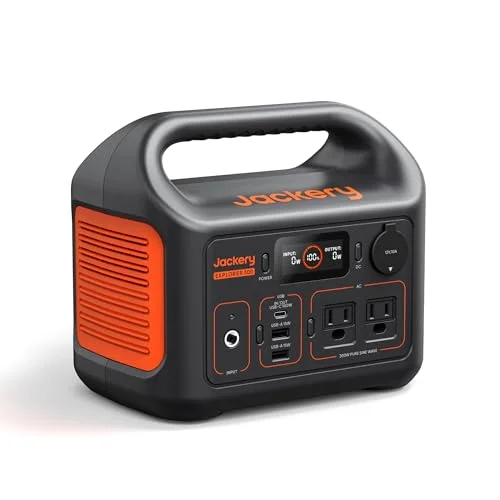
The plan I'd actually run in a Forester: a Jackery Explorer 300 power station carries the fridge, a fan and a night of charging off its own 292 watt-hours, then recharges from the 12V socket while you drive - and it sidesteps both the switched-power problem and the shared 120-watt cap, because the fridge is running off the station, not the car. That's less money than a proper rewire, no risk to the Subaru's electronics, and it doubles as home backup. The full setup lives in our Forester cargo dimensions. The recharge math is the quiet win here: those 292 watt-hours refill off the moving Forester's socket on an ordinary drive between campsites, so the engine does the charging while it's already running - no ignition-on penalty overnight, no fight with the shared cap, and the fridge never notices the car was ever switched off.
The USB story, trim by trim
Quick and useful, because USB is where cheap charging lives. The Forester puts two USB ports in the front console on every trim, and adds two more in the rear console on Premium and up - base trims skip the rear pair. Charging amperage isn't documented in the sources I trust, so I won't print a number I can't stand behind.
For camping that means:
- Phones and small stuff: the front USB ports handle them fine, and unlike the 12V sockets you're not eating into the 120-watt budget for a phone.
- Rear passengers or a cargo setup: confirm your trim has the rear ports before you count on them; base cars don't.
- A dealer rear-USB kit exists that taps the factory 12V outlet - fine, but it's just moving load onto the same circuit.
None of this runs a fridge; USB is a device-charging story. But it's free capacity you already paid for, so use it for what it's good at and save the 12V budget for the fridge. To nail the trim split before a used-lot purchase: every Forester ships two front USB ports, while the second pair - mounted back by the rear seats - shows up only from Premium trim upward, so a Base car leaves rear passengers with nothing and is worth spotting before you count on rear charging.
The cheap mistake that kills your starter battery
Let me name the exact error that turns a cheap trip expensive, because I've watched people make it. They know the Forester's socket is switched, so they leave the ignition in ACC overnight to keep the fridge running. That does keep the socket alive - and it also keeps a pile of the car's electronics awake, draining the same battery you need to start the engine at dawn. A morning of no-crank silence in a cold campground is a expensive way to learn it.
Never sleep with the Forester in accessory mode to power a fridge. You're not borrowing power; you're spending your starting battery, and a jump-start in the backcountry costs a lot more than a power station.
The whole point of a standalone battery is that it removes this temptation. The fridge runs off the station, the car stays off and locked, and the starting battery is exactly as full at 6 a.m. as it was at bedtime. That's the cheap discipline that keeps a Forester trip from turning into a tow bill. One more cheap safeguard if you ever must pull from the car itself: a $20 low-voltage cutoff wired between the socket and your load drops the feed before the starter battery falls under cranking range - it's the line between a flat accessory draw and a silent, no-crank dawn.
Where spending more actually pays off here
Since I'm the value guy, here's where opening the wallet is worth it on a Forester camp setup, and where it isn't.
- Worth it: a decent power station. It solves the switched-socket problem, the 120-watt cap, and the AC-outlet gap all at once, and it lasts across every car you'll ever own.
- Worth it if you camp a lot: a proper fused direct-to-battery line with a low-voltage cutoff - hardwired, invisible, and it can't accidentally drain your start battery.
- Not worth it: a big inverter on a switched socket, a triple-socket splitter that can't beat the shared cap, or paying a shop to rewire what a station already fixes.
The Forester rewards the person who spends once on the right thing instead of twice on the cheap-and-then-the-real-one. Buy the station, skip the gadgets, and rewire only if your night count justifies it. Put a dollar frame on it: the station is the single buy that answers the ignition-switched sockets, the pooled 120-watt limit, and the absent household plug in one box, so its roughly $200 covers three jobs; a $40 inverter and a $15 splitter each solve none of them and just stack into wasted spend.
The budget verdict on Forester camp power
The Subaru Forester is a perfectly good camping platform once you stop believing the myth. Three 12V sockets, one shared 120-watt budget, fuses #2 and #7 in the interior box, every outlet switched off with the key, and no factory 110-volt outlet. Nothing there is a dealbreaker - it just means the overnight power comes from you, not the car.
Skip the rewire, skip the cheap inverter, and put your money in one power station. It beats the Forester's shared cap and switched sockets for less than a proper hardwire, and you'll never be one dead battery from a tow.
Respect the 120-watt total, never sleep in accessory mode, and carry your own battery, and the Forester handles a weekend cleanly. And if you came here believing there's a secret always-on Subaru socket - there isn't, and now you won't waste an afternoon or a battery finding that out. Boil it to one line: budget the roughly $200 for a station, respect the pooled 120 watts, and the Forester turns into a quiet, capable weekend camper that never leaves you stranded on a cold morning for want of a crank.
Related on Auto Roamer: RAV4 vs Forester for camping; Subaru Outback 12V and fuse map.