
How to Prepare Your Dog for Air Travel
Preparing your dog for air travel isn't just about stuffing them into a carrier and hoping for the best. It's about making sure their whole experience, from the living room to the tarmac, is as stress-free as possible. Think of it like prepping for your first camping trip: you wouldn't just grab a tent and go, right?
Preparing your dog for air travel isn't just about stuffing them into a carrier and hoping for the best. It's about making sure their whole experience, from the living room to the tarmac, is as stress-free as possible. Think of it like prepping for your first camping trip: you wouldn't just grab a tent and go, right? You'd figure out the essentials first. For dogs, this means understanding their needs and the airline's rules before you even book the ticket.
It's a whole process, not just a last-minute scramble. You've got to get the right paperwork, the right carrier, and most importantly, get your dog used to the idea of being confined for hours. I learned this the hard way when my first dog, Buster, absolutely freaked out in his carrier at the airport security line. Turns out, I hadn't spent nearly enough time making that carrier feel like a safe den.
VCA Animal Hospitals lays out the groundwork for this, and it's way more involved than just having a leash. This isn't a casual weekend road trip; it's a whole new ballgame for your furry co-pilot.
The Core Answer
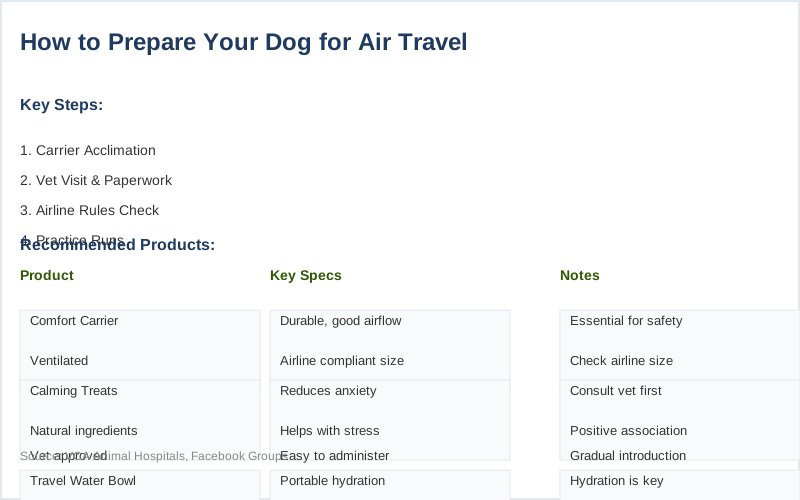
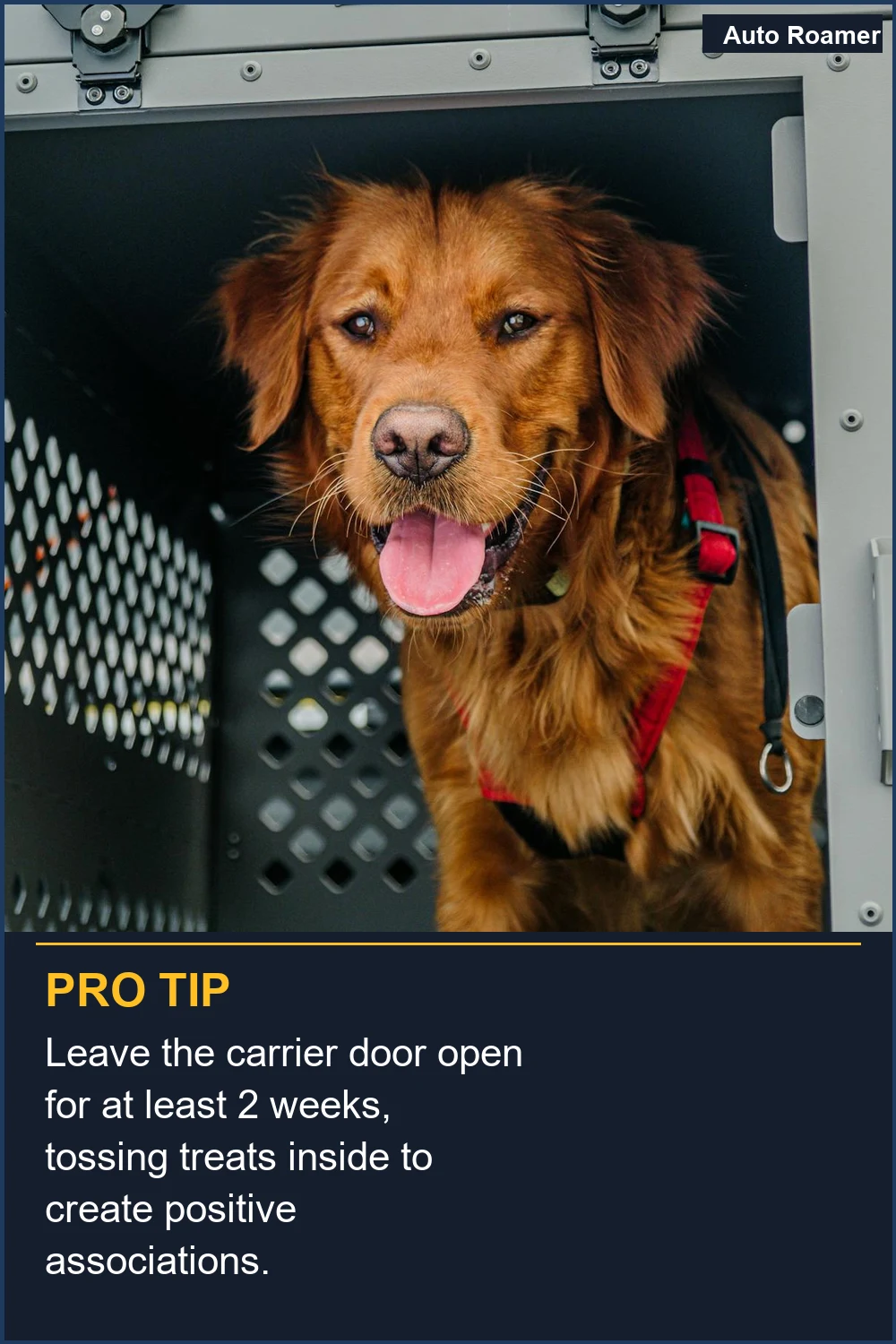
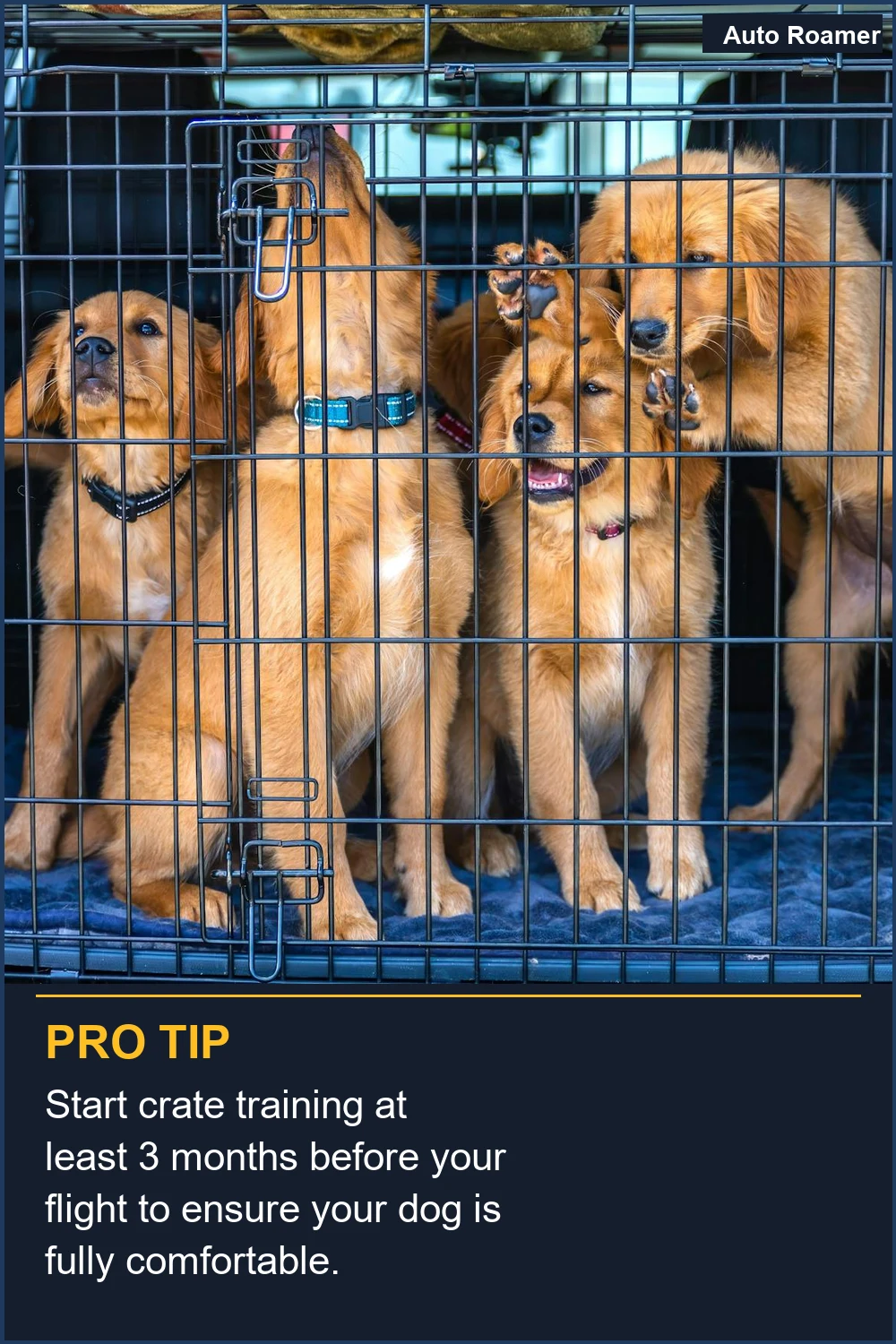
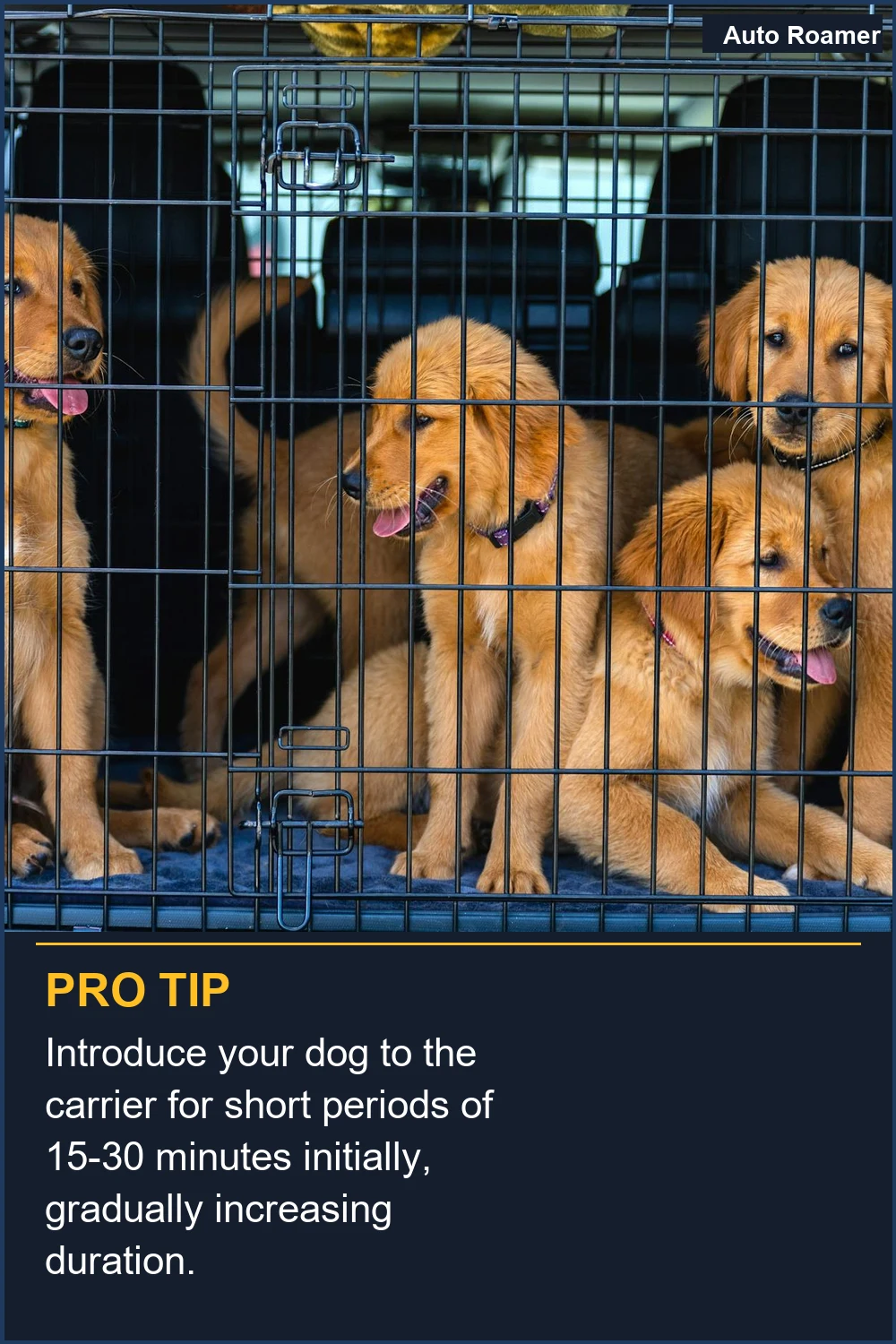
The real move here is to treat this like you're training for a marathon, not a sprint. Your dog needs to be comfortable in their travel carrier, and that takes time. Start weeks, ideally months, before your flight. Leave the carrier out in your house all the time, with the door open. Toss treats inside, feed them meals in there, and put their favorite toys in it. The goal is for them to see it as their personal safe space, not a prison cell. I remember my first attempt, I just shoved Buster's bed in there and expected him to chill. Rookie mistake. He was so anxious, he was panting like he'd run a 5k just sitting in it. A Facebook group I follow had tons of advice about this, and the consensus was: make it positive, make it gradual. You want your dog to go into the carrier willingly, and eventually, happily. Short sessions inside at first, then gradually increasing the time. Think five minutes, then ten, then twenty. If they're cool with it, you're golden. If they're stressed, dial it back. It's about building positive associations. This is game-time for their comfort. Tailwind Global Pet talks about making the crate cozy, and that's huge. Soft bedding, maybe a familiar blanket that smells like home. It's not just about the carrier itself, but what's inside it that makes it feel safe. You're aiming for them to be able to relax, maybe even nap, while they're in there. This isn't about forcing them; it's about conditioning. I found that using puzzle toys or lick mats inside the carrier during these practice sessions really helped distract Buster and make him associate the carrier with good things. It's the $50 version of therapy, really. Don't forget the practical stuff either. Make sure the carrier meets all airline requirements for size and ventilation. Some airlines are picky, and you don't want to get to the airport and be told your carrier won't fly. The USDA has guidelines, and they're not suggestions. The honest version is, a stressed dog on a plane is miserable for everyone, including you. So, the core answer is consistent, positive exposure to their travel carrier well before the flight. It's the foundation of a smooth journey. This whole process can take 3-4 weeks of consistent effort for an anxious dog, maybe less for a chill one. But you have to put in the work. It's not magic, it's training. Woof emphasizes that lighter meals the day before can help with digestion, too. That's a practical tip that makes a difference.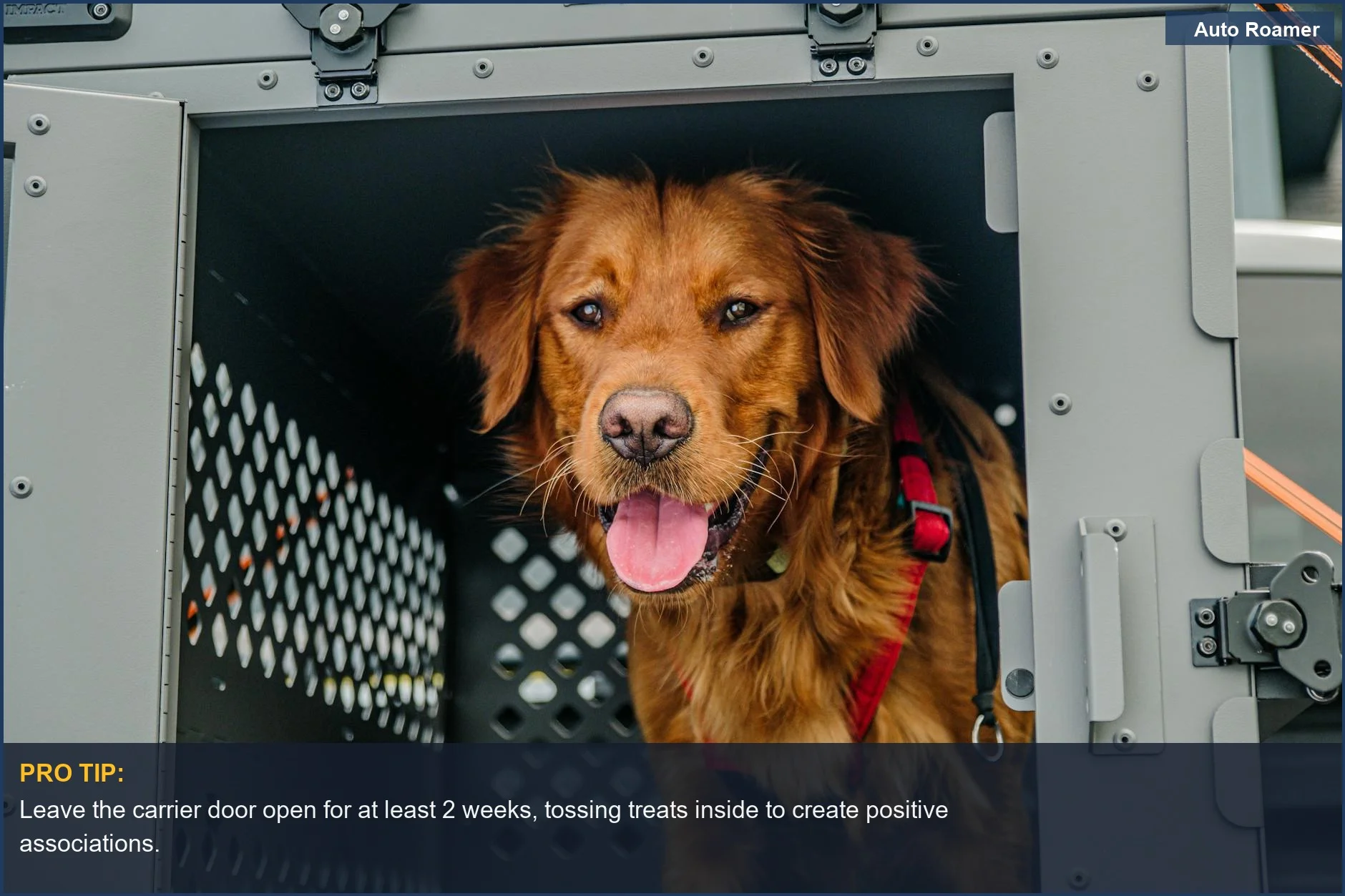
Why This Matters for Your Setup
Why does this matter for your setup? Because a dog that's freaking out in its carrier is going to make your entire travel experience a nightmare. I've seen people struggling with dogs barking non-stop in the cabin, and it's awful for everyone. The goal is to have a dog that can settle down under the seat in front of you, or at least remain calm in the cargo hold. This means having the right carrier, of course, but also making sure it's a place they associate with safety. USDA says it needs secure latches and good ventilation. Brilliant engineering. But even the best carrier won't work if your dog hates it. You need to pack their favorite blanket, maybe a chew toy that's allowed on planes. Also, think about food and water. VCA Hospitals suggests bringing their regular food, just in case, and a water bottle with a spill-proof bowl. You don't want a soggy carrier. Collars, harnesses, and leashes are non-negotiable, obviously. And poop bags. Always poop bags. Reddit users always remind each other about those.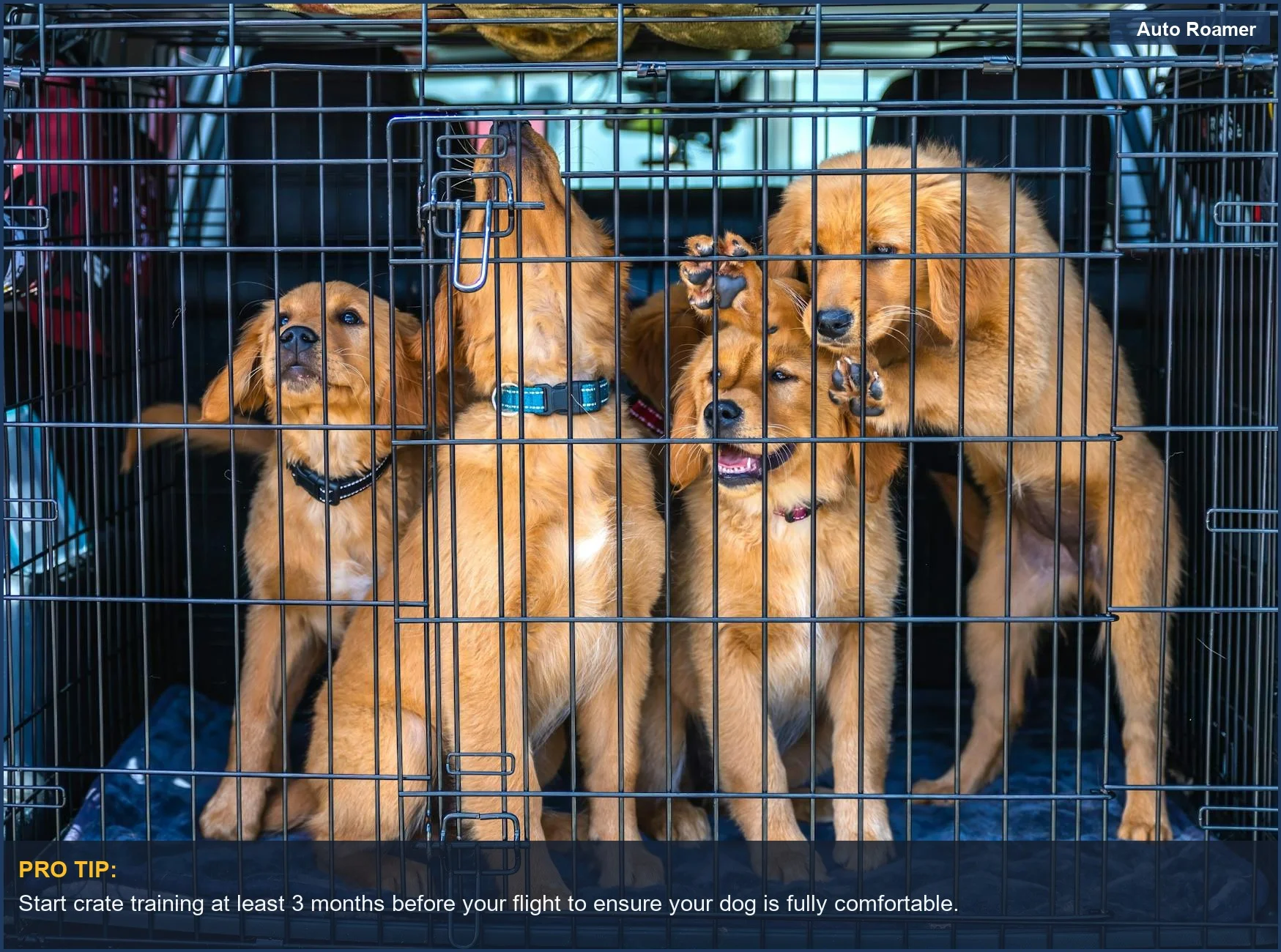
Making the Right Choice
So, the bottom line is this: preparing your dog for air travel is all about proactive comfort and clear communication with your airline. It's not rocket science, but it does require a bit of foresight and effort. The biggest mistake I see people make is thinking they can just wing it. That's like showing up to a blizzard with a t-shirt. You need to build up to it. Reddit threads are full of people who learned this lesson the hard way. You want your dog to feel secure and relaxed, not terrified and overwhelmed. This starts with the carrier training and extends to having all your ducks in a row, documentation-wise. CareCredit reinforces the importance of vet visits before you fly. Think of it as investing in a smoother trip for both of you. A happy dog makes for a happy traveler, and a miserable dog makes for a very long flight. The $50 version of a good carrier and some extra treats beats the $500 therapy bill for your dog later, trust me. It's about making the experience manageable, not just bearable. Your dog trusts you to handle this, so take the time to do it right. It's the real move for responsible pet ownership when it comes to travel.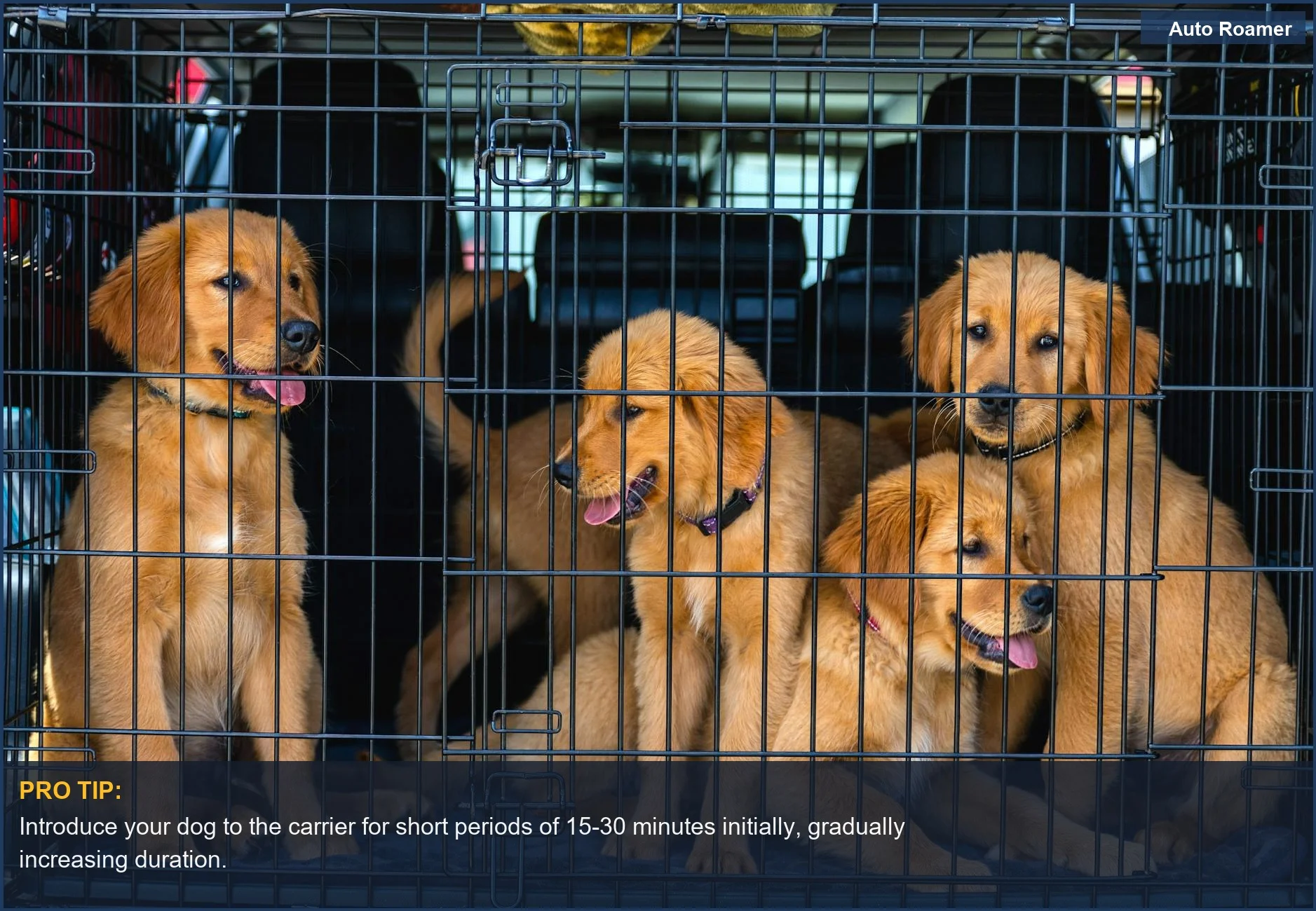
Frequently Asked Questions
I saw a fancy carrier online for $200, but my dog’s old duffel bag might work. Is the expensive carrier really worth it, or is that just marketing fluff?
Do I really need to get a special 'travel' water bottle for my dog, or can I just bring a regular one and a bowl?
What if I do all this carrier training, and my dog still freaks out on the plane?
Can leaving my dog in a carrier for extended periods during training permanently damage their psyche?
I heard you can just give your dog a sedative before flying. Is that true and is it safe?
🏅 Looking for Gear Recommendations?
Check out our tested gear guides for products that work with this setup:
Sources
- How to Crate Train Your Dog for Air Travel - Tailwind Global Pet
- Pets on Planes Lesson 1: Prep and Receive Pets for Air Travel
- Preparing a dog for an in-cabin flight: tips and advice - Facebook
- 12 Tips for Flying with Your Dog - CESAR® Dog Food
- How to Prepare Your Dog for Air Travel - Woof
- Flying with Your Dog in the Airplane Cabin | VCA Animal Hospitals
- Pet Travel Guide: How to Fly Safely With Your Dog or Cat
- Planning to bring my dog for a 6 hour flight : r/puppy101 - Reddit