Quick Answer: Which Dog Car Harness to Buy
As an Amazon Associate I earn from qualifying purchases.
A quick honesty note, because the internet is full of fake gear reviews: I have not crash-tested these harnesses myself, and neither has anyone writing a blog. The crash data referenced here comes from the Center for Pet Safety's published certification program and from each manufacturer's own specifications. What I can do is read that testing carefully, compare the published size ranges and attachment designs, and tell you which harness fits which dog and which car. That is the job: match the certified gear to your situation, not pretend I rammed a crash sled with my own German Shepherd.
For most dogs, the safest car harness you can buy is one that has actually passed independent crash testing. The Sleepypod Clickit Sport is the harness I point people to first: it is one of the few restraints certified by the Center for Pet Safety (CPS), the nonprofit that runs the only widely cited crash-test standard for pet restraints. Very small dogs are usually better served by a booster-style dog car seat for small dogs than by a full-size harness. If you want crash-test-grade safety without the four-figure fuss, the Kurgo Impact is the value standout, and the EzyDog Drive is the easiest everyday harness to fit and clip in.
How to Choose a Dog Car Harness
A car harness is not a walking harness with a seatbelt clip bolted on. It is a restraint, and the difference between the two is the difference between a fashion accessory and a safety device. Here is what actually separates a harness that protects your dog from one that just looks the part.
1. Crash-test certification comes first. The single most meaningful spec is independent crash testing, and in practice that means Center for Pet Safety certification. CPS tests restraints against a standard adapted from child car-seat protocols, using instrumented dummies at simulated highway speeds. A harness that says "crash tested" without naming who tested it or to what standard is making a marketing claim, not a safety claim. CPS publishes its certified list, so you can verify any product yourself rather than trusting a sticker.
2. Size and weight range have to match your dog. Crash protection is validated only within the weight range the manufacturer tested. A harness rated to 75 pounds was not tested with a 110-pound mastiff, so its crash certification simply does not apply above its rating. Measure your dog's chest girth just behind the front legs and the base-of-neck circumference, then buy to the manufacturer's chart, not by eyeballing a "large."
3. Understand how it attaches to the car. Most certified harnesses anchor in one of two ways. The most common routes your existing seatbelt through a loop on the harness, or clips a short tether into the seatbelt buckle. A few systems instead use the car's LATCH anchors, the same lower hooks a child seat uses, which can give a more rigid mounting point. Either approach works; what matters is that the tether is kept short, because slack is what lets a dog build forward momentum in a sudden stop.
4. Decide whether you also need a no-pull walking harness. A dedicated crash harness is built for one job: holding a dog still in a collision. It is usually not the harness you want for daily leash walks. If you want one harness for both, look for a travel-friendly multipurpose design (the Sherpa harness above is one) that includes both a walking attachment and a seatbelt tether, and accept that it is a compromise on each front rather than the best at either.
- Certified first: confirm Center for Pet Safety certification, not a vague label.
- Size to the chart: a harness is only crash-validated within its tested weight range.
- Attach as tested: seatbelt tether or LATCH, kept as short as the design allows.
- Match the job: a dedicated crash harness restrains best; a hybrid trades a little of that for daily walks.
Carsick or anxious dogs are a separate problem worth solving before a long drive; our notes on dog car sickness remedies cover the prep that makes a harness easier to fit on a reluctant rider.
The 6 Best Dog Car Harnesses, Compared
Each pick below is matched to a specific dog and a specific need. The safety claims are drawn from Center for Pet Safety certification and from each maker's published specs, attributed throughout, never from any hands-on crash test of my own.
The Center for Pet Safety is the nonprofit that runs the most widely cited independent crash-test certification for pet restraints. If a harness does not appear on its certified list, treat any "crash tested" claim as marketing until the maker names the standard and the tester.
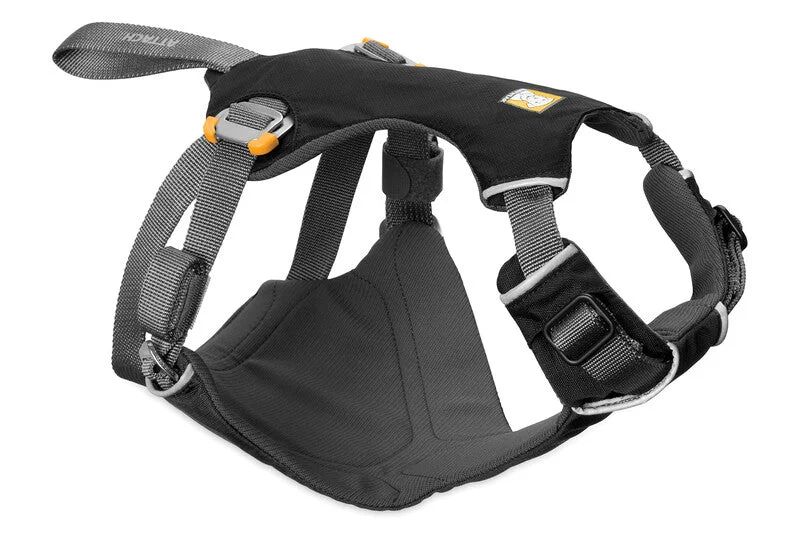
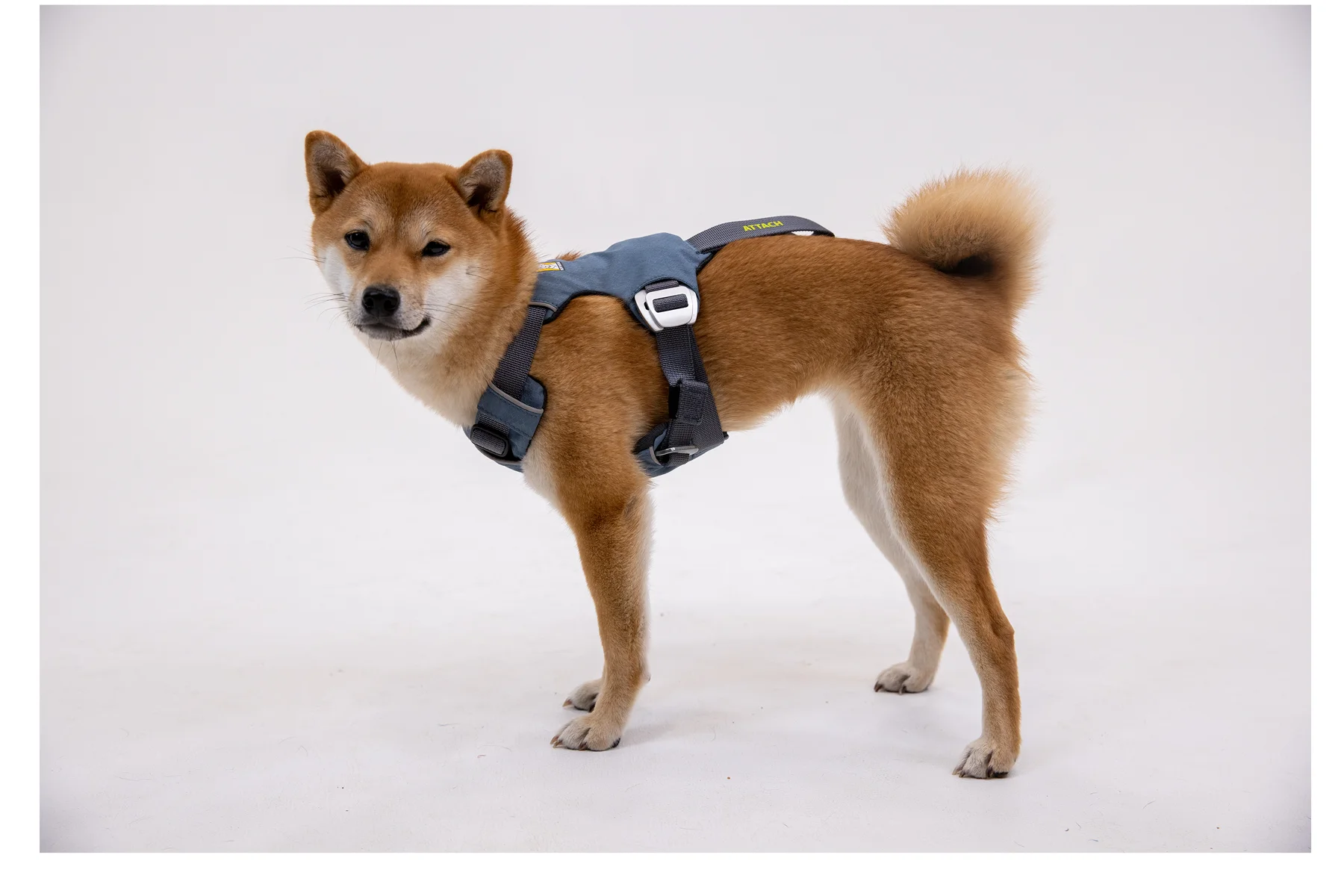
Best simple seatbelt-attach harness: Ruffwear Load Up. Ruffwear built the Load Up specifically for the car, with strength-rated hardware and a design that attaches directly to the seatbelt. Ruffwear states it is crash-tested; it is a clean, well-made single-purpose harness for owners who want car safety without extra walking features. Confirm the size against Ruffwear's chart, as fit is the most common complaint.
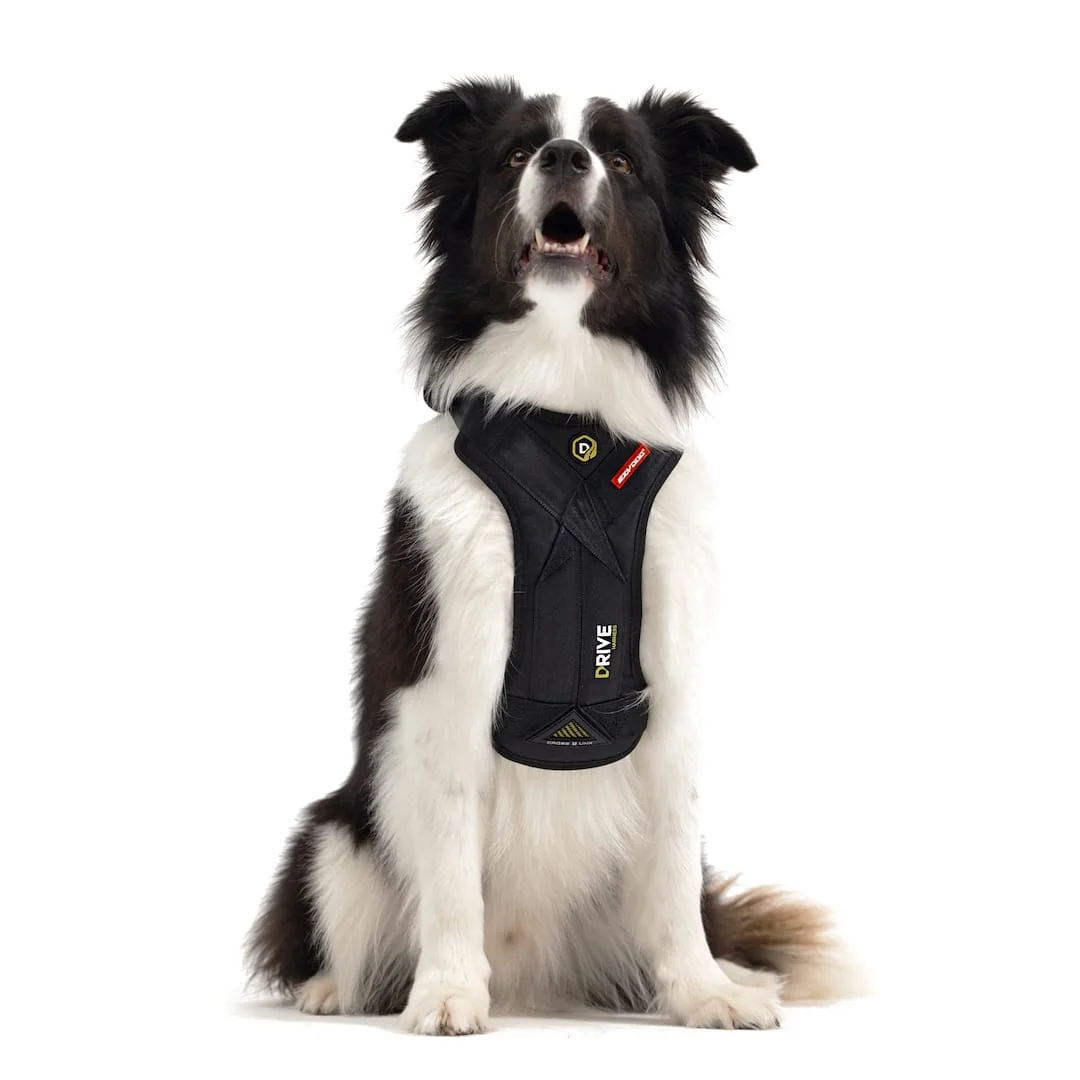
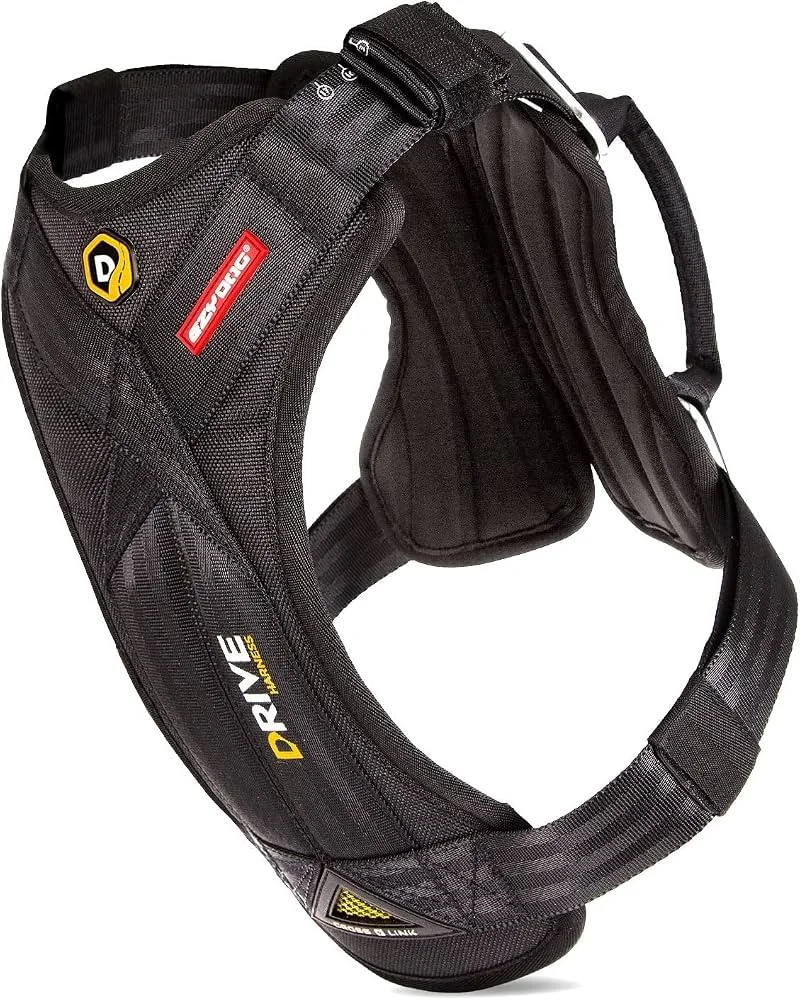
Best for ease of use: EzyDog Drive. EzyDog markets the Drive as crash-tested with a quick-fit closure that speeds up getting a squirming dog buckled. It is the harness to look at if your sticking point is the daily hassle of fitting and clipping in, while still wanting crash-test engineering behind it. Check the size chart and current certification on EzyDog's page.
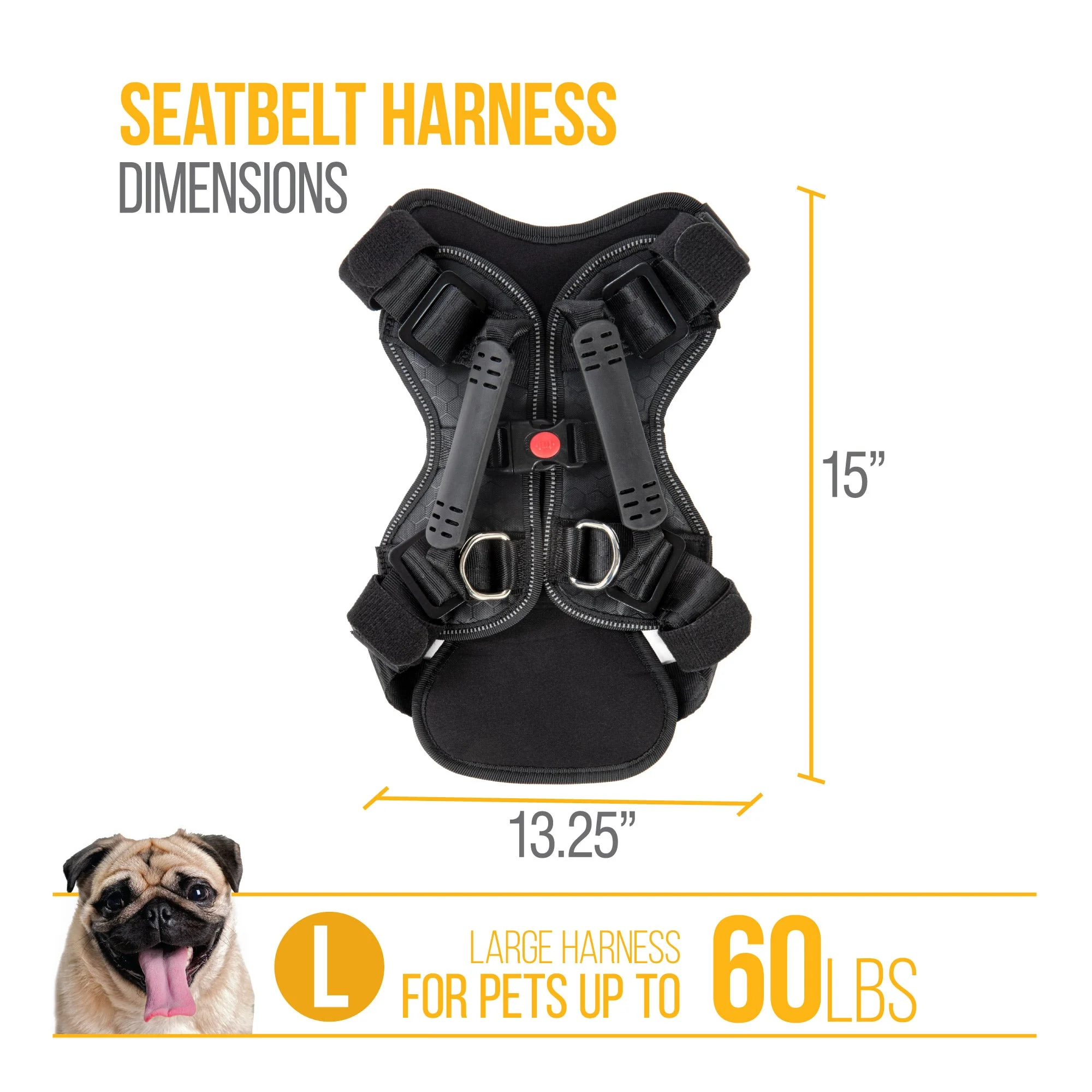
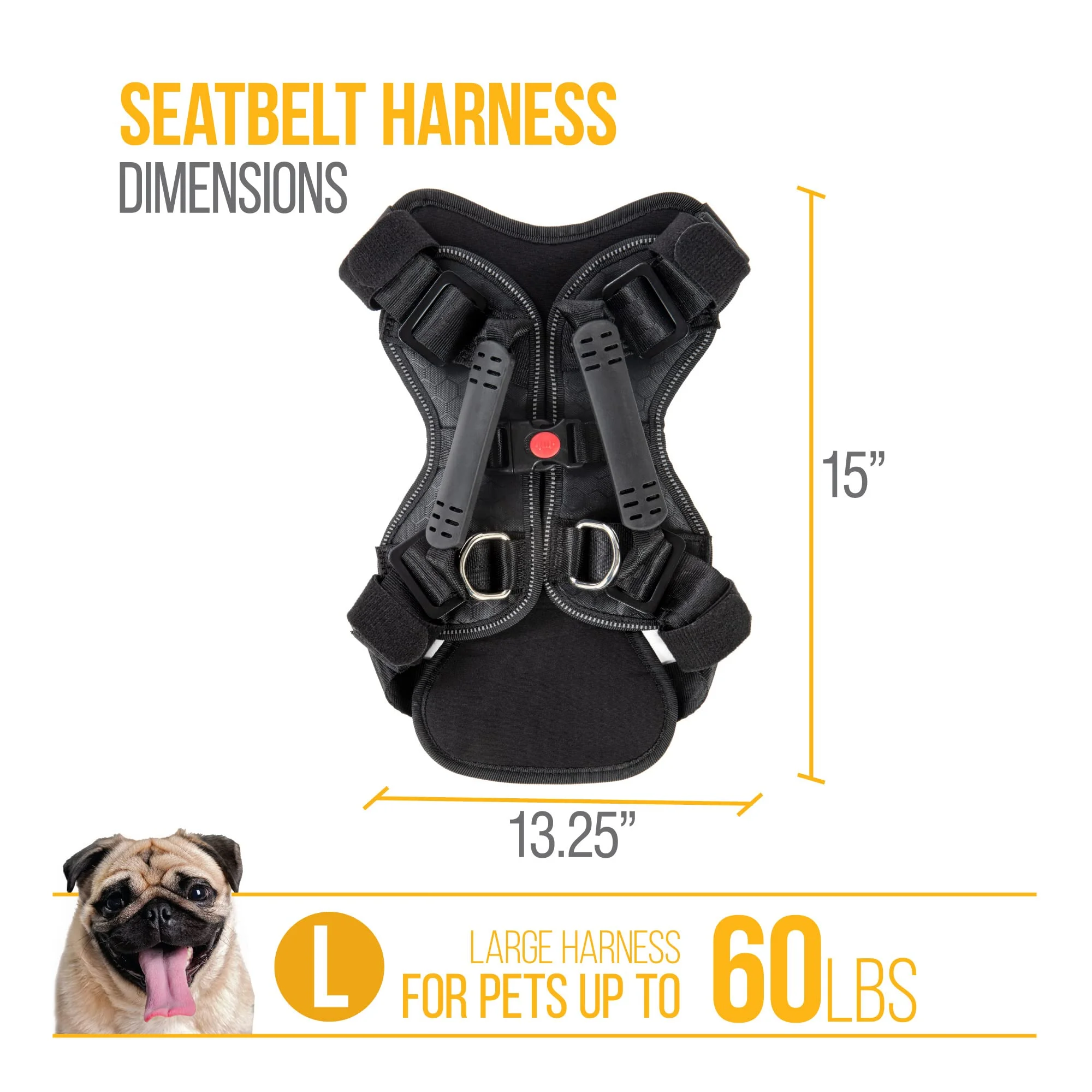
Best multipurpose seatbelt harness: Sherpa Crash-Tested Seatbelt Harness. Sherpa positions this as a crash-tested multipurpose harness that works as both a car restraint and an everyday harness. It is a sensible single-buy for owners who want one harness for car rides and walks; as always, confirm the tested weight range matches your dog before relying on the crash claim.
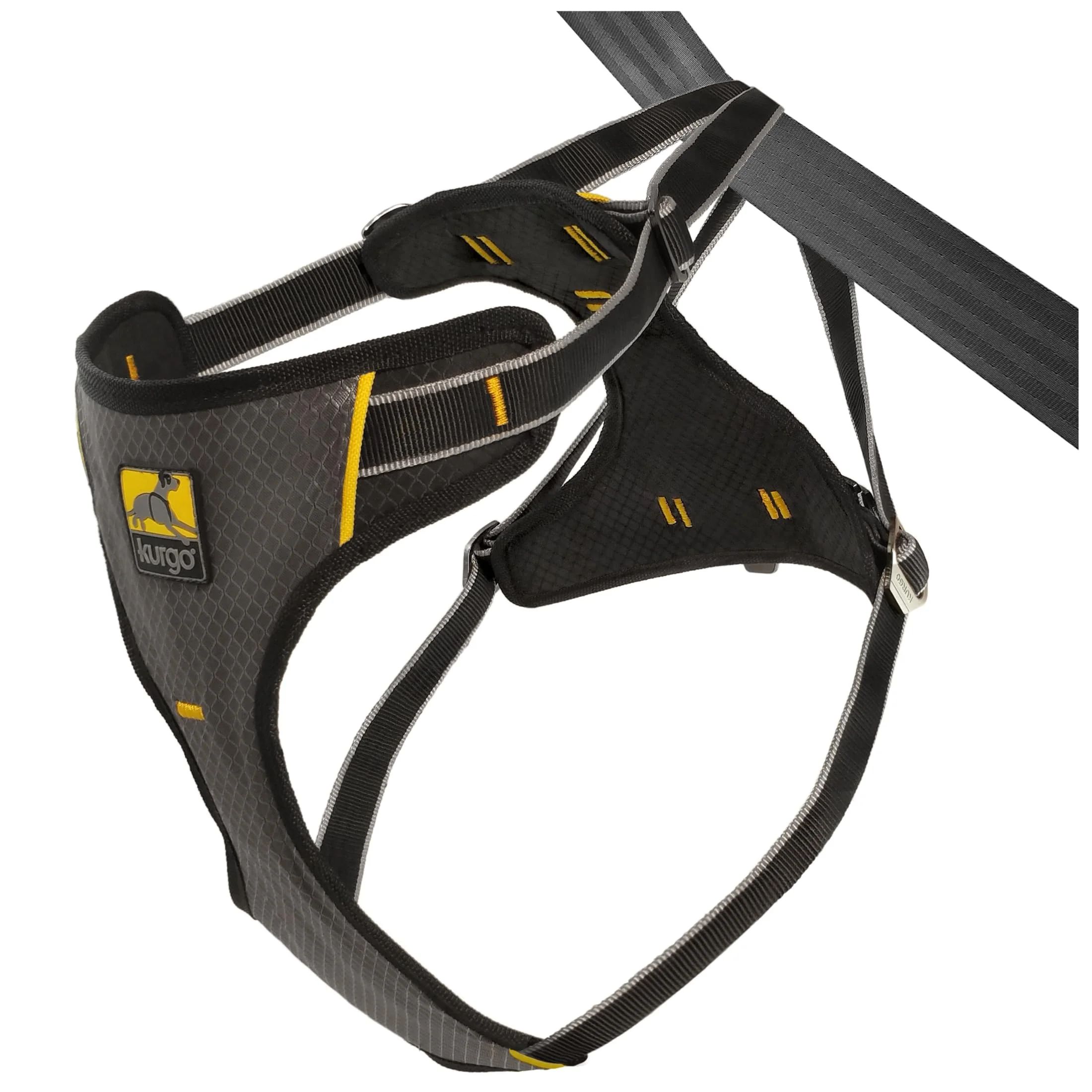
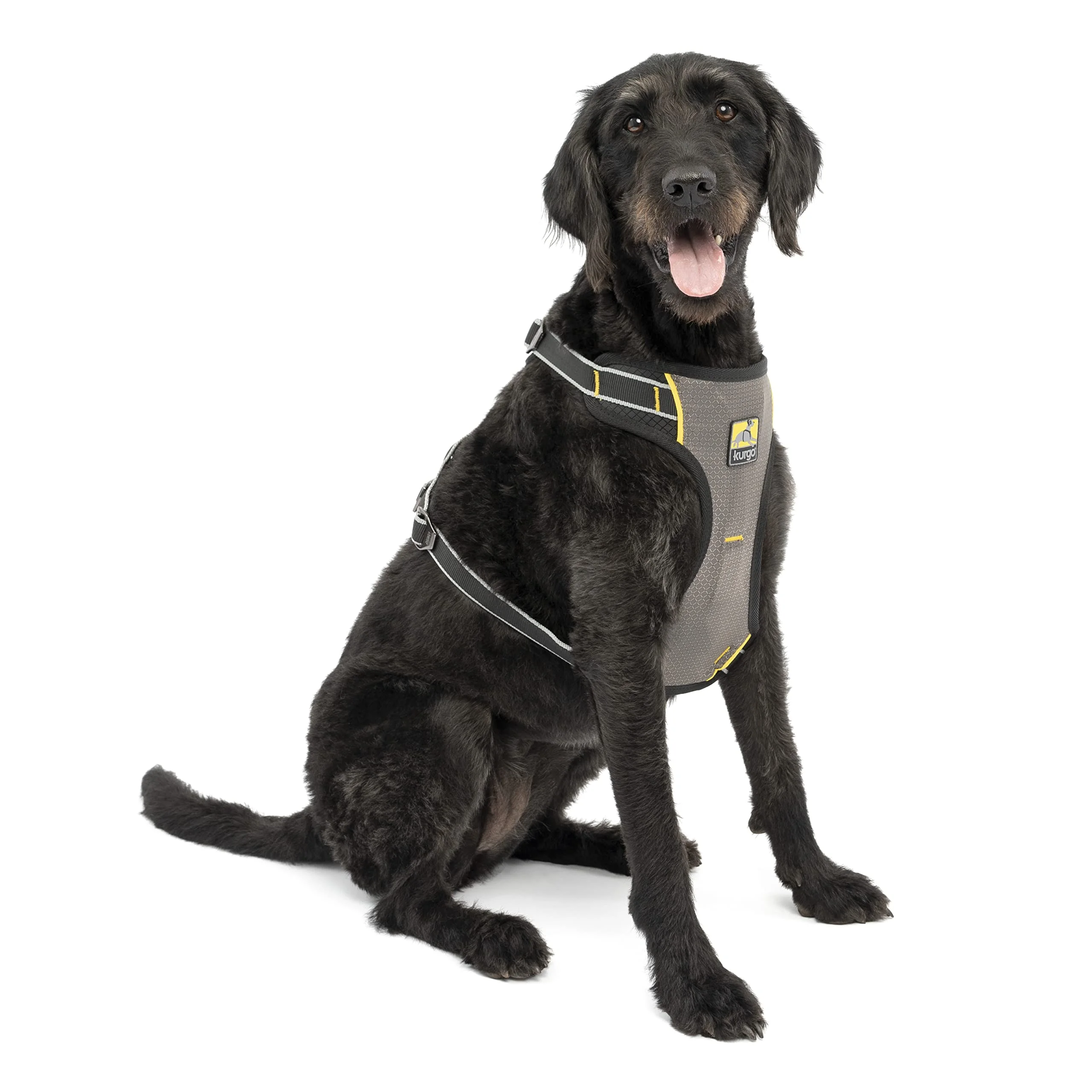
Best value crash-tested pick: Kurgo Impact. Kurgo markets the Impact as crash-tested with steel hardware and an included seatbelt tether, typically at a noticeably lower price than the Sleepypod line. For owners who want genuine crash engineering without the top-tier cost, it is the obvious starting point. Verify the current certification status on the maker's page, as crash claims and size ratings vary by model year.
Seatbelt, LATCH, and No-Pull: Which Attachment Is Right
The harness is only half the system; the other half is how it connects to the car. Getting this wrong undoes the crash testing entirely. The three things to understand:
- Seatbelt pass-through or tether is the most common and most flexible method, used by the Sleepypod, Kurgo, Ruffwear, and Sherpa picks above. You either thread the buckled seatbelt through a loop on the harness or clip a short tether into the seatbelt receiver. The rule that matters: keep the tether as short as the harness allows, because a long tether lets the dog reach the footwell and build forward speed before the restraint engages.
- LATCH anchors are the car's lower hooks, the same anchors a child seat uses. Some systems can attach here for a fixed, low mounting point that reduces forward travel. If your harness supports LATCH and your vehicle has accessible anchors, it is a solid option, especially in a rear seat.
- A no-pull front clip is for walking, not riding. A front-clip ring discourages pulling on a leash and has nothing to do with crash safety, so never use it as a car anchor. If you want one harness for both jobs, choose a design that keeps the walking ring and the car tether separate.
When in doubt, the rule is simple: anchor for the car using the method the manufacturer crash-tested, and use the walking ring only on walks.
Fitting and Installing It Right
A correctly chosen harness installed loosely is still a loose harness. The fit and the install are where most of the real-world safety is won or lost.
The single most important fit rule: you should be able to slide two fingers under any strap, but no more. Looser than that is dangerous slack; tighter than that is an uncomfortable, fight-every-trip dog.
- Measure before you buy. Use a soft tape to record chest girth behind the front legs and neck circumference, then match to the manufacturer's chart. Buying to a vague size label is the most common reason a harness fits poorly.
- Fit it outside the car first. Adjust every strap to the two-finger rule on a calm dog standing still, not while wrestling them into a seat.
- Anchor with a short tether. Connect the harness to the seatbelt or LATCH point using the manufacturer's tested method, and take up as much slack as the design allows. Minimal slack is the whole point.
- Pick the right seat. A back seat is generally safer than the front, away from airbags, and the dog should face forward like a passenger.
- Re-check periodically. Straps loosen and dogs gain or lose weight. Re-verify the two-finger fit every couple of months and before any long trip.
If your dog graduates from a harness to a contained ride, our guide to the best dog travel crate for car covers the next step up, and a good seat cover keeps the upholstery intact either way.
Bottom Line
Whichever you choose, the principle does not change: verify the crash-test certification yourself, buy to the manufacturer's measured size range, and keep the tether short. The harness can only protect your dog within the limits it was actually tested to, and the rest of the safety is in how you fit and anchor it. Owners of smaller dogs may also want to compare a dog car seat for small dogs, which pairs a booster with the same restraint principles.