
How to Prepare Your Pet for Air Travel
Preparing your pet for air travel involves a multi-week process of acclimatization and health checks to minimize stress and ensure safety. This isn't just about shoving them in a crate and hoping for the best. My first attempt at flying with a friend's cat involved zero prep, and let's just say the airline staff were not amused.
Preparing your pet for air travel involves a multi-week process of acclimatization and health checks to minimize stress and ensure safety. This isn't just about shoving them in a crate and hoping for the best. My first attempt at flying with a friend's cat involved zero prep, and let's just say the airline staff were not amused. Turns out, cats don't appreciate being surprised by the rumbling inferno of a jet engine.
The vet bills for that one were more than my entire camping setup that year.Pets on Planes wants you to think about this way ahead of time. It's about building confidence, not just ticking boxes on a checklist. You need to think like your pet: what would freak them out, and how can I gently introduce them to it?
The Core Answer
The real move for pet air travel prep is starting early, like, at least two to four weeks before your flight. This isn't just about getting them used to the carrier; it's about building positive associations. Think of it like introducing a new tent to your shy dog: you don't just throw them in it and zip it up. You leave it open, put treats inside, and let them explore. For a carrier, leave it out in your living room with the door open. Toss their favorite toys and treats in there. Feed them meals inside it. The goal is for them to see it as their safe space, not a portable prison. Humane World for Animals says this familiarity minimizes stress. My buddy's cat, Mittens, who is basically a furry anxiety attack, took about three weeks of this before she'd even step inside. We made it a game. The $50 version of this is just bribing them with tuna, which works about 30% of the time. The other 70% of the time, you're wrestling a greased otter. A Complete Guide suggests a gradual increase in time spent in the carrier. Start with 10-minute sessions, then build up to longer periods. Eventually, you'll want to simulate travel conditions, like taking short car rides with the carrier in the back seat. This is where the rookie mistake happens: you only do the carrier training the day before. Brilliant engineering, that. The vet checkup is non-negotiable. I learned this the hard way when a friend's dog, who had a heart murmur, got really sick on a flight because no one realized how much stress air travel could be. A quick vet visit, usually within 10 days of travel, can catch issues you wouldn't know about. They'll also ensure vaccinations are up-to-date and issue a health certificate, which is often required. My vet charges $75 for the certificate, which beats the $500 fine I'd probably get from the airline if it was wrong. CareCredit also emphasizes having a pet travel kit. This means packing familiar items like a favorite blanket or toy, along with food, water bowls, and waste bags. This familiar scent can be a huge comfort. Don't forget identification. A microchip is a must, but also make sure their collar has a tag with your current contact info and a temporary travel tag with your destination number. I once saw a dog get loose at a layover, and thank goodness for that tag. It took them less than an hour to find him. Without it, he'd probably be living in a baggage carousel. ASPCA says to book direct flights if possible. This cuts down on layovers where pets can be exposed to extreme temperatures or mishandled. That $200 savings on a connecting flight? Not worth your pet freezing on the tarmac. United Airlines has its own set of rules, so always check with your specific carrier about carrier size, breed restrictions, and whether they allow pets in the cabin or cargo.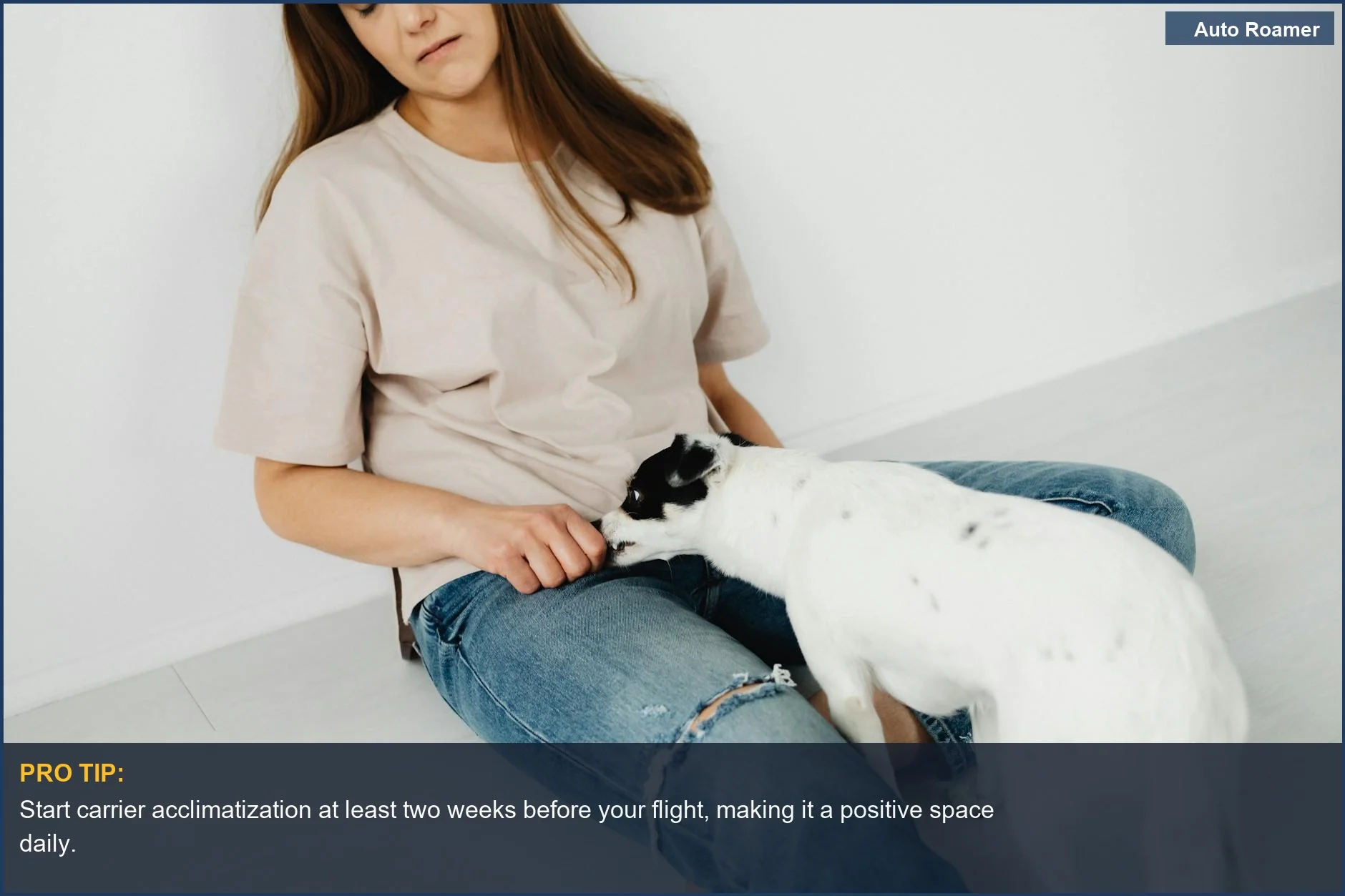
Why This Matters for Your Setup
Why does all this 'getting-to-know-you' time with a plastic box matter? Because your pet's brain doesn't grasp 'vacation.' They understand 'weird loud box, going somewhere unknown, being alone.' The more they associate that box with good things, the less panicked they'll be when game-time arrives.

Making the Right Choice
Preparing your pet for air travel is less about buying fancy gear and more about patience and understanding. The core idea is to make the travel carrier a positive, familiar space long before you ever get to the airport. Start this process at least two to four weeks in advance. Think of it as building a bridge of trust, not just a travel plan. American Veterinary Medical Association stresses that animal welfare should always be the priority. If your pet is showing extreme anxiety or has significant health issues, reconsider the trip. The honest version: sometimes, the best travel plan for your pet is leaving them at home with a sitter. My cat, Bartholomew, gets so stressed in cars, I wouldn't dream of putting him on a plane. He much prefers his own couch, and frankly, so do I. It's about making the right choice for your specific animal, not just for your travel plans.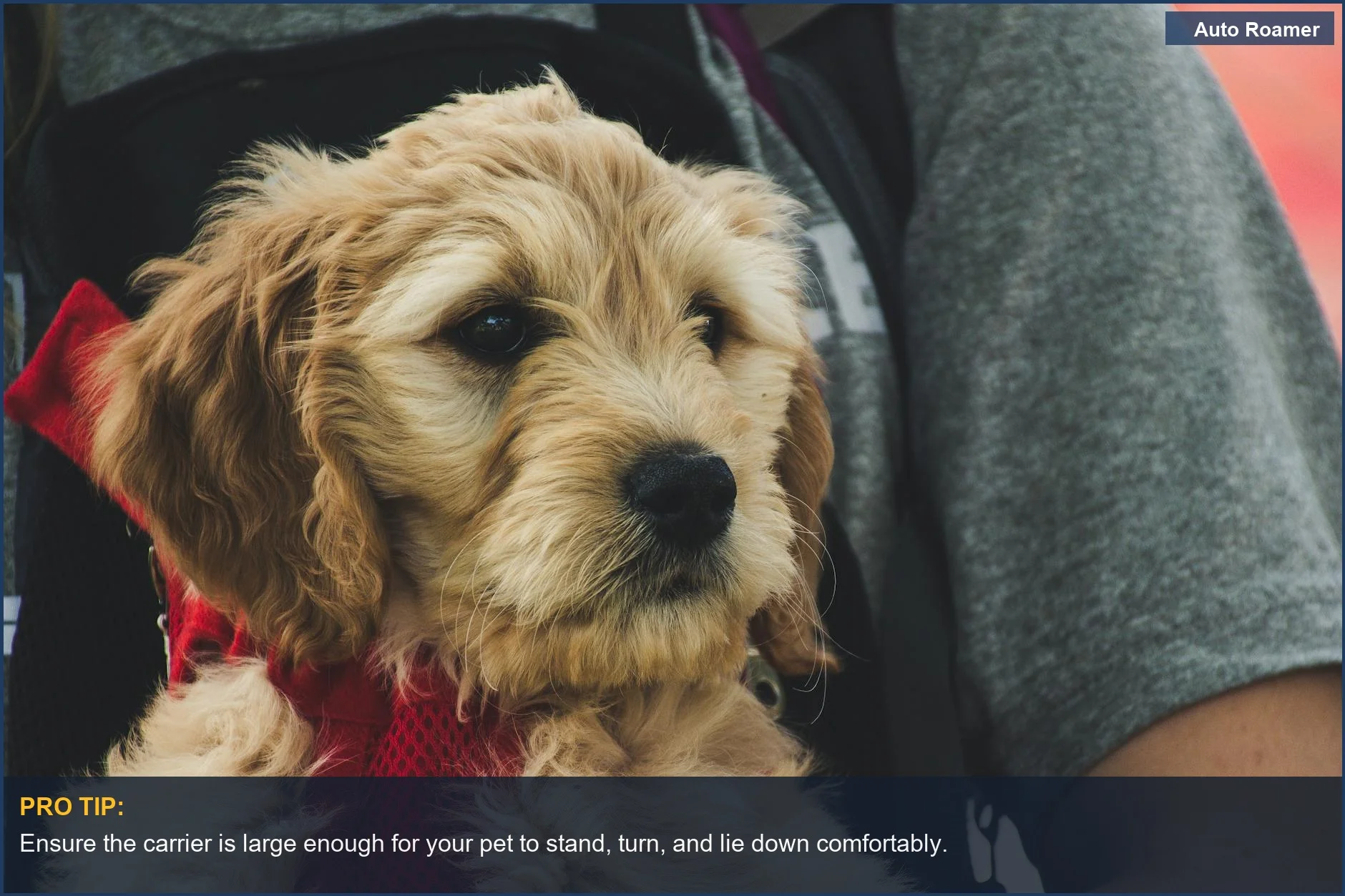
Frequently Asked Questions
Okay, so how much does this 'vet checkup and health certificate' thing actually cost? Can I just wing it and save the $75?
Do I really need to get them a fancy IATA-approved carrier, or can I just use that old dog crate from the garage?
What if my pet is super anxious and starts freaking out in the carrier even after all the training?
Can all this carrier training and travel actually permanently mess with my pet's head, making them scared of everything?
I heard you shouldn't feed your pet anything for 24 hours before flying. Is that true?
🏅 Looking for Gear Recommendations?
Check out our tested gear guides for products that work with this setup:
Sources
- Pet Travel Guide: How to Fly Safely With Your Dog or Cat
- Traveling with pets - United Airlines
- Traveling with your animal | American Veterinary Medical ...
- Pets on Planes Lesson 1: Prep and Receive Pets for Air Travel
- Travel safely with your pet | Humane World for Animals
- What are your best tips for taking a dog on a flight? - Reddit
- How to Prepare Your Pet Before a Flight | A Complete Guide
- Travel Safety Tips | ASPCA