
How to Acclimate Your Dog to a Travel Carrier Before Flying
Getting your dog comfortable with a travel carrier before flying isn't just about meeting airline rules; it's about saving your dog (and yourself) a whole lot of stress. I learned this the hard way trying to shove a terrified beagle into a hard-sided crate for a flight to see my folks.
Getting your dog comfortable with a travel carrier before flying isn't just about meeting airline rules; it's about saving your dog (and yourself) a whole lot of stress. I learned this the hard way trying to shove a terrified beagle into a hard-sided crate for a flight to see my folks. He went from zero to sixty, barking and trying to escape like it was a trap.
The real move is to make that carrier a positive space, not a punishment. Think of it like acclimating yourself to a new, slightly cramped hotel room - you wouldn't want to be thrown in there blindfolded.Pets on Planes says you need a secure latch and ventilation, which is obvious, but the mental prep for your dog? That's the game-time decision that separates a smooth trip from a disaster.
I swear, my first attempt was less a 'training session' and more a wrestling match with a furry escape artist. The flight attendants were not amused. Facebook groups are full of similar horror stories.
The Core Answer
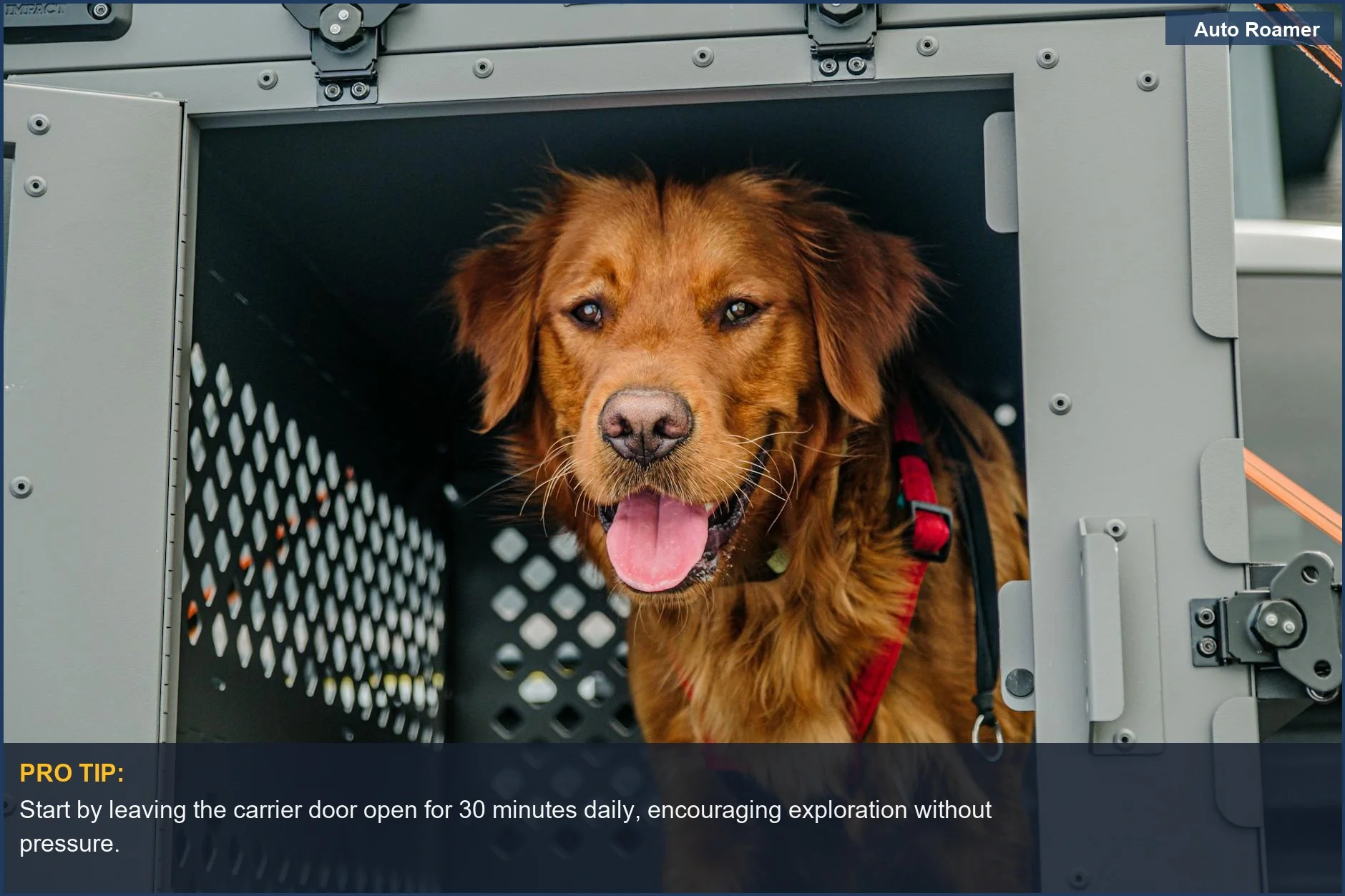
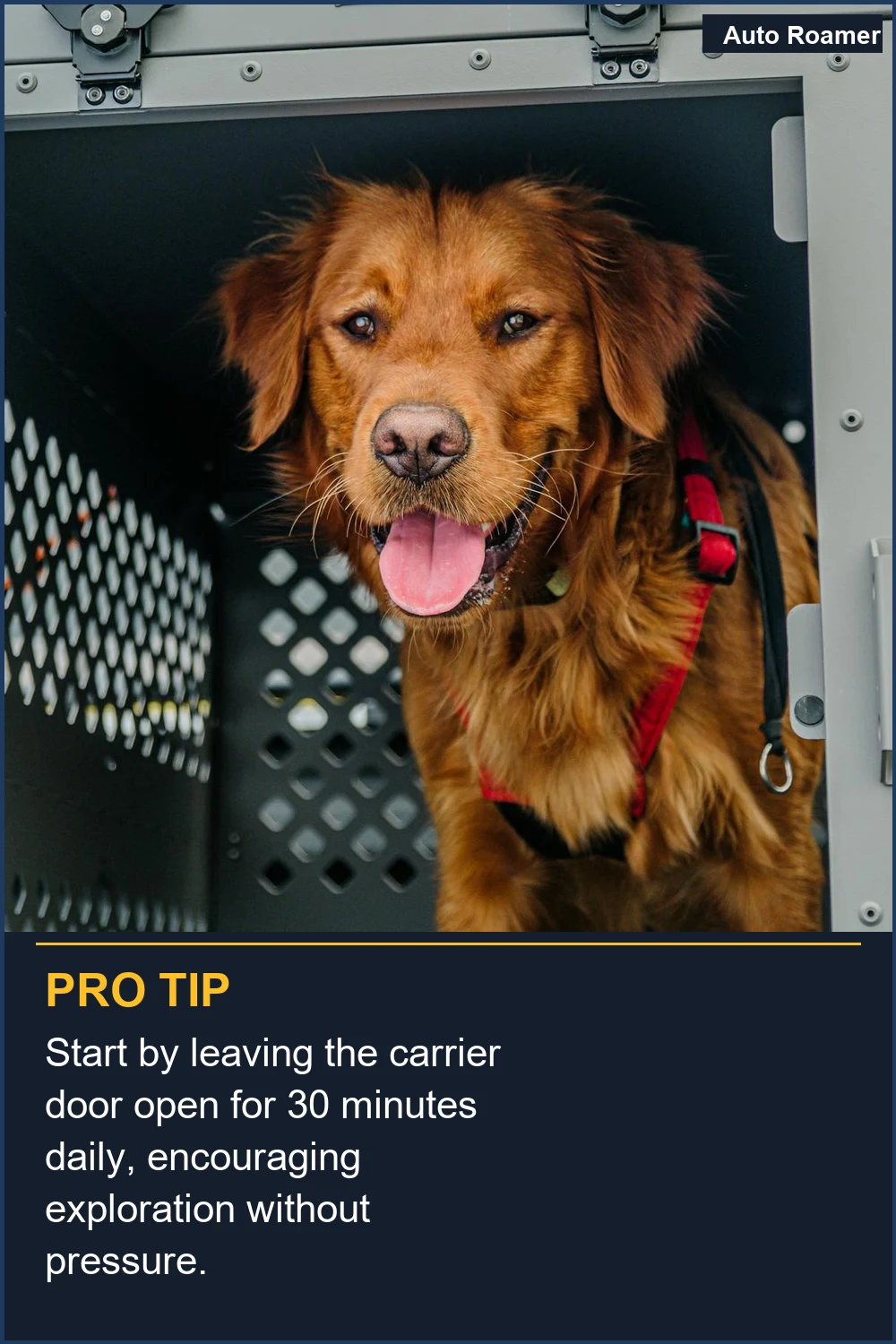
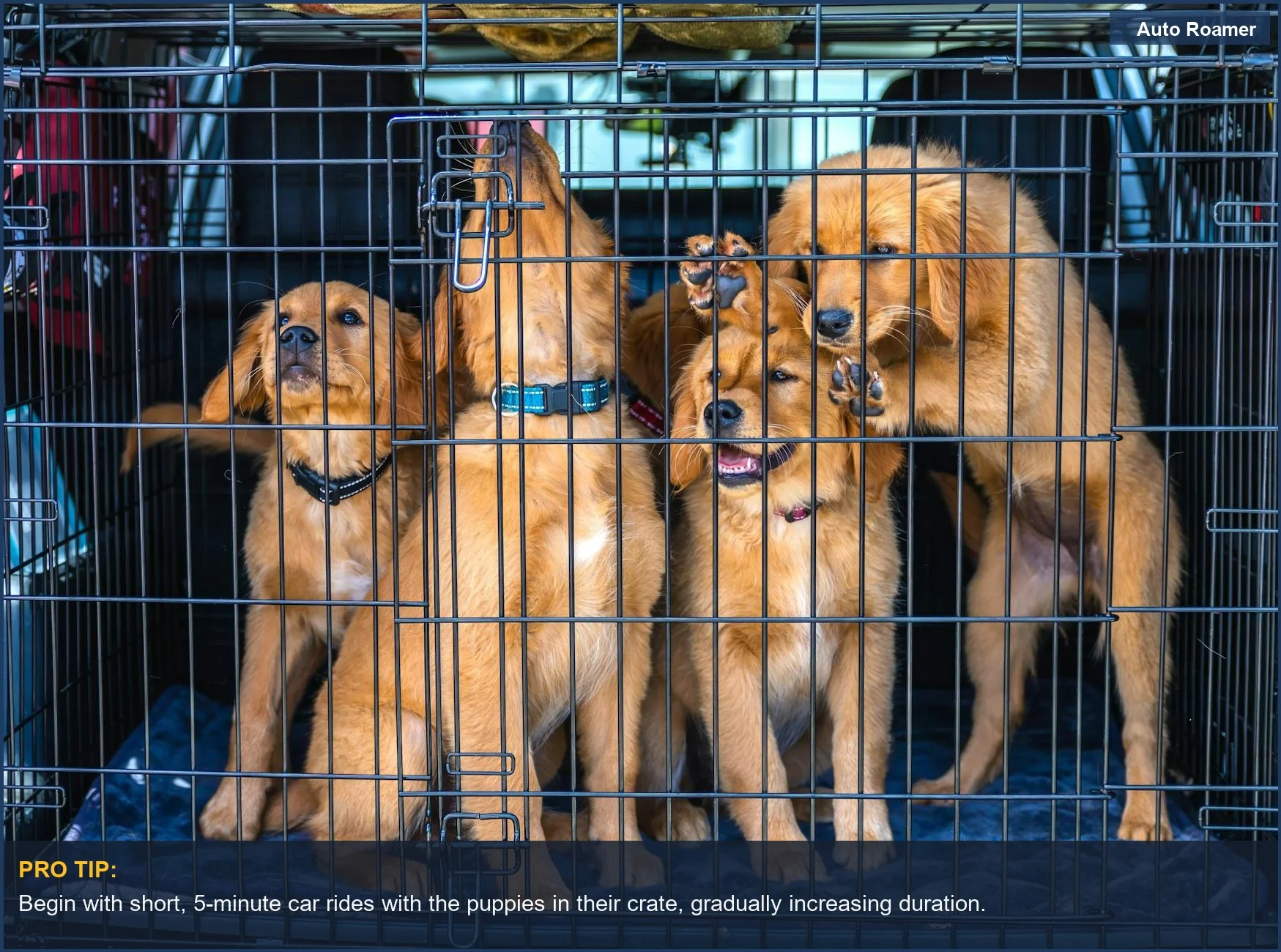
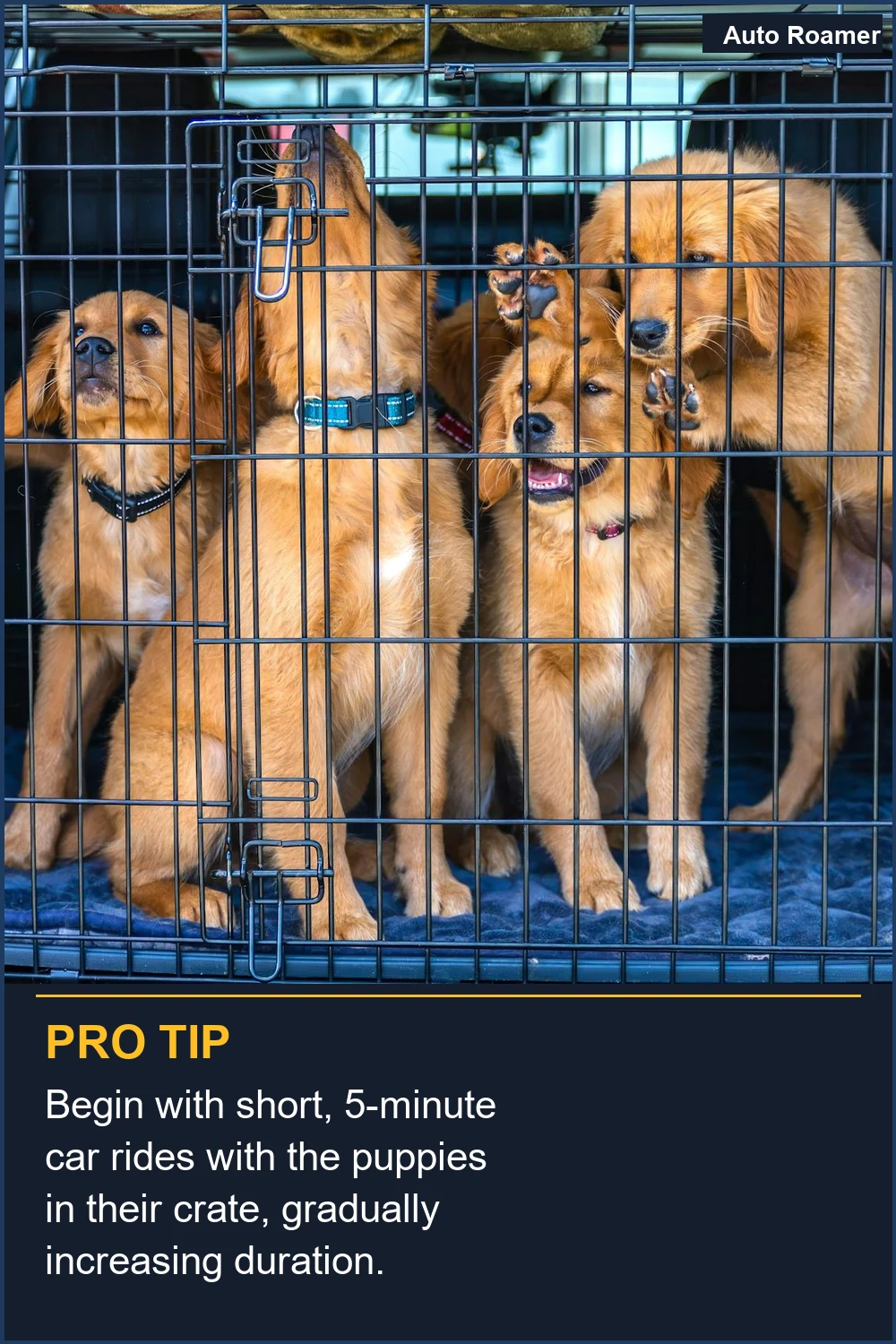
The core answer to getting your dog ready for a travel carrier is slow and steady positive reinforcement. You can't just shove them in and expect them to chill. My first dog, a hyperactive terrier mix, would have chewed through anything if I tried that. I learned you need to make the carrier feel like a den, not a dungeon. Start by leaving the door open and tossing treats inside. Let your dog explore it on their own terms. Dogtraining Reddit has threads on this, and the consensus is patience.When they're comfortable going in and out, start closing the door for a few seconds. Then a minute. Then five minutes. If they get anxious, you've gone too fast. Back up. I once had a dog freak out when I closed the door for 10 minutes. Rookie mistake. I immediately opened it, gave him a treat, and sat by the carrier. Kathy Santo Dog Training emphasizes this positive association.
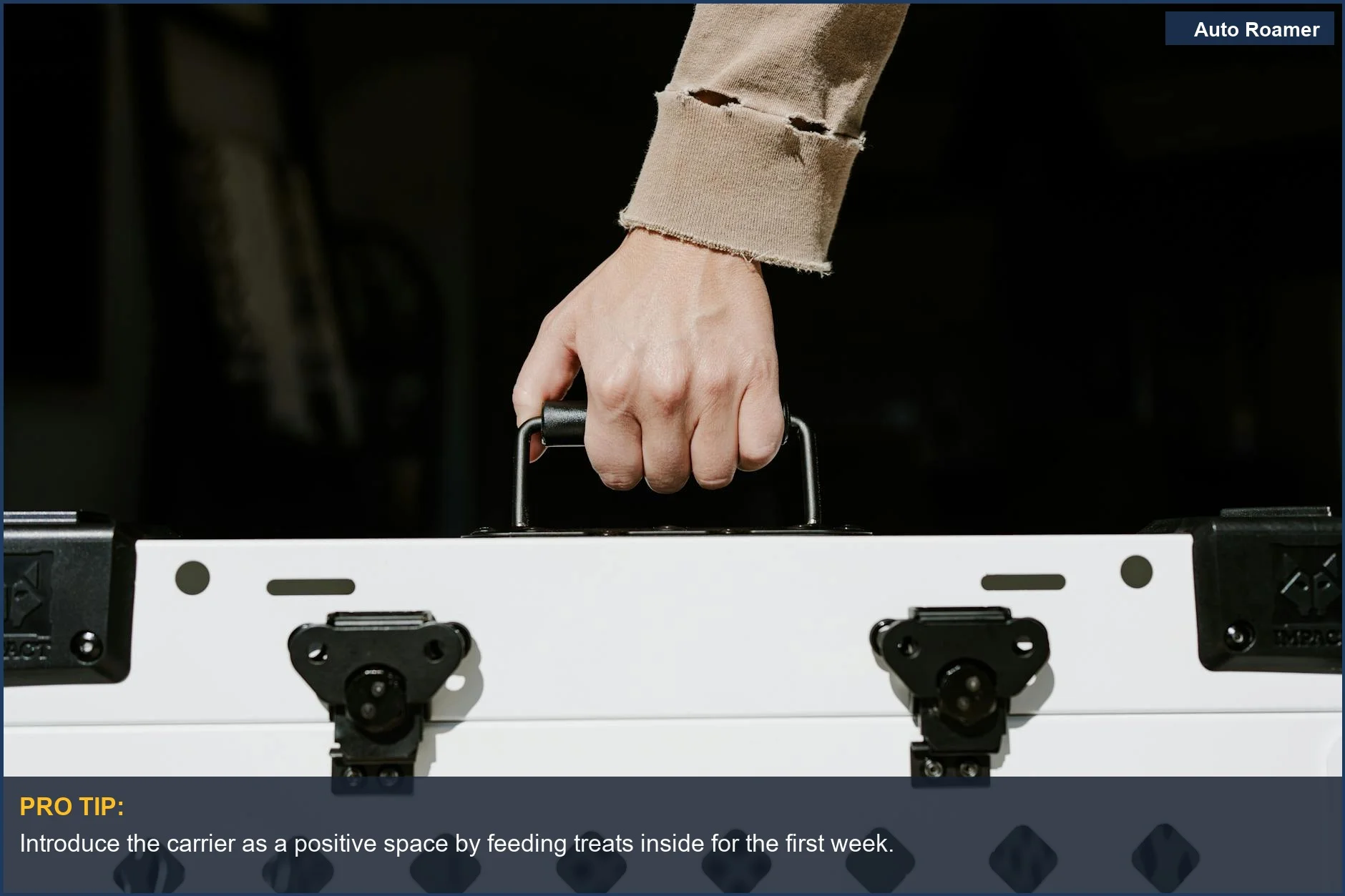
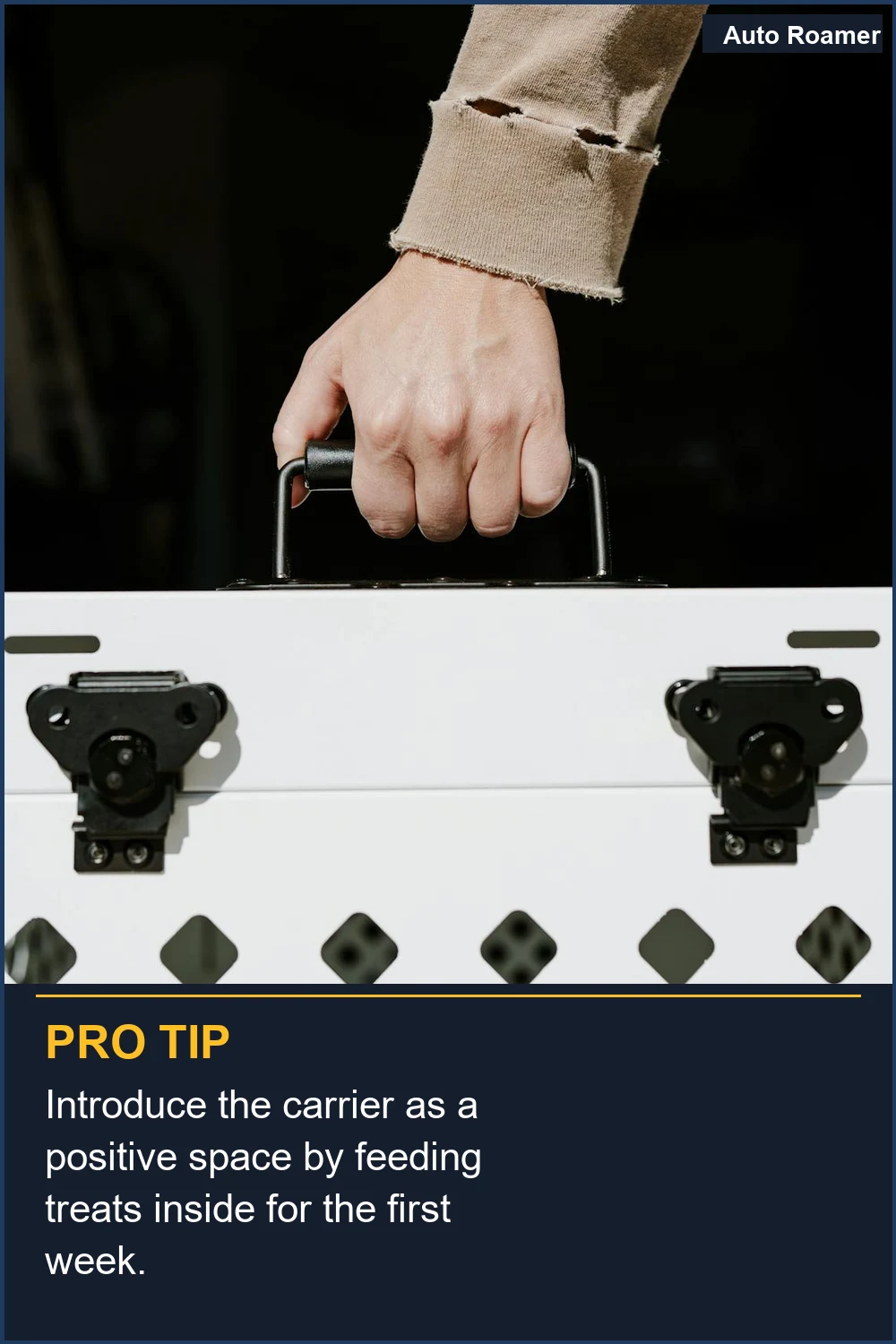
Another trick is to feed them their meals inside the carrier. This makes it a place of good things. I used to put my dog's dinner bowl just inside, then further back as he got more comfortable. Eventually, he'd walk in and eat without a second thought. This took about two weeks for my second dog, a much calmer Golden Retriever. Quora users also suggest putting a worn t-shirt inside so they smell something familiar. That's a solid move.
For airline travel, the carrier needs to meet specific dimensions and have secure latches. Don't wait until the day before your flight to realize your 'almost' good enough carrier won't pass muster. I once saw a guy at the airport get rejected because his carrier door had a flimsy plastic latch. He had to buy a new one right there for $80. The real move is to get the right carrier and start training at least three weeks in advance, as Starwood Pet Travel recommends. Three weeks might sound like a lot, but it's way better than a panicked dog and a denied flight.
Why This Matters for Your Setup
Why does all this fuss matter for your travel setup? Because a stressed dog can make the entire trip a nightmare. If your dog is freaking out in the carrier, they might be whining, barking, or even trying to break out. This isn't just annoying; it can cause problems with other passengers or even airline staff.Imagine trying to relax on a flight while your dog is in full panic mode under the seat in front of you. It's not fun. The goal is to have your dog calm and quiet, ideally sleeping through the flight. This is achieved through consistent, positive training.
Think of it like packing for camping. You wouldn't just grab random stuff and hope for the best. You plan your gear, make sure it works, and practice using it. Same with the carrier. A properly acclimated dog will see the carrier as their safe space, even in a chaotic airport environment.
I've seen people try to use cheap, flimsy carriers that are barely held together with zip ties. That's a recipe for disaster, and honestly, it's not fair to the dog. The USDA mentions sturdy construction and secure fasteners for a reason. Your dog's safety and comfort depend on it. A good carrier, combined with good training, is the foundation of a stress-free flight.
Making the Right Choice
Making the right choice for your dog's travel carrier and training process is crucial. It's not just about ticking a box; it's about your dog's well-being. Remember, patience is key. Don't rush the process.If your dog is particularly anxious, consider consulting a professional trainer. They can offer personalized advice and techniques. It might cost a bit more upfront, but it's often worth it to avoid a disastrous travel experience.
The honest version: some dogs take to carriers easily, others are a hard pass. My first dog was the latter. It took me months of work, and even then, he wasn't thrilled. But he tolerated it, and that was a win. The YouTube video from Brandon McMillan shows how to get dogs to even love their carriers, which is the ultimate goal.
Don't get discouraged if your dog isn't an instant convert. Keep up the positive reinforcement, and celebrate the small victories. Your dog will thank you for it, even if they can't say it.
Frequently Asked Questions
My dog's vet recommended a 'travel crate' for $250, but I found one online for $50. Is the expensive one really that much better, or is it just marketing fluff?
Do I really need to buy special 'carrier treats' for training, or can I just use his regular kibble?
What if my dog absolutely refuses to go into the carrier, even after weeks of trying? He just backs away and won't budge.
Can this intense carrier training make my dog permanently afraid of confined spaces?
I heard you shouldn't give dogs any food or water before a flight. Is that true, or is that just some old-school myth?
🏅 Looking for Gear Recommendations?
Check out our tested gear guides for products that work with this setup:
Sources
- Pets on Planes Lesson 1: Preparing and Receiving Pets for Air Travel
- Acclimating dog to sherpa carrier for flights - Facebook
- How to Get Your Dog Accustomed to a Travel Carrier - YouTube
- How can I get my dog used to his travel carrier? Also, tips for airline ...
- You can't just pop your dog in his carrier bag and head off to the ...
- 5 Tips to Acclimating Your Pet to a Travel Kennel
- How to train a dog to willingly enter a small carrier for airline travel ...