
What to Do If Your Pet Gets Sick or Injured During a Road Trip
Taking your pet on a road trip sounds like a blast, until they start acting like they ate a bad burrito at mile 200. Dealing with a sick or injured animal when you're nowhere near your regular vet is a special kind of panic.
Taking your pet on a road trip sounds like a blast, until they start acting like they ate a bad burrito at mile 200. Dealing with a sick or injured animal when you're nowhere near your regular vet is a special kind of panic.
It's not just about finding a vet; it's about knowing what to look for and having a plan before your furry friend turns into a furry emergency.
The honest version: I once drove 3 hours in rural Montana with a dog who was clearly in pain, convinced I could handle it. I couldn't. The closest clinic was closed for the night.
That rookie mistake taught me the hard way that research is your best friend, and a well-stocked pet first-aid kit is non-negotiable. Don't be me.
This isn't about fancy gear; it's about being prepared so you don't end up stranded and stressed with a suffering animal. It's the real move for any responsible pet owner hitting the road. PetMD lays out the basics, but experience adds the grit.
The Core Answer
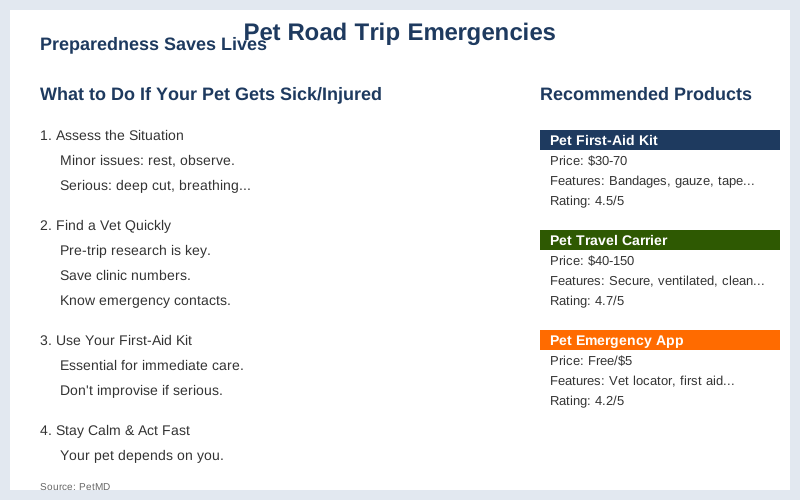
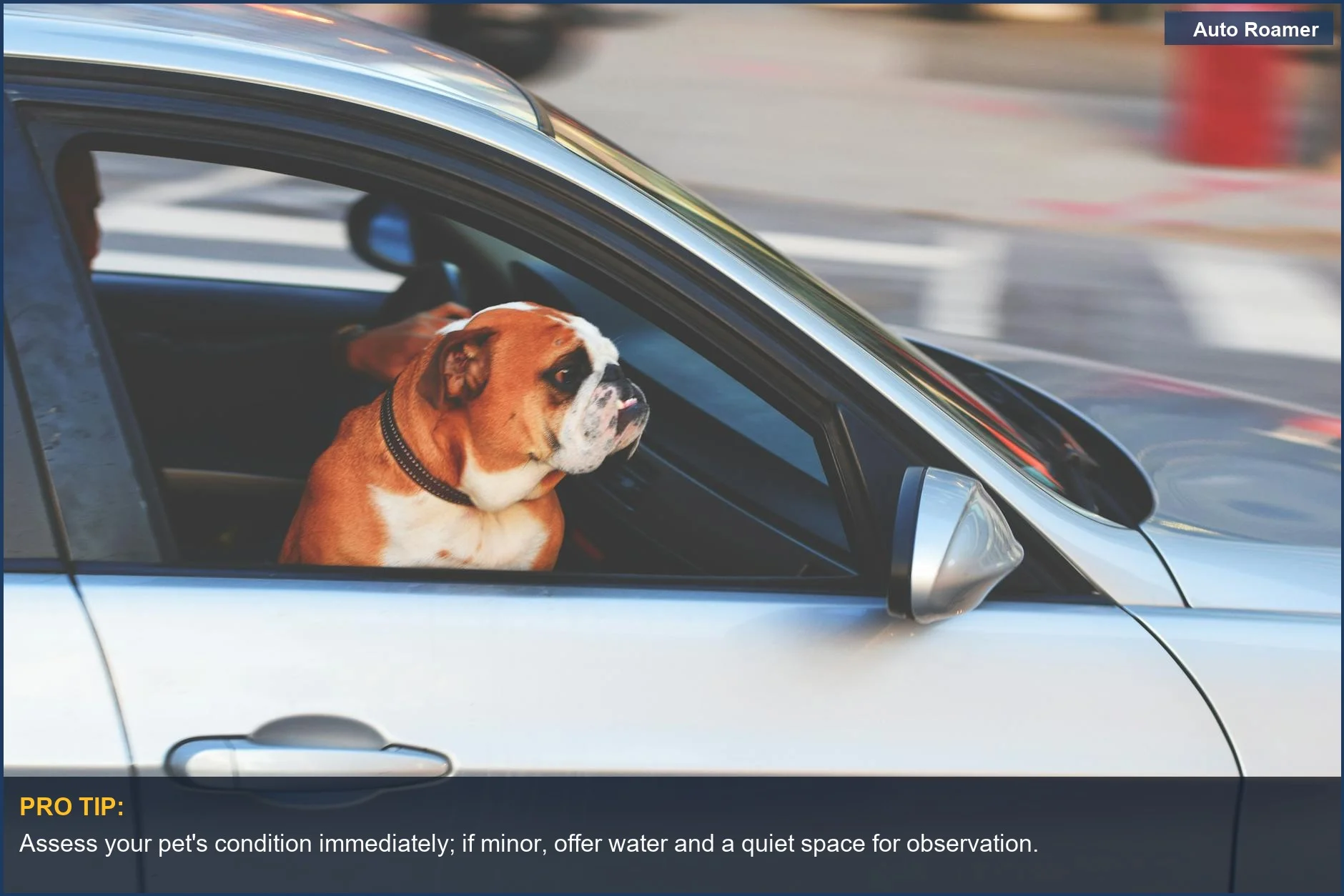
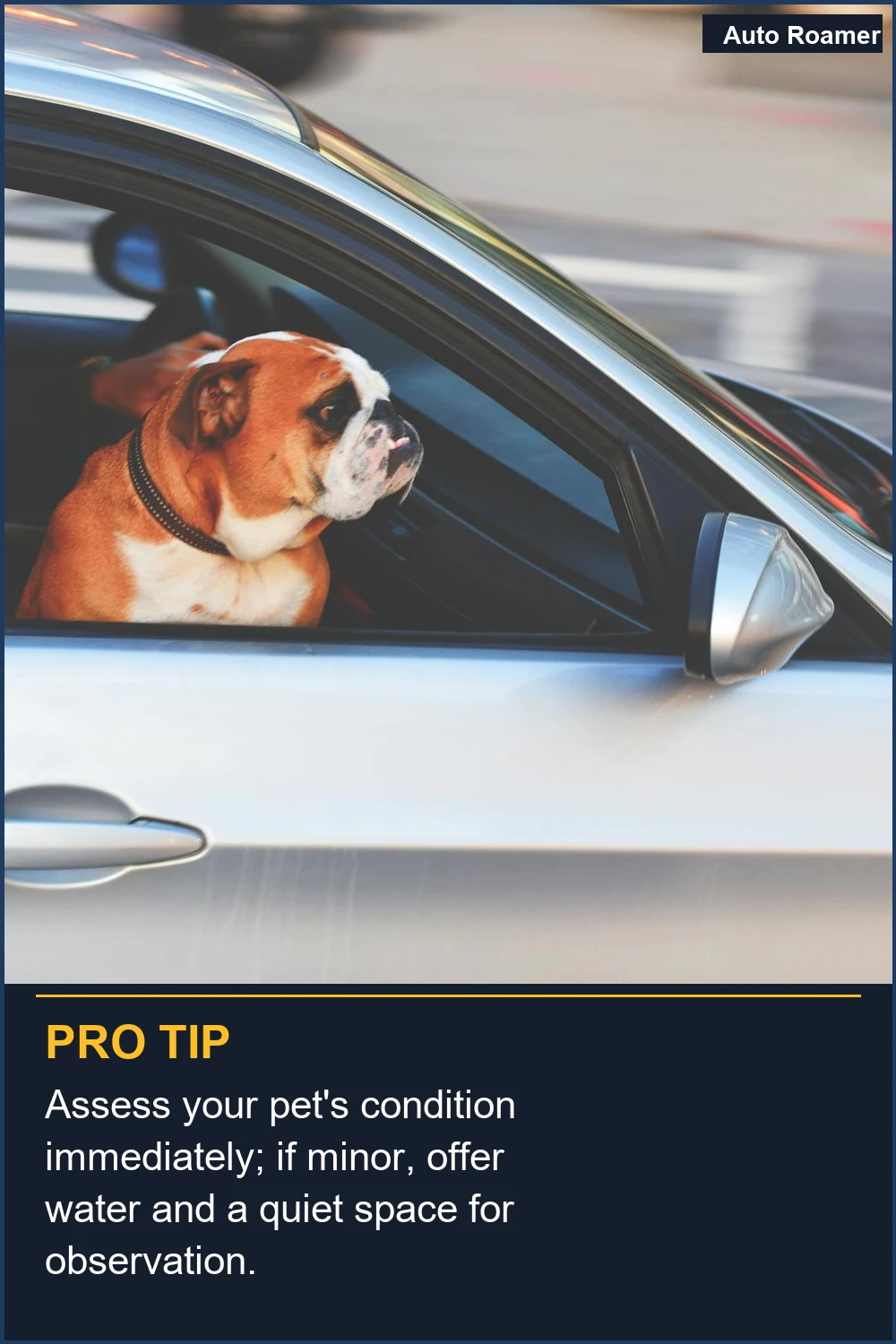
The first thing you gotta do is assess the situation, and that's where your knowledge of your pet pays off. If they're just a little off, maybe they ate something weird or are a bit car sick, you can probably manage with some rest and observation. But if it's serious - like a deep cut, difficulty breathing, or they're acting completely unlike themselves - it's game time. You need to find a vet, fast.What nobody tells beginners: your phone is your lifeline. Before you even leave, do your homework on the areas you'll be traveling through. Bookmark emergency vet clinics along your route and at your destination. Save their numbers in your phone. Seriously, don't wait until your dog is panting like a steam engine to figure this out.
I learned this at a campsite in the middle of nowhere, Pennsylvania. My dog, Buster, ate some kind of berry that made him violently ill. I spent 45 minutes driving around with no cell service, trying to find a place open that could help. It was terrifying. The fix was finding a 24-hour emergency vet 2 hours away.
Having your pet's medical records handy is also crucial. That includes vaccination history and any pre-existing conditions. This helps any vet you encounter get up to speed quickly. It's like bringing your car's service manual to a new mechanic; they know what they're dealing with. Pethonesty stresses this, and they're right.
Consider a virtual vet service too. For $50 a year, services like this can help you triage a situation remotely. They can look at your pet via video and give you advice on whether you need to head to an emergency room or if you can wait it out. It's like having a vet on speed dial, minus the actual phone call.
A good pet first-aid kit is also a must. Think bandages, antiseptic wipes, gauze, medical tape, and any specific medications your pet needs. It's the $50 version of peace of mind, and it could be a lifesaver. Paws VIP has a solid checklist for what goes in one.
Why This Matters for Your Setup
Why does this matter for your car camping setup? Because your rig is your home base, and if your pet gets sick, your home base needs to be ready for anything. You can't just pull over and hope for the best.- Know the Area Hazards: Some places have specific risks. Think ticks in the Northeast spreading Lyme disease, or toxic algae in freshwater lakes out West. Researching your destination means you know what to watch out for before it becomes a problem.
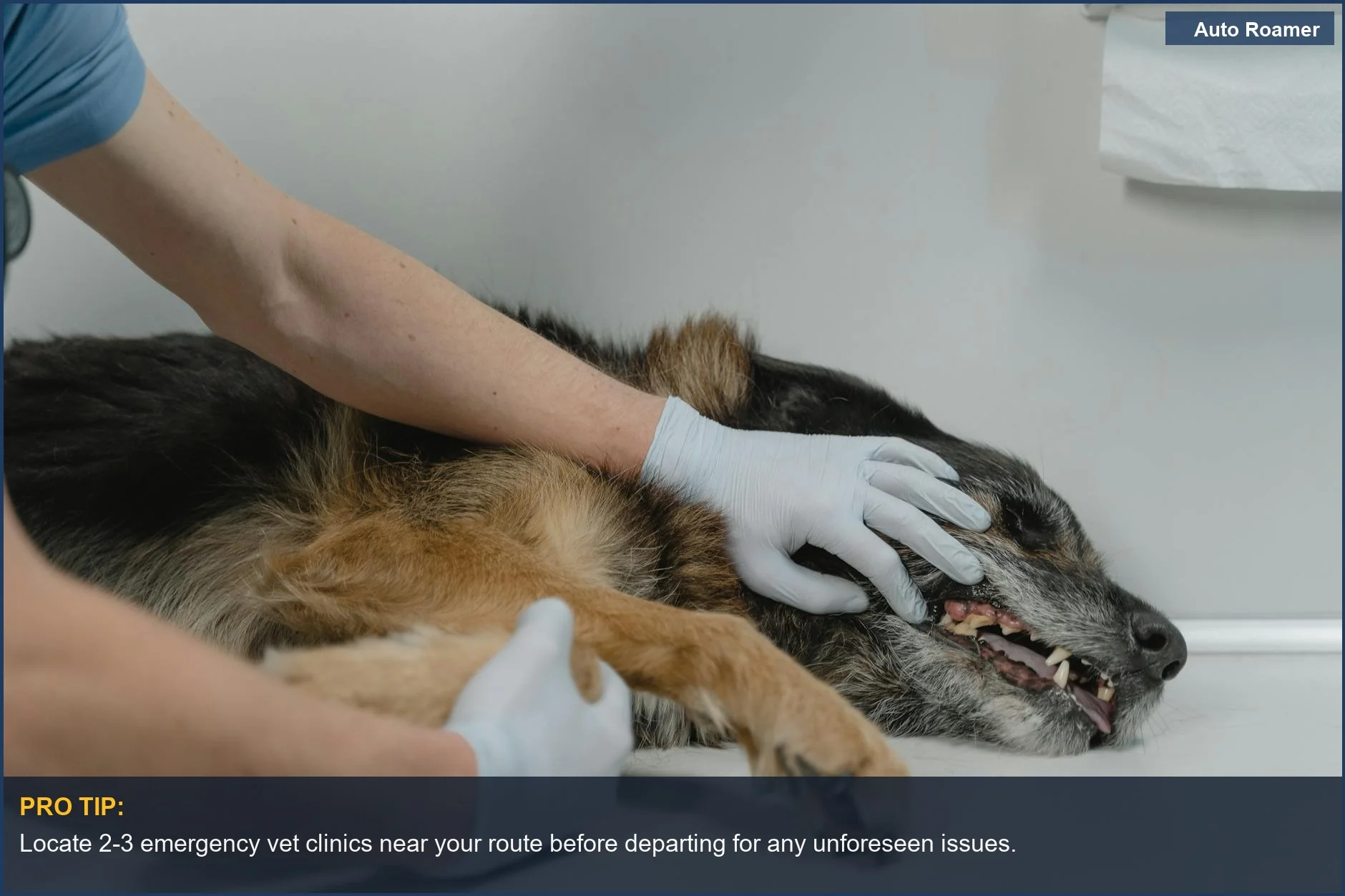
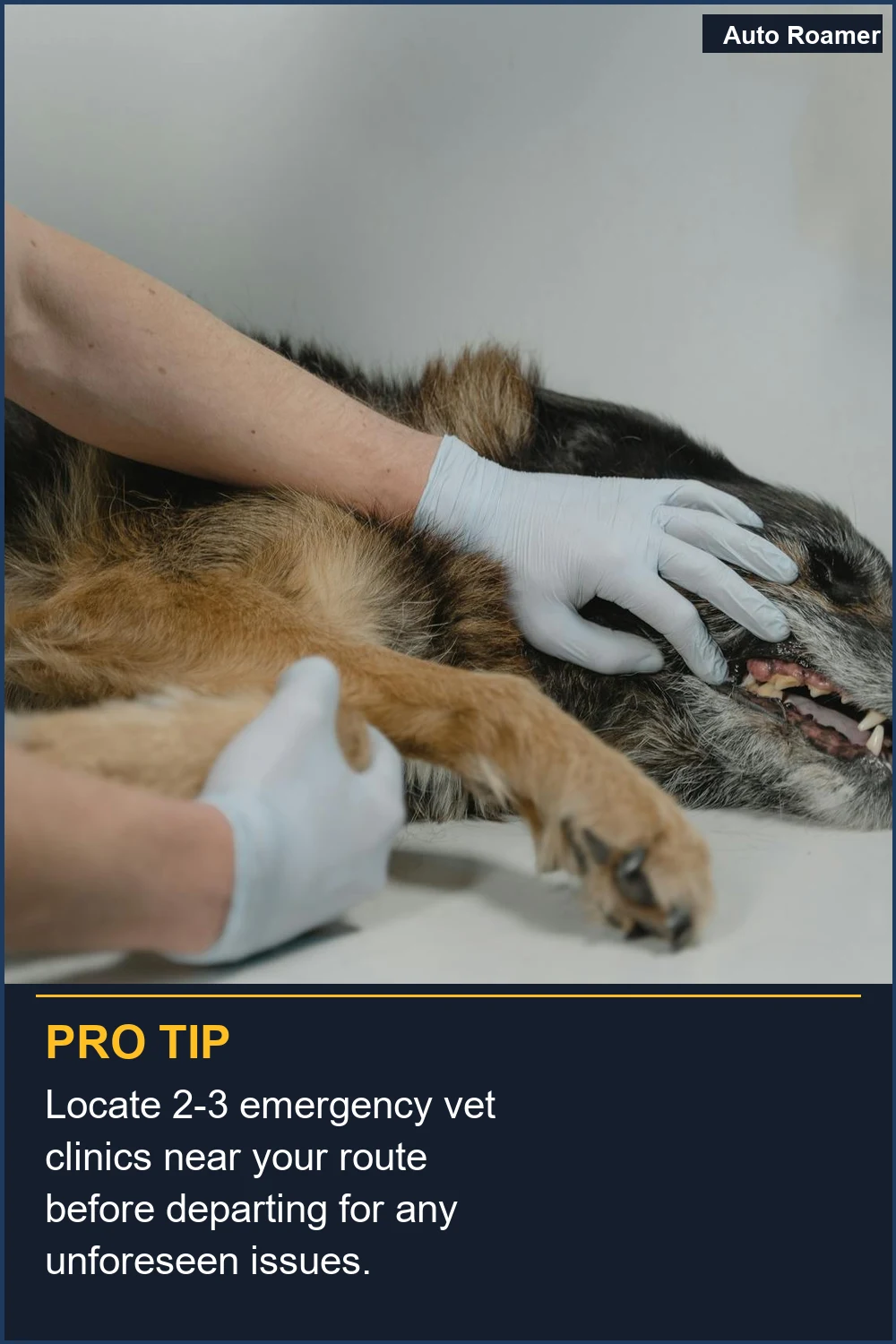
- Vet Contacts are Key: Save emergency vet numbers for your destination and any major towns along your route. This is the real move when seconds count. You don't want to be Googling "vet near me" with a sick animal in the back. PetMD is big on this pre-trip planning.
- The Pet First-Aid Kit: This isn't optional. It should include basics like bandages, antiseptic, gauze, and any prescription meds. It's your immediate response tool. Think of it like your own roadside emergency kit, but for your dog. Nemacolin Wooflands highlights the importance of a well-stocked kit.
- Medical Records: Keep copies of your pet's vaccination records and any chronic health issues readily accessible. This information is vital for any vet you might see. It saves them time and helps them provide the best care.
Making the Right Choice
Look, nobody wants to think about their pet getting sick on vacation. But being prepared is the difference between a manageable hiccup and a full-blown crisis.The honest version: I once had a dog get heatstroke because I underestimated how hot the car would get, even with the windows cracked. That was a $300 emergency vet bill and a solid week of worry. It's the kind of thing that sticks with you.
- Prioritize Pre-Trip Research: Know the local risks and have emergency vet contacts saved before you even pack the car. This is the $20 version of preventative care that can save you thousands later.
- Pack a Comprehensive Pet First-Aid Kit: This should be as standard as packing your own toiletries. It's not about fancy gadgets, just the essentials to handle minor issues and stabilize for a vet visit. RV With Dogs group members often share their go-to kit items.
- Understand Your Pet's Normal: Being able to spot subtle changes in behavior or physical signs is your first line of defense. If something feels off, it probably is. Trust your gut. DoveLewis emphasizes knowing your pet's baseline.
- Have a Backup Plan: What if your primary vet is closed? What if you have no cell service? Thinking through these scenarios before you leave can save you precious time and stress when it counts.
Frequently Asked Questions
If my pet has a minor issue, like a small cut, can I just use human first-aid supplies instead of buying a specific pet kit?
Do I really need to print out my pet's medical records, or is a photo on my phone enough?
What if my pet gets sick or injured at a campsite with no vets nearby, and my virtual vet says it's serious?
Can car sickness permanently damage my pet's digestive system if it happens on every trip?
I heard that if my dog is panting heavily, it's always heatstroke. Is that true?
🏅 Looking for Gear Recommendations?
Check out our tested gear guides for products that work with this setup:
Sources
- Pet Safety: How to Keep Your Pet Safe During Road Trips and ...
- Emergency Planning for Pet Travel: What to Do If Things Go Wrong
- What to Do if Your Pet Gets Sick or Injured on Vacation | PetMD
- what-to-do-if-your-pet-gets-sick-or-injured-while-traveling
- What should I do in case of an emergency with my dogs ... - Facebook
- How to Road Trip Safely With Pets - DoveLewis