
How to Keep Your Pet Safe and Comfortable During Unexpected Delays
Unexpected delays can happen to anyone, whether you're on a cross-country road trip or just stuck in traffic. When your furry, feathered, or scaled family member is along for the ride, their comfort and safety become top priority. It's not just about having a full tank of gas; it's about being prepared for those "what if" moments that can turn a smooth journey into a stressful ordeal for everyone, especially your pet.
Unexpected delays can happen to anyone, whether you're on a cross-country road trip or just stuck in traffic. When your furry, feathered, or scaled family member is along for the ride, their comfort and safety become top priority. It's not just about having a full tank of gas; it's about being prepared for those "what if" moments that can turn a smooth journey into a stressful ordeal for everyone, especially your pet.
Think of it like packing for a camping trip: you need more than just your tent. Ready.gov highlights the importance of having an evacuation plan for your pet, just in case. Alpine Animal Hospital also stresses recognizing subtle signs of distress in your pet, because waiting too long can turn a minor issue into a major emergency. This isn't about luxury travel; it's about basic preparedness.
The Core Answer
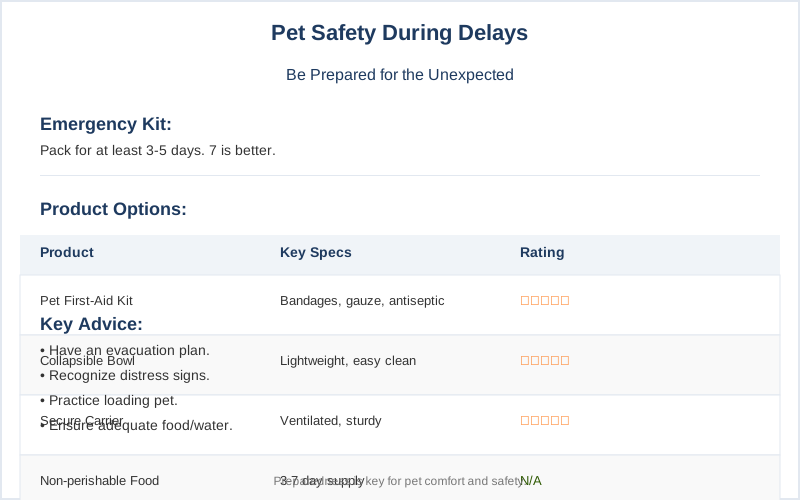
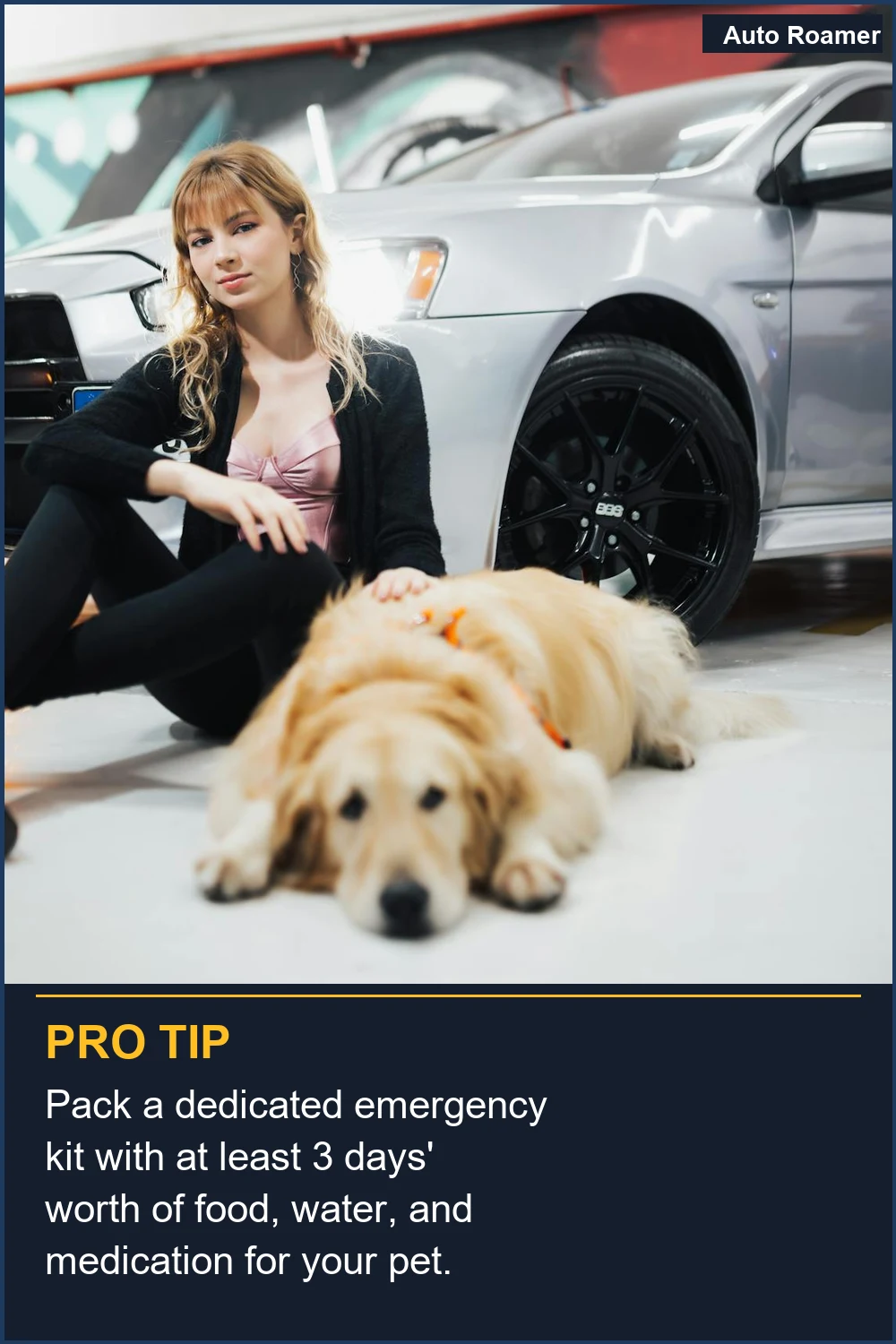
The real move for keeping your pet comfortable and safe during unexpected delays is having a solid emergency kit and a solid plan. I learned this the hard way when my dog, Buster, got car sick on a 4-hour detour through rural Ohio. I had zero supplies for him beyond a slobbery tennis ball. The CDC says you should have a kit with at least 3-5 days of food and water. That's the minimum, honestly. I now pack 7 days worth, just in case. And don't forget a bowl; trying to get a thirsty dog to drink out of a plastic baggie is a rookie mistake. Animal Hospital of Conroe recommends practicing loading your pet into their carrier or vehicle, which is smart. My first attempt to cram Buster into his carrier during that detour was a wrestling match I lost spectacularly. He ended up just lying on the floor of the back seat. The honest version: a secure carrier or harness is crucial. I use a crash-tested harness now; it cost about $60, but it's worth not having a dog fly into the dashboard. CDC also reminds us to keep collars and tags updated. My buddy's dog, Max, lost his tag once during a roadside stop, and the panic was real. Luckily, he was microchipped, but that's another layer of security. Keep copies of medical records and vaccination history with you too. My vet charges $15 for a printed copy, or I can get a PDF emailed for free. Smart money is on the PDF. Having medications readily available is also key. If your pet needs daily meds, you need to pack enough for at least a week, maybe two if you're heading somewhere remote. I once forgot Buster's allergy pills for a weekend trip to the mountains, and he was scratching himself raw by Sunday afternoon. That was a fun drive home. Sanitation is another thing nobody talks about until you're in a bind. Pack extra poop bags, and if you have a cat, a portable litter box is a lifesaver. Trying to find a discreet spot for a cat to do their business on the side of the highway is not ideal for anyone involved. Think of it as having a mini campsite for your pet, right in your car. It sounds like a lot, but it's just about thinking ahead. This isn't rocket science, it's just common sense for your four-legged copilot. The CDC has a great checklist.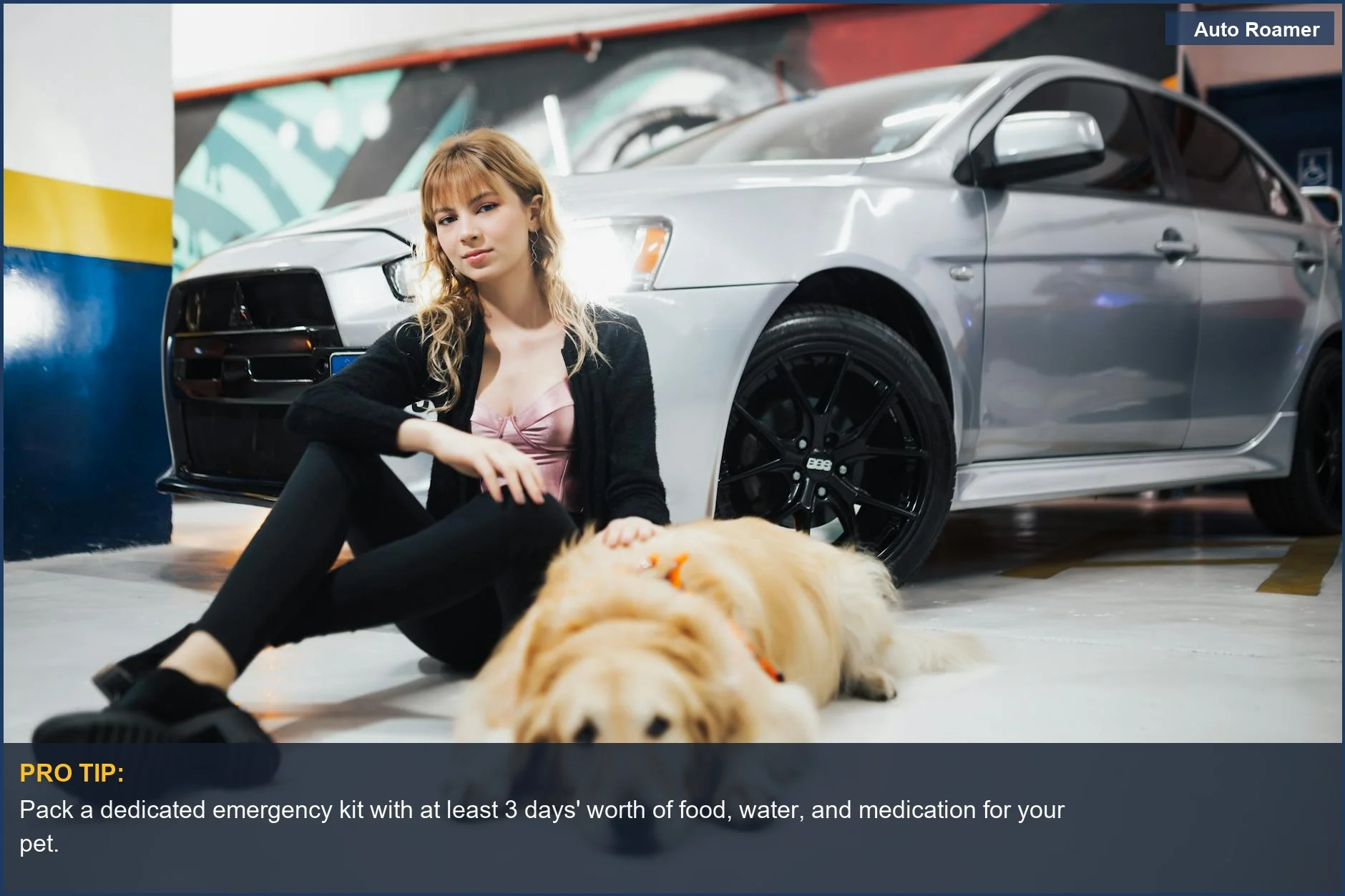
Why This Matters for Your Setup
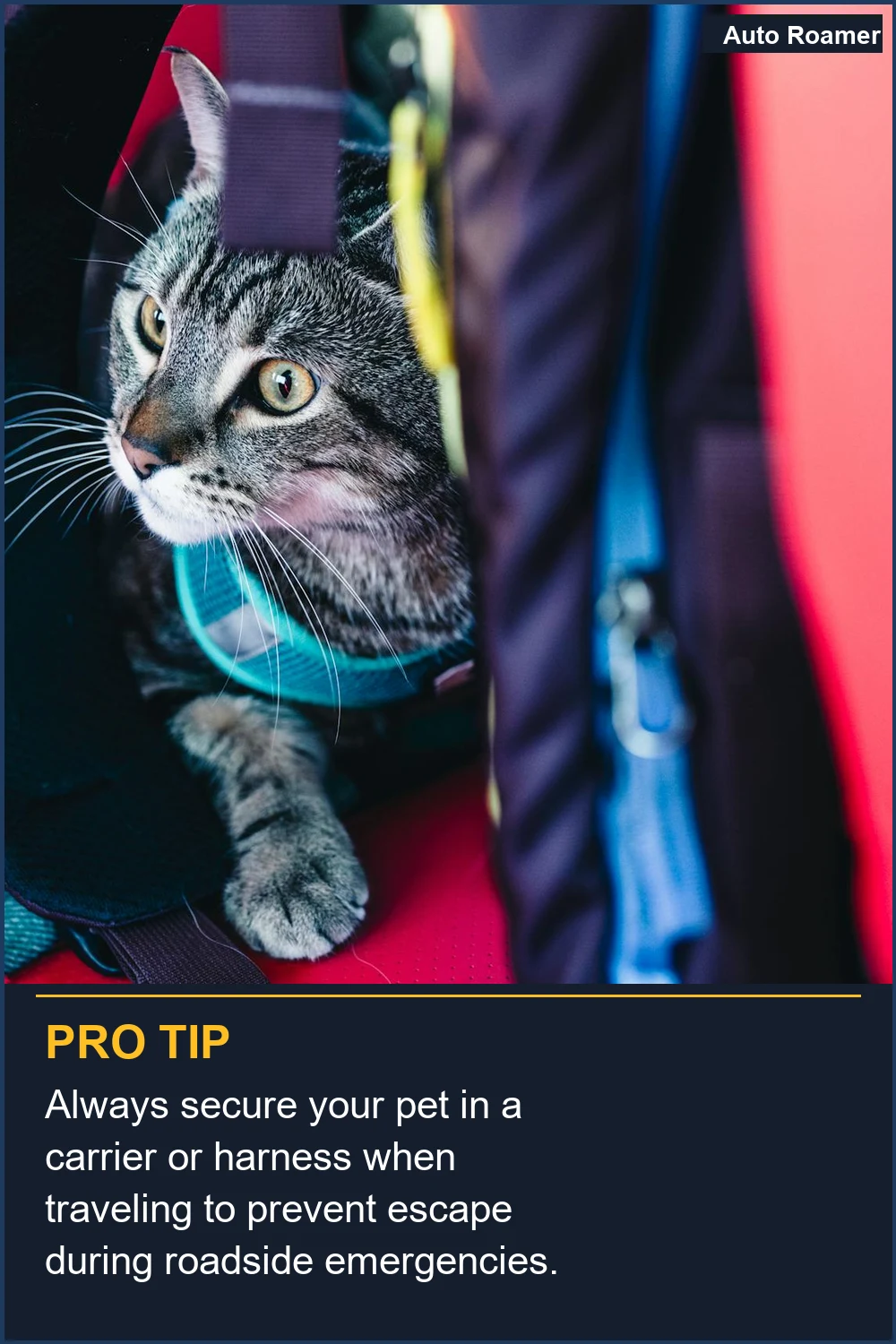
Why this matters for your setup is simple: comfort equals safety. A stressed pet is an unpredictable pet. Center for Pet Safety emphasizes having a 3-5 day supply of food and water. My personal field notes say aim for a week. That extra cushion is game-time when you hit unexpected road closures or just plain bad luck. A comfortable pet means a less distracted driver, which is a win for everyone on the road. Here's the breakdown:- Secure Transport: A crash-tested harness or a sturdy, airline-approved carrier is non-negotiable. I saw a guy once whose dog was just loose in the back of his minivan during a sudden stop; the dog ended up with a bruised snout. Not pretty.
- Hydration & Nutrition: Pack more food and water than you think you'll need. I always pack an extra gallon of water per day for Buster, and he usually just drinks it.
- Medications & Records: Keep a two-week supply of any medications, and have a folder with vet records and vaccination proof. It's a small thing, but it can save a lot of headaches if you need to find a vet on the fly.
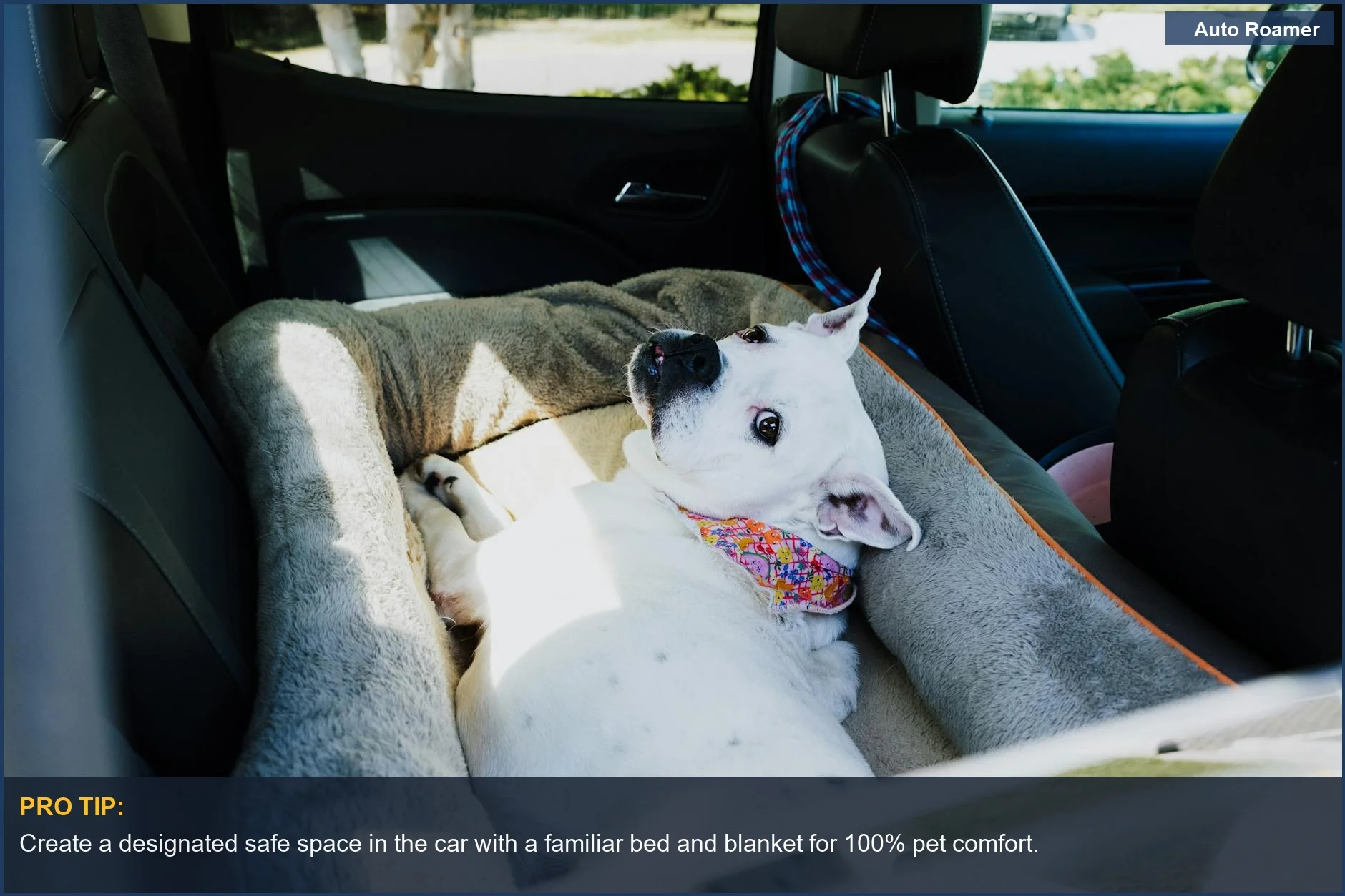
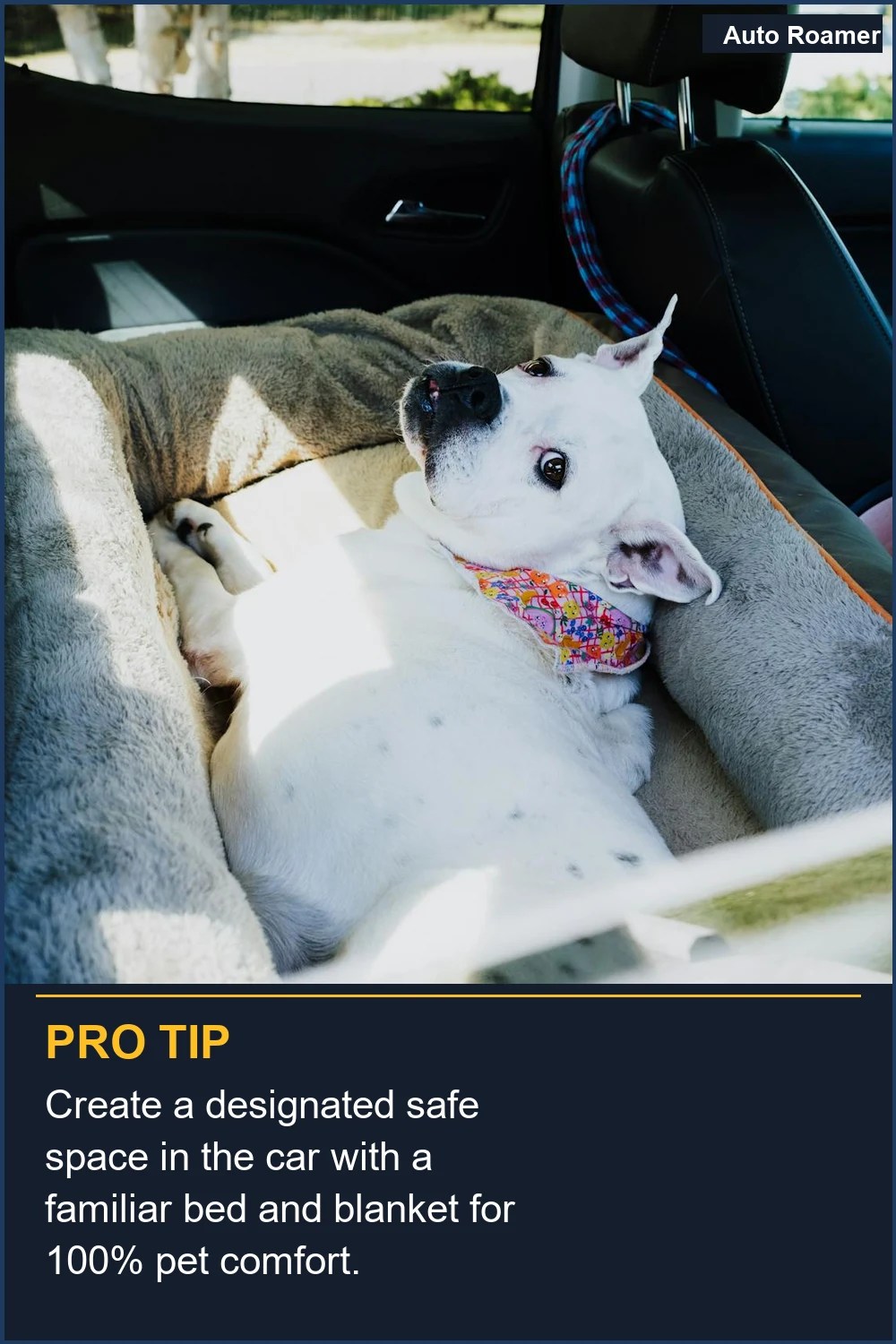
- Familiar Comforts: A favorite blanket or toy can make a huge difference. My dog, Buster, has a worn-out squeaky toy that he brings everywhere. It's his security blanket, and it helps him settle down in new or stressful environments.
- Waste Management: Always have plenty of bags for cleanup. For cats, a travel litter box is a genius invention. Carolina Virginia Vet stresses pet-proofing your home, but the same logic applies to your vehicle.
Making the Right Choice
Making the right choice for your pet during travel delays isn't about fancy gadgets; it's about thoughtful preparation. Think of it as building your own mini-disaster kit, but for your furry copilot. The ASPCA points out that planning for at least seven to ten days of food and water is crucial. My field notes strongly agree with that. It's not just about surviving the delay, but about preventing a stressful situation from becoming a dangerous one. Having a plan and the right supplies means you can focus on the road, not on a panicked pet. Santa Monica Vet reminds us that preparedness is key. Even simple things, like knowing your pet's microchip number and having a recent photo, can make a world of difference if you get separated. It's the $50 version of peace of mind. You don't need to go overboard. A sturdy carrier, enough food and water, and a basic first-aid kit are the foundation. Everything else is just bonus points. The goal is to keep your pet calm, fed, and safe, so you can both get back on track quickly. It's about responsible pet ownership, plain and simple.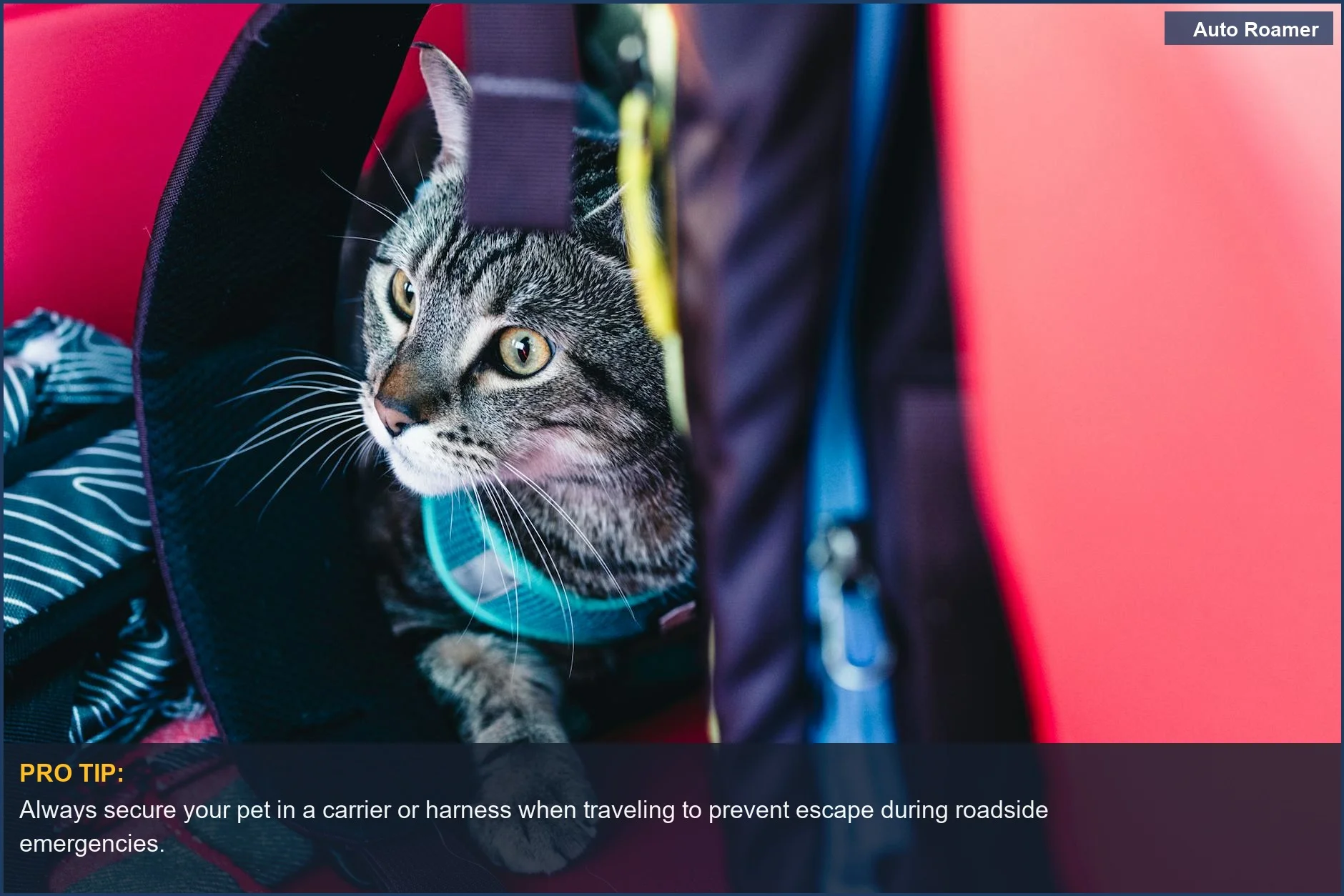
Frequently Asked Questions
Okay, so I need a kit. How much does a decent emergency kit cost compared to, say, buying a pre-made one from a pet store?
Do I really need a special crash-tested harness, or will a regular seatbelt attachment do?
What if my pet gets sick and I can't find a vet nearby because of the delay?
Can keeping my pet in a carrier for too long during a delay cause them permanent anxiety?
Is it true that pets can sense when a disaster is coming and will try to warn us?
🏅 Looking for Gear Recommendations?
Check out our tested gear guides for products that work with this setup:
Sources
- Be Prepared: Pet Safety in Emergencies - CDC
- Pet Emergencies Happen—Are You Prepared? Essential Tips for ...
- Prepare Your Pets for Disasters | Ready.gov
- What You Need to Keep Your Pet Safe When Disaster Strikes - ASPCA
- 9 Simple Strategies for Preventing Pet Emergencies
- Caring for your pets during uncertain times - Center for Pet Safety
- Disaster Preparedness for Pet Owners: Keeping Pets Safe in Any ...
- Pet Emergency Preparedness: Be Ready for the Unexpected