
How to Prepare Your Pet for Unexpected Roadside Situations
Preparing your furry, feathered, or scaled family members for unexpected roadside emergencies isn't just a good idea; it's critical. My first real scare was a flat tire in the middle of nowhere, and my dog, bless his anxious heart, lost his mind.
Preparing your furry, feathered, or scaled family members for unexpected roadside emergencies isn't just a good idea; it's critical. My first real scare was a flat tire in the middle of nowhere, and my dog, bless his anxious heart, lost his mind. That's when I realized I was woefully unprepared for anything beyond a leisurely walk in the park. According to Ready.gov, having a plan can significantly reduce stress for everyone involved.
The CDC also stresses that pets left behind during a disaster are likely to be injured or lost, which is a rookie mistake I was close to making. CDC
The Core Answer
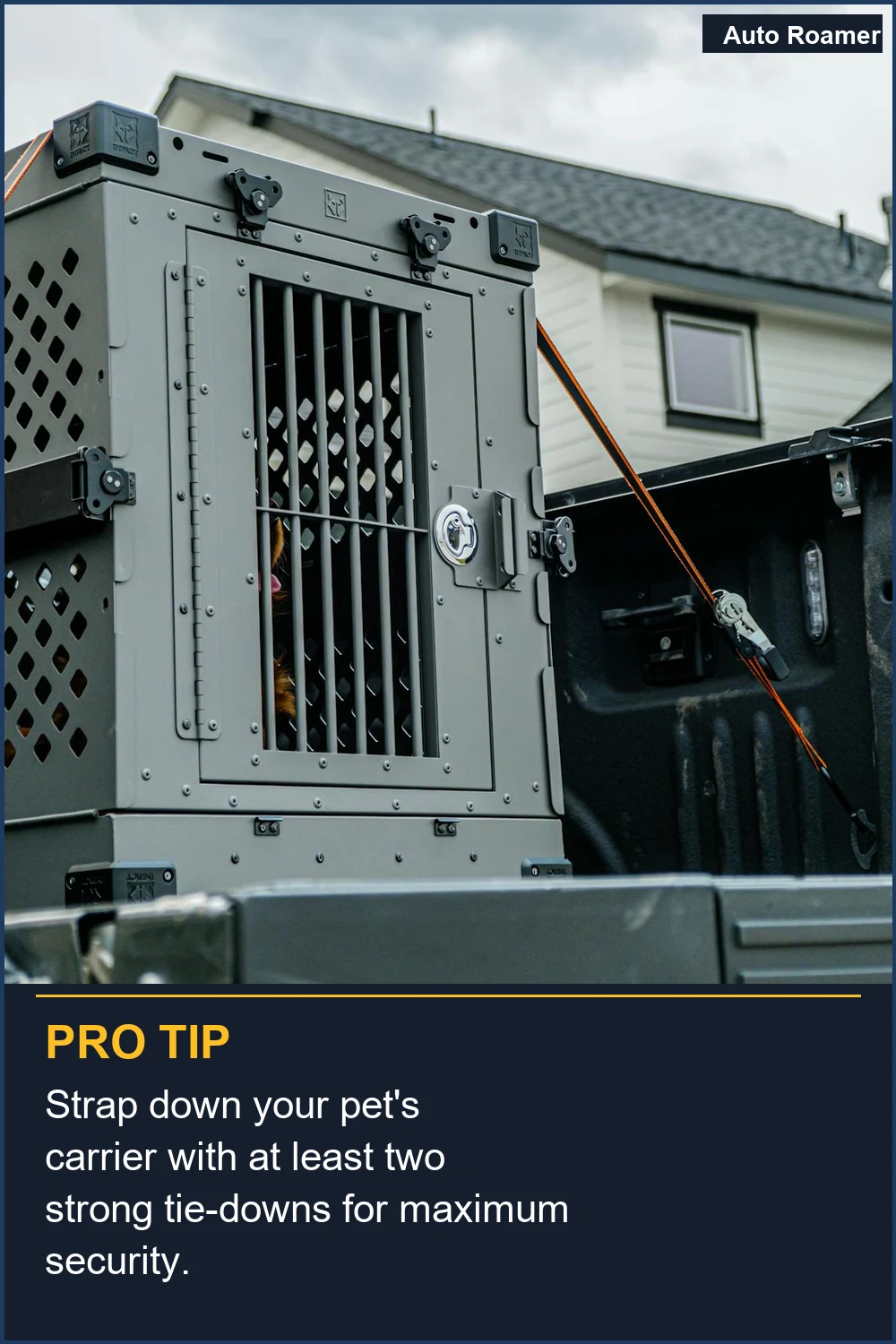
The real move here is to think like you're packing for yourself, but for your pet. First up, a sturdy carrier or crate. I learned this the hard way when my cat, Mittens, bolted during a sudden downpour at a roadside rest stop. Had I not grabbed her $30 travel crate from the back of the car, she'd have been gone. It needs to be secure enough that they can't bust out if they panic, but also comfortable. Think of it as their safe space, not a jail cell. Facebook Next, the emergency kit. This is where the $50 version of preparedness shines. You absolutely need at least a three-day supply of their regular food. Nothing worse than having to find specialized kibble in a town you've never heard of. Waterproof containers are your friend here. Also, pack plenty of water. Pets can dehydrate faster than you think, and a collapsible bowl that cost me $8 is worth its weight in gold. FearFreeHappyHomes.com Don't forget medications, if applicable. Two weeks' worth is a good buffer. Keep copies of their medical records and vaccination history. This is crucial if you need to board them or visit an emergency vet. I keep mine in a waterproof pouch that cost me about $5. It's the kind of thing you hope you never need, but you'll curse yourself if you don't have it. American Red Cross Identification is non-negotiable. Make sure their collar has an up-to-date ID tag with your phone number. Microchipping is even better, but you still need the tag. I learned this when my dog's collar slipped off during a hike once. Luckily, he was found quickly, but it was a terrifying 2 hours. The tag cost me $5 and the microchip was about $50, but peace of mind? Priceless. Ready.gov Finally, practice. Include your pet in evacuation drills. Get them used to their carrier. My dog used to freak out every time he saw his crate. Now, he'll often go in it voluntarily for a treat. It makes game-time situations so much smoother. The Red Cross suggests this so they don't panic when it's go-time. American Red Cross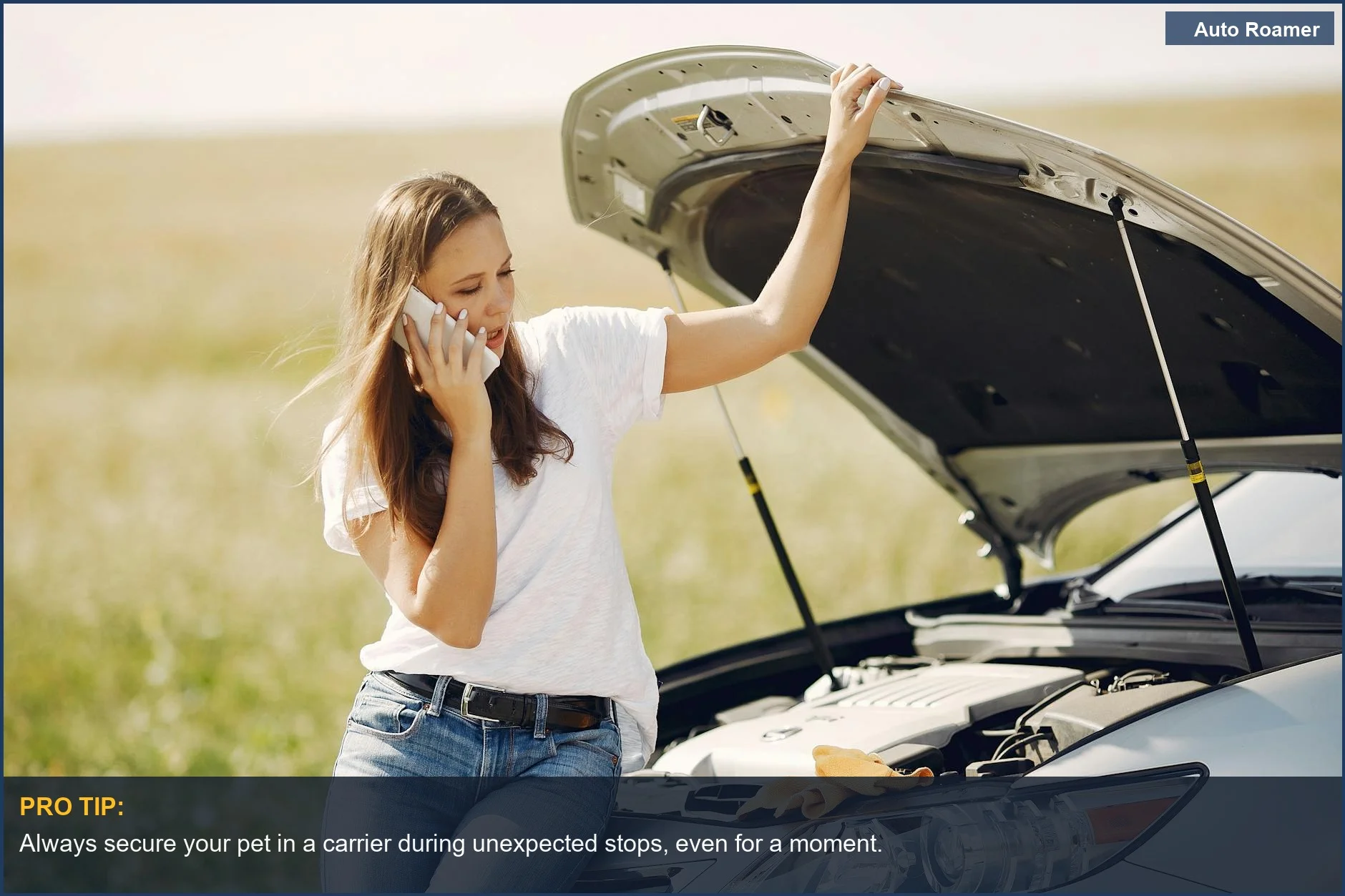

Why This Matters for Your Setup
Why does all this prep matter when you're just heading to the local dog park?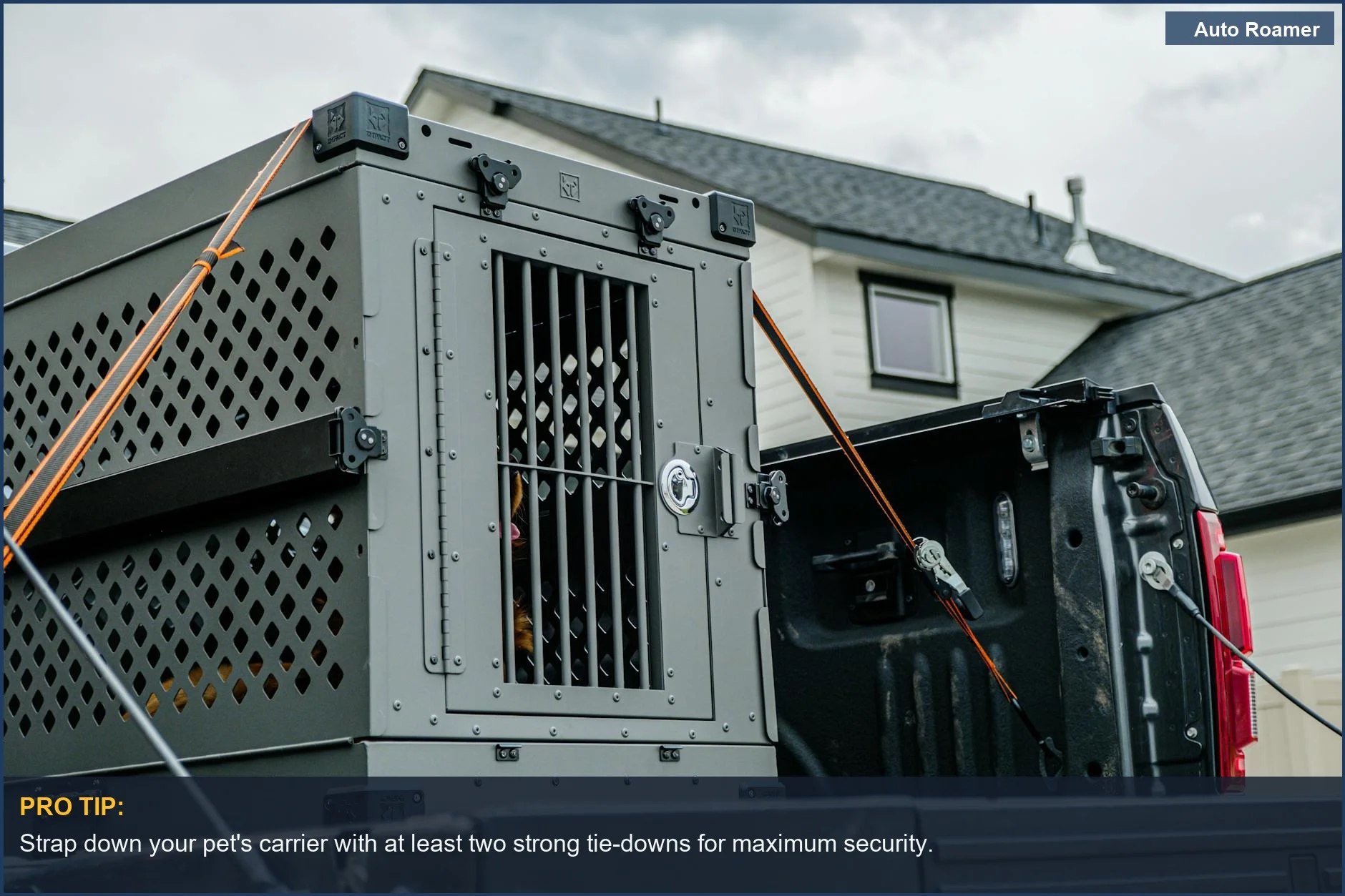
Making the Right Choice
When it comes to prepping your pet for the unexpected, the honest version is that it's less about fancy gear and more about common sense. Focus on the essentials first. A secure carrier, enough food and water for a few days, and proper identification are your bedrock. You don't need a $200 GPS tracker for your hamster on day one. ASPCA Think about what your pet absolutely needs to survive and stay calm for 72 hours. Then, build around that. My first pet emergency kit was probably $75 total and it covered the basics. It's about minimizing risk and maximizing your ability to handle a curveball. Loveland Veterinary Clinic Don't overthink it. If you can get a secure carrier, a few days of food, and make sure their tags are updated, you're already miles ahead of most people. It's the difference between a minor inconvenience and a full-blown crisis. CDC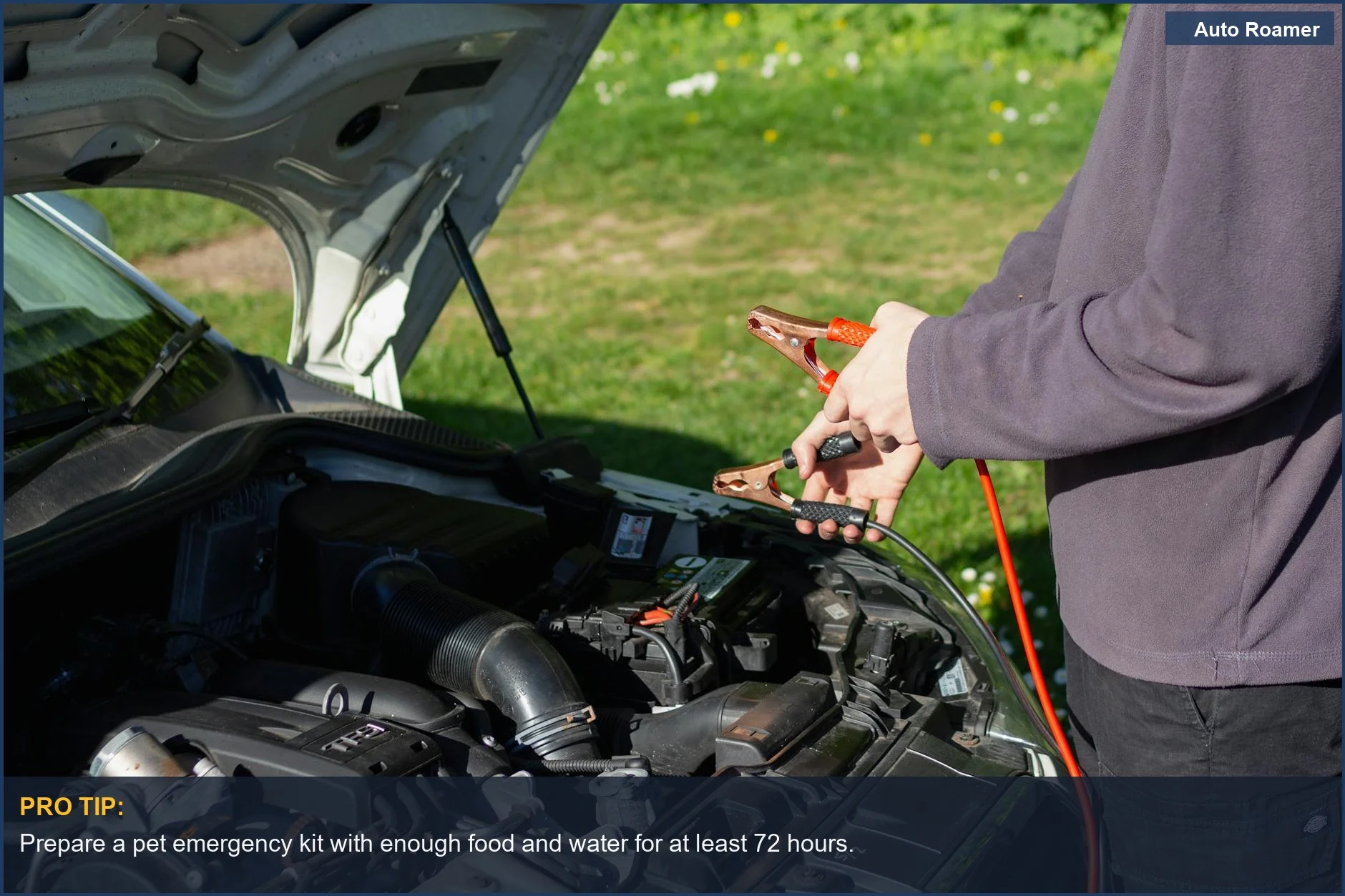
Frequently Asked Questions
My dog's crate cost me $150 from the fancy pet store. Is it worth it, or can I just grab one of those cheap $30 ones from the discount aisle?
Do I really need a special 'pet first-aid kit' with bandages and antiseptic, or can I just use my own human stuff?
What if I pack a huge kit, but then my pet gets sick and needs specialized vet care that I can't find nearby?
Can leaving my pet in their carrier for a few hours in the car during a roadside stop permanently damage their mental state?
I heard you don't really need to pack that much food for your pet because they can just eat grass or scavenge if needed. Is that true?
🏅 Looking for Gear Recommendations?
Check out our tested gear guides for products that work with this setup:
Sources
- How to Prepare Your Pet for Emergencies - Humane Rescue Alliance
- Prepare Your Pets for Disasters | Ready.gov
- How to ensure pet safety in a survival situation? - Facebook
- Pet Emergency Preparedness: 10 Most Essential Items for Traveling ...
- How To Plan Ahead For Pet Emergencies - Loveland Veterinary Clinic
- How to Stay Prepared and Keep Your Pet Safe During Natural ...
- Be Prepared: Pet Safety in Emergencies - CDC
- Pet Disaster Preparedness & Recovery - American Red Cross