First, the Basics
Figuring out how to power a dashcam in your Kia Sportage can feel like deciphering ancient hieroglyphs, especially when you just want to record your commute. The truth is, there are a few ways to skin this cat, each with its own quirks and complexities. A common first attempt is tapping into the dome light, which lasts about 15 minutes before it becomes clear it'll drain the battery faster than a leaky water bottle.
It's not rocket science, but it's also not as simple as just plugging something in and forgetting about it. Kia Sportage dashcam power discussions online are full of people who've been there, done that, and probably blown a fuse or two. The goal is to have constant power without killing your car's main battery. Many owners are looking for clean, unobtrusive solutions. That's where understanding the options comes in.
The Core Answer
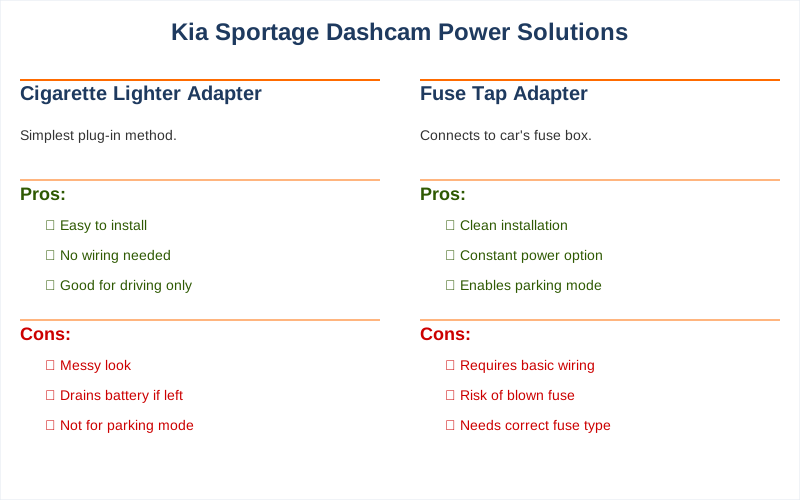
The core answer to powering your dashcam in a Kia Sportage boils down to a few primary methods, and frankly, some are way better than others. A common rookie mistake is thinking the cigarette lighter is a permanent solution. Sure, it works, but that little 12V adapter sticking out looks messy and you have to remember to unplug it if you want to avoid draining your battery when the car's off.
It's the $10 version, and you get what you pay for. This is the simplest way, but not the cleanest for parking mode. Some installations show using a dedicated adapter that plugs right in. It's fine for basic recording while driving, but that's it. The real move for consistent power, especially if you want parking mode (which records when your car is off), is to hardwire it. This usually involves tapping into your car's fuse box.
Wrestling with fuse taps can eat an entire Saturday, with the constant worry of shorting something out. The honest version: you need the right kind of fuse tap that matches your car's fuses, and you need to know which fuses are always hot (constant power) and which ones only turn on with the ignition. This way, you're not constantly worried about your dashcam draining your car battery.
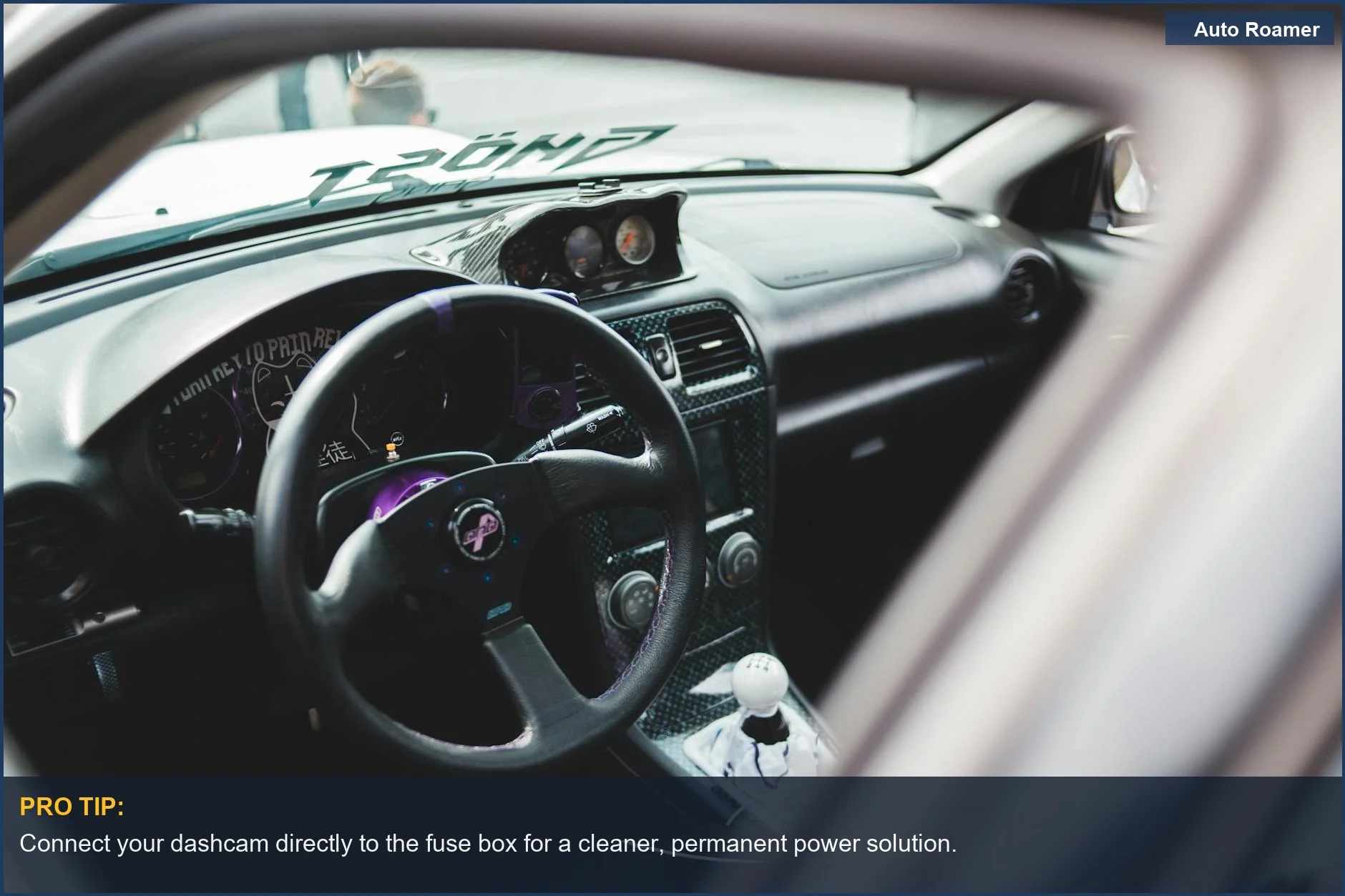
It's a bit more involved, but the clean look and reliable power are worth it. This involves connecting to the fuse box. Another popular option is powering directly from the rearview mirror assembly. This is often done with a specific adapter that plugs right into the mirror's wiring harness. It's super clean, hides all the wires, and usually provides constant power.
Forum users rave about this method as a game-changer for a tidy install. It's like the $50 version of a clean install, and it bypasses the whole fuse box drama. This is a common recommendation. Finally, there's the OBD-II port. This is the diagnostic port usually found under your dashboard. It's pretty easy to access and provides power.
However, some people, and even some mechanics, say it's best to avoid tapping into the OBD-II port for anything other than diagnostics. They worry it can interfere with the car's systems or just not be as reliable long-term. The safer bet is to stick to the fuse box or mirror tap if you're not sure. Some advise against the OBD-II port.
Why This Matters for Your Setup
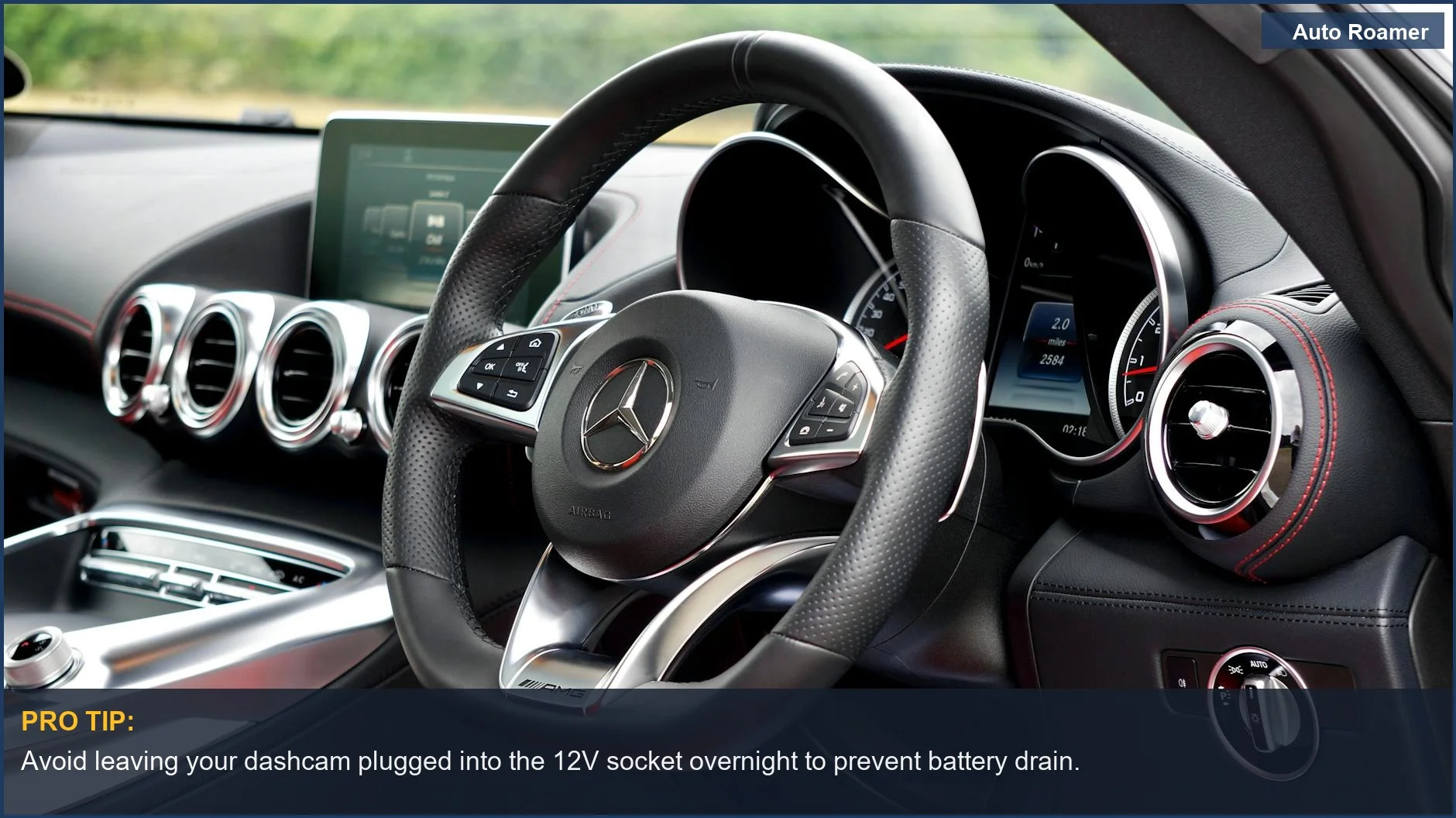
Why this matters for your setup is pretty straightforward: a dead battery means no dashcam footage, and potentially a stranded vehicle. That's a rookie mistake that's easy to nearly make on a chilly morning in the mountains. Plug a dashcam into the 12V socket, forget to unplug it, and you can come dangerously close to a dead battery before catching it. Here's the breakdown of why these power options are critical:
- Cleanliness is Next to Godliness: Nobody wants wires dangling all over their dashboard. Powering from the rearview mirror or hardwiring neatly into the fuse box keeps your interior looking factory fresh. Nobody wants a car interior that looks like a disaster zone of dangling cables.
A clean install is achievable.
- Parking Mode is Your Friend (and Your Witness): If you want your dashcam to record while parked, you need a power solution that doesn't rely on the ignition being on. This means tapping into a constant power source, typically from the fuse box or a dedicated dashcam battery pack. A camera that shuts off when you park can miss the moment someone dings your bumper. Brilliant engineering, that.
Parking mode requires constant power.
- Battery Drain is a Real Thing: Leaving a dashcam plugged into a 12V socket that stays on when the car is off is a surefire way to come back to a dead battery. Forums are full of horror stories about people getting their car towed because of this. It's the simplest mistake, with the biggest consequence.
Dash cams can drain your car battery.
- OBD-II Port Concerns: While convenient, tapping into the OBD-II port can sometimes cause issues with your car's diagnostic systems. It's generally safer to use dedicated power sources like the fuse box or mirror tap. Plenty of mechanics shake their heads at the idea of using the OBD-II port. Some advise caution with OBD-II ports.
Making the Right Choice
Making the right choice for your Kia Sportage dashcam power is all about balancing convenience, reliability, and cost. The first impulse is usually the cheapest, easiest route, which often means more headaches down the road. The honest version is that a little upfront effort can save you a lot of trouble.
- The $10 vs. $50 Decision: Going with a simple 12V adapter is cheap, but you sacrifice parking mode and a clean look. Investing in a mirror tap or a proper hardwiring kit might cost a bit more upfront, but the peace of mind and functionality are unmatched. Spending $50 on a clean install beats dealing with a jump-start on the side of the road.
Different methods have different costs and benefits.
- Parking Mode is Non-Negotiable for Some: If you want your dashcam to act as a security guard when you're away from your car, you absolutely need a constant power source. This means looking beyond simple ignition-switched power. A correctly wired dashcam has saved plenty of owners after a hit-and-run while parked.
Parking mode requires specific wiring.
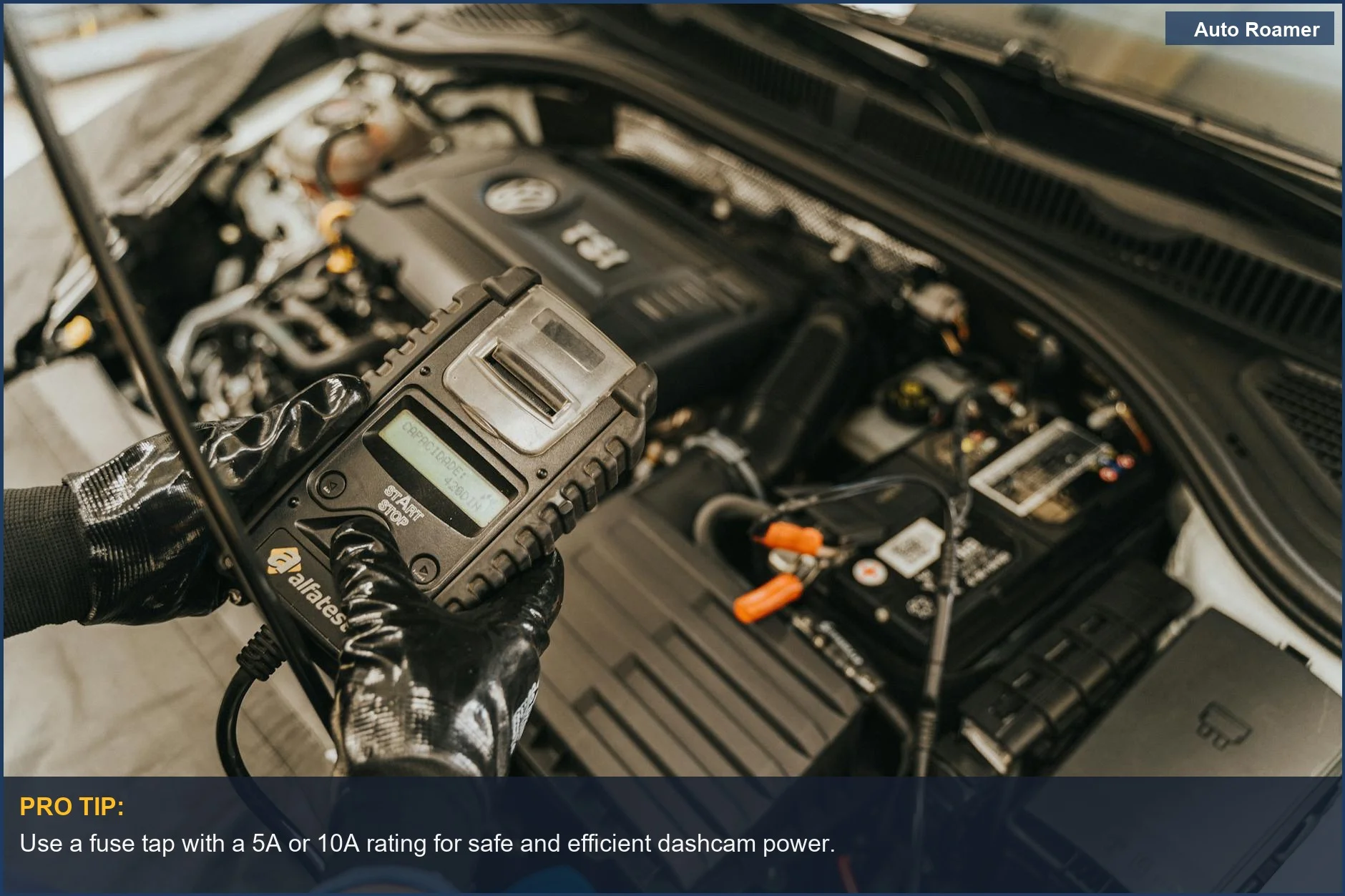
- Don't Fear the Fuse Box (Too Much): While it sounds intimidating, tapping into the fuse box with the right tools is a very common and effective method. Just make sure you're using appropriately rated fuse taps and understand which circuits are safe to use. A first fuse box attempt can be a disaster, but the second time is usually smooth sailing.
Fuse box taps are a popular solution.
- Clean Installs = Happy Drivers: Ultimately, a dashcam that's integrated cleanly into your car's interior is more pleasant to live with. Wires can be distracting and look unprofessional. The mirror tap or a well-hidden hardwire setup are the gold standards for a stealthy install. Mirror taps offer a very clean install.