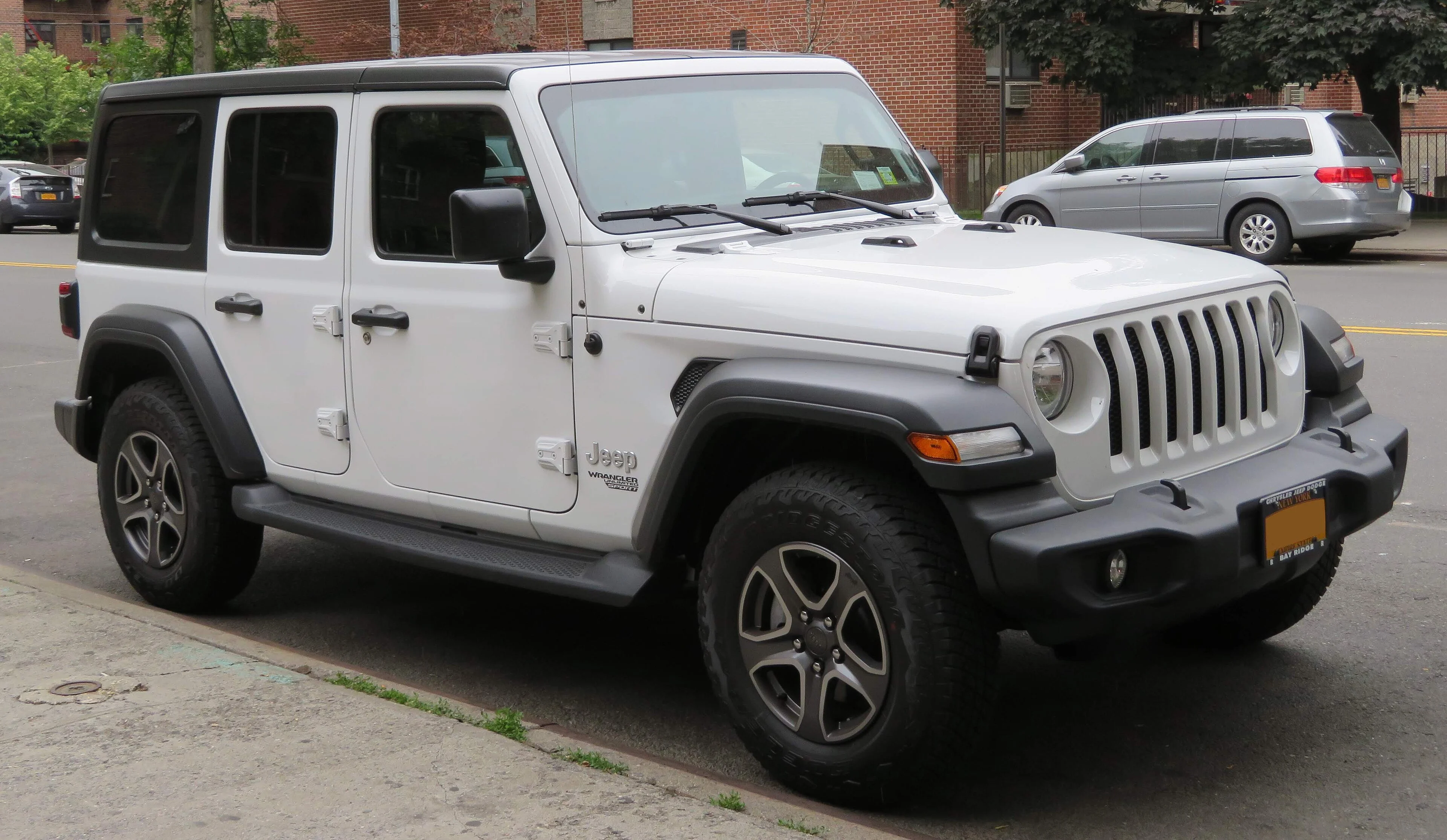
Is your Wrangler's roof even rated for a rack?
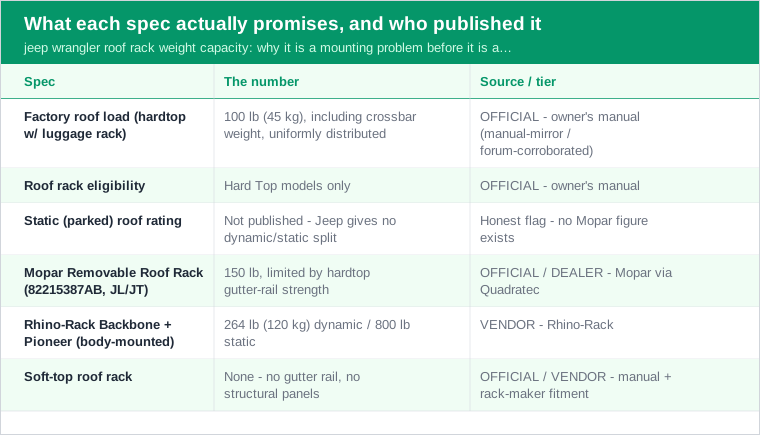
Before I talk numbers, I ask the one question that decides everything: what is on top of your Wrangler right now, a hardtop or a soft-top? On the install, that answer is the whole job. Jeep's owner's manual (OFFICIAL, read on a manual-mirror and quoted verbatim across the forums) rates the roof at 100 lb (45 kg) with a luggage rack fitted - and in the same breath the manual states that 'roof rack applications are for Hard Top models only.' So the honest first answer is: your roof is rated for a rack only if it is a hardtop, and even then only for that 100 lb.
Here is the framing I want you to carry through the rest of this page. A Wrangler roof rack is a mounting problem before it is a weight problem. Most buyers start by asking how many pounds the roof holds; the better question is whether there is anything structural up there to bolt a rack to in the first place. On a hardtop there is - a gutter rail and defined mounting points. On a soft-top there is fabric, bows, and air. No amount of shopping changes that.
I have watched people spend an afternoon comparing crossbar load ratings for a top that physically cannot accept a crossbar. That is the step everyone skips: confirming the fitment before chasing the capacity. Get the hardtop-versus-soft-top fork right at the start and the rest of the decision falls into place - which rack, which rating, and whether a rooftop tent is even on the table.
So we will walk this the way I would walk an actual install. First, what the factory 100 lb number really covers, because it is smaller than it sounds. Then the manual's hardtop-only line and why it exists. Then the two different worlds a hardtop and a soft-top live in, the body-mounted racks that bypass the top entirely, and finally where a rooftop tent runs headfirst into the math. If you own a soft-top, I will tell you the part you may not want to hear early, so you do not buy the wrong thing.
What does the factory 100-pound limit actually cover?
Let me quote the manual straight, because the exact words do real work here. The Wrangler owner's manual (OFFICIAL, verbatim on a manual-mirror and corroborated in multiple forum quotes; the raw Mopar PDF sat behind a paywall, so treat this as manual-mirror text rather than a page I pulled myself): 'The load carried on the roof, when equipped with a luggage rack, must not exceed 100 lb (45 kg), including the weight of the crossbars, and should be uniformly distributed.'
Read that phrase 'including the weight of the crossbars' twice, because it is the part that trips people. Your 100 lb budget is not 100 lb of cargo on top of a rack. It is 100 lb total - the rack hardware plus whatever you strap to it. A set of aftermarket crossbars and a base can eat 30 to 40 of those pounds before you have loaded a single item, which leaves you far less usable payload than the headline suggests.
The factory limit is 100 lb (45 kg) including the crossbars, uniformly distributed, on a hardtop only. It is a total system weight, not a cargo allowance on top of the rack - OFFICIAL, owner's manual.
And here is the honest gap you should know about: Jeep and Mopar publish no static rating and draw no dynamic-versus-static distinction at all for the roof. Rack makers routinely quote two numbers - a dynamic rating for driving and a much larger static rating for parked loads like a sleeping tent. The factory does not. There is just the one 100 lb figure and the words 'uniformly distributed.' Anyone who quotes you a factory 'static roof capacity' for a Wrangler is inventing a number the manufacturer never printed, and I will flag one common version of that invention later.
Uniformly distributed matters too. The limit assumes the load is spread across the rack, not concentrated on one bar or one corner. A heavy box clamped to a single crossbar puts more stress into that mounting point than the rating contemplates, which is exactly the kind of detail that fails a roof panel rather than a number on a spec sheet.
Roof racks, hardtop only: the line in the manual
The single most important sentence for this whole topic is short: 'Roof rack applications are for Hard Top models only' (OFFICIAL, owner's manual). That is not a lawyer's hedge. It is a description of what the vehicle is built to do, and it is the reason a soft-top and a hardtop are two completely different install jobs.
On a hardtop, the load path is real. There is a metal gutter or drip rail the top bolts down to, rigid panels, and defined points a rack can grab. When you set 100 lb on a hardtop roof, that weight travels through the top into the body the way the engineers intended. It is a modest budget, but it is a genuine one.
On a soft-top there is no such path. The fabric hangs on a folding bow frame; there is no gutter rail, no structural panel, and nothing rated to carry a downward load. Bolt a crossbar to that and you are not loading a roof, you are loading tent poles and cloth. That is why the manual restricts roof racks to hardtops - not to be stingy, but because a soft-top physically has nowhere to put the force.
So the manual's hardtop-only line reframes the entire question. For a soft-top owner, 'what is my roof rack weight capacity' has a blunt answer: zero, because there is no factory-sanctioned roof rack for you at all. The load has to go somewhere other than the top, which is where the body-mounted racks come in a couple of sections down. First, though, it is worth understanding exactly why the fabric top defeats a standard rack, because that is the misconception I see most.
Why can't a soft-top take a standard roof rack?
This is the question that decides a soft-top owner's whole shopping list, so let me be precise. A mainstream roof rack - Yakima, Thule, the drip-rail systems - clamps to a structural edge of the roof. The soft-top gives it nothing to clamp to. No gutter rail, no rigid panel, no Rhino-Rack Backbone mounting points (those are hardtop features). Take those away and the mainstream rack and, by extension, any rooftop tent are simply off the table (VENDOR + OFFICIAL: the manual's hardtop-only line plus the rack makers' own fitment).
The rack makers say the same thing in their fitment guides. The Yakima RibCage system, for example, is explicitly a hardtop-only setup - it needs the hard roof to support its towers (VENDOR - Yakima / rack-shop listing). You will not find a reputable maker publishing a soft-top roof rack with a real load rating, because there is no structure under the fabric to rate.
There is one niche exception, and I want to name it honestly rather than pretend soft-top owners have nothing. Body- or tub-mounted exoskeleton racks - the Gobi, Garvin, and Maximus-3 style systems - bolt to the Wrangler's tub and roll cage and bypass the top entirely (VENDOR). A soft-top can run one of those because the load never touches the fabric. But here is the catch I will not paper over: no vendor I found publishes a rooftop-tent-grade dynamic rating for those racks on a soft-top, so treat them as a cargo-and-light-duty answer, not a proven tent platform.
- No gutter rail means a drip-rail rack has nothing to clamp - the most common mount type is out immediately.
- No structural panels means the load has no path into the body, so downward weight lands on tent bows.
- No Backbone points means the platform systems that make a hardtop tent-capable have nowhere to anchor.
The practical read: if you own a soft-top and you want to carry weight up high, you are shopping for a body-mounted exoskeleton, not a roof rack, and you are keeping your expectations for anything sleep-related modest until a maker publishes a real dynamic number. For the wider picture of how roof limits work across vehicles, my SUV roof rack weight limits guide lays out the same dynamic-versus-static logic on more forgiving roofs.
The body-mounted exoskeleton path
When a Wrangler needs to carry real weight up top - a hardtop owner who wants a tent, or a soft-top owner who wants anything at all - the credible answer is a rack that bolts to the body, not the top. This is the path that sidesteps the 100 lb factory ceiling, because the load goes into the tub and cage rather than through the roof panel.
The benchmark I point people to is the Rhino-Rack Backbone system paired with a Pioneer platform. Rhino-Rack rates that combination at 264 lb (120 kg) dynamic and 800 lb static (VENDOR - Rhino-Rack). The Backbone reinforces the mounting so the platform is carried by the vehicle's structure, which is why the numbers dwarf the factory 100 lb - it is a different load path entirely. That 264 lb dynamic figure is what makes a rooftop tent realistic, because a hardshell tent plus two sleepers moving down the highway lives in the dynamic column, not the static one.
On the hardtop side, the Yakima RibCage tracks are rated up to 330 lb dynamic / 825 lb static, but with an honest asterisk: when the load is limited by the crossbars rather than the tracks, the effective figure is closer to 220 lb (VENDOR - Yakima). Always read to the weakest link in the chain - the tracks, the bars, and the mount each have a number, and your real capacity is the smallest of them.
A body-mounted rack is not an upgrade over the factory 100 lb - for a rooftop tent it is a requirement, because the roof itself was never rated to carry a tent and two sleepers. Rhino-Rack Backbone + Pioneer: 264 lb dynamic / 800 lb static (VENDOR).
Two install notes I would not skip. First, a body-mounted system is a real job - you are torquing brackets to the tub and cage, and fitment is model-specific to the JK, JL, or JT. Second, the dealer-installed Mopar Removable Roof Rack (part 82215387AB, JL/JT) is rated 150 lb and is 'limited by the strength of the hardtop gutter rail' (OFFICIAL / DEALER - Mopar via Quadratec). That 150 lb is more than the factory 100 lb because it uses the drip rail differently, but it is still a hardtop-only, gutter-limited part - not a tent platform.
Where a rooftop tent runs into the math
Here is the section that saves people money, so I will be blunt. If your plan is a rooftop tent bolted to the factory-limit roof of a Wrangler, the math is against you before you unfold anything. The factory limit is 100 lb including the crossbars (OFFICIAL). Even a light hardshell rooftop tent weighs more than that on its own, and you have not added a single sleeper. The system is over budget the moment it is installed.
That is why a body-mounted rack is a requirement, not a luxury, for a tent. The Rhino-Rack Backbone's 264 lb dynamic rating (VENDOR) exists precisely because the factory roof cannot host a tent. You do not 'upgrade' from 100 lb to a tent; you change the load path entirely by moving the mount off the roof and onto the body.
And for the soft-top owner reading this hoping for a workaround: there isn't one for a roof tent. No gutter rail, no structural panels, no published dynamic rating on the exoskeleton racks means a soft-top gets no roof-mounted rooftop tent, period. The genuine answer for a soft-top is either a body-mounted cargo platform for gear, a ground tent, or sleeping inside - and sleeping inside a 4-door is more workable than people expect, which I cover in can you sleep in a Jeep Wrangler 4-door.
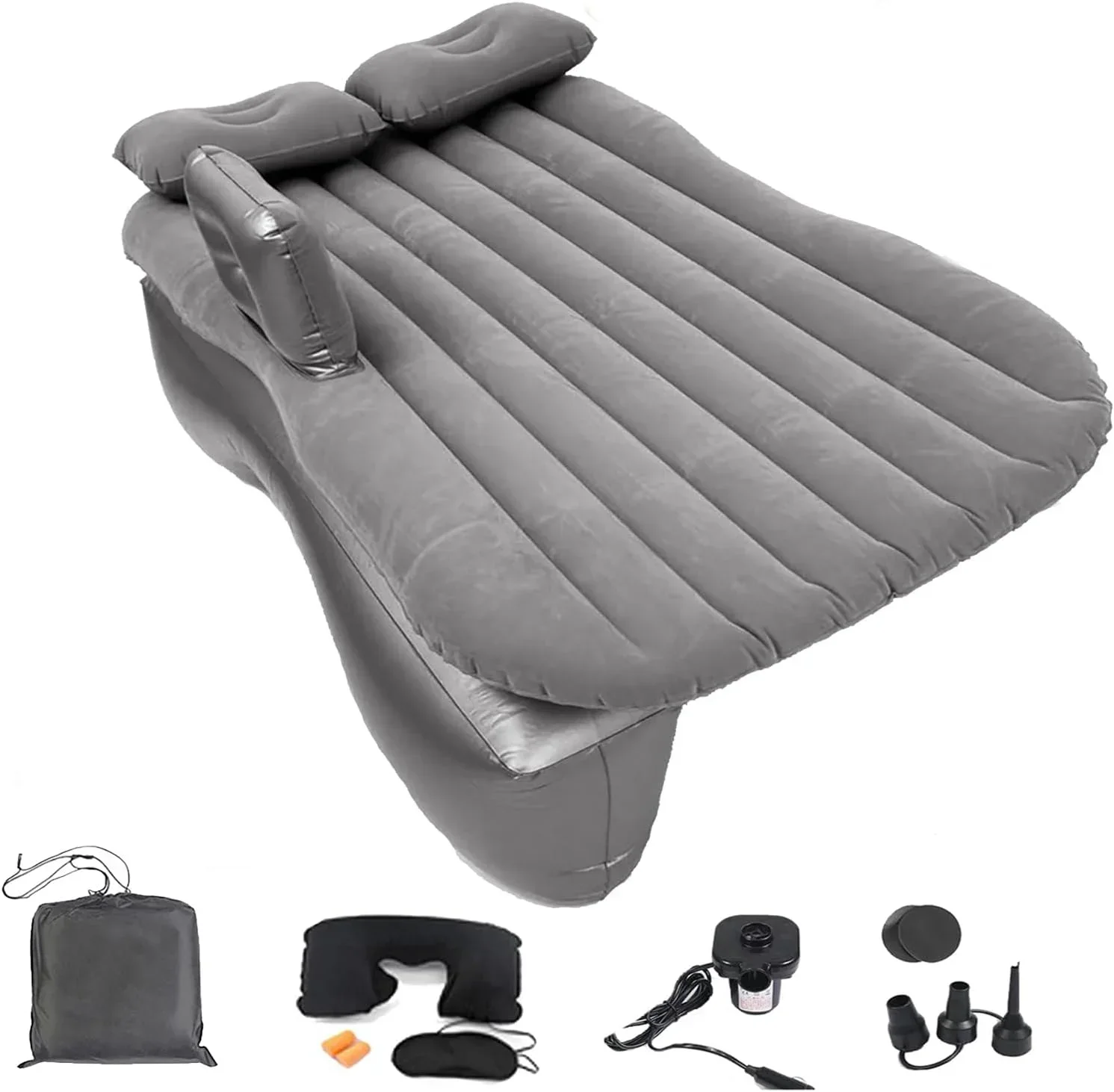
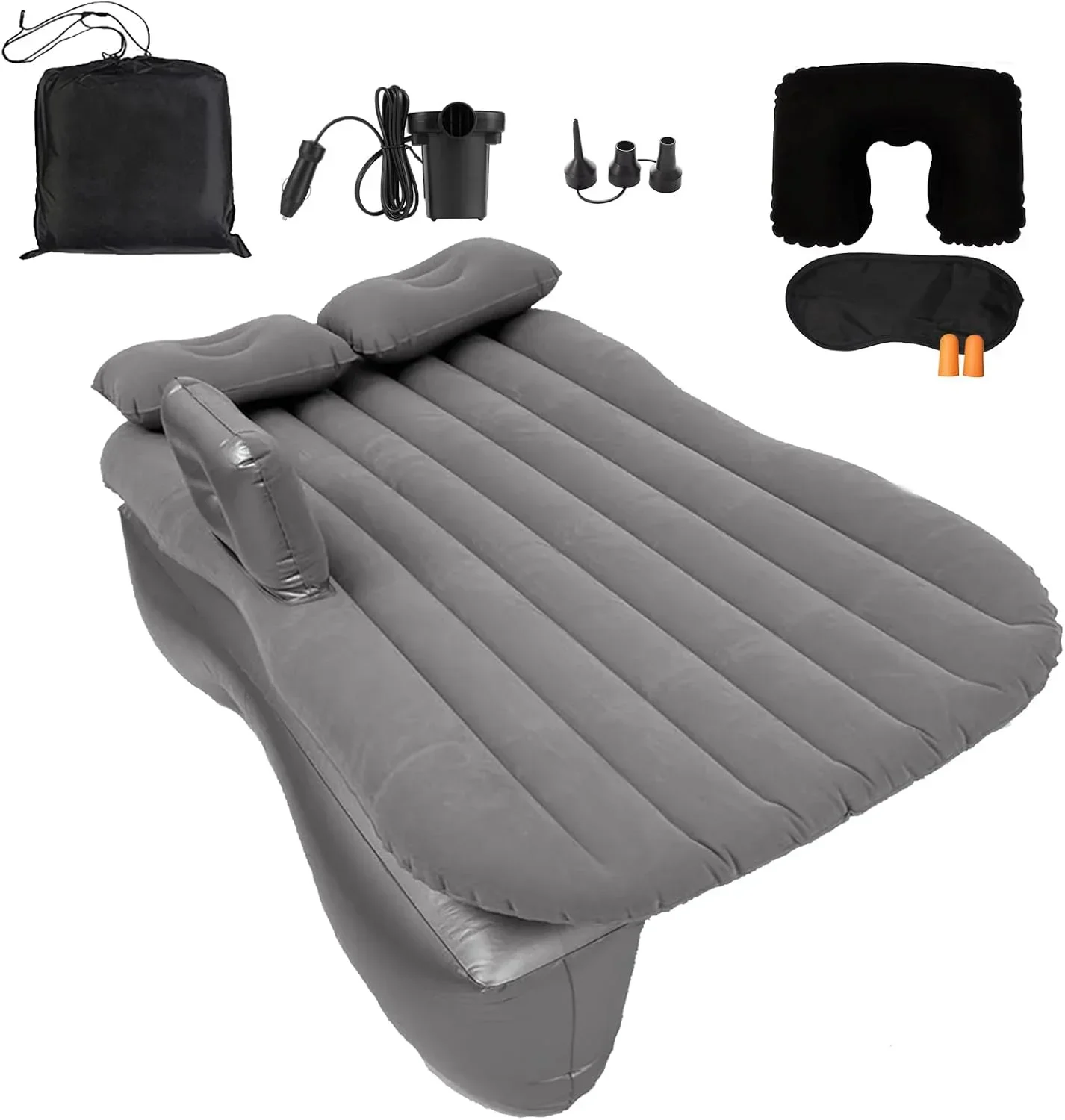
If sleeping inside is your route, the gear budget moves off the roof and into the cabin, which is a much friendlier place to carry weight. An Onirii SUV air mattress levels the folded rear bay into a bed and rides inside the vehicle, so none of it counts against that tight 100 lb roof budget - it is the kind of gear you carry in the cabin, not on top. For the full walkthrough of mounting a tent when you do have a body-mounted rack, my rooftop tent install guide covers the torque-and-fitment steps I follow.
Reading the vendor ratings without getting fooled
Once you are shopping racks, the spec sheets start throwing numbers, and not all of them mean what they seem to. This is where a methodical read pays off, because the wrong number confidently quoted is how people overload a roof. Let me walk the traps I have hit.
First, dynamic versus static. Dynamic is the moving-down-the-road rating and it is always the smaller, more important one for a tent or cargo you drive with. Static is the parked rating - relevant to people asleep in a tent at camp. Rhino-Rack's Backbone + Pioneer at 264 lb dynamic / 800 lb static (VENDOR) is the clean example: use the 264 for the highway, the 800 only for standing still.
Second, the conflicting numbers. Thule's gutter-mount rating for the Wrangler shows up as both 150 lb and 220 lb across different sources, and I have not found an authoritative single figure to settle it (VENDOR / DEALER, aggregator-and-forum conflict). I am not going to pretend one is right - treat it as an unresolved range and confirm the exact number with Thule for your specific top and part before you load to either end of it.
When two sources disagree, the honest move is to name the range, not pick a winner. Thule gutter-mount: 150 lb versus 220 lb across sources - unresolved. Confirm with the maker before you load it.
Third, the number I refuse to print. You will run into a widely repeated 'static hardtop roof capacity' figure for the Wrangler, and I am leaving the actual number off this page on purpose. It traces back to the shipping weight of the hardtop panel itself, misread as a load rating (honest flag). It is not a capacity Jeep or anyone else published; it is a spec for a different thing wearing the wrong label. If you see it, discount it.
The habit under all three: match every number to the exact part, top, and load type it describes, and when you cannot, say so out loud instead of loading to a guess. For choosing a rack for camping loads more broadly, my best roof rack for SUV camping guide works through the same dynamic-rating checklist on vehicles with a friendlier roof than a Wrangler's.
Can you mount to the freedom panels?
Here is a hardtop-specific question I get on nearly every Wrangler job, and the answer is a clean no. The freedom panels - the two removable roof sections over the front seats - are not structural, and you cannot bolt a load-bearing rack to them (VENDOR / OFFICIAL, consistent with the manual's load-path logic). They are designed to lift out for open-air driving, which is the opposite of a fixed mounting surface.
This surprises hardtop owners who assume a hard roof means the whole roof is fair game. It is not. The mounting strength on a hardtop lives at the gutter or drip rail toward the rear and sides - which is exactly why the Mopar Removable Roof Rack is described as 'limited by the strength of the hardtop gutter rail' (OFFICIAL / DEALER). The removable panels up front carry nothing.
So even on a hardtop, the credible rooftop-tent path is not the roof panels - it is a body-mounted system that anchors to the tub and cage, the same Backbone-style setup a soft-top would use. The freedom-panel question, properly answered, pushes hardtop owners toward the same conclusion as everyone else: for real weight, get the load off the roof surface and onto the body structure.
If you want to carry weight up high on a hardtop, run through it in order: the factory 100 lb for light, evenly spread cargo on a gutter-mounted rack; the Mopar 150 lb removable rack for a bit more, still gutter-limited; and a body-mounted platform when a tent enters the picture. Nowhere in that ladder do the freedom panels carry the load - they are along for the ride, not holding it up.
The install order that keeps you honest
Let me put the whole job back together the way I would hand it off on the install. A Wrangler roof rack decision is a mounting problem first, a weight problem second, and the order you check things in is what keeps you from buying the wrong part.
- Step one - identify the top. Hardtop or soft-top. This is the fork the whole decision hangs on, and it is the step everyone skips. Soft-top means no roof rack at all (OFFICIAL, manual: hardtop only).
- Step two - respect the 100 lb. On a hardtop, the factory limit is 100 lb including the crossbars, uniformly distributed (OFFICIAL). Subtract the rack's own weight before you plan any cargo.
- Step three - match the rack to the load. Light gear on the factory or Mopar 150 lb gutter rack (OFFICIAL / DEALER); a tent only on a body-mounted system like the Rhino-Rack Backbone at 264 lb dynamic (VENDOR).
- Step four - read to the weakest link. Tracks, bars, and mount each have a number; your real capacity is the smallest, and disputed figures like Thule's 150-versus-220 lb stay a range until the maker settles them.
The bottom line I would tell any Wrangler owner: against a 100 lb manual limit that already includes the crossbars, even a light hardshell rooftop tent is over budget before you start. A body-mounted rack is not a nice-to-have, it is the requirement that makes a tent possible - and a soft-top gets no roof tent at all, no matter what a listing implies.
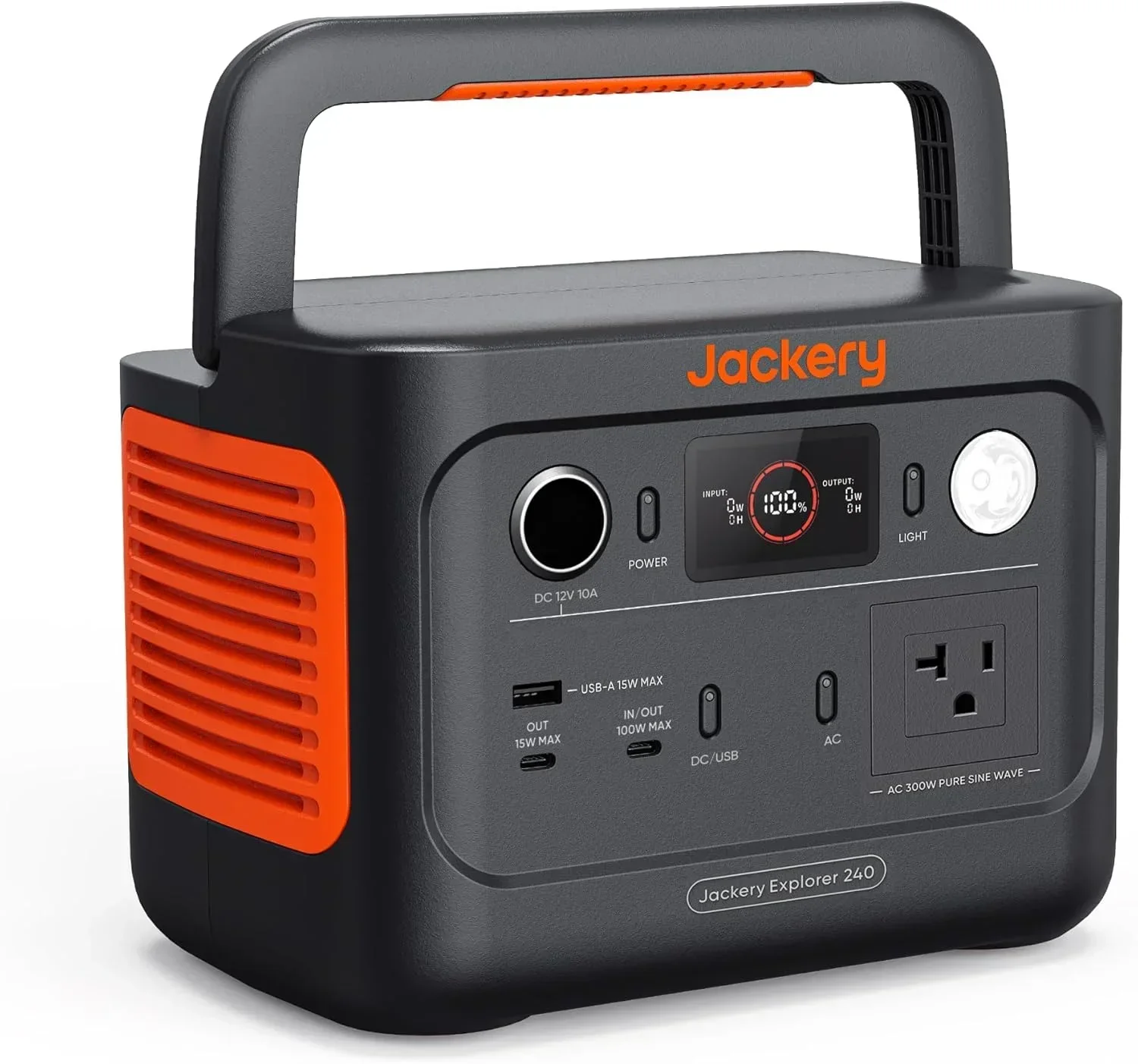
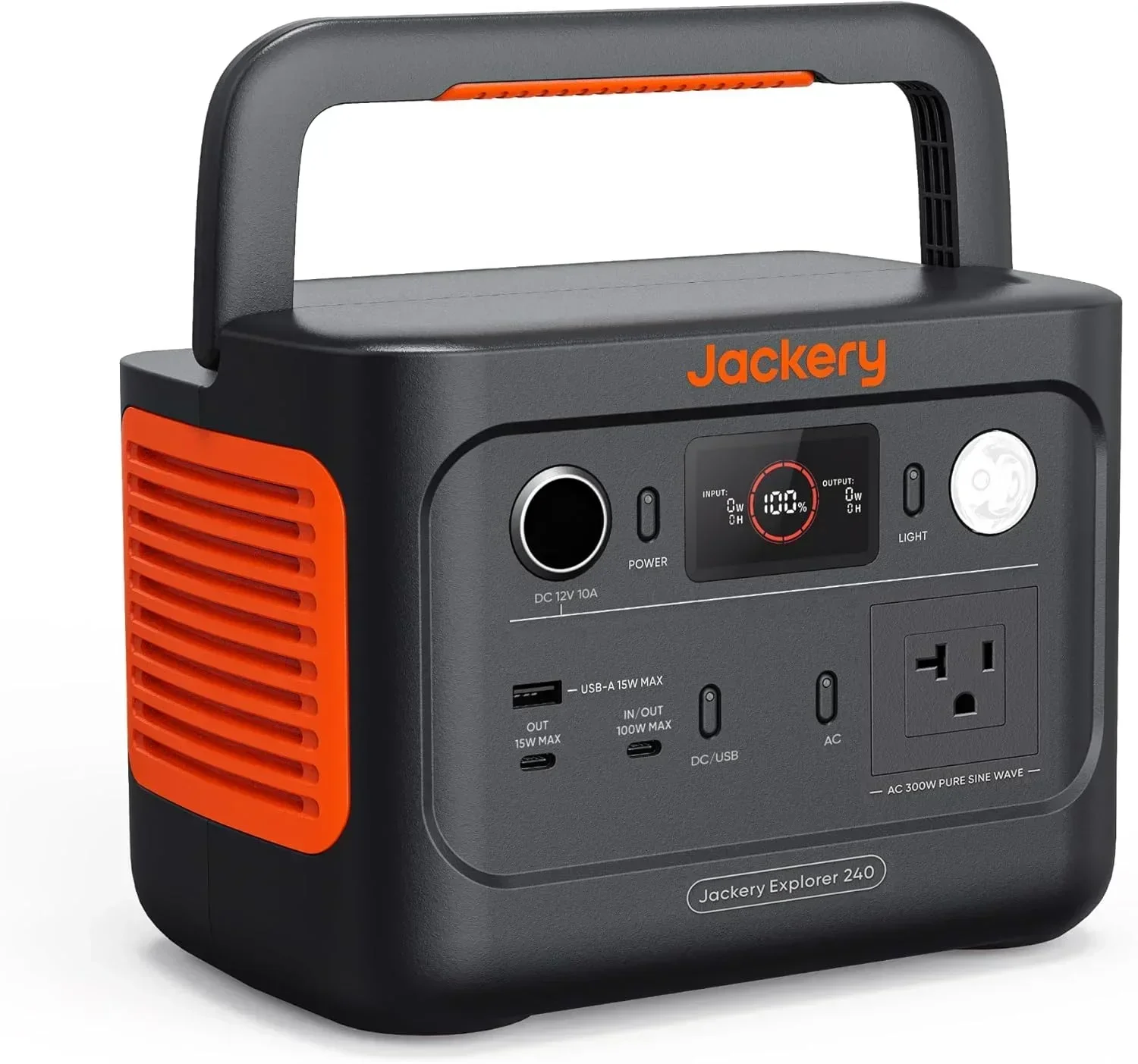
One last practical note for the camping side of this. Because the roof budget is so tight, the smart move is to keep power off it entirely - a Jackery Explorer 240 v2 power station runs a fan and phone charging from inside the cabin and recharges off the 12V socket as you drive, so none of your electrical setup competes for the 100 lb up top. Carry weight where the vehicle is rated to carry it. For how a rooftop tent's own weight ratings work in detail, my rooftop tent weight limits guide finishes the picture.