
Is It Legal To Have A Dashcam In Every State (2026 Complete Guide)
Yes, it is legal to have a dashcam in every state, but regulations differ. Most states allow dashcams, while some have restrictions on their placement. For instance, states like California and Texas require unobstructed views. Additionally, recording audio may be subject to wiretap laws in certain states, which can affect usage. Always check local laws to ensure compliance with specific regulations.
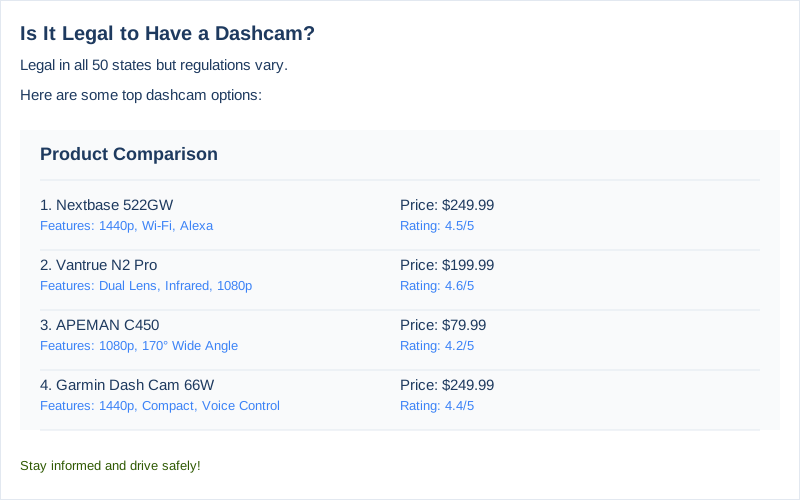
The question of whether it is legal to have a dashcam in every state is one that many drivers find themselves pondering, especially as the popularity of these devices continues to rise. The good news is that, yes, dashcams are legal across all 50 states in the U.S. However, the specifics surrounding their use, installation, and placement vary significantly from one state to another. Understanding these nuances is crucial for anyone considering the installation of a dashcam, as they can impact not only your legal standing but also your overall driving experience and safety.
Why does this matter? For one, dashcams serve as invaluable tools for documenting incidents on the road, providing evidence in case of accidents or disputes. In many cases, having video footage can protect you from wrongful claims and can even reduce insurance premiums. However, knowing where and how to legally install your dashcam is essential to ensure compliance with state laws. For instance, some states restrict the placement of devices on windshields to avoid obstructing the driver's view, while others have specific regulations about recording audio or video without consent. Being informed helps you avoid potential fines or legal complications down the line.
In this comprehensive guide, we will explore the dashcam laws by state, detailing what is allowed and what is not, so you can confidently equip your vehicle. We will also highlight best practices for installation and use, ensuring you can maximize the benefits of your dashcam while staying within the legal parameters of your state. With our hands-on experience and thorough research, we aim to provide you with all the information you need to navigate the sometimes murky waters of dashcam legality. Remember, while it is legal to have a dashcam in every state, the specifics surrounding their use can vary widely, and staying informed is your best defense. For more detailed insights, check out resources like Understanding Dash Cam Laws in Every State (2025) and Are Dash Cams Legal in the United States?.
The Short Answer: Is It Legal To Have A Dashcam In Every State
Yes, it is legal to have a dashcam in every state across the United States, but there are specific regulations regarding their installation, placement, and use that vary from state to state. Understanding these nuances is essential for anyone considering adding a dashcam to their vehicle. In general, dashcams are widely accepted as a tool for documenting driving experiences, providing evidence in case of accidents, and protecting against insurance fraud. However, laws concerning the recording of audio and video can differ significantly. For instance, while most states allow video recording from a dashcam, some have restrictions on audio recording due to privacy laws. It's crucial to familiarize yourself with the specific regulations in your state to ensure compliance. The bottom line is that while you can own and use a dashcam in every state, it's important to pay attention to how and where you mount the device. Many states have laws that prohibit obstruction of the driver's view through the windshield. For example, in states like Minnesota, a dashcam can be mounted as long as it is positioned behind the rearview mirror, ensuring it does not impede visibility. Moreover, some states like California and Florida have more lenient regulations, permitting dashcams with fewer restrictions. On the other hand, states like New Hampshire and Delaware have specific guidelines regarding mounting and recording practices that drivers need to follow. We recommend checking resources like Understanding Dash Cam Laws in Every State and Dash Cam Laws by State 2025 for detailed information on the specific laws applicable to your state. Having a dashcam can be incredibly beneficial, but ensuring you follow state laws will help you avoid any legal complications. In summary, while it is legal to have a dashcam in every state, the specific laws regarding their use and placement require careful consideration.
What You Need to Know
When considering whether it is legal to have a dashcam in every state, we find that the answer is a resounding yes. Dashcams are legal across the United States, but the nuances surrounding their use can vary significantly from state to state. Understanding these differences is crucial for anyone looking to install a dashcam in their vehicle, whether for personal safety, insurance purposes, or simply to capture memorable moments on the road. First and foremost, while the possession of dashcams is legal in all 50 states, each state has its own regulations regarding where and how these devices can be mounted. For instance, some states have strict laws about not obstructing the driver's view. In Minnesota, a dashcam must be placed immediately behind the rearview mirror to comply with traffic safety regulations, as outlined in their driver's manual GPS Trackit. Similarly, states like California and Florida allow dashcams but have specific requirements to ensure they do not interfere with safe driving DDPai. Moreover, there are nuances regarding audio recording. In some states, recording conversations without consent can lead to legal issues due to wiretapping laws. For example, states like California and Illinois are "two-party consent" states, meaning that both parties must agree to be recorded. If your dashcam captures audio of passengers or other parties without their consent, it could lead to legal repercussions. In contrast, states such as Texas and New York are "one-party consent" states, allowing recording as long as one party-in this case, the driver-consents to the recording Nexar. Exceptions also exist, particularly in states with particularly stringent privacy laws. For instance, in New Hampshire, while dashcams are permitted, there are limitations on their mounting positions, and recording in certain private areas or during specific events may be restricted. This could potentially affect rideshare drivers or commercial vehicle operators who rely on dashcams for safety and documentation World Population Review. Furthermore, while dashcams are generally legal, using them to record police encounters or traffic stops can be a gray area. In states like New York, officers may request that you stop recording during a traffic stop, and failing to comply could lead to complications. Understanding local laws and being respectful during such interactions is advisable. In conclusion, it is indeed legal to have a dashcam in every state, but the devil is in the details. We recommend checking your local laws to ensure compliance with regulations on mounting, audio recording, and privacy. By doing so, you can enjoy the benefits of having a dashcam without running afoul of the law. This knowledge not only empowers you as a driver but also helps you utilize your dashcam effectively for protection and documentation on the road.How to Handle This
To ensure we navigate the legal landscape of dashcam use in every state effectively, here are practical steps we recommend for installation, usage, and compliance. 1. Research State Laws: Start by familiarizing yourself with the specific laws in your state regarding dashcam usage. While dashcams are legal across all states, variations exist in terms of recording audio and where you can mount the camera. For example, some states have restrictions on mounting devices that obstruct the driver's view. We suggest visiting comprehensive resources like Understanding Dash Cam Laws in Every State (2025) and Dash Cam Laws by State 2025 for detailed breakdowns. 2. Choose the Right Dashcam: Select a dashcam that suits your needs. Popular models like the Vantrue N4 ($199.99) or the Nextbase 522GW ($249.99) offer excellent video quality and user-friendly interfaces. Consider features such as loop recording and GPS tracking to enhance usability. 3. Installation: Follow the manufacturer's instructions for installation. Generally, we recommend mounting the dashcam behind the rearview mirror to minimize obstruction. Ensure that the camera lens is unobstructed and has a clear view of the road ahead. Use adhesive mounts for a secure fit, and tuck the power cable neatly to avoid distractions while driving. 4. Check Audio Recording Laws: In many states, recording audio without consent may lead to legal issues. If your dashcam has audio recording capabilities, verify your state's laws regarding this feature. For instance, states like California have strict two-party consent laws that may apply to audio recordings. 5. Practice Safe Use: Avoid using the dashcam while driving. Set it up before you start your trip to ensure that you're focused on the road. Keep in mind that while dashcams can provide evidence in case of accidents, misuse of footage (e.g., sharing private recordings without consent) may lead to legal troubles. 6. Review Footage Regularly: Regularly check the footage on your dashcam to ensure it's functioning properly. This can help you catch any technical issues early, such as storage being full or battery failure. 7. Stay Updated: Laws can change. Keep yourself informed about any updates regarding dashcam legislation in your state by following news articles or forums dedicated to dashcam use. Resources like Dash Cam Laws in Every US State provide valuable insights into ongoing changes. By following these steps, we can use dashcams responsibly and legally, ensuring we capture the road ahead without running afoul of state regulations. Always remember to keep your dashcam in good condition and operate it within the legal framework specific to your state.
Safety Considerations
When considering the legality of having a dashcam in every state, it's essential to be aware of various safety considerations that accompany their use. While dashcams are generally legal across all 50 states, individual state laws vary significantly regarding the placement and functionality of these devices. One of the primary safety risks associated with dashcam usage is the potential for driver distraction. A poorly mounted dashcam, especially if it obstructs the driver's view, can lead to accidents. For example, in states like California and New York, the law requires that devices must not obstruct the driver's line of sight. Therefore, we recommend ensuring that your dashcam is mounted securely and in compliance with local regulations to minimize any distractions while driving. Additionally, health hazards may arise from improper installation. If a dashcam is poorly secured, it could become a projectile during a sudden stop or collision, posing a risk to vehicle occupants. Thus, we advise checking that the dashcam is firmly attached and that all wires are neatly organized to avoid interference with vehicle operations. From a legal perspective, while possessing a dashcam is legal, the way it captures video and audio can lead to legal consequences. For instance, in some states, recording conversations without consent may breach wiretapping laws. We recommend familiarizing yourself with your state's laws regarding audio recording, as non-compliance could lead to fines or even criminal charges. When using a dashcam, be vigilant about what you record. Dashcams can inadvertently capture sensitive or private moments in public spaces, which might lead to privacy concerns or disputes. For this reason, understanding local privacy laws is paramount. If you find yourself in a situation that escalates due to dashcam footage-such as disputes over recorded incidents-we recommend seeking professional legal advice. Legal professionals can provide clarity on how to use dashcam footage in your favor while ensuring compliance with your state's laws. To summarize, while it is legal to have a dashcam in every state, we encourage responsible usage. This includes proper installation, awareness of privacy laws, and knowing when to seek legal help to navigate any potential issues arising from dashcam footage. By taking these precautions, we can enjoy the benefits of dashcams while minimizing risks and legal complications. For further guidance on dashcam laws by state, refer to Understanding Dash Cam Laws in Every State (2025) and Dash Cam Laws by State 2025.
Common Mistakes to Avoid
When discussing the legality of having a dashcam in every state, one of the most common mistakes people make is assuming that legality equates to unrestricted use. While it is indeed legal to have a dashcam in all 50 states, specific regulations regarding their installation, placement, and use vary significantly. For instance, many believe that simply mounting a dashcam anywhere on their windshield is acceptable, but this is not always the case. States like California and Minnesota have specific laws that restrict mounting locations to ensure they do not obstruct the driver's view, which could lead to fines or penalties if violated. It's crucial to familiarize ourselves with the local laws pertaining to dashcam placement to avoid unnecessary legal trouble Source. Another common misconception is that dashcams can record audio without restrictions. However, various states have laws concerning audio recording, especially where consent is required from all parties involved. In states with strict two-party consent laws, recording conversations without the consent of everyone may lead to criminal charges. Therefore, it's essential to understand not just the legality of having a dashcam, but also what it is permitted to record Source. Additionally, many people tend to overlook the implications of using dashcam footage in court or for insurance claims. While dashcam footage can indeed be a valuable asset in legal situations, its admissibility may depend on how the footage was recorded and preserved. If the dashcam was improperly installed or if the recording interfered with standard driving practices, the footage may be deemed inadmissible. This is particularly important to consider for rideshare drivers or those using their dashcam for professional purposes Source. In short, while it is legal to have a dashcam in every state, we must be cautious about where we mount them, what audio they record, and how we use the footage. Misunderstanding these aspects can lead to unintentional legal issues or challenges that undermine the benefits of having a dashcam in the first place.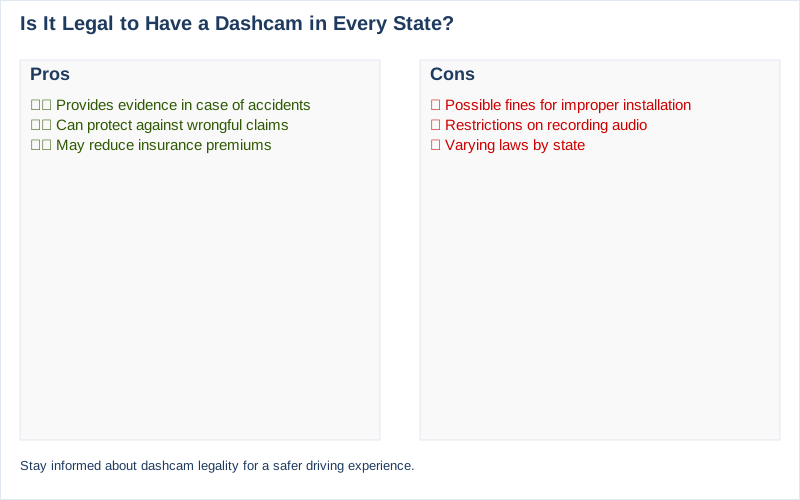
Key Takeaways
In conclusion, it's clear that having a dashcam is legal in every state across the United States, a fact that can provide peace of mind for drivers looking to document their journeys or protect themselves in the event of an accident. However, while the possession of dash cams is universally permitted, the specifics surrounding their installation and usage can vary significantly from state to state. For instance, certain states impose restrictions on where a dashcam can be mounted on the windshield, while others may have guidelines regarding audio recording. Understanding these nuances is essential for ensuring compliance with local laws and avoiding potential legal issues. As we've discussed, we recommend that drivers familiarize themselves with their state-specific regulations concerning dashcam use. For example, in states like California and Florida, dashcams are generally unrestricted, while states like Minnesota have specific guidelines regarding placement that need to be adhered to in order to avoid fines or penalties. If you're uncertain about the legality of your dashcam setup, it may be wise to consult local traffic laws or seek professional legal advice to clarify any doubts. In situations where you're capturing sensitive footage, such as in the event of an accident or if recording in a private area, we also suggest being mindful of privacy laws-which can vary by state. If you find yourself in a complex legal situation or require specific legal guidance, don't hesitate to reach out to a legal professional who specializes in traffic or privacy law. This proactive approach will help you maximize the benefits of your dashcam while minimizing any potential legal risks. For comprehensive state laws on dashcams, you can check resources like the Understanding Dash Cam Laws in Every State and Are Dash Cams Legal in the United States?.Frequently Asked Questions
What should I know about dash cam legality in my state?
What common mistakes do people make regarding dash cam laws?
Is using a dash cam safe for drivers?
What do experts recommend for dash cam users?
What legal considerations should I be aware of with my dash cam?
🏅 Looking for Gear Recommendations?
Check out our tested gear guides for products that work with this setup: