
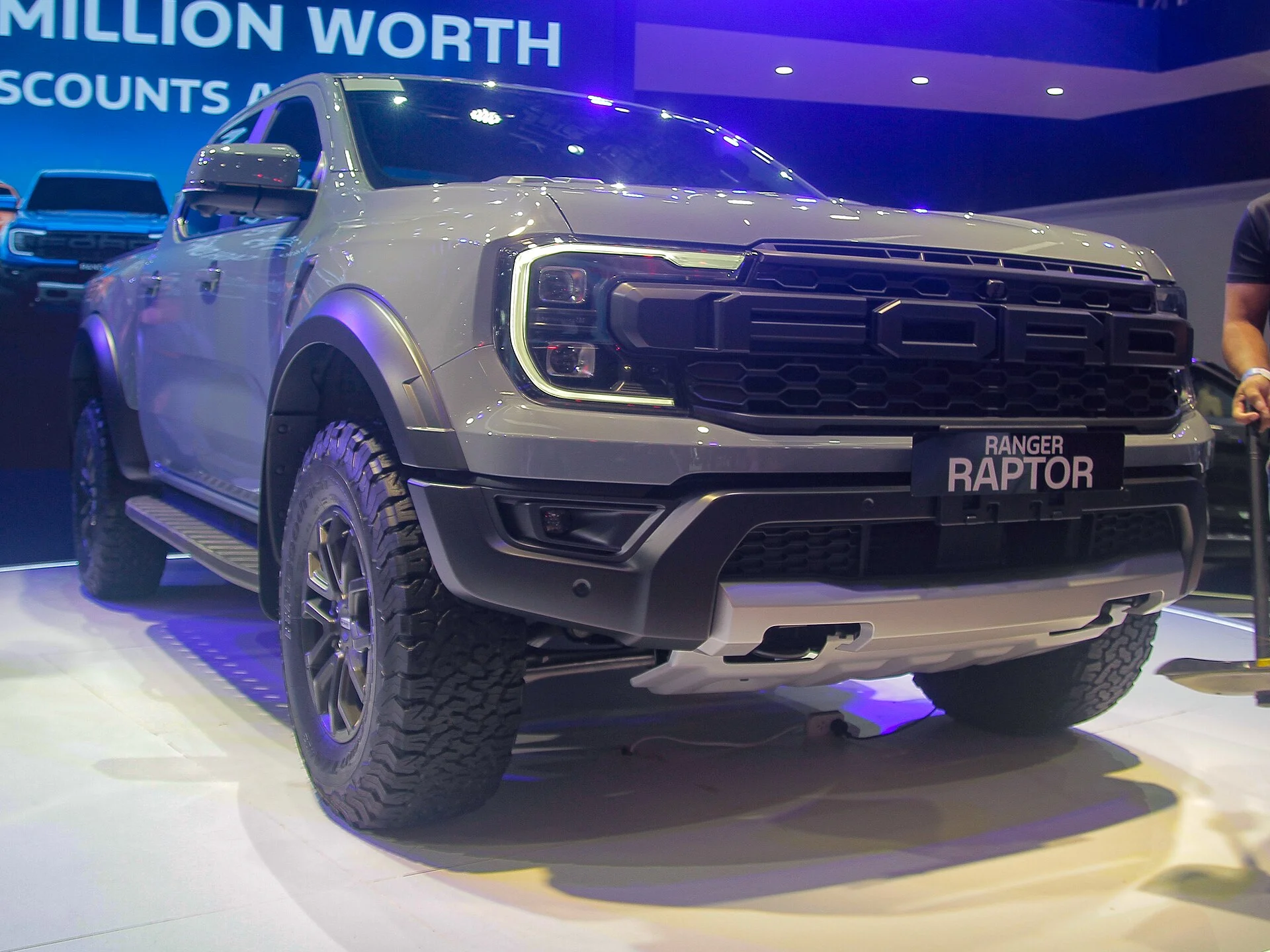
Two Trims Claim the Trail. One Costs a Lot More.
The Ford Ranger sells two different off-road stories. The Tremor package turns a regular Ranger into a capable trail truck for a modest premium; the Raptor is a purpose-built desert weapon that costs far more. Both wear off-road badges, and a buyer shopping for overlanding capability has to decide which one the terrain actually justifies before the price tag does the deciding.
The honest way to make that call is through the geometry numbers, because they show exactly what the extra money buys. Ground clearance climbs from 9.3 inches on a standard 4x4 to 9.7 on the Tremor and 10.7 on the Raptor, and the approach and departure angles climb alongside it. The question is whether a given route needs the top of that ladder or clears fine lower down.
For most overlanding, the answer is not the most expensive trim. Maintained forest roads and moderate trails are bounded by clearance and approach far more than by the extremes a Raptor unlocks, and a Tremor, or even a standard 4x4, often has all the geometry a route demands with money left for tires and recovery gear.
This guide walks the Ranger's clearance and angles across the standard 4x4, the Tremor, and the Raptor, covers the Raptor's water-wading capability, and makes the value case for matching the trim to the terrain rather than buying the badge with the biggest numbers.
The Baseline: 9.3 Inches on a 4x4
Start with the number that anchors the range. The 2024 Ranger 4x4 has a minimum running ground clearance of 9.3 inches, compared to 8.8 inches on the 4x2 version. That half-inch difference between drivetrains is the first reminder that the configuration, not just the trim, sets the geometry.
Minimum running ground clearance is the gap under the lowest fixed point of the truck as it sits, and it determines the height of rock or rut the Ranger can straddle without contact. At 9.3 inches, a standard 4x4 Ranger already clears maintained dirt roads, moderate ruts, and the kind of terrain most overlanding actually involves.
The 4x2 version's 8.8 inches is a reminder that clearance is not free with the badge. A two-wheel-drive Ranger sits lower and lacks the traction hardware for real trails, so an overlander should start from the 4x4 baseline of 9.3 inches rather than assuming any Ranger shares it.
For a value-minded buyer, the 9.3-inch baseline is the foundation the whole decision builds on. It is genuinely capable for a lot of terrain, which means the question is not whether more clearance is available but whether the routes in question actually need more than the standard 4x4 already provides.
The Standard 4x4's Angles
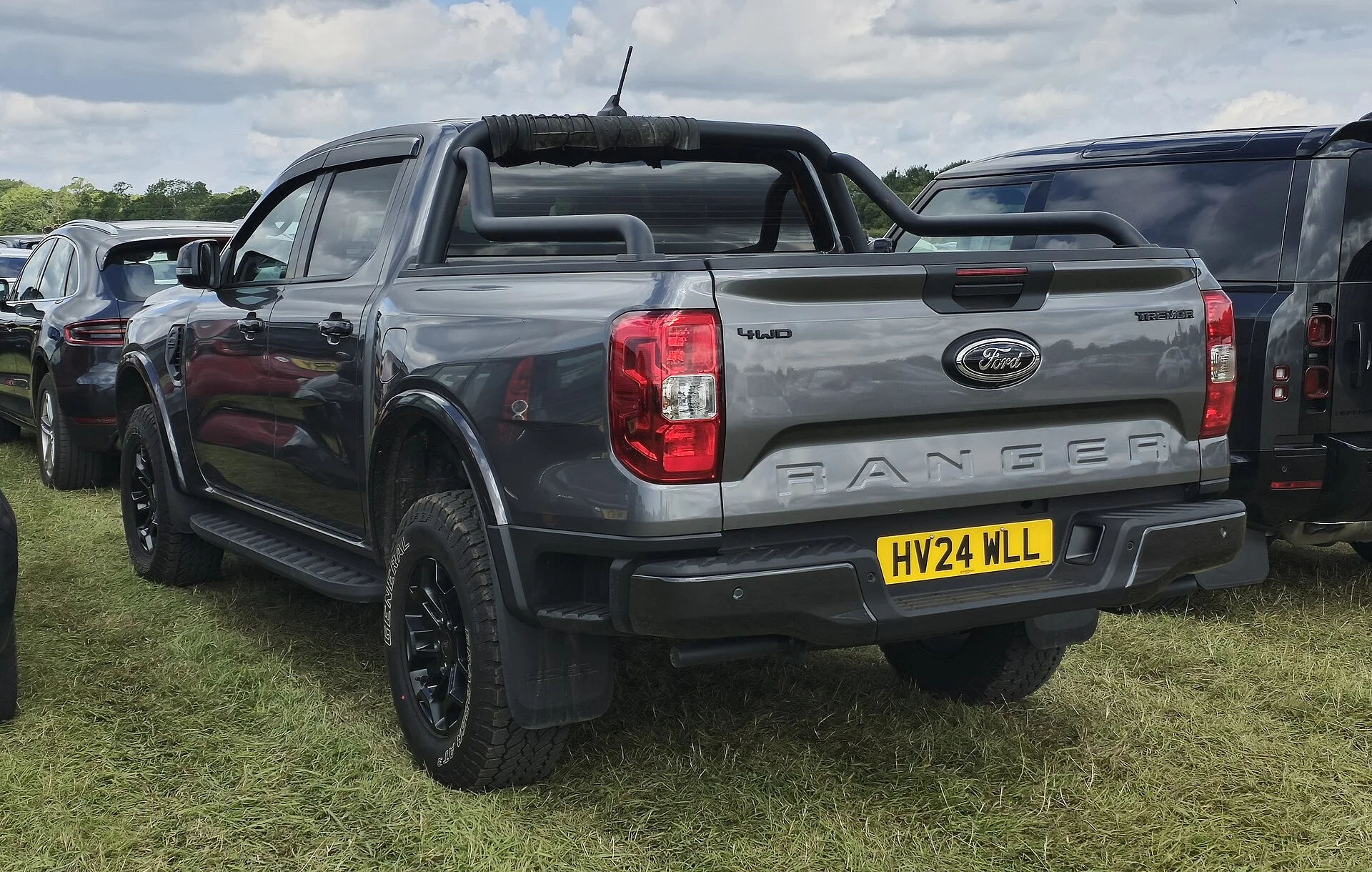
Clearance is only the start; the angles decide the obstacles. The standard 2024 Ranger 4x4 carries a 30.2-degree approach angle, a 23-degree breakover angle, and a 25.8-degree departure angle. Those three numbers describe the front, the belly, and the rear, and together they set what the truck can climb into, over, and off of.
The 30.2-degree approach angle governs driving into a slope or onto a ledge before the front bumper contacts it. For a mid-size truck that is a solid figure, enough for the banks and climbs of maintained trails, though short of the steep rock shelves that tax a dedicated off-roader.
The 25.8-degree departure angle governs backing off or descending before the rear bumper drags, and the 23-degree breakover governs cresting a ridge without high-centering the belly. Neither is dramatic, but both are competent for the moderate terrain a standard Ranger is likely to see, and both improve with the off-road trims.
Read together, the standard 4x4's angles paint an honest picture: a capable trail truck, not a rock crawler. For an overlander whose routes are forest roads and moderate obstacles, the 30.2, 23, and 25.8-degree figures clear the terrain, and the case for spending up to the Tremor or Raptor rests on whether the routes get harder than that.
The Tremor: The Value Off-Road Pick
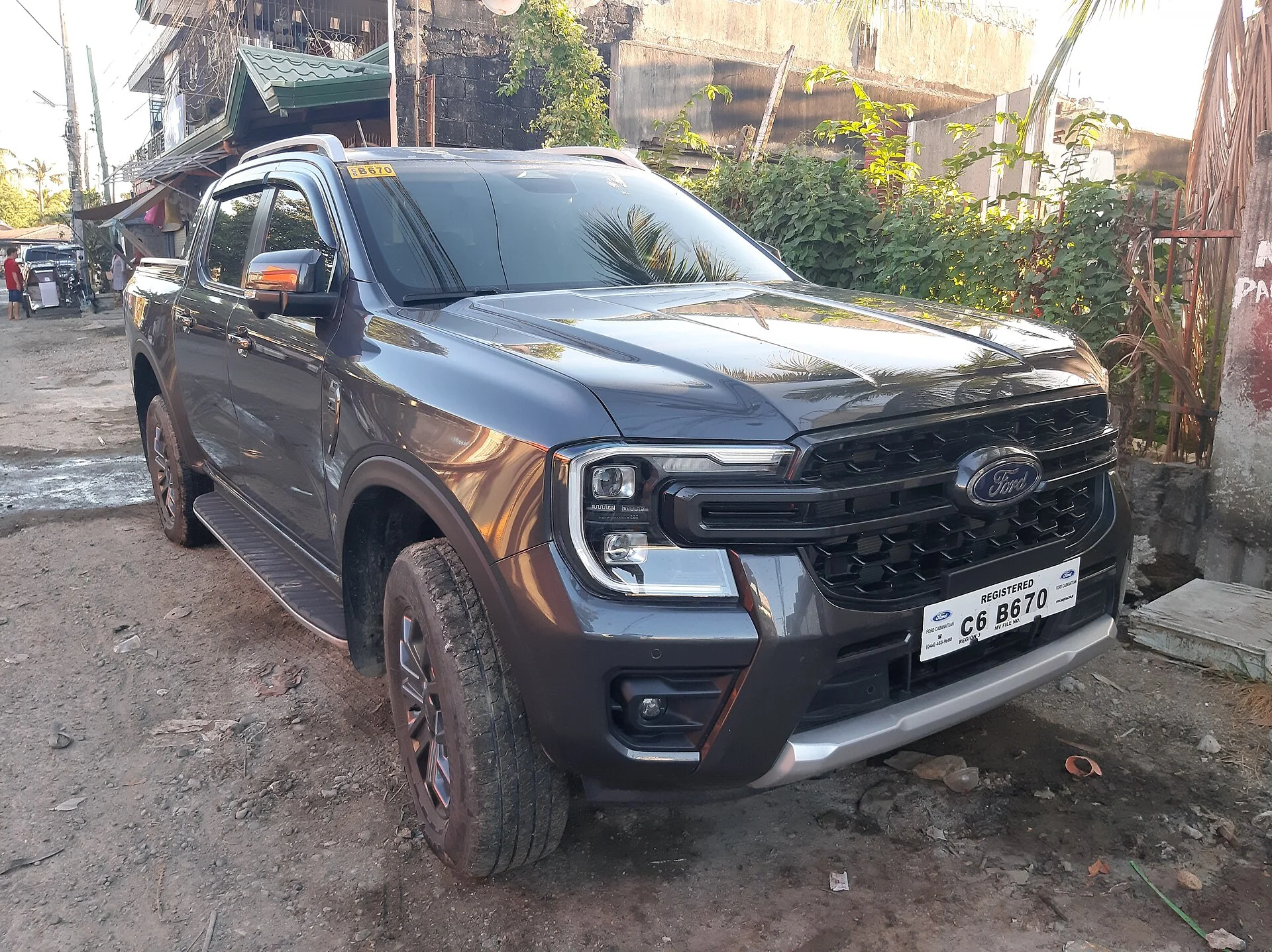
The Tremor package is where the Ranger's value story lives. It delivers 9.7 inches of ground clearance, a 30.9-degree approach angle, and a 25.5-degree departure angle, improving on the standard 4x4 for a fraction of the Raptor's cost. For a buyer who wants real off-road capability without the desert-truck premium, it is the trim to weigh first.
The gains are modest on paper but meaningful on the trail. The clearance rises from 9.3 to 9.7 inches and the approach from 30.2 to 30.9 degrees, and the Tremor pairs those numbers with off-road tires, tuned suspension, and underbody protection that let a driver use the geometry confidently rather than gingerly.
The Tremor's numbers are close to the standard 4x4's, but the package around them, tires, suspension, and skid plates, is what turns competent geometry into trail confidence. The value is as much in the hardware as in the angles.
For most overlanding, the Tremor is the sweet spot. Its 9.7 inches of clearance and 30.9-degree approach clear the great majority of trails, and its off-road hardware handles the terrain that a standard 4x4 could reach but would punish the underside on. It buys the capability that matters most without paying for the Raptor's extremes.
The Raptor: The Premium Extreme
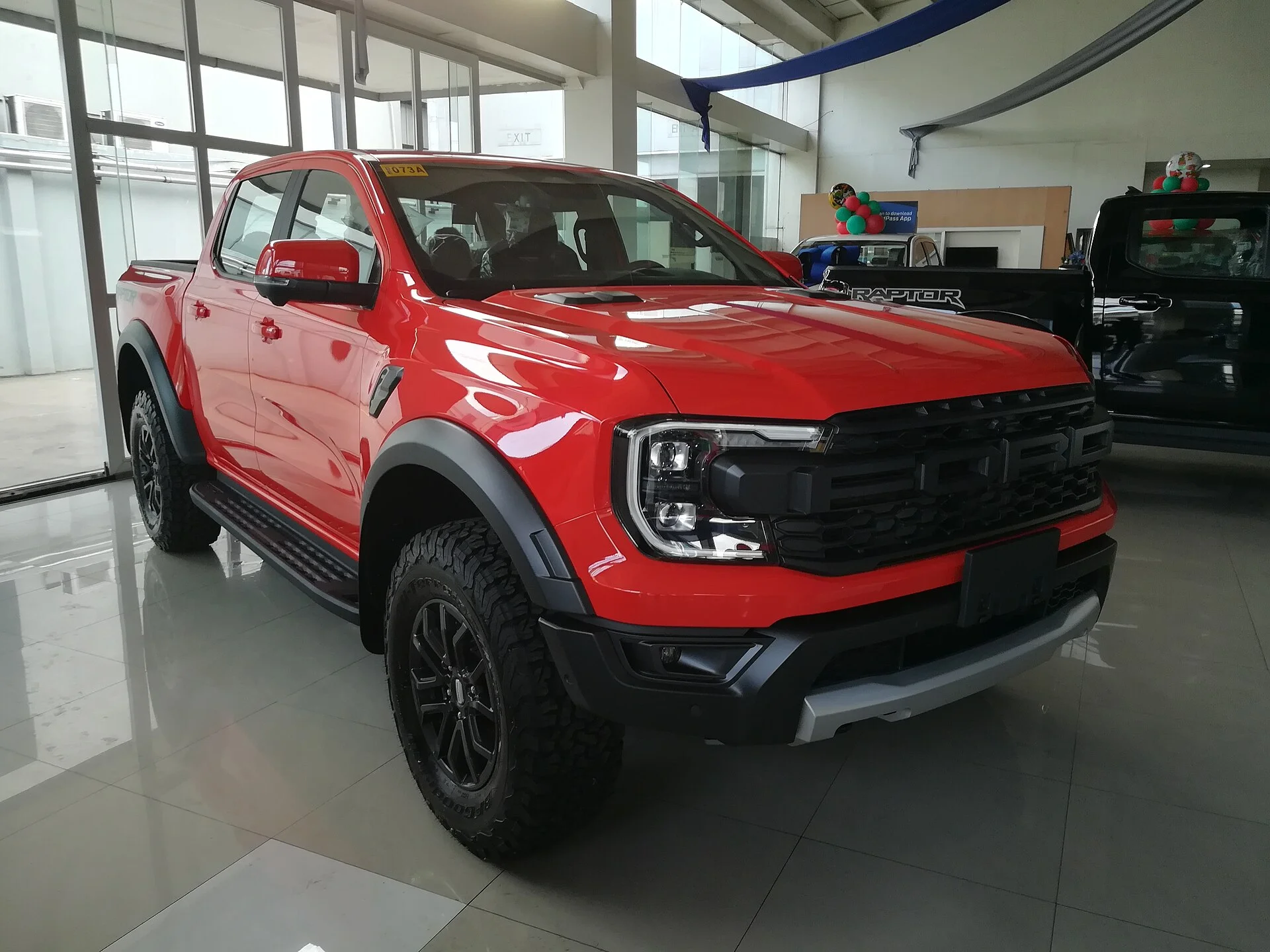
At the top sits the Ranger Raptor, which increases ground clearance to 10.7 inches, with an approach angle of roughly 33 degrees and a departure angle near 26 degrees. Those are serious off-road figures, and they come with a chassis built for high-speed desert running that no other Ranger matches.
The jump from the Tremor is real: clearance climbs from 9.7 to 10.7 inches and approach from 30.9 to roughly 33 degrees. The Raptor's long-travel suspension is the headline, engineered to absorb whooped-out desert terrain at speed, which is a different kind of capability than slow rock crawling and a different kind than most overlanding requires.
That specialization is the value question in a sentence. The Raptor's 10.7 inches and 33-degree approach are genuine hardcore numbers, but they are built for terrain, fast desert and rough high-speed trails, that a typical overlanding route does not contain. Paying the premium for capability the routes never use is the trap the trim invites.
The Raptor earns its price for buyers who actually run the terrain it is built for. For everyone else, its numbers are more than the trails demand, and the money saved by choosing a Tremor buys tires, recovery gear, and fuel that contribute more to a real overlanding trip than the extra inch of clearance ever will.
Water Wading: The Raptor's Depth Number
Where the Raptor's specialization does show a distinct capability is water. Its water-wading depth is rated at 850mm, about 33.5 inches, in Ford's published off-road specifications. That is a substantial depth, letting the Raptor cross water that would stop a lower truck, and it reflects the raised intake and sealed components of the desert-focused build.
Wading depth is set by the height of the air intake and the sealing of the electrical and driveline components, which is why it is an engineered number specific to the build rather than simply how deep the body sits. Exceeding the roughly 33.5-inch rating risks water reaching the intake, the failure the number exists to prevent.
Ford pairs the depth with a speed rule that matters as much as the number: it advises not exceeding 4 mph while fording water in the Ranger Raptor. Driving faster pushes a bow wave that can lift water above the rated depth and into the intake, so the 4 mph limit is part of using the 33.5-inch capability safely.
For an overlander whose routes include crossings, the Raptor's wading capability is a genuine reason to consider it, though the standard 4x4 and Tremor still ford moderate water competently. The 33.5-inch figure and the 4 mph rule together are how the Raptor's depth capability translates into a crossing done right rather than an engine full of water.
The Chassis Numbers Behind the Angles
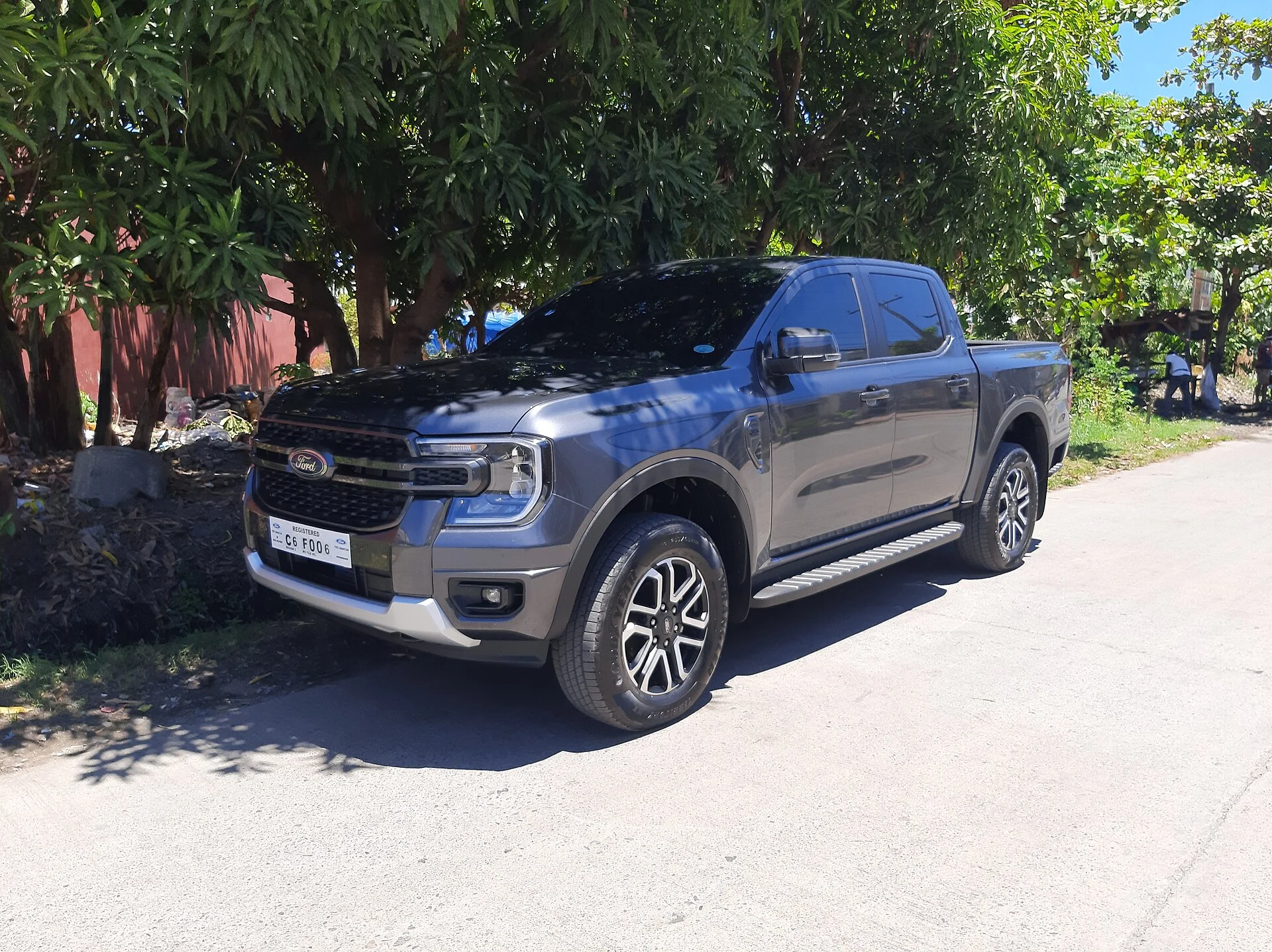
The Ranger's geometry does not come from ride height alone; the chassis dimensions shape it. Ford's technical specification sheet lists a 128.7-inch wheelbase and a 63.8-inch track width as part of the truck's dimensions, and both influence how the clearance and angles translate to real terrain.
Wheelbase drives breakover. The 128.7-inch wheelbase is what sets the 23-degree breakover angle, because a longer span between the axles is harder to clear over a ridge crest without the belly contacting. It is a fixed trade of the truck's size, and it is why breakover is the tightest of the Ranger's angles across every trim.
Track width drives stability. The 63.8-inch track spreads the wheels for a planted stance, which matters on off-camber terrain where a narrower vehicle would feel tippy. A wider track is part of why the Ranger feels secure on side slopes, complementing the clearance and angle numbers with real-world composure.
For a buyer, the chassis numbers explain why the trims share a family resemblance in geometry: they are built on the same 128.7-inch wheelbase and 63.8-inch track. The trims move clearance and the approach and departure angles, but the breakover-limiting wheelbase is common, which is another reason line choice on ridges matters regardless of trim.
What Overlanding Clearance Actually Requires
The value case rests on an honest read of what routes demand. Most overlanding, forest roads, moderate trails, and the occasional obstacle, is bounded by clearance and approach angle, both of which the standard 4x4's 9.3 inches and 30.2 degrees, or the Tremor's 9.7 inches and 30.9 degrees, handle with margin.
Terrain maps to numbers the same way on a truck as anywhere: rocky climbs lean on approach and clearance, ledge descents lean on departure, ridge crests lean on breakover, and crossings lean on wading depth. A route that contains only moderate versions of these is cleared by the lower trims, and the Raptor's extremes go unused.
This is why the Tremor is the value pick for so many overlanders. Its numbers clear the terrain most people actually drive, its off-road hardware handles the wear, and it leaves budget for the tires, recovery boards, and fuel that contribute more to a trip than a marginal gain in clearance. Capability that never gets used is money spent on a badge.
The Raptor remains the right truck for the buyer who genuinely runs fast desert or deep crossings, where its 10.7 inches, 33-degree approach, and 33.5-inch wading depth earn out. Matching the trim to the hardest terrain a route actually contains, rather than the terrain the marketing implies, is the whole of the value decision.
The Value Verdict on the Ladder
Laid out as a ladder, the Ranger's off-road trims make the value trade clear. The standard 4x4 starts at 9.3 inches of clearance with 30.2- and 25.8-degree approach and departure angles, the Tremor steps to 9.7 inches and 30.9 and 25.5 degrees, and the Raptor tops out at 10.7 inches with roughly 33 and 26 degrees.
The gains shrink as the price climbs. The step from a standard 4x4 to a Tremor adds off-road hardware that transforms how the truck handles trails; the step from a Tremor to a Raptor adds specialized desert capability and clearance that a typical route does not tax. The value density is highest at the Tremor.
For a budget-minded overlander, that makes the Tremor the default recommendation and the standard 4x4 a genuinely capable value below it. The Raptor is not overpriced for what it is; it is simply more truck than most overlanding uses, and the honest move is to buy the capability the routes demand rather than the ceiling.
Whatever trim wins, the money not spent on clearance is well spent on the gear that finishes trips. A good off-road recovery kit does more for a real overlanding rig than the extra inch a top trim adds, because even the best geometry eventually meets terrain that stops it.
The Verdict: Buy the Trim the Terrain Justifies
The Ford Ranger offers a genuine off-road ladder, but the value lives in matching the trim to the terrain rather than reaching for the top. The standard 4x4's 9.3 inches of clearance and the Tremor's 9.7 clear most overlanding, and the Raptor's 10.7 is built for desert running that a typical route never contains.
The angles follow the same shape. Approach climbs from 30.2 degrees on the standard 4x4 to 30.9 on the Tremor and roughly 33 on the Raptor, and departure from 25.8 to 25.5 to near 26, while the 23-degree breakover is largely fixed by the shared 128.7-inch wheelbase. Each trim clears more, but the terrain has to demand it for the spend to make sense.
The Tremor is the value sweet spot for most overlanders: capable geometry, real off-road hardware, and a price that leaves budget for tires and recovery gear. The standard 4x4 is a genuine value below it, and the Raptor earns its premium only for buyers who actually run fast desert or deep crossings near its 33.5-inch wading depth.
Match the trim to the hardest obstacle your routes actually contain, spend the savings on gear that finishes trips, and the Ranger delivers overlanding capability without overpaying for a badge. The best-value rig is the one whose geometry clears your terrain with a little margin and whose budget still covered the tires, recovery boards, and fuel that a trip actually runs on. Buy the top trim for terrain it never sees and the extra numbers are simply capacity that rides along unused, paid for once and never called upon.