
The One Number That Decides the Job
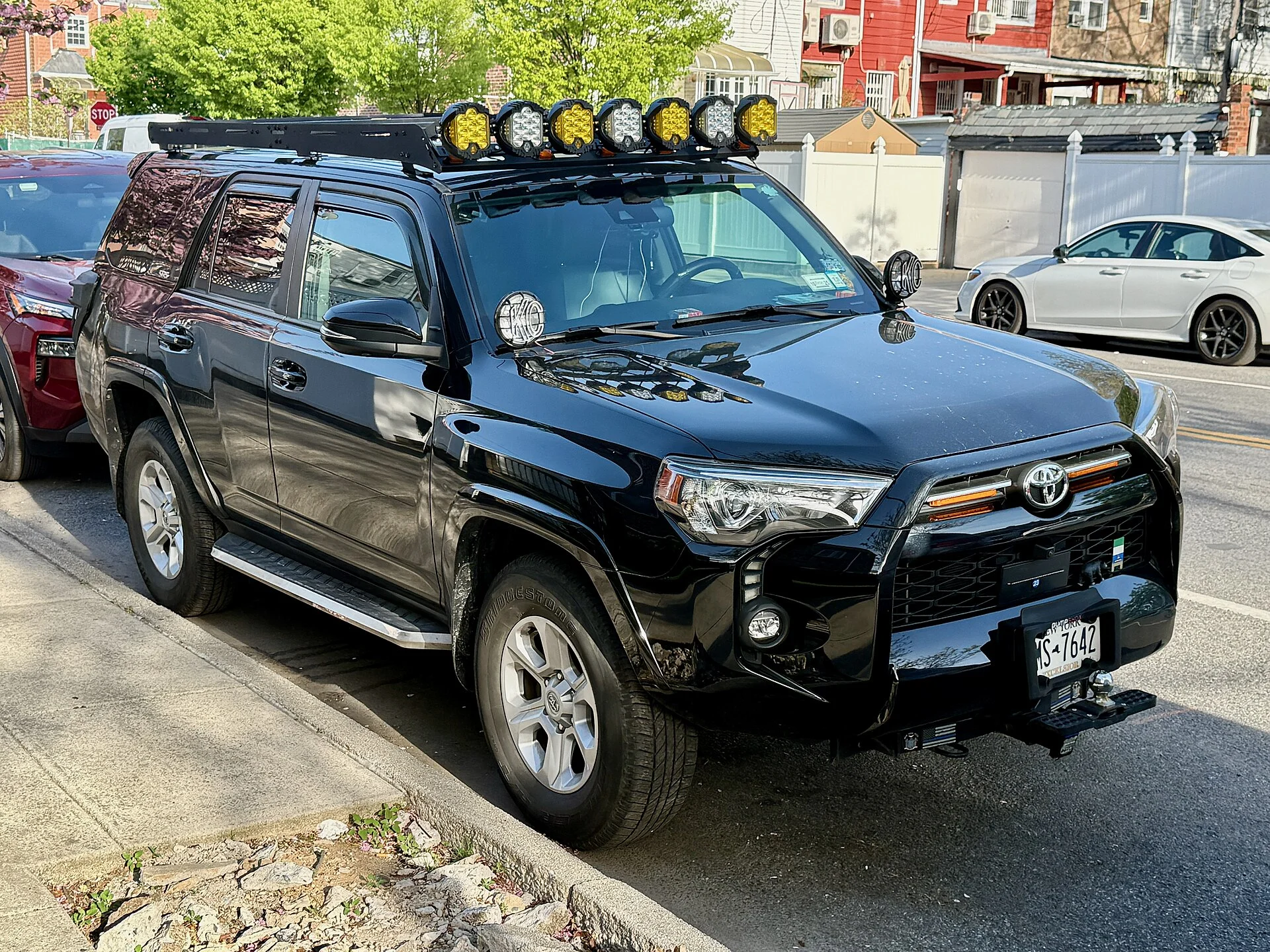
Read the brochure and the 2025 Toyota 4Runner looks like a single tow vehicle. It is not. Two 4Runners parked side by side can carry ratings a full tow class apart — 5,000 lb on one and 6,000 lb on the other — and the difference is not the badge on the tailgate but the powertrain and trim underneath it. Buy the wrong one for a trailer you already own and you have a truck that is legally over its limit before you leave the driveway.
The sixth-generation 4Runner comes with either an i-FORCE 2.4L turbocharged engine or the i-FORCE MAX 2.4L turbocharged hybrid. That single choice, plus the trim, sets whether you are towing 5,000 lb or 6,000 lb. Everything else in this guide hangs off that fork, and getting it wrong is expensive to undo once the vehicle is in the driveway.
I read a capability sheet the way I read a wiring diagram before an install: not for the headline, but for the one figure that decides whether the job is safe. For a tow vehicle that figure is never just the tow rating. It is the tow rating, the tongue weight, and the payload, checked together against the trailer you actually plan to pull. Skip any one of the three and the other two will lie to you.
This is the wiring-and-numbers tour of what the 2025 4Runner tows, which version earns the bigger number, and the two specs people ignore until a loaded trailer makes them matter. Everything below traces to Toyota's published figures, read impersonally the way a spec sheet should be — no test drive, just the numbers that decide the job.
What the 2025 4Runner Actually Tows
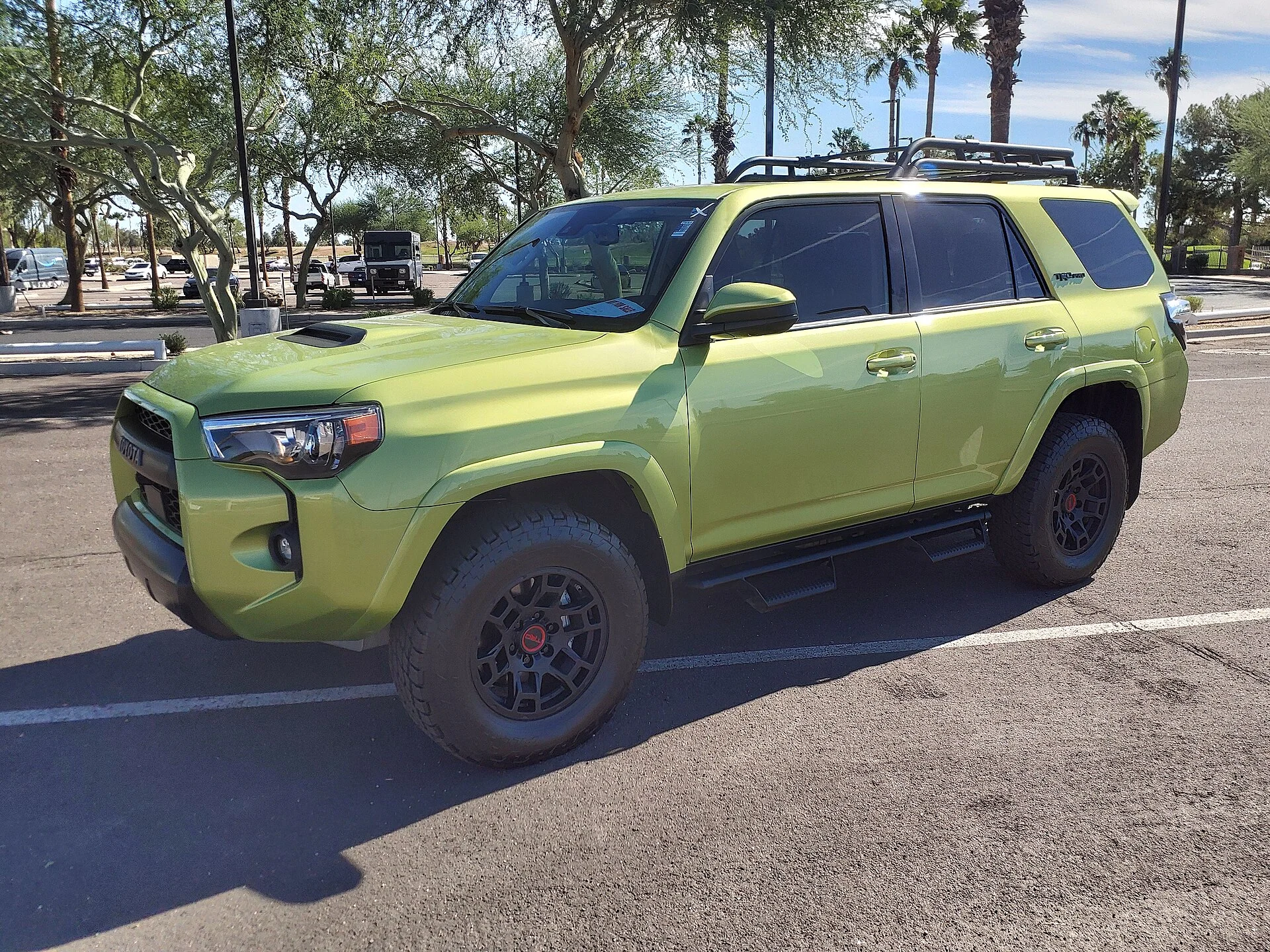
Start with the headline, then take it apart. When properly equipped, the 2025 4Runner tows up to 6,000 lb. That maximum is standard on the TRD Pro, Trailhunter, and Platinum trims, and it is available on the TRD Off-Road and Limited trims when they are fitted with the i-FORCE MAX hybrid powertrain.
Step outside that list and the number drops. Most other 2025 4Runner configurations are rated at 5,000 lb. That is still a genuinely useful figure, but the gap between the 5,000 lb and 6,000 lb ratings is exactly the range where a lot of small campers and loaded utility trailers live. It is the difference between comfortably within your limit and quietly over it, and that margin is what protects your transmission on a long grade.
The lesson for a buyer is to decide the trailer first and the trim second. If your loaded trailer lands in the upper half of that range, only the 6,000 lb configurations give you honest headroom, and picking a lower-rated trim to save money means towing at or past the ceiling every single trip. The rating is a ceiling, not a target — you want to live below it, not against it.
Verify the rating for the exact trim and powertrain you are buying against Toyota's specification sheet before you commit, because the tow number is set by the drivetrain, not the model name. Two trucks that look identical in the lot can be a tow class apart on paper. A 4Runner is not a 4Runner when a trailer is on the ball.
Why the i-FORCE MAX Hybrid Changes the Math
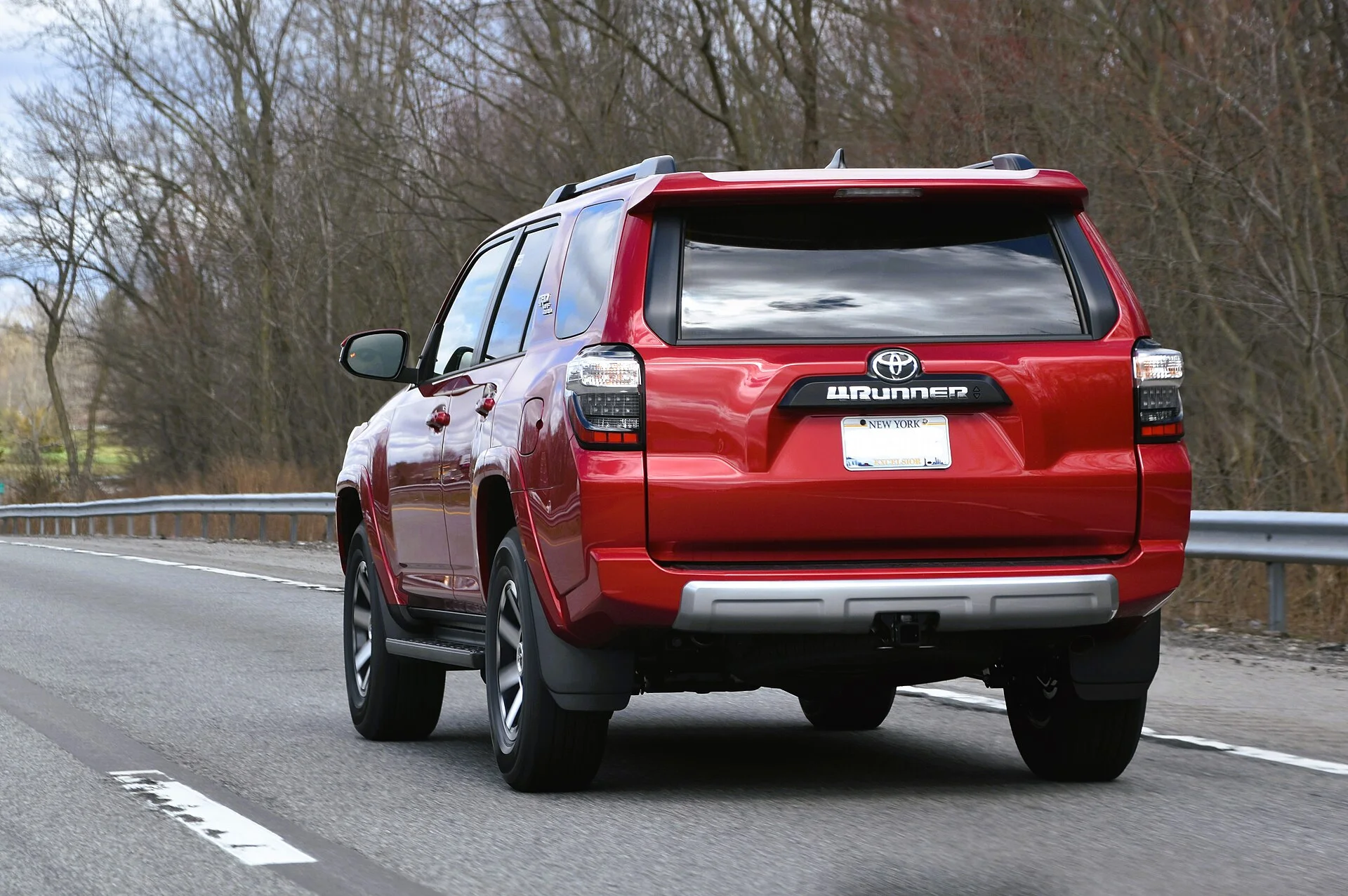
The interesting part of the 2025 lineup is that the hybrid is not just an efficiency play. On the TRD Off-Road and Limited, the i-FORCE MAX 2.4L turbocharged hybrid is what unlocks the 6,000 lb rating those trims would not otherwise carry with the standard i-FORCE 2.4L turbo engine.
That matters because it lets a buyer reach the higher tow number without stepping all the way up to a TRD Pro or Platinum. If you want maximum towing on a mid-tier trim, the powertrain box is the one to check, not the options list. The hybrid system's added low-end torque is the mechanism behind the stronger pulling rating, because pulling a heavy trailer away from a stop and up a grade is a low-rpm job, and that is exactly where an electric motor's torque lives. A turbocharged gas engine has to spin up to make its peak; the hybrid has grunt available the instant you ask for it.
There is an honest trade to name. A hybrid powertrain adds weight and complexity, and the battery hardware sits somewhere in the vehicle's mass budget. That can eat into payload even as it raises the tow rating, which is why the next two sections on tongue weight and payload matter more on a hybrid, not less.
The installer's read: the i-FORCE MAX is the right call if towing near the ceiling is your reason for buying, because it buys you the rating on trims that otherwise cap at 5,000 lb. If you rarely tow, the standard turbo saves weight where you would rather have it, in payload.
Tongue Weight: The Spec People Forget
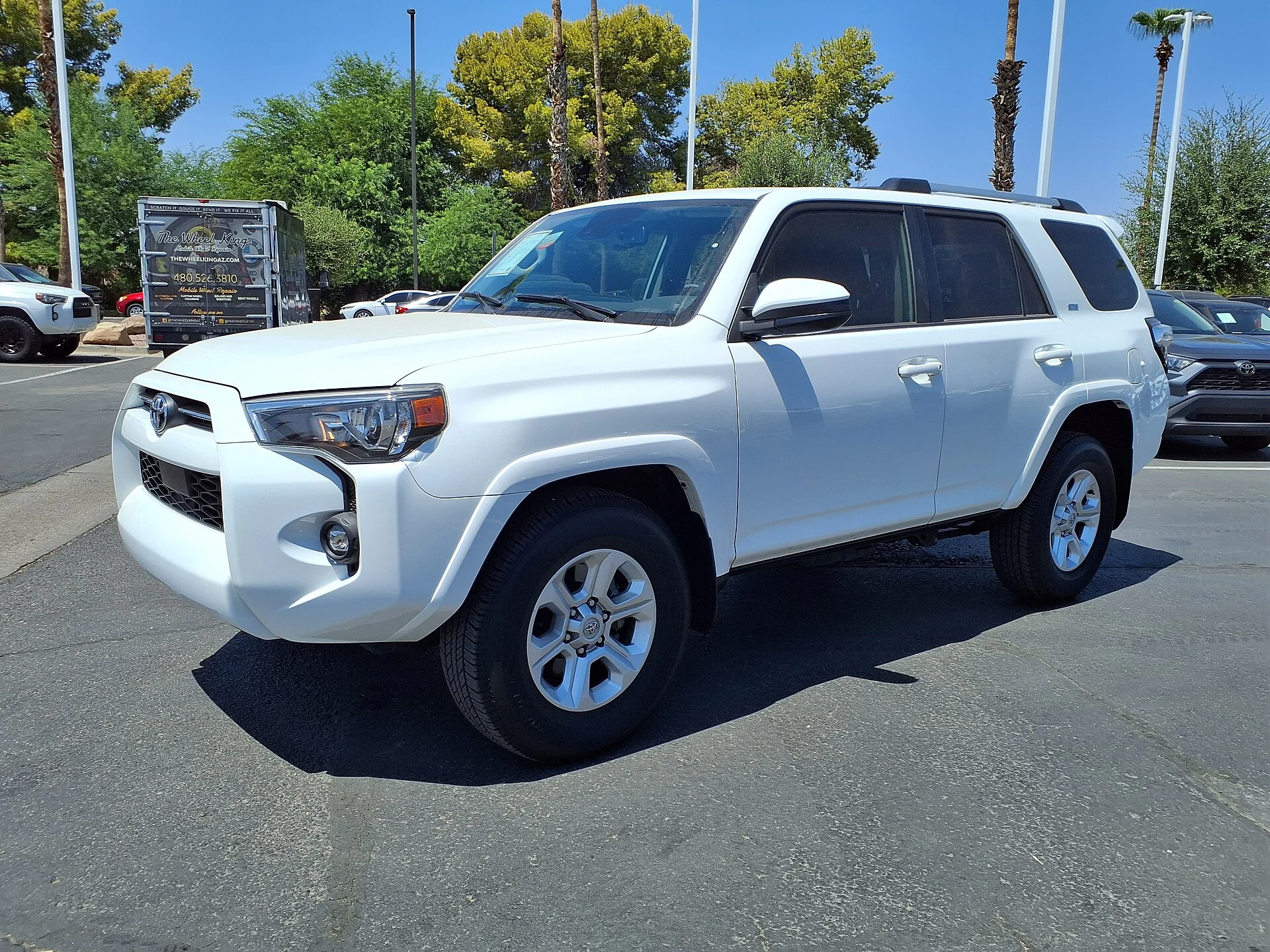
Tow rating gets all the attention; tongue weight is where trailers actually go wrong. Tongue weight is the downward force the trailer's coupler puts on the hitch ball, and a common towing guideline is that it should sit at roughly 10 to 15 percent of the loaded trailer's weight. Too little and the trailer sways; too much and you overload the rear axle and the hitch.
Here is why it bites a 4Runner owner specifically. That tongue weight does not come free — it counts against the vehicle's payload, the same budget that carries your passengers and cargo. A trailer riding at the top of the 10 to 15 percent band puts a meaningful load on the ball before a single person climbs in.
The math is one you should do with a scale and your own trailer, not a rule of thumb. Multiply your loaded trailer weight by the percentage the trailer maker specifies, and that figure is what lands on the hitch and comes out of payload. I will not hand you a pound number here because it depends entirely on your trailer and how it is packed.
The practical fix is a weight-distributing hitch on heavier trailers, which spreads that tongue load across both axles instead of squatting the rear of the 4Runner. If your trailer's tongue weight is a large share of your payload, that hitch is not optional hardware, it is what keeps the truck level and the steering honest. A 4Runner with its nose pointed at the sky and its tail dragging is a 4Runner with light steering and long stopping distances, and no amount of tow rating fixes that geometry — only redistributing the load does.
Payload Is the Hidden Ceiling
The number that quietly limits most tow setups is not the tow rating at all — it is payload, and the 2025 4Runner's payload varies sharply by trim. A Limited RWD example carries a curb weight of 4,730 lb against a GVWR of 6,130 lb, leaving a payload of 1,400 lb. The SR5 comes in around 1,435 lb, while the off-road-flagship TRD Pro drops to roughly 1,105 lb.
That 1,105 lb TRD Pro figure is the one that surprises people. The most capable-looking 4Runner has the least payload, because its heavier off-road hardware is subtracted from the same GVWR ceiling. Everything you load into the truck — people, gear, and the trailer's tongue weight — has to fit under that number.
Play it out. Put four adults and a weekend of gear in a TRD Pro and you may have only a couple hundred pounds of payload left for tongue weight, which caps the trailer you can safely pull well below the 6,000 lb tow rating. The tow number assumes a lightly loaded truck; real families are not lightly loaded.
The discipline is to budget payload before you shop trailers. Add your typical passenger and cargo weight, subtract it from the trim's payload, and what remains is your real tongue-weight allowance — which, at the 10 to 15 percent guideline, sets the largest trailer you should tow regardless of what the tow rating says. This is the calculation dealers rarely walk you through, because it points at a smaller trailer than the tow number implies, and a smaller trailer is a smaller sale. Do it yourself with a notepad before you fall for a rig you cannot legally load.
Matching a Real Trailer to the 4Runner
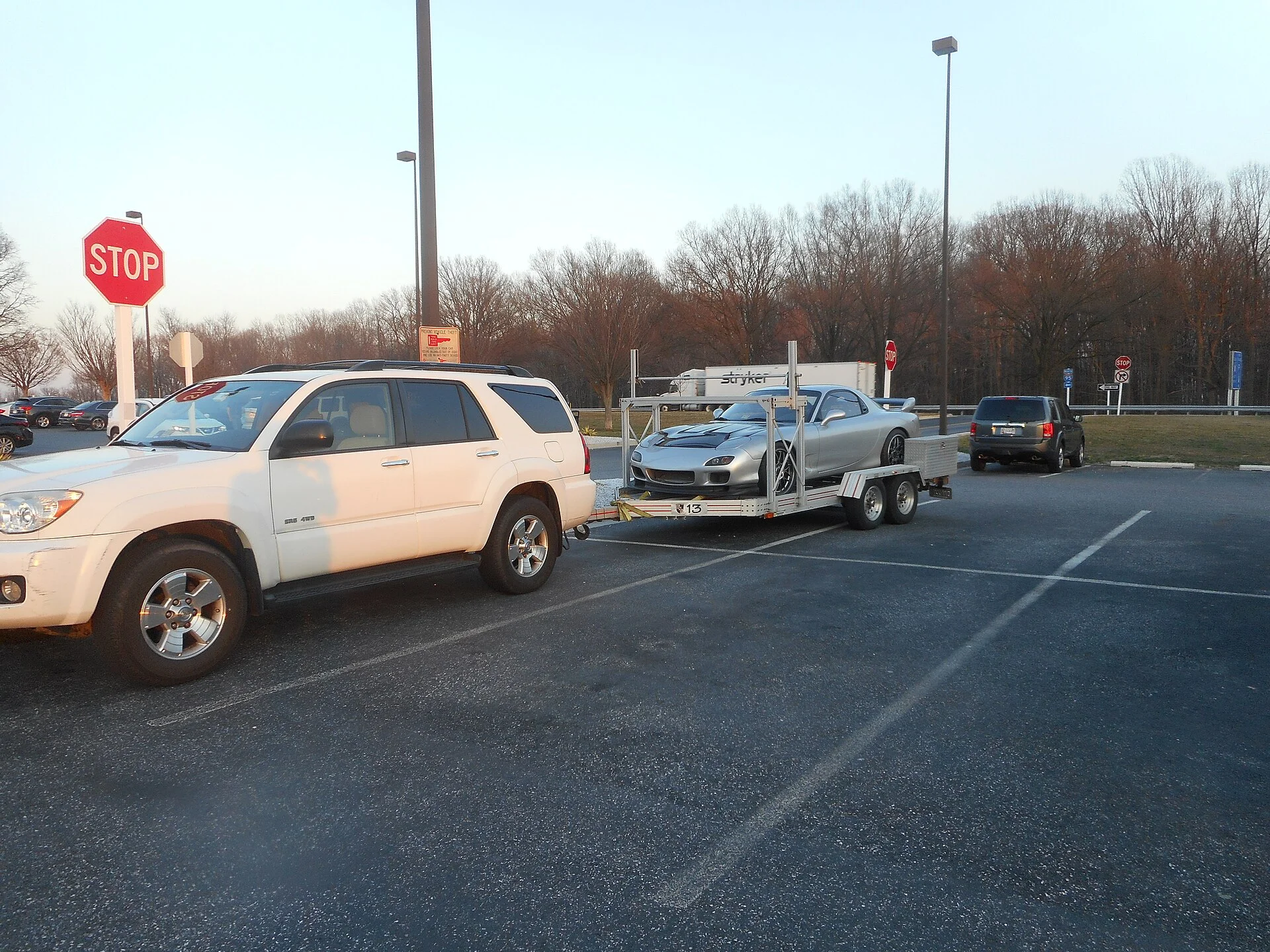
Translate the specs into trailers. A teardrop or small off-road camper, dry, commonly sits well under the 5,000 lb rating, which makes it a comfortable match for almost any 2025 4Runner including the standard-turbo trims. Loaded with water, batteries, and gear, its real weight climbs, so weigh it full, not dry.
A larger travel trailer creeping toward the 6,000 lb ceiling loaded is where those higher-rated configurations earn their keep. On a 5,000 lb trim that same trailer leaves almost no margin, and margin is what absorbs a headwind, a grade, and a fully packed trailer on a hot day. Towing with zero headroom is how brakes and transmissions get cooked a long way from a service bay.
Utility and boat trailers are the sneaky ones because their loaded weight is so variable. An empty flatbed is nothing; the same trailer with a side-by-side or a load of gravel can blow past the rating without the trailer ever looking heavy. The trailer's own weight is only the starting line — what you put on it is the race, and the finish line is your tow rating.
The rule I give every buyer is to size the vehicle to the trailer's loaded weight with a real margin, not to the dry weight on the sticker. Leave headroom against both the tow rating and your remaining payload, and the 4Runner tows relaxed instead of maxed. A truck towing comfortably below its rating handles a surprise — a gust, a passing semi, a steep off-ramp — with composure to spare. A truck towing right at the ceiling has already spent that reserve, and the first surprise is the one that teaches you why margin is not a luxury but the whole point of buying capability you do not use every day.
The Hitch and Wiring Setup That Makes It Safe
Once the numbers work, the install is what makes towing safe day to day. A trailer near the 5,000-to-6,000 lb range needs a properly rated hitch and, on most, a brake controller so the trailer's brakes share the work instead of leaving it all to the 4Runner. A trailer that heavy stopping only on the tow vehicle's brakes is a long, hot stop you do not want on a mountain descent.
Wiring is the part people improvise and regret. A correct connector carries running lights, turn signals, brake lights, and the brake-controller signal, and every one of those has to work before you pull onto a public road. A flickering trailer light is not a minor annoyance; it is the circuit telling you a connection is about to fail.
An electronic brake controller is the piece worth doing right, and a good trailer brake controller proportions braking to the load so the trailer does not push the truck in a panic stop. Match its rating to your trailer's axle count and weight, and mount it where you can reach the manual slider.
The installer's summary is to treat the hitch, the controller, and the wiring as one system rated for the loaded trailer, not three afterthoughts. Get them right once and the electrical side of towing disappears; get them wrong and it announces itself at the worst moment, in traffic or on a grade. Test every trailer light before every trip — a thirty-second walk-around is cheaper than a corroded ground you discover at highway speed after dark. The connectors live in the weather, and weather wins eventually unless you check.
The Verdict: Buy the Trim That Tows What You Need
The 2025 4Runner is a capable tow vehicle, but only if you buy the version that matches your trailer. The dividing line is clear: 6,000 lb on the TRD Pro, Trailhunter, and Platinum, or on the TRD Off-Road and Limited with the i-FORCE MAX hybrid, and 5,000 lb on the rest. Pick the number your loaded trailer actually needs, with margin.
Then respect the two specs the tow rating hides. Tongue weight at the 10 to 15 percent guideline comes straight out of payload, and payload itself ranges from about 1,435 lb on the SR5 down to roughly 1,105 lb on the TRD Pro. The trim that looks toughest can be the one with the least room to carry people and a trailer's tongue at the same time.
Do the honest arithmetic on your own rig: passengers plus gear plus tongue weight, all under the payload; loaded trailer weight, under the tow rating, with headroom. When both hold, the 4Runner tows like the solid vehicle it is. When either is tight, the fix is a different trim or a lighter trailer, not optimism.
Get the trim, the powertrain, and the hitch setup right up front, and towing with a 4Runner becomes a non-event you stop thinking about — which, on a long trip far from a scale or a service bay, is exactly the goal. The 4Runner has earned its reputation for going the distance, but that reputation assumes it is loaded within its limits. Treat the spec sheet as a contract rather than a suggestion, weigh what you actually tow, and this is a truck that will pull a sensible trailer to the trailhead and back for years without drama. The capability is real; the discipline to stay inside it is what makes the capability last.