
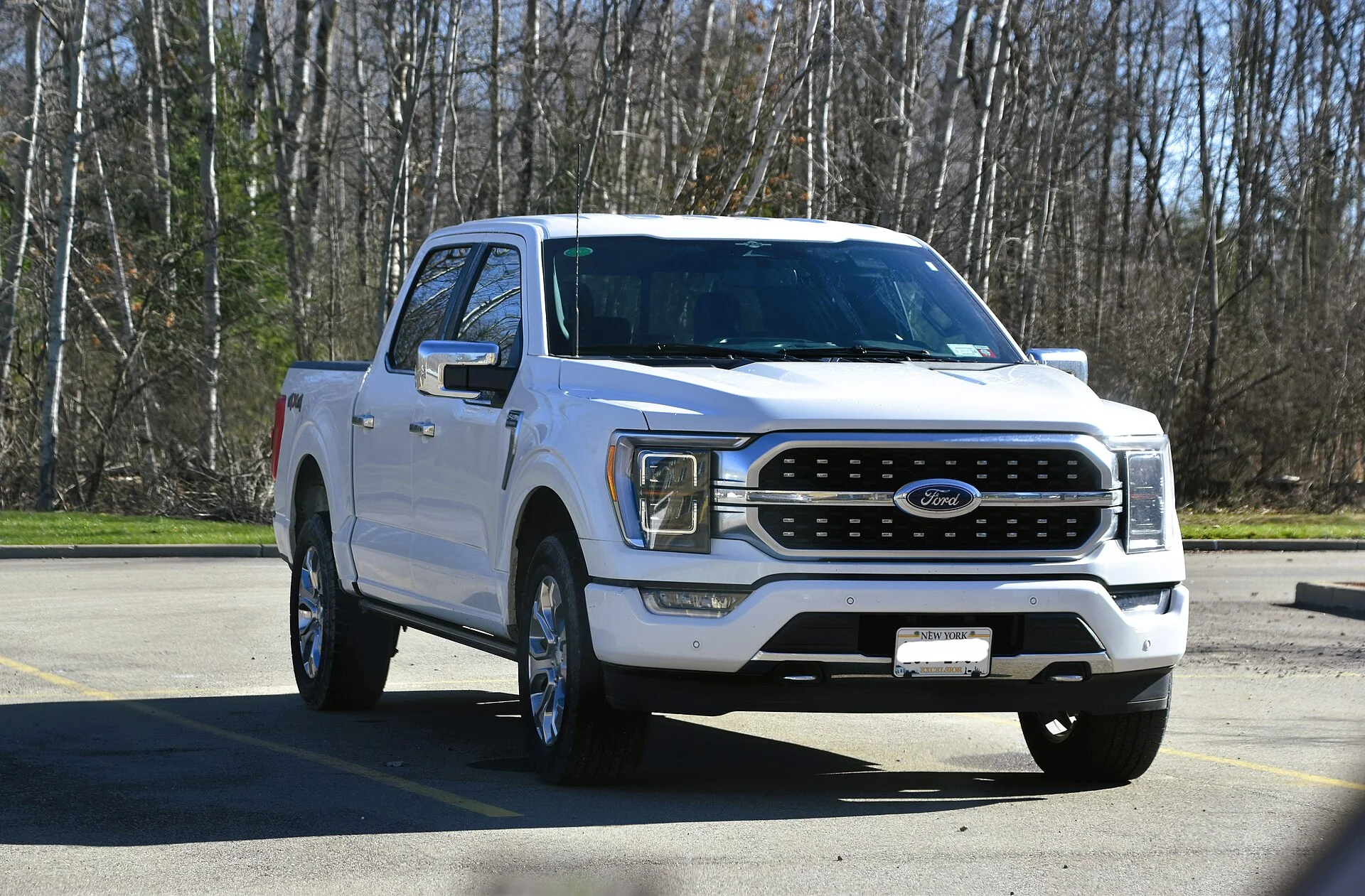
The Tow Number on the Ad Belongs to One Truck
Search the towing capacity of a Ford F-150 and a single big figure comes back, printed like it belongs to every F-150 on the lot. It does not. That headline number is the ceiling one very specific configuration reaches, and the truck in your driveway almost certainly is not it. For a camper shopping by trailer weight, that gap between the advertised ceiling and the actual rating is where trips go wrong.
The published maximum for the 2024 F-150 is 14,000 lb, and it is earned by exactly one recipe: the 3.5L EcoBoost V6, a SuperCrew cab, the 6.5-foot bed, 4x2 drivetrain, and the Max Trailer Tow package. Change any ingredient and the rating drops. The engine is the biggest lever, but cab, bed, drivetrain, and tow package all move the number.
This matters because a travel trailer or a truck camper does not care what the brochure says. It weighs what it weighs, loaded, and the truck has to be rated above that with margin. Reading the F-150 lineup as one number is the fastest way to buy too much trailer for the truck you actually own.
What follows walks the F-150's tow ratings engine by engine, from the 14,000 lb ceiling down to the base tier, then covers the payload side Ford quietly changed for 2024 and how to read your own truck's real limit off the door.
The 3.5L EcoBoost: Where the 14,000 lb Comes From
The engine that carries the F-150's headline rating is the 3.5L EcoBoost V6. In its highest-rated form, with the Max Trailer Tow package and the right cab, bed, and drivetrain, it tows up to 14,000 lb, the highest conventional towing figure in the F-150 lineup. That is genuine heavy-trailer territory for a half-ton.
The reason a twin-turbo V6 tops a V8 here comes down to torque delivered low and early, which is what a trailer leaning on the hitch actually demands. Ford builds the 3.5L EcoBoost as the tow engine of the range, and the 14,000 lb ceiling reflects that role. It is the configuration to seek if a large travel trailer is the plan.
The 14,000 lb figure is a ceiling, not a promise. It applies only to the 3.5L EcoBoost with the Max Trailer Tow package in its optimal cab, bed, and drivetrain combination. Order the same engine in a different body and the rated number comes down.
The practical takeaway is that towing near the top of the range is an engine-and-option decision made at purchase, not something added later. If the trailer is heavy, the 3.5L EcoBoost with Max Trailer Tow is the starting point, and the rest of the build is chosen around keeping that rating high.
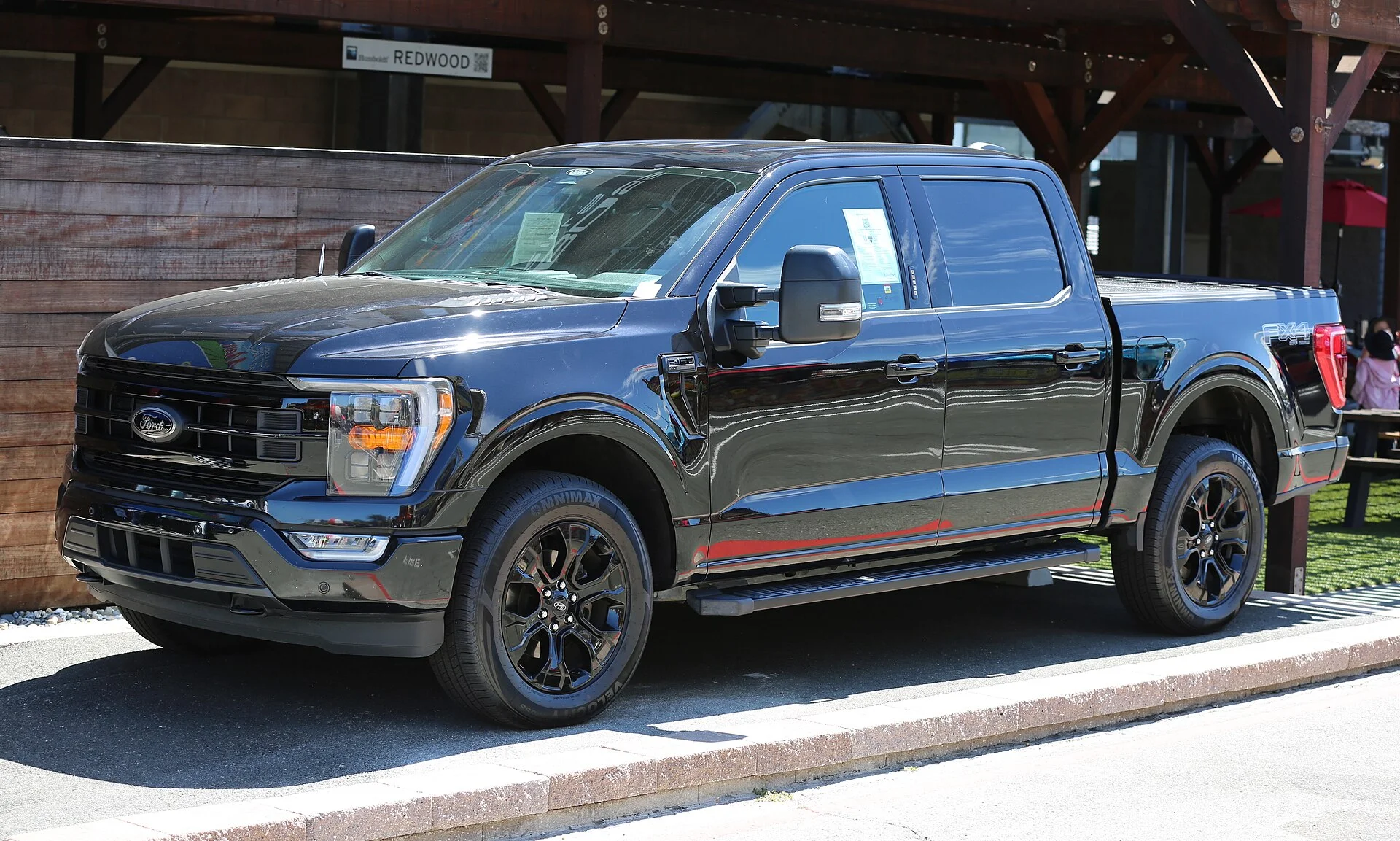
The V8 and Hybrid Tier: 12,900 and 12,700 lb
Below the turbo V6 ceiling sits a tier that surprises people who assume the V8 is the tow king. The 5.0L Ti-VCT V8 reaches a maximum towing capacity of 12,900 lb when properly equipped. That is a strong number and plenty for most travel trailers, but it trails the 3.5L EcoBoost's ceiling by more than a thousand pounds.
The 3.5L PowerBoost full hybrid V6 lands just under the V8, rated to tow up to 12,700 lb. The hybrid pairs the twin-turbo V6 with an electric motor, and while it is built more for efficiency and its onboard generator than for maximum pull, its 12,700 lb rating still covers the great majority of trailers.
The order of these numbers is the useful lesson: the tow ranking is EcoBoost 3.5L, then the 5.0L V8, then the PowerBoost hybrid, not the engine-size hierarchy a buyer might expect. Displacement does not decide tow rating on the F-150; the turbocharged V6's torque curve does.
For a camper choosing among these three, the question is what else the engine has to do. The V8 at 12,900 lb is the traditional pick; the PowerBoost at 12,700 lb trades a slim margin of capacity for hybrid efficiency and the ProPower generator that runs a campsite. Both clear the great majority of trailers.
The 2.7L EcoBoost Base Tier: 8,400 lb
The entry engine, the 2.7L EcoBoost V6, is the one most likely to sit under a value-trim F-150, and its rating is the one most often overestimated. In its highest-rated configuration it tows up to 8,400 lb. That is capable, but it is not in the same league as the 3.5L, and matching it to a heavy trailer is a common mistake.
To make the trade-off concrete, a 2024 F-150 XL with the 2.7L EcoBoost and a SuperCab body is rated for up to 8,200 lb of towing paired with 1,675 lb of payload capacity. That XL example shows how a real-world trim-and-body combination lands below even the 2.7L's own 8,400 lb best case.
An 8,200 to 8,400 lb rating comfortably handles small and mid-size travel trailers, pop-ups, and most truck-bed camping setups. Where it runs short is the large travel trailer a buyer might assume any F-150 can pull. The base engine is a fine light-to-mid tow truck and an honest one only when matched to that class of trailer.
The base tier is the clearest argument for checking the specific rating before buying the trailer. An owner who assumes their 2.7L truck shares the 14,000 lb headline is set up to overload it by thousands of pounds.
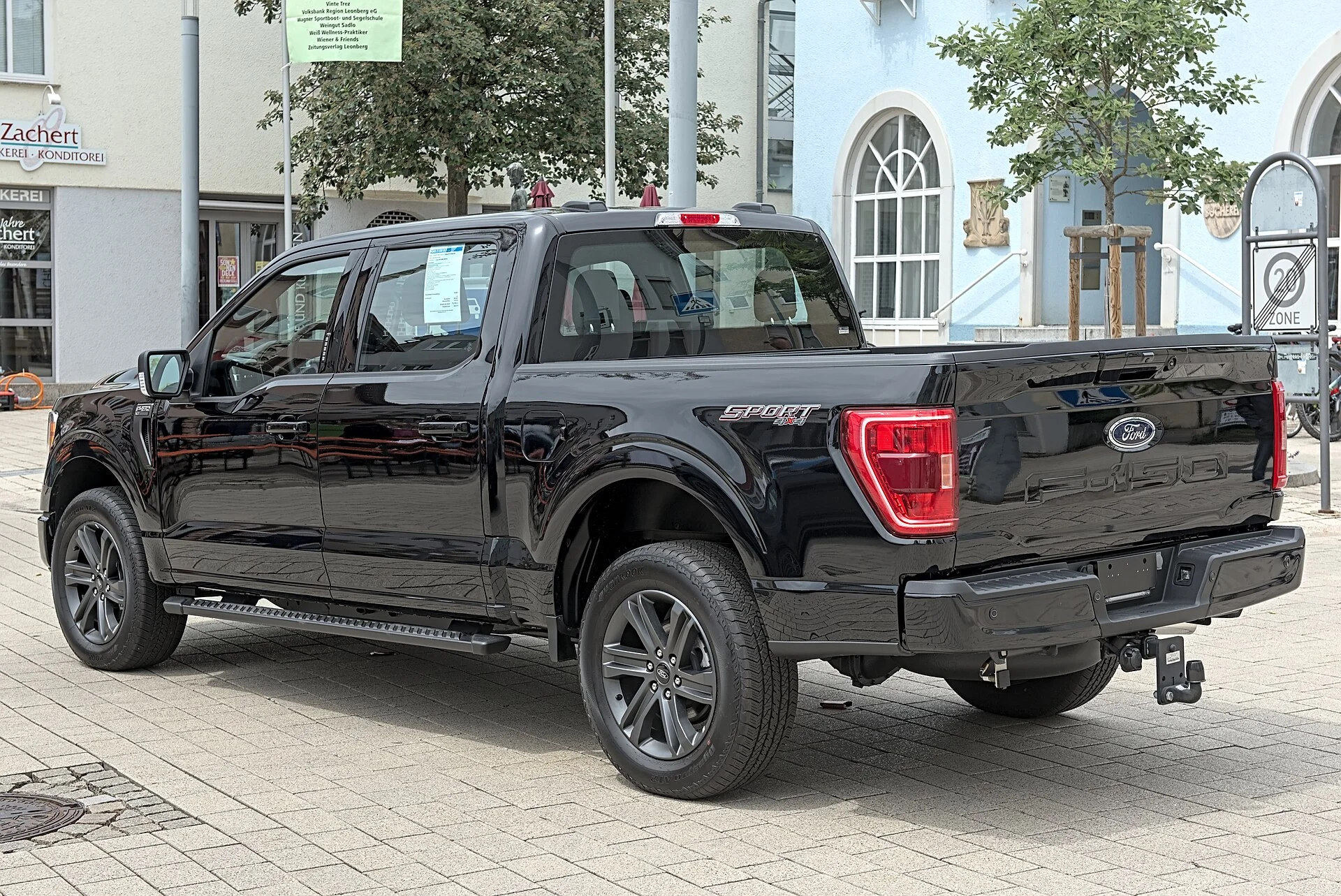
The Payload Number Ford Changed for 2024
Towing gets the headlines, but payload is the limit that quietly binds a loaded camping rig, and Ford changed it for 2024. The automaker discontinued the Heavy-Duty Payload Package that had let 2021-2023 F-150s with the 5.0L V8 reach a 3,325 lb maximum payload rating. Without that package, 2024 F-150 maximum payload falls to approximately 2,455 lb.
That is a meaningful drop for anyone who loads the bed heavily, because payload is everything the truck carries: passengers, gear, a truck camper, and critically the trailer's tongue weight. A trailer that tows fine on the rating can still put the truck over its payload limit through hitch weight alone.
The 2024 XL example makes the scale clear: 1,675 lb of payload on that configuration. Subtract passengers and camp gear and the remaining margin for tongue weight shrinks fast. Payload, not tow rating, is often what a truck camper or a heavy travel trailer runs out of first.
The honest planning number for a camping F-150 is therefore payload as much as towing. A buyer chasing the 14,000 lb tow ceiling who ignores the roughly 2,455 lb payload max can build a rig that is legal to tow but overloaded to carry.
Why the Door Label Beats the Brochure
Every published F-150 number is a lineup maximum; the only figures that describe a specific truck are on that truck. Ford states plainly that payload maximums are governed by GVWR and the axle and spring configuration shown on the driver's-door certification label. That yellow-and-white label is the truck's own rating, not a range.
The reason the label rules is that two F-150s with the same engine can carry different loads depending on installed options, axle ratio, and springs. The brochure cannot know which one is parked in the driveway; the door label was printed for that exact VIN. For payload especially, it is the number that matters.
Reading it is straightforward: the label lists the vehicle's payload rating directly, and towing is confirmed against the configuration in Ford's towing guide for that engine and body. Between the two, an owner knows the real ceilings rather than the aspirational ones.
The discipline here is simple and saves real money and safety margin. Before buying a trailer or a truck camper, read the door label for payload and confirm the tow rating for the specific engine and body, rather than trusting a single advertised figure that belongs to a different truck.
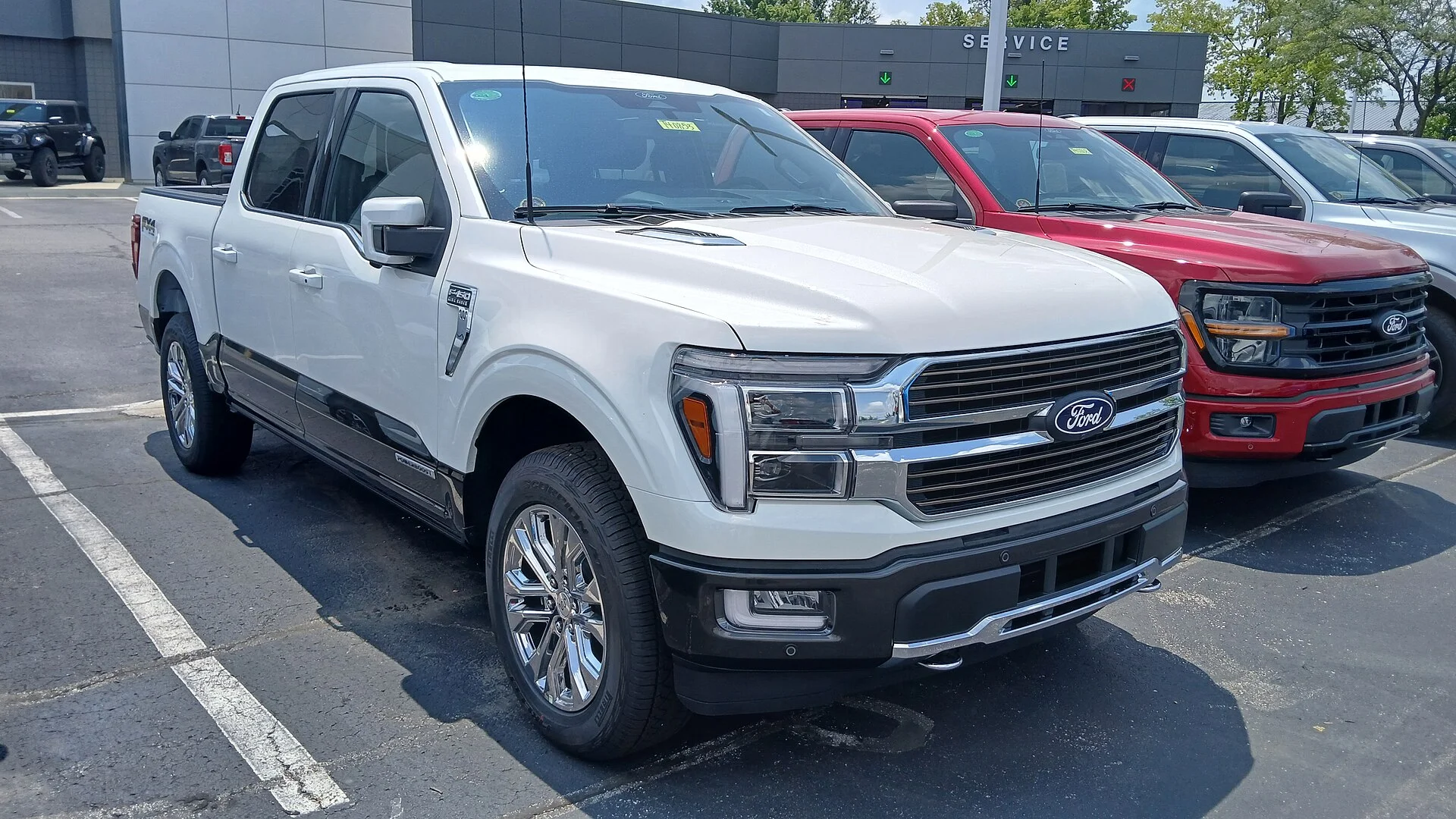
Matching a Camper to the Rating Honestly
The mistake that overloads trucks is comparing a trailer's dry weight to the truck's tow rating. Dry weight is the trailer empty from the factory, before water, propane, batteries, gear, and food. Loaded for a trip, a travel trailer weighs well above its dry figure, and the truck has to be rated above that loaded weight, not the brochure dry number.
Applied to the F-150, this is why the engine choice cascades through the whole plan. A large travel trailer that loads heavy wants the 3.5L EcoBoost's 14,000 lb ceiling so the loaded trailer still sits comfortably under the rating with margin. Put that same trailer behind an 8,400 lb 2.7L and the loaded weight can erase the margin entirely.
Tongue weight is the second half of the match, and it lands on payload. A properly loaded conventional trailer places a portion of its weight on the hitch, and that weight counts against the truck's payload, not its tow rating. The two limits have to be checked together, because a trailer can pass one and fail the other.
The honest method is to weigh, or realistically estimate, the trailer loaded, add the tongue weight to the truck's other payload, and confirm both the tow rating and the payload rating cover it with margin. Done that way, the F-150's engine tiers map cleanly onto trailer classes instead of guesswork.
What the Max Trailer Tow Package Actually Buys
The Max Trailer Tow package appears in every top-rating configuration for a reason: it is the option required to reach the F-150's highest advertised towing numbers. Without it, even the right engine falls short of the ceiling figures, which is why a used or value-trim truck with the same engine may be rated lower than the brochure maximum.
The package exists because reaching the top ratings takes more than an engine. It bundles the hardware and cooling and hitch provisions that let the truck sustain heavy pulling, and Ford ties the highest numbers to its presence. A 3.5L EcoBoost without it does not reach 14,000 lb.
For a buyer, the lesson is to verify the package when shopping for a tow-capable F-150, especially used. The window sticker or build sheet shows whether Max Trailer Tow is present, and its absence explains a lower rating on an otherwise identical truck. It is not something practically added afterward to restore the top number.
Paired with the right engine, the package is what turns a capable half-ton into one that tows near the top of the class. A quality trailer brake controller is the natural companion once the truck is properly equipped, since heavy trailers need their own braking to tow the rated weight safely.
Derating for Real Camping Conditions
Published ratings assume ideal conditions, and camping rarely offers them. Grades, altitude, heat, and headwind all make a trailer feel heavier than its weight, so towing right at a rating that looks fine on paper can be a strain on a mountain pass in summer. Leaving margin below the rating is how the numbers translate into a truck that tows comfortably rather than one that merely can.
The margin also protects the parts that wear. Towing constantly near the ceiling loads the drivetrain, brakes, and cooling harder than towing with headroom, and for a truck expected to camp for years, that headroom is worth choosing a higher rating for. Buying an engine tier above the minimum the trailer needs is cheap insurance.
Payload deserves the same conservatism. With a 2024 maximum near 2,455 lb and real configurations well below that, loading a truck camper plus passengers plus gear plus tongue weight can approach the limit quickly. Keeping a deliberate cushion under the payload rating keeps the rig safe as gear inevitably accumulates.
Braking is the other real-world factor the ratings assume. A trailer heavy enough to need much of an F-150's capacity needs its own brakes, and the truck's rated numbers presuppose a properly set-up braking system on anything approaching the ceiling. Skipping trailer brakes does not lower the printed rating, but it absolutely lowers the weight the combination can stop safely, which is the limit that matters on a downgrade.
The through-line is that ratings are ceilings to stay under, not targets to hit. An F-150 chosen with margin on both tow rating and payload, and set up with working trailer brakes, tows and carries a camping load for years without complaint; one chosen right at the numbers has nowhere to go when conditions turn.
The Verdict: Buy the Rating, Not the Headline
The Ford F-150 is one of the most capable half-tons for towing a camper, but only when the specific truck is matched to the specific trailer. The 14,000 lb headline belongs to the 3.5L EcoBoost with the Max Trailer Tow package in its optimal body; it is not a lineup-wide promise, and treating it as one is how trucks get overloaded.
The engine ladder is the map: the 3.5L EcoBoost tops out at 14,000 lb, the 5.0L V8 at 12,900 lb, the PowerBoost hybrid at 12,700 lb, and the 2.7L EcoBoost at 8,400 lb, with a real XL example landing at 8,200 lb. Pick the tier that clears the loaded trailer weight with margin, not the one that merely matches the dry weight.
Payload is the limit not to forget. Ford dropped the maximum to roughly 2,455 lb for 2024 by discontinuing the heavy-duty package, and tongue weight plus passengers plus gear all draw against it. A rig can pass the tow rating and still be overloaded on payload.
Confirm both numbers on the driver's-door label and Ford's towing guide for the exact engine and body before buying the trailer. Match the rating with margin and the F-150 tows and carries a camp for years; chase the headline and the truck ends up under a load it was never rated to pull.