The F-150 bed that fits you depends on one choice: which bed you bought
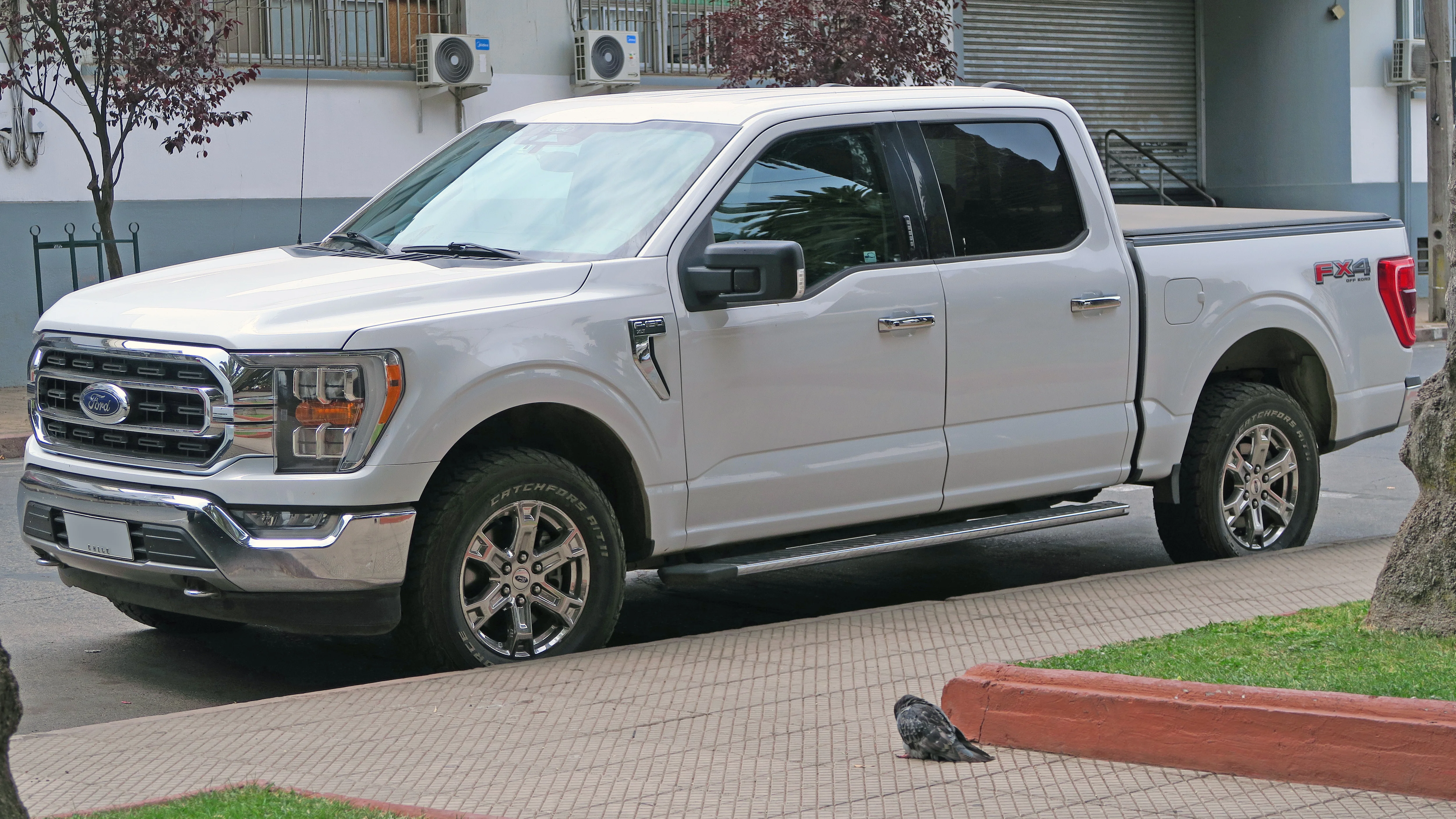
Two hundred miles from a parts store, the difference between a good night in an F-150 bed and a folded-up one comes down to a choice made at the dealer years ago: which of the three beds is bolted to your truck. Ford builds the current F-150 with a 5.5-foot, a 6.5-foot and an 8-foot bed, and they are genuinely different sleeping platforms - not trim variations. Get that wrong and every number on a generic bed chart points at the wrong truck.
I've slept in enough truck beds to respect what a flat, open floor gives you - and what a short one takes away. The good news is the F-150's bed floor is flat and its width is constant across all three lengths, so the only variable that changes your bed is length. This page lays out all three beds honestly - floor length, the width between the wheel wells, the depth - tells you which cab came with which bed, and works the real question: whether you lie flat with the tailgate up, or plan around a short bed.
One more way to read the three beds before we dig in: because the floor width and depth never change, the length difference shows up cleanly as cargo volume - 52.8 cubic feet in the 5.5-foot, 62.3 in the 6.5-foot, and 77.4 in the 8-foot. That volume figure is really your sleeping length restated in gear terms, so if a used listing quotes only cubic feet you can work backward to which bed is bolted on. I care about that because the number that decides whether I sleep flat and the number that decides whether my drawers and water fit are the same number - length - and everything downstream flows from it.
Three beds, one truck: 5.5, 6.5 and 8 feet
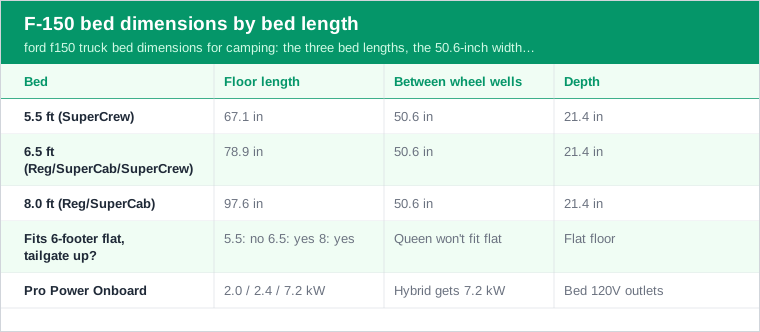
Start with the floor lengths, because that's the number that decides a bed. On the current F-150, the 5.5-foot bed measures about 67.1 inches of floor, the 6.5-foot bed about 78.9 inches, and the 8-foot bed about 97.6 inches. These mirror Ford's own tech-specs sheet; I've cross-checked them against multiple dealer pages that all report the same figures.
- 5.5 ft = 67.1 in floor: the short bed - great for daily life, short for sleeping flat.
- 6.5 ft = 78.9 in floor: the sweet spot for camping - long enough for most adults to stretch out flat.
- 8 ft = 97.6 in floor: the long bed - room to spare, plus gear at your feet.
Note the 8-foot bed's floor is about 97.6 inches, not the round '98' a lot of charts quote - use the measured figure. Read the floor length as your straight sleeping length, then check it against your own height, because that's where trucks quietly fail people.
Those same three floor lengths map straight onto Ford's cargo-volume numbers - 52.8, 62.3 and 77.4 cubic feet respectively - which is a useful cross-check when a spec sheet is missing the floor inches but lists the volume. There's a subtlety in the 5.5-to-6.5 jump worth naming: it's only about 11.8 inches of extra floor, but that is exactly the margin that moves a six-footer from tailgate-down to tailgate-up, so the small-sounding difference is the one that changes how you camp. When I'm helping someone buy used, I tell them to treat 78.9 inches as the threshold to clear and read every other number against it rather than against the round marketing figures.
The width that decides everything: 50.6 inches between the wheel wells
Here's the number most bed charts bury and every sleeper should lead with: the width between the wheel wells. On the F-150 it's about 50.6 inches, and - importantly - it's the same across all three bed lengths. That 50.6 inches, not the wider figure at the bed rails, is the real usable width for anything laid flat on the floor.
Fifty and a half inches is a little over four feet - room for one wide pad, or two narrow ones side by side. A queen mattress is 60 inches, so it does not fit flat between the wells; that's the single most common F-150 camping-bed mistake.
What that means for your setup:
- One sleeper: easy - a standard 20-to-25-inch pad has room to spare on the floor.
- Two sleepers: two narrow pads fit between the wells; skip the queen and use twin-width pads or a bed platform built over the wells.
- Over-the-wells platform: build a deck level with the wheel-well tops and you reclaim the full bed-rail width above them.
When I build over the wells I set the deck flush with the wheel-well tops and turn the void underneath into the storage the 50.6-inch pinch was costing me - water cans, a fuel jug and recovery gear ride in the wells below the sleeping surface instead of eating floor space. The one measurement that bites people here is the well height, because it varies a little with tire and suspension choice, so measure your own well top to the floor before you cut a single board. And remember the 50.6 is the pinch, not the rail width: down at floor level you have that constant 50.6 the whole length of the bed, which is why two twin-width pads is the honest two-person answer without a platform.
Bed depth and a flat floor: 21.4 inches to work with
Depth is the F-150's quiet advantage for sleeping. The bed is about 21.4 inches deep across all three lengths, and the floor is flat - which means a sleeper lies below the top of the bed sides, sheltered from wind, with the tailgate and sides acting like low walls around you.
- 21.4 in of depth: deep enough that you're tucked down out of the wind, not perched on top of the truck.
- Flat floor: no hump or transmission tunnel to fight - a pad or a platform sits clean.
- The trade: depth is comfort, but it also means you climb in and out over a tall side - fine for most people, worth knowing if mobility matters.
A flat, deep bed is the reason a lot of people prefer sleeping in a truck bed over inside an SUV: you get walls, weather protection with a topper or canopy, and a floor you don't have to level around folded seats.
Because that 21.4 inches is constant across all three beds, a platform height you calculate once carries over even if you switch trucks later - the depth doesn't change between the short bed and the long. That constant is worth exploiting: a sleeping platform sized so the deck sits an inch or two below the rail keeps the low-wall shelter the depth gives you while still leaving headroom under a canopy. The failure mode to watch, far from help, is building the deck too high and losing that wind protection - you trade the truck's best feature for a few cubic feet of under-bed storage you could have gotten by going over the wells instead.
Which cab came with which bed
Bed length isn't a free choice - Ford pairs it with cab size, so your cab tells you which beds were even possible. Across the dealer sources that agree, the pairings are: Regular Cab with the 6.5 or 8-foot bed; SuperCab with the 6.5-foot bed; and SuperCrew with the 5.5 or 6.5-foot bed.
- SuperCrew (the volume seller): most F-150s on the road are SuperCrews, and they default to the 5.5-foot short bed - the one that makes you work to sleep flat.
- SuperCab: the 6.5-foot bed - a good camping length with a usable back seat.
- Regular Cab: the long beds (6.5 or 8 ft) - the best bed lengths, the least cab room.
The practical takeaway from our how to sleep in a Ford F-150 guide: if you bought the popular SuperCrew, you're on the short bed, so the next few sections are written for you.
It's worth spelling out what you cannot buy, because the pairings cut both ways: the SuperCrew never came with the 8-foot bed, and the SuperCab was only ever offered with the 6.5-foot. So if you want the long 8-foot bed's 97.6 inches, you're committing to a Regular Cab and its single row of seats - the best sleeping length in the lineup paired with the least cab room, a trade only a true bed-camper takes. The 6.5-foot bed is the one length you can get in every cab, which is why I steer most people toward a SuperCab or SuperCrew ordered with the 6.5 if they can find one: it clears the six-footer threshold and still seats a crew.
The six-footer problem: why the short bed makes you choose
Here's the honest math for a tall sleeper. A six-footer is 72 inches. The 6.5-foot bed's 78.9-inch floor swallows that with room to spare, and the 8-foot bed obviously does. The 5.5-foot bed's 67.1-inch floor does not - you're about five inches short of lying flat with the tailgate up.
If you're on the short bed and taller than about 5-foot-7, you have three honest options: drop the tailgate, sleep diagonally, or build over the wheel wells and cheat the length. Pretending 67 inches fits a six-footer is how you wake up curled against the cab.
None of those are bad options - they're just choices you make on purpose rather than discovering at midnight. The next two sections cover the tailgate-down and diagonal approaches, which are how most short-bed owners actually sleep.
Run the numbers on yourself before you assume you're in trouble: the 67.1-inch floor covers anyone up to about 5-foot-7 lying flat with the tailgate up and a thin pad, and every inch of pad you add under you effectively steals a little from that, so a thick air mattress can push a borderline sleeper over the edge. The build-over-the-wells option is the one that solves length and width at once - a deck at wheel-well height can run right up over a dropped tailgate for a full 84-plus inches of flat surface - but it's a weekend of work, not a field fix. For a night you didn't plan, the tailgate and the diagonal are the two moves you make with what the truck already has.
Sleeping with the tailgate down (and what no one publishes)
Dropping the tailgate is the classic short-bed fix, and it works - but here's a gap I won't paper over: neither Ford nor the aggregators cleanly publish how many inches the tailgate adds. A pickup tailgate panel is roughly 20 inches deep, so laid flat it adds about that much length, but it's an angled, slightly lower surface, not a seamless extension of the flat floor.
- What it buys: roughly 20 inches of extra length - enough to turn the short bed into a flat-enough run for a tall sleeper.
- The catch: the tailgate sits a touch lower and isn't load-flat with the floor, so bridge the lip with a pad or a board.
- Weather: an open tailgate needs a canopy or topper over it, or your feet are outside in the rain.
Because the exact added length isn't an official figure, measure your own tailgate rather than trusting a chart - it's a two-minute check that decides whether the short bed works for you tailgate-down.
A couple of field notes on the tailgate-down setup. Bridge the drop where the tailgate meets the floor - that panel sits a touch lower and at a slight angle, so a moving blanket folded into the seam under the pad keeps your hips off the ledge at three in the morning. Strap or net the tailgate so it can't creep on an incline, and think about where your feet end up: tailgate-down puts your lower half over the open end, which is fine under a canopy but leaves boots and gear reachable from outside, so keep anything worth stealing up by the bulkhead. And because the roughly 20-inch figure is only an estimate off a typical panel and not a Ford number, the two-minute measurement of your own tailgate is the only one worth building to.
Diagonal in the short bed: the geometry that buys you inches
The other short-bed trick is to sleep corner to corner. The diagonal of a 50.6-by-67.1-inch floor is longer than either side - roughly 84 inches - so a six-footer can often lie flat on the diagonal with the tailgate still up, if the bed is clear of wheel-well intrusion at the corners.
Diagonal sleeping is the quiet win of the short bed: it keeps the tailgate closed and the weather out, and it costs nothing but the willingness to sleep at an angle. Try it before you commit to a tailgate-down setup.
The limits: only one person fits on the diagonal, and the wheel wells eat into the corners, so measure the clear diagonal on the floor, not the rail. For a solo camper on a SuperCrew short bed, though, diagonal-tailgate-up is often the simplest flat night the truck offers.
Lay the diagonal from the driver-side bulkhead corner to the passenger-side tailgate corner rather than straight across the wells, and check the far corner for tie-down cleats or a bed-rail cap that the pad has to clear. The 84 inches is the geometry of the flat floor only, so any wheel-well intrusion at the corners shortens the real clear diagonal - which is why I measure it with a tape run corner to corner on the floor itself, not off a chart. It's also a warm-weather-friendly trick specifically because the tailgate stays shut: your whole body is inside the deep, sheltered 21.4-inch box, out of the wind and the rain, which is the opposite trade from tailgate-down.
Keeping the weather out without a full topper
A truck bed's weakness versus an SUV is that it's open to the sky, so weather protection is part of the build, not an afterthought. You don't necessarily need a full cap to sleep out, though.
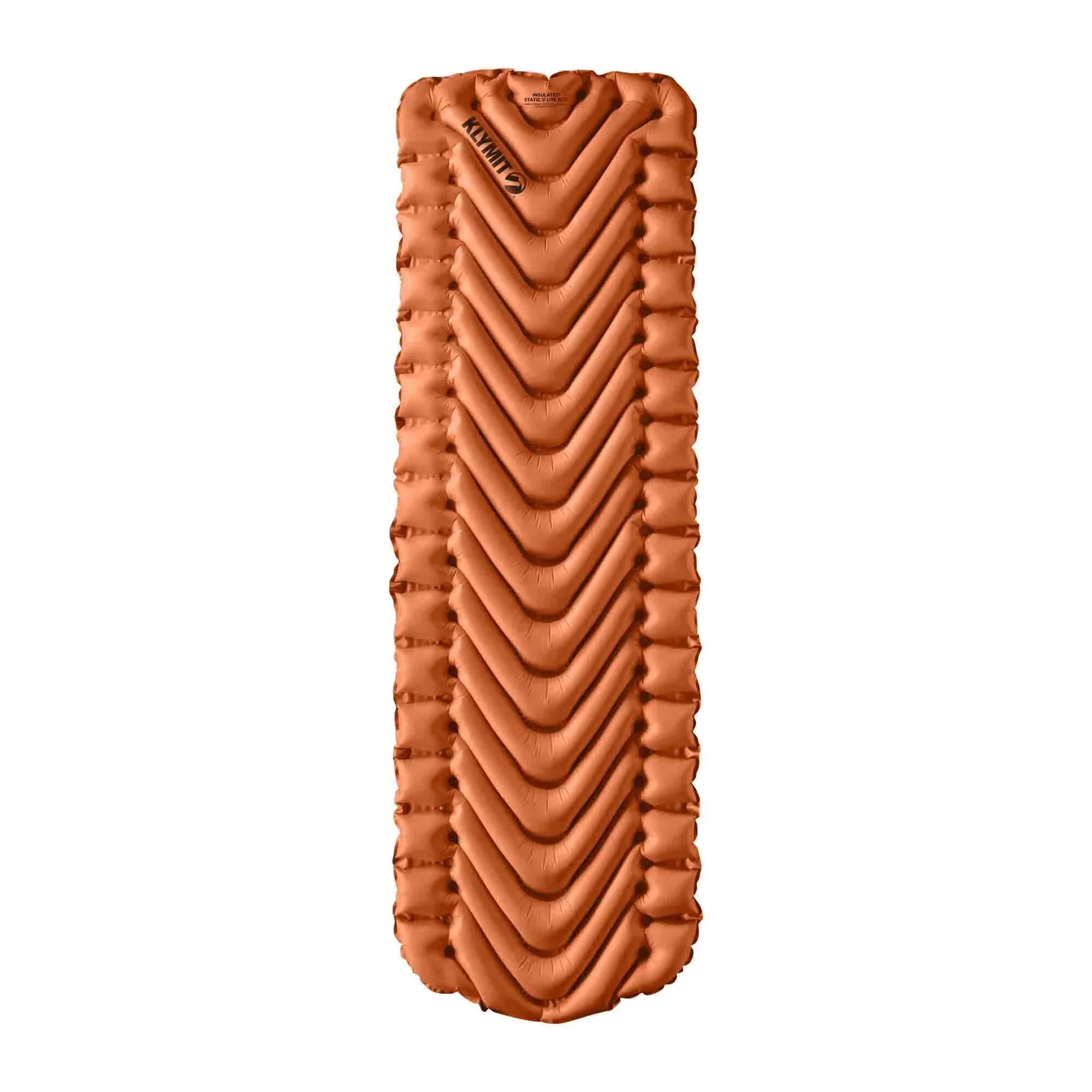
- Levels the floor: a Klymit Static V pad turns the hard, flat bed floor into a sleepable surface and packs down small - the practical base layer for any of the three beds.
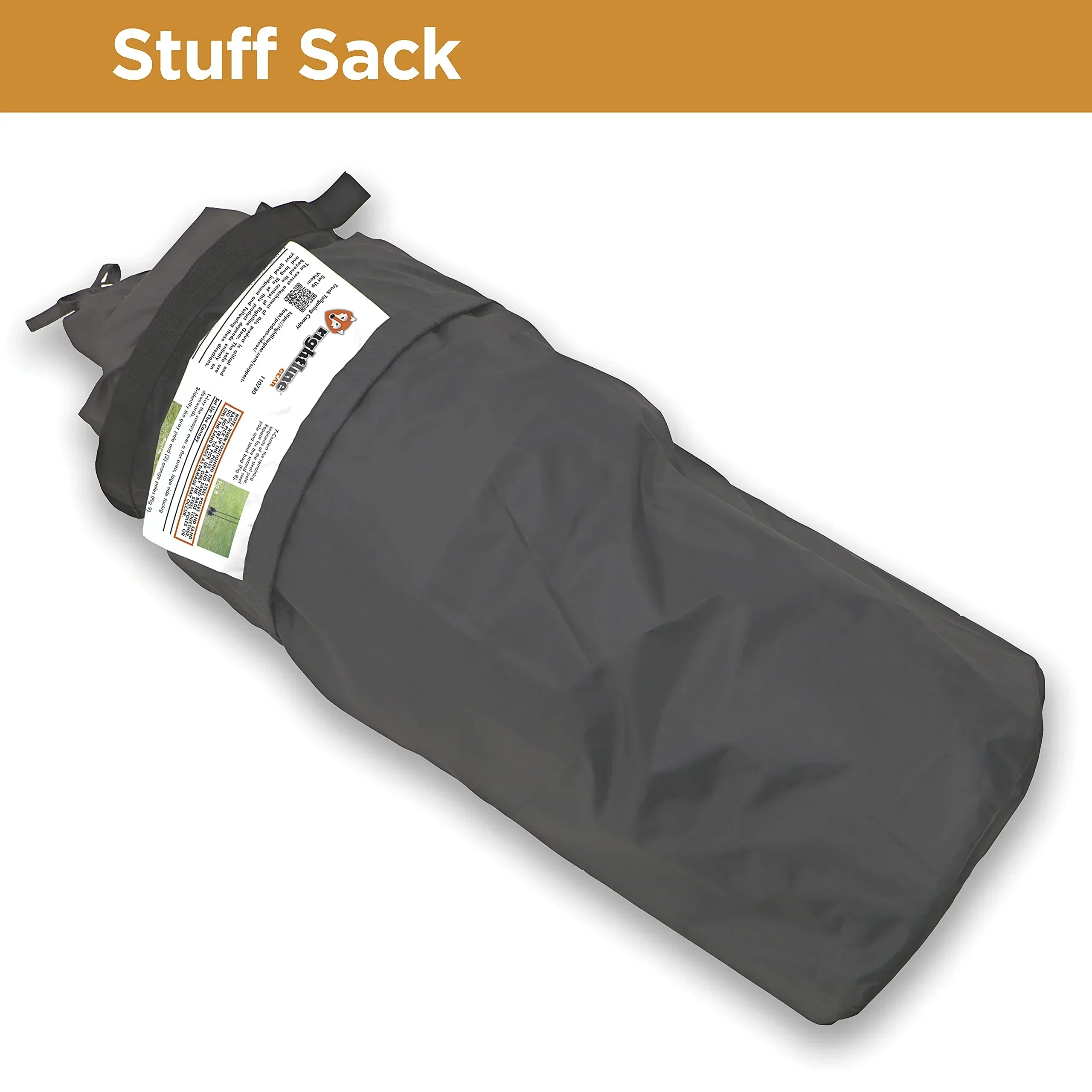
- Keeps the rain off: a Rightline Gear tailgate canopy clamps over the open bed to shed rain and dew without the cost or permanence of a topper - ideal for a tailgate-down setup.
- The upgrade path: a hard or soft topper is the all-weather answer if you camp often, but start with a pad and a canopy and see how much you actually need.
The overlander's order of operations: level the floor, then cover it. Comfort first, weather second, and you'll know fast whether you need a full cap.
One caveat from a bad night in real wind: a clamp-on tailgate canopy sheds rain and dew beautifully but it isn't built to fight a gust the way a hard cap is, so far from help I run a guy-line off the cab-side stake pocket down to a ground anchor to stop it lifting. The deep 21.4-inch sides do half the work for you here - they block low wind on their own - so a canopy only has to cover the gap from the rail up, which is exactly why a partial cover is enough for a lot of nights. If you're tailgate-down, size the canopy to overhang the open end, because that's where the weather gets at your feet.
Power your campsite: Pro Power Onboard from 2.0 to 7.2 kilowatts
This is where the F-150 pulls ahead of almost any camping vehicle. Ford's Pro Power Onboard puts real household power in the bed: a 2.0-kilowatt system on many gas trucks, a 2.4-kilowatt version standard on the PowerBoost hybrid, and an available 7.2-kilowatt system on the hybrid that adds four 120-volt outlets and a 240-volt outlet.
- 2.0 kW: two bed outlets - runs lights, a fridge, charging, small appliances.
- 2.4 kW (hybrid standard): similar loads with long runtime on a tank.
- 7.2 kW (hybrid option): genuinely runs a campsite - power tools, a compressor, even a small AC unit - the strongest factory power in any truck bed.
The honest caveat: this power comes from the engine or hybrid system running, not a silent house battery, so it's for daytime and short bursts, not idling all night. For quiet overnight loads, a portable battery still wins.
The detail that actually separates the 7.2-kilowatt system from every generator most campers haul is its 240-volt outlet - the four 120-volt outlets are convenience, but the 240 will feed a welder or run an RV's shore-power cord straight off the truck. Budget the fuel for it, though: pulling household loads through the engine or hybrid drinks a tank noticeably faster than idling ever would, and the truck cycles the engine on and off to keep the system fed, so it's genuinely a daytime, get-work-done tool rather than a silent overnight house battery. My own split is simple - Pro Power Onboard for the compressor, tools and cooking while the sun's up, a separate lithium pack for the fridge and lights after dark so nothing wakes the engine at camp.
Measure before you trust any bed chart
Bed charts are a starting point, not a spec for your truck. Before you buy a pad, a topper or a platform, take these four numbers in your own bed - ten minutes that saves a wrong purchase.
- Floor length: bulkhead to closed tailgate - your straight sleeping length.
- Wheel-well width: the pinch between the wells - the real two-pad ceiling.
- Diagonal: corner to corner on the floor, clear of the wells - your tailgate-up flat option.
- Tailgate-down length: floor plus the open tailgate - because the added length isn't officially published.
Write them down and take each twice. Those four numbers turn a generic bed chart into a plan that fits your exact F-150.
Two things that quietly throw the numbers off. Take the wheel-well width at the narrowest point - usually the front face of the well, not the middle - because that's the pinch a pad or a platform actually has to clear, and it's a hair tighter than the mid-well figure. Second, if you run a spray-in or drop-in bedliner, measure over the liner and knock a bit off both the 50.6 and the floor length, because a liner quietly steals a fraction of an inch everywhere it coats - enough to matter when you're already five inches short on a short bed. Measure with your pad in place if you can, since a lofty air mattress changes the height you have to work under a canopy.
The verdict on the F-150 as a truck-bed bed
The Ford F-150 makes a genuinely good truck-bed camper, with one thing to get right up front: which bed you have. The 6.5 and 8-foot beds fit a six-footer flat with the tailgate up; the popular SuperCrew's 5.5-foot bed needs the tailgate down or a diagonal. All three share 50.6 inches between the wheel wells - too narrow for a flat queen - and a deep, flat 21.4-inch floor that shelters you from the wind.
Know your bed length, measure the floor and the diagonal, level it with a pad, cover it with a canopy or topper, and the F-150 sleeps one easily - two with twin pads or an over-the-wells platform - with real household power in the bed.
Buy the bed length to your height if you can, and build to the numbers you measured. The full sleep setup lives in our how to sleep in a Ford F-150 guide; if you're cross-shopping trucks, our Ranger, Maverick and Ram 1500 bed breakdowns weigh the same length question.