
What to Consider When Choosing a Dog Car Harness for Comfort
Choosing a dog car harness for your furry copilot isn't just about aesthetics; it's about keeping them safe and comfortable on long trips or even just a quick run to the vet. My first attempt involved a bungee cord and a prayer, which, as you can imagine, didn't go well.
Choosing a dog car harness for your furry copilot isn't just about aesthetics; it's about keeping them safe and comfortable on long trips or even just a quick run to the vet. My first attempt involved a bungee cord and a prayer, which, as you can imagine, didn't go well. The real move is understanding what makes a harness actually work to prevent your dog from becoming a furry projectile in a sudden stop.
It's less about fancy stitching and more about physics and fit. Center for Pet Safety has done a ton of work here, and frankly, it's a relief to know there are folks out there testing this stuff so I don't have to learn it the hard way again. Nobody tells you how much a dog can move in a crash until you've seen it.
The honest version: get a harness that's actually designed for car safety, not just for walks.
The Core Answer
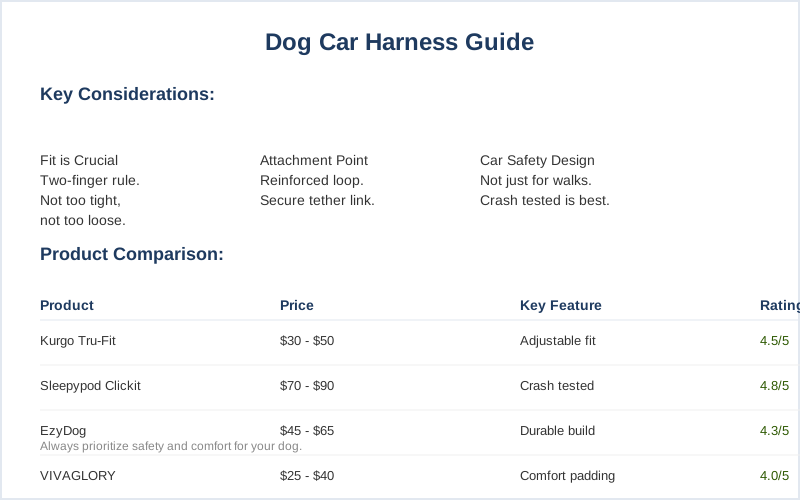
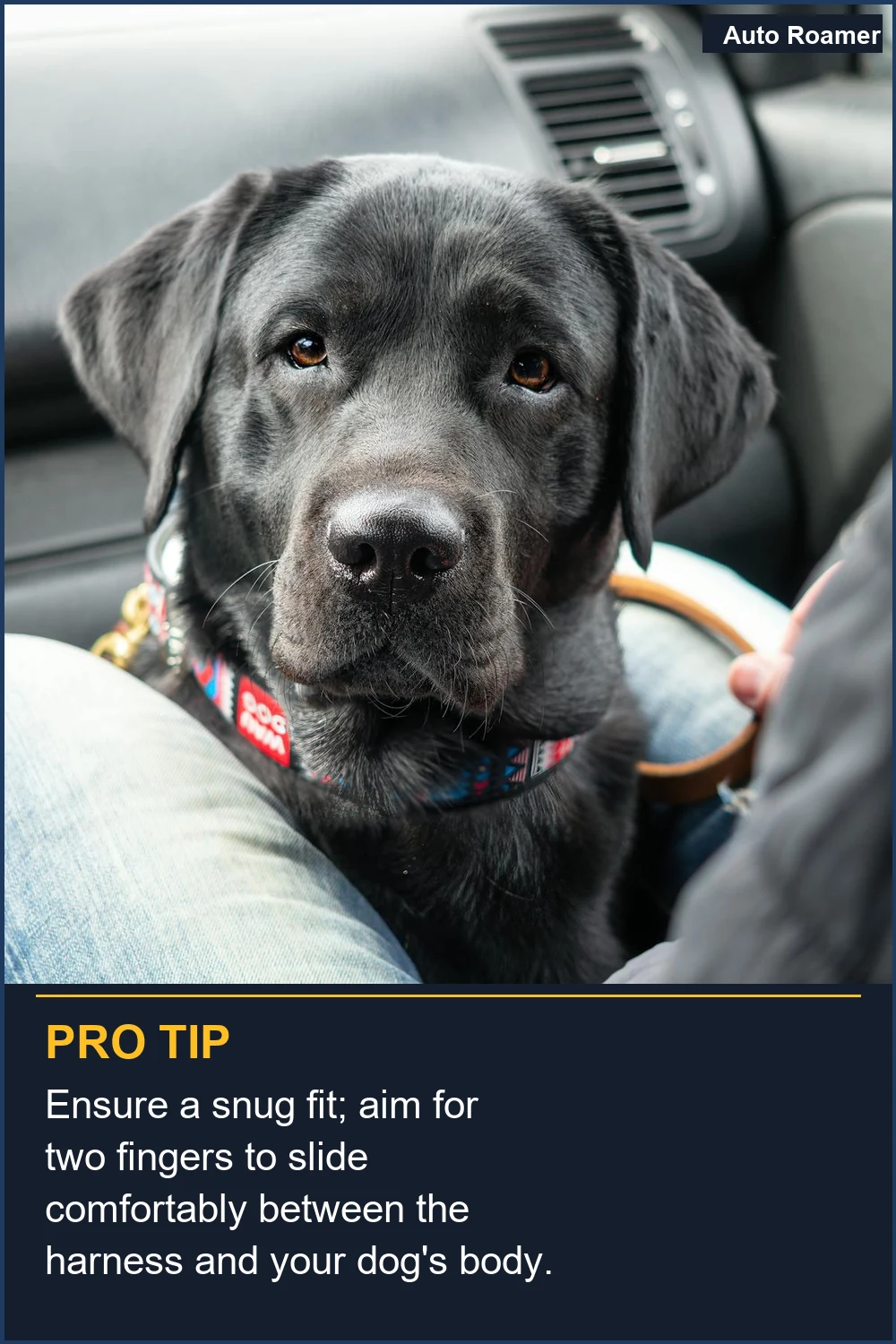
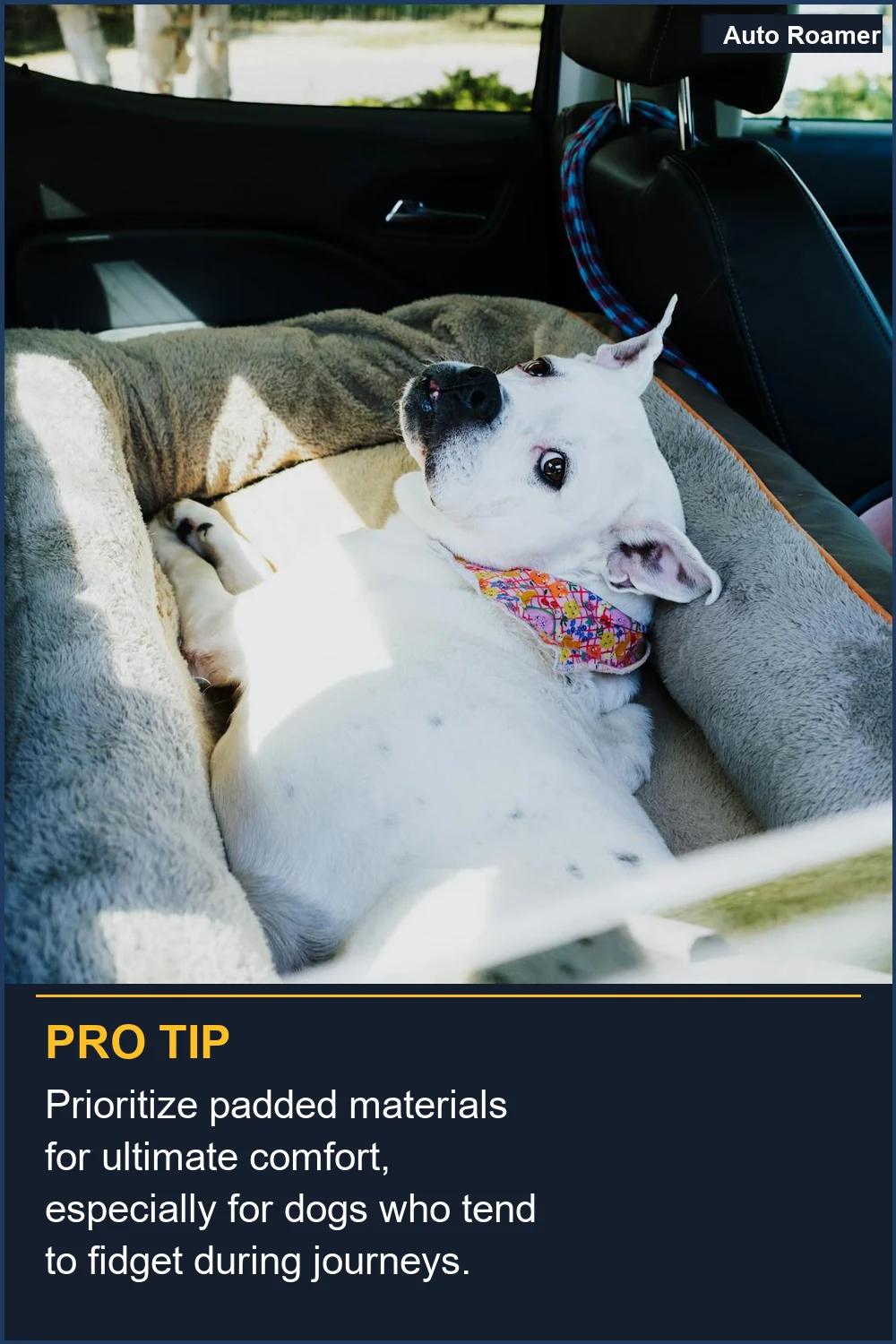
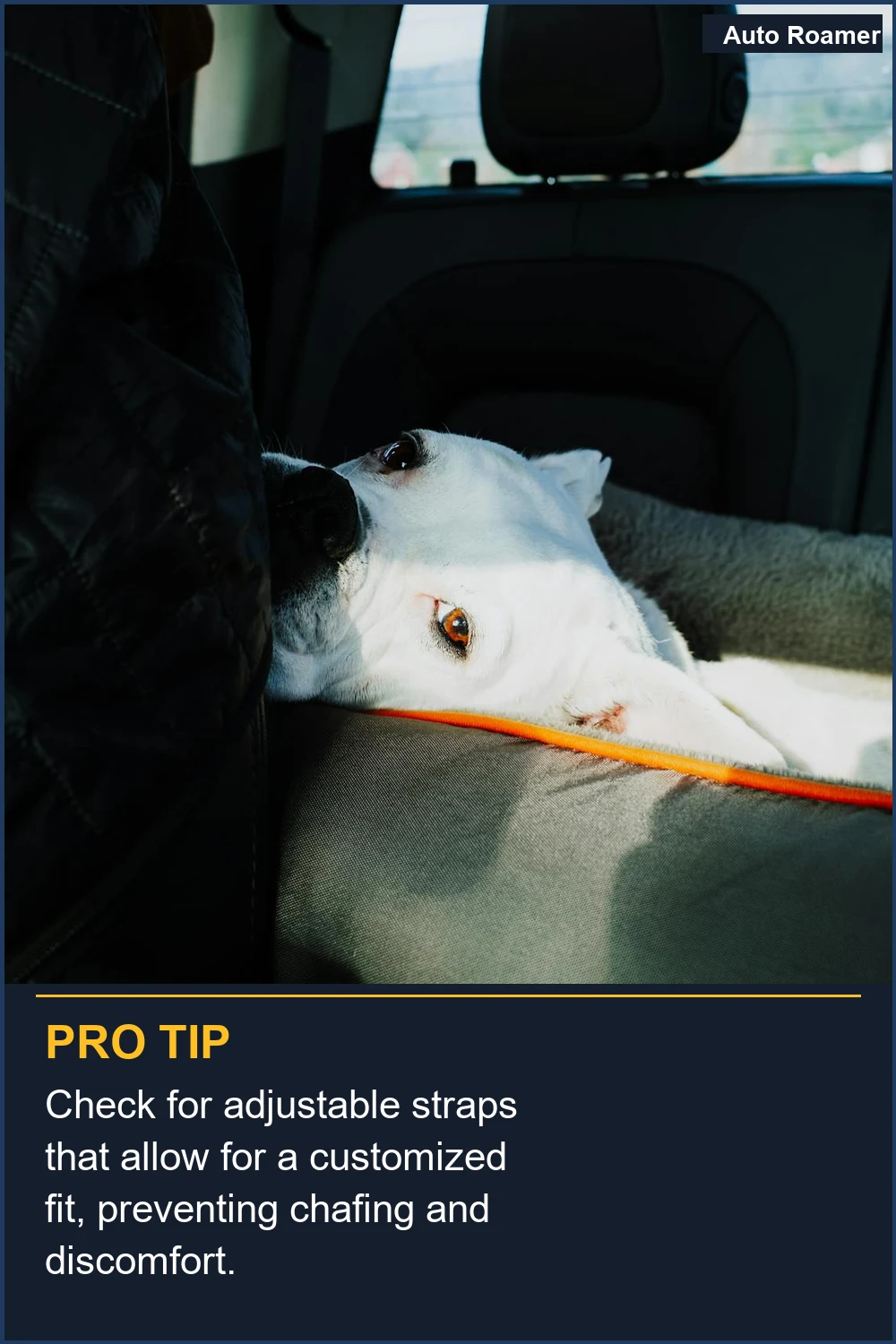
The core answer to comfortable and safe dog car travel boils down to a few key things that aren't always obvious when you're staring at a wall of options at the pet store. First off, fit is everything. You've probably heard the 'two-finger rule' - you should be able to comfortably slide two fingers between the harness and your dog's body Car and Driver. If it's too tight, your dog will be miserable on a long trip, and if it's too loose, it won't do its job in a real situation. I learned this the hard way with my first dog, a golden retriever named Max, who'd get chafed raw on trips to the mountains because I thought 'snug' meant 'barely hanging on'. Then there's the attachment point. Most harnesses designed for car safety have a specific loop or point that connects to a tether, which then clips into your car's seatbelt system. My rookie mistake was assuming any loop would do. Nope. A tether that attaches to a reinforced point on the harness, and then securely to your car's seatbelt anchor, is the game-time move. This prevents your dog from being thrown forward or sideways. The Center for Pet Safety emphasizes that a tether is crucial for preventing driver distraction too, which is a solid point. I once had a dog trying to climb into my lap because his harness was just a glorified leash attachment. Not ideal for a highway speed. Material and padding also play a huge role in comfort. Think about where the straps cross your dog's body. Are they digging in? Is there any padding on the chest or around the neck? My second dog, a terrier mix named Daisy, is a nervous traveler. If the harness has stiff, unpadded straps, she'll pant and try to wriggle out the entire trip. The honest version: look for wider straps and some form of padding, especially around the chest and armpits. It's not about luxury; it's about preventing pressure points on long journeys. I saw a forum post once from someone whose dog developed sores from a poorly designed harness on a cross-country trip. That's the kind of thing you want to avoid. Finally, consider your dog's temperament and your vehicle. Some dogs panic if they feel too restricted. In those cases, a harness that allows a little more movement within the tether's range might be better, as long as it's still safely anchored Whole Dog Journal. If you have a smaller car, you might need a harness that works well with a seatbelt extender or a specialized car seat. My old Honda Civic hatchback was a tight squeeze, so I had to be picky about how everything fit without sacrificing safety. The $50 version of a harness might look fine, but if it doesn't address these core comfort and safety points, you're just wasting money.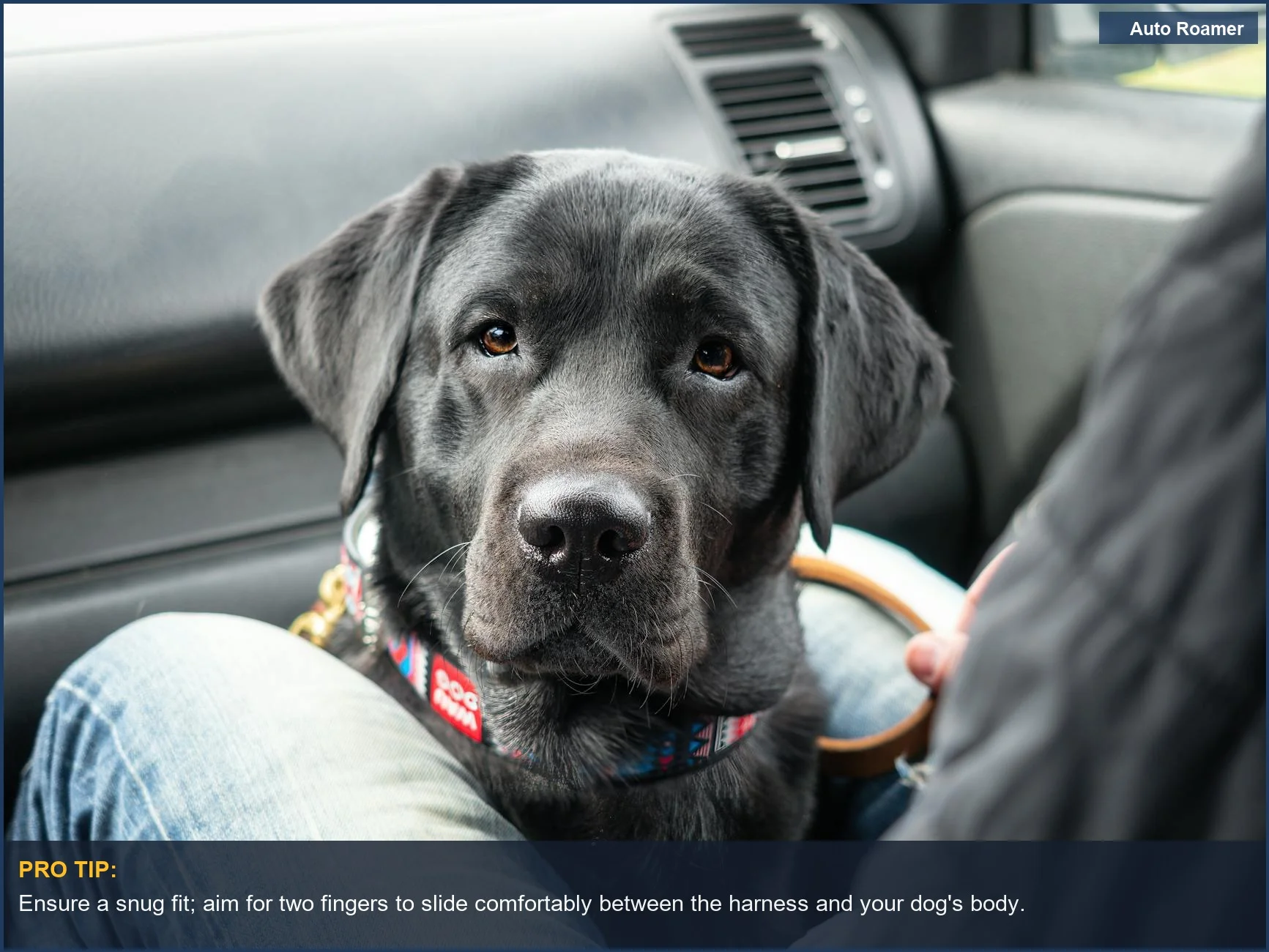
Why This Matters for Your Setup
Why this matters for your setup is simple: a comfortable dog is a safe dog, and a safe dog means a safer you. My first road trip with my dog involved him constantly trying to get into my lap because his 'harness' was basically just a glorified collar with a leash clip. That was a $20 mistake that could have cost a lot more. Consumer Reports has highlighted how crucial this is. Here's the breakdown of why this isn't just about avoiding a barking nuisance: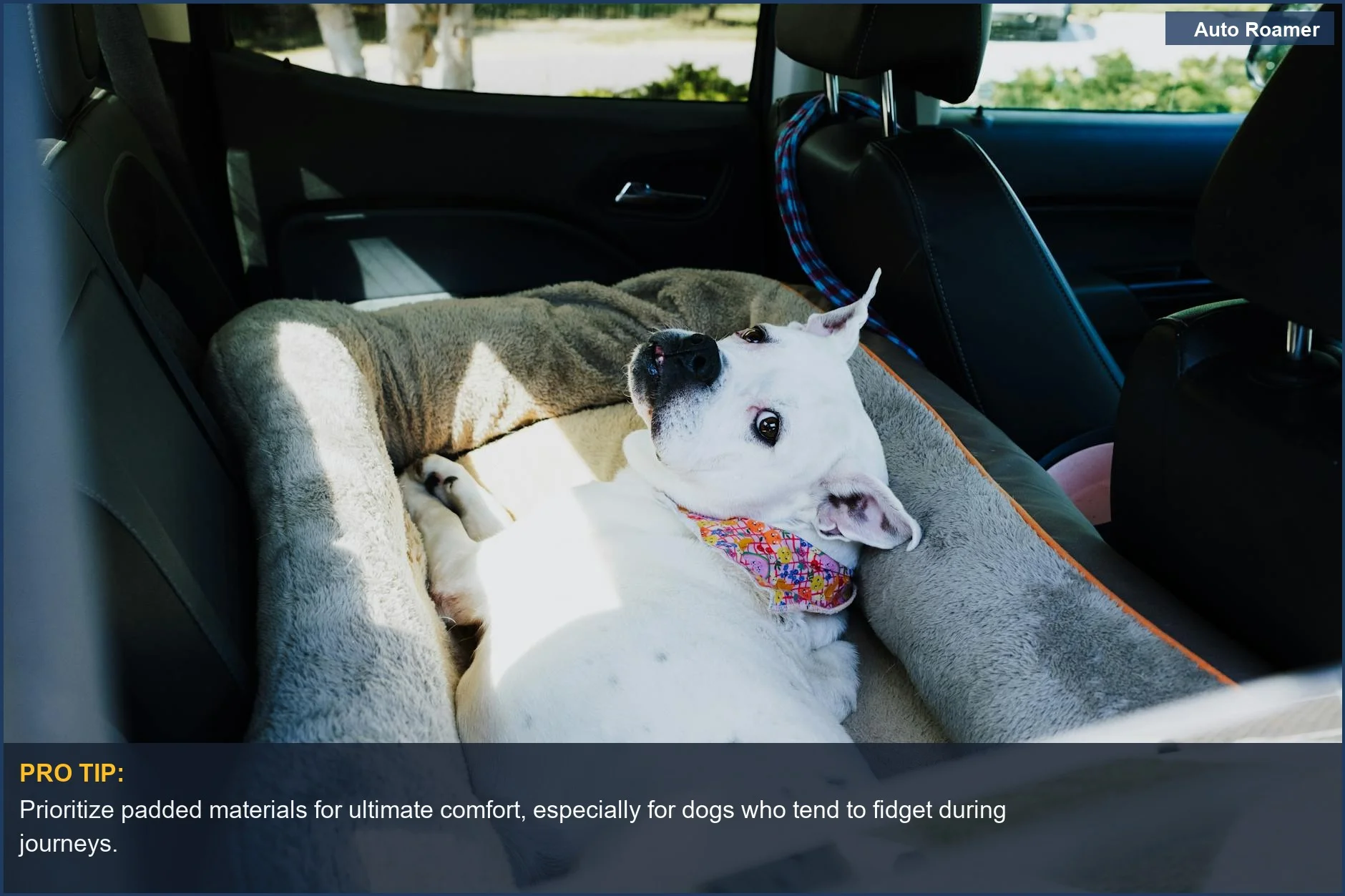
Making the Right Choice
Making the right choice for your dog's car harness is less about finding the 'best' and more about finding the 'right' one for your specific dog and vehicle. My own trial-and-error taught me that. Remember, this isn't just about a walk to the park; it's about safety in a moving vehicle. Here's the final field notes: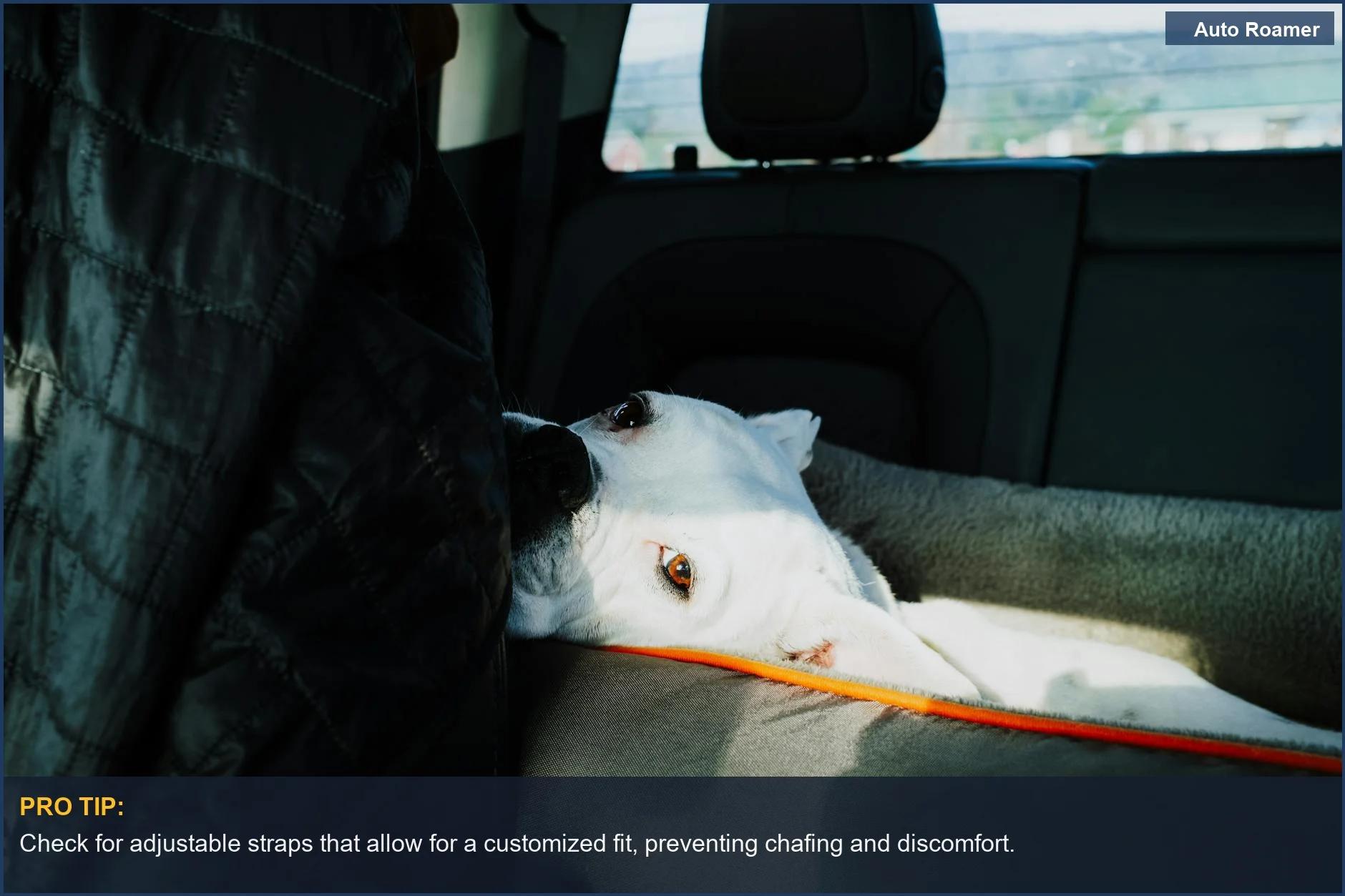
Frequently Asked Questions
I saw a fancy-looking harness online for $150, but I can get a basic walking harness for $20. Is the $150 one really worth it, or is that just for show?
Do I really need a special tether, or can I just clip my dog's regular leash to the harness and then to the seatbelt buckle?
What if I get a harness that fits perfectly and seems secure, but my dog still freaks out and tries to get out the whole trip?
Can wearing a poorly fitting car harness for a long time permanently damage my dog's spine or posture?
I heard that some dogs can just 'unbuckle' their own harnesses if they twist around enough. Is that true, or is it just a myth?
🏅 Looking for Gear Recommendations?
Check out our tested gear guides for products that work with this setup:
Sources
- How to Select a Harness - Center for Pet Safety
- Best Dog Harnesses and Carriers for Travel - Consumer Reports
- What car safety harness to get? : r/dogs - Reddit
- Best Dog Car Seats and Restraints for 2026, Tested - Car and Driver
- Dog Car Harnesses Review - Whole Dog Journal
- How to choose the best dog seat belt and car harness
- The Importance of a Dog Car Harness - Dog Friendly Co.