
Where to Start
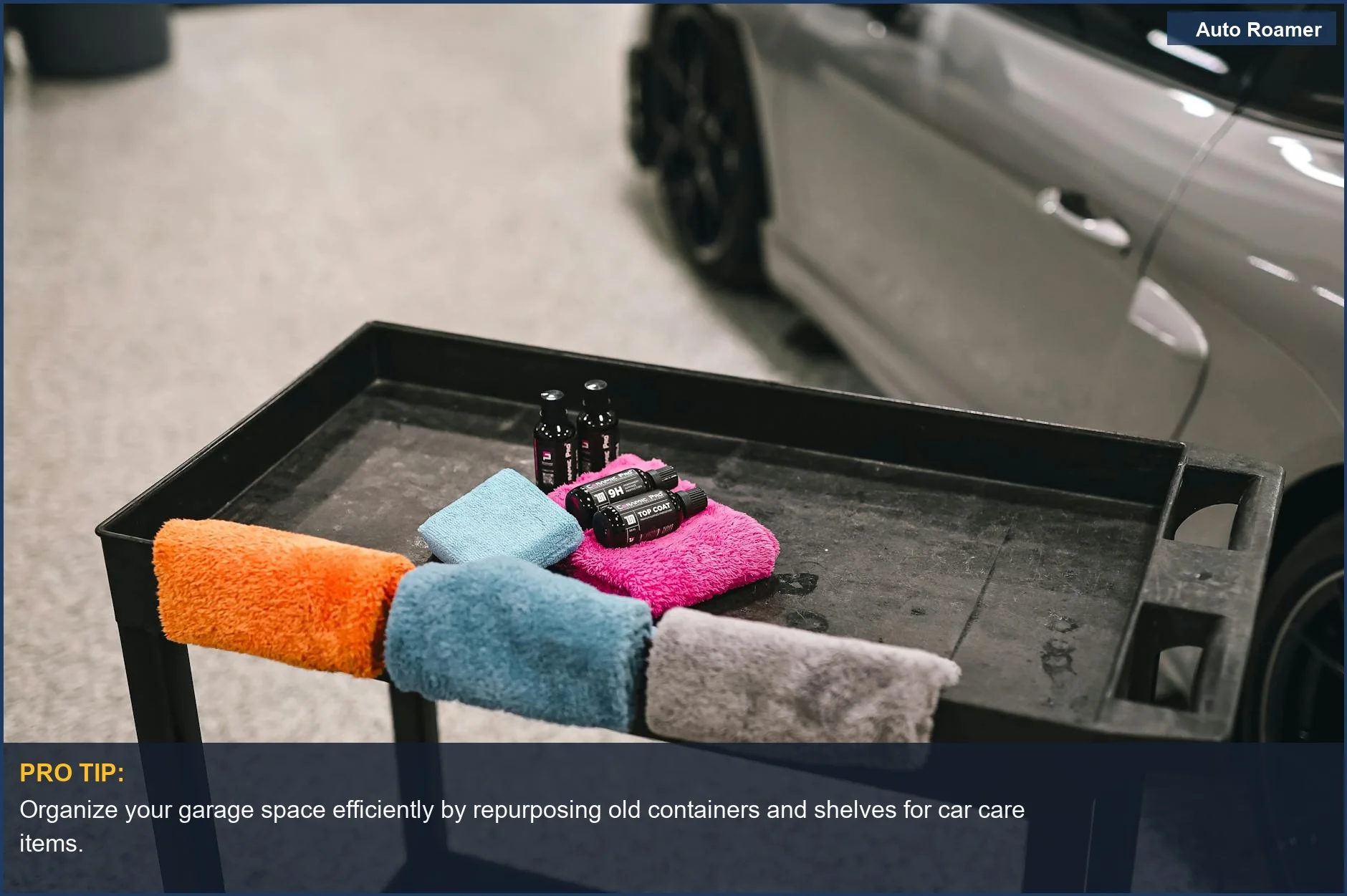
A first car camping trip teaches that 'accessories' don't have to mean fancy gadgets. It can be a $4.99 plastic tote from Target keeping snacks from rolling all over the backseat. Turns out, you can cobble together some seriously useful stuff for your ride using things already lying around your house. No need for those '3 Car Accessories You Didn't Know You Needed' videos that just want you to buy more junk.
The real move is making what you've got work for you. I'm talking about the stuff that actually makes your life easier, not just empties your wallet on '62 Best Car Accessories For 2026'.
The Short Answer
DIY car accessory hacks using household items work because most car problems aren't complex engineering failures; they're just minor inconveniences waiting for a simple solution. You're not rebuilding an engine here. You're trying to keep your coffee from spilling.
It's a classic case of over-engineering versus practical application. Car manufacturers design for a broad market, not your specific need to keep a rogue dog toy from rolling under the brake pedal. My 2017 Forester, bless its heart, has cupholders that are too shallow for a Nalgene. That's not a design flaw, it's an opportunity.
What nobody tells beginners is that half the expensive 'car organizers' you see online are just glorified plastic bins. You can get the same functionality for $1 at the Dollar Tree. I saw a TikTok video demonstrating this with a shower caddy. Brilliant.
Your car's interior is basically a series of pockets and flat surfaces. The goal of any accessory is to make those pockets hold things better or to create new, temporary flat surfaces. Think about it: a phone mount is just a way to hold your phone where you can see it. A bungee cord can do the same thing in a pinch.
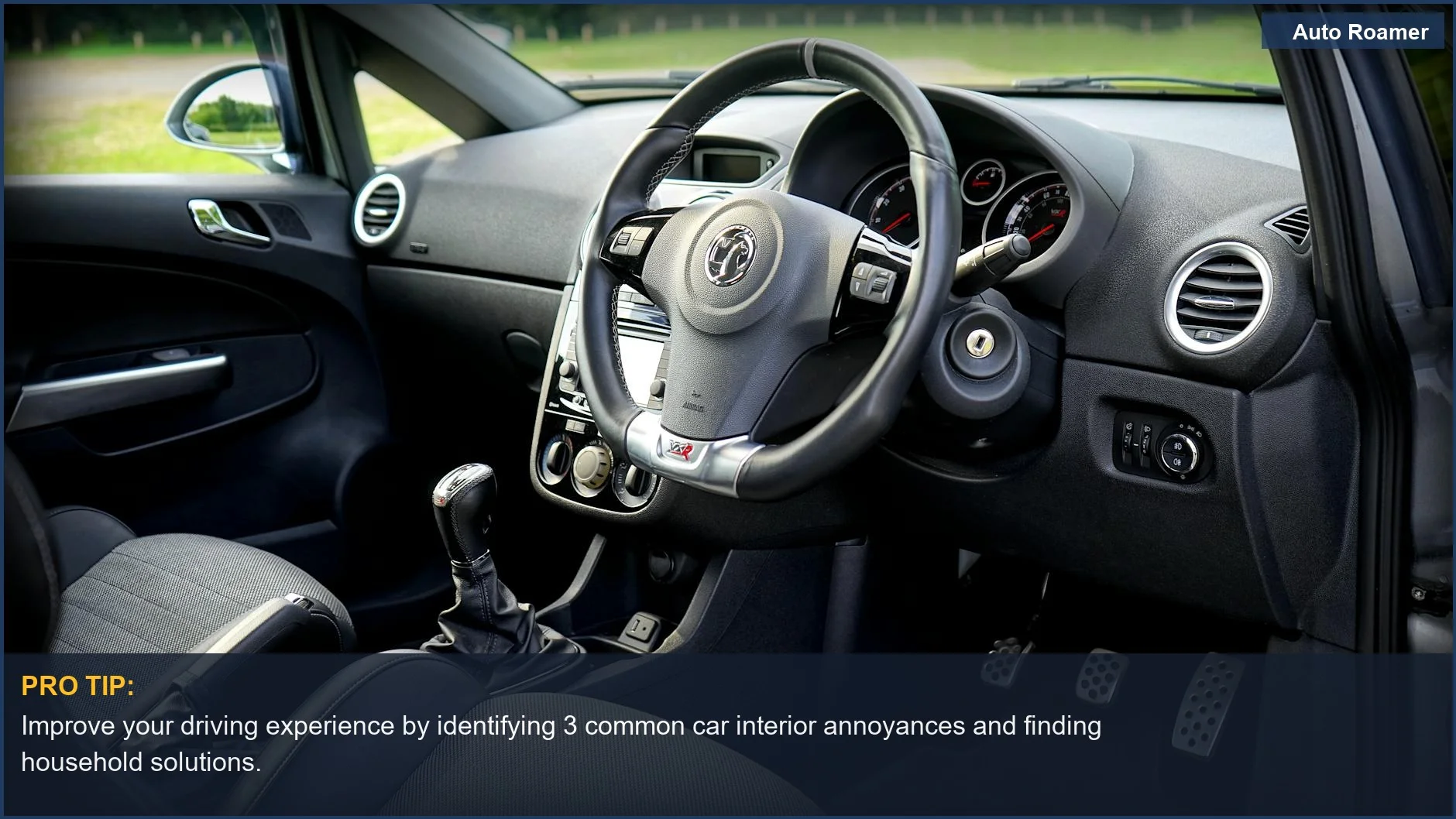
It's about identifying the pain point - the spilled drink, the lost pen, the rattling grocery bag - and then looking at household items through the lens of 'how can this solve that?' A simple first attempt at a car garbage can is a plastic grocery bag tied to the passenger headrest. It works for a weekend, even if it looks like a sad flag.
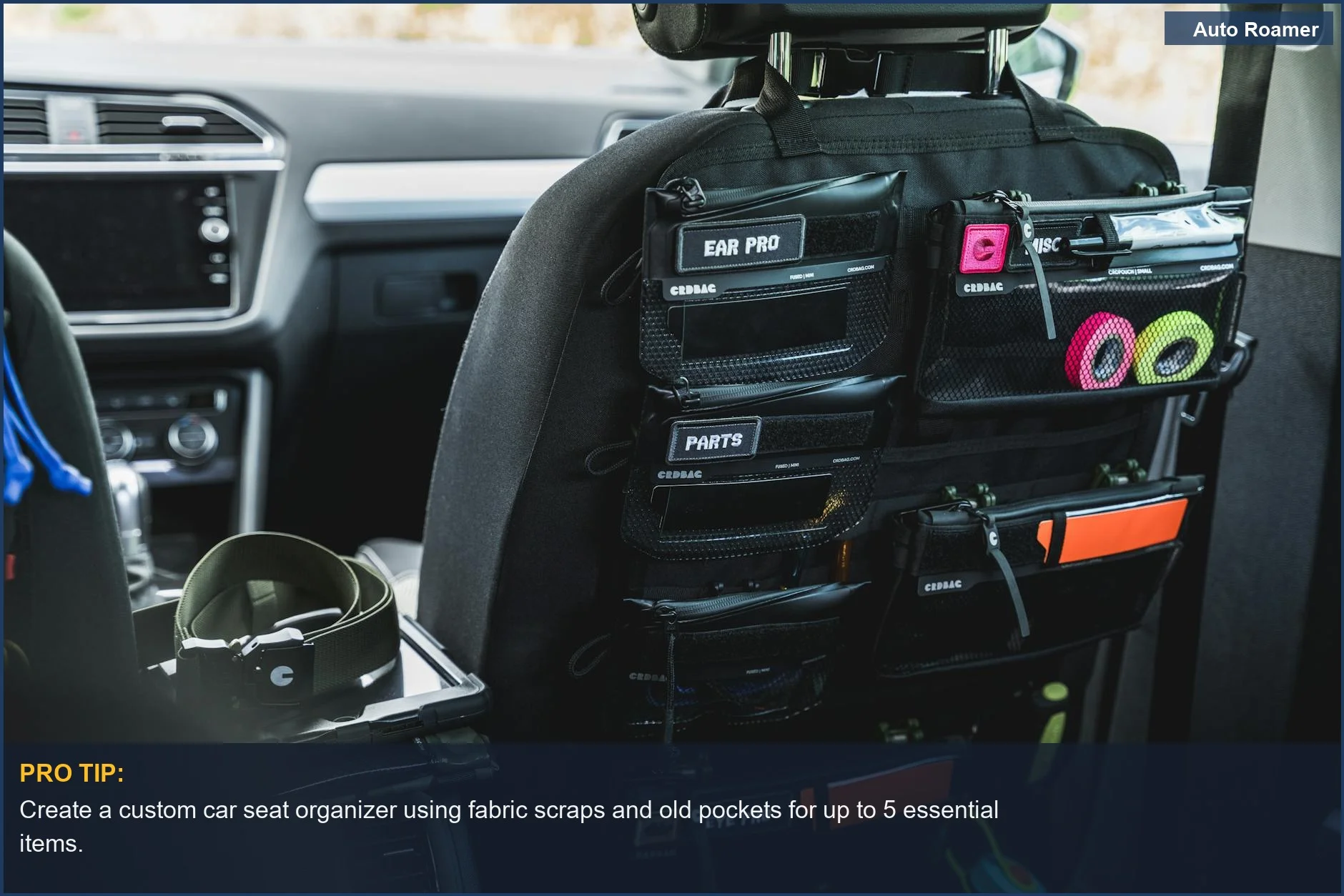
Most commercial car accessories are designed to look slick, not necessarily to be the most functional or cost-effective. The $50 version of a trunk organizer is often just a fancier version of three laundry baskets taped together. The honest version: the laundry baskets work just as well, and you probably already own them. Facebook is full of these dollar store hacks.
The Reality Check
The reality is, a lot of car 'problems' are just organizational challenges, not mechanical ones. We're talking about coffee cups tipping, groceries sliding around, or trying to find a place for your phone. These aren't issues that require a certified mechanic or a trip to the dealership. They require a bit of creativity.
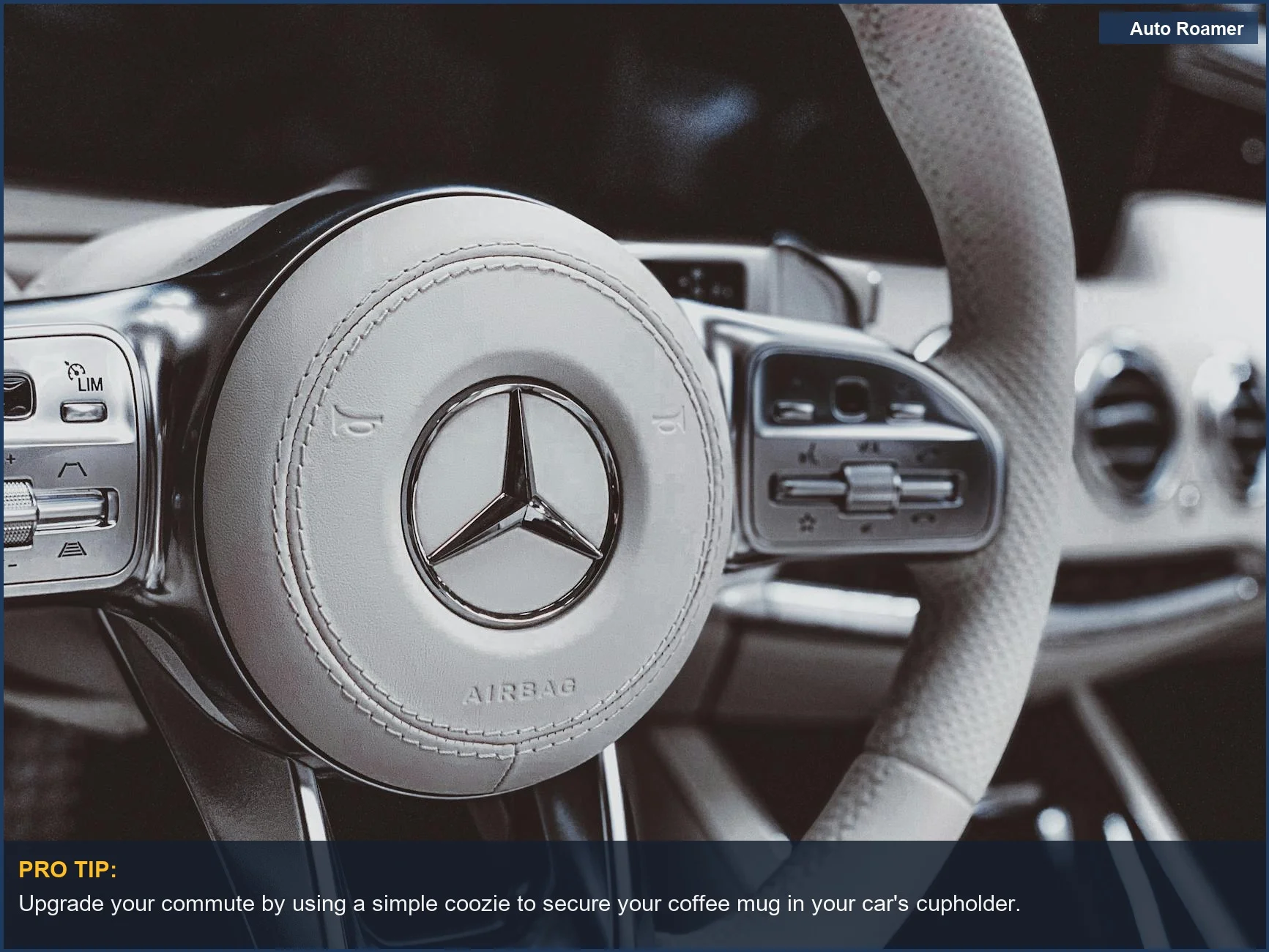
Take the humble cupholder. Most cupholders are good for a soda can, but anything taller, like a 20oz coffee thermos, rocks around like a boat in a storm. The fix doesn't need to be a custom-molded insert. A rolled-up sock or a coozie does the job just fine to snug up the fit. It's a $0 solution.
Then there's the 'where do I put my phone?' dilemma. Forget those expensive magnetic mounts that might mess with your phone's compass or the suction cup ones that inevitably fall off on a hot day. A simple rubber band wrapped around a vent slat can create a surprisingly secure temporary holder for a few hours. It won't win any design awards, but it's effective.
Keeping your trunk tidy is another common battle. Those fancy cargo nets or rigid organizers can cost $30-$100. My solution for years was just using old laundry baskets. They're already open, stackable, and usually free. I'd put groceries in one, camping gear in another. Brilliant engineering.
Valley Driving School mentions using old windshield wiper blades as squeegees. This isn't just about saving money; it's about repurposing something you'd throw away. My old blades sit in my trunk and are perfect for morning dew. They still have some life for light work.
Here's how some common car annoyances can be addressed with stuff you already have:
| Component | How It Fails | Symptoms | Fix Cost |
| Cupholder | Too wide for many drinks | Spilled coffee, rattling bottles | $0 (sock/coozie) |
| Trunk organization | Items slide, roll around | Broken eggs, lost gear | $0-$5 (laundry basket) |
| Phone mount | Expensive, falls off, blocks view | Distraction, phone on floor | $0 (rubber band/vent) |
| Windshield clarity | Morning dew, light rain streaks | Reduced visibility, smudges | $0 (old wiper blade) |
| Trash receptacle | No dedicated spot, messy | Loose wrappers, sticky floors | $0-$1 (plastic bag/cereal box) |
My 2017 Honda CRV has a surprisingly large center console, but it's just a big, dark pit. A small plastic bin that once held art supplies can fit perfectly, turning one big pit into two organized sections. Cost: $0, because it was already in my garage. No need for a 'GENIUS Car Organization Hack' from YouTube.
How to Handle This
- Identify Your Car's Annoyance: Before you start hoarding household items, figure out what actually bugs you. Is it the constant search for a pen? The way your groceries tumble during a hard stop? For me, it was always the sunglasses. They'd either be on my head, getting scratched, or lost in the abyss of the center console. My rookie mistake was trying to fix everything at once. Pick one problem.
- Scout Your House for Solutions: Take a walk through your kitchen, bathroom, and junk drawers. Look at items not for their intended purpose, but for their shape, material, and potential. An old cereal box can be a temporary trash can. An empty coffee can could hold loose change. A small plastic food container makes a handy glove-box organizer for registration and insurance cards.
Kelley Blue Book suggests using household items for cleaning, but the principle applies to organization too.
- Test the Fit and Function: Don't just assume it works. Put that yogurt cup in your cupholder. See if that rubber band holds your phone. Drive around the block. A shoebox works as a makeshift trunk organizer in a pinch. It looked great when empty, but the second I put groceries in it, it collapsed. Field notes: cardboard is not structural.
- Secure It (If Necessary): Some items will just sit there. Others might need a little help. Double-sided tape, Velcro strips, or even a bungee cord can be your best friends. For my sunglasses, I now use a cheap clip from a dollar store that attaches to the visor. Cost: $1. It's not fancy, but it holds them securely and within reach. Instagram reels show similar simple solutions.
- Iterate and Improve: Your first hack might not be perfect. That's okay. A grocery bag as a car trash can works, but looks terrible. My second was a small plastic container with a lid, which was better. My third was a collapsible fabric bin. Each iteration was an improvement based on what I actually used and what bothered me about the last version. This isn't a one-and-done deal.
It's a continuous process of making your car work better for you.
What This Looks Like in Practice
- The Coffee Commute Crisis: My 2014 Mazda 3 has cupholders that are just a hair too wide for my standard travel mug. Every bump meant a slosh. Instead of buying a $15 cupholder adapter, I now just slide a spare coozie over the bottom of my mug. Snug fit, zero spills. Total cost: $0, since I had a dozen coozies from various events.
- The Rolling Grocery Gauntlet: Drive home from the store, hit a speed bump, and you may hear the distinct crunch of a dozen eggs. Two $3 laundry baskets from Walmart in the trunk keep groceries contained. Groceries go in, stay put. The '20 Car Life Hacks' video mentions this, and it's a game-changer.
- The Lost Phone Phenomenon: A phone slides off the passenger seat on every sharp turn down a winding road. If you don't want a permanent mount, the real move: place your phone in a small, empty tissue box on the passenger seat. It's just deep enough to keep it from sliding, and it's easy to grab. Cost: $0, because who doesn't have an empty tissue box?
- The Sticky Dash Disaster: I'm guilty of eating in the car. Crumbs and sticky residue were a constant battle. Instead of dedicated car-cleaning wipes, keep a small pack of unscented baby wipes in the glove box. They're gentle enough for most surfaces and tackle sticky messes without leaving residue. TikTok has similar cleaning hacks using household items.
- The Sun Glare Struggle: Older cars often have terrible sun visors. They were too short. A cheap $2 binder clip can hold a piece of dark cardboard to the visor. It extended the coverage by 3 inches, blocking the glare perfectly. The $50 version would have been a new visor, if I could even find one.
Mistakes That Cost People
- Over-Complicating the Fix: Thinking every problem needs an elaborate solution. A custom phone mount out of PVC pipe and spray paint is more trouble than it's worth. It took 4 hours and looked like a science project. The real move is often the simplest one, like a rubber band or a small bin. Don't be like me.
- Using the Wrong Material: Thinking any tape will work for any job. Regular Scotch tape won't hold a loose interior trim piece for long. It peels off in the heat within the hour. You need actual automotive tape or strong double-sided foam tape for anything structural. Mr Key warns against using the wrong materials.
- Ignoring Safety: Blocking airbags, obscuring visibility, or creating projectiles. Duct-taping a tablet to the dashboard right over the passenger airbag is a disaster waiting to happen. Brilliant. Your DIY hacks should never compromise safety. Always think about what happens in a sudden stop or accident.
- Making Permanent Changes: Drilling holes, using super glue on visible surfaces. Super glue a coin holder to the dash of a brand new Tacoma, and removing it can rip off a chunk of the dash finish. Rookie mistake. Stick to reversible or non-damaging methods.
- Underestimating Heat/Cold: Plastics warp, adhesives fail. That cheap plastic bin you put on your dashboard will likely melt and off-gas in direct summer sun. Your phone's battery will drain faster in sub-freezing temps if left exposed. Consider the environment inside your car.
- Not Testing: Assuming a hack will work without trying it in real-world conditions. My shoebox trunk organizer failed because I didn't test it with actual groceries. Drive with it, brake with it, hit a pothole. See if it holds up.
Key Takeaways
The biggest takeaway from my years of car camping and daily driving is that you don't need a massive budget to make your car more functional. The best car-camping lessons are about making do with what you have. The same applies to car accessories.
- Start with a specific problem: Don't try to 'organize' your whole car at once. Pick one thing that annoys you daily.
- Look to your home first: Before buying anything, see what household items can be repurposed.
Old containers, rubber bands, even socks have solved many of my car's 'problems'.
- Prioritize safety and reversibility: Your hacks should never block your view, interfere with airbags, or cause permanent damage to your vehicle's interior.
- Embrace trial and error: Your first solution might not be perfect. That's part of the process. Keep tweaking until it works for you.
TikTok organization hacks are a great starting point for inspiration, but make them your own.
- The $50 version isn't always better: Often, the cheapest, simplest solution is the most effective. A $0 coozie hack for a coffee mug beats any fancy cupholder insert. The authority here comes from what actually works, not marketing.