
Dash Cam Field of View: Why It Matters When Towing an RV or Trailer
The view out your windshield when you're towing a big RV is basically a giant blind spot with a trailer attached. This isn't just about spotting that minivan trying to merge; it's about seeing what's happening a football field behind your rig.
The view out your windshield when you're towing a big RV is basically a giant blind spot with a trailer attached. This isn't just about spotting that minivan trying to merge; it's about seeing what's happening a football field behind your rig. A dash cam's field of view, or FOV, is the crucial number that tells you how much of that drama it can actually capture.
Think of it like trying to watch a parade through a mail slot versus standing on a hill. My first trailer trip, I had no idea how much I was missing behind me. Dash cams are designed to record what's happening in front of your vehicle, and that angle matters a lot when you've got 30 feet of trailer blocking your rearview mirror. These devices are becoming standard for a reason: evidence and safety.
Understanding FOV is the first step to not getting blindsided, literally. I learned that the hard way in Arizona, during a dust storm. Couldn't see squat behind me for 10 minutes. Brilliant.
The Core Answer
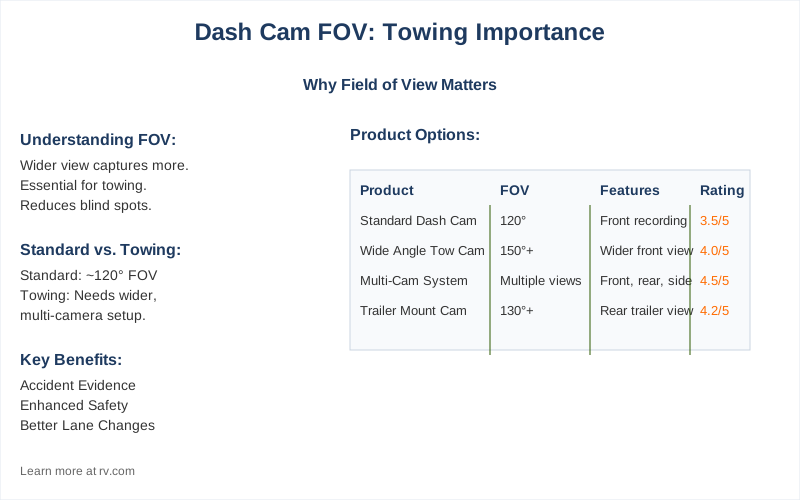
The core answer here is that when you're towing, you need way more than just a basic dash cam. Most standard units have a field of view around 120 degrees . That's fine for a regular car, but with an RV or trailer, your entire rear view is compromised. The real move is to look for systems designed for towing, which often means multiple cameras. These setups can give you a wider angle, and critically, a camera on the back of your trailer. This isn't just for accident evidence; it's for everyday driving. Trying to change lanes on a busy highway when you can't see who's coming up behind your 40-foot rig is asking for trouble. Those massive blind spots mean you need eyes everywhere. A wider FOV on your front camera helps catch more of the road ahead and to the sides, but a rear-facing trailer camera is where the real game-time advantage is. I saw a guy on a forum nearly take out a motorcycle because he only had a front-facing cam and couldn't see it in his side mirror's blind spot. That's a rookie mistake you don't want to make. The honest version: you need to see what's going on *around* and *behind* your trailer, not just what's in front of the tow vehicle. A wider FOV on the front camera can help, but it's not a substitute for dedicated trailer coverage. It's the difference between being able to react and just hoping for the best. Think of it as upgrading from a peephole to a panoramic window. Some people try to hide their cameras, but when you're towing, visibility is the name of the game.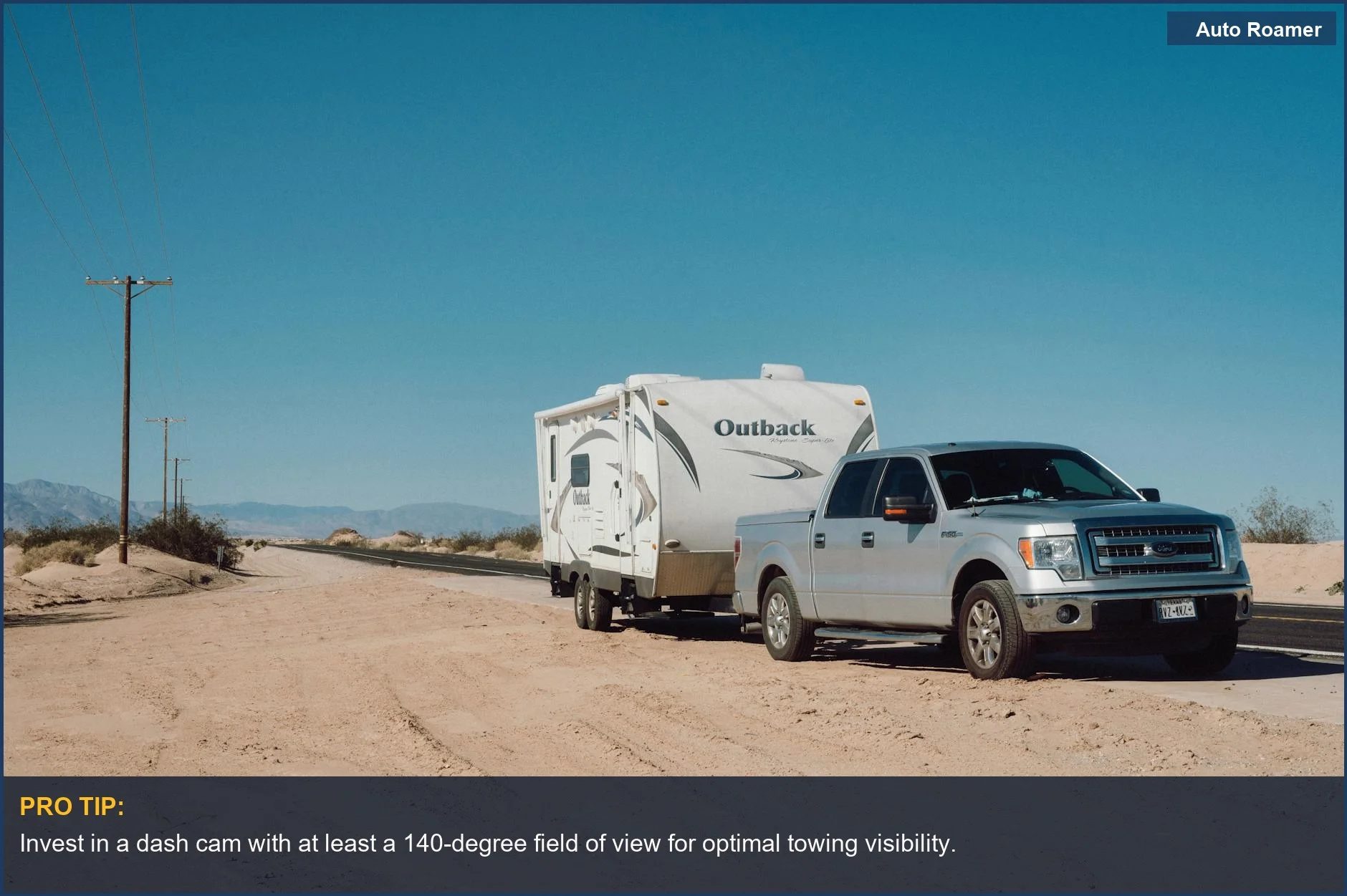
Why This Matters for Your Setup
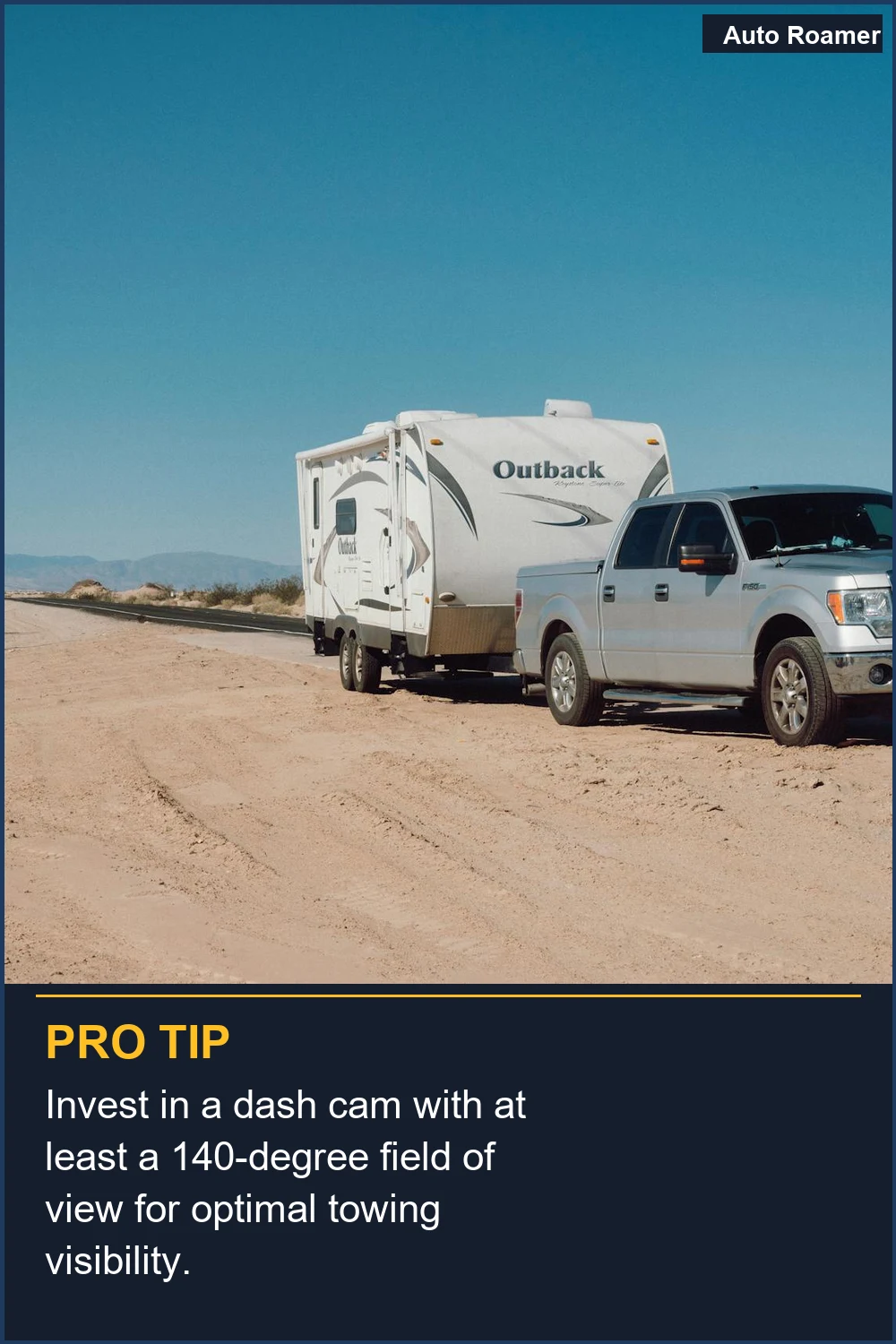
Why does all this matter when you're wrestling a 30-foot trailer down I-70? Because your normal car camera is basically useless.- Limited Rear Visibility: When you hook up a trailer, your rearview mirror becomes a giant metal decoration. A camera with a wide FOV, especially one mounted on the trailer itself, acts as your new rearview mirror. This is critical for lane changes and general awareness. I once tried to back into a campsite in Moab with just my mirrors, and I swear I almost took out a picnic table.
- Blind Spot Annihilation: Towing creates massive blind spots on both sides. A wider FOV on the front camera can help you see cars trying to sneak up beside you, but dedicated side cameras are even better. It's like having extra eyes you didn't know you needed.
- Accident Evidence: If the worst happens, you need proof. A standard dash cam might catch the initial impact, but a system with wider coverage can capture the lead-up and aftermath, showing how the other driver acted. This is invaluable for insurance claims. I saw a post where someone's dash cam footage saved them thousands after another driver claimed they were cut off.
Making the Right Choice
So, what's the takeaway for your RV setup? Don't just grab the cheapest dash cam you see.- Prioritize Coverage: When looking at dash cams for towing, FOV is king. Aim for the widest you can find, especially if it includes options for trailer-mounted cameras. Don't skimp here.
- Think Multi-Camera: Many systems offer front and rear cameras, or even multiple trailer cams. This is the real move for towing visibility. It's like upgrading from a flip phone to a smartphone for your driving view.
- Evidence is Everything: Beyond safety, dash cams are your best friend in a dispute. Wide-angle footage provides objective evidence that can save you headaches and money. It's peace of mind on wheels.
Frequently Asked Questions
If I buy a basic dash cam for $50, and then pay a shop $150 to install it, isn't that basically the same as buying a $200 system that comes with a trailer camera?
Do I really need a fancy wide-angle dash cam, or can I just use my phone mounted on the dash?
What if I get a wide-angle dash cam, but I still can't see that car trying to pass me on the right when I'm towing?
Can using a cheap, poorly installed dash cam actually damage my RV's electrical system?
I heard you can just use a rearview camera system instead of a dash cam for towing. Is that true?
🏅 Looking for Gear Recommendations?
Check out our tested gear guides for products that work with this setup:
Sources
- SOMETHING HAD TO GO ON THE DASH OF OUR TOW VEHICLE
- Do you NEED a 4k Dashcam in your RV? // Viofo A139 ... - YouTube
- RV Dash Cam for Towing Safety: BlackSeries 2026 Guide
- Do you use a dash cam when traveling with a travel trailer?
- outdoorsy.com
- Dash cams | Keystone Forums
- Why You Should Have a Dash Cam in Your RV
- RV Dash Cam for Towing Safety: Mars Guide