
How to Choose the Right Size Cooler for Your Car Camping Trip
Choosing the right cooler size for car camping isn't just about fitting more beer; it's about not having your groceries turn into a science experiment by day two. My first trip, I crammed a 3-day supply for two people into what I thought was a decent-sized cooler.
Choosing the right cooler size for car camping isn't just about fitting more beer; it's about not having your groceries turn into a science experiment by day two. My first trip, I crammed a 3-day supply for two people into what I thought was a decent-sized cooler. By Sunday morning, the milk was questionable and the chicken looked like it had staged a rebellion. That Reddit thread showed me I wasn't alone in my rookie cooler mistakes.
It's a balance between space, ice retention, and how much you can actually haul. Figuring this out before you pack saves you from lukewarm disappointment and potential food poisoning.
The Core Answer
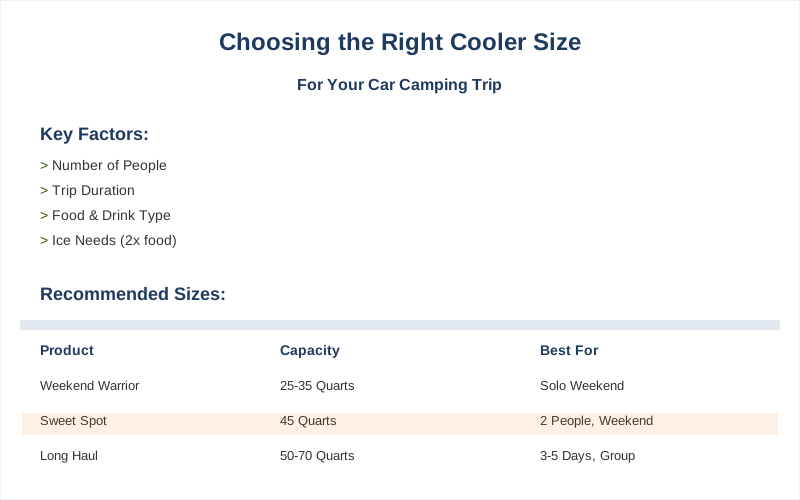
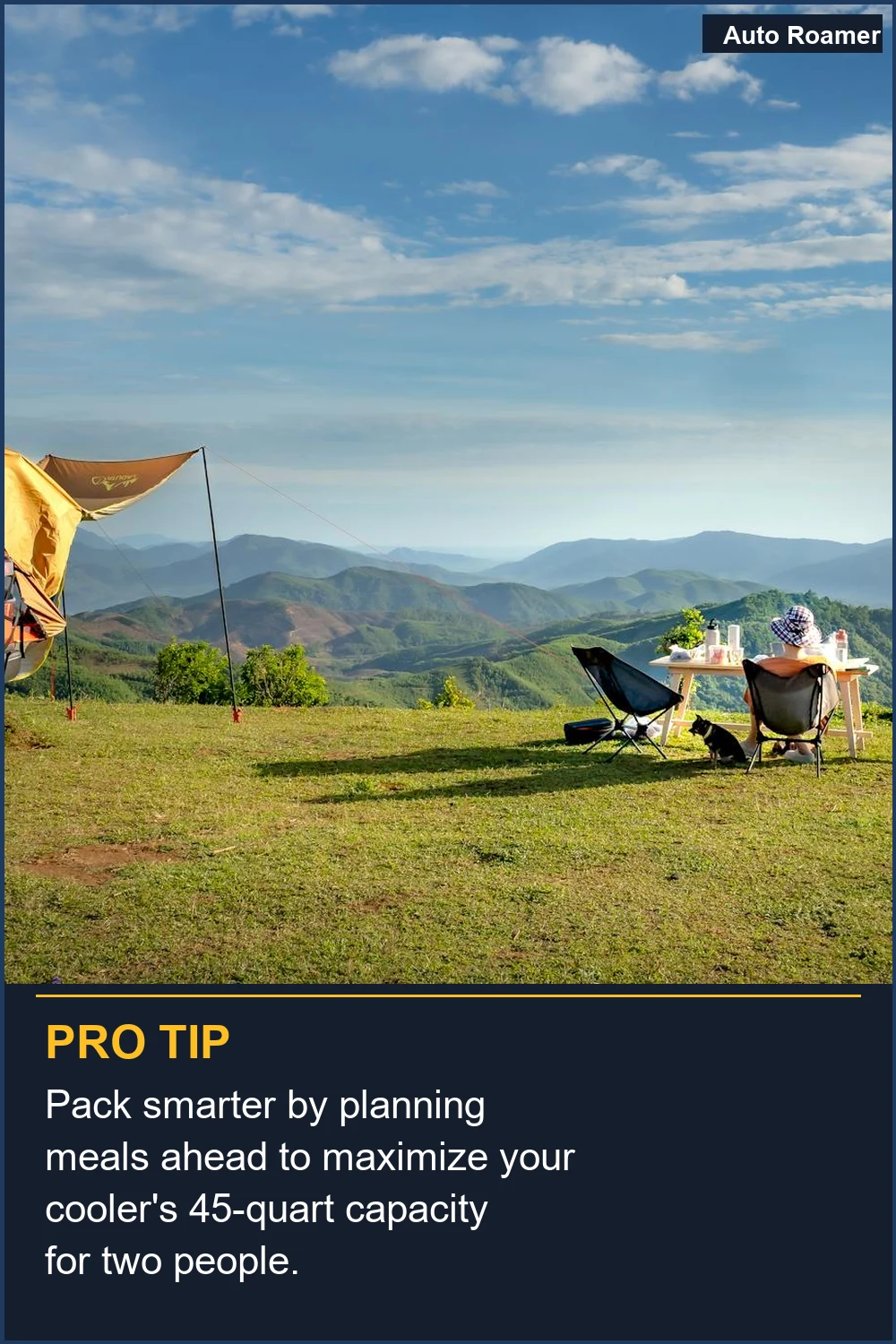
The real move for cooler capacity boils down to a few simple things: how many people, how long you're going, and what kind of food you're bringing. For a weekend trip with two people, I've found a 45-quart cooler to be the sweet spot. It's big enough to hold enough food and drinks, plus a solid amount of ice, without taking up half your trunk. This size usually fits comfortably in the back of most sedans or SUVs. For longer trips, say 3-5 days, you're looking at something in the 50-70 quart range. That's when things start getting heavy, so consider if you can even lift it. Remember, ice takes up space, and you need about twice as much ice as food for good ice retention. If you're solo for a weekend, a 25-35 quart cooler might be enough, but honestly, I prefer a bit more wiggle room just in case. Packing light is great until you realize you forgot the ketchup. Some folks suggest a smaller soft cooler alongside a larger hard one for drinks, which is a smart hack for accessibility. If you're going with a group of four or more for an extended weekend, a 75-100 quart cooler is probably in your future. Just make sure your vehicle can handle the weight and space. The honest version is you'll probably buy one, realize it's too small, then buy a bigger one. I'm on my third cooler. The first was a flimsy $30 thing that barely kept ice overnight. The second was a decent $150 one that was still a bit small for a 4-day trip. Now I have a beast that I *mostly* don't regret hauling. Don't be afraid to pack a bit extra, but also don't pack for an arctic expedition if you're just going for two nights. It's a game-time decision that gets easier with experience.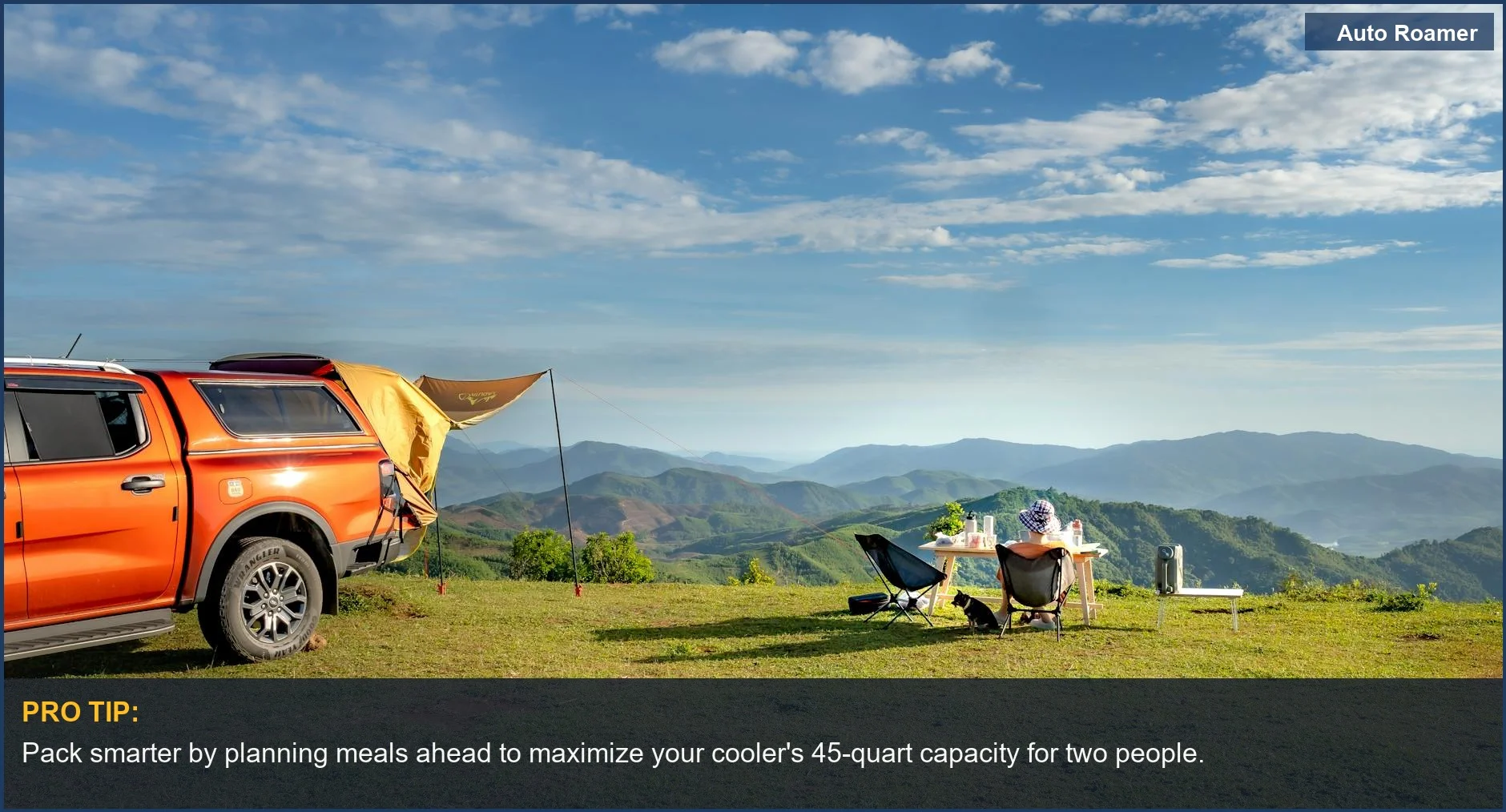
Why This Matters for Your Setup
Why does all this cooler sizing even matter? Because a cooler that's too small is just a glorified picnic basket that will leave your food warm and your drinks tasting like regret. I learned this the hard way on a trip to the Adirondacks. I had a 20-quart cooler for three people for three days. It was a disaster. We ran out of ice on day one and had to buy more from a bait shop. The real move is to match the cooler to your trip. If you're car camping, you can afford to bring a larger, heavier cooler because you're not hiking it in. A 45-50 quart cooler is usually a solid choice for a weekend trip for two to four people. It balances capacity with reasonable weight. If you're cramming your whole life into a compact car, then maybe a smaller, more efficient cooler is better. But for most car camping, bigger is generally better, as long as you can still lift it out of the trunk. It's not rocket science, but it's definitely an art you hone over time.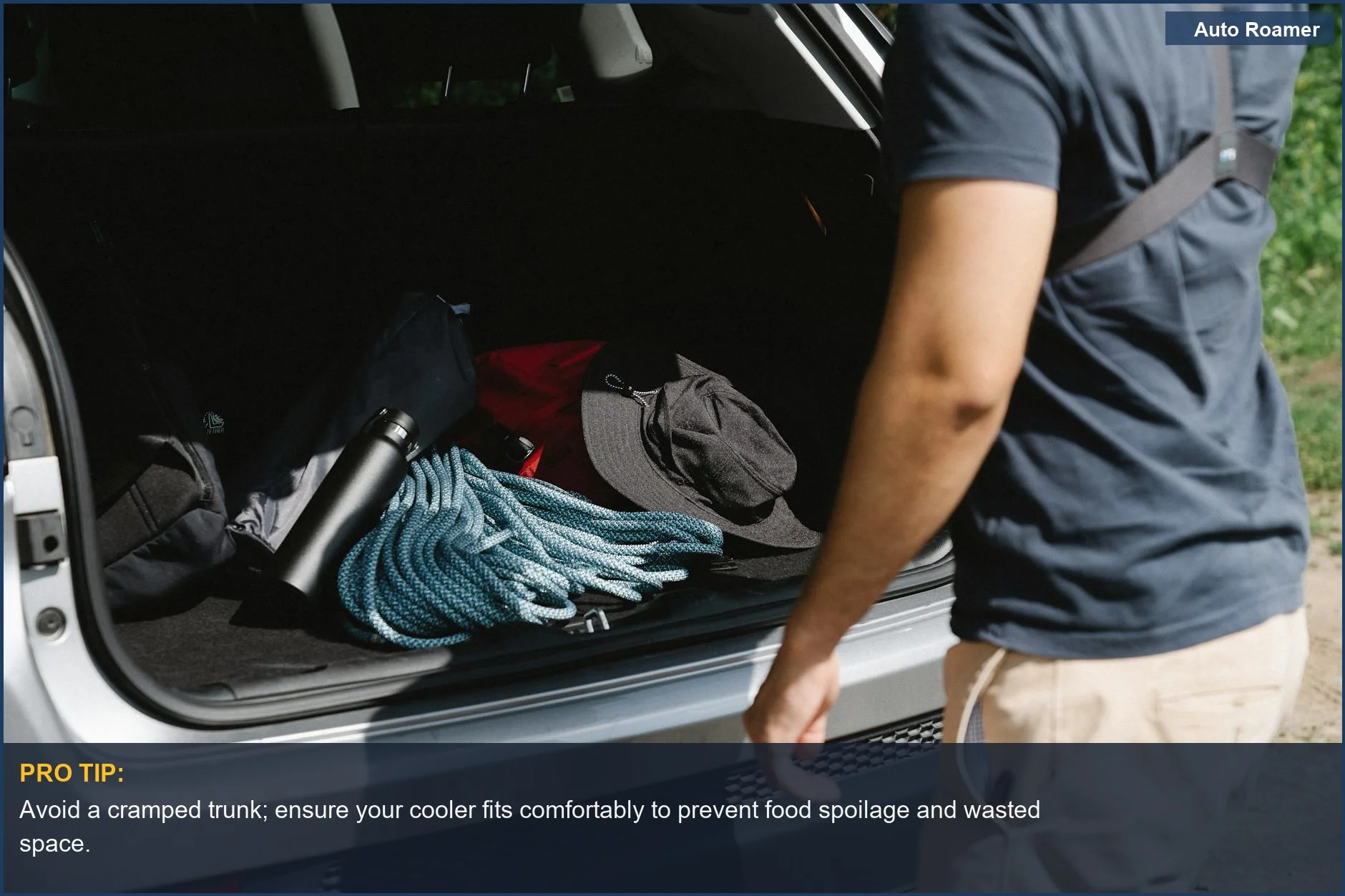
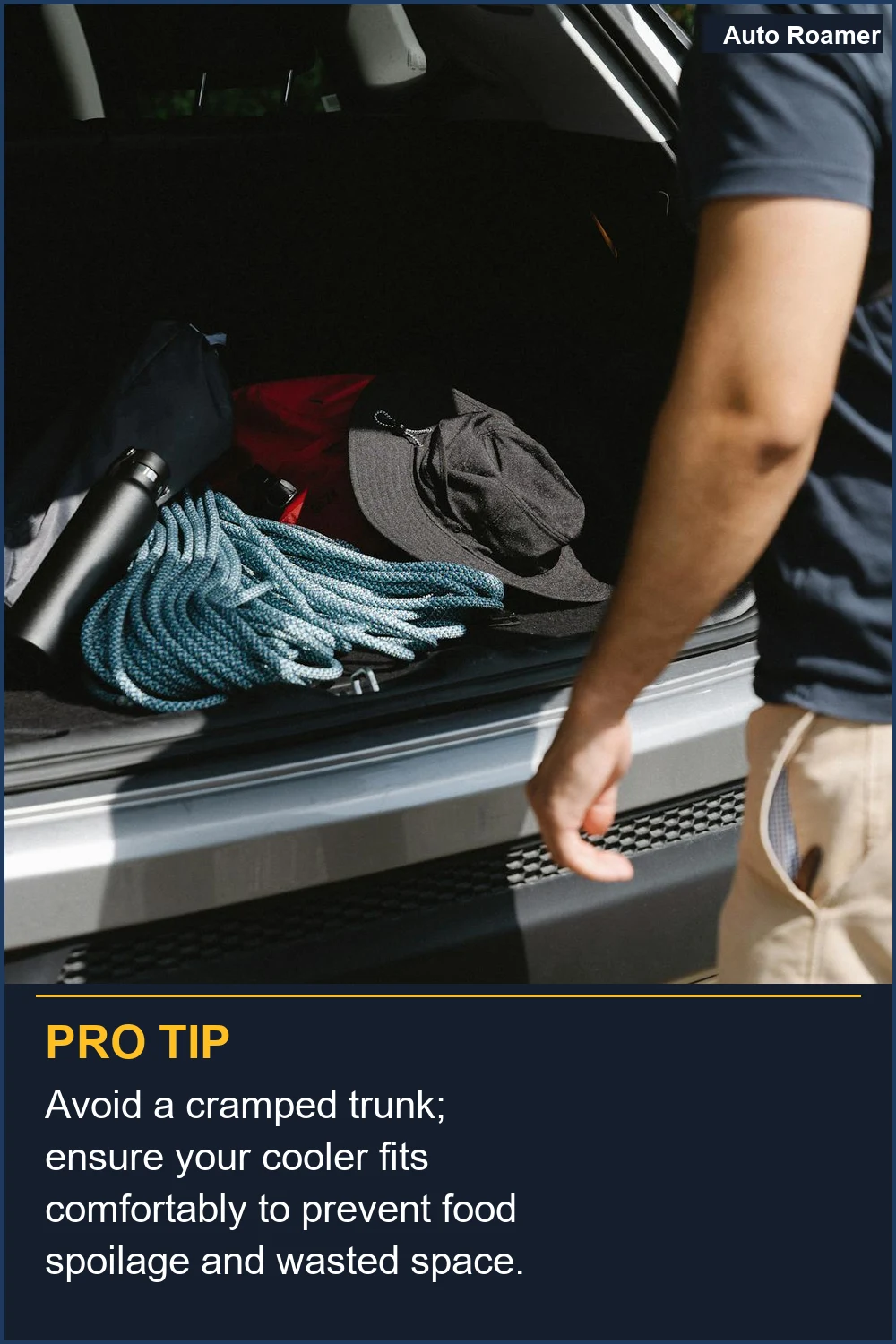
Making the Right Choice
So, how do you nail the cooler size? First, think about your crew. A solo trip needs a different cooler than a family of five. For a weekend trip for two, aim for 45-50 quarts. This gives you enough space for food, drinks, and ice without being a beast to carry. If you're going longer, say 3-5 days, bump that up to 50-70 quarts. It's better to have a little extra space than to run out of ice on day two. Always consider the ice-to-food ratio - you need more ice than you think. And remember, the cooler walls themselves take up space, so a 50-quart cooler doesn't actually hold 50 quarts of just your stuff. It's a learning curve, but getting the size right is a huge step towards a comfortable camping trip.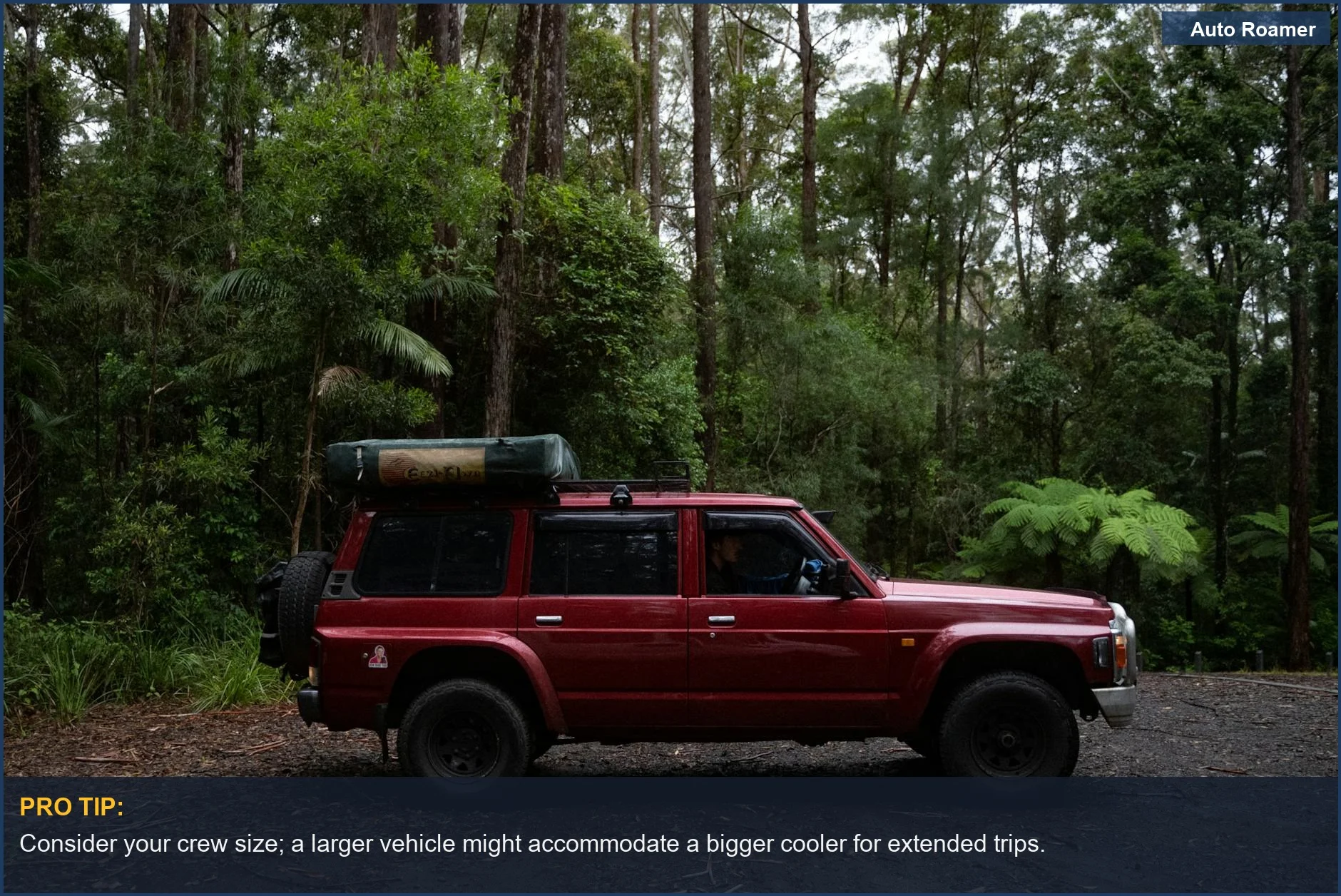
Frequently Asked Questions
My cooler has thick walls but doesn't seem to keep ice for very long. Is it worth it to buy a fancy rotomolded one for $400, or can I just add more ice to my cheap $50 cooler?
Do I really need a measuring tape to figure out if a cooler will fit in my car, or can I just eyeball it?
What if I pack my cooler perfectly with the right ice ratio, but it still doesn't keep things cold enough for more than a day?
Can using a cooler that's too small for a long trip permanently damage my car's suspension from the extra weight?
I heard you're supposed to use block ice instead of cubed ice for better ice retention. Is that just marketing hype, or does it actually make a difference?
🏅 Looking for Gear Recommendations?
Check out our tested gear guides for products that work with this setup:
Sources
- choose-the-right-size-cooler?srsltid=AfmBOoq7ikCcWFGdaZOgDFHpj2Ww1rVRu9keTpYdPUQsFhjKfpg92_TV
- campingworld.com
- What Size Cooler Do I Need - YETI
- ?srsltid=AfmBOoqoCIt4DGR975aGfajFpzoHodlK8_8jmCGDletrJCKNhMs_KQW_
- Best midsized cooler for solo car trips? - Facebook
- What size cooler would you recommend for 2 people for 2-5 days?
- what-size-cooler-is-good-for-camping-a-complete-guide-to-choosing-the-right-one-1?srsltid=AfmBOoo70fDUsLvEFFzjX3EMY0u47af9fNkQnwoXFONF4qWkHCZyf34S
- The Adventurer's Guide to Hard-Sided Cooler Sizes