Where to Start
Choosing the right size 12V car cooler for your road trip is less about picking the 'best' one and more about not ending up with a glorified ice chest that barely fits your snacks. I learned this the hard way on a 3-day drive to Moab. I bought a 20-liter unit, thinking it was plenty for two people. By day two, my lukewarm soda and squished sandwiches were a testament to my rookie mistake.
What nobody tells beginners is that you often need more space than you think, especially if you want drinks to stay truly cold and food to avoid getting crushed road trip cooler capacity. This isn't about fancy tech; it's about physics and how much stuff you actually cram in there.
The Core Answer
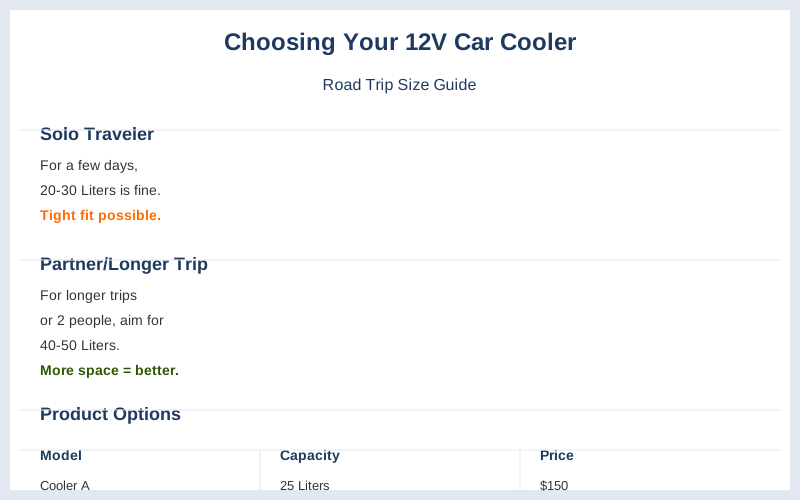
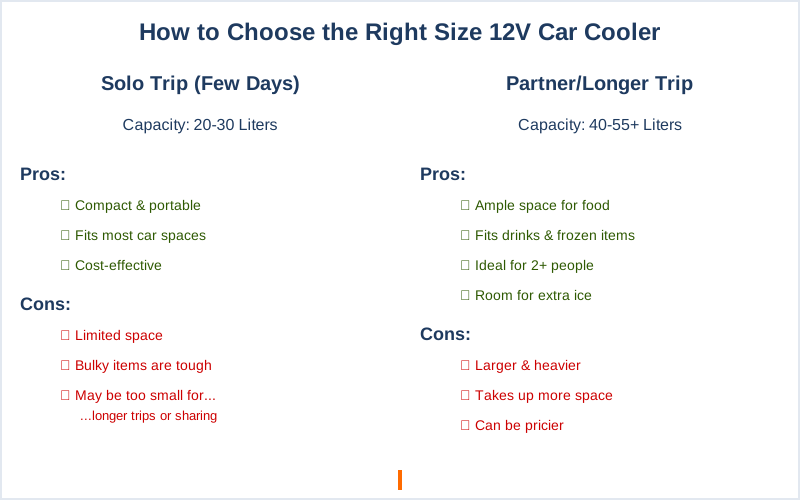
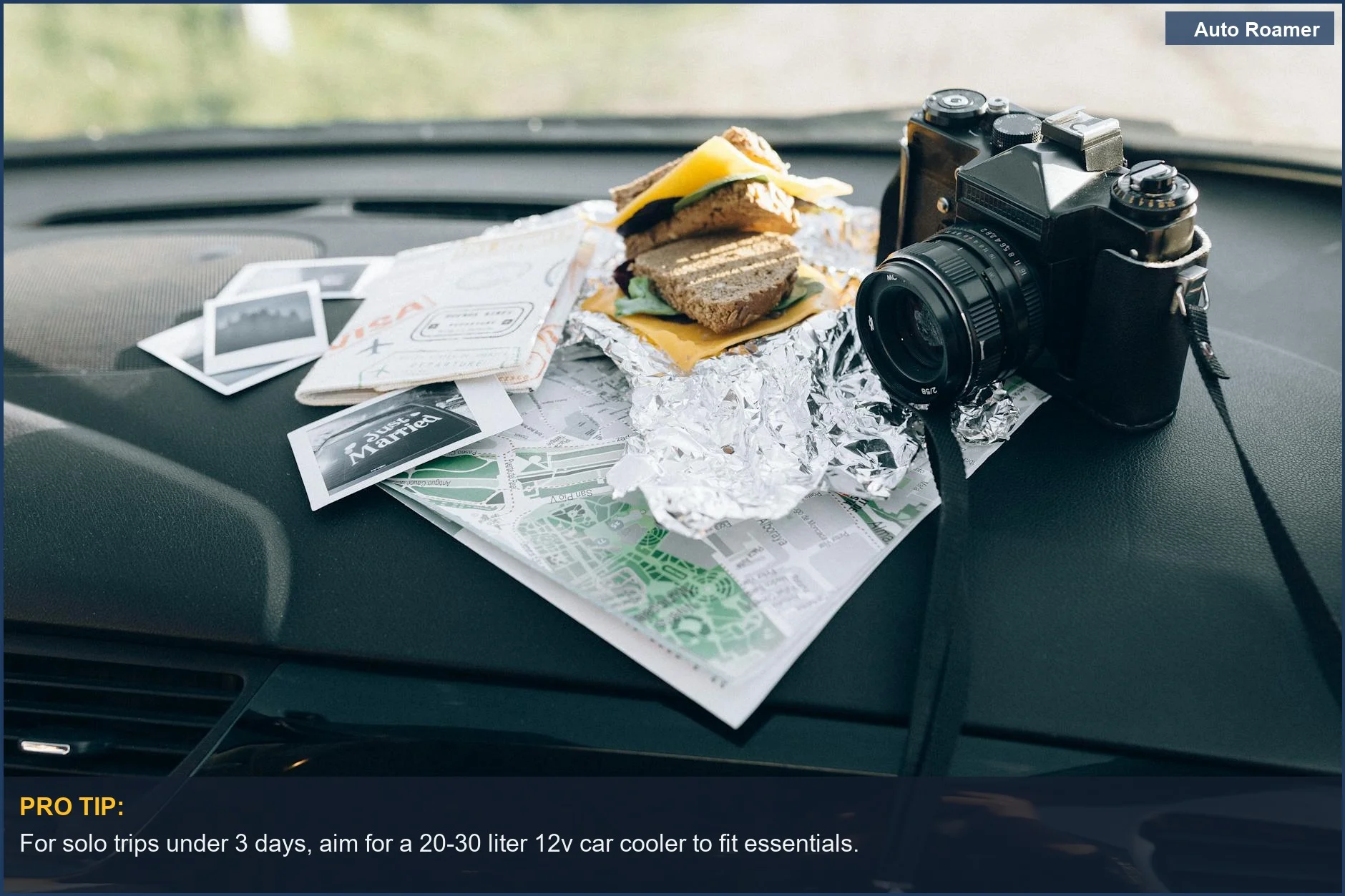
The real move here is to stop thinking about capacity in liters alone and start thinking about what you're packing. For a solo trip lasting a few days, a 20-liter to 30-liter cooler is usually fine smaller-capacity cooler. I managed to fit enough for 3 days for myself in a 23-liter one, but it was tight. My mistake was packing bulky items that took up way too much room.
If you're traveling with a partner or for longer than three days, you're probably looking at something in the 40-liter to 50-liter range. I saw a buddy with a 55-liter unit on a week-long trip, and he had room for drinks, meals, and even some frozen meat month long road trip. He said the extra space for ice was worth it. Brilliant engineering, that.
Consider the shape of your food and drinks too.
A 40-liter cooler might hold more cans than a 40-liter one with a weird internal shape. Also, think about how much actual food versus just drinks you're bringing. If it's mostly drinks, you can get away with a smaller unit. But if you're packing full meals, you'll need that extra space.
The honest version: most people underestimate how much space ice or frozen packs take up. That 20-liter cooler that claims to hold 30 cans?
That's if it's only cans. Add a couple of sandwiches and a milk carton, and you're suddenly playing Tetris. I once tried to pack a frozen pizza in my 20-liter cooler and had to sacrifice half my drinks. Never again.
For longer trips or if you plan on carrying a mix of fresh and frozen items, aiming for a 50-liter to 60-liter cooler is a safer bet.
You can always fill empty space with towels or extra blankets if needed, but you can't magically create more space in a too-small cooler. It's better to have a little extra room than to play the 'what can I leave behind' game at the grocery store. truck.
Why This Matters for Your Setup
Why does this even matter? Because a cooler that's too small is just a miserable experience waiting to happen. I remember one trip in Zion National Park, it was pushing 95 degrees F. My 20-liter cooler, packed to the brim with just drinks, was warm by lunchtime on day two. My buddy's 50-liter unit, however, still had ice in the bottom.
The real move is understanding your trip's needs BEFORE you buy. Are you camping for a weekend?
Hitting the road for two weeks? Solo or with a crew?
Here's the breakdown:
- Solo, 1-3 days: 20-30 liters is usually sufficient if you pack smart.
- Couple, 1-3 days OR Solo, 4+ days: Aim for 35-50 liters.
- Couple, 4+ days OR Family/Group, 1-3 days: 50-70 liters is a good starting point.
- Family/Group, 4+ days: You're likely looking at 75 liters or more, or maybe two smaller units.
This isn't about buying the biggest thing you can find.
It's about matching capacity to your actual usage to avoid warm drinks and spoiled food cooler.
Making the Right Choice
So, the size of your 12V cooler is a big deal. It's not just about stuffing it in the back of your car; it's about how it impacts your entire trip. A cooler that's too small means constant stops for ice or lukewarm disappointment.
Think about your longest trips and how many people you'll be feeding. It's always better to have a little extra space than not enough.
Here's the takeaway:
- For short, solo trips, 20-30 liters is your baseline.
- For longer trips or more people, bump up to 40-50 liters.
- If you're going for a week with a partner, 55-60 liters is a solid bet.
- Don't forget to factor in space for ice or cold packs - they eat up room!
Get this right, and you'll be sipping cold drinks instead of complaining about warm ones 12v car cooler size.