
How to Choose the Right Size Electric Cooler for Your Camping Trip
My first electric cooler was a $300 mistake from Amazon that barely kept my drinks cold on a 2-day trip to Ricketts Glen State Park. It was supposed to be a game-changer, but by day two, the lukewarm beer was a harsh lesson in "you get what you pay for." Now, three years and countless camping trips later, I've figured out what size actually matters for your car camping setup.
Forget those fancy charts for a second. The honest version: you need to think about ice. Or, in the case of electric coolers, how much *space* you need for both your food and the cooling mechanism itself. It's a delicate balance, and getting it wrong means warm drinks and spoiled food.
I've learned this the hard way, so you don't have to. Let's talk about what size electric cooler will actually make your weekend camping trips better, not just bigger.
The Core Answer
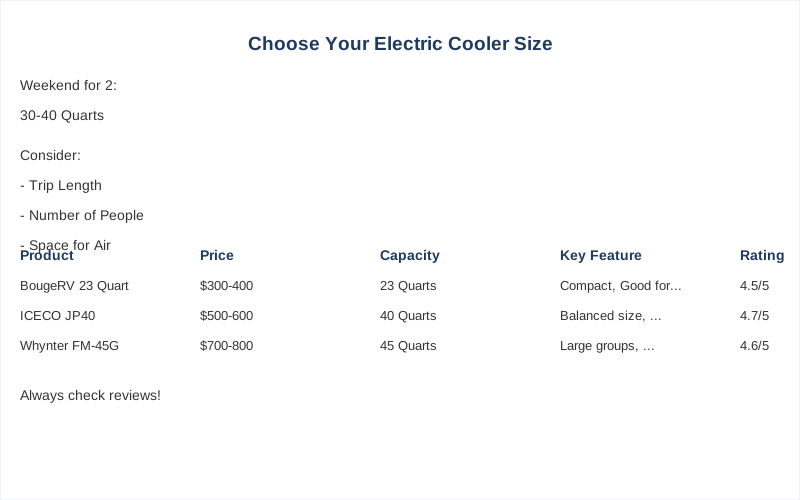
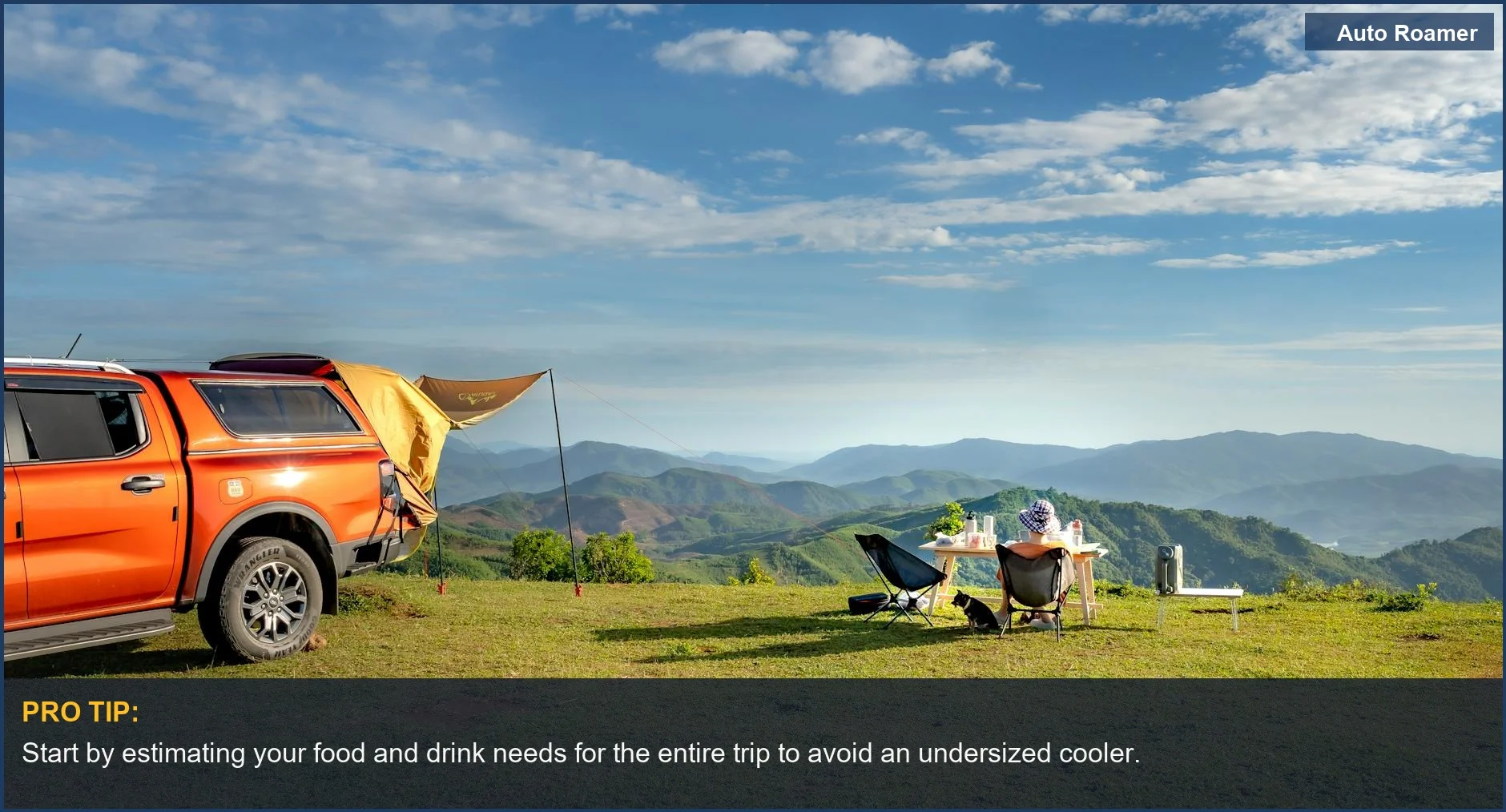
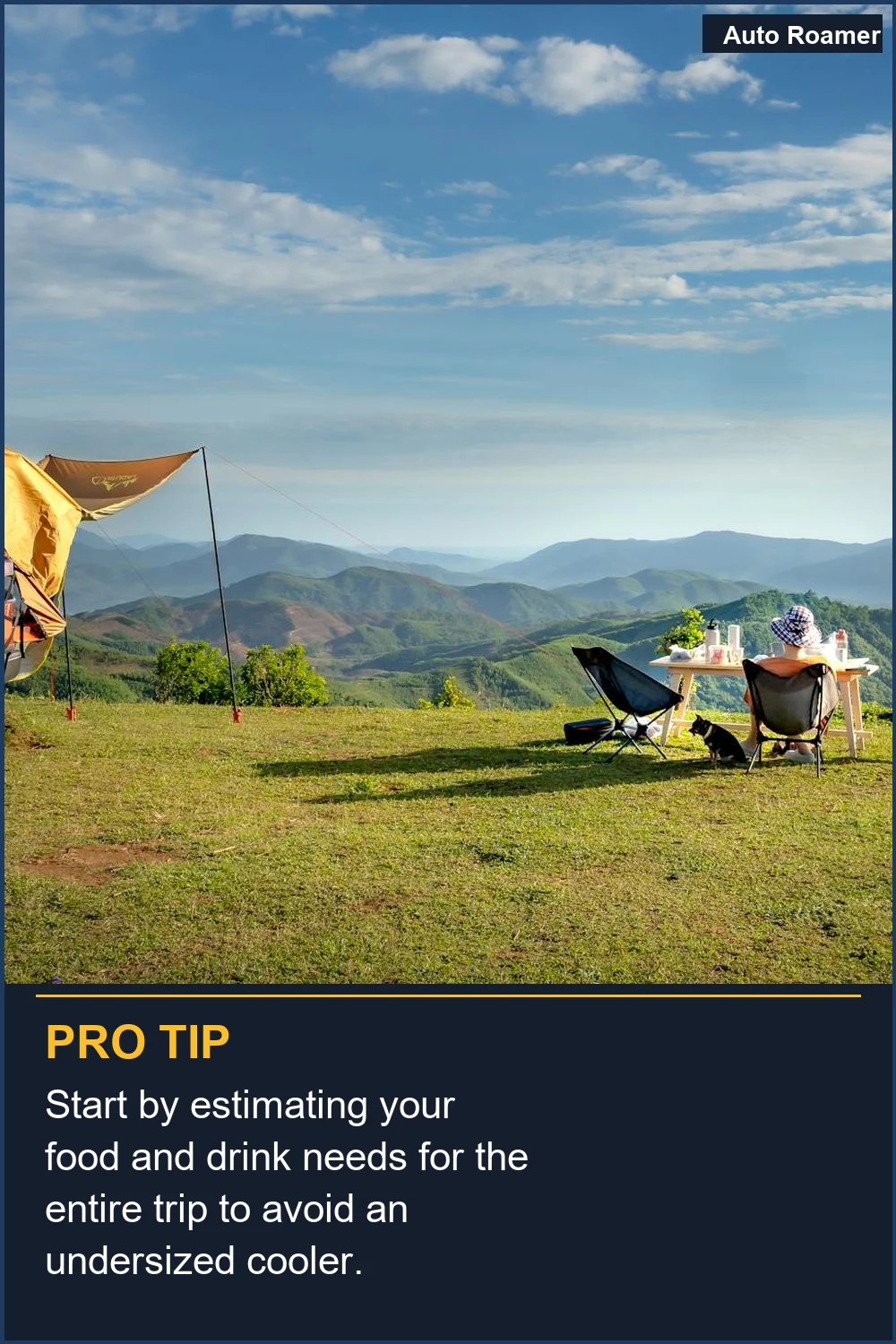
The biggest rookie mistake with electric coolers is buying one that's too small. You think, 'Oh, it's just a weekend trip, I don't need much.' Then you get to the campsite, and your milk is sweating and your veggies are sad. My first electric cooler was a 20-quart monstrosity that I packed like I was going on a week-long expedition. Everything was crammed in, and the compressor struggled to keep anything remotely cold.The real move here is to think in terms of quarts, but also cans, because that's how they often advertise them. For a weekend trip for two people, a 30-40 quart cooler is usually the sweet spot. That gives you enough room for your actual food and drinks, plus a little wiggle room for air circulation, which is crucial for efficient cooling. OutdoorGearLab tested a BougeRV 23 Quart model and found it "extremely portable" and "energy-efficient," but that's really only for solo trips or very short ones where you pack light.
If you're heading out for three days with a group of four, you're probably looking at a 50-60 quart cooler. This size allows for the 2:1 ice-to-content ratio they talk about for traditional coolers, but for electric, it just means you have enough internal volume to let the air circulate and the compressor do its job without being packed tighter than a sardine can. I once tried to squeeze a weekend's worth of food for three people into a 45-quart cooler at Lake Erie State Park during a heatwave. By Sunday morning, the cheese was sweating and the leftovers were questionable. The fix? A bigger cooler, obviously.
The honest version: most people underestimate how much space their food and drinks take up, especially when you factor in packing them efficiently. A cooler that feels too big at home often feels just right, or even a little small, once it's packed and you're at the campsite. OutdoorGearLab notes that the Dometic CFX5 45 (which is about 40 quarts) is ideal for campers who want a "reliable, portable fridge to keep in one place or carry a short distance." That's a good benchmark for couples or solo adventurers.
What nobody tells beginners is that the deeper the cooler, the more efficient it tends to be because the cold air sinks. So, a 50-quart cooler that's taller might actually perform better than a 50-quart cooler that's wider and shallower. I learned this when my first 50-quart cooler seemed to struggle on a trip to Jiminy Peak in the Berkshires. It was wide and shallow, and by the second night, things were only cool, not cold.
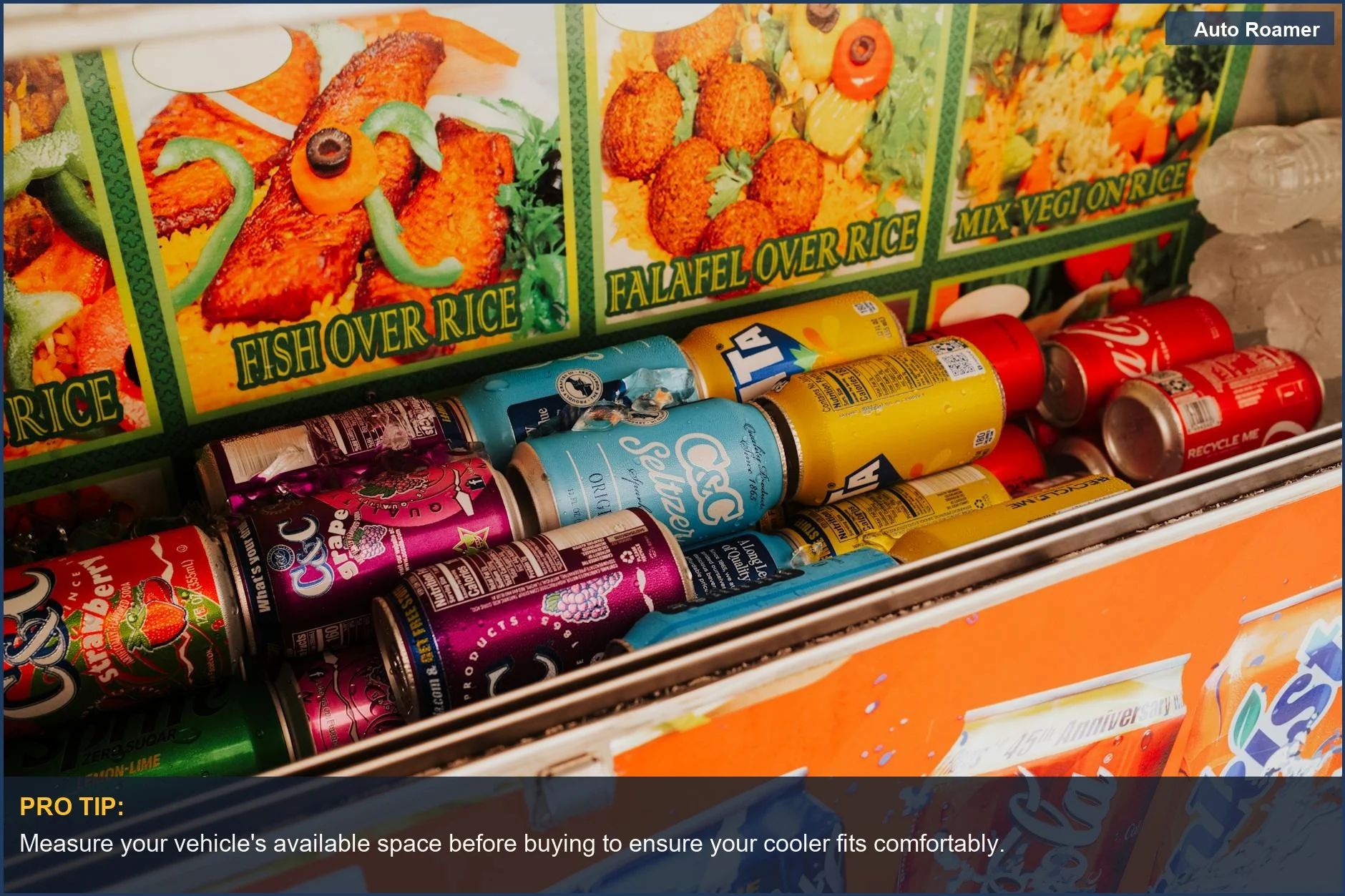
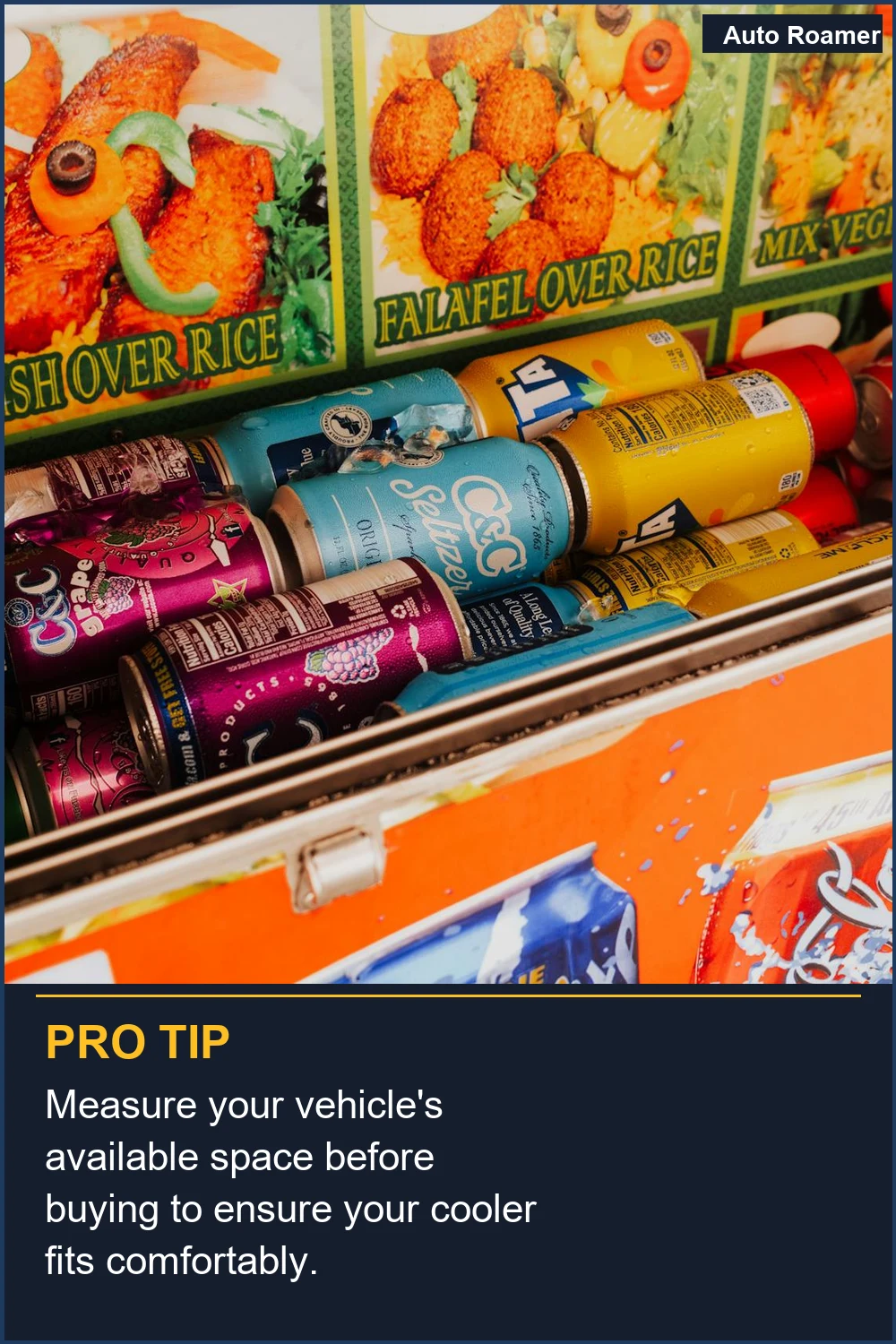
Think about your vehicle too. My old Honda Civic hatchback could barely fit a 45-quart cooler. Now, with my Subaru Outback, I can easily accommodate a 60-quart model. The $50 version of this advice is: measure your trunk space before you buy. The $300 version is buying one that's too small and regretting it every time you open it.
Why This Matters for Your Setup
Making the Right Choice
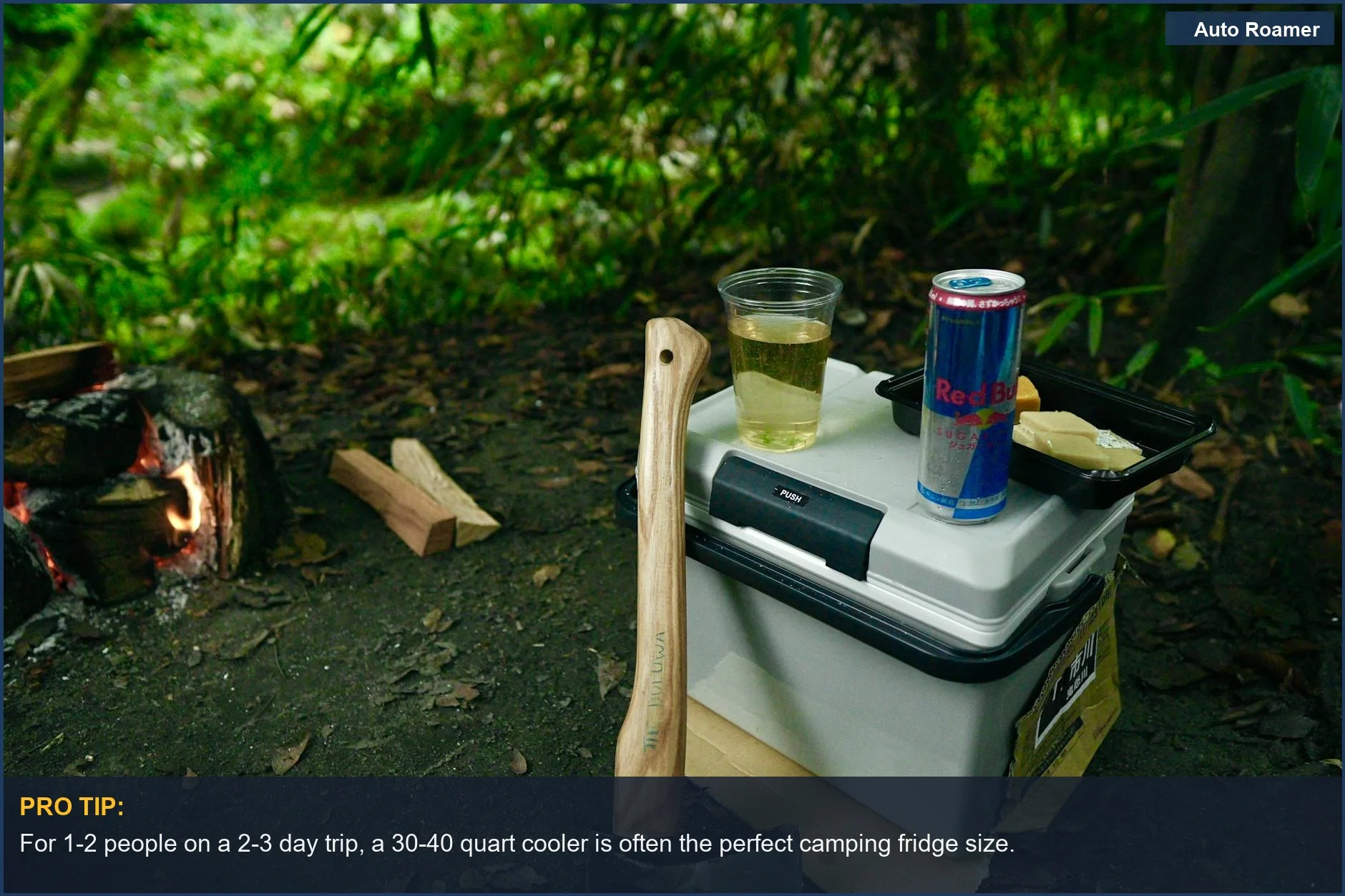
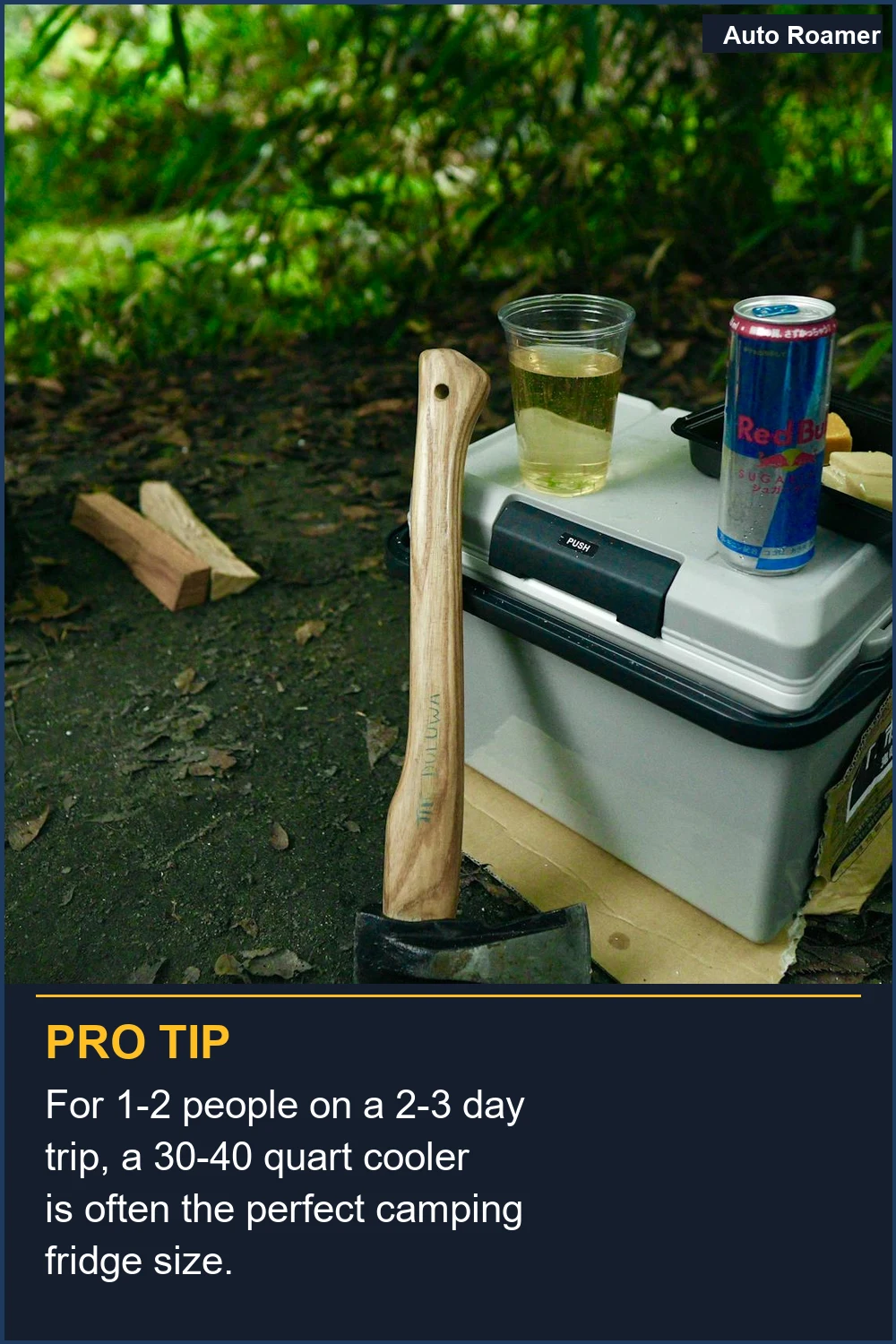
So, what's the final word? For a typical 2-3 day car camping trip with one or two people, aim for a 30-40 quart electric cooler. This size hits the sweet spot between capacity and portability, and it won't drain your power source too quickly. I learned this after my first attempt at a 2-day trip to Hocking Hills with a 20-quart cooler, which was just... sad. Reddit users often suggest testing out cardboard mockups to gauge space, which is a smart, low-cost way to visualize before you buy.If you're going for longer than a weekend, or you're camping with a larger group (3-4 people), then stepping up to a 50-60 quart model is the way to go. This ensures you have enough space for your food and drinks without cramming everything in, which is essential for efficient cooling. My 50-quart cooler has been a lifesaver on longer trips, preventing spoiled food and lukewarm beverages. Oreate AI calls size "matters" and recommends larger units for longer adventures, and they're right.
Don't be like me on my first trip and buy a cooler that's too small. It's a classic OutdoorGearLab tested a BougeRV 23 Quart model and found it "extremely portable" and "energy-efficient," but that's really only for solo trips or very short ones where you pack light. rookie mistake that will cost you more in spoiled food and disappointment than the extra money for a slightly larger, more capable unit. Measure your space, consider your group size and trip length, and buy the cooler that fits your needs, not just your budget.
Frequently Asked Questions
If I buy a 40-quart cooler, but I only need space for, like, 20 quarts of actual food and drinks, can I just fill the rest with random stuff to get better cooling, or do I need actual ice?
Do I really need a special electric cooler, or can I just get a really good quality regular cooler and load it with dry ice?
What if I buy a cooler, and it turns out to be too small for my weekend trip? Can I just buy a second, smaller cooler to supplement it?
Can running an electric cooler too often, like opening it every 10 minutes, permanently damage the compressor?
I heard that you need to 'pre-chill' the cooler itself before putting food in it. Is that a real thing, or just over-complicated advice for beginners?
🏅 Looking for Gear Recommendations?
Check out our tested gear guides for products that work with this setup:
Sources
- Electric Cooler Capacity? : r/camping - Reddit
- What electric cooler is best for a family camping trip, needing a 40 ...
- The Best Electric Coolers | Lab Tested & Ranked
- what-size-cooler-do-you-need-a-comprehensive-cooler-size-guide?srsltid=AfmBOootj1yOZcrEPwjIhQbRUhSvF6ZMw4-8LNo9mgGi7nezULxKOOp-
- how-to-choose-the-right-cooler-size-for-your-outdoor-adventures?srsltid=AfmBOop4o8mlqcXKS0daQoDwk3JGwZ3ciks6KGGRLPT0tt984Z1we0g5
- The Ultimate Guide to Choosing the Best Electric Cooler for Your ...