Why the Second Camera Earns Its Place
Most people shopping a front-and-rear dash cam fixate on the front 4K number, and that's backward. I've pulled footage off more of these for friends and customers than I can count, and the clip that actually mattered almost always came from the rear camera. The front camera proves you weren't the idiot who ran the light. The rear camera proves the guy who rear-ended you was on his phone, or catches the plate of the truck that clipped your bumper in a lot and drove off.
That's the whole case for going dual instead of single. A front-only cam is blind to the most common collision there is — getting hit from behind — and to every parking scrape that happens behind your car. Rear-end crashes are one of the most frequent crash types on the road, and they're the ones where the other driver swears you stopped short. A rear lens turns that he-said into a video file.
So when I look at these kits, I judge them on the camera most buyers ignore. A front cam that shoots 4K and a rear cam that shoots a soft, washed-out 1080p is a system that's strong where you need it least. Below I'll walk through what the second camera actually buys you, the spec that decides whether the rear footage is usable, how the install differs from a single cam, where the price tiers genuinely split, and which one to wire in.
Real-World Scenarios the Rear Lens Covers
Strip the marketing and the rear camera does four jobs, and they're the four incidents a front cam can't touch. First, the rear-end hit — the most common fault-disputed crash there is. Second, the tailgater who brake-checks you into a claim. Third, the parking-lot ding, where someone backs into you or door-dings you and leaves. Fourth, the merge or lane-change where a car comes up your blind side and clips the quarter panel.
None of those show up on a front lens. That's why I think of a front-and-rear kit less as 'two cameras' and more as 'the camera plus the one that covers your actual exposure.' If you commute in traffic, drive for work, or park anywhere public, the rear lens is doing the heavy lifting on the incidents that turn into money.
The catch is that rear cameras are where manufacturers cut cost. The front gets the headline 4K sensor; the rear often gets a cheaper 1080p chip with a smaller, less light-sensitive sensor. In daylight that's fine. At night, on an unlit road, a weak rear sensor turns headlights into blooming white blobs and loses the plate you actually need. So the spec to chase isn't rear resolution — it's the rear sensor.
The One Spec That Decides Rear Footage Quality
Here's the thing the listings bury: a rear camera's usefulness comes from the sensor, not the megapixels. A 1080p rear cam on a good Sony STARVIS sensor will out-shoot a 2K rear cam on a no-name sensor every night of the week, because the STARVIS chip is built for low light — it pulls a readable plate out of a dark lot where the cheaper chip gives you a smear.
That's why the VIOFO A129 Plus Duo and the better REDTIGER and ROVE kits list the sensor by name. When a kit only brags about resolution and goes quiet on the sensor, that's the tell — the rear chip is the corner they cut. Read it like this: front sensor matters for the obvious stuff, but the rear sensor is what determines whether the camera you bought for rear-end protection actually delivers when it's dark and raining, which is exactly when you'll need it.
If you only check one spec on a front-and-rear cam, check the rear sensor. A named low-light sensor (STARVIS and its successors) on the rear is worth more than any front-resolution bump — because the front camera was never the problem.
The second number that matters is the rear field of view. Too narrow and you miss the lane-change clip; too wide and a fisheye stretches the plate into uselessness at the edges. Somewhere around 140 to 160 degrees is the honest range for a rear lens — enough to see the adjacent lanes without warping the center where the plate sits.
The Rear Cable, Mounts and Attachments You Actually Need
The part nobody warns you about: a front-and-rear cam is a real install, not a stick-it-on-the-glass job. The front camera mounts like any other. The rear camera and its cable are where the work — and the failures — live. You're running a thin video cable from the windshield, up the A-pillar, across the headliner, down the far side, and into the rear glass or hatch. That's the whole car.
Two things bite people here. First, cable length. The kit cable has to reach your specific vehicle — a sedan is one length, an SUV or truck with a tailgate is another, and a van is a different animal entirely. Buy a kit whose rear cable is rated for your body style, or you'll get it half-run and come up short at the hatch. Second, the hatch hinge. If the rear camera mounts on a liftgate, the cable flexes every time you open it, and a cable not rated for that flex will crack and drop the rear feed in a year. The better kits route the cable through the factory hinge boot for this reason.
This is why I lean toward the kits with a longer, properly sheathed rear cable even if they cost more. A cheap two-channel cam with a stiff, too-short rear lead is the one that ends up with the rear camera dangling by the glass or not connected at all — which puts you right back to a front-only system you paid dual money for.
Parking Mode: When You Need It and When to Skip It
If there's one place a front-and-rear cam pays for itself, it's parked. Most parking-lot damage happens to the back and sides of the car while you're inside the store, and it's a rear camera in parking mode that catches the plate of whoever did it. But parking mode has a catch that the box rarely makes clear: it needs constant power, which means a hardwire kit, not the cigarette-lighter plug the cam ships with.
The 12V socket dies when you shut the car off. To record while parked, the cam has to tap a constant-power fuse through a hardwire kit with a voltage cutoff that protects your battery. Some of these kits include that hardwire lead; many don't, and you find out after the cam's mounted. So before you buy, confirm whether parking mode is 'included' or 'compatible with a kit sold separately' — those are very different promises.
Parking mode on a front-and-rear cam is the feature that justifies the second camera for most buyers. But budget for the hardwire kit and the cutoff — running it off the battery without a low-voltage cutoff is how you come out to a car that won't start.
One honest note: parking mode draws power, and on a car you drive daily that's a non-issue because the alternator tops the battery back up. On a vehicle that sits for days — a second car, a camper, a work truck parked over a weekend — you want either a proper low-voltage cutoff or a small dedicated battery pack, or you'll trade vandalism footage for a jump start.
REDTIGER and ROVE vs. VIOFO: The Real Decision
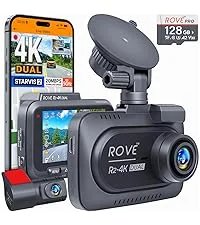
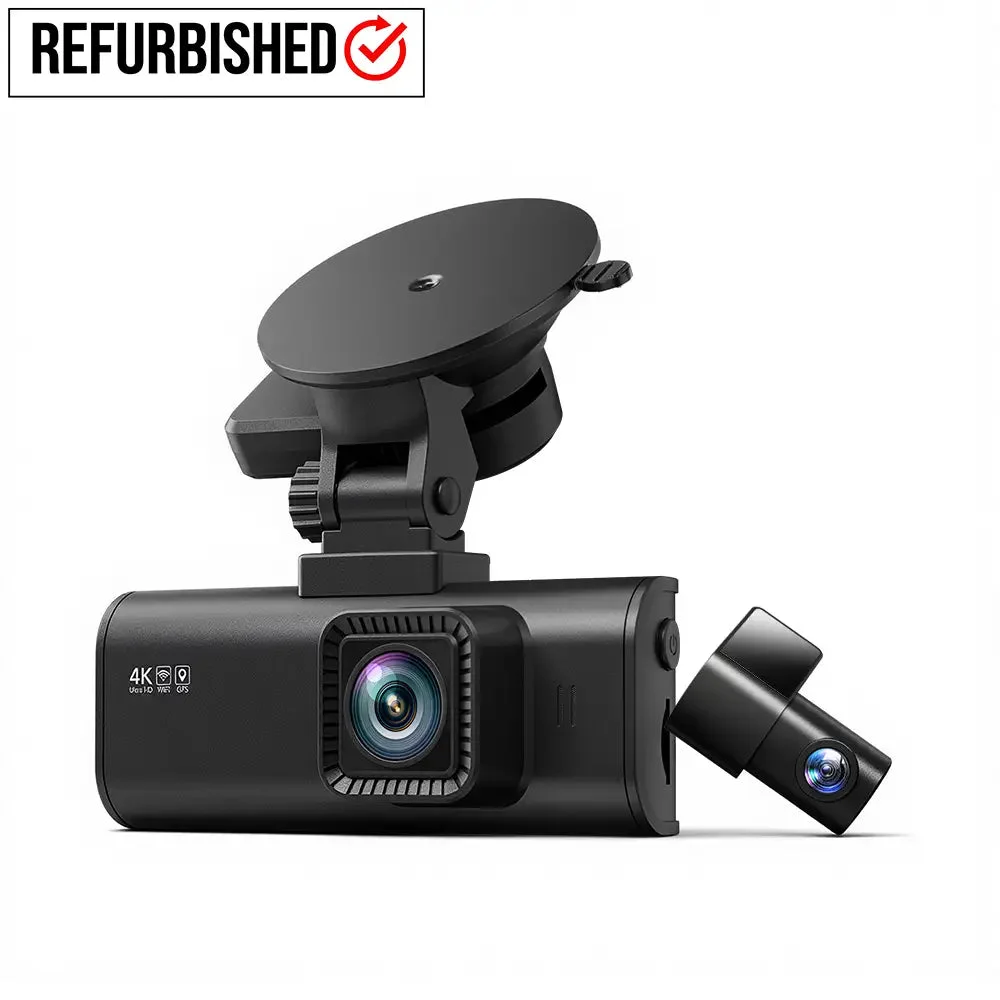
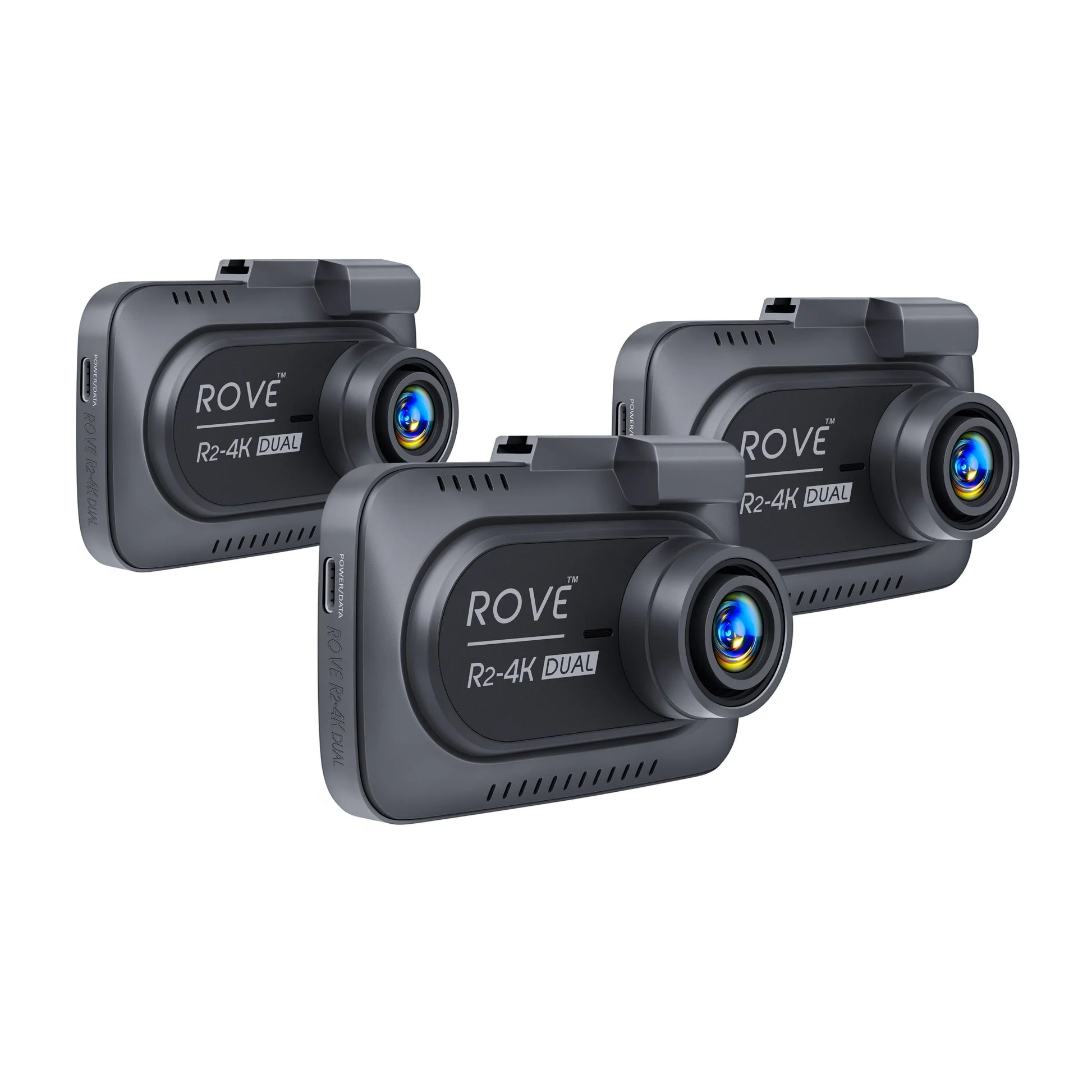
Most of the actual choice comes down to the 4K value kits — the REDTIGER and ROVE R2-4K DUAL — against the step-up VIOFO A129 Plus Duo. The REDTIGER and ROVE win on value: they give you a genuine 4K front, a decent rear, GPS, and an app for around a hundred bucks. For most daily drivers that's the right amount of camera, and the rear footage is usable in daylight and acceptable at night.
The VIOFO costs more and earns it in two places that matter when footage becomes evidence: a stronger, named low-light sensor and a build that survives heat soak and a real install. VIOFO has a long reputation for cams that keep working after two summers baking on a windshield, where some of the budget kits start dropping the rear feed or glitching the file system. If you keep cars a long time or drive a lot at night, that reliability is the upgrade you're paying for — not a spec on the box.
So it's genuinely a use-case call. If you want the most camera per dollar and you drive mostly in daylight, the REDTIGER or ROVE 4K kit is the smart buy and I wouldn't talk you out of it. If your exposure is night driving, long ownership, or you just want the rear image to be clean when it counts, the VIOFO is the one I'd wire in. The no-name forty-dollar kits I'd skip unless it's a temporary car — the rear cable and the heat tolerance are exactly where they fail.
My Checklist Before You Buy a Dual Kit
A front-and-rear cam has more ways to disappoint than a single, so run this check against your actual car and how you drive before you order — it takes a few minutes and saves a return:
- The rear sensor, by name. Look for a named low-light sensor on the REAR camera, not just a front resolution. Silence on the rear sensor means it's the cheap chip.
- Rear cable length vs. your body style. Sedan, SUV, truck, and van need different lengths. Confirm the rear lead reaches your rear glass or hatch with slack to spare.
- Parking mode: included or extra? Decide if you want parking protection, then confirm whether the hardwire kit and low-voltage cutoff are in the box or sold separately.
- Rear field of view. Roughly 140-160 degrees is the honest range — wide enough to see adjacent lanes, not so wide it fisheyes the plate.
- Heat tolerance and brand track record. A cam lives in the worst thermal spot in the car. Buy a brand with a record of surviving summers, not the cheapest listing with five reviews.
The one people skip is the cable. They compare front sensors all day and never check whether the rear lead fits their truck — then the rear camera, the whole reason they went dual, ends up unconnected. Measure the run, or buy a kit explicitly rated for your vehicle type.
Maintenance and a Clean Dual-Cam Install
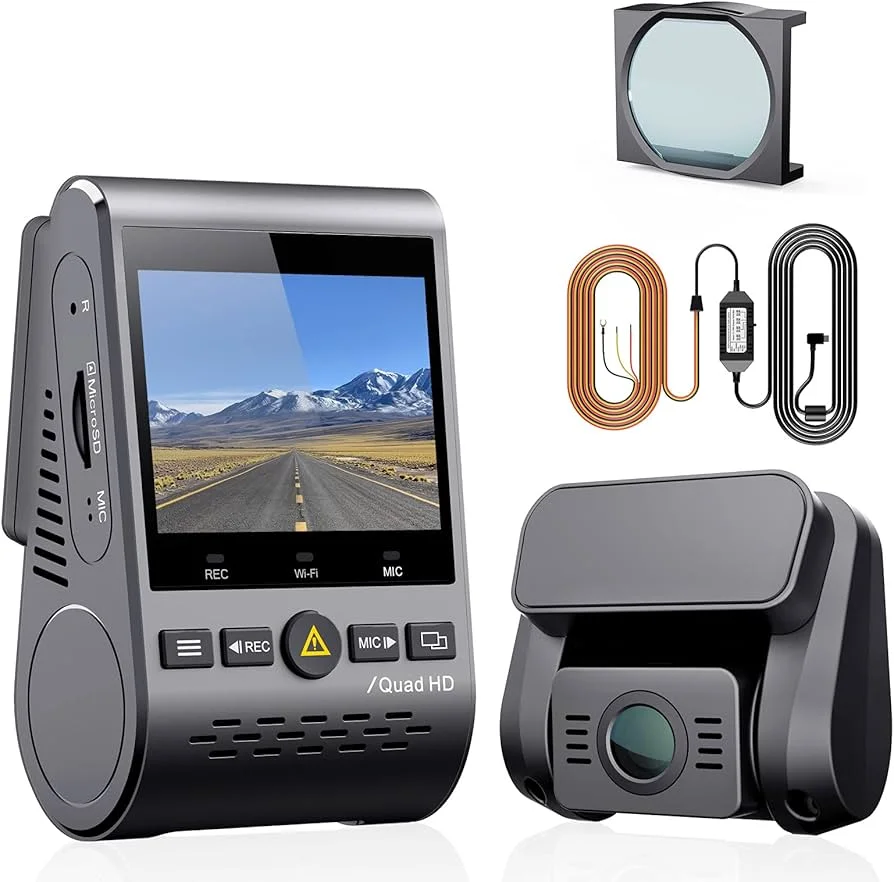
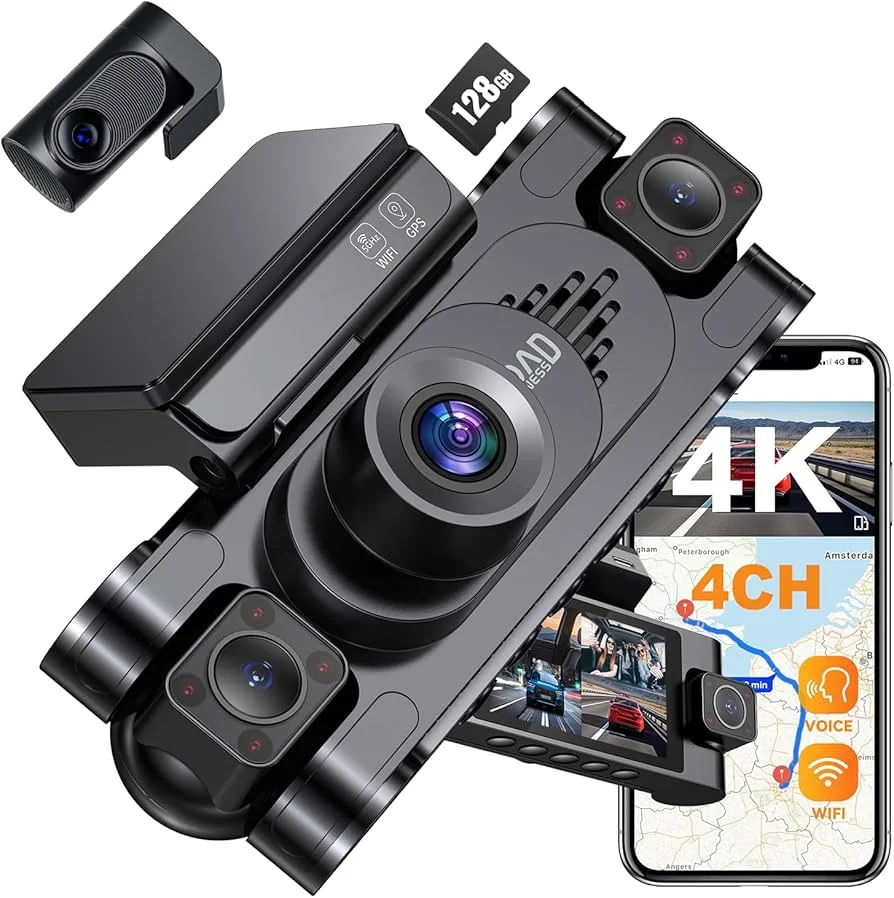
Wiring a front-and-rear cam is a couple-hour job done right, and the difference between a clean install and a rattly one is all in the routing. Start with the front camera behind the mirror, off to the passenger side so it's out of your sightline and legal in most states. Run its power lead up and over to the A-pillar, then down to the fuse box or 12V socket — tuck it under the headliner trim so nothing dangles.
The rear run is the real work. Route the video cable from the front camera up the A-pillar, across the headliner, down the opposite C-pillar or D-pillar, and to the rear glass. Leave a service loop of slack at the hatch if the camera mounts on a liftgate — that loop is what lets the cable flex without cracking every time you open the tailgate. Pop the trim panels with a plastic pry tool rather than your fingers; you'll snap clips otherwise, and a rattling panel three weeks later is the tell of a rushed job.
Leave slack at every flex point — the hatch, the door jambs the cable crosses, anywhere the body moves. A cable run drum-tight is a cable that chafes through its jacket and shorts the rear feed in a year. Slack is free; a re-run is a Saturday.
If parking mode is the goal, that's where the hardwire kit comes in — tap a constant-power fuse and an ignition-switched fuse, ground to bare metal, and set the cutoff voltage so the cam stops before it pulls your battery flat. If that part makes you nervous, it's the one step worth paying a shop for; the rest you can do in the driveway.
What Each Price Tier Actually Buys
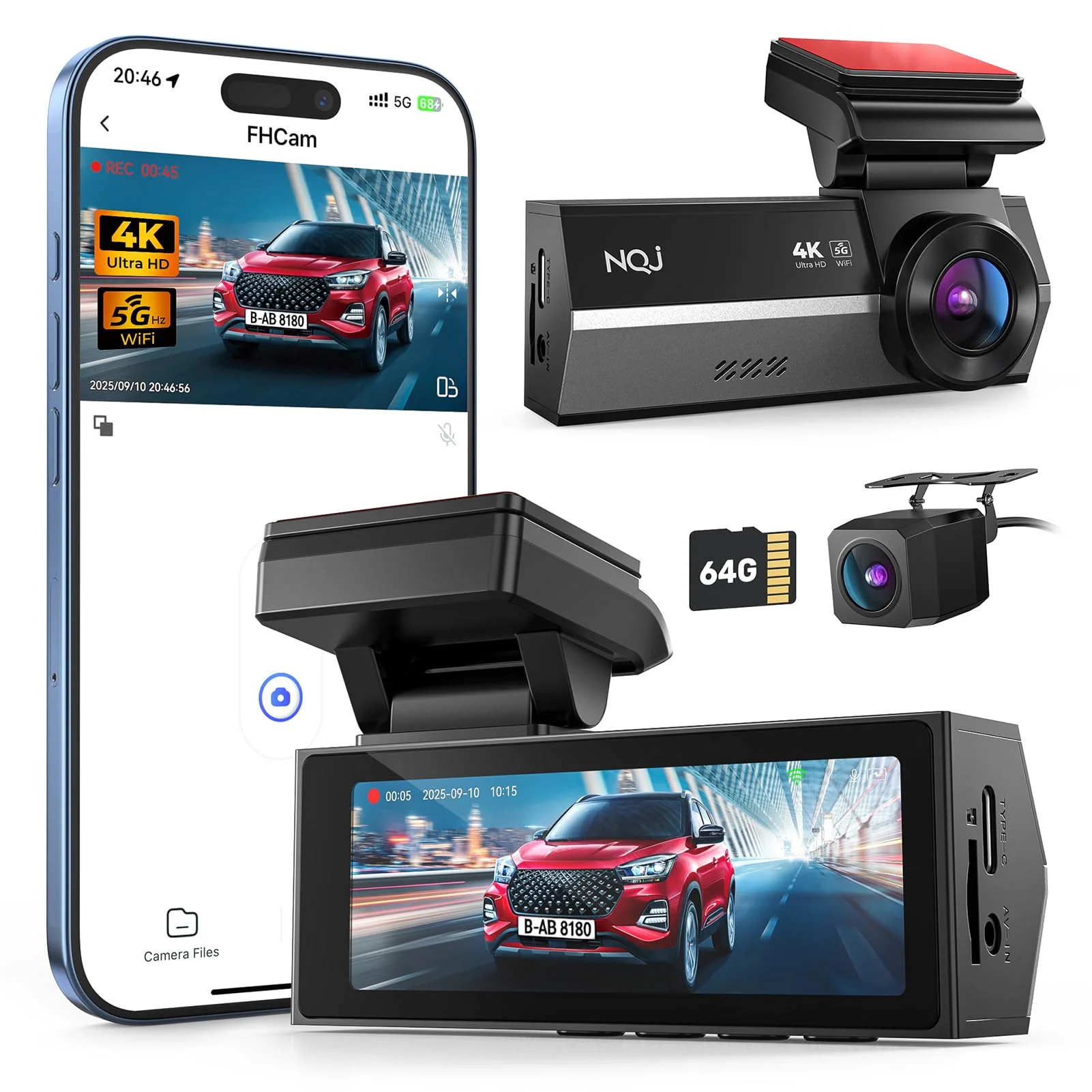
The spread on dual kits is wider than on single cams, and each tier buys something specific. Knowing which is which keeps you from overpaying for a spec you won't use or underpaying into a kit that fails:
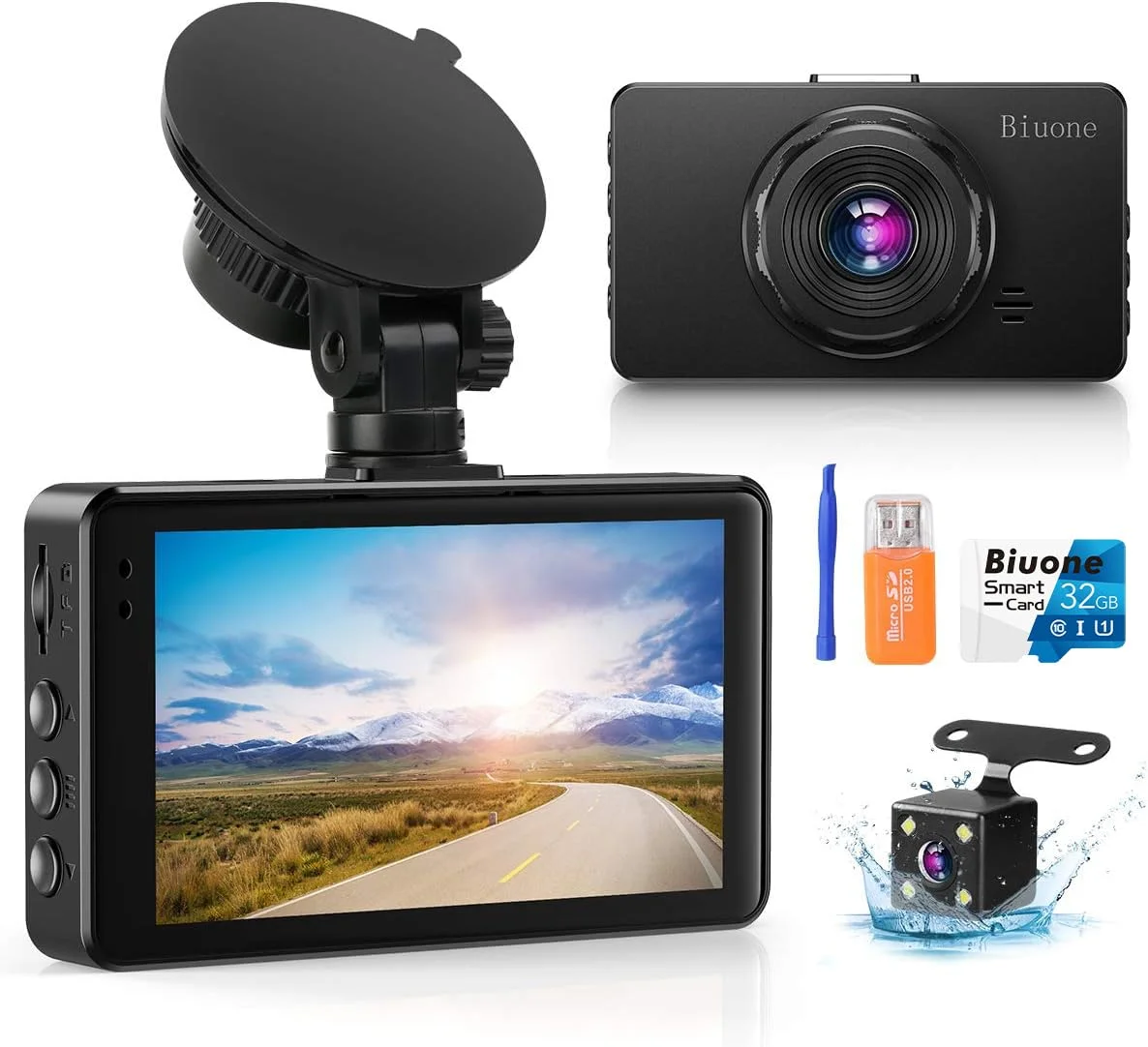
- Around $40-65 (the budget dual kits): two cameras, GPS sometimes, a plug-in power lead. Fine for a temporary or low-mileage car in daylight. The cuts are the rear sensor, the cable durability, and heat tolerance — expect the rear feed to be the first thing to fail.
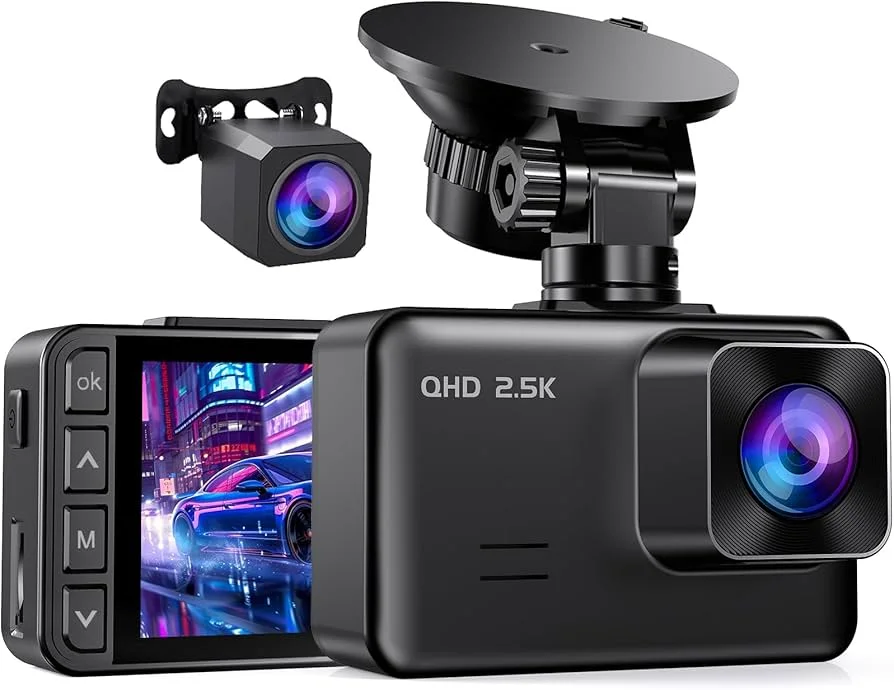
- $100-140 (REDTIGER, ROVE, RoadWitness 4K): the value sweet spot. Real 4K front, a usable rear, GPS, app, and a cable that survives a normal install. This is the right amount of camera for most daily drivers.
- $160 and up (VIOFO and the like): a named low-light rear sensor, better build and heat tolerance, proper parking-mode support, and a brand record of lasting years. You're buying reliability and clean night footage, not a bigger resolution number.
The false economy is the forty-dollar kit bought for parking protection. It saves you sixty bucks, then the rear cable cracks at the hatch or the cam cooks in July and you buy a real one anyway. For a part whose whole job is to work when something bad happens, the move is to buy into the middle tier once rather than the bottom twice.
Common Front-and-Rear Mistakes That Cost You the Footage
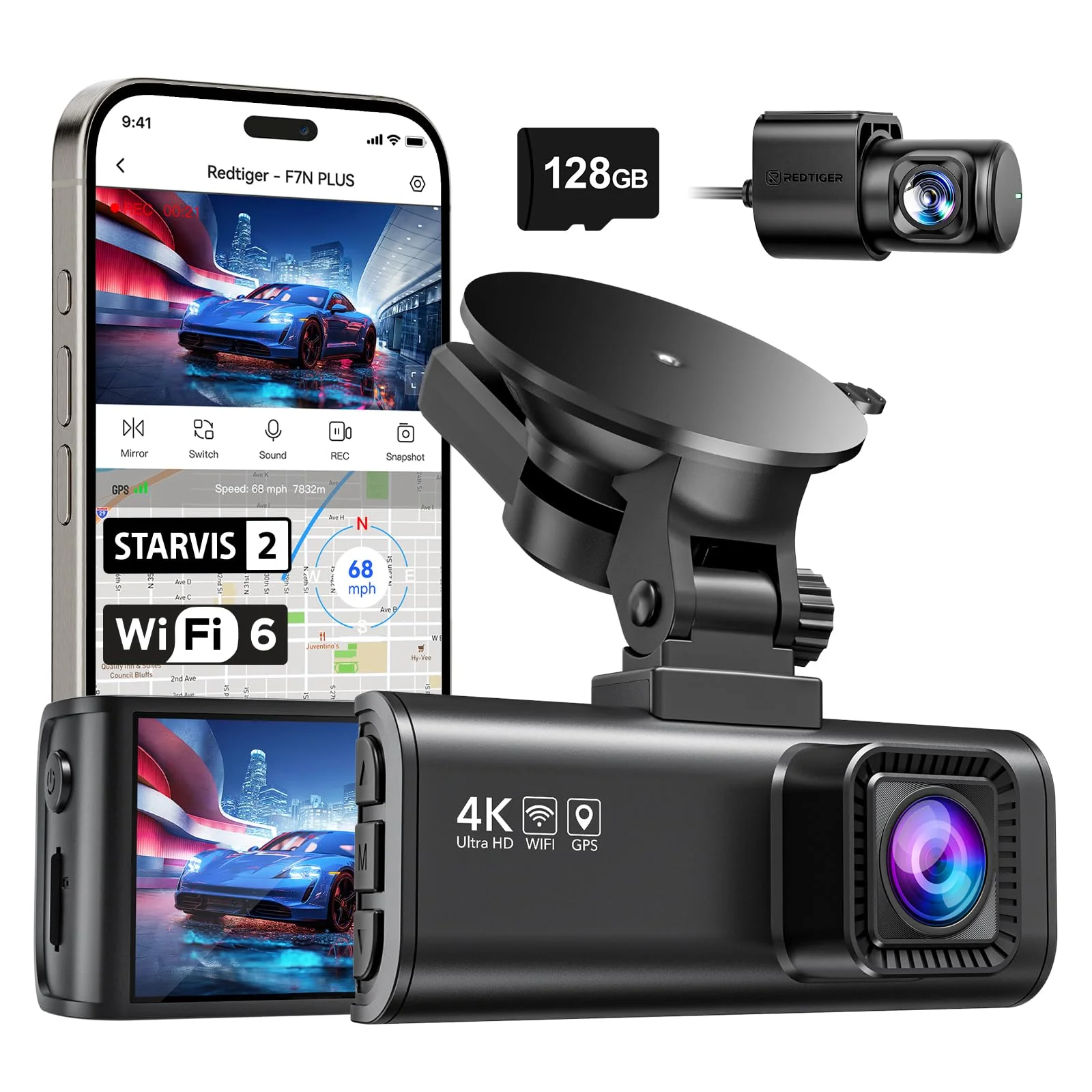
Plenty of people buy a dual cam and still come up empty when they need the clip, and it almost always traces to one of a few avoidable mistakes. The biggest is buying on the front 4K number and ignoring the rear sensor — then the night-time rear footage that was supposed to nail the plate is a blooming blur. The rear camera is the point; spec it like it's the point.
The second is the cable. People order a kit sized for a sedan and try to run it in an SUV, come up short at the hatch, and either leave the rear camera unmounted or zip-tie it somewhere useless. Match the rear lead to your body style before you order, full stop.
The third is assuming parking mode works out of the box. It needs constant power and a cutoff, which usually means a hardwire kit sold separately — so the cam shuts off with the ignition and records nothing while you're parked, which is exactly when most rear and side damage happens. Confirm the parking-mode hardware is in the box or budget for it.
The last one is mounting the rear camera filthy or behind a tinted strip. A rear lens shooting through road grime or a dark privacy tint loses the plate it exists to capture. Clean the glass, mount above the tint line, and wipe the rear lens when you do the back window — a rear camera you can't read is a rear camera you don't have.
The Verdict After Wiring a Few of These
For the buyer who wants the rear image clean when it actually counts, the VIOFO A129 Plus Duo is the one to wire in. The named low-light sensor pulls a readable plate at night where the budget kits smear, the build shrugs off a summer on the glass, and the parking-mode support is real rather than a box claim. It costs more, and for night drivers and long-term owners it's worth every dollar of it.
If you want the most camera per dollar and you drive mostly in daylight, the REDTIGER 4K or the ROVE R2-4K DUAL is the smart, honest buy — genuine 4K front, a usable rear, GPS and an app, and a cable that survives a normal install, all for around a hundred bucks. The RoadWitness 4K sits right alongside them. The forty-dollar budget kit I'd keep for a temporary car only; the rear cable and the heat are exactly where it lets you down.
Whatever you pick, judge it by the rear camera, not the front. Check the rear sensor, match the cable to your vehicle, budget for the hardwire kit if you want parking mode, and run the cable with slack at every flex point. Do that and the second camera does the one thing you bought it for — it's there, working, pointed at the trouble you never see coming. — Marcus Bell
The complete lineup also includes REDTIGER 4K Dash Cam Front Rear ($109.99), RoadWitness 4K 360 Dash Cam ($139.99), Budget Dual Dash Cam Front and Rear ($47.98) — each compared on the same specs and reviewer consensus.