VIOFO vs 70mai: Find Your Driver Type First
"Which is better, VIOFO or 70mai?" is the wrong question, and it's why most comparisons leave you more confused than when you started. Neither brand is universally better. They win for different drivers — and once you know which driver you are, the answer stops being a coin flip.
So this page is organized the way you actually decide: by driver type. Park outside in brutal heat? Evidence quality your only priority? On a hard budget? Live in the app? Want one camera that watches every angle? Each of those drivers has a clear winner, and they are not all the same brand.
The short map, so you can jump to yourself:
- The hot-climate parker — VIOFO, no contest (heat tolerance)
- The evidence-first driver — VIOFO (plates, both ends of the car)
- The budget buyer — 70mai (most camera per dollar, card included)
- The app-first owner — 70mai (polish, remote viewing)
- The 360-coverage driver — 70mai's Omni (a category VIOFO doesn't enter)
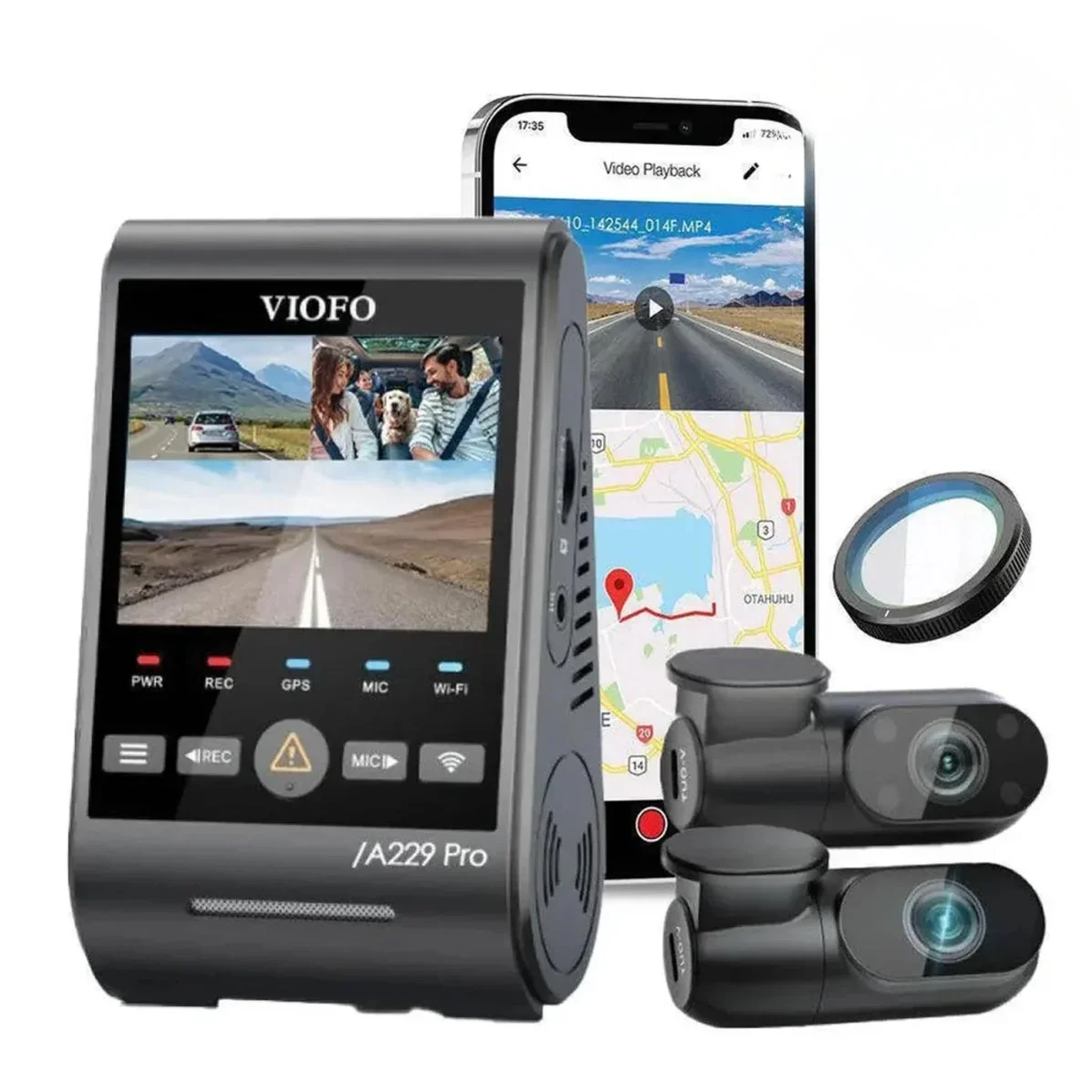
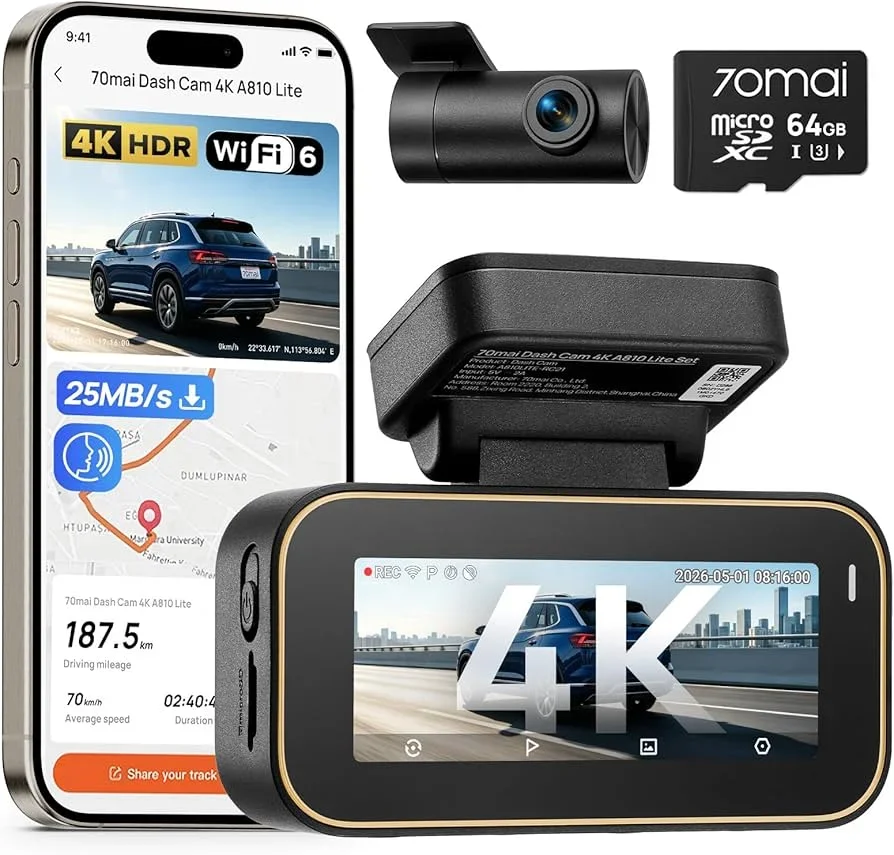
The flagship matchup most people land on is the VIOFO A229 Pro against the 70mai A810, so they anchor the spec talk below. But the driver-type framing holds across both brands' lines. My lens is an overlander's, which is unforgiving by design: gear that bakes in July and freezes in January and then has to work the one afternoon it matters. The verdicts that follow name the owner reports and reviewers behind them as we go — no invented bench tests.
Two Brands, Two Philosophies — Why the Winner Changes by Driver
The reason no single brand wins is that VIOFO and 70mai are answering different questions. VIOFO asks what a camera needs to survive five years of heat cycles and still produce plate-readable evidence. 70mai asks how to make a dash cam feel as effortless as the rest of your phone-connected life. Both answers are good. They're just good for different people.
You can read it in the hardware. VIOFO puts supercapacitors across its current line instead of lithium batteries, threads CPL filters onto its lenses, and ships firmware updates for cams it sold years ago. None of that demos well in a store; all of it matters on a windshield. 70mai's choices favor week one: a memory card in the box, a setup flow that holds your hand, live remote viewing over 4G if you add the SIM kit.
One brand assumes you will open the settings menu and tune the bitrate. The other assumes you will never open the settings menu at all. Both assumptions are correct — about different people.
Community footprint says the same thing. VIOFO has a dedicated, very active section on DashCamTalk where firmware quirks get found and fixed in public; 70mai's threads skew toward bundle questions and app walkthroughs. So as you read your driver type below, keep the philosophy in mind — it's the through-line that explains every verdict. The money with VIOFO goes into the sensor, the lens, and the power circuit; with 70mai, part of it goes into the bundled card, the app team, and the cellular hardware. Same price bracket, different groceries.
The Hot-Climate Parker: VIOFO Wins (and It Isn't Close)
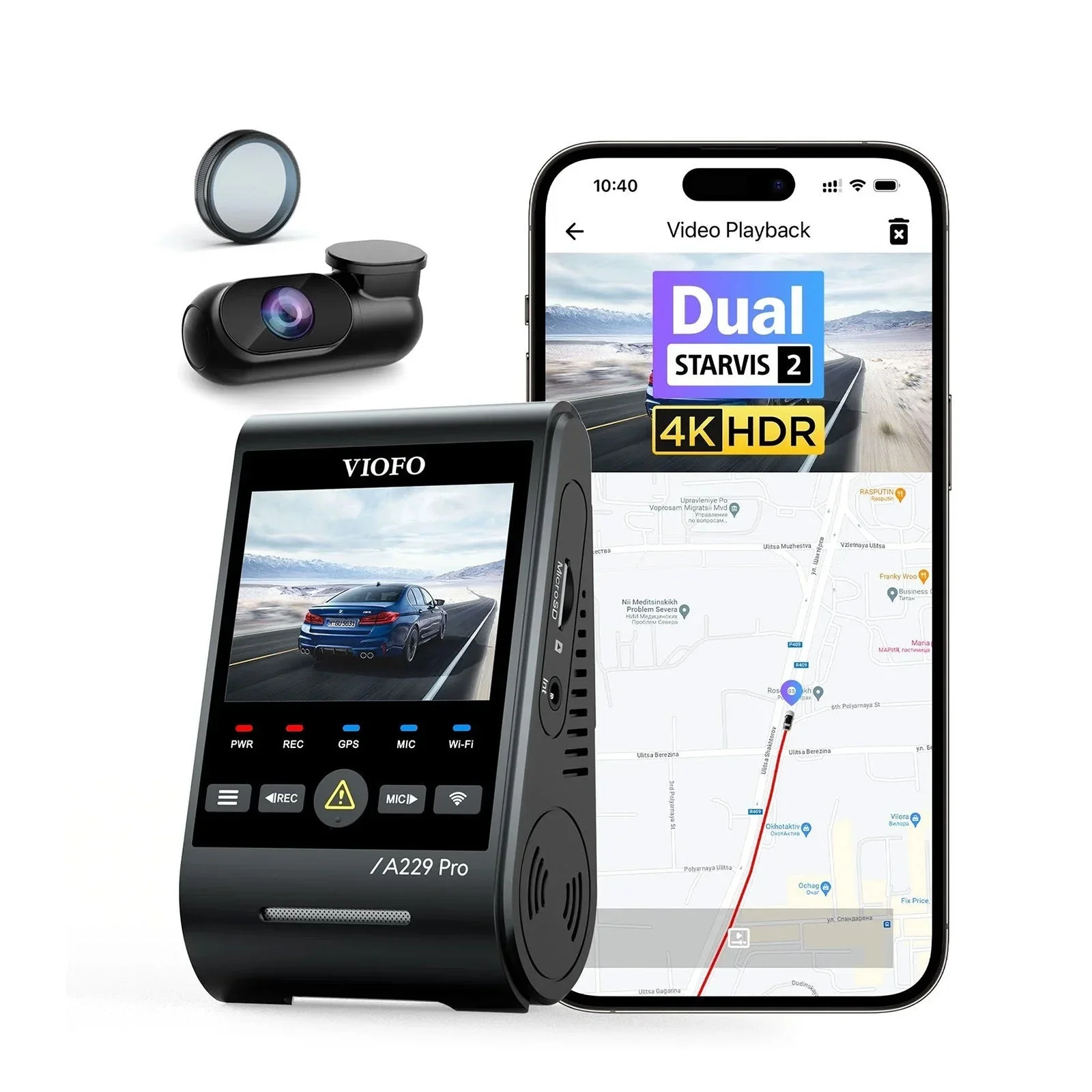
If you park outside in real heat — Phoenix, Vegas, Texas, a Florida parking lot in August — this is the driver type where the brands genuinely diverge, and VIOFO wins decisively. The shelf behind your mirror is the hottest spot in a parked car, and it's where dash cams go to die.
The difference is the power source, and the spec numbers are concrete. Per BlackboxMyCar's side-by-side, the VIOFO A229 Pro runs a supercapacitor rated to a 65°C ceiling, while the 70mai A810 uses a 500mAh lithium-ion battery rated to 60°C. That five-degree gap understates it: the supercapacitor has no battery to swell, vent, or quietly die after two summers of heat soak — the classic end-of-life story for battery-built cams.
The reliability chatter follows the same line. On DashCamTalk, VIOFO's section is full of people running the same cam into year four; the brand became the forum's default partly because those long-haul threads exist. Third-party rankings agree at the top — Vortex Radar's best-dash-cam roundup puts VIOFO's flagship at the top of the category overall.
- Hot climate, outdoor parking: buy the supercapacitor build (VIOFO) and stop thinking about it.
- Mild coastal weather, garage parking: the risk gap narrows to nearly academic — pick on other factors.
None of this makes a 70mai fragile; it makes climate a deciding input. If you're a hot-climate parker, our guide to temperature and dash cam components is worth reading before you commit, because the windshield doesn't grade on a curve.
The Evidence-First Driver: VIOFO, for Plates and Both Ends of the Car
If the only thing you care about is footage that holds up — a readable plate, a clear view of the car that hit you — you're the evidence-first driver, and VIOFO is your pick. The reason is where each brand spends its image budget.
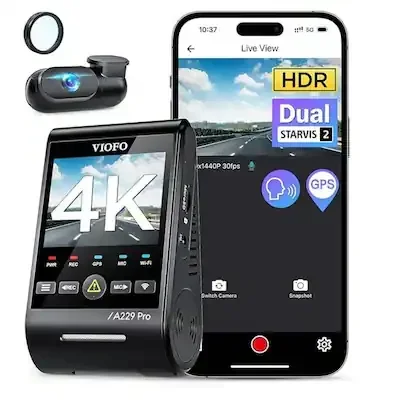
Both flagships put a Sony STARVIS 2 sensor up front. The split is behind the car and in the motion. Here's the matchup most buyers weigh:
| Spec (per BlackboxMyCar / DashCamTalk) | VIOFO A229 Pro | 70mai A810 |
|---|---|---|
| Front sensor | Sony STARVIS 2 (4K) | 8MP Sony STARVIS 2 IMX678 (4K) |
| Rear camera | 2K, STARVIS 2 low-light sensor | 1080P, standard 2MP sensor |
| Front frame rate | 30fps | 25fps |
| Wi-Fi | 5GHz dual-band | 2.4GHz only |
| GPS | Quad-mode (GPS+GLONASS+Galileo+BeiDou) | GPS only |
The Rear-Camera Gap Is the Whole Story
Owners on DashCamTalk flag the asymmetry every time: the A810's rear is a standard 1080P unit, while the A229 Pro's rear is a genuine STARVIS 2 low-light camera. At night, the camera facing the car that rear-ends you is the one earning its keep — and a rear-end collision is the single most common crash you'll need footage of.
Smoothness and Plates
Frame rate is the sleeper spec. DashCamTalk notes the 70mai records front at 25fps against VIOFO's 30fps, and finds the 70mai footage reads a touch less smooth in motion. On plates specifically, SafeDriveSolutions ran VIOFO's A229 Pro against a top-tier 70mai on license-plate capture and found the VIOFO consistently sharper. For the evidence-first driver, that sentence is the decision.
The Budget Buyer: 70mai Gives You the Most Camera per Dollar
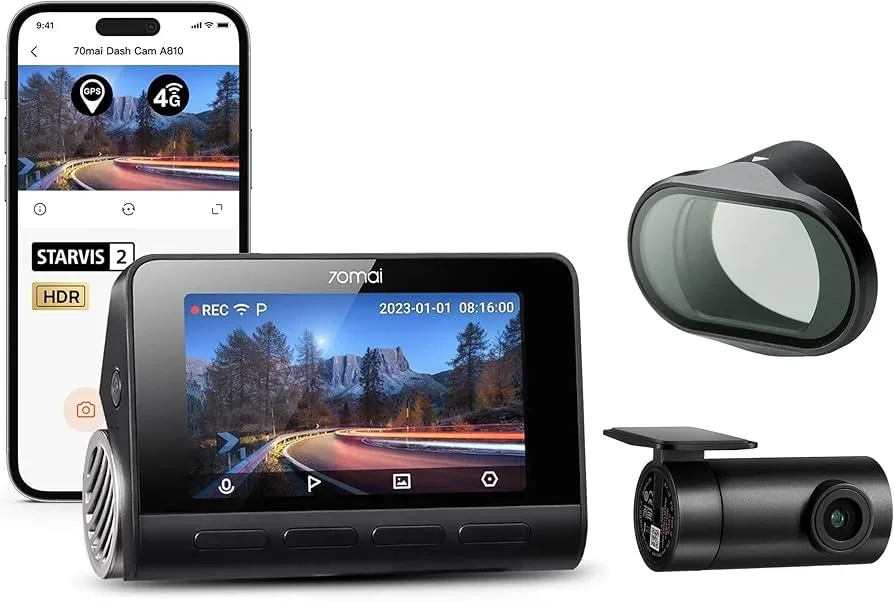
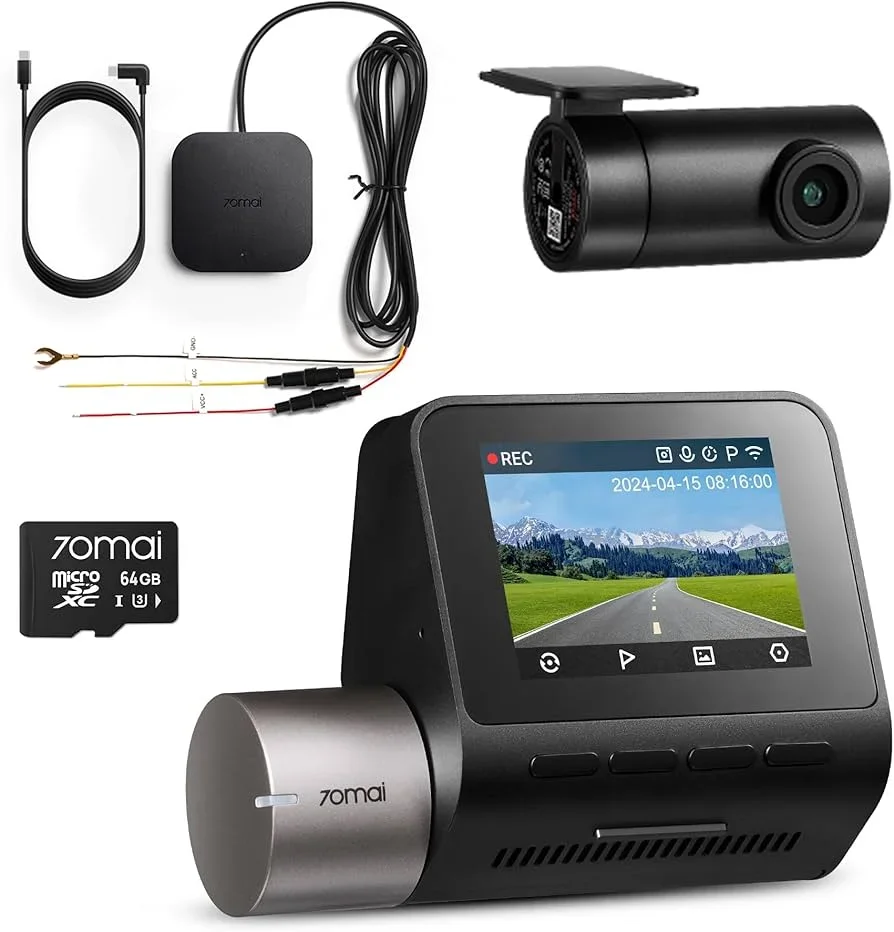
If the budget is firm and you want the most coverage your money can buy, you're the budget buyer — and here 70mai wins. The brand's whole model is to put more in the box for less, and on the entry tier that's a real advantage, not a consolation.
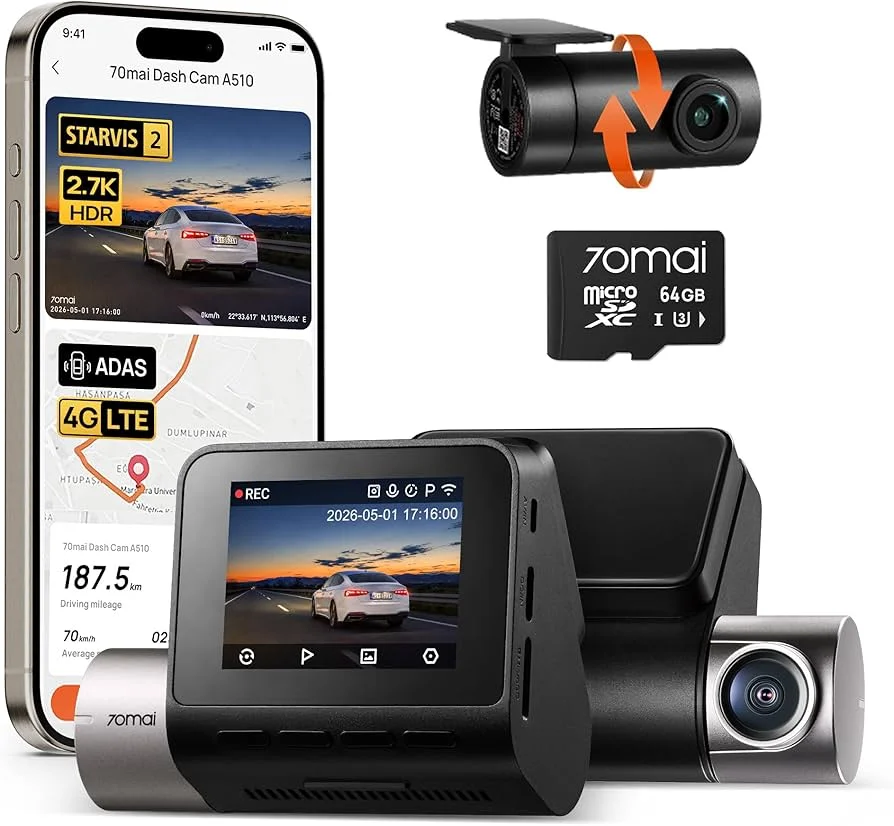
Under about $110, the matchup is the 70mai A510 against VIOFO's single-channel A119 Mini 2. The A510 answers with quantity — one purchase, whole car covered:
- A 1944P front camera plus a 1080P rear
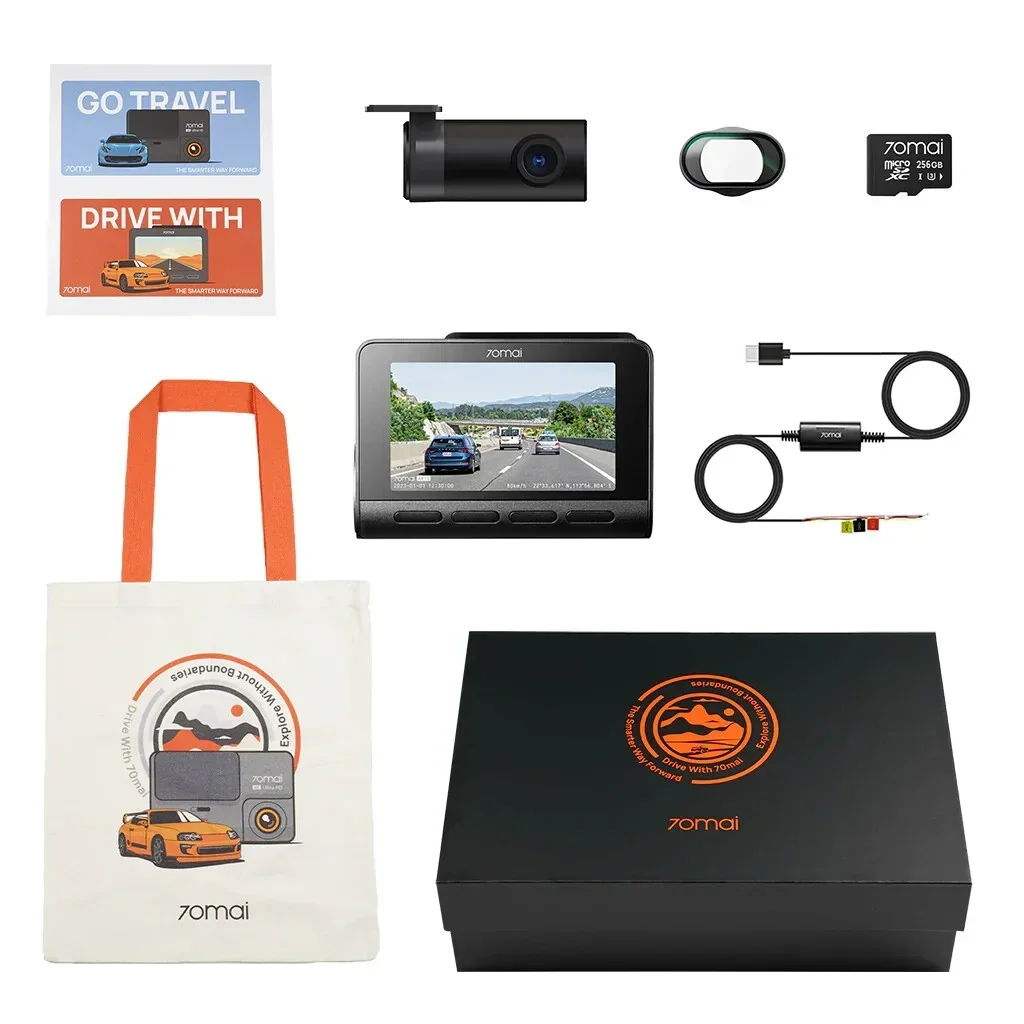
- A 64GB card already in the box
- A 2-inch screen for aiming it without the app
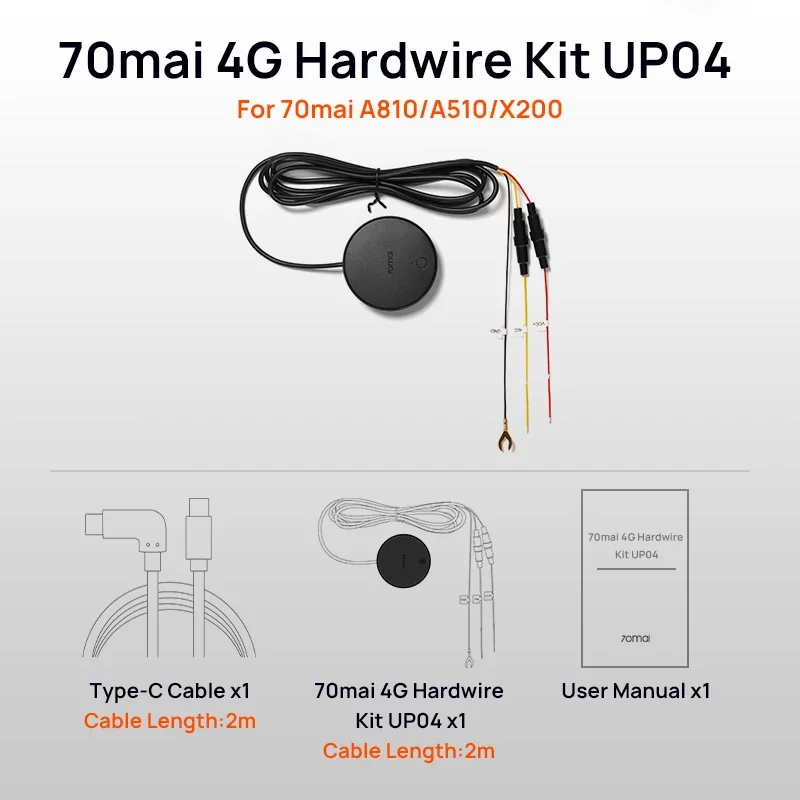
- Optional 4G support through 70mai's hardwire kit
VIOFO's budget answer pours everything into a single excellent front image instead — a brighter lens and 60fps capture for sharper night plates — but it has nothing pointed backward, and the card is sold separately. So the budget question is really a coverage question: one excellence, or two competences for the same money?
A budget buys you one excellence or two competences. Pick based on which crash you're actually insuring against — and whether you'll ever get around to buying that separately-sold card.
Do the out-the-door math before you decide who's cheaper. A VIOFO arrives card-less, and a proper high-endurance card adds $20-35 to the real price — which can flip an apparent $10 gap into something closer to $40. Most owners end up buying the bigger card anyway; our dash cam SD card guide covers what 'high endurance' means and which sizes make sense per channel count. For the budget buyer, 70mai's bundle is simply the easiest yes in this comparison.
The App-First Owner: 70mai's Polish Is the Real Draw
If the camera that disappears into your phone is the one you'll actually maintain, you're the app-first owner — and 70mai built its lead here. Day-to-day ownership is mostly app ownership, because the only time you touch a dash cam after install is to pull a clip or check a setting.
The 70mai app is the consumer-grade experience: guided setup, fast clip preview and download, firmware pushed like a phone update, and — with the 4G kit — live remote view, collision alerts, and location on your phone while the car sits in long-term parking. That remote story is genuinely the cleanest in the class, delivered through 70mai's LTE hardwire kit.
VIOFO's app is the engineer's tool by contrast: every setting exposed, bitrate and parking sensitivity included, with 5GHz Wi-Fi that moves big 4K files at a usable pace. It's less pretty and more capable — the brand in one sentence — but it is not where VIOFO wins owners.
One practical note that surprises people: neither app is required for core recording. Both cams record happily with your phone left at home; the app is for retrieval and settings, not operation. So the app question is about how the ownership feels, not whether the camera works. If checking on a parked car from your phone three states away is the feature you'd genuinely use, that's a real argument for 70mai — AT&T coverage permitting on the LTE kit, which is worth verifying for your area before you commit.
The 360-Coverage Driver: 70mai's Omni Enters a Lane VIOFO Skips
There's one driver type VIOFO doesn't serve at all: the person who wants a single camera watching every direction. If that's you — a rideshare or delivery driver, a dash-cam vlogger, anyone who wants 360-degree awareness from one unit — 70mai's Omni is the answer, and VIOFO has no head-to-head entry.
The Omni is built around an industry-first rotating design: a stepping motor turns the lens across roughly 340 degrees with no fixed blind spot, and per 70mai it follows the action — when it detects a parking hit, it identifies the impact direction and turns toward it to record. Its AI motion detection calculates a nearby person's distance and intent before it starts recording, which is the consumer-electronics philosophy taken to its logical end.
- Storage: built-in eMMC (32/64/128GB options) instead of a removable SD card — more resistant to the vibration-induced write errors that kill cheaper cams, per reviewer reports.
- Coverage: one rotating lens replaces a front-and-rear pair for situational awareness, though it can't watch front and back simultaneously the way a true dual-channel does.
- Audience: TechRadar frames it as ideal for anyone who wants many angles from one in-car camera, including drivers who vlog.
It's a genuinely different product, not a better A229 Pro. The evidence-first driver above still wants a fixed dual-channel for simultaneous front-and-rear plates. But for the 360-coverage driver, the Omni is the most interesting thing either brand makes — and it's all 70mai.
Parking Mode and Hardwire Kits: Buffered vs Guardian
Parking mode is the feature people buy flagships for, and it cuts cleanly along the driver types above. VIOFO and 70mai implement it differently enough that this alone can decide your pick.
VIOFO runs buffered parking. Hardwired, the cam keeps video rolling through a RAM buffer, so when the G-sensor trips it saves the seconds before the hit. The numbers are concrete: per BlackboxMyCar the A229 Pro captures roughly 15 seconds before an event and 30 after. 70mai's AI Parking takes the consumer route — it sleeps, wakes on impact or motion, and per the same comparison buffers only about 2 seconds. Physics is strict: a camera that wakes on impact records mostly the aftermath, not the approach.
Buffered parking tells you who hit you. Guardian mode tells you that you were hit. One of those reports is considerably more useful to an insurance adjuster.
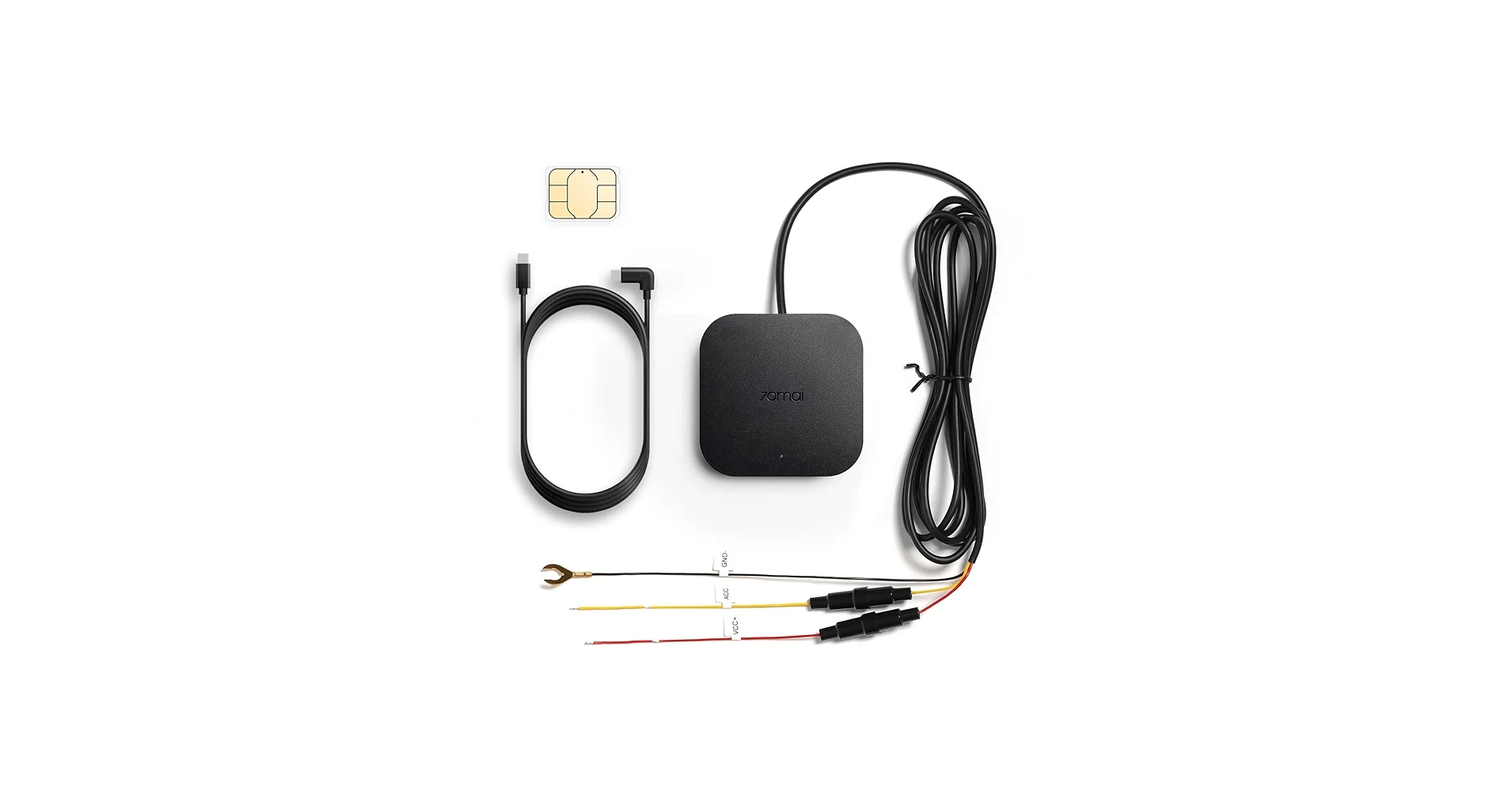
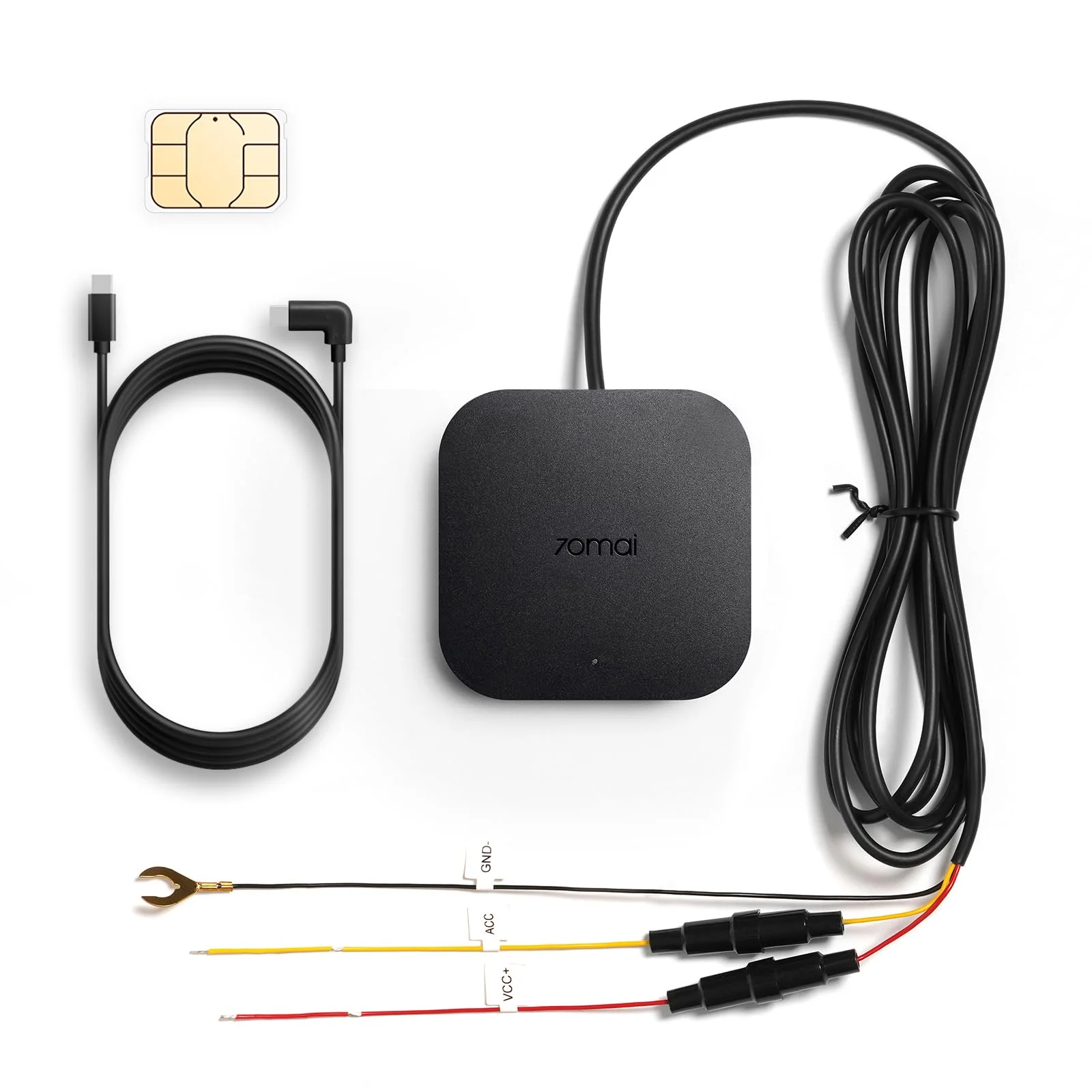
The hardwire kits mirror the philosophies. VIOFO's three-wire kits are plain, reliable voltage-cutoff tools. The 70mai UP05 4G hardwire kit is a different animal: it powers the cam, adds an LTE modem, and turns parking mode into remote live view. Read its fine print, though — the manufacturer specs it at 12V-30V input stepping to 5V/2.4A with low-voltage protection (good), but lists the cellular side as AT&T SIM compatible only, a real constraint if your coverage map says otherwise.
Whichever brand you land on, don't run parking mode off a cigarette-lighter plug and hope. Our hardwire kit guide walks the install; the kit costs less than your deductible by an order of magnitude.
Night Footage: Where the Real Difference Hides
Night is where dash cam marketing gets loudest and the real differences get specific. Since both brands buy from Sony's STARVIS 2 family, the gap comes from glass, processing, and which channels get the good sensor — not from the silicon alone.
Processing style splits them. Owner clips in the brand-comparison threads show 70mai tuning brighter and punchier, VIOFO tuning flatter and more natural. The brighter image looks better on a phone; the flatter one tends to hold plate detail instead of blowing it out. That's the evidence-first driver's distinction again, lit up at night.
A night image that looks impressive and a night image that reads a license plate are two different products. Buy the second one.
Both brands sell polarizing filters for their current cams — VIOFO has threaded CPLs across most of the line, and 70mai lists one for the A810 and A510 generation. In a truck with a high, light-colored dash, the CPL is the cheapest image upgrade either brand offers. If you want the deeper mechanics of sensor size, IR, and why HDR matters more than resolution after dark, our guide to dash cam night vision covers the theory. For this matchup, the practical answer holds: VIOFO's optics and dual STARVIS 2 channels lead for evidence; 70mai's tuning flatters on screen.
VIOFO vs 70mai: The Verdict by Driver
After the heat numbers, the parking-mode mechanics, and the night talk, the verdict is cleaner than most brand wars — because it isn't one verdict, it's five, one per driver.
If you're the evidence-first driver or you park outside in heat, it's the VIOFO A229 Pro: STARVIS 2 sensors on both ends of the car, a 15-second buffered parking mode, a supercapacitor rated to 65°C that shrugs off heat soak, quad-mode GPS, and the plate-reading edge named reviewers keep finding. That's the evidence machine.
If you're the budget buyer, the value verdict goes to the 70mai A510: front-and-rear coverage and a card in one box, an app that makes upkeep painless, for less money. For a first dash cam or a second car, it's the easiest yes here.
The split verdicts: the 70mai A810 for the app-first owner who wants a first-rate 4K front image plus remote LTE viewing through the UP05 kit, and 70mai's Omni for the 360-coverage driver who wants every angle from one rotating lens — a lane VIOFO doesn't enter.
The bottom line: 70mai builds the better first week, VIOFO builds the better fifth year. These two aren't really competitors — they're answers to different drivers. Decide which driver you are, spend the extra on a real high-endurance card either way, and hardwire the thing. The best dash cam argument is the clip you actually have when the other driver's insurance company calls. — Dana Cole