
The Answer: It Fits - the Driving Limit Is the Catch
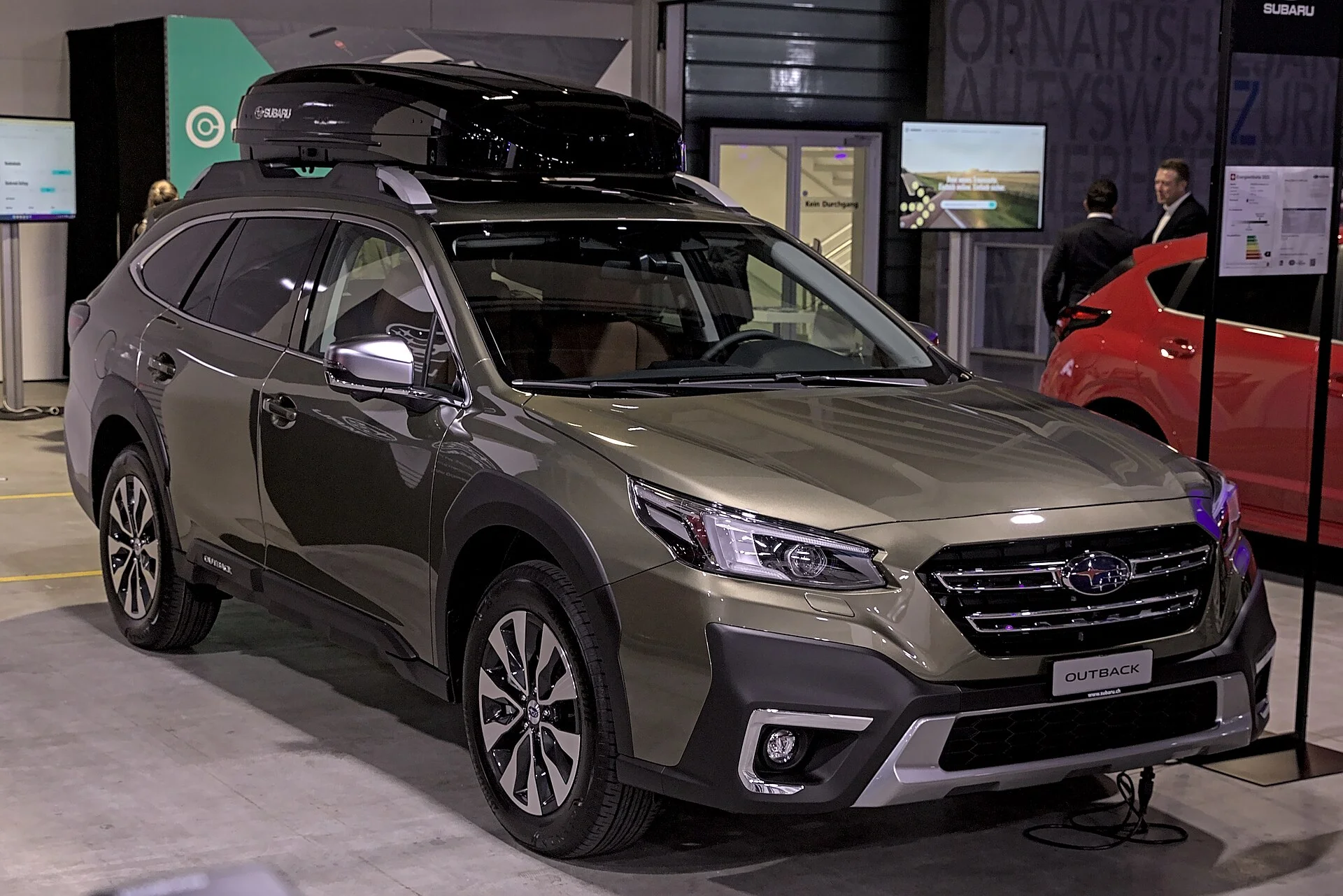
The install is where most of these decisions actually get made, so here is the direct answer: yes, a rooftop tent fits a Subaru Outback, and an Outback can physically carry most rooftop tents on the market. But whether it fits is the wrong question. The real constraint is staying under the roof's dynamic weight rating while driving - and that is a number a lot of people never check before they buy a tent.
That number is 176 pounds on 2015-and-newer Outbacks - the total the roof can carry while the vehicle is moving, including the crossbars, the tent, the ladder, and any gear left inside. It is not the tent's footprint that stops you; it is the scale. A tent that bolts up perfectly can still put you over the limit once you add the bars and hardware.
So the honest framing for this whole guide is that fitment is easy and weight is the discipline. The measure-twice step here is not the tape measure - it is the math. Add up every pound that rides on the roof at highway speed, keep it under 176, and the Outback is a perfectly good rooftop-tent platform. Skip that step and you are driving over the rating the manufacturer set, which is exactly the shortcut that fails later.
Dynamic vs Static: The Number That Governs
Before the math, the single most misunderstood spec: dynamic load versus static load. The dynamic rating of 176 pounds is what the roof can carry while the vehicle is moving. The static roof load - the weight it holds while parked - is far higher, generally cited in the 800 to 1,000 pound range, with one source citing roughly 650 pounds parked. Static capacity is typically three or more times the dynamic rating.
Why two numbers? Driving loads the roof dynamically - bumps, cornering, braking, and wind all multiply the effective force on the crossbars, so the safe moving limit is deliberately conservative. Parked, none of that applies, which is why the same roof that is rated for 176 pounds in motion can hold two adults sleeping in a tent without complaint. The rating is not contradicting itself; it is describing two different load cases.
Getting this straight is the whole game, because people see the big static number and assume the roof can carry a heavy tent down the highway. It cannot. The number that governs your tent choice is the 176-pound dynamic figure, full stop. The generous static rating only matters once you have stopped and climbed in - which, conveniently, is exactly when you need it.
Your Roof's Real Number by Model Year
Not every Outback carries the same rating, so confirm your generation before you shop. Subaru rates the factory roof for a dynamic load of 176 pounds on 2015-and-newer models, covering the 4th and 5th generations. Older Outbacks from 2005 to 2014 - the 2nd and 3rd generations - carry a lower 150-pound dynamic roof load rating. That 26-pound difference is enough to change which tents are viable, so it is not a detail to gloss over.
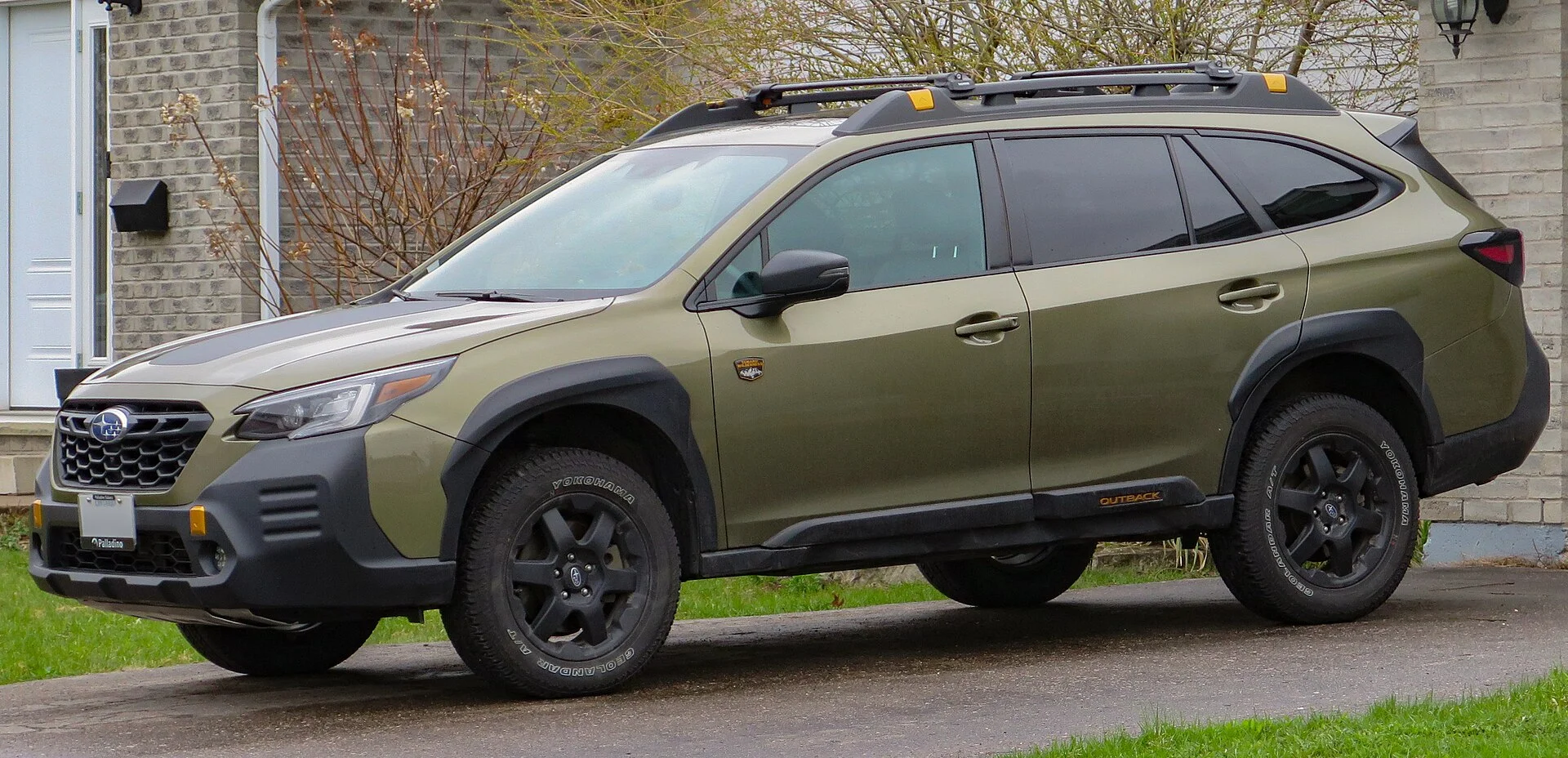
The Wilderness trim is its own case worth knowing. It is commonly cited with a much higher static roof rating around 700 pounds, versus about 150 to 176 pounds dynamic on standard trims. Note what that does and does not change: the parked capacity is higher, but the driving limit is still in the same 150-to-176-pound band, so the Wilderness does not let you run a heavier tent down the road than a standard Outback.
The practical step is to verify your exact year against the owner's manual rather than trusting a forum number for a different generation. A 2012 owner planning around 176 pounds is 26 pounds over from the start. Know your real dynamic figure first - 150 or 176 - and every downstream decision about crossbars and tent weight flows from that one confirmed number.
Factory Crossbars Won't Cut It
Here is the step everyone skips: checking the crossbars, not just the roof. Subaru's own factory crossbars have a safe working capacity of only about 120 pounds - well below the roof's 176-pound dynamic rating. That means the bars, not the roof, become your limiting factor if you keep the factory set, and 120 pounds is not enough headroom for most tents once you add the tent's own weight and a ladder.
The fix is quality aftermarket crossbars. Good bars from Rhino-Rack, Thule, or Yakima are typically rated to 165 pounds dynamic load, which finally lets you use most of the roof's capacity instead of leaving capacity on the table. Upgrading the bars is usually the first purchase in a rooftop-tent build on an Outback, and it is the one that unlocks the rest of the plan.
Weigh the bars too, because they count against the limit. Subaru OEM crossbars weigh about 8 to 10 pounds, Yakima JetStream bars run about 11 to 13 pounds per pair, and Thule WingBar Evo bars are about 14 to 16 pounds per pair. If you step up to a Front Runner Slimline II platform rack, that is about 28 to 40 pounds depending on size - and a typical lightweight platform of about 26 pounds must be subtracted from the roof's dynamic limit before you add a single ounce of tent.
Doing the Weight Math: Bars + Tent + Ladder
This is the calculation that decides everything, so walk it like a procedure. Start with your dynamic limit - 176 pounds on a modern Outback. Subtract the crossbars or platform: call it 26 pounds for a lightweight platform, or 11 to 16 pounds for a good bar set. What remains is your real tent-plus-accessories budget, and it is smaller than most people expect once the rack is accounted for.
Now add the rest of what rides up top. A rooftop tent ladder and mounting hardware add about 5 to 10 pounds. An annex or awning adds about 15 to 25 pounds. Two sleeping bags plus pads left inside the tent add about 8 to 12 pounds to the dynamic load - and yes, gear stored in the tent counts while you drive. These small numbers are exactly what push a build over the edge.
Add it up honestly and the reason for caution is obvious: the crossbars plus tent plus ladder can easily total 160 to 185 pounds, which sits right at or over the 176-pound dynamic limit on standard Outbacks. That is not a comfortable margin - it is the edge. The clean install stays under the number with room to spare, which means the tent itself has to be chosen with the rack and accessories already subtracted.
Picking a Tent Under the Limit
Given the math, the tent-selection rule writes itself. The practical recommendation is to choose a tent under 150 pounds paired with aftermarket crossbars rated to 165 pounds dynamic. That combination leaves headroom for the ladder, hardware, and the bedding you leave inside, and it keeps the moving total under the 176-pound roof rating without you having to shave grams on trip day.
Under 150 pounds is a real constraint, not a suggestion, and it rules out the heaviest hardshells. But it leaves plenty of good options, which the next section lays out by weight. The point of anchoring on 150 is that it builds in the margin the accessories eat: a 150-pound tent plus a 15-pound bar set is already 165 pounds before the ladder, so even that leaves you close and argues for going lighter still.
Do not forget the bars in the pairing. A tent under 150 pounds only stays legal if it rides on bars that can carry it dynamically - which is why the recommendation names 165-pound aftermarket bars in the same breath. Match a light tent to strong, light bars, keep the running total under 176, and you have a clean, lasting install. Upgrade your bars with a quality aftermarket roof rack crossbars set before anything else.
Softshell vs Hardshell Weights
Tent weight sorts cleanly into two camps, and it maps directly onto the Outback's limit. Softshell rooftop tents are the lighter category: a Tepui Kukenam 3 is 108 pounds, a CVT Mt. Rainier runs 115 to 125 pounds, and a Smittybilt Overlander is 120 pounds. All three leave workable headroom under 150 pounds once you add bars and a ladder, which is why softshells are the natural match for this roof.
Hardshells are heavier and get tight fast. A Roofnest Sparrow Eye is 130 pounds, an iKamper Skycamp Mini is 132 pounds, and the full iKamper Skycamp 2.0 reaches 175 pounds - which on its own is essentially the entire dynamic limit before you have added a single crossbar. James Baroud and Autohome hardshells range from 120 to 150 pounds, so the lighter hardshells are viable but the heavy ones are not.
The install takeaway is to shop by weight first, style second. A 130-pound hardshell can work on 165-pound bars if you keep accessories light, but a 175-pound hardshell is a non-starter on a standard Outback - it blows the 176-pound limit by itself. Softshells in the 108-to-125-pound range give you the cleanest margin, and margin is what keeps a roof-loaded wagon composed and legal at highway speed.
It Mounts to the Crossbars, Not the Rails
A fitment detail that trips people up: a rooftop tent mounts to the crossbars, not directly to the roof rails. That means raised factory rails still require crossbars spanning them to carry a tent - the rails are the anchor points, but the tent clamps to the bars that bridge them. If you were hoping the factory raised rails alone would hold a tent, they will not; crossbars are mandatory.
This is why the crossbar choice is not optional on any Outback. Whether your car has raised rails or flush mounting points, you are adding crossbars, and those bars have to be rated to carry the tent dynamically. It also means the bar spread - how far apart the front and rear bars sit - has to match the tent's mounting channels, so measure your bar spacing against the tent's specs before ordering.
The clean-install lesson is to treat rails, bars, and tent as one system. The tent's weight rides on the bars; the bars clamp to the rails; the rails transfer load to the roof. Every joint in that chain has to be rated and torqued correctly, because a tent that mounts to under-spec bars is the setup that works loose or fails on the highway. Buy the bars for the tent, not the other way around.
Parked vs Driving: Why Two Adults Is Fine
Here is the reassuring flip side of the strict driving limit. Once you are parked, the roof easily supports two adults - roughly 300 to 400 pounds - plus the tent, because the static rating is several times higher than the dynamic one. The same Outback roof that caps you at 176 pounds on the highway holds 800 to 1,000 pounds parked, which is why people sleep two-up in a rooftop tent without the roof caving.
This resolves the worry that most first-time buyers have. They see the 176-pound driving number, do the math for two sleepers, and panic - but the two numbers apply to two different moments. The dynamic limit governs while the wheels are turning; the static limit governs while you are asleep. You will never have two adults plus a tent moving down the road, so the two cases never conflict.
The practical upshot: build to the dynamic limit for the drive, and trust the static limit for the night. Keep your rolling total under 176 pounds, park, deploy the tent, and the roof comfortably carries the sleeping load. The engineering is doing exactly what it should - being conservative in motion and generous at rest - and understanding that split is what lets you use a rooftop tent on an Outback with confidence.
The Verdict: Fits Easily, Just Do the Math
Pull it together and the answer is a clean yes with one instruction. An Outback can physically carry most rooftop tents, so fitment is not the obstacle - staying under the 176-pound dynamic rating while driving is the real constraint, not whether the tent fits. Confirm your generation's number first (150 pounds on 2005 to 2014, 176 on 2015 and newer) and build from there.
The recipe that works: upgrade to aftermarket crossbars rated to 165 pounds dynamic, choose a softshell or light hardshell tent under 150 pounds, account for the roughly 26-pound platform or 11-to-16-pound bars, the 5-to-10-pound ladder, and the 8-to-12 pounds of bedding you leave inside. Keep the rolling total under 176 and you have a clean, lasting, legal install instead of one that rides over the rating.
And do not let the strict driving limit scare you off the whole idea. Parked, the roof holds 800 to 1,000 pounds - two adults and the tent, no problem - because the static rating is several times the dynamic one. Respect the number in motion, trust the number at rest, and the Subaru Outback makes a genuinely good rooftop-tent platform. The measure-twice step is the math, and once it is done, the rest is just torquing the bolts.