Why a rooftop tent changes SUV camping
A rooftop tent turns almost any capable SUV into a base camp you can pitch in minutes, off the cold, wet, rocky ground and away from the bugs and runoff that plague tent campers. You climb a ladder into a ready-made bed with a built-in mattress, and in the morning you fold it down and drive away. For overlanders and weekend explorers, it is the single biggest comfort upgrade short of a camper van.
But a rooftop tent is also the gear purchase most likely to go wrong if you skip the homework. The deciding factors are not the photos, they are your SUV's roof-load ratings, the crossbars you will need to buy, the weight and folded height of the tent, and the soft-shell-versus-hard-shell trade-off. This guide covers what actually matters, then matches it to the best picks with honest trade-offs and a head-to-head.
It is worth naming who this is for: SUV owners who want to sleep off the ground at developed and dispersed sites, who base-camp more than they move camp daily, and who are willing to trade some fuel economy and a rack purchase for fast, comfortable, elevated sleeping. Once you understand the load ratings and the shell types, the decision gets clear.
The numbers that decide it: dynamic and static load
Before you fall for any tent, find two numbers in your SUV's manual. The dynamic roof-load rating, commonly 150 to 165 pounds on midsize SUVs, is the maximum while driving, and it must cover the tent's stowed weight plus the rack. The static roof-load rating is far higher (often 600-plus pounds) and is the limit while parked, which is what actually holds you, a partner and your bedding when you sleep.
- Dynamic rating (driving) = match the tent's folded weight to this
- Static rating (parked) = covers sleepers + gear at night
- Crossbar load rating must also exceed the tent weight
The practical takeaway: a heavy hard-shell tent that exceeds your dynamic rating is a non-starter even if the static number looks comfortable, because the danger is at speed, not at rest. Lightweight soft-shells like the Thule Tepui Foothill exist specifically to stay under tight dynamic limits. Always check your vehicle's published ratings, not a forum guess, before you buy.
What to look for: the buying criteria
Weight versus your dynamic rating comes first, if the tent plus rack exceeds it, nothing else matters. Shell type is next: soft-shell for capacity and value, hard-shell for fast setup and aerodynamics. Folded height and footprint matter for narrow SUV roofs and for sharing the roof with a cargo box.
Setup speed and weather sealing round it out, gas-strut pop-ups beat manual unfolding in the rain, and quality fabric and poles keep you dry in wind. We weighted weight-versus-rating and shell type most heavily, because those decide whether the tent is safe on your SUV and how you will live with it.
- Folded weight under your dynamic roof rating (plus rack)
- Soft-shell (capacity/value) vs hard-shell (speed/aero)
- Low folded height and a footprint your roof fits
- Fast, weather-sealed setup for real conditions
Our top picks for SUVs
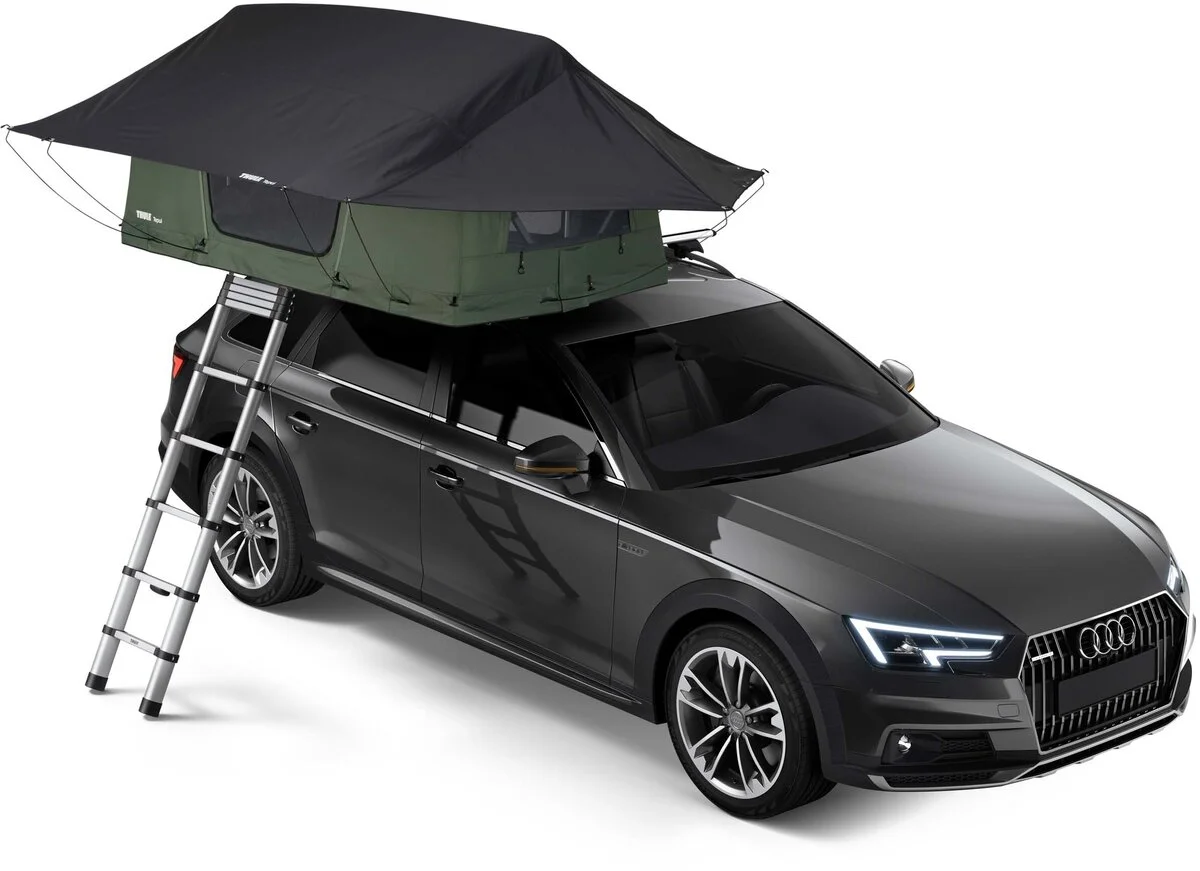
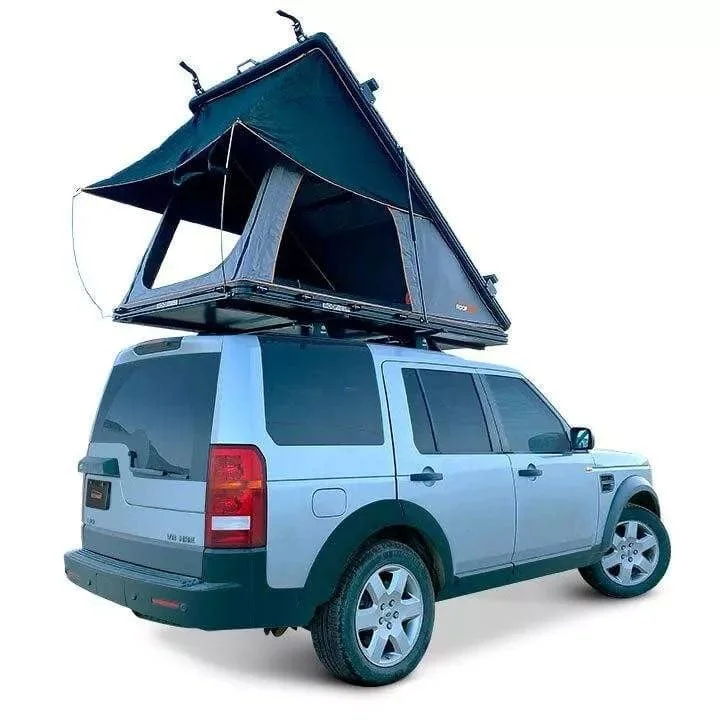
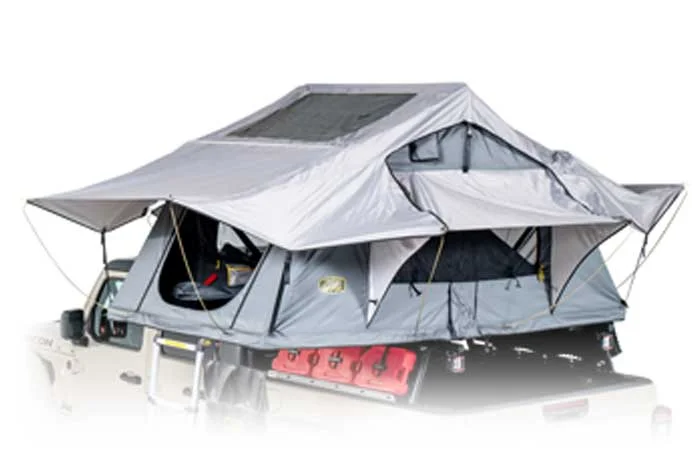
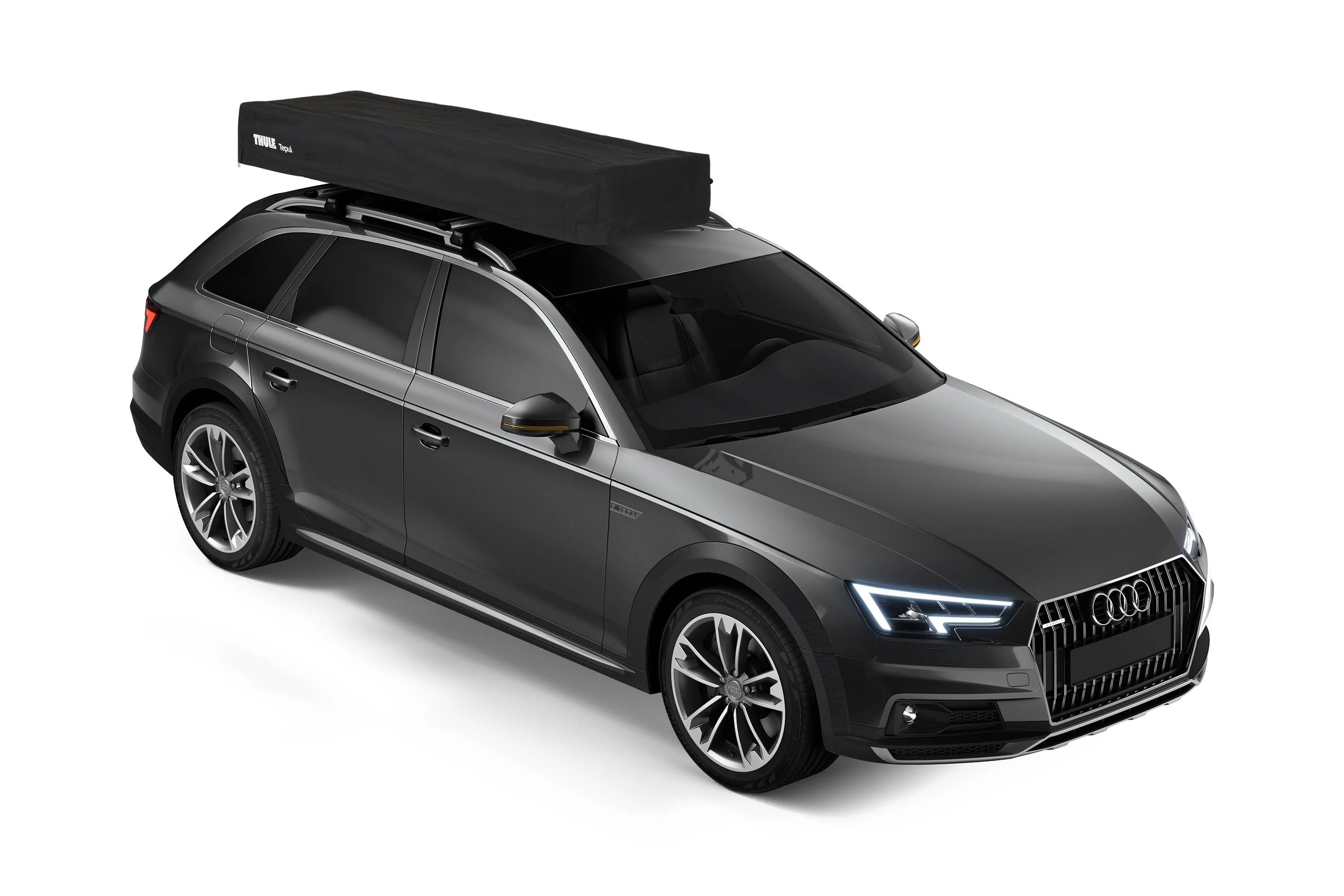
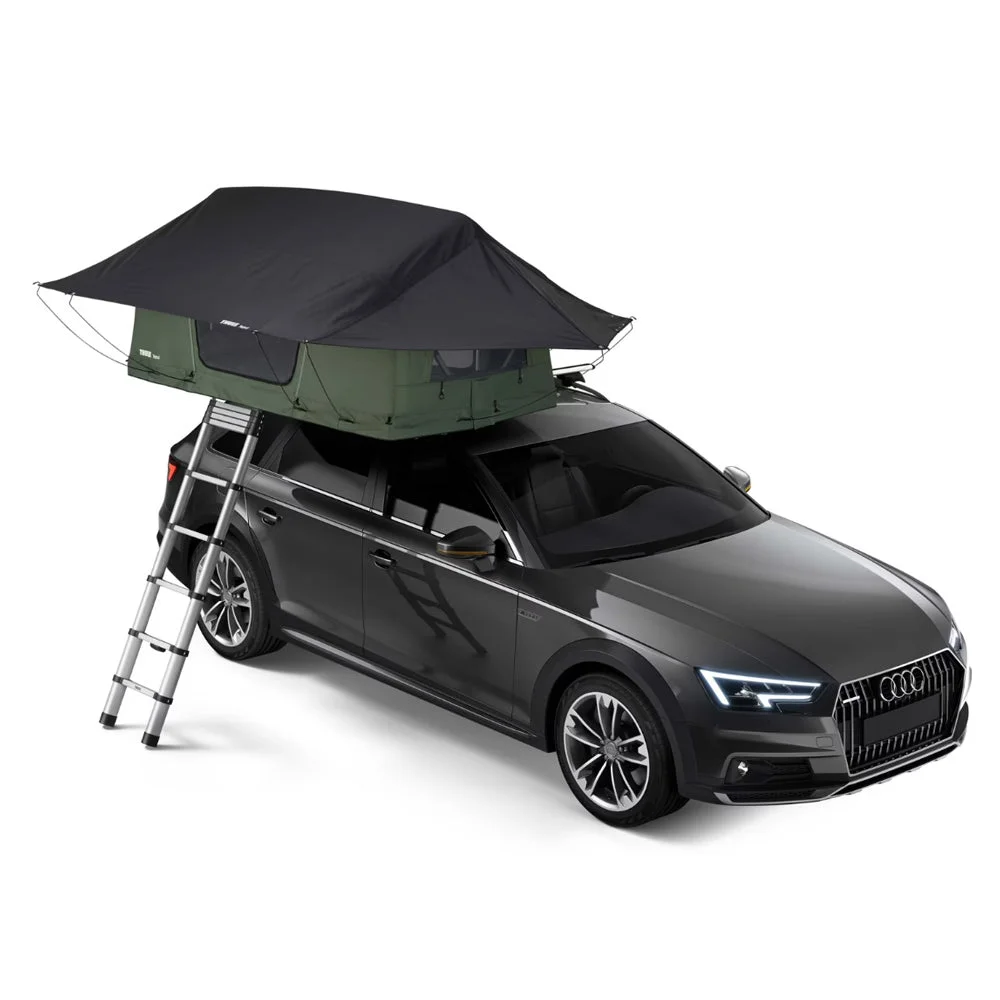
For most SUV owners the Thule Tepui Foothill is the pick: a slim, low-profile soft-shell that takes up only half your roof, so a cargo box rides alongside it, and it stays light enough for typical 150-to-165-pound dynamic limits. For owners who prize fast setup and aerodynamics, the Roofnest Falcon is a low-profile hard-shell that pops up in seconds on gas struts and stows like an aerodynamic pod.
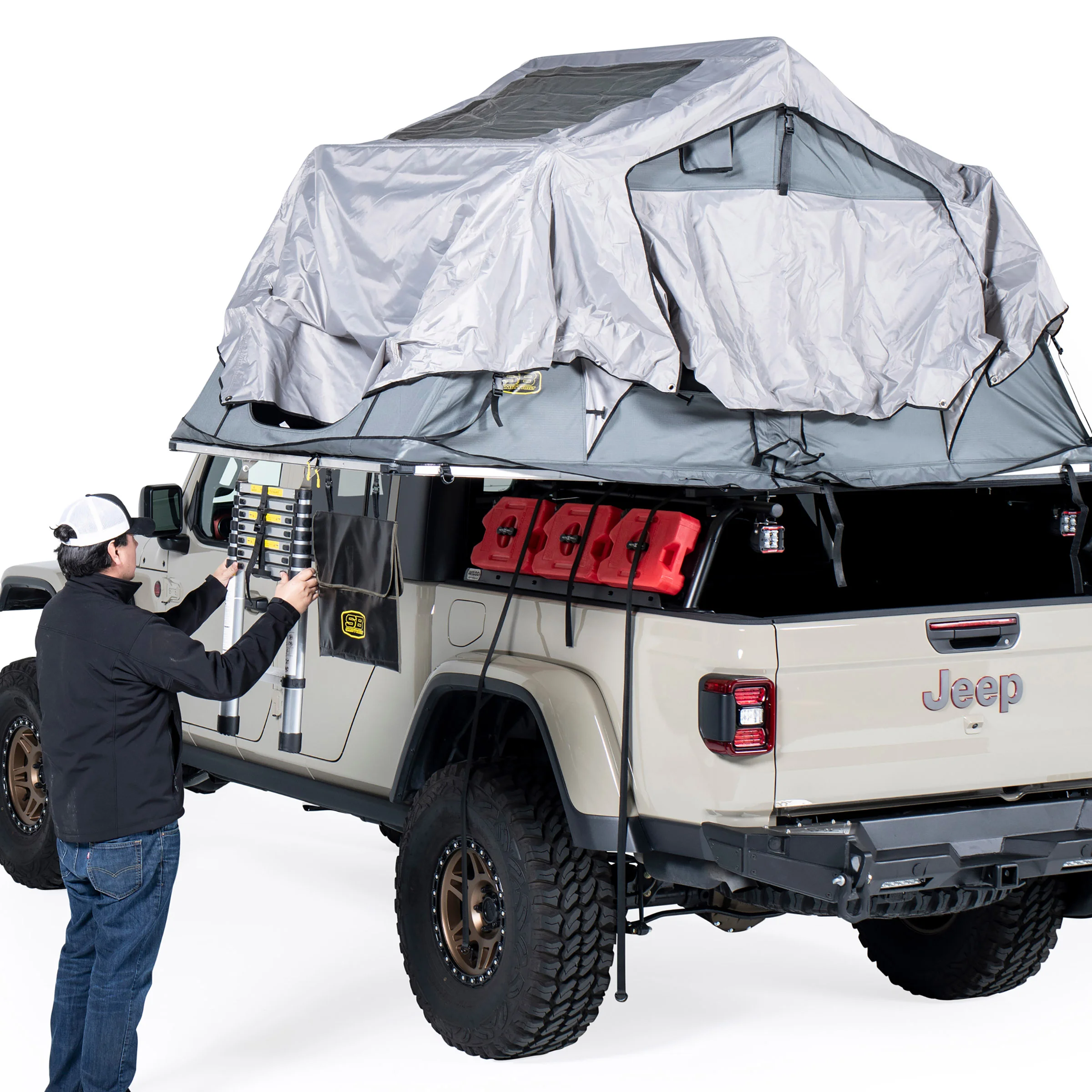
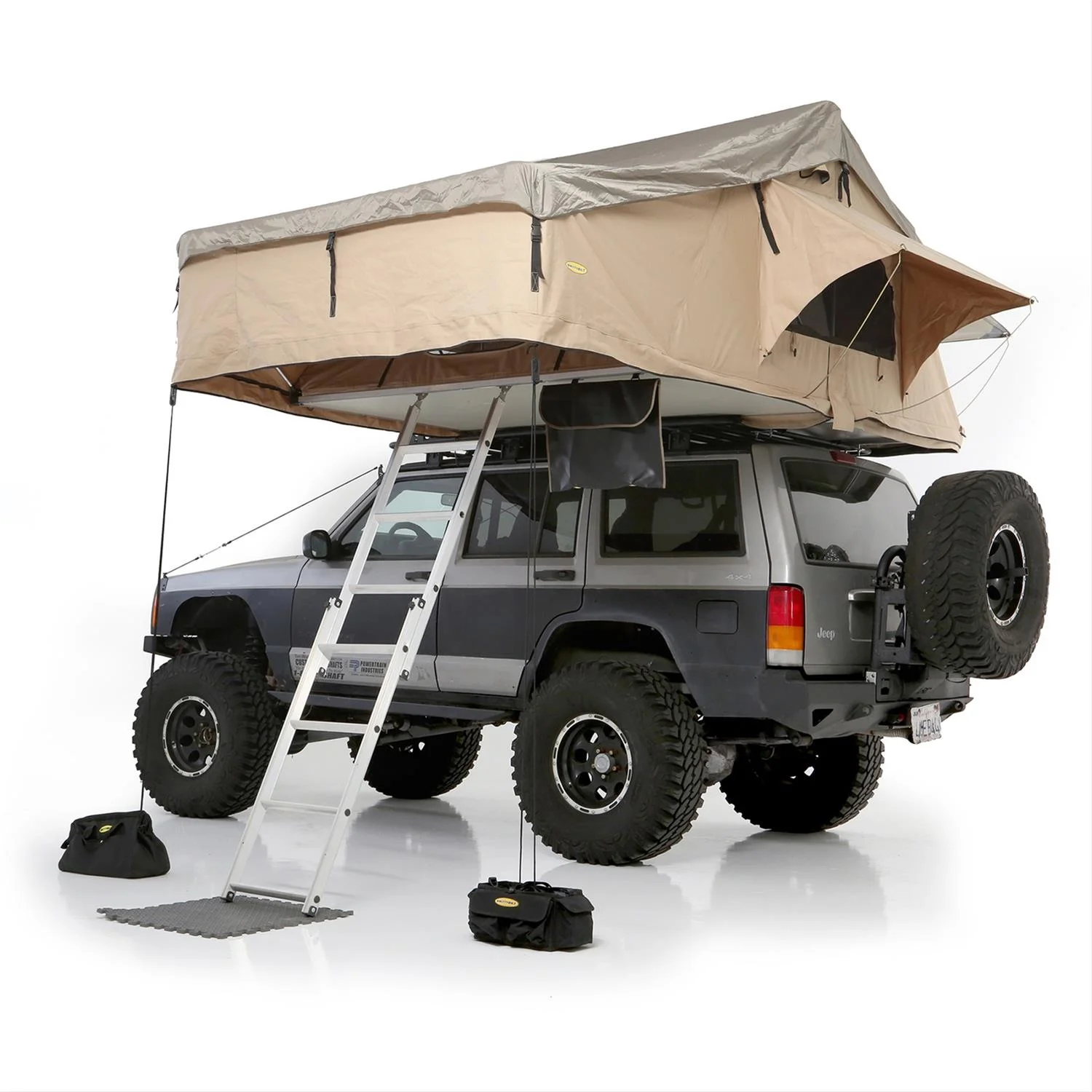
For a premium hard-shell that opens wide for two with a quality mattress, the iKamper Skycamp Mini is sized for smaller SUVs and sleeps two in comfort. And for families on a budget, the Smittybilt Overlander is a proven, affordable soft-shell that sleeps several and accepts an annex room underneath. Each is named for the SUV job it does best.
Quick pick: best all-around SUV fit, the Thule Tepui Foothill; fastest hard-shell, the Roofnest Falcon; premium two-person, the iKamper Skycamp Mini; best family value, the Smittybilt Overlander.
Head-to-head: which tent for which SUV owner
The Thule Tepui Foothill is the all-rounder, its half-roof footprint and modest weight make it the easiest fit for the widest range of SUVs and the only pick that leaves room for a cargo box, though setup is manual. The Roofnest Falcon wins for owners who move camp often and drive a lot of highway, its seconds-fast pop-up and aerodynamic shell justify the higher price.
The iKamper Skycamp Mini is the premium two-person choice, a roomy, well-built hard-shell sized for smaller SUVs that opens wide for a comfortable bed, at a premium cost. The Smittybilt Overlander is the family value pick, heavier and slower but sleeps more and costs far less, with an optional annex for kids or gear. There is no universal winner; match the tent to your roof's limits, how many sleep up top, and how often you relocate.
Soft-shell vs hard-shell, in depth
This is the fork most SUV buyers agonize over, so here is the honest breakdown. Soft-shell tents like the Thule Tepui Foothill and Smittybilt Overlander fold open like a book to roughly double their stowed footprint, which is why they sleep more people and often add a ground-level annex. They cost less, but they take a few minutes to set up and take down, and they sit taller when folded, adding drag and noise.
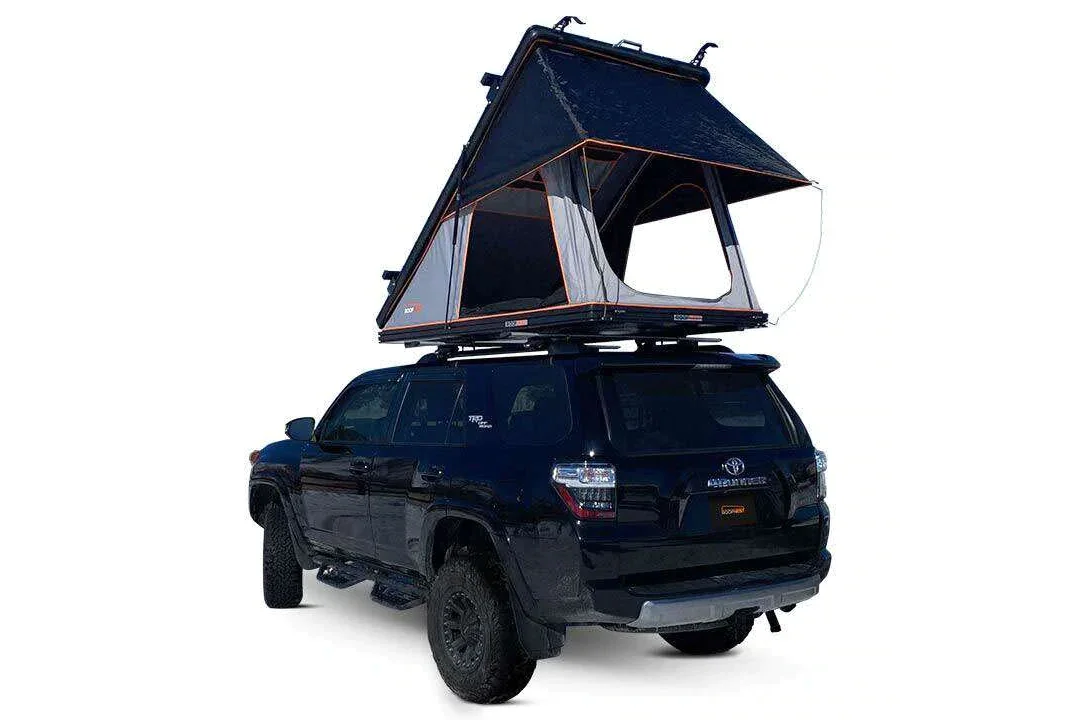
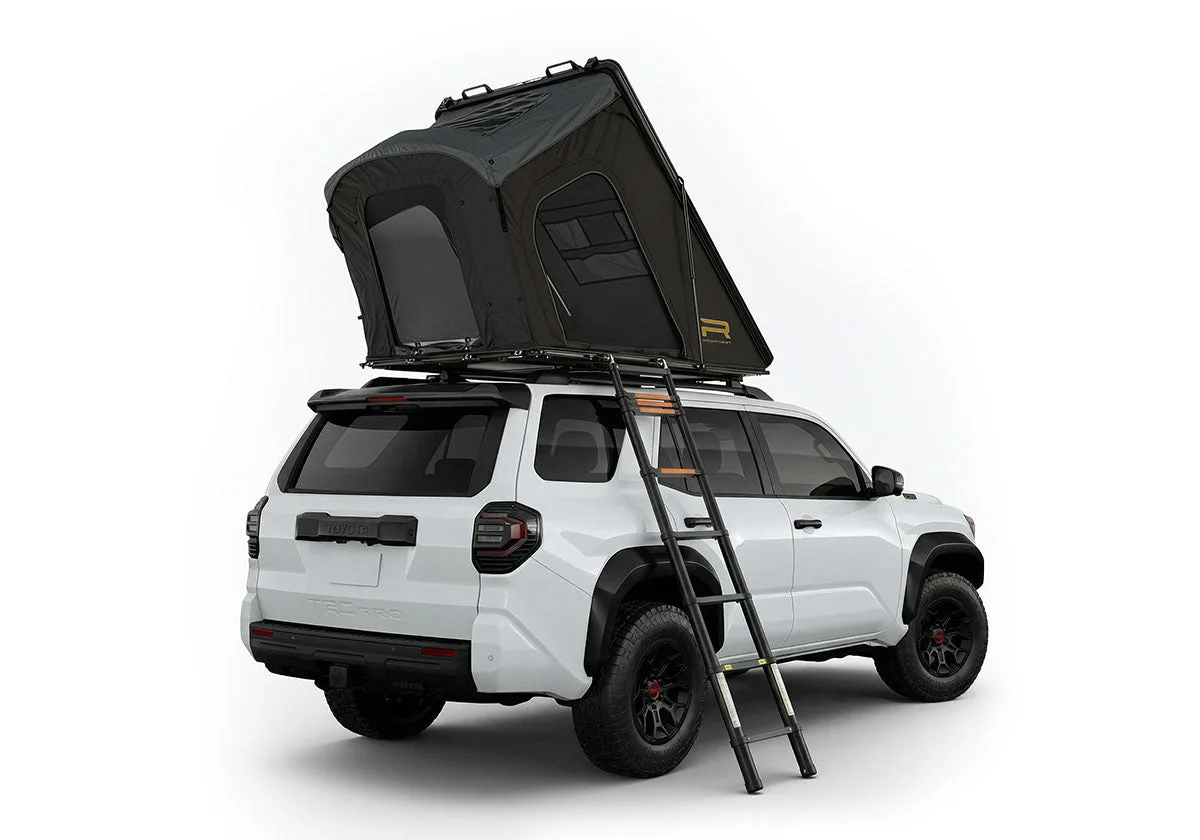
Hard-shell tents like the Roofnest Falcon and iKamper Skycamp Mini use gas struts to pop up in seconds, stow low and aerodynamically, and shrug off weather with a rigid lid. The trade-offs are a higher price and a smaller sleeping footprint, usually two people. If you move camp daily, drive lots of highway, or value setup speed in the rain, pay for a hard-shell; if you base-camp, sleep more than two, or want to save money, a soft-shell is the smarter buy.
Crossbars, racks and mounting it safely
A rooftop tent does not bolt to your roof, it clamps to crossbars, and this is where budgets blow up. Factory side rails alone are rarely enough; you need a strong aftermarket crossbar set from a maker like Thule, Yakima or Rhino-Rack with a load rating above the tent's stowed weight, and a bar spread that matches the tent's mounting channels. Budget several hundred dollars for the rack from the start, it is not optional.
Mount the tent with a helper, it is heavy and awkward, and torque the clamps to spec. Double-check that the assembled weight of tent plus rack stays under your SUV's dynamic rating, and re-check the clamps after the first drive. A properly mounted tent on a rated rack is rock-solid; an under-rated rack or factory rails pushed past their limit is a genuine safety hazard at highway speed. When in doubt, ask the rack maker's fit guide for your exact SUV.
Annexes, awnings and building out the full camp
A rooftop tent is the bedroom; the rest of camp builds out around it. Most soft-shell tents, including the Smittybilt Overlander, accept an annex room that hangs off the ladder side and encloses the ground beneath, giving you a changing room, a place to stash boots and packs out of the weather, or even a second sleeping space for kids. It is the cheapest way to multiply usable space without buying a bigger tent.
An awning is the other high-value add-on: a fold-out or pull-out shade that mounts to the rack or the tent and covers the cooking and lounging area beside the vehicle. Hard-shell owners with a Roofnest Falcon or iKamper Skycamp Mini often pair a side awning to reclaim the living space a soft-shell's annex provides. Budget for these in your plan, because the rack you buy for the tent also has to carry the awning, and the combined weight has to stay under your SUV's dynamic roof-load rating.
Think in terms of a system, not a single product: tent for sleeping, annex for enclosed ground space, awning for shaded living, all carried within one rack's rated load.
Living with a rooftop tent: mileage, noise and daily use
A rooftop tent changes how your SUV drives. It adds weight up high, which subtly affects handling, and a lot of frontal area, which cuts fuel economy and adds wind noise, often more than a cargo box. The low-profile Thule Tepui Foothill and the aerodynamic Roofnest Falcon minimize this, but you will still feel it on the highway.
The other reality is that you fold the tent every time you want to drive somewhere from camp, which is why base-campers love rooftop tents and daily movers sometimes regret them. Many owners mount the tent for a camping season and remove it for the rest of the year to reclaim mileage and quiet. Decide honestly how you camp: if you set up once and explore on foot, a rooftop tent is bliss; if you chase a new trailhead every morning, weigh that daily fold against an in-vehicle or ground setup.
Common mistakes buying an SUV rooftop tent
The predictable errors are expensive. The first is ignoring the dynamic roof-load rating and buying a heavy hard-shell your SUV cannot legally carry at speed, check the number and lean to a light soft-shell like the Thule Tepui Foothill if your limit is tight. The second is forgetting the rack, then discovering factory rails will not carry the tent and the budget balloons; price the crossbars up front.
The third is buying a giant family soft-shell for a small SUV roof it overhangs, match the footprint to your roof. The fourth is under-estimating the mileage and noise penalty, then resenting the tent on long drives, the aerodynamic Roofnest Falcon or low-profile Thule Tepui Foothill ease it. Check your ratings, budget the rack, size to your roof, and accept the mpg cost knowingly, and you buy the right tent once.
Verdict
For getting off the ground in an SUV, your roof-load ratings and the soft-shell-versus-hard-shell choice matter far more than the marketing. The Thule Tepui Foothill is the best all-around SUV pick, light, low-profile, and roomy enough to share the roof with a cargo box. For the fastest setup and best aerodynamics, the Roofnest Falcon; for a premium two-person hard-shell, the iKamper Skycamp Mini; and for family value, the Smittybilt Overlander.
Find your SUV's dynamic and static roof-load numbers, budget for a rated crossbar set, match the tent's weight and footprint to your roof, and accept the mileage hit as the cost of sleeping off the ground. Do that and a rooftop tent is the best comfort upgrade your SUV can wear; skip the load math and you risk an unsafe, ill-fitting, expensive mistake.