The short version: 74.1 cubic feet, and the number Kia never publishes
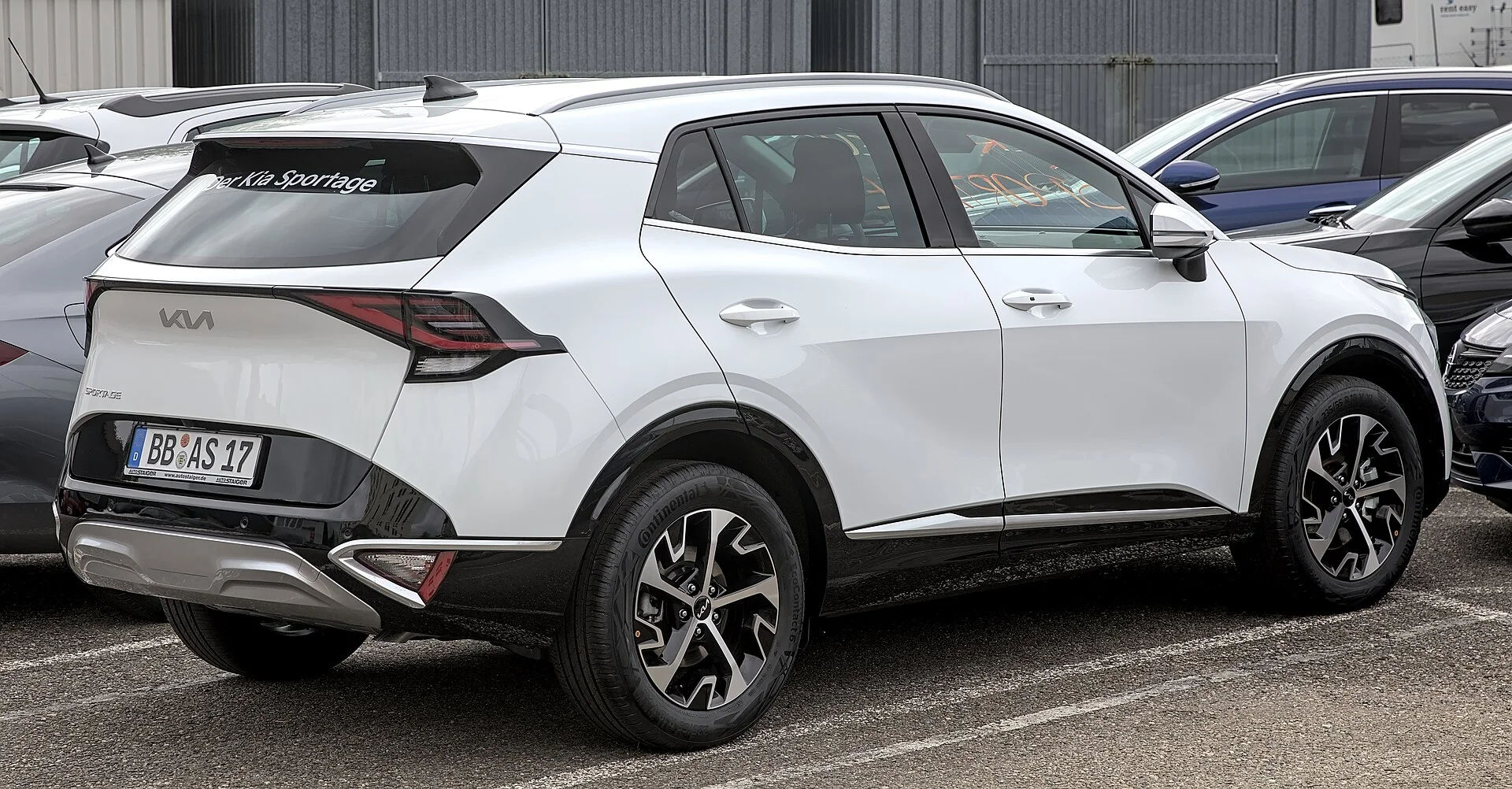
The Kia Sportage is one of the better compact SUVs to sleep in, and the reason is a number Kia does publish: with the rear seats folded and the dual-level cargo floor dropped to its low position, the current Sportage holds 74.1 cubic feet. Leave that floor in its high position and you get 69.3. Behind the second row it is 39.6 cubic feet low, 36.6 high. Those four figures come straight off Kia's own 2026 specification sheet, and the first of them is the single best argument for this car as a bed.
The number that decides whether you actually fit is the one Kia does not publish: load-floor length. There is no factory figure for it, and anyone quoting one to the tenth of an inch is guessing. Owner measurements of the 2023-and-later Sportage cluster around 71 to 75 inches from the tailgate to the back of the front seats, depending on how far forward those seats are run and how upright their backs are. Plan around 72 inches, then measure your own car before you buy a mattress — trim, seat position and whether you pull the headrests all move it by inches.
This guide covers the dimensions that matter, the mattress and platform sizes that match them, how to power a night inside without killing the starter battery, how big an awning the roof rails will actually tolerate, a camp kitchen that does not colonise the bed, and how the Sportage stacks up against the Tucson, RAV4, CR-V and Bronco Sport people cross-shop it against.
The hard numbers that decide whether you fit
Three measurements govern a night in the back of a Sportage, and only one of them is on the window sticker.
- Length: roughly 71-75 inches of usable floor with the rear seats folded and the front seats run forward. Not published by Kia; owner-measured. Our SUV cargo sleep-length database tracks the same figure across vehicles.
- Width: about 42-44 inches between the wheel wells. This is the hard limit, and it is why a queen mattress is not a conversation — a queen is 60 inches wide.
- Height: roughly 34-36 inches from the cargo floor to the headliner. Enough to sit up and change clothes, not enough to kneel.
The dual-level cargo floor is the free upgrade most owners never use. Dropped to its low setting it is what turns 69.3 cubic feet into 74.1, and it also lowers the tailgate-end of the sleeping surface so the run from the hatch to the folded seatbacks is flatter. Drop it, fold the 60/40 rear seats with the release levers, and pull the rear headrests out — they are the reason a folded seatback sits proud of flat.
Generation matters more than trim. The 2023-and-later fifth-generation car is the one worth camping in; the 2017-2022 car tops out at 60.1 cubic feet and is genuinely tight for an adult. If camping is why you are shopping, buy the current generation. Our Sportage cargo dimensions for sleeping page has the measurement walk-through.
Mattresses sized to the real floor
The width is what picks your mattress. At 42-44 inches between the wheel wells, a twin (38 x 75 inches) is the size that drops in with room to spare on both sides; a full is 54 inches and will ride up the wheel arches; a queen does not go in at all. If you are weighing it up, we answered that one directly in will a queen air mattress fit in a Kia Sportage.
Thickness is a trade against the 34-36 inches of headroom you have. Four to six inches is the practical band: four inches leaves you sitting-up room, six inches is the comfort ceiling before the roof starts to feel close.
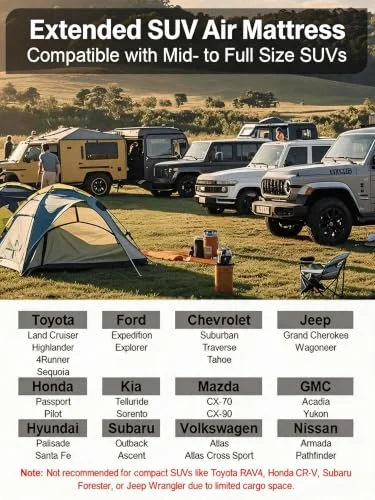
Air is the fastest fix for the step where the folded seatbacks meet the cargo floor — an SUV-cut bed such as the Umbrauto SUV Air Mattress spans the transition in one piece without any carpentry — 78.7 inches flat, or about 71 with its head support raised, which is the setting that matches the Sportage's 71-to-75-inch floor. Note the width: 57 inches inflated against 42-44 inches between the arches means the edges ride up the wheel wells, and the bed is rated to 300 pounds total. It also loses pressure as the cabin cools overnight, which is why a cold-weather camper usually ends up on foam.
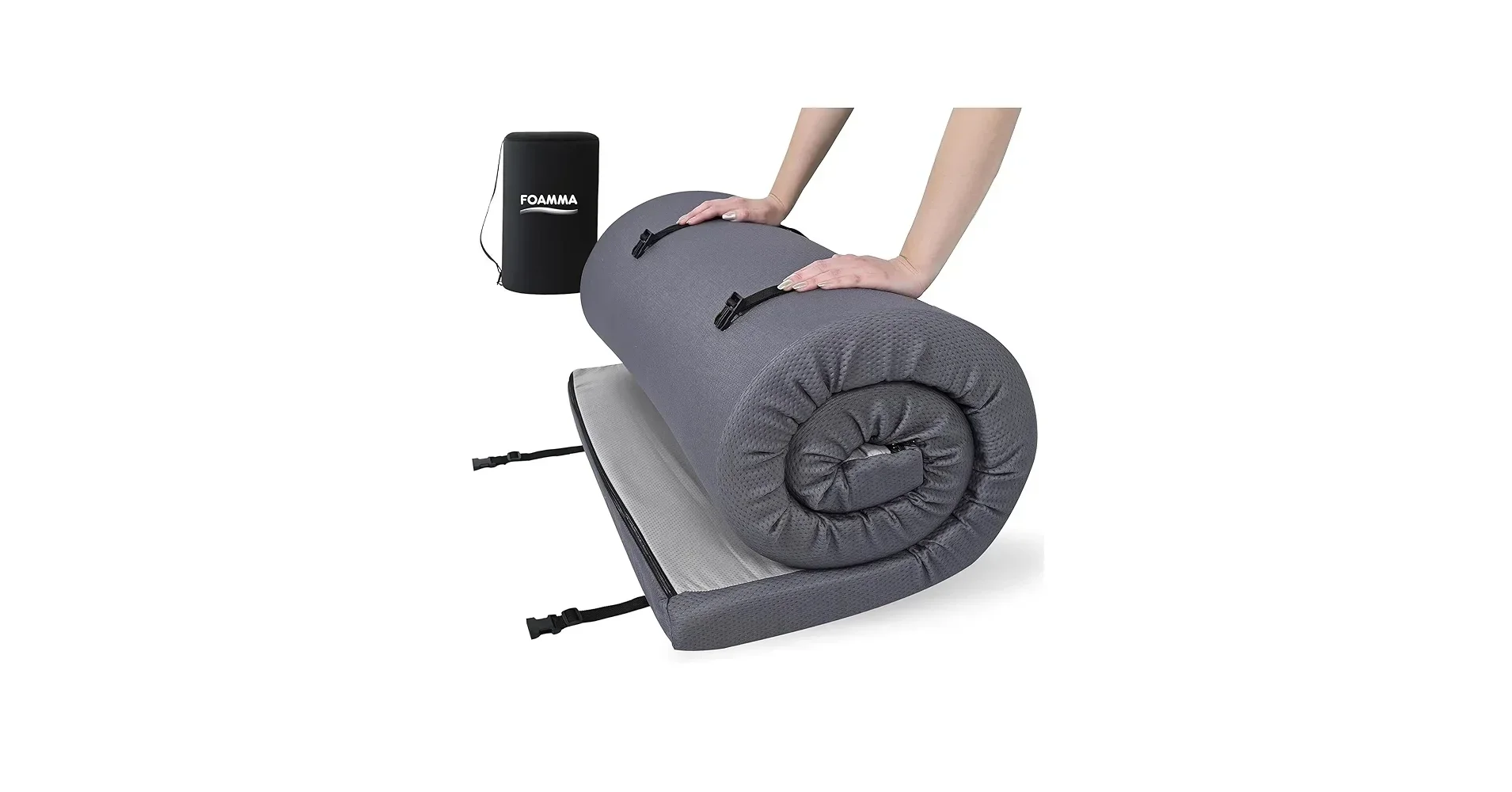
Self-inflating pads (25-30 inches wide) are the middle ground: foam feel, packable, and narrow enough to leave a gear channel alongside. Two of them side by side is a more comfortable two-person arrangement than one wide bed jammed between the arches.
Computed fit: every dimension this page states, run against the page's own ceiling on the same axis. Nothing here is a spec-sheet import — it is arithmetic on figures this page already states (57 inches, 34-36 inches, 60 inches, 30 inches, 36 inches). The formula is the plain one: margin = the page’s stated ceiling on that axis − the figure. Each row subtracts on ONE axis only, and a figure the page never labels by axis is left out rather than guessed at.
| What the page states | Figure | Axis | Ceiling this page states | Margin |
|---|---|---|---|---|
| …a queen is 60 inches wide | 60 inches | wide | 57 inches | over by 3 in |
| Self-inflating pads (25-30 inches wide) are the middle ground… | 30 inches | wide | 57 inches | 27 in spare |
| Thickness is a trade against the 34-36 inches of headroom you have | 36 inches | tall | 34-36 inches | over by 2 in |
Read the last column first, because it settles the question before anything else does: 1 clear the ceiling this page states (most room to spare: 27 in) and 2 go over it (worst overage 3 in). Each row is measured only against the ceiling on its own axis (57 inches wide, 34-36 inches tall).
The $90 plywood platform: the build that actually fits
A mattress alone works. A platform works better, and the Sportage has a well-documented build behind it. The Destination Kia DIY writeup describes the version most Sportage owners copy: two pieces of plywood cut to 25.5 x 42 inches each, joined down the middle with a piano hinge, giving a 51 x 42 inch deck that folds in half to stow behind the seats. Materials, including a full-size air bed and a pump, came to about $90.
Two details from that build are worth copying exactly. Wrap the cut edges in foam pipe insulation taped down before the deck goes in — raw plywood edges will mark the plastic trim and the seatback fabric on the first trip. And keep the hinge: a one-piece deck sized to this cargo bay is too big to store anywhere in the car it is meant to live in.
What a platform buys you is a dead-flat surface over the seatback step plus real storage underneath, which is the difference between gear on the bed and gear under it. What it costs you is headroom, and in a bay with 34-36 inches of it that is not free. A reasonable rule: if you are sleeping solo on a 4-inch pad and want your bins out of the way, build the platform; if you are two-up and already short on height, skip it and level the step with a thicker mattress instead.
Powering a night in the Sportage
No Sportage trim puts a household 110-volt outlet in the cargo area. What you have back there is a 12-volt socket and USB ports, and they will keep a phone, a headlamp and a small fan alive all night. They will not run a 12-volt fridge, a CPAP machine or a laptop overnight — and leaning on the starter battery for loads like that is how a trip ends with a car that will not crank at a remote trailhead.
There is a second trap specific to this car: the Sportage's 12-volt sockets are ignition-switched, so they die with the key. Our Sportage 12V outlet locations and fuse map covers which circuit is which and what fuses to carry.
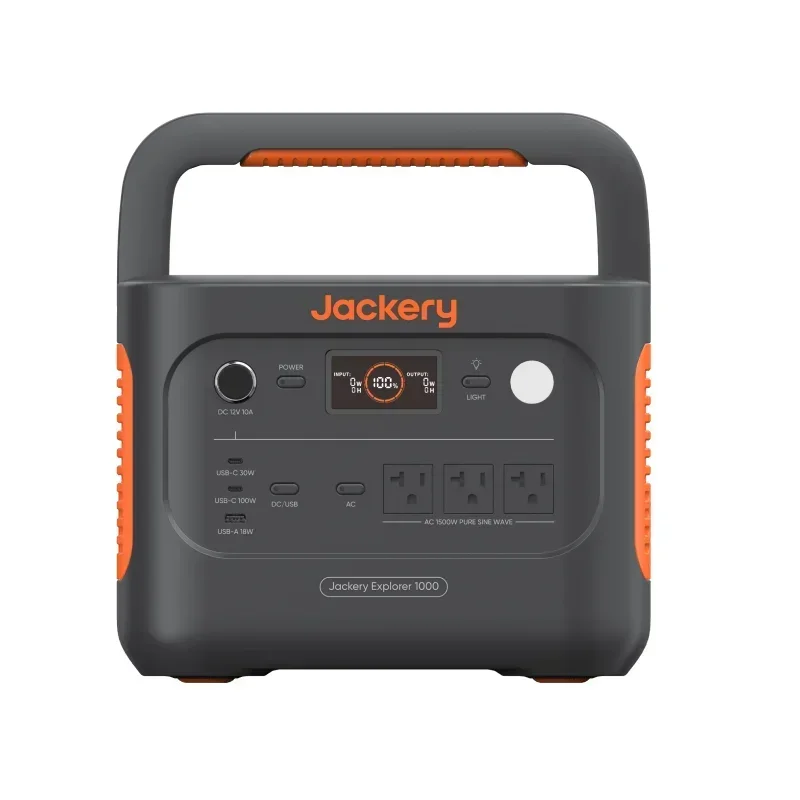
The right answer is a portable power station, and the right size for this bay is 300 to 500 watt-hours. That runs a cabin fan through the night, keeps a small fridge cold, and tops up phones and a lantern across a weekend without swallowing the cargo volume a 1,000 watt-hour unit demands. Step up to the larger class only if you are actually running a CPAP and a fridge together — that is the case the roughly 1,070 Wh Jackery Explorer 1000 v2 Portable Power Station is sized for. Recharge from the 12-volt socket while you drive between camps, or from a folding solar panel during the day. Keep the overnight loads off the starter battery and the Sportage always starts in the morning.
Ventilation, condensation and window covers
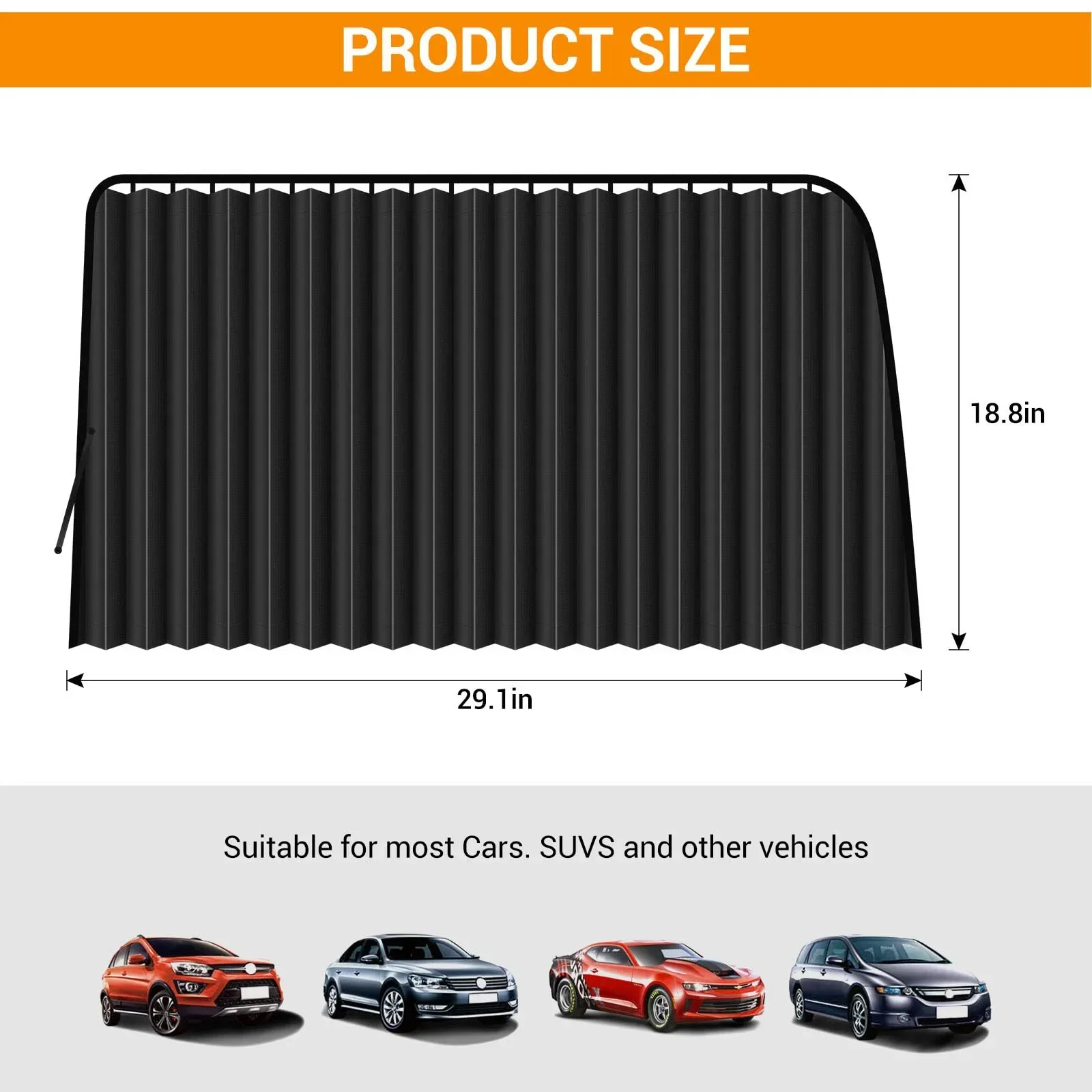
Magnetic side-window shades such as the ZATOOTO Magnetic Car Side Window Sun Shades do double duty: privacy at a trailhead or a rest area, and a real insulation layer against a cold window. They press onto the Sportage's steel door frames with no adhesive, which matters if the car is a lease. In summer, a bug screen over a cracked window is the difference between ventilating and donating blood; in winter, the same shades cut the radiant loss that makes a 40-degree night feel colder inside than out. More options in our car window shades guide.
Wipe the glass down before you sleep, use moisture-wicking bedding rather than a cotton bag, and keep wet gear in a bin at the tailgate rather than beside your head.
Sizing an awning and shade for the Sportage
An awning on a Sportage is shade and rain cover, not a mounting point. The factory side rails carry only a modest dynamic load, so the job is keeping sun and a passing shower off the side door you climb out of — not hanging weight off the roof. Size it to the vehicle and it does that quietly for years; oversize it and every gust works against thin rail mounts.
A 6.5-foot (roughly 2-metre) awning is the Sportage sweet spot. It runs most of the length of the vehicle's side without overhanging front or rear far enough to turn the fabric into a sail. An 8-foot unit built for a full-size SUV or van adds leverage the Sportage's rails were never rated for, and you find that out the first time the wind picks up. Match the awning to the roofline, not to how much shade you wish you had.
Mount to the crossbars, never straight to the slim roof-rail caps — a proper bracket spreads the pull along the whole bar so a gust loads the entire rack instead of levering one rail fitting. Stake and guy-line the free edge before you walk away from camp; an unstaked awning is the most common way people bend a rail or tear fabric. A heavier poly-cotton ripstop canopy sheds an afternoon shower and blocks more UV than the thin nylon on the cheapest units, at the cost of pack bulk. Roll it up dry when you can — packing wet fabric repeatedly is what rots the seams first. If a roof tent is what you are actually after, that is a different load question: see will a rooftop tent fit on a Kia Sportage.
A compact camp kitchen that fits the Sportage
The Sportage rewards a compact kitchen for the same reason it rewards a minimal bed: cargo space is finite, and every box of cooking gear competes with the sleeping surface after dark. The trick is a kit that nests into one crate you can lift to the front seats at night and slide back to the tailgate by day, so the kitchen never colonises the bed.
A single-burner isobutane canister stove covers most Sportage trips: it boils water for coffee and one-pot meals, packs to the size of a paperback, and runs off canisters most outfitters stock. A two-burner propane stove is the upgrade only if you genuinely cook for a group — it eats a chunk of floor a solo camper is better off keeping for gear.
The safety line is absolute: any fuel-burning stove produces carbon monoxide, so it cooks at the open tailgate or on a folding table beside the car, never inside the cabin, and never inside with the hatch shut against rain. Keep canisters out of direct sun and away from the sleeping area, store food in a hard-sided cooler or a 12-volt fridge rather than loose bags, and carry a small nesting pot set, one pan and a spork per person instead of a kitchen box. Refuel a canister when it feels light rather than when it sputters mid-meal.
Where you can actually park, and staying safe doing it
The gear question is easy; the legal one is what catches people out. Established campgrounds almost always allow you to sleep in the vehicle on a paid site, but the rules are the campground's, not a general right — check before you arrive rather than after. Dispersed camping on BLM or national-forest land is generally permitted, with stay limits and designated-area rules that vary by district; the managing agency's own page for the specific unit is the only reliable source. City streets and retail lots are the genuinely unpredictable ones: many municipalities ban overnight vehicle occupancy outright, and store policies differ by location and by night.
Safety in a compact SUV comes down to three habits. Park level — you feel a two-degree slope all night, and it decides which end your head goes. Park out of the obvious hazards: not in a wash or a flood-prone flat, not under dead limbs, not where a vehicle reversing in the dark would find you. And keep the cabin sealed against exhaust: nothing that burns fuel comes inside, and that includes a stove under a half-open tailgate in the rain.
The Sportage's own advantage here is that it looks like every other compact SUV in the lot. Magnetic shades on the side glass and a tidy interior are most of what stealth means in practice — a car with gear stacked to the windows advertises that someone is inside it.
X-Pro, AWD and getting to the campsite
The X-Pro package is the trim that matters for camping access: more ground clearance than the standard car, all-terrain tyres, revised suspension, underbody skid plates and standard all-wheel drive. It handles gravel and dirt, forest service roads, light mud, sand and snow-covered roads — the access roads to most dispersed camping.
The limits are worth stating plainly, because the marketing does not. It is still a unibody crossover. Approach and departure angles rule out rock crawling, deep mud and soft sand will stop it, and it is not Wrangler or Bronco capability with different badging.
For most people the standard AWD car is enough. It manages gravel competently, handles wet conditions well, and gets to the overwhelming majority of campsites people actually drive to. X-Pro earns its premium if you are regularly on rough forest roads, not because you camp.
Sportage vs Tucson, RAV4, CR-V and Bronco Sport
The Sportage sits mid-pack on paper and near the top in practice, because the load floor is squarer than the raw volume suggests.
Hyundai Tucson is the same car underneath — same platform, near-identical 74.8 cubic feet, effectively the same bed. Choose on styling, dealer and deal, not on space. We put them head to head in Sportage vs Tucson for car camping.
Toyota RAV4 gives up real room at 69.8 cubic feet and a slightly shorter floor. It wins on resale and reputation; the Sportage wins on space, features per dollar and a 10-year/100,000-mile powertrain warranty.
Honda CR-V is the roomiest of the four at 76.5 cubic feet with a similar width between the arches — the one genuinely better bed in this group.
Ford Bronco Sport trades floor for roof: 65.2 cubic feet but a taller cabin and a more off-road-focused Badlands trim. Better access, worse bed.
Stepping up inside the Kia range, the Sorento is the answer for anyone who camps two-up regularly.
The verdict: who should car camp in a Sportage
Solo, the current Sportage is a genuinely good bed. Roughly 72 inches of floor takes most adults lying straight, 74.1 cubic feet with the floor dropped low swallows a twin mattress plus a weekend of gear, and the car is cheap to run to the trailhead.
Two adults is where honesty is required. At 42-44 inches between the wheel wells you are on a surface narrower than a standard double. It works for a night or two with people who do not mind touching; it stops being fun by the third. If two-up is your normal, the answer is a bigger vehicle or a rooftop tent, not a cleverer mattress.
The build order that gets the most out of this car: buy the 2023-or-later generation, drop the dual-level floor to low, run a twin mattress (trimmable foam if you camp cold, an SUV air bed if you camp occasionally), add a 300-500 watt-hour power station because the cargo area has no 110-volt outlet, put magnetic shades on the side glass and a clip fan on a headrest, and if you want outside living space, a 6.5-foot awning on the crossbars — not an 8-foot one on the rail caps. That is a complete Sportage camping setup for a few hundred dollars, and none of it is permanent.