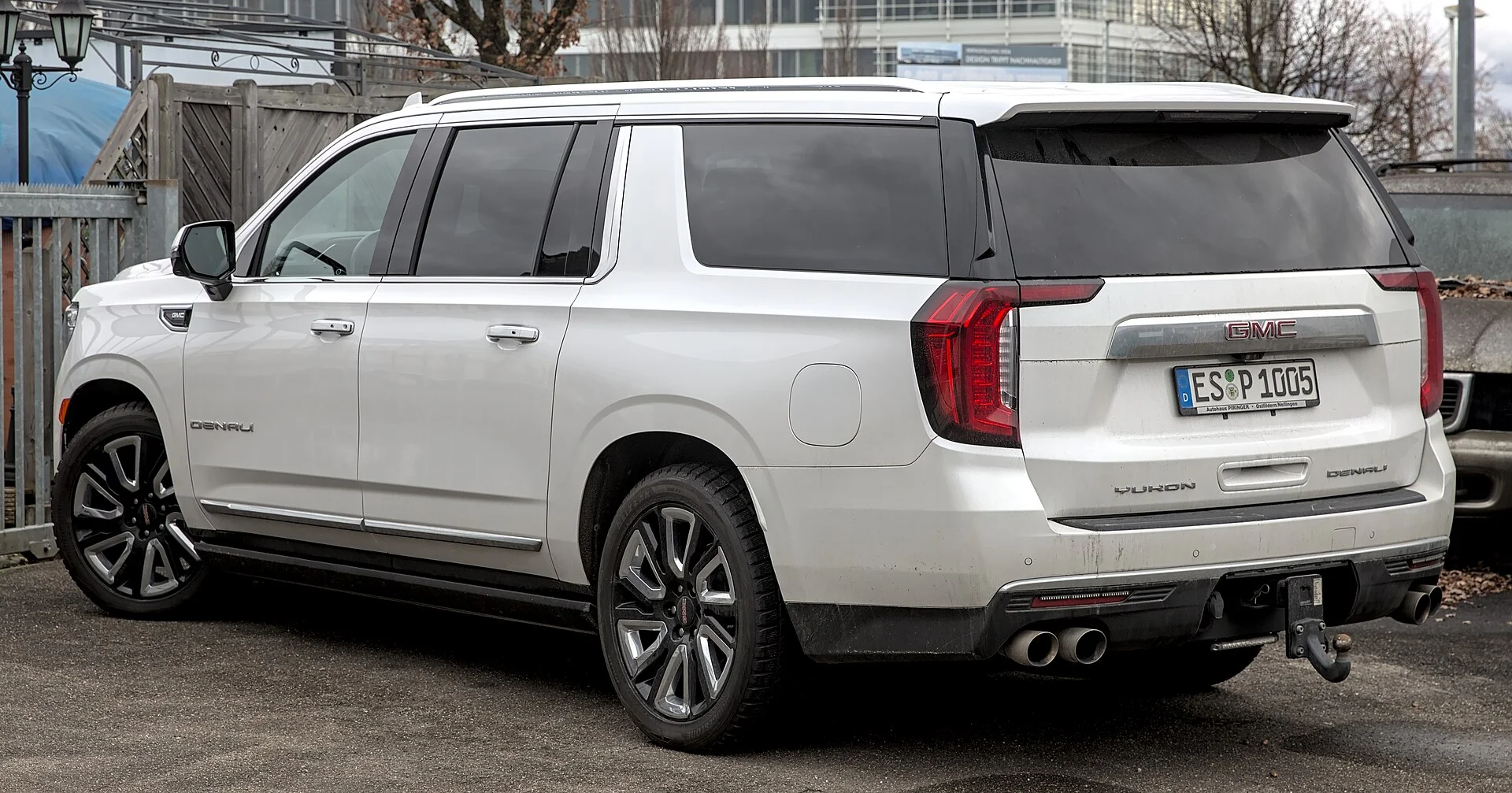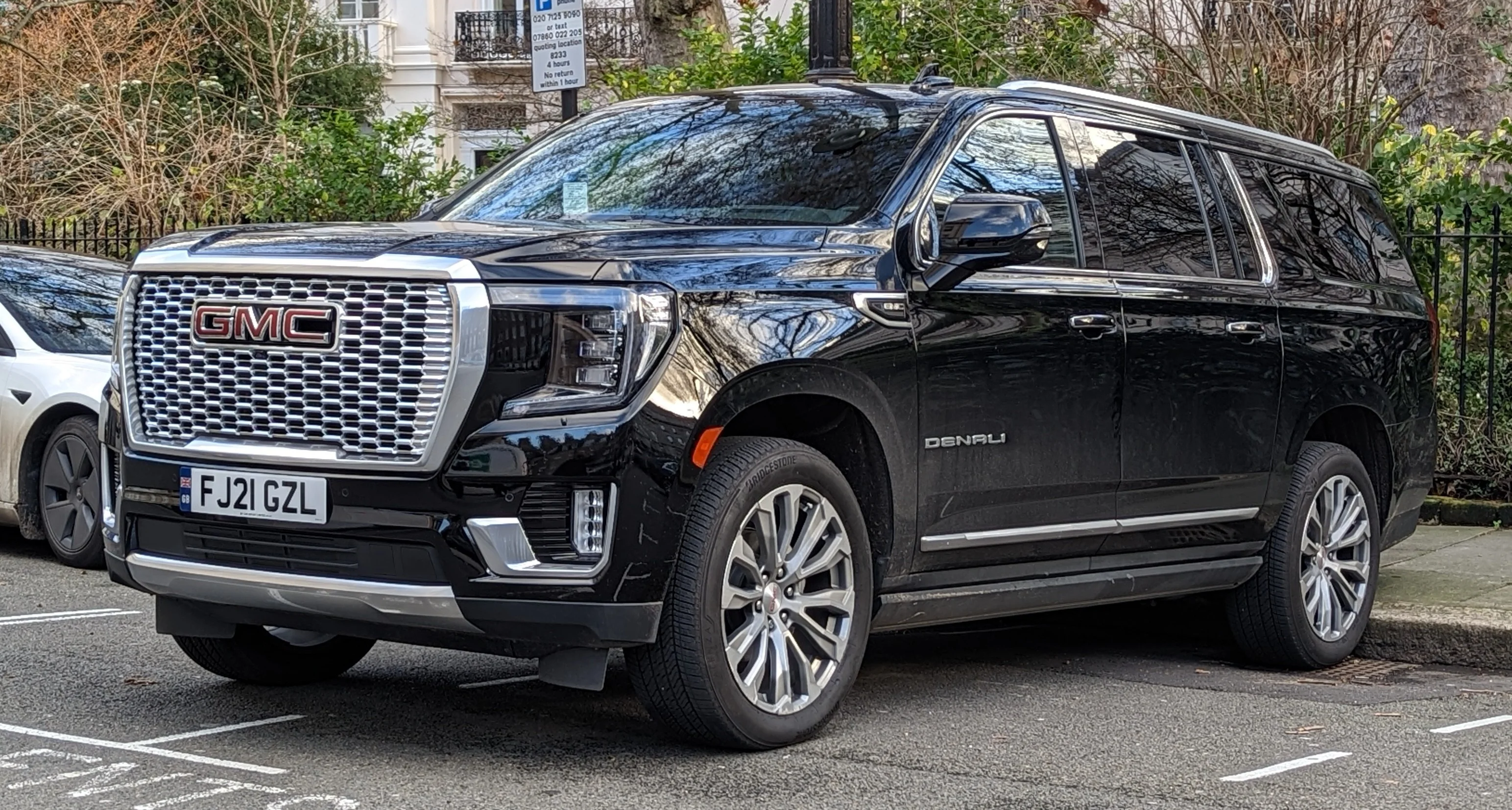
The Yukon is the strongest sleeper here - if you buy the right one
Of every full-size SUV worth building a sleeping platform in, a 2021-or-newer GMC Yukon is near the top for sleeping - the redesign gave it a low, near-flat floor and there's simply more of it than almost anything else you'd daily-drive.
Can you sleep in a GMC Yukon? Absolutely, and better than most - but there's a fork in the road that decides how well, and it's whether you have the standard Yukon or the longer Yukon XL. For sleeping, two things matter above all: is the floor actually flat, and is it long enough. The Yukon nails the first since 2021 and the XL nails the second.
This guide sorts the standard-versus-XL question, explains why the 2021 redesign changed everything for sleeping, runs the real current-generation cargo numbers for both bodies, tells you honestly how flat that floor is (near-flat, not dead-flush), covers the onboard power, and lays out the build. It's the feasibility read - can you sleep in one, and which one - rather than a pure measurements page.
Who it suits: someone who owns or is shopping a full-size GMC and wants a genuinely spacious bed without converting a van. The Yukon hauls people and trailers first, but as a place to sleep it's in the top tier - you just want to know which body and how to true up the floor before you spend on a mattress.
Set expectations against the rest of the full-size field first. Plenty of big SUVs give you volume - the standard Yukon's roughly 122.8 cubic feet behind the front seats is already generous, and the XL's roughly 144.5 is cavernous - but volume alone doesn't make a bed. What separates the Yukon is that the 2021 platform pairs that volume with a floor that actually lies down. Older full-size trucks made you fight a raised, humped load area; this generation hands you most of a sleeping plane before you've unrolled anything. That combination - real length plus a floor that starts near-flat - is why I rate it where I do.
Standard versus XL: two very different beds
Start with the fork, because it's the single biggest decision for sleeping and people blur the two constantly. The standard Yukon and the Yukon XL are different-length vehicles - the XL rides a wheelbase roughly a foot longer and stretches about fifteen inches more overall, and it has dramatically more cargo behind every row.
The Yukon XL isn't just a bigger trunk - it's a different bed. The extra foot-plus of length is what turns a comfortable one-adult sleeper into a genuine two-adult one. Never plan a bed off blended standard-and-XL numbers.
What it means for your build:
- Standard Yukon: a long, roomy one-adult bed; two is tight or diagonal.
- Yukon XL: the real two-adult flat(ish) bed - if car-camping is a priority and you're choosing between them, this is the one.
- Keep the columns separate. The two bodies' cargo figures differ by a lot; mixing them is how you buy a mattress that doesn't fit.
Put the outside dimensions next to the inside ones and the gap makes sense. The XL carries its extra roughly 13 inches of wheelbase and roughly 15 inches of overall length right where a sleeper needs it - between the wheel wells and the tailgate, not in the nose. That's why the XL's behind-first-row figure lands near 144.5 cubic feet against the standard truck's 122.8: the added length is almost entirely usable floor, not styling overhang. When you shop, confirm the badge and the wheelbase rather than eyeballing it in a lot, because a loaded standard Yukon and a base XL can look deceptively similar from the curb.
The 2021 redesign: why the floor got low and flat
Here's the piece of history that matters for sleeping, and it's the reason I won't let you plan off an older Yukon's numbers. For 2021 GMC redesigned the Yukon on a new platform and, crucially, switched to independent rear suspension. That one change dropped the load floor and flattened it out - the single biggest sleeping upgrade over the 2015-2020 trucks.
- Independent rear suspension replaced the old live axle hump, so the folded floor sits lower and flatter - a real bed instead of a terraced one.
- Pre-2021 numbers are much smaller and the floor was worse - never use an old Yukon's figures for a 2021-plus truck.
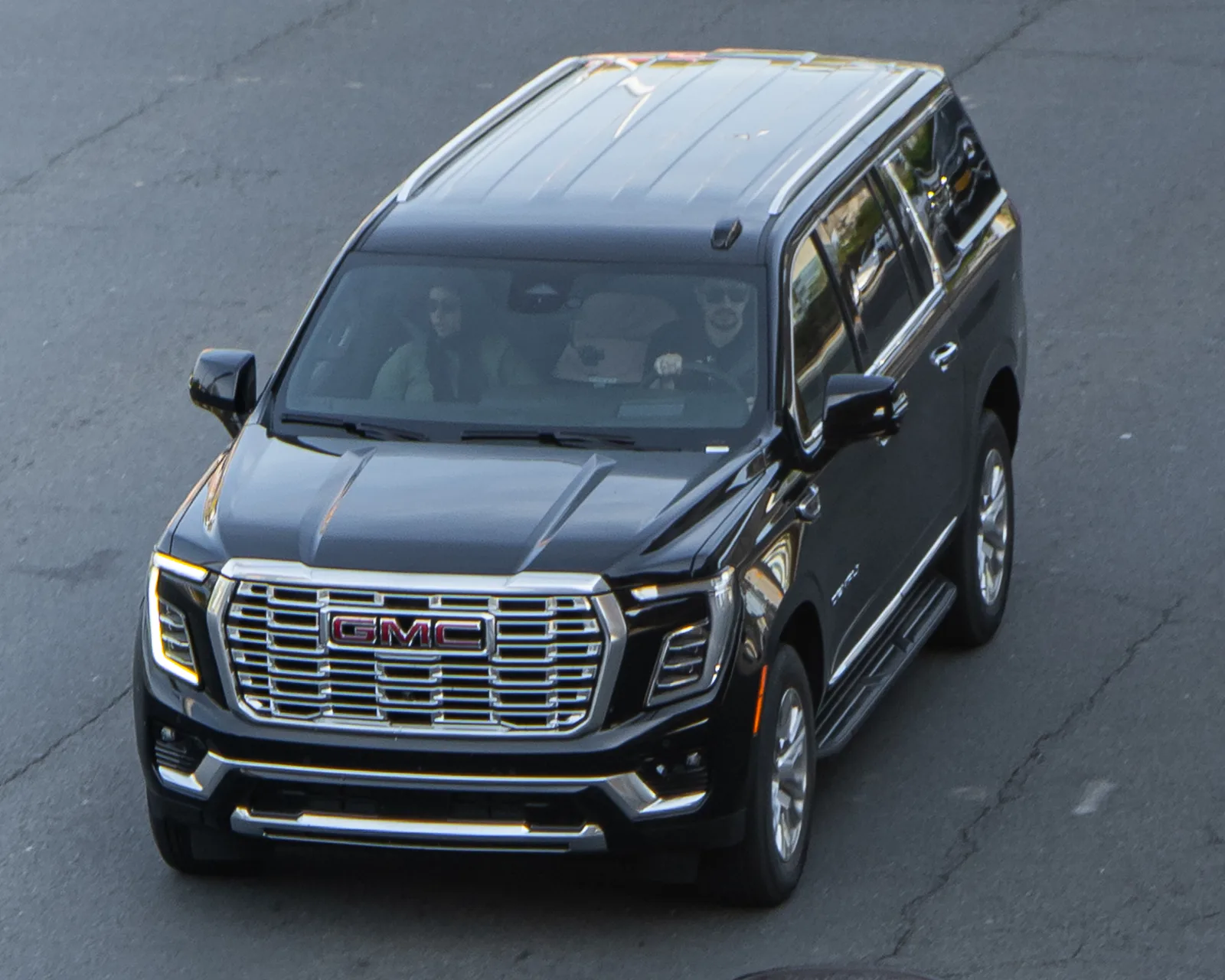
- The 2025 refresh updated the fascia and screens but is the same generation - its sleeping platform is the same low, flat floor.
So the practical rule is simple: this guide is about 2021-and-newer Yukons, and if you're shopping used, that 2021 line is the one worth paying up for if sleeping matters. The full fold-by-fold measurements live on our Yukon cargo measurements page; this page is about whether - and in which body - you can actually sleep in one.
Why does the suspension change the bed so much? The old live rear axle needed room to travel, which pushed the cargo floor up and left a hump you had to build around. Independent rear suspension tucks that hardware out of the load path, so the folded floor drops closer to the frame and runs straighter from tailgate to seatbacks. It's the same reason the 2021 redesign is the line worth drawing: a 2020 Yukon and a 2021 Yukon can wear similar badges, but under the cargo mat they're different animals for sleeping. The 2025 refresh rides on this same platform, so a refreshed truck and a 2021 share the identical low, flat floor - you're buying the generation, not the model year.
The current cargo numbers, standard and XL
Now the numbers for the current generation, kept in two clean columns. The standard Yukon runs about 25.5 cubic feet behind the third row, 72.5 behind the second, and 122.8 with both rear rows folded. The Yukon XL steps up to roughly 41.5, 93.6, and 144.5 cubic feet respectively.
- Standard max ~122.8 cubic feet is already a huge, usable hold - a roomy solo bed with gear space to spare.
- XL max ~144.5 cubic feet is cavernous - the volume and length that make two adults genuinely comfortable.
- Both are aggregator-tier figures. GMC's own spec pages were unreachable when I verified, so treat these as corroborated multi-source numbers with a cubic-foot of rounding slop, not gospel.
I flag the sourcing because I'd rather you know a number is aggregator-tier than trust it blindly - but they're consistent across several sites and match the physical size of the trucks. The headline holds either way: the Yukon offers more sleepable volume than almost anything else in a driveway, and the XL more still.
Look at the deltas between the columns and you can see where the XL spends its length. Behind the third row it's roughly 41.5 versus 25.5 cubic feet - the difference between a weekend's worth of gear and a genuine cargo bay with all seats up. Behind the second row it's about 93.6 versus 72.5, and folded flat it's 144.5 versus 122.8. Each step keeps the XL's advantage between roughly sixteen and twenty-two cubic feet, and almost all of that lives in the floor plane rather than up near the roof. For a sleeper, the behind-first-row pair is the one that decides two adults; the behind-third-row pair just tells you how much gear rides with you when the seats stay up.
How flat the folded floor really is
This is where an installer earns his keep, because 'flat' in a brochure and 'flat' under your spine are different claims. The 2021-plus Yukon's IRS platform gives a genuinely level, low floor - far better than the old trucks - but it is near-flat, not perfectly flush. Expect a mild incline or a small step at the seat hinge.
- Level, not flush. The folded seats sit close to flat but leave a slight rise - enough that a bare floor isn't quite a bed.
- Light leveling fixes it. A foam pad or a thin plywood layer trues up the small step - far less work than the old terraced Yukons demanded.
- Don't believe 'dead-flat' claims. Anyone who says the Yukon folds perfectly flush hasn't lain on the seam - budget the pad.
Where you'll feel the step is at the seatback hinge, where the folded second row meets the flat cargo floor behind it. On the 2021-plus trucks that transition is a mild rise, not the tall terrace older Yukons forced you to shim around, so the leveling job is small. If you sleep with your head toward the tailgate, you'll want your torso on the flat rear section and the slight incline under your legs, which most people never notice once a pad's on top. Reviewers describe the folded floor as flat and Edmunds-cited coverage calls it a flat load floor, but the fold-flat discussions are honest that it doesn't go completely flush - which matches what you feel lying on the bare seam.
Power on board: two 120-volt outlets, wattage unlisted
The Yukon comes better equipped for power than most, but I want to be precise about it because the internet quotes a wattage GMC doesn't. The 2021 owner's manual lists two 120-volt household outlets - one at the back of the center console and one in the rear cargo area - which is exactly the layout you want for camping.
- Two outlets, well placed: charge up front and run something in the cargo area at the same time.
- Wattage isn't published. The manual lists the outlets but prints no wattage; the '150 watts' you'll see quoted is GM's long-standing convention, not confirmed in current Yukon documentation - so I won't promise it runs a fridge.
- Treat it as charging plus light draws, and bring a battery for anything that must run all night engine-off.
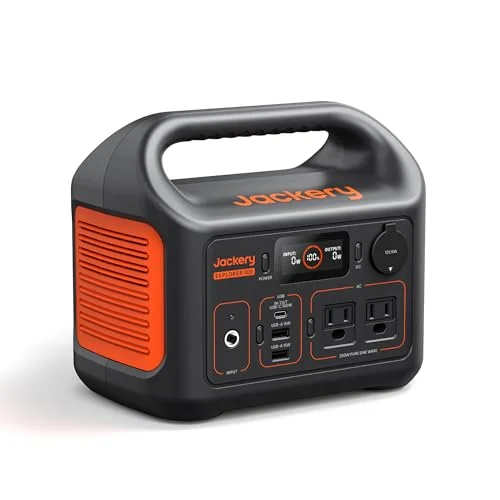
That standalone battery is the reliable overnight answer. A Jackery Explorer 300 power station runs a fan, lights, and charging through the night on 292 watt-hours and tops up off the 12V socket as you drive - so the Yukon's unlisted-wattage outlets don't have to be your overnight power source.
The reason I hedge the wattage so hard is that it changes what you can plug in. If those outlets follow GM's long-standing 150-watt convention, they'll happily run a laptop charger, a phone, a fan, or a string of lights, but they won't touch a compressor fridge or a kettle - and since the current Yukon's documentation prints no number, I won't let you plan a fridge around an unconfirmed figure. Treat the console and cargo outlets as convenience power while the engine's running. For anything that has to run engine-off overnight, the 292-watt-hour station is the honest answer, and its 12-volt recharge means you leave each morning topped back up.
Sleeping one adult, or two in the XL
So how many does it sleep? Standard Yukon: one adult in real comfort, two if you're friendly and diagonal. Yukon XL: two adults genuinely flat. That's the honest split, and it comes straight from the length difference.
- Standard, solo: excellent - a long, wide, near-flat floor with room for gear.
- Standard, two: workable but snug lengthwise for tall sleepers - measure your flat length first.
- XL, two: the reason to buy the XL - the extra length gives two adults a real bed without sleeping foot-to-head.
Since neither body publishes a folded flat length, the measurement decides it - especially for two in the standard truck. If two-adult camping is the plan and you're choosing, the XL removes the guesswork. Cross-shopping the family? Our Yukon vs Tahoe comparison covers the near-identical Chevy twin.
The two-in-a-standard-Yukon question comes down to a length neither body publishes, so a tape measure settles it before a purchase does. Fold both rear rows, run the tape from the closed tailgate to the back of the front seats set where you'd drive, and compare that to the taller sleeper's height plus a few inches of pillow. Two average adults often make the standard truck work on the diagonal; two tall adults usually don't, and that's exactly the gap the XL's extra length closes. The 122.8-versus-144.5 spread isn't abstract here - those cubic feet are the inches your shoulders and feet are asking for.
Building the bed: leveling the near-flat platform
The build is the easiest kind - you're truing up a floor that's already most of the way there, not terracing a mess. Fold the third row, fold the second, and you've got a long, low, near-flat platform that wants a little leveling and a lot of cushion.
- Bench vs bucket second row: a folded bench gives a more continuous floor; second-row buckets can leave a center channel to fill.
- Level the small step with a pad or a thin plywood layer - keep it low so you don't lose the Yukon's generous headroom.
- Consider a platform in the XL - there's so much length that a low storage platform under the bed still leaves room to sit up.
Because the floor is low and near-flat, most people get a great result from just a shaped mattress; the platform route is a want, not a need, which is unusual for a full-size SUV. Pad any hard edge that meets the seatbacks, aim for one continuous plane from tailgate to front seats, and you're done.
A few build notes I've learned to check on this generation. Verify how your specific second row folds before you cut anything - a folded bench hands you a more continuous surface, while second-row buckets can leave a narrow center channel that a pool noodle or a strip of foam fills in seconds. Keep any leveling layer thin, because the Yukon's headroom is one of its quiet advantages and a tall platform throws it away. And if you're in the XL, the roughly 144.5 cubic feet gives you the rare luxury of a low storage deck under the sleeping surface that still leaves you room to sit up - something a standard-length SUV can't usually spare.
The verdict on sleeping in a GMC Yukon
Where does the Yukon land? At or near the top of the full-size sleeper class since 2021 - a low, near-flat floor and more of it than almost anything else you'd daily-drive. The only real question is standard versus XL, and that's a length call: one adult versus two.
The installer's checklist:
- Buy 2021-or-newer - the IRS redesign is what makes it a real bed.
- Choose the XL for two adults; the standard is a great solo bed.
- Level the near-flat seam with a pad or thin plywood - don't trust 'dead-flat' claims.
- Use the two 120V outlets for charging, carry your own overnight power, and measure your flat length.
Do that and the Yukon is as close to a turnkey full-size bed as you'll find without building a van. The full measurements live on our Yukon cargo measurements page, and the safe and legal sleeping guide covers where to park it for the night.
One last honest note on the numbers, because I'd rather you trust the reasoning than the figures. The 25.5/72.5/122.8 standard and 41.5/93.6/144.5 XL cubic-foot readings are corroborated across several sources but are aggregator-tier, since GMC's own spec pages were unreachable when I checked - expect a rounding cubic-foot of slop, not a decimal you can bank. What isn't in doubt is the shape of the answer: buy the 2021-or-newer platform, pick the XL if two adults sleep aboard, level the mild seam, and carry your own overnight power. Get those four right and the Yukon does the rest better than almost anything you can drive off a dealer lot.
Related on Auto Roamer: Yukon vs Suburban for car camping.