
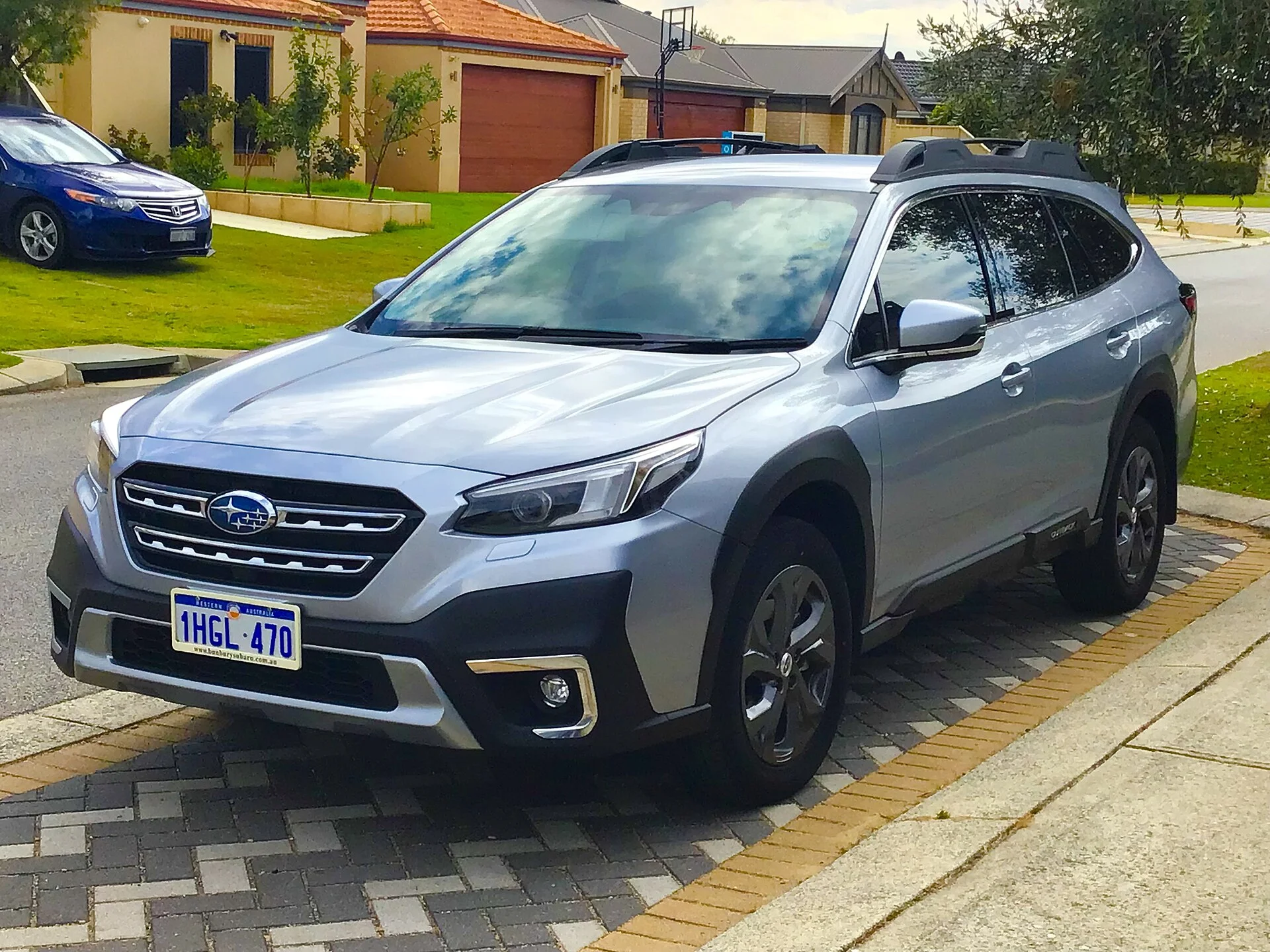
The Rooftop-Tent Question That Sends People to the Spec Sheet
Two hundred miles from the nearest parts store, a roof rack that fails is not an inconvenience — it is a bent roof and a ruined trip. That is why the Subaru Outback's roof weight rating is one of the first specs a camper should nail down, and it is also one of the most misunderstood, because the Outback does not have one roof rating. It has several, and they mean very different things.
The question that drives most people to look it up is the rooftop tent. A roof tent is heavy, and it carries sleeping humans, so the margin for error is small and the consequences of guessing wrong are severe. Getting the numbers right before mounting anything is the difference between a solid basecamp and a caved-in roof.
The confusion comes from a single fact that Subaru states plainly but owners routinely miss: the roof can hold far more parked than it can while driving. Those two numbers are not close, and treating the higher one as the limit for a loaded highway run is exactly the mistake that ends badly.
What follows is the honest breakdown — the dynamic and static ratings, what the factory crossbars actually manage versus the rails, and whether an Outback can genuinely carry a rooftop tent. Every figure here is a published rating read the practical way, because on a roof rack the spec sheet is the safety margin.
Dynamic vs Static: The Two Numbers That Matter
Before any single number means anything, the two categories have to be separated. A dynamic rating is the weight the roof can safely carry while the vehicle is moving. A static rating is the weight it can hold while parked. They are wildly different, and confusing them is the root of nearly every roof-rack mistake.
The reason they differ is physics, not marketing caution. Weight sitting over the roof acts like a lever as the vehicle moves, corners, brakes, and hits bumps, multiplying the stress on the mounts far beyond the static weight. A load that sits harmlessly on a parked roof becomes a dynamic force several times its own weight on a twisty road, which is why the safe moving load is a fraction of the parked one.
For a camper, this distinction is everything. The dynamic number governs what you can drive with — your gear, a cargo box, a folded rooftop tent in transit. The static number governs what the roof can hold once you have stopped and set up — a deployed rooftop tent with people asleep in it, at camp, not moving.
Keep these two straight and the Outback's ratings suddenly make sense. Blur them, and you either overload the roof on the highway or needlessly assume the Outback cannot do something it easily can while parked. The whole rest of the picture hangs on this one split.
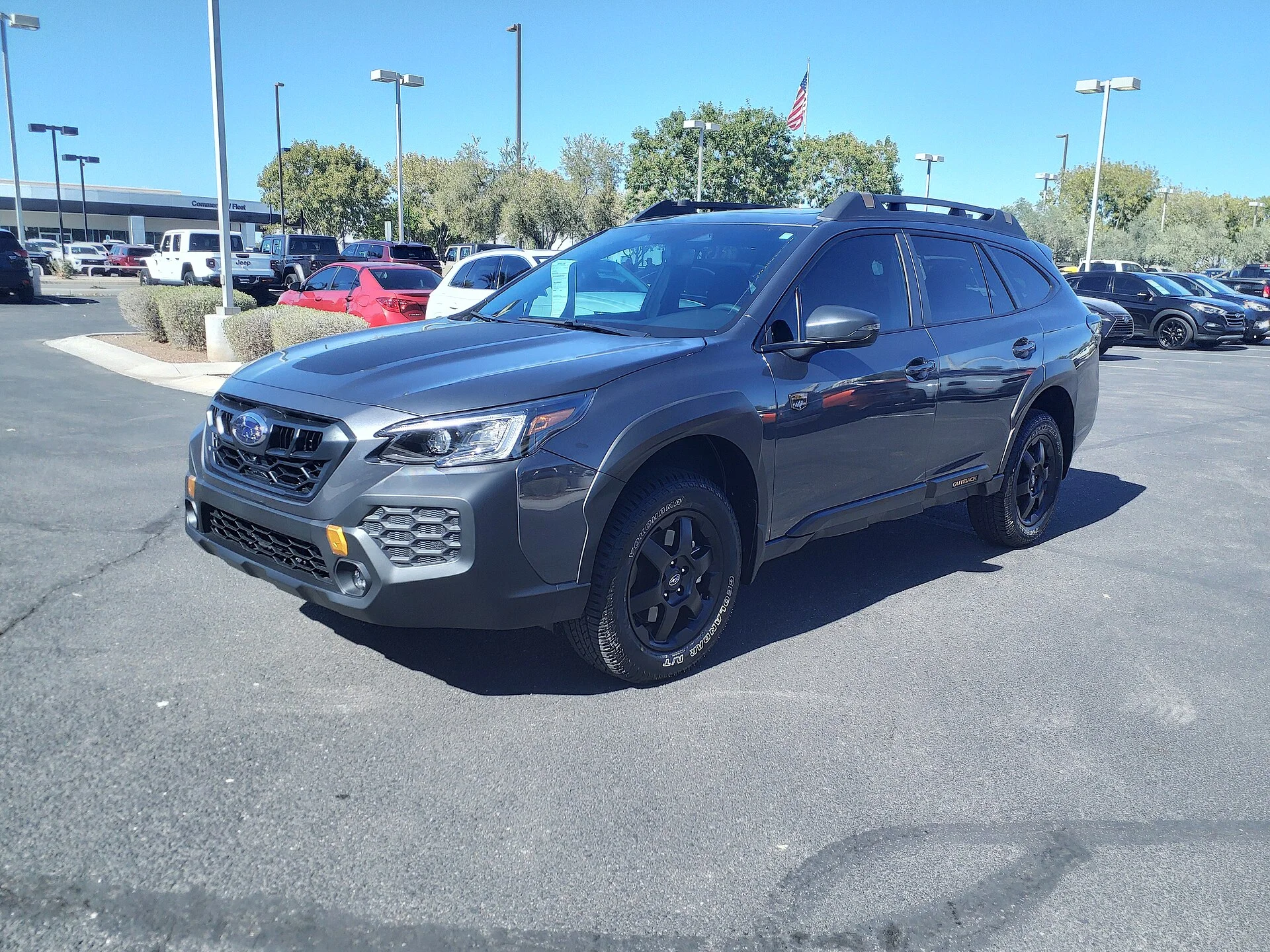
The Outback's Dynamic (In-Motion) Limit
The number that governs highway driving is the dynamic rating, and here the Outback's figures reward attention. Reporting on the 2026 Outback lists a dynamic limit of 220 pounds while in motion — a healthy figure for a wagon and enough for serious gear or a folded tent in transit.
Older Outback models are more conservative: the roof rails on those are rated for a dynamic load of 176 lb. That is still respectable, but it is a meaningfully lower ceiling, and anyone with an earlier Outback should plan around 176 lb rather than assuming the newer 220-pound figure applies to their vehicle.
The critical caveat is that these rail ratings are not the same as the crossbar ratings, and the crossbars are usually the real bottleneck. The dynamic number you can actually use is whichever is lower — the rails or the bars mounted to them — and on most Outbacks the factory bars are the limiting component, as the next section covers.
The practical rule for driving is to load to the dynamic figure for your specific model year and, crucially, to your crossbar's rating, never the higher static number. A folded rooftop tent, a cargo box of gear, or bikes on the roof all have to fit under the dynamic ceiling while the wheels are turning, and that ceiling is lower than most owners assume.
The Static (Parked) Limit and What It Unlocks
The parked rating is where the Outback's roof looks genuinely capable. Older models are rated for up to 700 pounds static while parked, and reporting on the 2026 model lists 800 pounds while parked — figures far above any dynamic number and high enough to change what the roof can do at camp.
That high static capacity is precisely what makes rooftop tents viable. A deployed rooftop tent plus two adults asleep in it is a substantial parked load, and it is the static rating, not the dynamic one, that governs whether the roof can bear it once the vehicle has stopped. Seven hundred to eight hundred pounds parked leaves real headroom for a tent and its occupants.
The 2026 model adds a third figure worth noting: 220 pounds off the side while parked, which covers accessories like an awning or a side-mounted load that hangs off the roof rather than sitting on top of it. That side rating is separate from the top rating and lower, so an awning's dynamic and parked side loads have their own ceiling to respect.
The takeaway is that the Outback's roof is far more capable parked than moving, and that asymmetry is the key to using it well. The static number is what makes a rooftop tent possible; the dynamic number is what constrains getting it there. Both are real, and a camper has to live inside both.
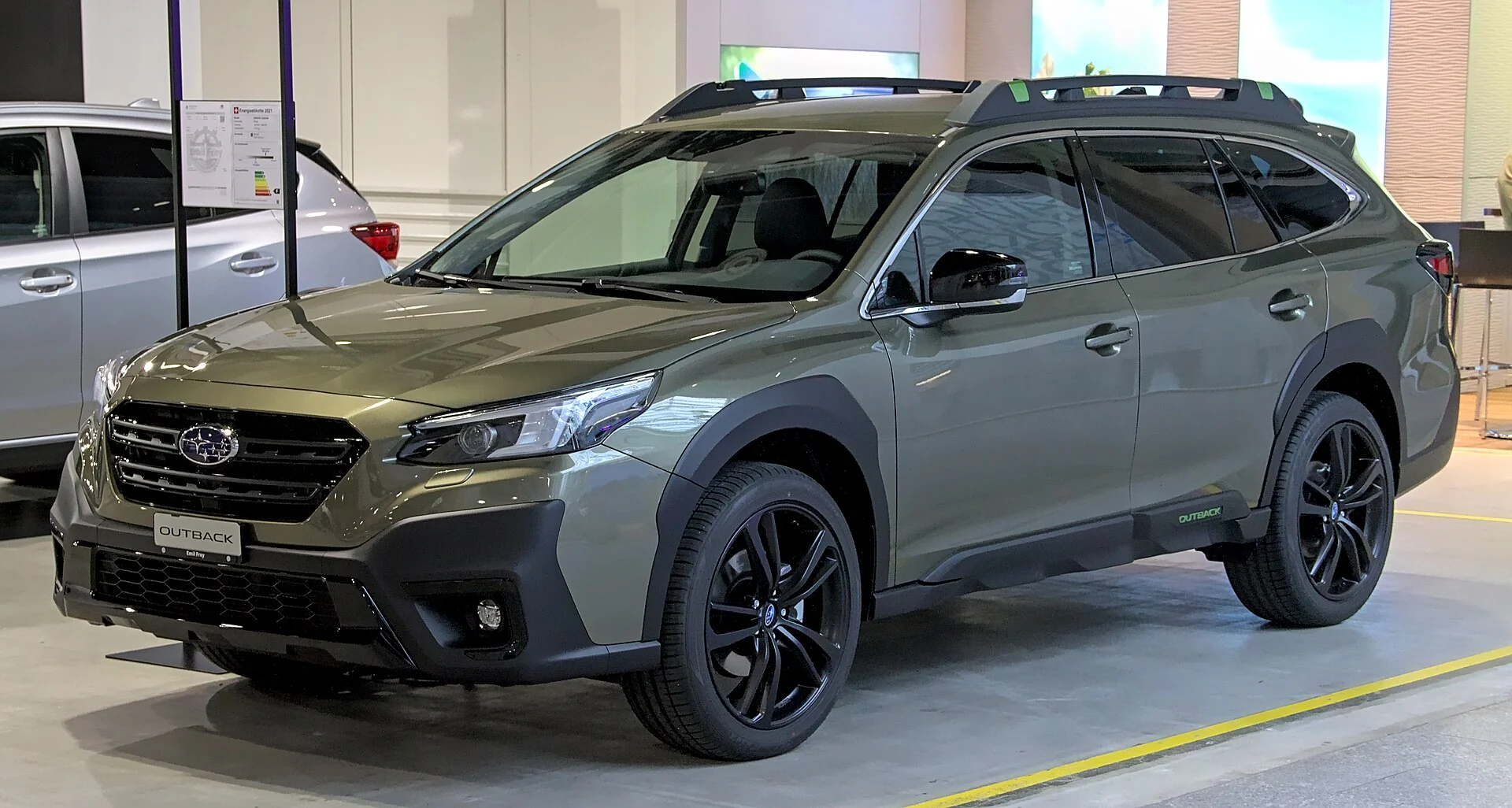
Factory Crossbars vs the Rails vs Aftermarket
Here is where the real-world limit usually lives, and it is lower than the rail ratings suggest. The Subaru Outback's factory integrated crossbars have a 150-pound dynamic load rating, and are reported to barely carry over 120 lb safely in practice. That factory-bar number, not the higher rail figure, is the ceiling most Outback owners are actually working under while driving.
This matters enormously for rooftop tents. A folded hardshell tent alone can approach or exceed the factory crossbars' safe dynamic capacity before any gear is added, which means the factory bars are frequently inadequate for transporting a roof tent even though the rails and static rating suggest plenty of room. The bars are the weak link, and they are easy to overlook.
The fix is aftermarket crossbars. Bars from brands such as Rhino-Rack or Thule offer a dynamic weight capacity of at least 165 lb, and heavier-duty options go higher, raising the driving ceiling closer to what the rails can support. For anyone planning to carry a rooftop tent, upgrading the crossbars is not optional dress-up; it is the component that makes the load legal and safe in motion.
The honest sequence for a camper is to identify the lowest-rated part in the chain — rails, bars, and mounts — and treat that as the real dynamic limit. On a stock Outback that is almost always the 150-pound factory bars, and planning around them, or replacing them, is the single most important roof-rack decision.
Can an Outback Actually Carry a Rooftop Tent?
The honest answer is yes, parked, and it depends entirely on the setup, moving. The static rating of 700 to 800 pounds means the Outback's roof can easily bear a deployed rooftop tent with occupants at camp — that part is not in doubt, and it is why so many Outbacks wear roof tents.
Transporting the tent is the harder half. A folded rooftop tent's weight has to fit under the dynamic ceiling while driving, and on the factory crossbars' 150-pound rating that leaves little to no margin for many tents. This is the gap that catches people: the roof can hold the tent at camp, but the factory bars may not be rated to carry it there safely on the highway.
The resolution is matching the crossbars to the tent. With aftermarket bars rated at 165 lb or more, a lighter softshell or a modestly sized hardshell tent comes within the dynamic limit, and the whole system works: legal to drive with, more than strong enough parked. Choosing a lighter tent and stronger bars is how Outback owners make it work.
So the rooftop-tent verdict is nuanced but clear. The Outback is a proven roof-tent platform because its static capacity is generous, but success requires respecting the dynamic limit in transit — which almost always means upgrading from the 150-pound factory crossbars to bars that can carry the folded tent safely.
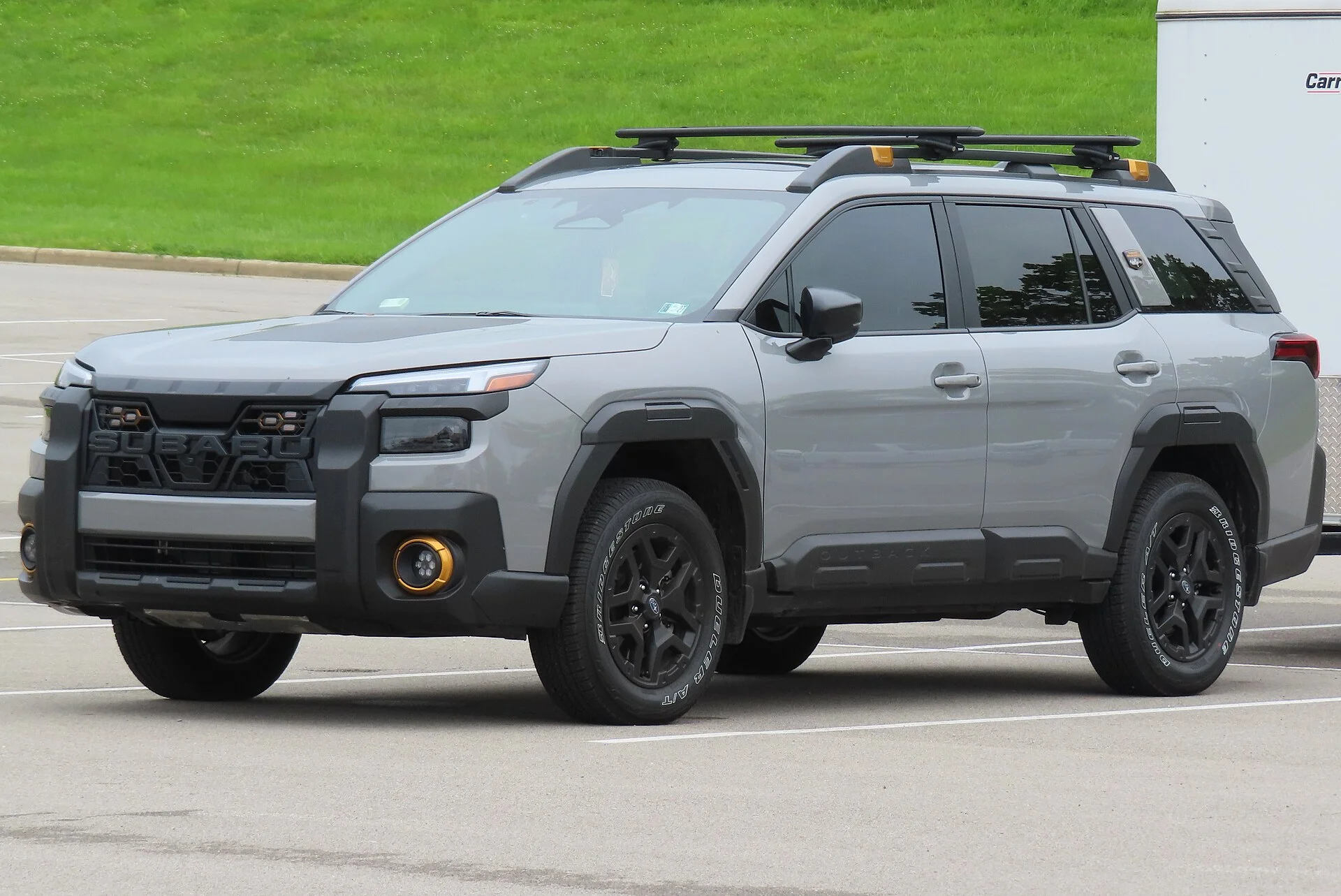
Why the Wilderness Trim Is Different
Not all Outbacks share the same roof rating, and the Wilderness trim is the standout. It carries a higher roof rating than other Outback trims, a point of frequent discussion among owners precisely because the difference is significant enough to change what the vehicle can carry.
Subaru built the Wilderness with overlanding in mind, and its beefed-up roof rails reflect that intent. For a buyer specifically planning a rooftop tent or heavy roof loads, the Wilderness's higher rating is a genuine functional advantage, not just trim badging, and it can mean the difference between a roof that comfortably handles a tent and one that is working at its margin.
The important discipline, even on a Wilderness, is not to assume the higher trim rating erases the crossbar bottleneck. The rails may be stronger, but the bars mounted to them and their dynamic rating still govern the moving load, so the same rule applies: the lowest-rated component in the chain is the real limit.
For shoppers weighing trims with camping in mind, the Wilderness's roof capability is a legitimate reason to prefer it, especially for rooftop-tent plans. For owners of other trims, the path to the same capability runs through aftermarket bars and a realistic read of the standard rails' lower numbers — a workable route, just one that requires knowing the figures.
How to Read Your Own Roof Without Exceeding It
The safest way to use any roof rack is to find the lowest number in your specific setup and never exceed it while driving. That means checking three things: the roof-rail rating for your model year, the crossbar rating (factory or aftermarket), and the rating of whatever accessory sits on top. The real dynamic limit is the smallest of those.
Model year matters because the numbers changed. An older Outback's 176-pound rail rating and 150-pound factory bars set a lower ceiling than a 2026 model's 220-pound rails, so a spec figure from a newer car does not transfer to an older one. Verify against the rating for your exact vehicle rather than a generic Outback number.
Weigh what you load. A folded rooftop tent, a full cargo box, or a set of bikes each has a known weight, and adding them up against your lowest rating is the only way to know you are inside it. Guessing is how owners quietly exceed the factory crossbars' modest dynamic capacity without realizing it.
And remember the two-number rule at every step: load to the dynamic figure while driving, and only rely on the static figure once parked and set up. A rooftop tent deployed at camp lives under the 700-to-800-pound static rating; the same tent in transit lives under the far lower dynamic and crossbar ratings. Respect both and the roof never becomes the failure point.
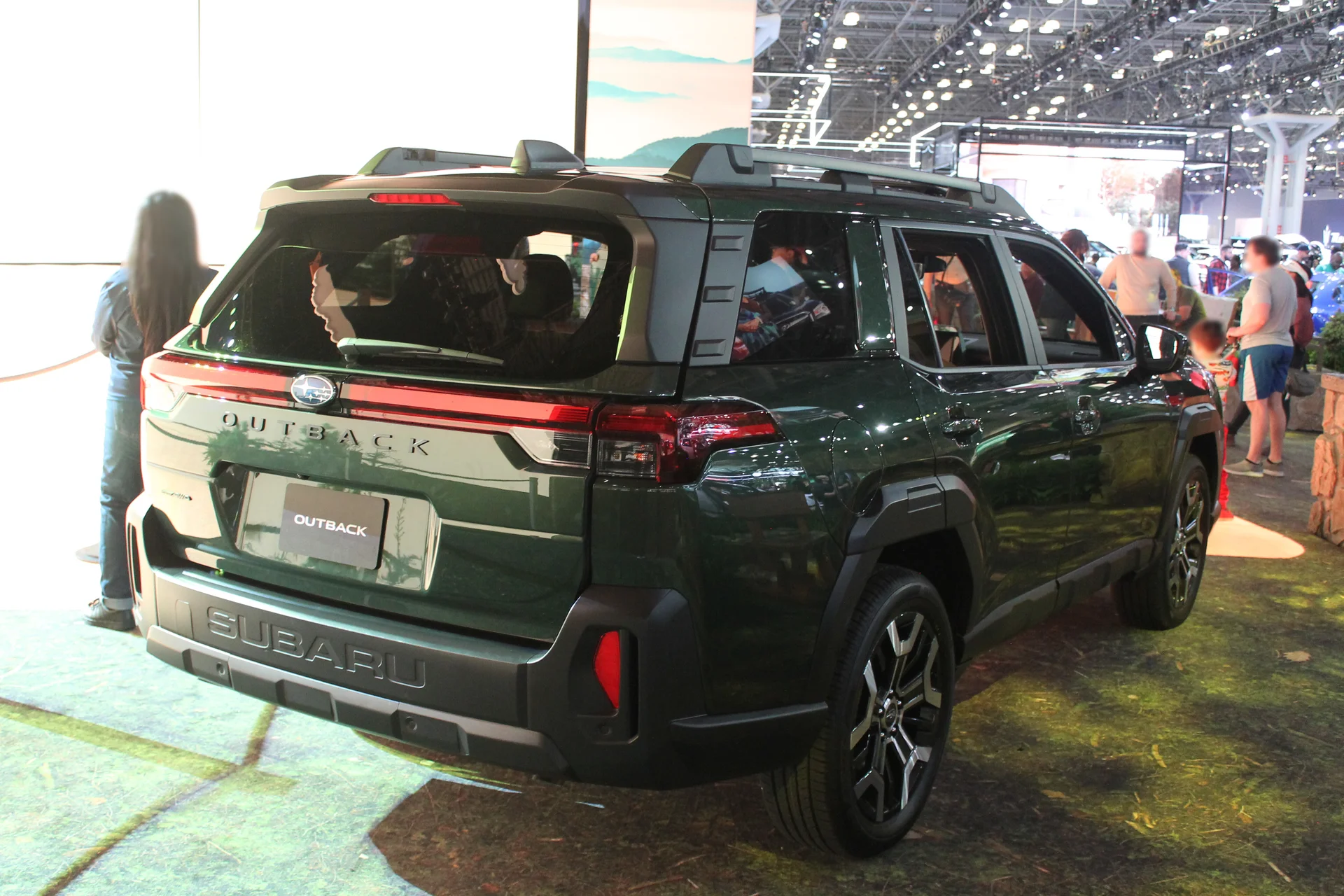
Practical Loading for Camping Gear
Beyond rooftop tents, the roof is prime real estate for the bulky, light gear that would otherwise fill the cabin — and the same rules govern it. Keep the heaviest items low and inside the vehicle, and reserve the roof for volume rather than mass, because every pound up top counts against the modest dynamic ceiling and raises the center of gravity.
A roof cargo box or basket is the usual choice, and its own weight counts too. An empty hardshell box can weigh a meaningful fraction of the factory crossbars' capacity before anything goes inside, so the box plus its contents together must stay under the dynamic limit. A quality roof cargo box is the easy way to carry the bulky, lightweight items — sleeping bags, foam pads, camp chairs, an awning — that are ideal roof cargo; water, tools, and canned food belong inside.
Distribution matters as much as total weight. Spread the load evenly across both crossbars and centered side to side, so no single mount takes a disproportionate share, and secure everything against the leverage forces that driving generates. A well-distributed load within the rating is safe; a concentrated one at the same total weight stresses a single point.
Handled this way, the Outback's roof genuinely expands its camping capacity without compromising safety. The wagon's low, long roof is easy to load and reach, and used within the dynamic limits it turns a compact vehicle into one that can carry a full camp — gear below, volume on top, and, at camp, a tent overhead.
The Verdict: Two Numbers, One Safe Roof
The Subaru Outback is a capable roof-load platform, but only for the camper who keeps its two numbers straight. The static rating — up to 700 pounds on older models, 800 on the 2026 — is generous enough to support a rooftop tent with occupants at camp. The dynamic rating, far lower, governs everything while driving.
The real-world ceiling in motion is usually the factory crossbars, rated at 150 pounds dynamic and safely handling barely over 120 in practice. That is the bottleneck that catches rooftop-tent buyers, and the fix is aftermarket bars rated at 165 pounds or more, which raise the driving limit toward what the rails can support.
Trim matters too: the Wilderness carries a higher roof rating than other Outbacks and is the natural pick for heavy roof loads, while other trims reach similar capability through upgraded bars and a realistic read of their lower standard numbers. Either way, the discipline is the same — find the lowest-rated component and treat it as the limit.
Get those fundamentals right and the Outback earns its overland reputation honestly: a compact wagon that can carry a full camp's gear and a rooftop tent, safely, because its owner respected the difference between what the roof holds parked and what it can carry moving. On a roof rack, that respect is the whole margin between a great trip and a bent roof a long way from help.