
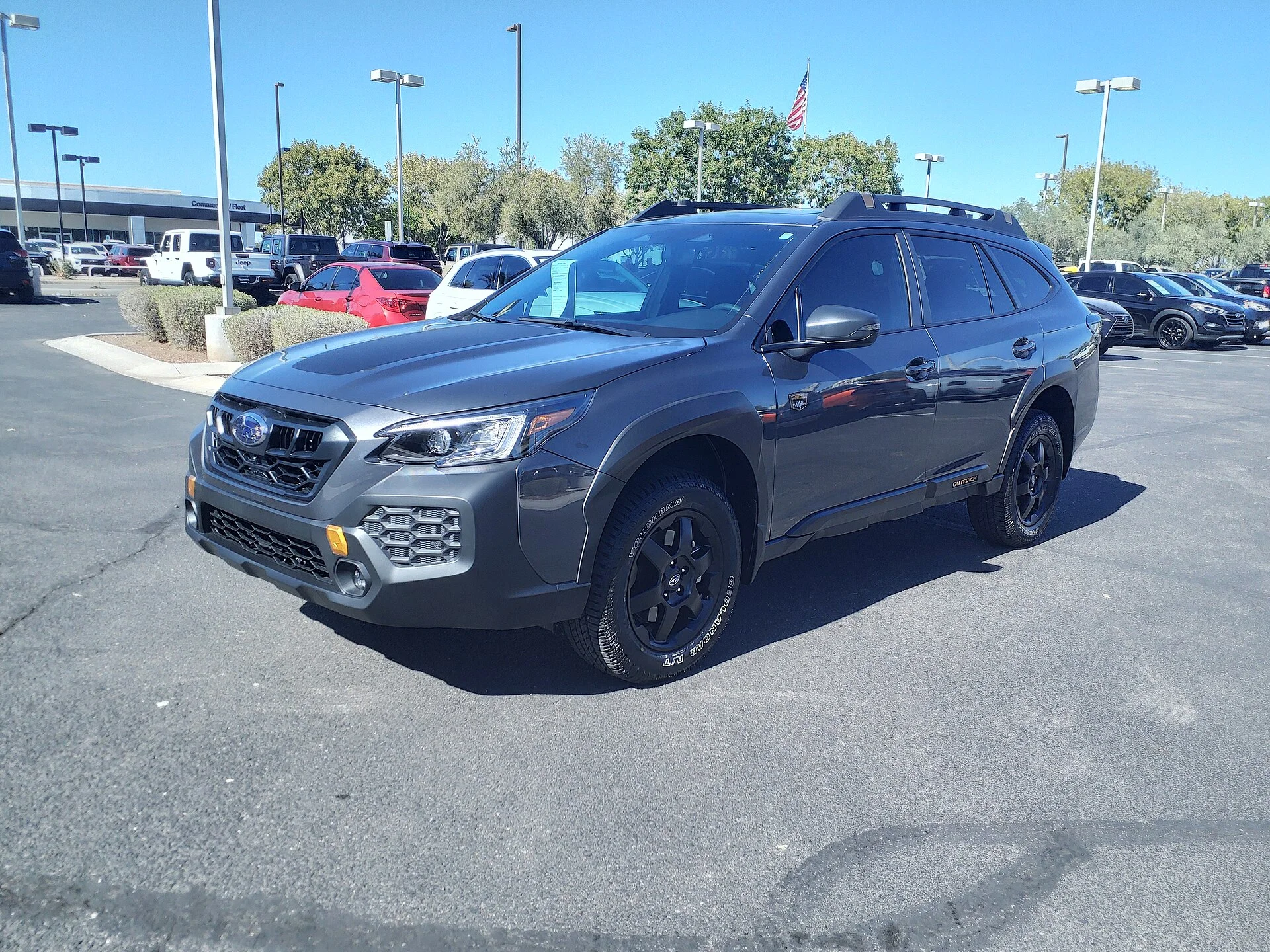
The straight answer - and why a skeptic gives it
I'm the guy who assumes every car-camping claim is exaggerated until the tape measure proves otherwise, so believe me when I say the Subaru Outback is the real thing. Yes, you can sleep in one - and it's one of the flattest, longest sleepers you'll find without moving up to a full SUV. Fold the 60/40 rear seats and you get a near-flat load floor about 75 inches long, per Subaru's own spec sheet. Seventy-five inches is 6 feet 3, which means most adults lie out straight without a diagonal or a platform.
That's a genuinely rare combination in a vehicle this efficient and this easy to live with. But 'yes' isn't the whole answer, and I'm not going to hand you the hype version. The Outback has exactly one real limitation for sleeping, it matters enormously if there are two of you, and almost nobody warns you about it before you've bought a mattress that doesn't fit. So let's do this honestly: why the Outback is genuinely good, where its one wall is, and who should actually sleep in one.
Why the Outback is a genuinely good sleeper (the wagon advantage)
The Outback sleeps well for a reason most crossovers can't copy: it's a wagon, not a tall box. That low, long body gives you a load floor that's both long and unusually flat, and it pays off the moment you lie down. iSeeCars and Evanston Subaru both put cargo volume at 75.6 cubic feet with the seats folded - class-leading room for a bed plus your gear.
What the wagon shape buys you overnight:
- Length without a diagonal: that ~75-inch floor lets a 6-footer sleep straight, which most compact SUVs can't offer.
- A low, stable load floor: easier to climb into, lower center of gravity, and less of the tall-box rocking you feel in some crossovers.
- Real gear room alongside the bed: 75.6 cubic feet means you're not choosing between sleeping and storing.
This is the part the internet gets right. As a solo platform the Outback is close to the sweet spot - long enough, flat enough, and efficient enough to drive there without a fuel-stop strategy. And because the floor is already usable as delivered, the cost of entry is a pad and a window screen, not a plywood weekend - the rare case where the cheap version of car camping is also the good version. The skeptic in me went looking for the catch, and there's exactly one.
The one real limit: width, and the two-adult math
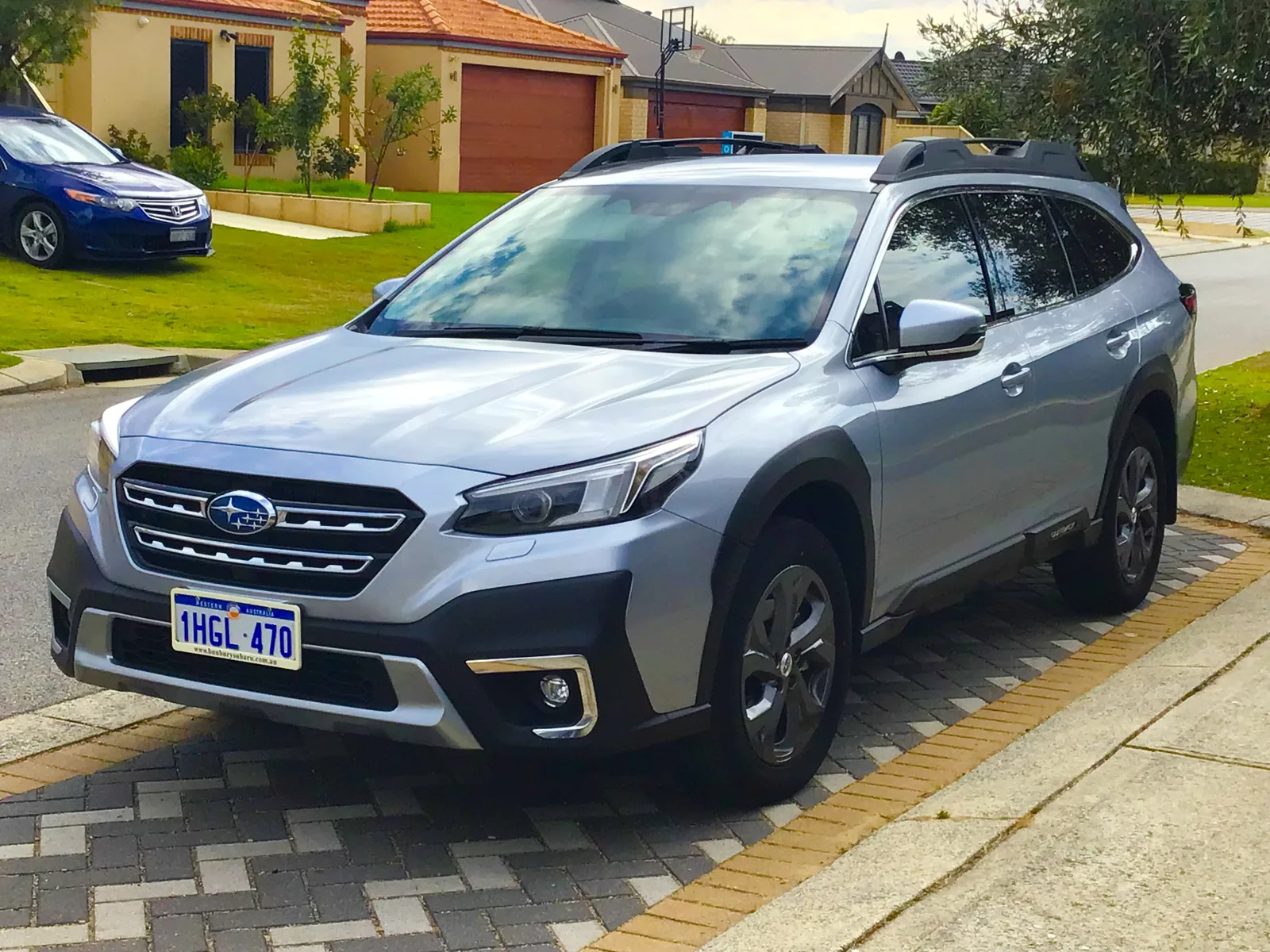
Here's the number nobody puts in the glossy photos: the Outback's cargo width between the wheel housings is 43.3 inches, straight off Subaru's spec sheet. That's the wall. Two adults sleeping side by side want somewhere around 48 inches of usable width to avoid stacking shoulders, and 43.3 falls almost 5 inches short of it.
The Outback is a superb one-person bed and a genuine squeeze for two. The length is generous; the width is the compromise. Anyone who tells you two adults sleep comfortably side by side in an Outback hasn't measured 43.3 inches against two sets of shoulders.
How to deal with the width honestly:
- Solo: 43.3 inches is luxurious for one - wider than any single pad, with room to roll.
- A couple who'll make it work: two narrow pads, no gear between you, and an understanding that it's cozy, not spacious.
- Two who want real space: one sleeps inside, one takes a ground tent, or you size up to a wider vehicle. No mattress adds shoulder width the wheel wells took away.
One geometry consolation for couples: the pinch is at the wheel wells, not the whole floor. Toward the tailgate and toward the front seatbacks the bay opens wider than 43.3 inches, so two sleepers who stagger head-to-toe - one pillow at the tailgate, one at the seatbacks - each put their shoulders in a wide zone and their feet in the narrow one. It's not glamorous, but it's the arrangement that makes two-in-an-Outback genuinely workable instead of theoretical, and it costs nothing to try on the first night.
Making it flat: the near-flat floor and the small gap to fix
Credit where it's due: the Outback needs less leveling work than almost anything else in its class. With the 60/40 seats folded the floor is genuinely close to flat over its ~75-inch length - Subaru lists 75.0 inches folded versus 42.0 with the seatbacks up, so folding nearly doubles your floor. But 'near-flat' isn't 'dead-flat,' and the skeptic's job is to point at the small step where the seatbacks meet the cargo floor.
The quick fix most Outback sleepers land on:
- Fill the minor seatback gap with a folded blanket or foam so there's no dip at your hips.
- Skip the platform for solo trips. Unlike taller, steppier vehicles, the Outback rarely needs a full build - a pad and a fill usually do it.
One more flatness detail worth knowing before you buy bedding: the gate to the front seats matters. Slide both front seats forward and tilt the seatbacks upright before you fold the rear seats, and the 60/40 backs drop cleaner and the usable floor runs its full published length; leave a front seat reclined into the bay and you lose inches you paid for. It's a ten-second habit that makes the 75-inch figure real instead of theoretical.
If you want the exact measurements and the flat-floor build in detail, our Outback cargo dimensions breakdown has the full spec-by-spec setup.
Trim by trim: what changes your setup - and what doesn't
The good news for setup planning: the Outback's sleeping dimensions barely move across the lineup, so you're mostly choosing capability and clearance, not bed size. The two things that actually change your overnight are ground clearance and the honest truth about power.
- Standard trims: 8.7 inches of ground clearance, per iSeeCars - already more than most crossovers, enough for rough forest roads to dispersed sites.
- Wilderness: 9.5 inches of clearance plus more aggressive tires - the pick if your camping is genuinely off the pavement.
- Power reality: the Outback gives you a 12-volt cargo outlet and no factory 120-volt household plug on any trim.
So the trim question isn't 'which one sleeps better' - they're all about the same bed. It's 'how far off the road do you want to reach before you sleep,' and that's a clearance answer, not a cargo one.
Where the Outback earns its keep: the places it can reach
Here's where the Outback quietly wins an argument the spec sheet doesn't show. A lot of vehicles can hold a sleeper; far fewer can carry that sleeper up a washed-out forest road to a quiet, free dispersed site. The Outback's standard all-wheel drive and 8.7 inches of clearance - 9.5 on the Wilderness - put it in reach of camps a low crossover simply can't get to.
Why that matters more than another inch of width:
- Better sites, fewer people: the spots you reach with clearance and AWD are the quiet ones, not the crowded paved pull-offs.
- Weather margin: AWD and clearance mean a muddy morning doesn't strand you at camp.
- One vehicle, two jobs: the same wagon that sleeps you flat also drives the family and commutes all week - the Outback's whole pitch.
For a solo camper who values reaching good ground over sleeping two, the Outback's combination of a flat bed and real access is hard to beat without spending a lot more on a bigger, thirstier rig. And when the trip is pavement instead of forest road, the same homework applies as any car sleeper: know which lots, rest areas, and campgrounds welcome an overnight vehicle - our where to park overnight guide sorts the reliable options from the knock-on-the-window ones before you need them.
Cold nights and wet glass: the honest climate picture
No skeptic's review is complete without the uncomfortable part, and for the Outback it's the same as any vehicle with a lot of glass: condensation and cold. All that window area that makes the wagon feel open by day turns into a heat leak and a fog magnet at night. This isn't an Outback flaw; it's physics, and it's beatable.
Cross-ventilate first. Crack two windows about 1 inch on opposite sides so your breath's moisture moves out instead of settling on the glass - one window alone doesn't flow.
Then insulate what leaks. Reflective window covers cut the nighttime heat loss and double as daytime privacy and sun block. And get off the cold floor: a proper pad isn't just comfort - it's the insulation between you and a metal floor that wicks your warmth away all night.
Do those three and the Outback is a comfortable three-season bed. Skip them and you'll wake up to dripping glass and blame the car for a problem that's really a ventilation habit.
Season by season, the honest calendar looks like this: spring and fall are the Outback's sweet spot - cool nights the sealed cabin holds a few degrees warmer, no bugs, easy ventilation. Summer moves the work to shade and airflow; park out of the afternoon sun and open opposite windows wide behind screens, because the glass that leaks heat in January traps it in July. Deep winter is where the skeptic draws the line: an uninsulated wagon at 15F is an exercise in sleeping-bag ratings, not vehicle choice, and the honest answer for most people is a warmer month or a warmer room.
Outback versus the crossover crowd for an actual night's sleep
Cross-shopping an Outback for camping usually means also looking at a RAV4, a CR-V, or a Forester, so let me place it honestly. On sleeping length the Outback wins - its ~75-inch near-flat floor is longer and flatter than the compact SUVs, which run closer to 64 truly-flat inches and step more at the seatbacks. On width, everyone in this class shares the same one-person-bed reality.
The honest scorecard:
- Beats the compact SUVs on flat length - the wagon floor is the Outback's signature advantage for sleeping.
- Ties them on the width limit - 43.3 inches is a solo bed here just like everywhere else in the class.
- Loses to mid-size and body-on-frame SUVs on two-person width and outright cargo, at the cost of their fuel and bulk.
Inside the Subaru family the pecking order is just as clear. The smaller Crosstrek shares the Outback's clearance and AWD but gives up serious floor length - it's a shorter, snugger bed that suits shorter solo sleepers, as our sleeping in a Subaru Crosstrek breakdown shows in detail. If you're deciding between the Outback and a compact crossover for sleeping, the Outback's length is the tiebreaker; our Outback vs CR-V breakdown runs the head-to-head.
Older Outbacks: does a used one sleep the same?
A lot of people asking this question are shopping used, so let's be straight about what changes with the year. The numbers in this article come from Subaru's 2023 spec sheet - the current-generation wagon that launched for 2020. Within that generation the sleeping geometry is effectively the same car year to year, so a 2020 and a 2025 make the same bed.
Go back further and the skeptic's rule applies: verify, don't assume. Earlier generations are the same wagon idea - long roof, low floor, folding 60/40 seats - but dimensions shift between generations, and a decade of listings and forum posts quote numbers for the wrong year more often than you'd think.
The skeptic's used-wagon rule: the seller's spec sheet describes A car, not THIS car. Verify the two numbers that decide your sleep on the exact vehicle you're buying.
So if you're buying used specifically to sleep in it:
- Bring a tape measure to the test drive. Fold the seats and measure the flat length and the width between the wheel wells yourself - it takes two minutes and beats any listing.
- Lie down in it. Sellers find this strange and buyers find it decisive. You're buying a bed; test the bed.
- Check the seatback step on that specific car - seat wear and aftermarket cargo mats change how flat 'near-flat' actually is.
The good news: the Outback's core sleeping virtue - a long, low, near-flat wagon floor - has been true of the model for a long time. The exact inches are the only thing to verify, and now you know which inches matter: flat length first, wheel-well width second, everything else a distant third. A used Outback that clears those two numbers with your own tape on your own body is as good a sleeper as a new one - the floor doesn't depreciate.
The verdict: who should sleep in an Outback - and who shouldn't
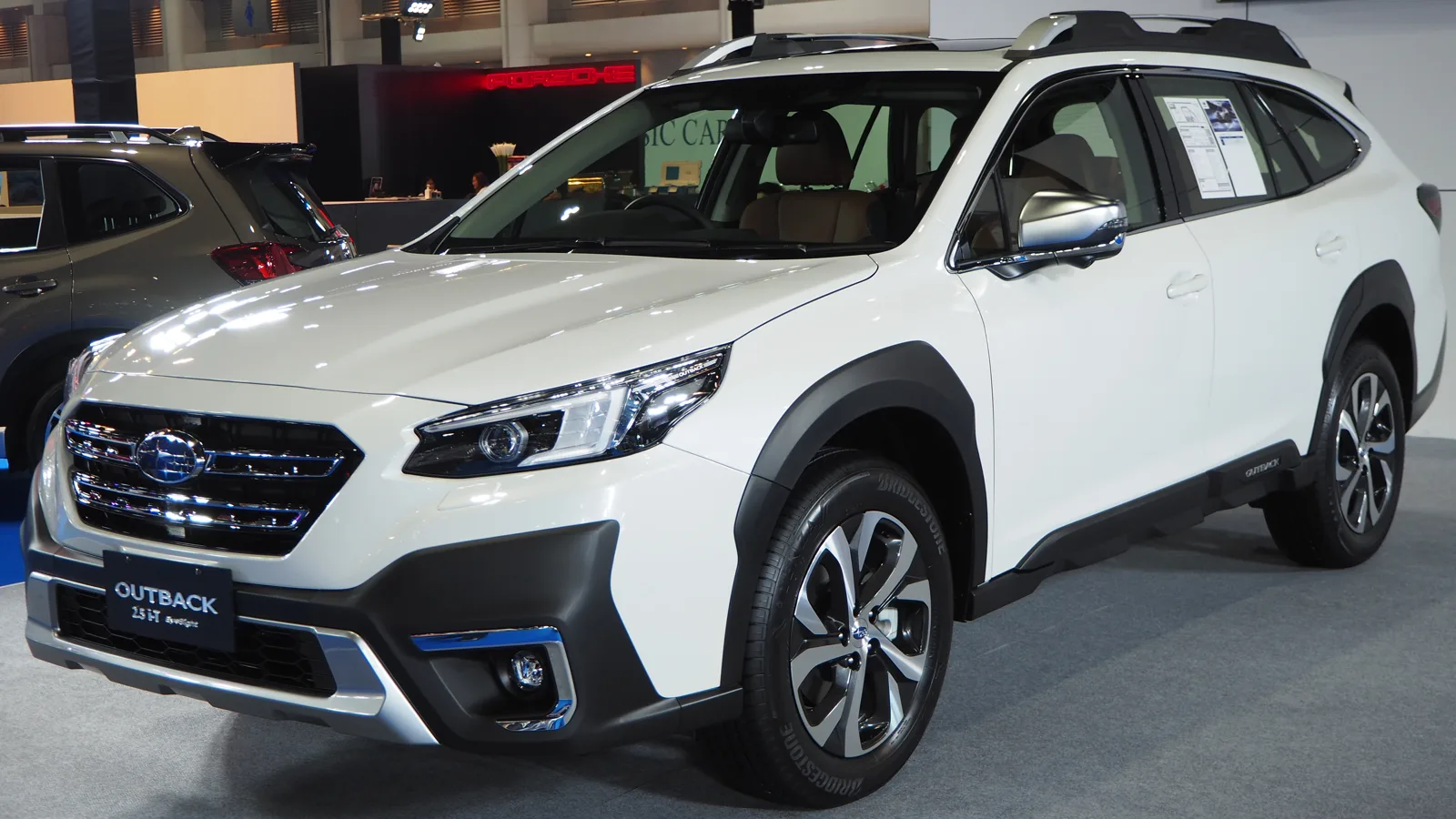
After poking every hole I could find, the Subaru Outback comes out as one of the best solo car-camping platforms you can buy without going bigger. You get a near-flat floor about 75 inches long, 75.6 cubic feet of room, and 8.7 to 9.5 inches of clearance to reach real camps - all sourced from Subaru's spec sheet and iSeeCars. For one person who wants to lie flat and get somewhere quiet, it's close to ideal.
Sleep in an Outback if you camp solo, value flat length and trail access, and want one vehicle that also does daily life. Look elsewhere if two adults must sleep side by side - the 43.3-inch width between the wheel wells is the one wall the Outback won't move, and no gear fixes it.
That's the un-hyped truth. The Outback isn't magic and it isn't a two-person bedroom, but for the solo camper it's a long, flat, go-anywhere sleeper that happens to be an easy car to own the other 350 days a year. Fill the small seatback gap, add a pad, ventilate the glass, and it does the job as well as anything in its class. The tape measure backed the reputation on this one - and a skeptic doesn't get to say that often, so when the numbers and the folklore agree, buy with confidence and spend the savings on a better sleeping pad.