
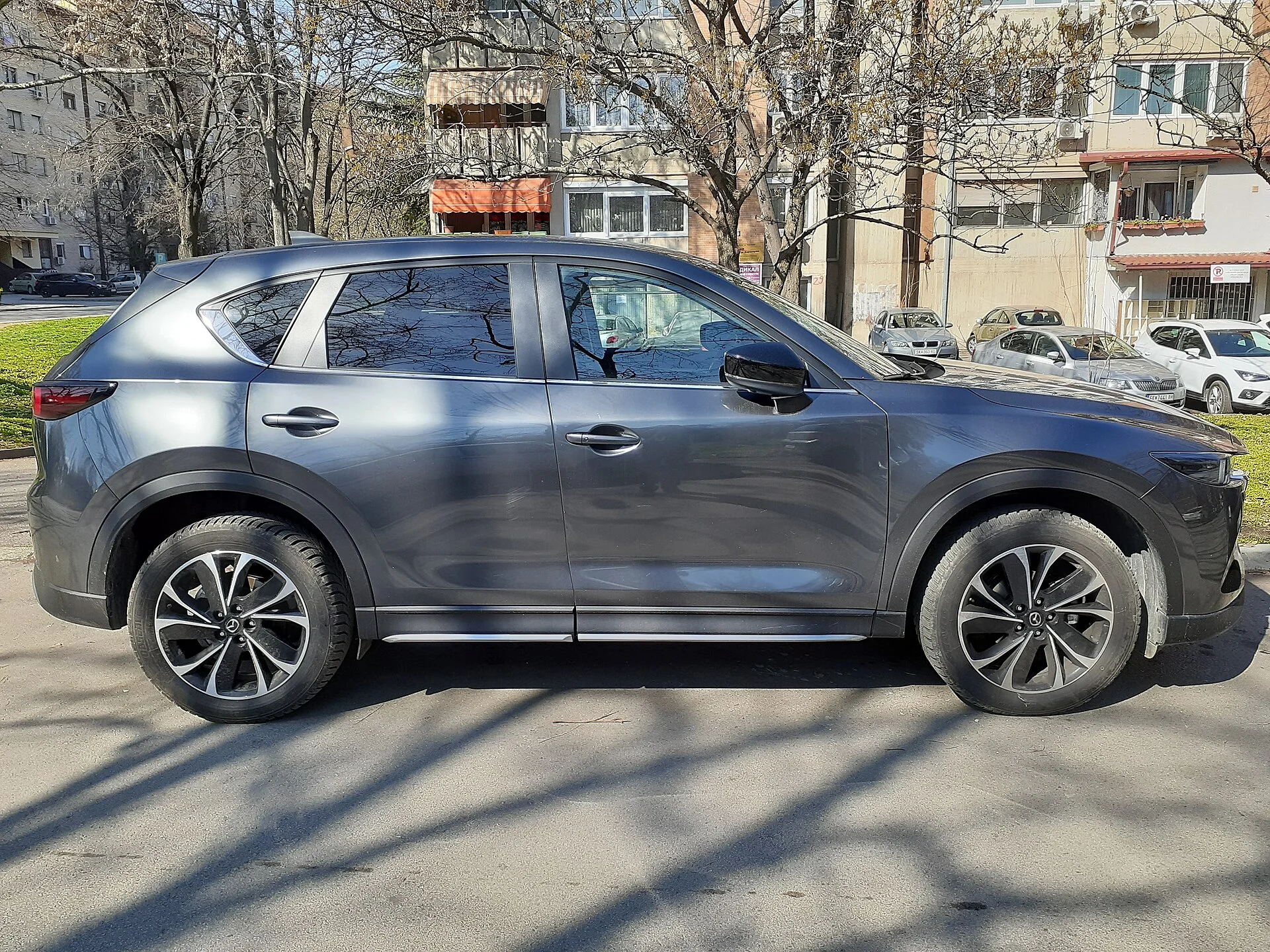
The Answer: It Fits the Rails, But Travel Light
Here is the field-tested answer, the kind that matters when you are a long way from a parts store: a rooftop tent will physically fit the CX-5's rails, but its low 165-pound dynamic rating makes lightweight softshell tents the realistic choice, not heavy hardshells. The CX-5 can wear a tent. Whether it should wear the tent you had in mind depends entirely on weight.
The number that governs everything is the roof's maximum dynamic load: 165 pounds, or 75 kilograms, while the vehicle is moving. That figure has to cover the crossbars, the tent, the ladder, and anything left on the roof as you drive. It is a modest ceiling for a rooftop-tent build, and it is the reason this is a go-light project rather than a load-it-up one.
So treat this as a durability-and-margin decision, because that is what it is. On a remote trip, the last thing you want is a roof loaded past its rating flexing and fatiguing bars a hundred miles from anywhere. Stay under the 165-pound limit with a light softshell and the CX-5 is a perfectly good weekend rooftop-tent rig. Ignore the number and you are gambling on hardware far from help.
The 165-Pound Ceiling That Rules the Build
Every decision in this build bends around one figure. The Mazda CX-5's factory roof is rated for a maximum dynamic load of 165 pounds (75 kg) while the vehicle is moving, and that rating must include the crossbars, tent, ladder, and any gear left on the roof while driving. It is not the tent's weight alone - it is everything up top, added together, at speed.
That ceiling is what separates a CX-5 build from a body-on-frame overlander. Because most rooftop tents alone weigh 100 pounds or more, a full CX-5 tent build with crossbars is likely to approach or exceed the 165-pound dynamic limit before you have added a ladder or bedding. The margin is thin from the start, which is exactly why tent selection is not a style choice here - it is a weight budget.
The honest way to think about it is subtraction. Start at 165 pounds, take away the crossbars, take away the ladder, take away anything stored in the tent, and what is left is your tent budget. On this roof that remainder is small, and it is why the whole guide keeps returning to the word light. The ceiling is real, and it does not care how well the tent fits the rails.
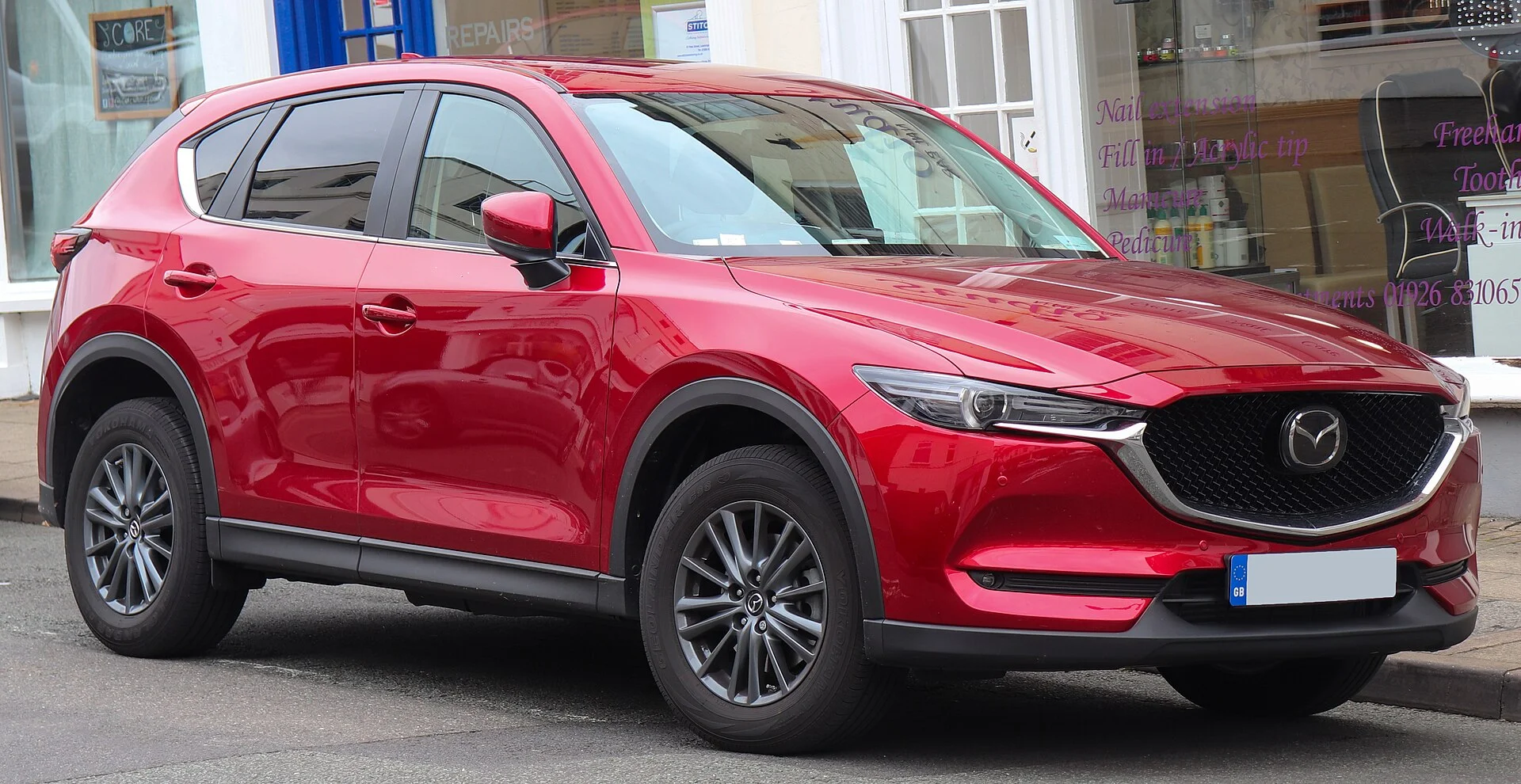
Static vs Dynamic on the CX-5
Two roof numbers get quoted, and confusing them is how people end up over the limit. The CX-5's static roof load capacity is 220 pounds (100 kg) while the vehicle is parked - meaningfully higher than the 165-pound dynamic figure. Static capacity exceeds dynamic capacity because a parked roof is not fighting bumps, cornering, and wind loads, so once you stop the roof can hold more than while moving.
That gap matters for how you use the tent. The 165-pound dynamic rating is your driving budget; the 220-pound static rating is what supports you once you are stopped and asleep. It is the same logic every rooftop-tent vehicle follows - conservative in motion, more generous at rest - and on the CX-5 the two numbers sit closer together than on a big SUV, which is another sign this is a light-duty setup.
Where it gets tight is with two occupants. A single sleeper near the 165-pound dynamic figure is fine parked, but two adults plus a heavy tent can exceed even the 220-pound static rating - so light single-occupant tents are the safest match. That is the failure mode to respect: on this roof, even the parked limit can be reached by two people in a heavy shell. Plan the tent for one and the numbers stay comfortable.
The Rails: Raised T-Slot on Every Trim
Good news on fitment: the CX-5 gives you real rails to work with. All 2025 CX-5 trims use raised, T-slot extruded side rails, not flush or integrated rails. Sport, Touring, and Grand Touring trims ship with raised steel rails, while the Carbon Edition and Signature use black anodized aluminum rails. Either way, you have a raised rail that crossbars can clamp to - the starting point a rooftop tent needs.
Note what the CX-5 does not have. Flush integrated rails are exclusive to the CX-50 and CX-70, not the CX-5, so if you are cross-shopping Mazda's SUVs, the mounting story differs by model. On the CX-5, the raised T-slot design is actually the friendlier case for a tent build, because the rail geometry is standardized and crossbars for it are easy to source.
For the detail-minded, the rail specs are worth a glance before ordering hardware. The T-slot rail base measures roughly 108 mm wide with M6 threaded inserts spaced about every 120 mm, which determines which crossbar feet and mounting kits will index correctly into the rail. Match your crossbars to that rail profile and the mechanical fit is clean. The raised rails, though, require crossbars to be added before a rooftop tent can be mounted - they are the anchor, not the mount.
Crossbars Are the Real Bottleneck
The rails can take more than you would think, which is exactly the trap. The roof rails themselves are reported to support about 600 pounds, but the crossbars are the limiting factor at 165 pounds. It is easy to read the big rail number and assume you have room; you do not. The bars, and the vehicle's dynamic rating behind them, are what actually cap the load.
Aftermarket crossbars muddy it further with their own ratings. Crossbars for the CX-5 with raised rails - ROKIOTOEX bars, for instance - are marketed with a 220-pound load capacity, but the vehicle's 165-pound dynamic limit still governs driving. A bar rated to 220 pounds does not raise your roof's limit; it just means the bar is not the weakest link. The 165-pound vehicle rating is still the number you build to.
This is the part that strands people who trust a component spec over the vehicle spec. The chain is rail, bar, roof - and your safe moving load is set by the lowest governing rating in that chain, which here is the 165-pound dynamic roof limit. Pick sturdy bars so the bar is not your failure point, but never let a bar's rating tempt you past the roof's. Far from help, the roof rating is the one that matters.
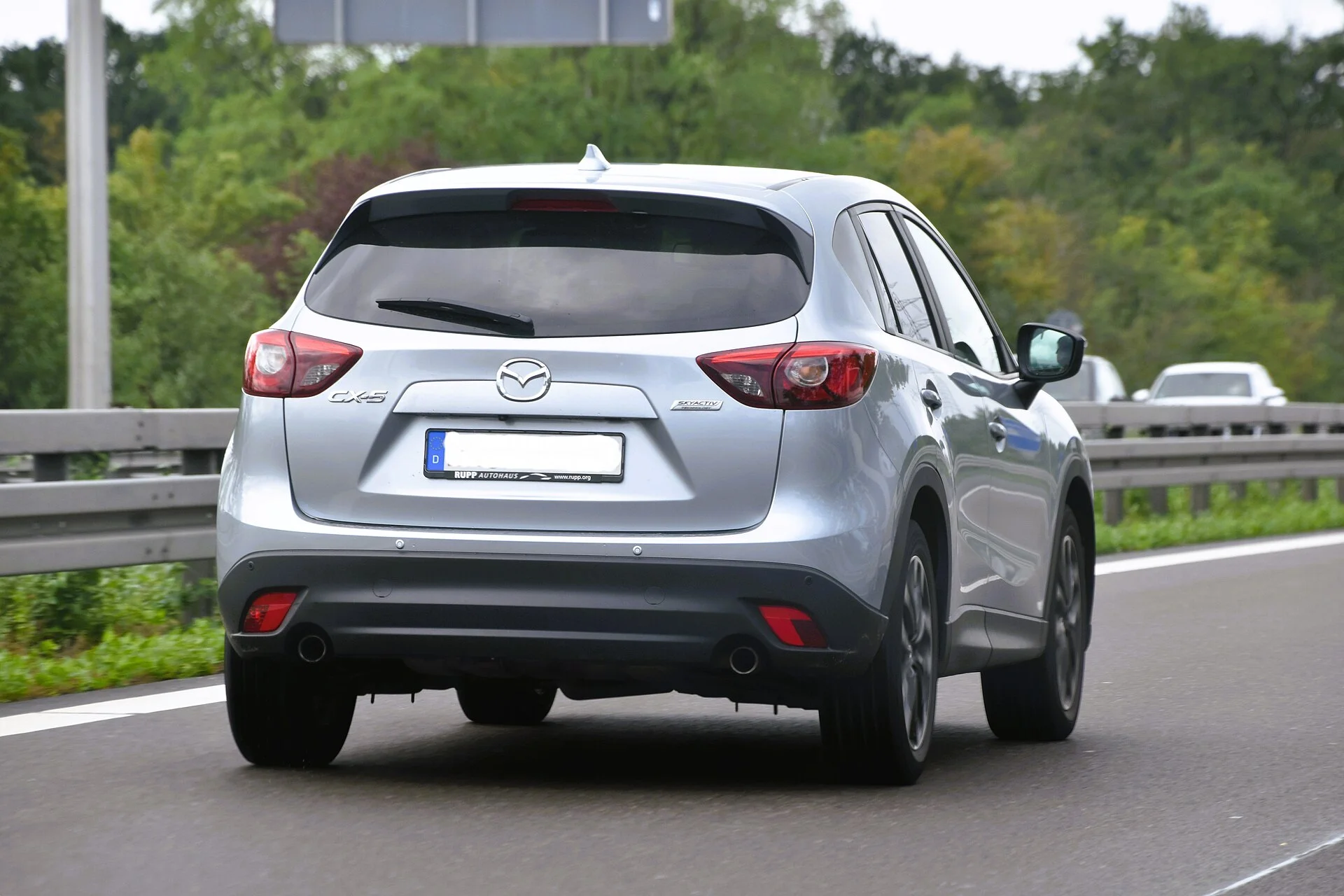
The Math: Why Hardshells Get Tight Fast
Run the weights and the CX-5's constraint becomes concrete. Softshell rooftop tents typically weigh about 100 to 130 pounds. Hardshell rooftop tents typically weigh about 130 to 175 pounds, and forum members cite RTT shells in the 100 to 200 pound range. Line those against a 165-pound dynamic ceiling that also has to carry crossbars, and the problem is immediate.
Take a middle hardshell. A 130-pound hardshell plus a crossbar set climbs toward 165 pounds before a ladder or a sleeping bag, which is why hardshells get tight fast on this roof. The heavier end of the hardshell range - 175 pounds - blows the dynamic limit on the tent alone. Even many softshells at the top of their band leave almost no room once the bars are added.
So the math points one direction: light softshells. A softshell near the 100-pound end leaves genuine headroom under 165 pounds for bars and a ladder, which is the only configuration that stays honestly within the rating. When the goal is a setup that survives real miles without overloading the roof, a light lightweight softshell rooftop tent is the pick that respects the CX-5's ceiling.
Cheap Racks Are the Failure Mode
Here is the failure mode that matters when you cannot just return it: bargain hardware. Cheap Amazon-brand rails and crossbars have reportedly broken under loads as low as 100 pounds - well below even the CX-5's modest 165-pound rating. A bar that fails at 100 pounds is not a bar; it is a liability strapped over your windshield, and it will let go at the worst possible moment on rough road.
Mazda's own bars are not the answer either. Mazda's OEM crossbars are reported to flex under load, and Thule or Yakima racks are recommended as sturdier alternatives. Flex is a warning sign on a rooftop-tent build - a bar that visibly bends under static weight is working near its limit, and dynamic road loads only make that worse over hundreds of miles.
The durability lesson from the trail is simple: buy the bars once, buy them good. A quality Thule or Yakima bar rated well above your actual load gives you margin, and margin is what survives washboard roads and a long drive home. This is not the place to save fifty dollars. When the nearest replacement is a day's drive away, the sturdier rack is the one that earns its spot.
One Sleeper vs Two Adults
Occupancy is where the CX-5's limits get personal. A single sleeper near the 165-pound dynamic figure is fine once parked, because the static rating is 220 pounds and one person plus a light tent stays under it comfortably. For solo trips, the CX-5 is a legitimate rooftop-tent vehicle - the numbers work, and a light softshell gives you a real bed above the car.
Two adults change the equation more than people expect. Two adults plus a heavy tent can exceed even the 220-pound static rating, which is the parked limit, not just the driving one. That is the scenario to avoid: it is not only about driving over the dynamic number, it is about resting over the static number too. On a bigger SUV the static rating has margin for two; on the CX-5 it can be reached.
The takeaway is to size the whole setup for one and treat two as a stretch. For an occasional two-person night, pair the lightest tent you can find so the combined sleeping load stays under 220 pounds, and know you are near the ceiling. For anything regular with two people, a heavier vehicle is the honest answer. The CX-5 rewards the solo overlander far more than the couple.
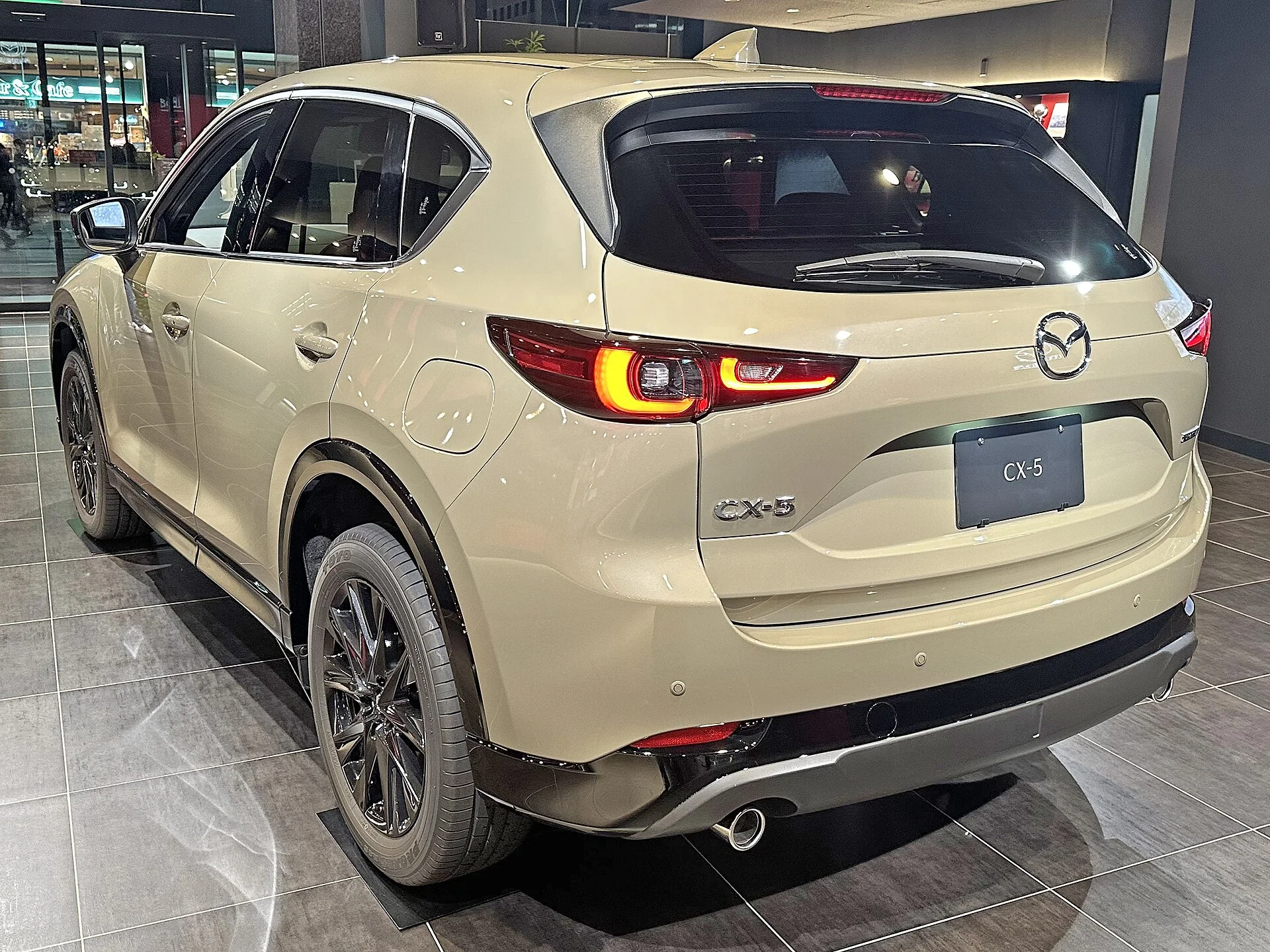
The Cost Reality: RTT vs Ground Tent
Before committing, it is worth weighing what a rooftop tent actually costs against the alternative. A full rooftop-tent setup can cost around $2,700 versus roughly $100 for a ground tent and air mattress alternative. That is a large gap, and on a vehicle with a tight roof limit it is fair to ask whether the rooftop tent earns the premium for how you travel.
The rooftop tent buys you a fast, off-the-ground, level bed and a dry setup in bad weather - genuine advantages on a long trip where pitching a ground tent every night wears thin. But it also loads a roof that is not built to carry much, adds height and wind drag, and locks you into the go-light constraints this whole guide describes. For some trips that trade is worth it; for others it is not.
The honest recommendation from the road is to match the tool to the mileage. If you are doing frequent multi-night travel and value the quick, elevated setup, a light softshell rooftop tent on quality bars is a fair buy even at $2,700. If most of your nights are the occasional weekend, the $100 ground setup does the same job without stressing the CX-5's roof. Spend where the miles justify it.
The Verdict: Yes, If You Go Light
Put the whole picture together and the CX-5 earns a qualified yes. A rooftop tent will physically fit the CX-5's raised T-slot rails on every trim, but the low 165-pound dynamic rating makes lightweight softshell tents the realistic choice, not heavy hardshells. Fitment is not the obstacle - the weight budget is, and it is a small one.
Build it right and it works: raised T-slot rails on all trims, sturdy Thule or Yakima bars rather than flexy OEM or bargain hardware, and a softshell tent near the 100-pound end so the moving total stays under 165 pounds. Trust the 220-pound static rating for a single sleeper parked, but know that two adults in a heavy tent can reach even that number. Plan for one, and the margins stay honest.
So the final read: the Mazda CX-5 is a solid solo rooftop-tent rig and a marginal two-person one. Respect the 165-pound driving ceiling, buy the sturdy bars once, keep the tent light, and weigh the $2,700 setup against a $100 ground kit for how you actually travel. Do that, and the CX-5 carries a rooftop tent reliably - the roof just asks you to pack the discipline along with the gear.