
The Answer Is Yes - If the Math Stays Under 165
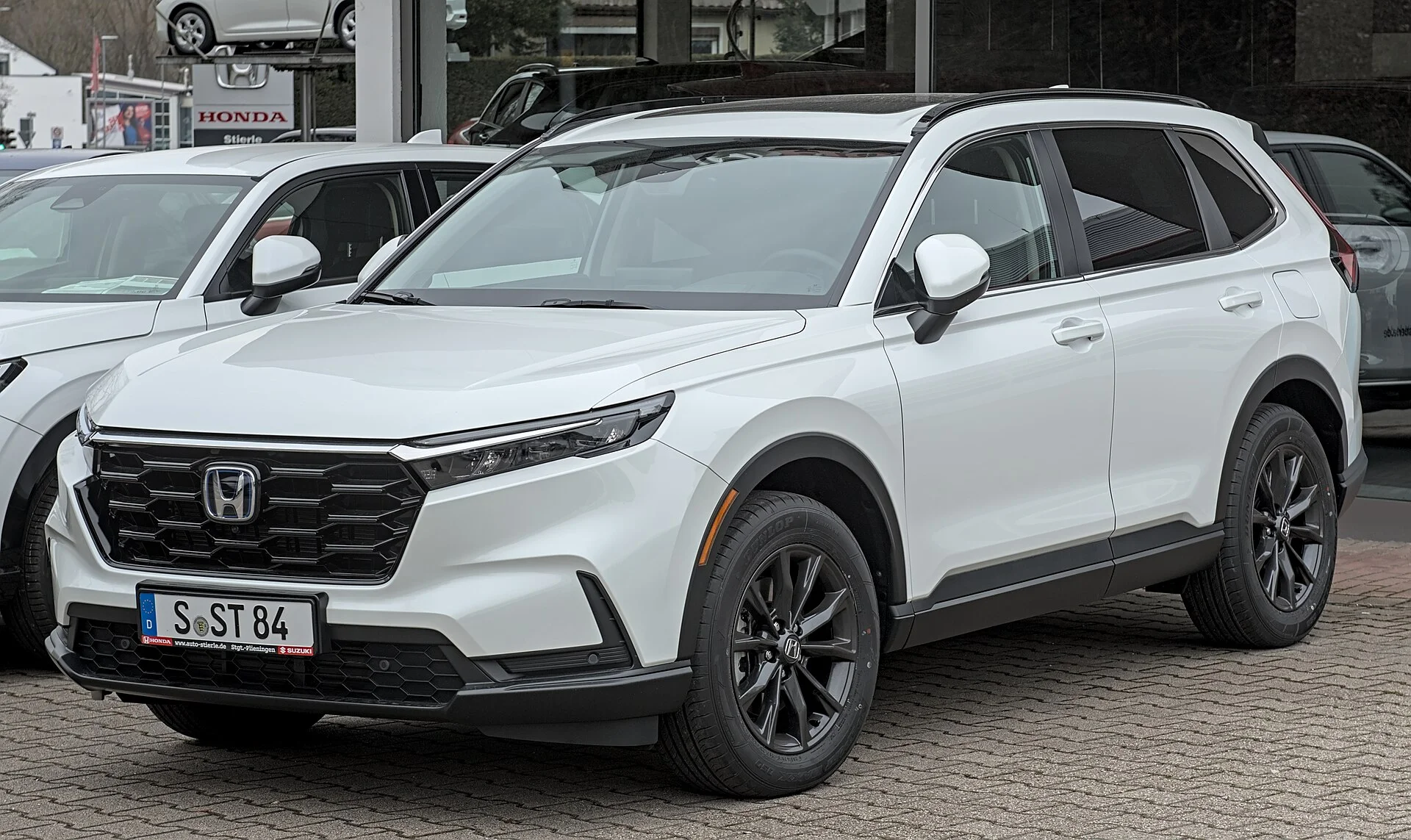
A rooftop tent fits on a 2023-2026 Honda CR-V. Whether it fits safely is a load calculation, and that is where most of these builds go wrong. The roofline is fine - the roof rating is the constraint, and it is a number you have to respect before you buy anything, not after the tent is already strapped down.
Honda's owner's manual specifies a maximum roof load of 165 pounds, or 75 kilograms, for the current CR-V. Rooftop-tent guidance treats the practical while-driving capacity as roughly 150 to 165 pounds, and that figure has to cover everything up there: the crossbars, the mounting hardware, and the tent. The tent is the last thing in the budget, not the first.
The step everyone skips is subtracting the hardware before shopping for a tent. Do that arithmetic first and the CR-V becomes a real, if narrow, rooftop-tent platform. Skip it and you either overload the roof or find out at the campsite that the tent you bought was never going to be legal to drive with. Measure the budget before you mount the tent.
Dynamic vs Static: The One Distinction That Decides Everything
Before any numbers make sense, separate the two roof ratings, because confusing them is the mistake behind most overloaded roofs. Dynamic roof load is the weight the roof supports while driving - it accounts for braking, cornering, and the jolt of a pothole, which multiply the effective load. Static roof load is the much higher weight the roof holds while parked.
The 165-pound CR-V figure is the dynamic number, and it is the binding constraint any time the wheels are turning. Static capacity is typically three to five times the dynamic rating, which is why a deployed tent plus one or two sleepers does not overload the roof: parked, the roof is working against its static rating, and the tent's ladder transfers much of that weight straight to the ground.
The consequence for buying is clean. You size the tent and crossbars to the 165-pound driving limit, and you stop worrying about occupant weight, because occupants only load the roof when the vehicle is parked and the ladder is down. Get the dynamic-versus-static distinction right and the rest is subtraction; get it wrong and you either overbuild out of fear or overload out of ignorance.
Step One: Crossbars, and What They Cost You
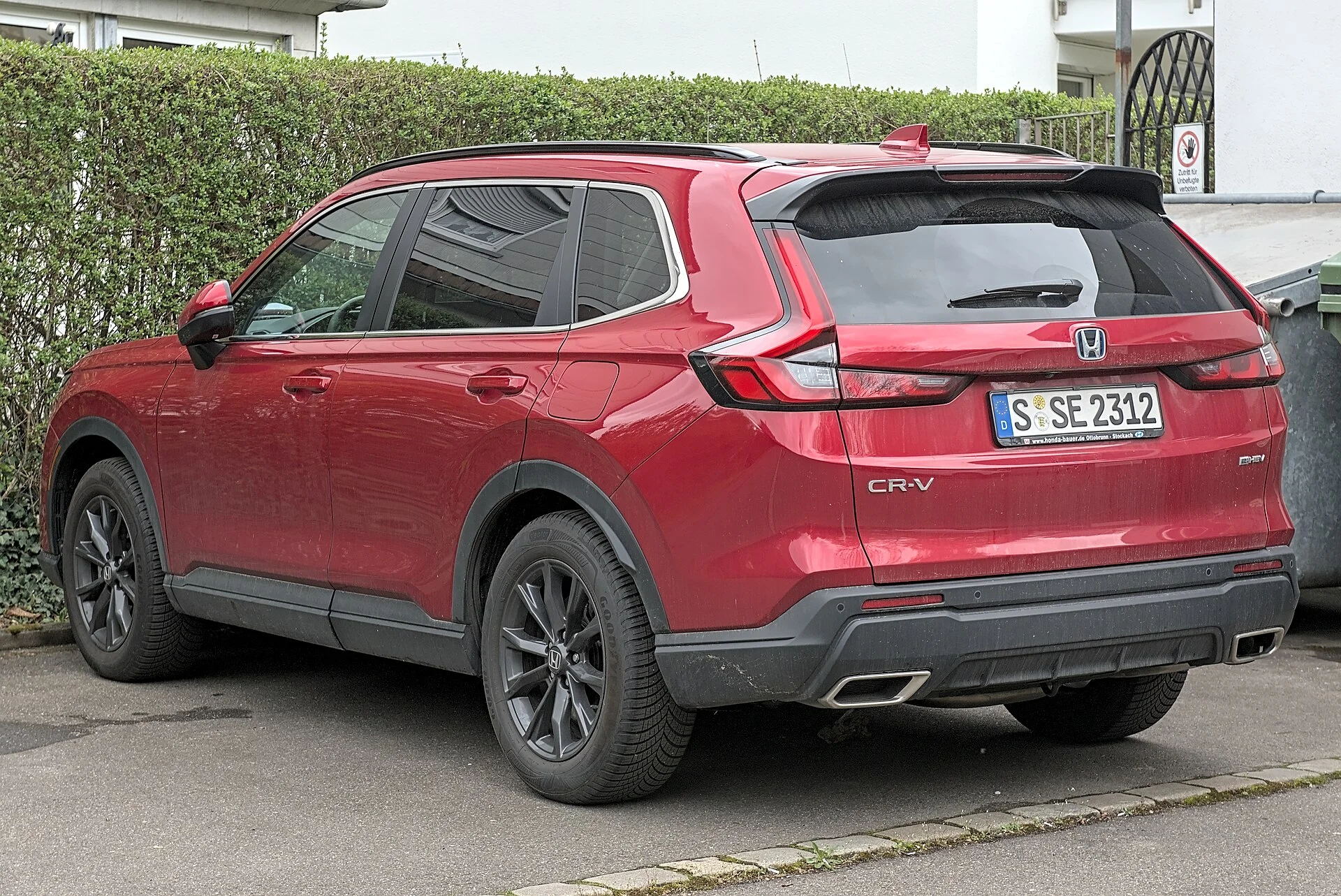
Here is the step that has to come first, because nothing mounts without it. Most 2023-2026 CR-V trims do not ship with crossbars; some, like the EX-L and Sport Touring, include longitudinal roof rails, but a tent cannot mount to bare rails - it needs load-bearing crossbars spanning the roof, whether Honda's genuine accessory bars or an aftermarket set from a maker like Yakima or Thule.
Those bars are not free weight. Factory crossbars run about 20 to 40 pounds and aftermarket bars about 25 to 50 pounds, and every pound counts against the 165-pound limit. Honda's genuine CR-V accessory crossbar system attaches to the roof rails and is itself rated to carry up to 165 pounds, but the vehicle's roof rating is still the ceiling - the bars cannot raise it.
Whatever you choose, a set of load-rated aftermarket crossbars rated for at least about 130 pounds is the floor for tent duty. Do the subtraction now: if the bars weigh 40 pounds, your tent budget is already down to roughly 125 pounds before the tent is on the roof. That single subtraction is what tells you which tents are even in the conversation.
Step Two: Which Tents Actually Fit the Budget
With the bars subtracted, the tent list gets short fast. Typical hardshell rooftop tents weigh 125 to 250 pounds, and typical softshells run 108 to 196 pounds - which means most full-size rooftop tents exceed the CR-V's 165-pound driving limit before you even add crossbars. That is the uncomfortable arithmetic the tent listings never put next to the fun photos.
The tents that work are the lightest two-person shells. Documented examples in the right range include the iKamper Skycamp Mini at about 125 pounds and the Roofnest Sparrow Eye at about 130 pounds. A 125-to-130-pound tent plus 30 to 40 pounds of crossbars totals roughly 155 to 170 pounds - right at or slightly over Honda's 165-pound limit, which is exactly why tent selection has zero slack on this vehicle.
Heavier hardshell wedge and fold-out tents in the 160-to-250-pound range are simply not compatible with the CR-V for driving; they blow past the dynamic limit on their own. The rule to carry into the store: on a CR-V, if the tent weighs more than about 130 pounds, it is the wrong tent, no matter how good the reviews are.
Softshell or Hardshell on a Weight-Limited Roof
On a roof this tight, the softshell-versus-hardshell choice is really a weight choice, and the CR-V pushes you toward whichever style hits the lowest number. Typical hardshells run 125 to 250 pounds and typical softshells run 108 to 196 pounds, so the categories overlap at the bottom - and the bottom of each range is the only part that matters for a 165-pound roof.
Hardshells earn their reputation on convenience: a rigid clamshell pops open in seconds and sheds weather better, but the shell itself adds pounds you cannot afford much of here. The lightest low-profile hardshells, around 125 to 130 pounds, are the ones that squeak under the limit; anything with a taller shell or a fold-out floor climbs out of budget immediately.
Softshells trade the fast setup for a potentially lower weight, and the lightest ones can leave a little more room for a heavier crossbar set. Either style works if - and only if - the specific model lands near the bottom of its range. The lesson for the CR-V is the same regardless of shell: read the exact tent weight, not the category, because a heavy softshell and a light hardshell can trade places on the scale.
The 80 Percent Rule and Why to Build in a Buffer
Rating a load right to the ceiling is the shortcut that fails three weeks later. Rooftop-tent safety guidance advises staying within about 80 percent of a vehicle's rated roof capacity, which on the CR-V's 165 pounds means keeping the driving load near 130 pounds including crossbars. That buffer absorbs the real world - a rough forest road, a hard stop, a gust that loads the roof harder than a smooth highway ever does.
Working to 130 rather than 165 changes the shopping list again. With a heavy set of bars, the buffer leaves under a hundred pounds for the tent, which pushes you toward the very lightest softshells and the smallest hardshells. It feels conservative until the first washboard road reminds you why dynamic loads spike well above the number on the scale in your garage.
The buffer is not overcaution; it is the difference between a mount that holds for years and one that stresses the roof rails every time the road turns bad. Build to 80 percent, and the CR-V carries a tent for the life of the vehicle. Build to 100 percent, and you are trusting a smooth road you will not always get.
Crossbar Spread and Mounting Width
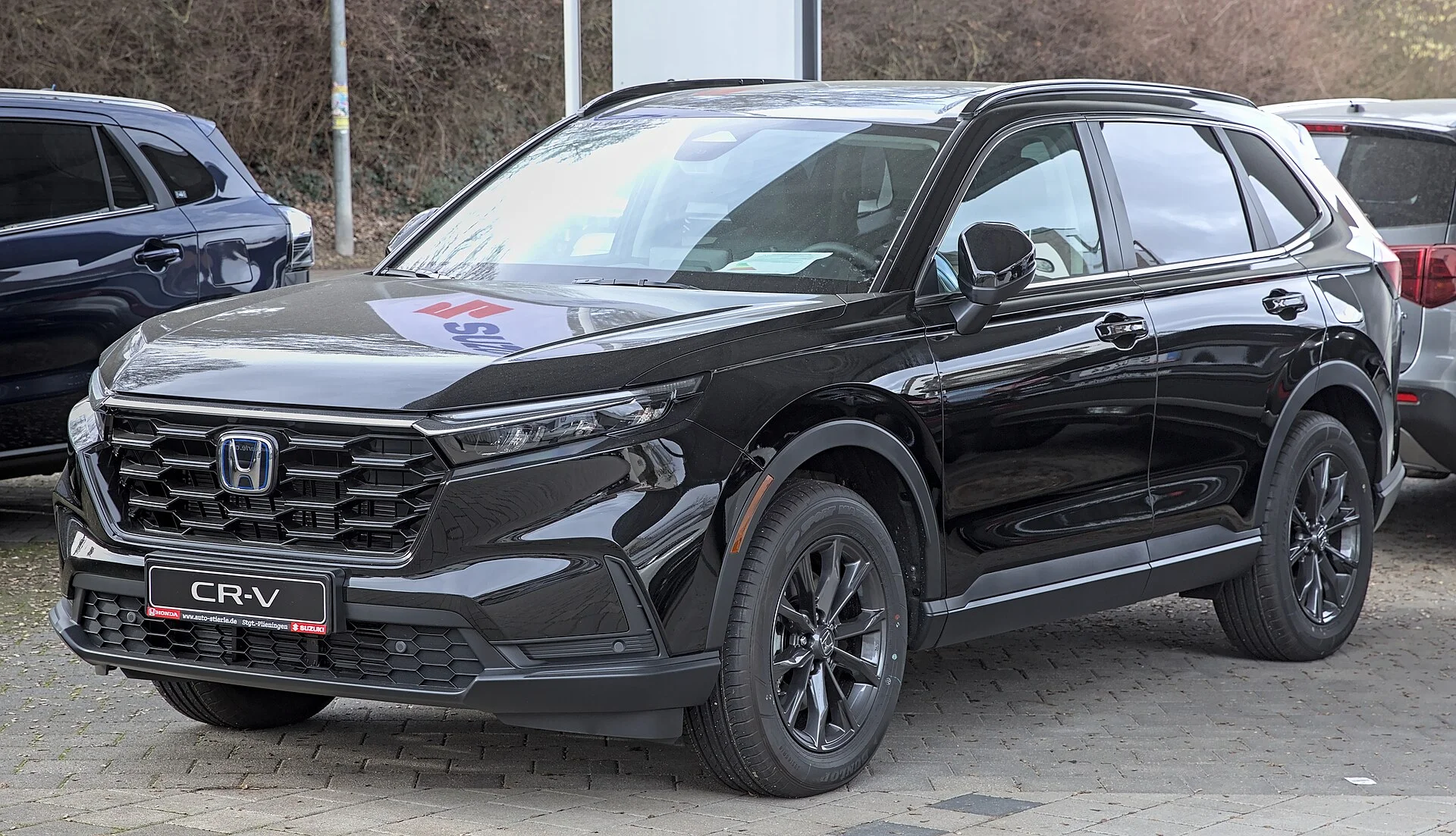
Weight is the headline, but a tent will not mount at all if the geometry is wrong, so measure before you commit. Most rooftop tents need a crossbar spread - the front-to-rear distance between the two bars - of roughly 28 to 32 inches minimum for a secure mount. The CR-V's roof accommodates spreads in that range, but the exact usable spread depends on where the bars can sit on the rails.
Width is the other check. The 6th-generation CR-V offers roughly 46 to 48 inches of usable mounting width between the rails, which is adequate for standard rooftop-tent baseplates. That is enough for most two-person shells, but some larger tents demand a wider spread or footprint than the CR-V comfortably provides, and that is a fitment failure you want to catch on paper, not in a parking lot.
The step everyone skips here is verifying the specific tent's own spread and minimum-bar-width requirements against the CR-V roof before purchase. Two tents of the same weight can have different mounting geometry. Confirm the numbers match your bar positions first, and the install becomes bolt-it-down simple instead of a return-shipping headache.
What a Tent Does to the Way the CR-V Drives
Even a legal, well-mounted tent changes the vehicle, and knowing how keeps you from a nasty surprise on the highway. A closed rooftop tent raises the CR-V's overall height by roughly 8 to 12 inches, which matters the first time you approach a garage, a drive-through, or a low-clearance trailhead you used to clear without thinking.
It also raises the center of gravity. The added mass sits at the very top of the vehicle, so the CR-V leans more in corners and reacts more to crosswinds, and fuel economy drops from the extra height and drag. None of that is dangerous within the load limits - it is just a different vehicle to drive, and the fix is lower speeds in wind and more room in the corners.
The habit that keeps a tented CR-V trouble-free is remembering the roof is loaded every time you drive. That means checking the mount before each trip, respecting the new height, and easing off in bad weather. A clean install lasts; a rushed one, or a driver who forgets the tent is up there, is the one telling a story about a scare later.

When a Ground Tent Is the Smarter Call
An honest fitment guide has to say when the answer, though yes, is not the best idea. Because the CR-V's 165-pound limit is low for the rooftop-tent category, a ground tent or a wedge camper is often the more practical choice - you sidestep the weight math entirely, keep the roof clear for other cargo, and avoid the height and handling penalty.
The case for a rooftop tent on a CR-V is real but specific: you value the off-the-ground setup, you camp where the ground is rough or wet, and you are willing to buy the lightest tent and the right bars to stay in spec. If those things are true, the build works. If they are not, you are paying a weight and money premium for a convenience a good ground tent delivers cheaper.
One more note that removes a variable: the CR-V Hybrid and gas versions share the same 165-pound roof limit, because roof capacity is a body-structure spec independent of the powertrain. So the decision is about how you camp, not which CR-V you own - and for many buyers, the smart answer is bars for a cargo box and a good tent on the ground.
The Setup That Stays in Spec
Put the procedure in order and a CR-V rooftop-tent build is straightforward. First, treat 165 pounds as the hard ceiling and 130 as the working target under the 80 percent rule. Second, pick crossbars rated for at least about 130 pounds and weigh them, because their 25-to-50-pound bite comes off the top of your budget before anything else.
Third, subtract the bars and shop only tents that land under what remains - in practice the lightest two-person shells around 100 to 130 pounds, like the sub-130-pound hardshells that actually fit. Fourth, confirm the tent's crossbar spread against the CR-V's 28-to-32-inch capable range and the roughly 46-to-48-inch mounting width before you buy, so the geometry is settled on paper.
Do those four steps in that order and the CR-V carries a rooftop tent safely for years. Reverse them - buy the tent first, then discover the roof cannot legally carry it - and you have an expensive lesson strapped to your car. The roof rating is the whole job; respect the 165, build to the 130, and the rest is just tightening bolts.