
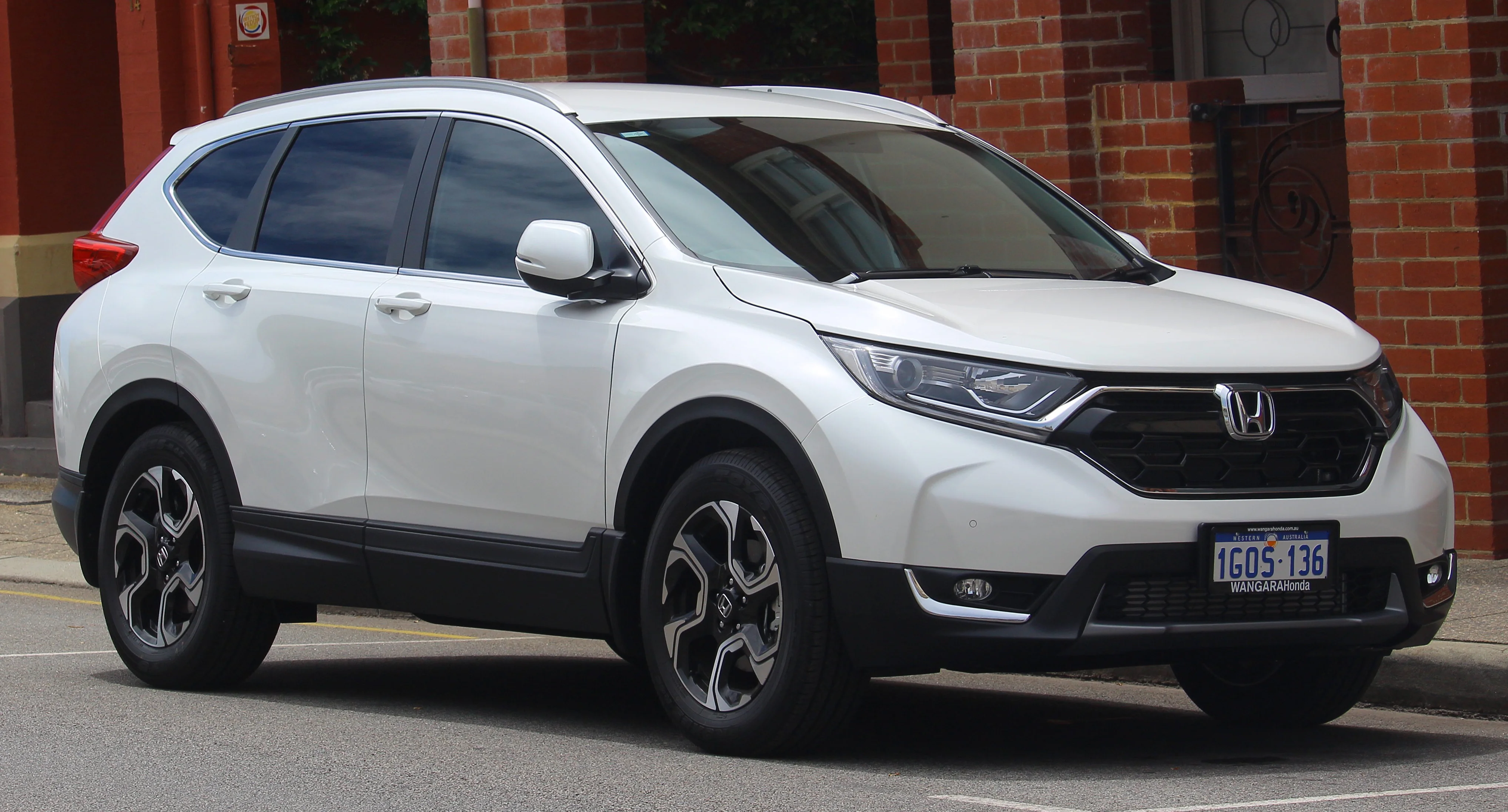
Why Build a Platform Instead of Just Throwing Down a Mattress
The spec sheet says 76.5 cubic feet with the seats folded. What the spec sheet does not say is that those folded seats do not sit flat, and a mattress laid straight across them slopes and steps in ways that wreck a night's sleep. A sleeping platform is the fix, and it is why serious CR-V campers build one instead of relying on foam alone.
A platform does two jobs at once. It creates a genuinely flat, level surface across the uneven folded seats and cargo floor, and it opens up storage underneath — turning the CR-V's cargo volume into both a bed and a garage. For a compact SUV where every inch counts, that dual use is the difference between a cramped setup and a livable one.
The build is not complicated, but it lives or dies on the measurements, and the CR-V has a few that constrain the design in specific ways. The cargo box has a real length, a real width, and a real height, and each one drives a decision about how the platform is cut and how tall it can be.
What follows is the honest dimensional picture — the numbers that matter for a CR-V platform, the length constraint that catches taller sleepers, and the height trade-off between storage and headroom. Every figure here is a published or documented CR-V measurement, read the way a builder needs it rather than a brochure presents it.
The CR-V's Real Box: 72 x 47 x 35
Start with the space you are building into. With the seats folded, the CR-V cargo area measures approximately 72 inches long, 47 inches wide, and 35 inches high, for a volume of 76.5 cubic feet. Those three numbers define the entire platform design, and each one matters differently.
The 72-inch length is the flat floor you have to work with, and it is the tightest of the three dimensions relative to a human body. The 47-inch width is generous — enough for one adult to sleep straight with room to spare, or two adults close together. The 35-inch height is the vertical budget between the floor and the headliner, which governs how tall a platform you can build and still sit up.
For context, behind the rear seats with them upright the CR-V has 39.3 cubic feet, roughly half the folded volume — a reminder that folding the seats is what unlocks the sleeping space, and the platform is built on that folded floor, not the seats-up cargo area.
These are the anchor numbers for everything that follows. A platform is essentially a box or frame that fits within 72 by 47 inches on the floor and rises some fraction of the 35-inch height. Get those dimensions right and the rest of the build is carpentry; get them wrong and the platform either does not fit or leaves no room to sleep.
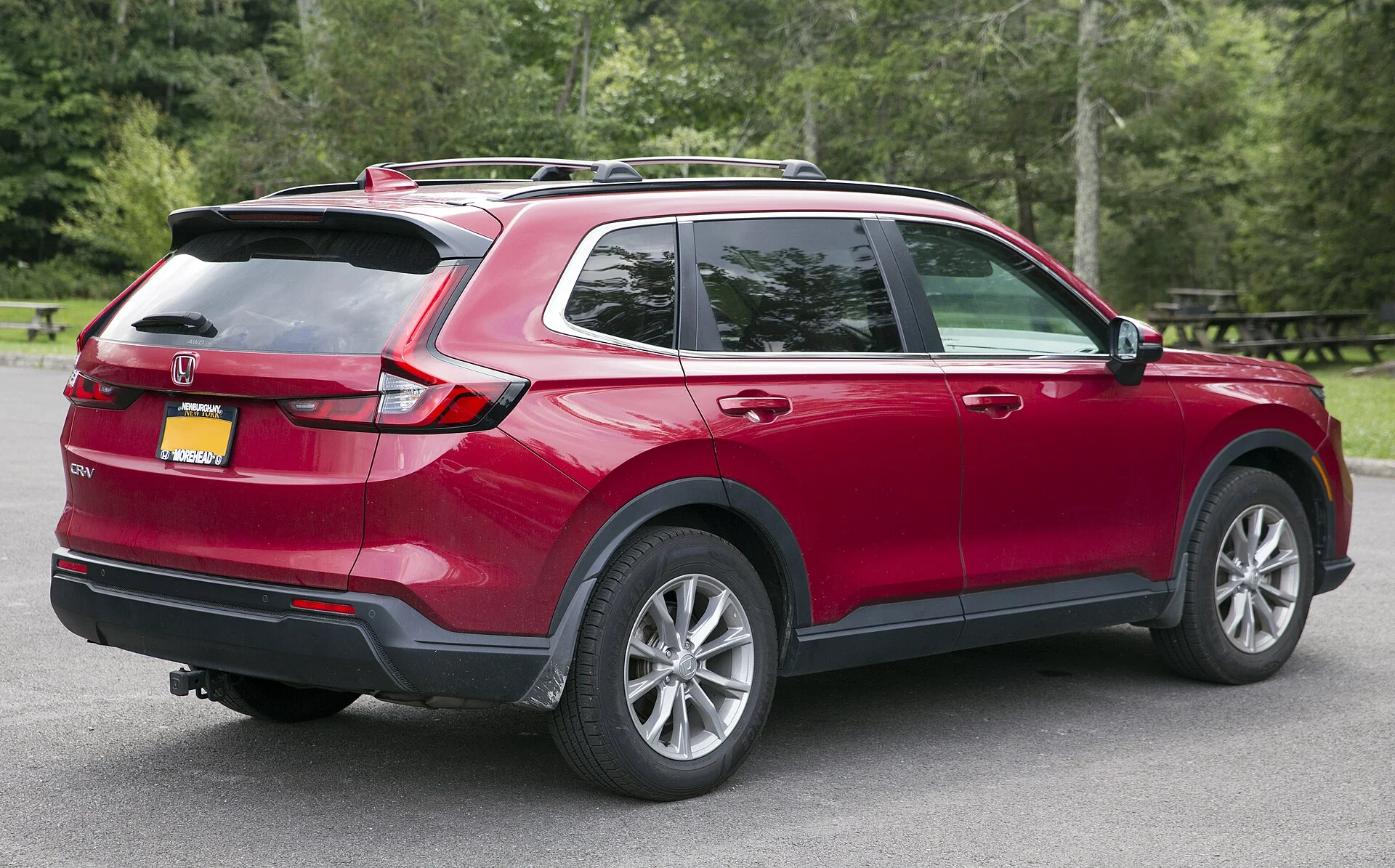
The 3-Inch Problem Every CR-V Sleeper Hits
Here is the constraint that surprises CR-V campers: a standard twin mattress is 38 by 75 inches, and its 75-inch length is 3 inches longer than the CR-V's 72-inch cargo floor. That mismatch is small on paper and very real in practice, because it means a twin mattress does not lie flat in the cargo area without accommodation.
The documented workarounds are to push the mattress firmly against the front seatbacks, or to angle it slightly so its diagonal gains the length the straight floor lacks. Both work, but both have to be planned for — a mattress left to float will bunch against the tailgate or ride up the seatbacks, neither of which sleeps well.
This is exactly where a platform earns its keep. A built platform can extend past the folded seats toward the front seats, borrowing length from over the folded seatbacks that a floor-laid mattress cannot use cleanly. A well-designed CR-V platform effectively lengthens the usable sleeping surface beyond the bare 72-inch floor, solving the 3-inch problem structurally.
For a taller sleeper, this length constraint is the CR-V's defining limitation, and it is the reason the platform design should prioritize length. Building the platform to reach forward, and choosing bedding sized to the actual platform rather than a standard mattress, is how CR-V campers get a flat surface long enough to stretch out on despite the compact 72-inch floor.
How Tall to Build: The 6-Inch Ceiling
Platform height is the CR-V's central trade-off, and the documented experience frames it clearly. One CR-V owner built a 9-inch-high sleeping platform that worked for their trip, while a platform over 6 inches high starts to feel claustrophobic, especially when sitting up to read. That is the tension: more height means more storage underneath but less headroom above.
The 35-inch total height between floor and headliner is the budget being divided. Every inch the platform rises is an inch of sitting-up and rolling-over room lost, and past about 6 inches the remaining space starts to feel tight for anything but lying flat. A 9-inch platform is livable, as the owner's experience shows, but it is at the upper edge of comfortable.
The decision comes down to what you need to store. If under-platform storage for bins, a cooler, and gear is the priority, a taller platform near 9 inches buys that space at the cost of headroom. If sitting up comfortably to read, change, or cook matters more, keeping the platform at 6 inches or under preserves the room to do it.
The honest recommendation is to build only as tall as the storage you actually need requires. A platform sized to just clear your largest under-bed bin, rather than maximized for storage, keeps headroom generous. In a compact SUV, headroom is scarce, and spending it on storage you do not need is the mistake that makes a CR-V feel like a coffin instead of a cabin.
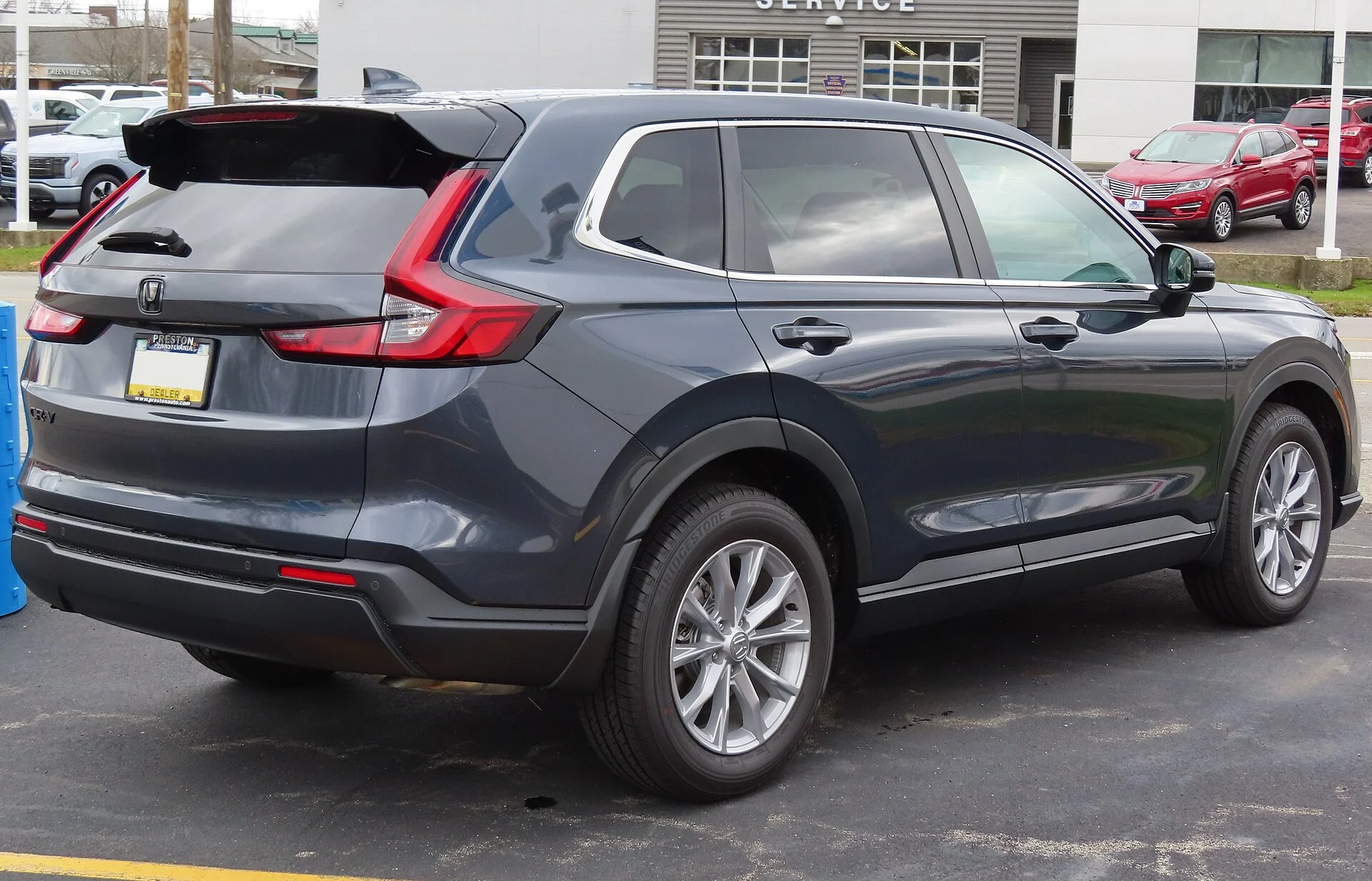
The Cut List Approach
A CR-V platform is fundamentally a low frame supporting a flat deck sized to the 72-by-47-inch floor, and thinking of it as a cut list keeps the build manageable. The deck is a sheet — typically plywood — cut to fit the cargo floor's footprint, ideally in two pieces so it can be maneuvered through the tailgate and lifted out for access.
The frame underneath sets the height and carries the load. Legs or side rails cut to the chosen platform height — 6 inches for headroom, up to 9 for storage — support the deck, and cross members prevent it from flexing under a sleeper's weight. The frame should sit within the 47-inch width and follow the floor's contours, since the CR-V floor is not perfectly rectangular.
Cutting the deck to bridge the folded-seat step is the key detail. Because the folded seats sit slightly higher and angled relative to the cargo floor, the platform has to span that transition, either with legs of different heights front and rear or with a deck stiff enough to bridge the gap. Measuring the actual step in your specific CR-V generation is essential, since the interior length varies from around 70 to 74 inches depending on generation and front-seat position.
The build sequence is measure, cut the deck to the floor footprint, build the frame to the chosen height, and test-fit before finishing. A quality sheet of plywood and basic framing lumber is the whole material list, and a platform hardware kit supplies the brackets and fasteners that hold it square. Keep it simple, measure twice, and the platform goes together in an afternoon.
Bridging the Folded-Seat Step
The single detail that separates a comfortable CR-V platform from a lumpy one is how it handles the transition between the folded rear seats and the cargo floor. Those two surfaces are not level — the folded seatbacks sit higher and at a slight angle — and a platform that ignores that transition passes the unevenness straight through to the sleeper.
The clean solution is a platform whose legs are cut to different heights front and rear, so the deck sits level even though the surfaces beneath it are not. Taller legs at the tailgate end and shorter ones over the folded seats produce a flat deck across the whole 72-inch length, which is the entire point of building rather than laying a mattress.
An alternative is a deck rigid enough to span the step without sagging, supported only at its ends and along the sides. This works if the plywood is thick enough not to flex under weight, but it wastes the space beneath and can bounce, so the leg-height approach is usually better for both stability and under-bed storage.
Whichever method, the measurement to take is the height difference between the folded seatback and the cargo floor in your specific CR-V. That step varies by generation, and matching the leg heights to it is what produces a genuinely flat sleeping surface. Skip this and the CR-V's step becomes a ridge under your back; account for it and the platform is dead level end to end.
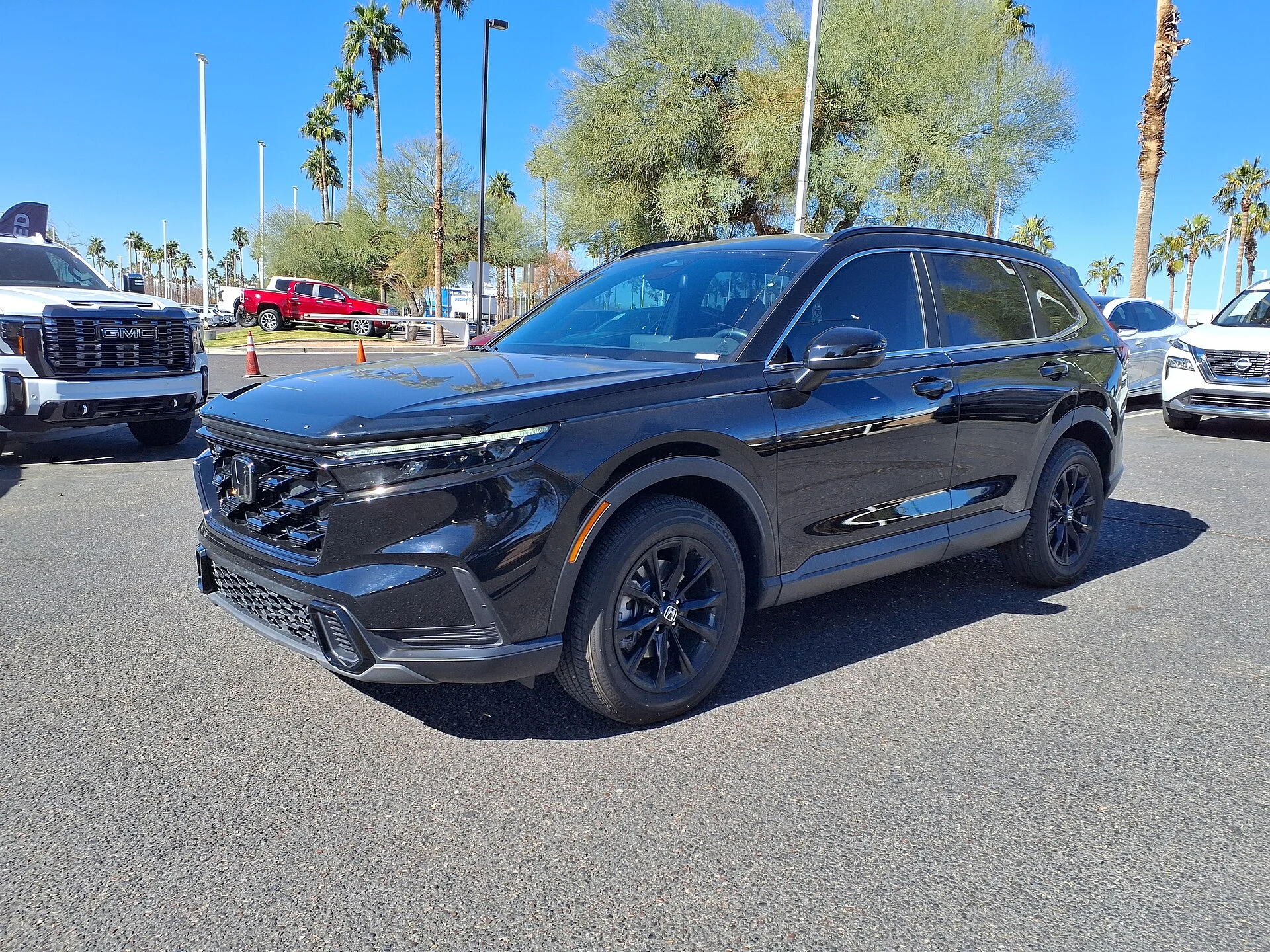
Storage Underneath: The Payoff
The reason to accept some headroom loss for platform height is the storage it creates, and in a compact SUV that storage is transformative. The space under a 6-to-9-inch platform swallows the bins, cooler, cooking gear, and clothes that would otherwise clutter the sleeping surface or the front seats, keeping the whole vehicle organized.
Designing the underside for access is what makes it usable. Sliding drawers or open bins that pull out from the tailgate end let you reach gear without dismantling the bed, while a two-piece deck lets you lift a section for access from above. Either approach beats a sealed platform you have to crawl under, and both are worth the extra build effort.
The height chosen directly sets the storage available. A 9-inch platform accommodates larger bins and a cooler standing upright; a 6-inch platform limits you to low-profile bins and flat-packed gear. Matching the height to your actual storage needs — measuring your largest must-store item and building just tall enough to clear it — optimizes the trade instead of guessing.
Well-designed under-platform storage is what turns the CR-V from a vehicle you sleep in awkwardly into a self-contained camper. The 76.5 cubic feet of folded volume becomes a bed on top and an organized garage below, and the compact CR-V suddenly carries and sleeps far better than its size suggests. That efficiency is the whole reward for building rather than improvising.
Solo vs Couple: The 47-Inch Width
The CR-V's 47-inch cargo width decides how many people the platform sleeps, and it is more generous than the tight length suggests. For a solo camper, 47 inches is luxurious — a full-width sleeping surface with room to spread out, stash bedside items, and turn over freely. One person in a CR-V platform build has no width complaints.
For a couple, 47 inches is workable but cozy. Two adults side by side split that 47-inch width between them, which is narrower than a shared bed at home but enough for two people who sleep close. It is comparable to two narrow sleeping pads laid together, and for many couples it is perfectly acceptable for a few nights.
The length constraint compounds for couples, since both sleepers need the full 72-inch floor and the 3-inch mattress overhang affects both. A platform built to extend length forward helps here, and choosing a couple who are not both tall makes the CR-V a comfortable two-person bed. Taller couples will feel both the width and length limits.
The honest read is that the CR-V platform is an excellent solo bed and a workable couple's bed for average-height sleepers who do not mind closeness. The 47-inch width is the CR-V's quiet strength — wider relative to its length than many expect — and it is what makes the compact CR-V a more capable sleeper than its exterior size implies. Build for the party you actually have, and the width rarely disappoints.

Materials, Weight, and Keeping It Solid
A platform lives in a moving vehicle, so material choice balances strength against weight. Plywood is the standard deck material because it is stiff, flat, and strong enough to carry a sleeper without flexing, and a moderate thickness handles the span between supports. Thinner plywood saves weight but needs more support underneath to avoid bounce; thicker plywood spans farther but adds mass.
The frame carries the load and sets the height, and light framing lumber or aluminum extrusion both work. Wood is cheap, easy to cut, and simple to modify; aluminum is lighter and more durable but costs more and needs different tools. For most CR-V builders, plywood on a wood frame is the sensible, affordable choice that goes together with basic tools.
Weight matters more than it seems, because the whole platform has to be liftable to access deep storage or to remove for daily use. A platform built from heavy materials becomes a two-person job to lift out, which discourages using the vehicle normally. Building it in sections, each light enough to handle alone, keeps the CR-V a daily driver as well as a camper.
Finally, secure the platform against movement. A deck that slides forward under braking or shifts in a corner is both annoying and unsafe, so the frame should locate against the CR-V's cargo anchors or wheel wells to stay put. A platform that is flat, light, sectioned, and secured is the goal, and it is what makes a CR-V build something you use for years rather than abandon after one uncomfortable trip.
The Verdict: A Compact SUV That Builds Out Well
The Honda CR-V is a genuinely good platform-build candidate once its numbers are understood. The 72-by-47-inch folded floor and 76.5 cubic feet give enough room for a flat bed with storage below, and the 47-inch width makes it a comfortable solo bed and a workable couple's bed for average-height sleepers.
The defining constraint is length: the 72-inch floor is 3 inches shorter than a standard twin mattress, so the platform design should prioritize extending length forward over the folded seats. That structural solution, plus bedding sized to the actual platform, is how CR-V campers get a surface long enough to stretch out on despite the compact footprint.
Height is the key trade-off. A platform over 6 inches begins to feel claustrophobic while a 9-inch build works but sits at the comfortable limit, so the right move is to build only as tall as your storage genuinely requires. Match the height to your largest under-bed item and headroom stays generous.
Build it right — deck cut to the floor, legs sized to bridge the folded-seat step, height matched to storage, and the whole thing light, sectioned, and secured — and the CR-V becomes a self-contained camper that sleeps and hauls far above its compact size. The 76.5 cubic feet turns into a bed on top and an organized garage below, and a small SUV punches well above its weight. That transformation is the entire reward for measuring carefully and building to the numbers.