Understanding Why Your Check Engine Light Keeps Coming On: Troubleshooting & Solutions
Auto Roamer
8 min read
Prices verified February 2026
Includes Video
That dreaded yellow light - the check engine light - flickering on your dashboard can turn any road trip or car camping adventure into a stressful experience. We've all been there, wondering if it's a minor hiccup or a sign of impending disaster miles from the nearest town.
That dreaded yellow light - the check engine light - flickering on your dashboard can turn any road trip or car camping adventure into a stressful experience. We've all been there, wondering if it's a minor hiccup or a sign of impending disaster miles from the nearest town. This light is your car's onboard diagnostics system telling you that something is amiss, often related to emissions control and pollution levels. Ignoring it can lead to more significant, costly repairs down the line and reduced fuel efficiency.
This guide is designed to cut through the confusion. We'll break down the most common culprits behind why your check engine light keeps coming on, ranging from the incredibly simple to the more complex. We'll cover what the light means, how to perform basic checks yourself, and when it's time to consult a professional. Our goal is to equip you with the knowledge to troubleshoot effectively, saving you time and money, so you can get back to enjoying the open road.
Key specifications for Why Your Check Engine Light Keeps Coming On
Key Features to Consider
Here are the key features to consider when your check engine light keeps coming on:
Symptom The check engine light is illuminated.
Signal Diagnostic Trouble Codes (DTCs) stored in the OBD-II system.
Fix Use an OBD-II scanner to retrieve codes and consult repair manuals or online forums for specific code meanings.
Symptom Intermittent or persistent illumination of the check engine light.
Signal Specific DTCs related to emissions control systems.
Fix Inspect and tighten the gas cap; if the light persists, consider replacing the gas cap or investigating EVAP system leaks. A loose gas cap is one of the most common and easily fixable issues Top 5 reasons Your Check Engine Light is On.
Symptom Engine misfires, rough idling, or reduced power.
Signal DTCs indicating ignition system faults or oxygen sensor issues.
While addressing the check engine light, it's also important to consider driving safely in such situations.
When your check engine light illuminates, it's your car's way of signaling an issue. This dashboard view shows common indicators you should be aware of.
| Photo by Mike Bird
When your check engine light illuminates, it's your car's way of signaling an issue. This dashboard view shows common indicators you should be aware of.
| Photo by Mike Bird
Our Top Picks
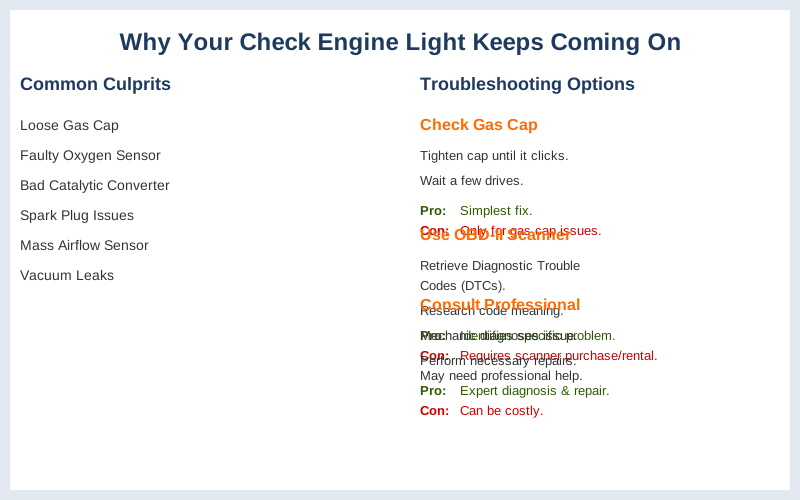
Loose or Faulty Gas Cap A surprisingly common culprit, a gas cap that isn't tightened properly or is damaged can trigger the check engine light. This is often the first thing to check because it's a simple fix that can save you a trip to the mechanic. Toyota Vacaville points out this can sometimes be the entire solution.
Oxygen Sensor (O2 Sensor) These sensors monitor the amount of oxygen in your exhaust system, helping the engine manage fuel combustion. When an O2 sensor fails, it can lead to poor fuel economy and increased emissions, directly triggering the light. They are critical for emissions control Source.
Mass Airflow (MAF) Sensor The MAF sensor measures the amount of air entering the engine, which is crucial for the correct air-fuel mixture. A dirty or faulty MAF sensor can cause rough idling, stalling, and a subsequent check engine light. This is a frequent reason why your check engine light keeps coming on.
Spark Plugs and Wires Worn-out spark plugs or faulty spark plug wires can cause engine misfires, leading to an illuminated check engine light. Misfires mean that fuel isn't being combusted efficiently, which can quickly damage your catalytic converter if ignored Consumer Reports.
Catalytic Converter Issues This essential component in your exhaust system converts harmful pollutants into less harmful gases. A failing or clogged catalytic converter can cause significant performance issues and is a more expensive repair, often indicated by a steadily illuminated check engine light MB Ontario.
To better understand the implications of that light, explore what the check engine light actually signifies.
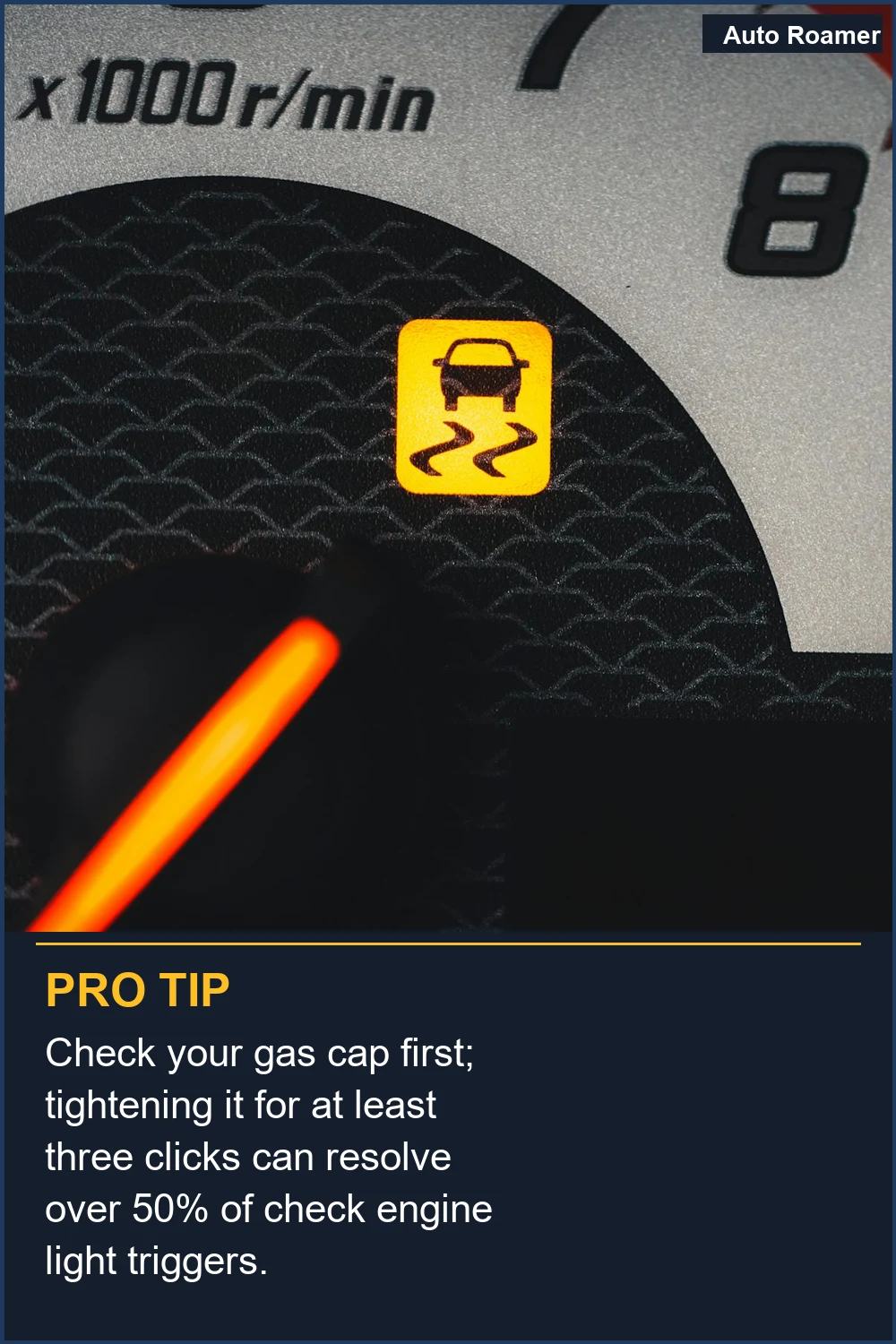
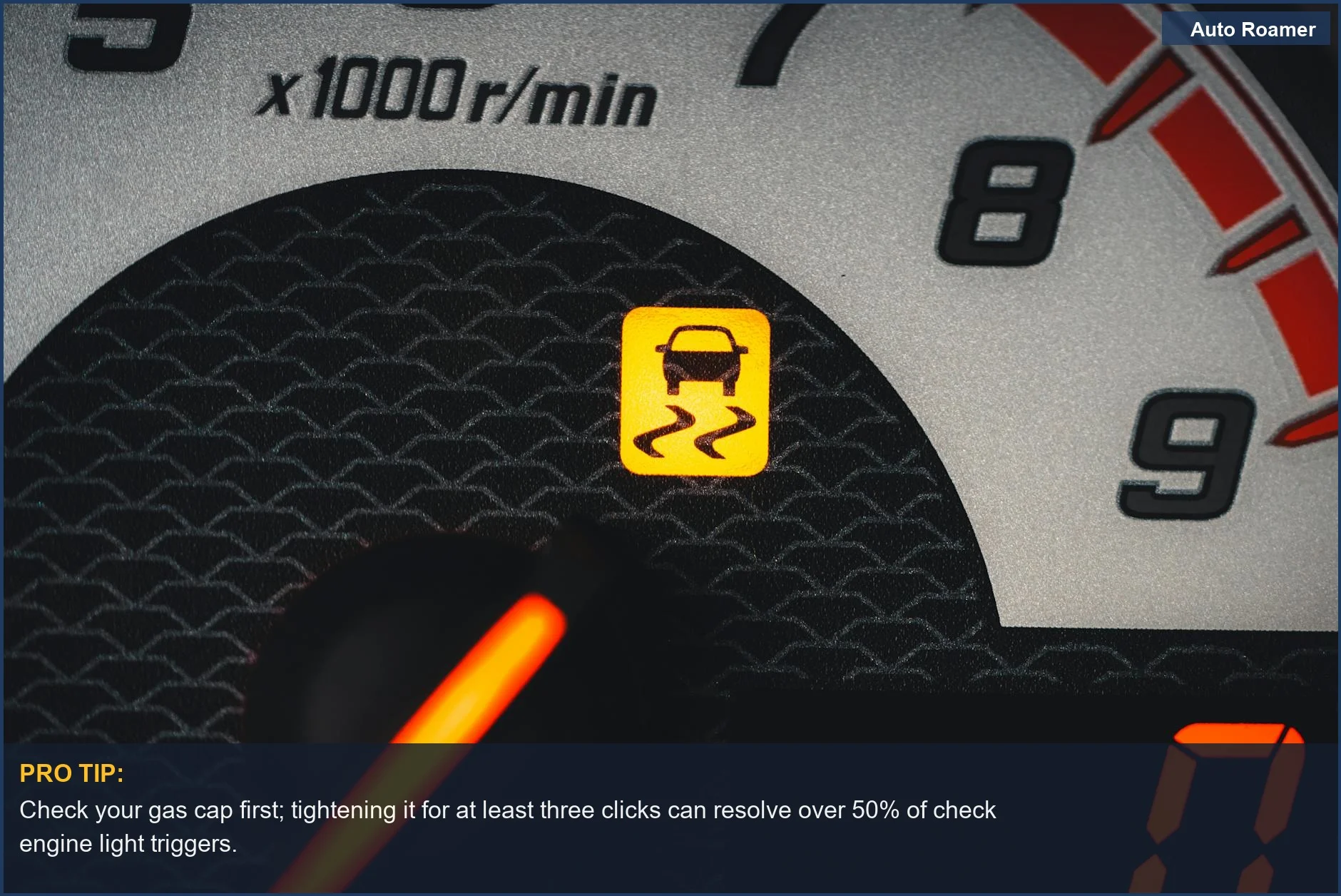
A loose gas cap is a surprisingly common reason why your check engine light keeps coming on. Ensure it's securely fastened for optimal emissions control.
| Photo by Erik Mclean
A loose gas cap is a surprisingly common reason why your check engine light keeps coming on. Ensure it's securely fastened for optimal emissions control.
| Photo by Erik Mclean
Budget vs Premium Options
When your check engine light illuminates, you face a choice between budget-friendly fixes and more premium solutions. Understanding these options helps you manage costs and address the underlying issue effectively. We've seen many situations where a little knowledge saves a lot of money.
The budget approach typically involves a DIY diagnosis using an affordable OBD-II scanner, often available for a modest price from auto parts stores or online What to Do When Your Check Engine Light Comes On: A Step-by .... These scanners can pinpoint trouble codes, which might point to simple fixes like a loose gas cap or a minor sensor issue. For instance, a loose gas cap is one of the most common and easiest-to-fix reasons for the light 9 Common Reasons Your Check Engine Light Is On. If the issue is indeed minor, you might resolve it yourself for little to no cost. This path is best for those comfortable with basic car mechanics and who suspect a simple, known problem.
A premium option involves taking your vehicle to a professional mechanic for a comprehensive diagnostic and repair. While this costs more upfront, it offers peace of mind and expert handling of complex issues. Mechanics have advanced diagnostic tools and the experience to interpret codes accurately, especially when symptoms are unclear or multiple problems are present. This is ideal for complex issues, when you're not mechanically inclined, or when the car is showing other significant performance problems alongside the light.
Ignoring the check engine light can lead to more significant, expensive repairs down the line, potentially impacting fuel economy and emissions What Does the Check Engine Light Look Like, and Really Mean?. While there are 10 simple fixes Check Engine Light ON? Here's 10 Simple Fixes (Don't Waste Money!, knowing when to escalate to a professional is key.
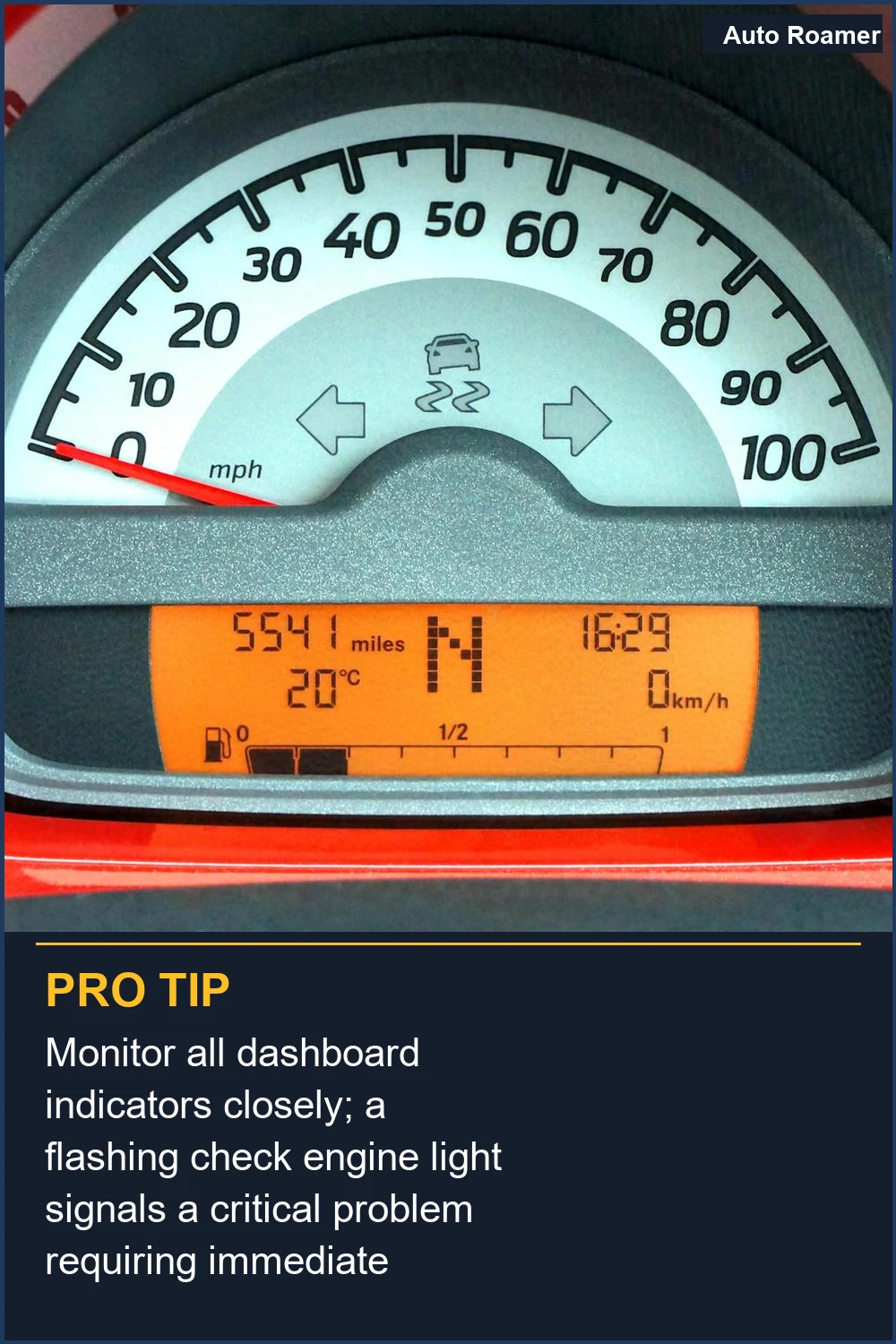
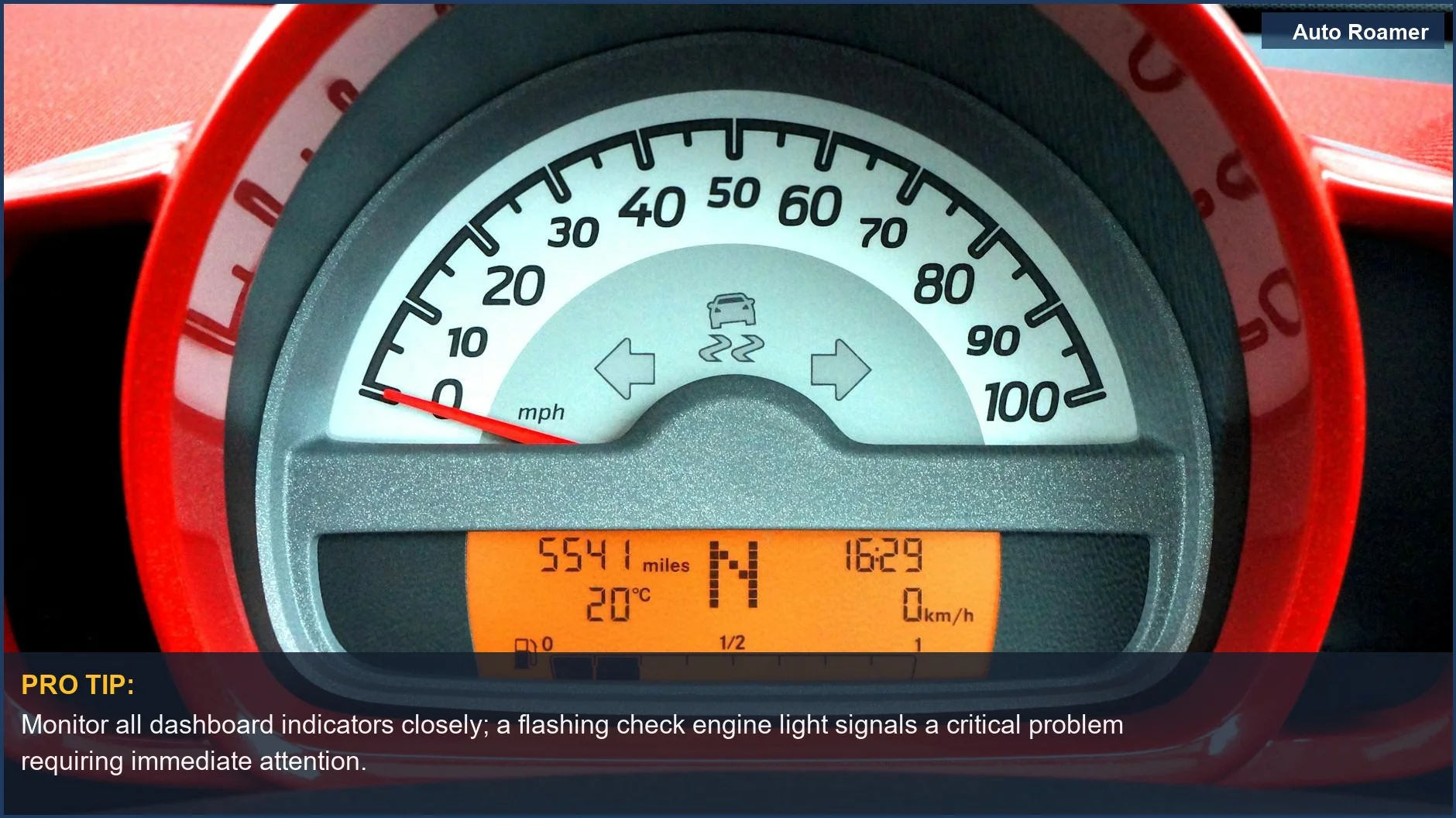
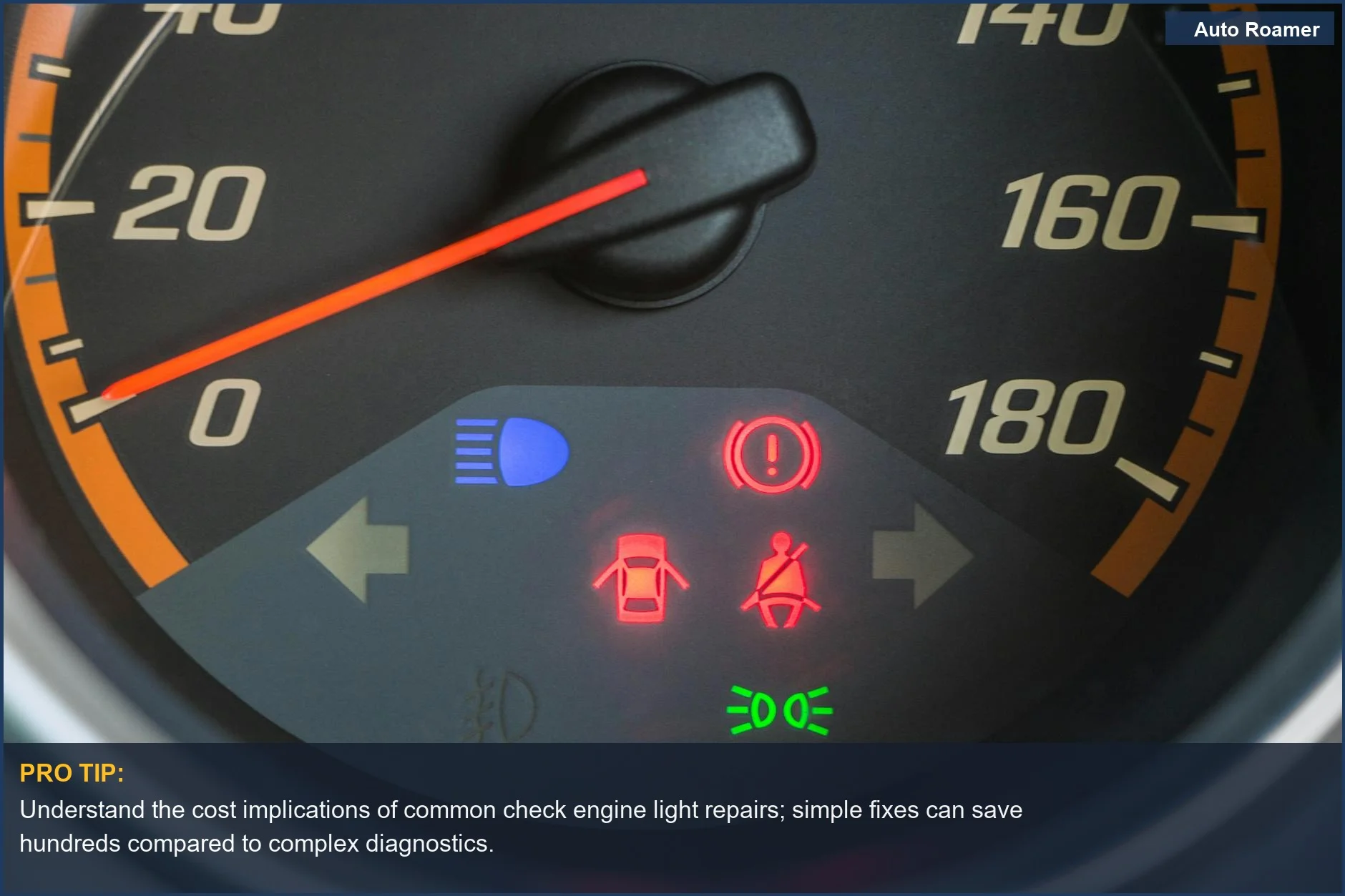
Seeing illuminated warning indicators on your speedometer means it's time to investigate why your check engine light keeps coming on, potentially saving you money.
| Photo by Srattha Nualsate
Seeing illuminated warning indicators on your speedometer means it's time to investigate why your check engine light keeps coming on, potentially saving you money.
| Photo by Srattha Nualsate
Setup and Installation Tips
1
Tighten Your Gas Cap - This is the most common and easiest fix for a check engine light. A loose or damaged cap disrupts your vehicle's evaporative emission control system (EVAP), signaling a leak to the onboard computer. Remove and re-tighten the cap until it clicks at least once. MB Ontario and AutoZone highlight this as a frequent culprit.
2
Scan for Trouble Codes - If tightening the gas cap doesn't work, identify the specific problem. Use an OBD-II scanner, available at auto parts stores or online, to read diagnostic trouble codes (DTCs). These codes pinpoint issues with systems like the oxygen sensor or mass airflow sensor. Toyota Vacaville recommends this for precise diagnosis.
3
Inspect for Obvious Issues - Before assuming a complex problem, do a quick visual check. Look for disconnected hoses, fluid leaks, or wear on components like spark plugs and wires, which often trigger engine misfires. McGrath Auto notes faulty spark plugs or wires as a top reason.
To further diagnose issues, understanding OBD2 codes can provide valuable insights into your vehicle's performance.
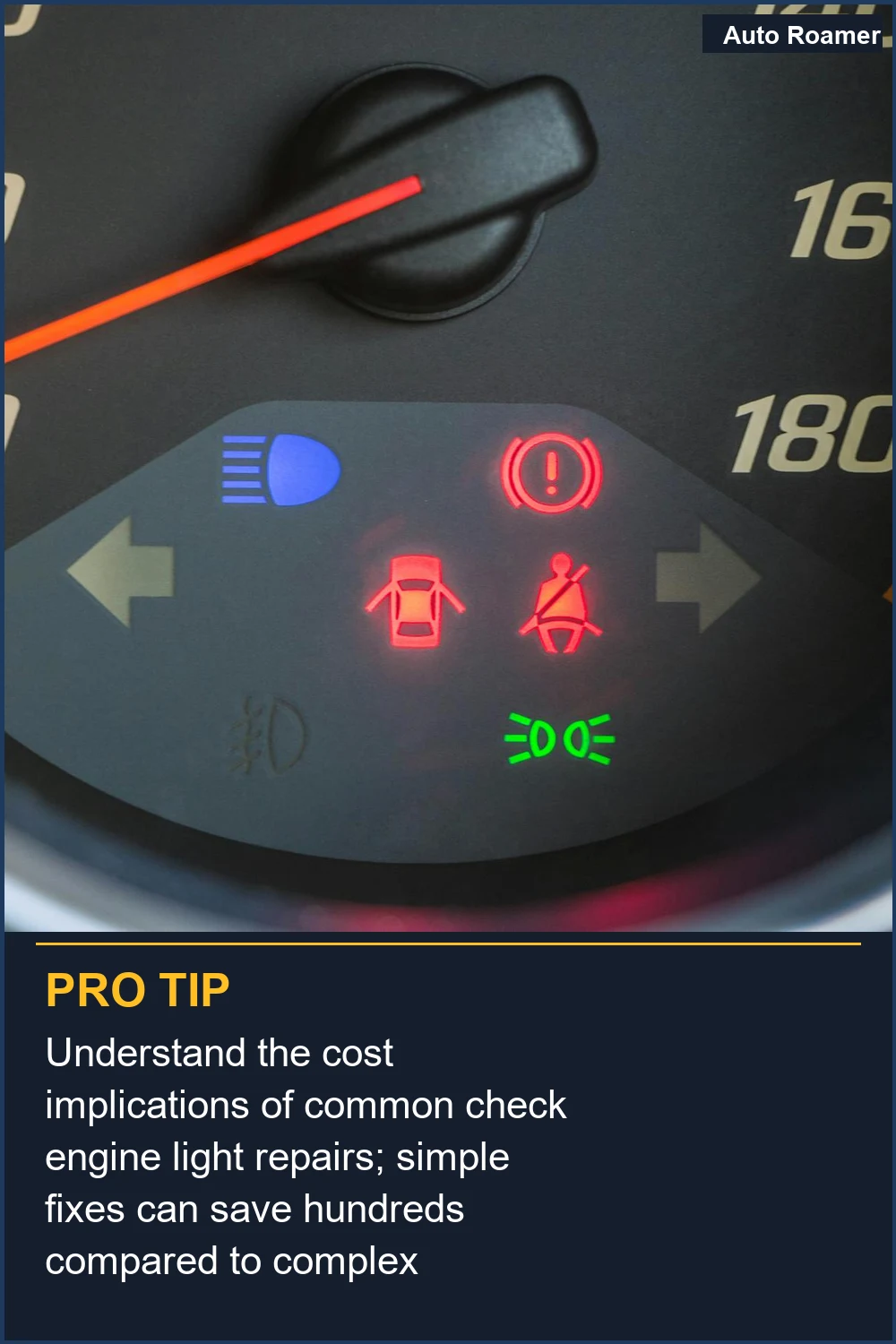
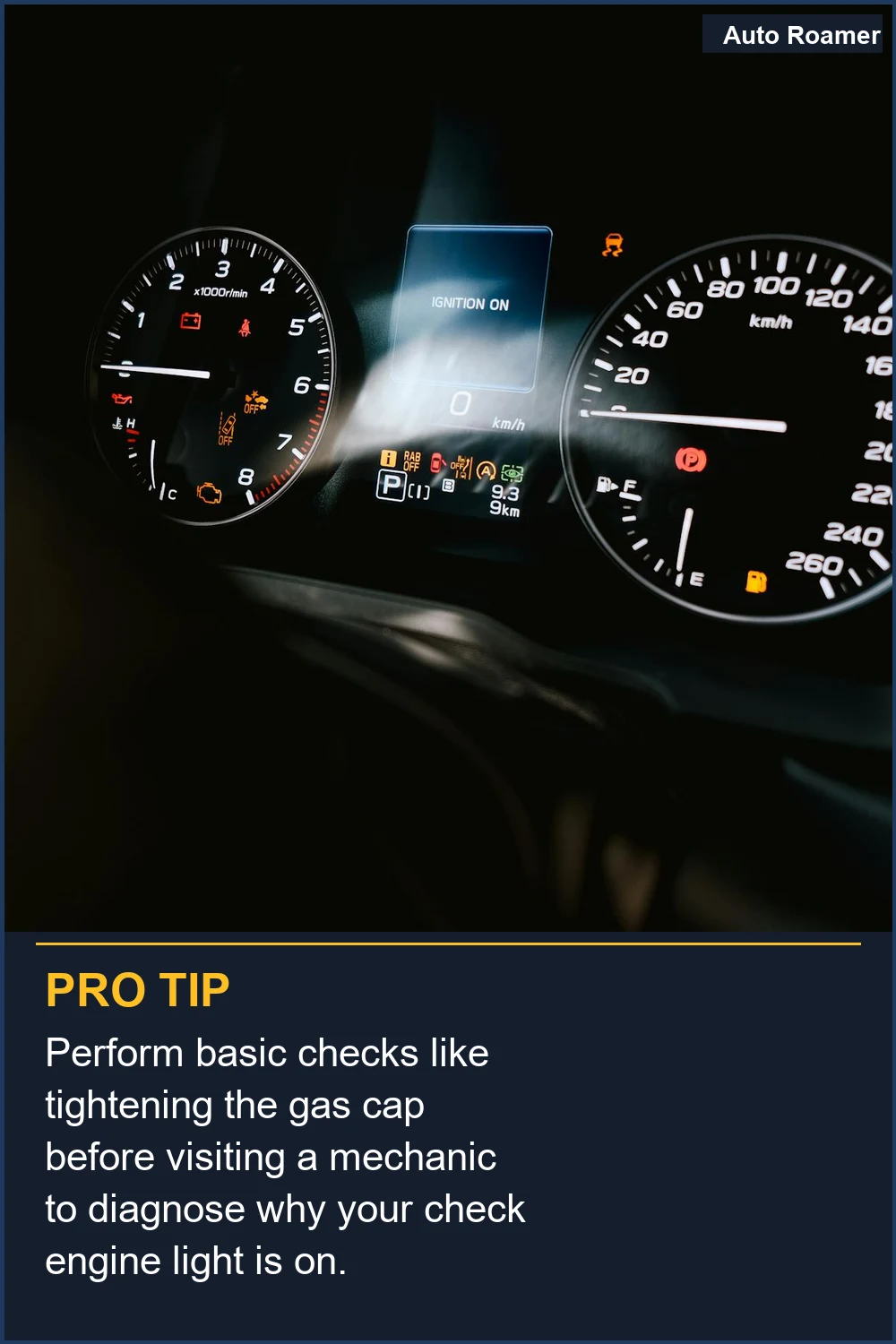
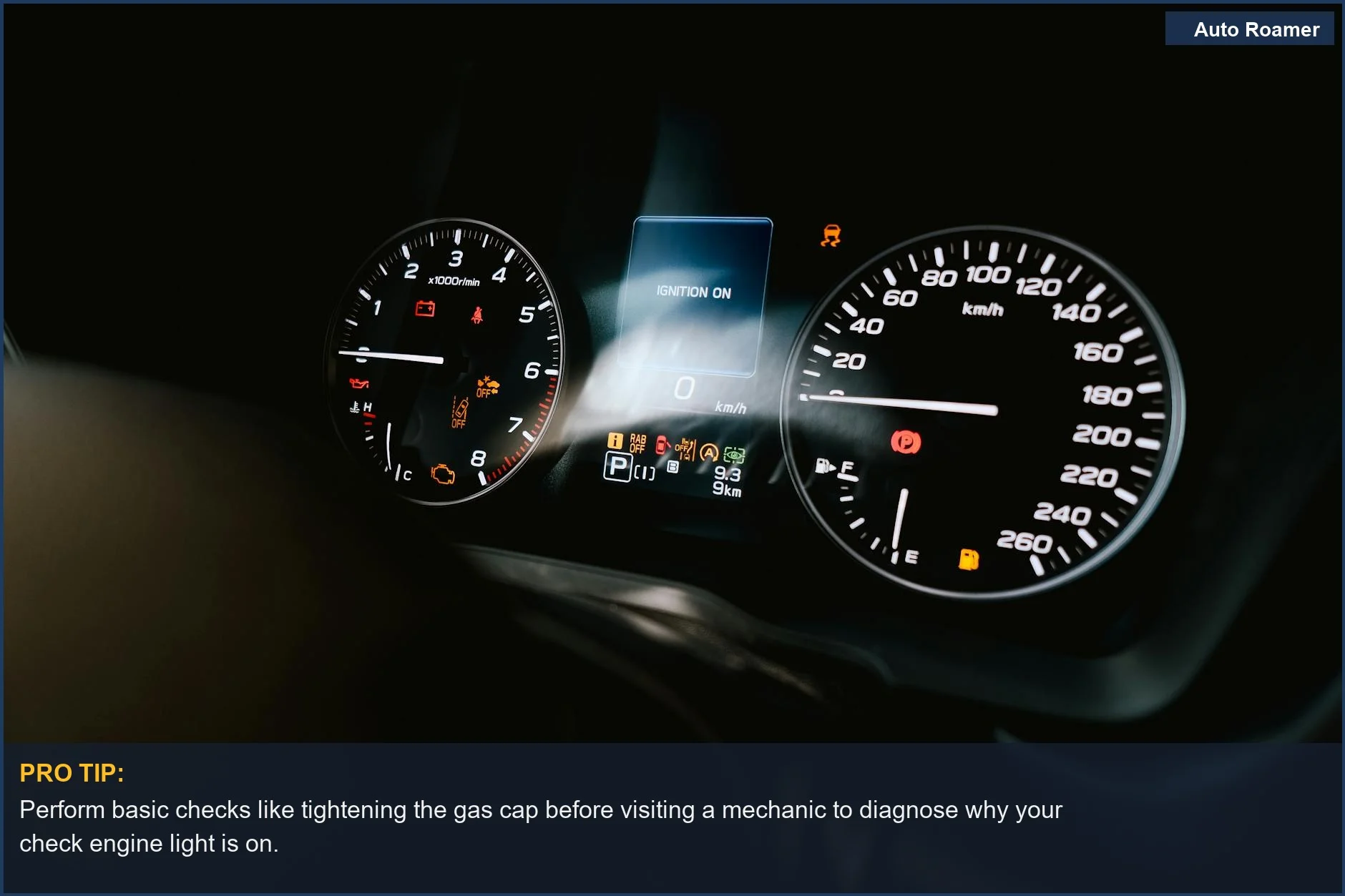
With the ignition on, this dashboard shows multiple warning lights. Learn the common reasons why your check engine light keeps coming on and how to address them.
| Photo by Ayyeee Ayyeee
With the ignition on, this dashboard shows multiple warning lights. Learn the common reasons why your check engine light keeps coming on and how to address them.
| Photo by Ayyeee Ayyeee
Care and Maintenance Tips
1
Tighten your gas cap - This is the most common cause for a check engine light. A loose or damaged cap can disrupt the vehicle's evaporative emission control (EVAP) system, triggering the light Ammaar's Toyota Vacaville. Ensure it clicks securely.
2
Monitor for other symptoms - A steady light usually isn't an immediate emergency Consumer Reports. But, pay attention to how your car runs. Unusual noises, rough idling, or power loss can indicate serious problems like a failing oxygen sensor or catalytic converter MB Ontario.
3
Understand sensor roles - Oxygen and mass airflow (MAF) sensors monitor emissions and engine performance AutoZone. A faulty oxygen sensor can hurt fuel economy and increase emissions. A dirty MAF sensor can cause stalling or rough idling. Cleaning the MAF sensor, if accessible, can prevent issues.
4
Address ignition system health - Spark plugs and wires are crucial for proper combustion. Worn or faulty plugs can cause misfires, directly triggering the check engine light McGrath Auto. Replacing these at recommended intervals prevents problems.
For a deeper understanding of your check engine light, it's important to know how to reset the light properly.
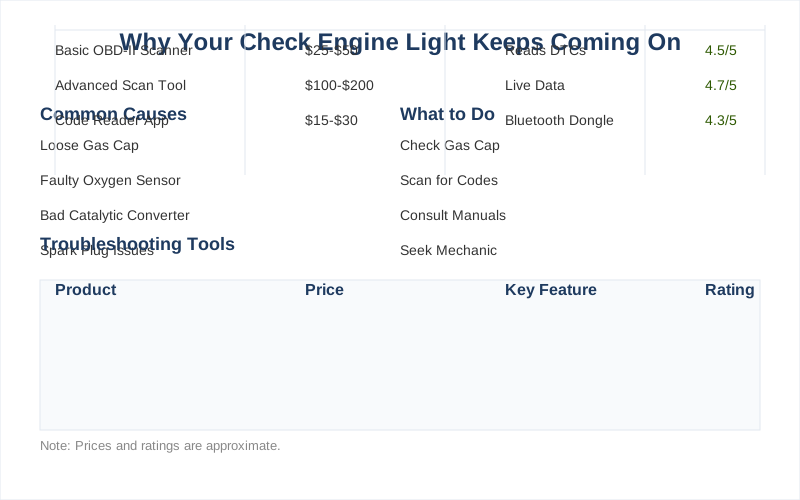
Product comparison for Why Your Check Engine Light Keeps Coming On
Final Recommendations
The check engine light can be a mystery, but often points to simple fixes. A loose or faulty gas cap is the most common culprit, easily checked by tightening it until it clicks Toyota Vacaville. If this doesn't resolve it, proceed to other checks.
For budget-conscious owners, investing in a basic OBD-II scanner is a smart move. These devices can read trouble codes, pointing you towards issues like a failing oxygen sensor or mass airflow sensor, often identifiable with a quick scan AutoZone. This empowers you to understand why your check engine light keeps coming on before visiting a mechanic.
If the light is steady, it's not usually an emergency, but don't ignore it. Ignoring it can lead to reduced fuel mileage and increased pollution Consumer Reports. For more persistent issues or if the light is blinking, indicating a severe misfire, immediate professional diagnosis is crucial to prevent costly damage, especially to the catalytic converter MB Ontario.
To further diagnose issues, understanding the different types of OBD2 scanners can be incredibly helpful.
Frequently Asked Questions
What are the most common reasons my check engine light comes on?
Most often, it's something simple like a loose gas cap, which can affect emissions. We've also seen it frequently pop up due to issues with the oxygen sensor or spark plugs and wires, which are crucial for efficient engine operation. Sometimes, it's a more involved problem like a failing catalytic converter or a mass airflow sensor issue.
How can I tell if my check engine light means something serious?
If the light is blinking or flashing, that's your car's way of screaming for immediate attention, often indicating a severe engine misfire that can quickly damage your catalytic converter. A steady light usually means the issue isn't an emergency, but you should still get it checked soon to avoid potential fuel economy loss and increased emissions.
What should I do if my check engine light comes on while I'm driving?
First, stay calm. If the light is steady, check if you notice any other symptoms like strange noises or reduced performance. If it's blinking, reduce your speed and find a safe place to pull over as soon as possible to minimize potential damage. Then, get it diagnosed.
Are there any tools I can use to figure out what's going on with my check engine light?
Absolutely. An OBD-II scanner is a lifesaver for DIYers like us. You can pick one up online or at most auto parts stores for around $20-$100, and it plugs into a port under your dashboard to read diagnostic trouble codes. These codes can point you towards specific components or systems that need attention.
How often should I get my check engine light looked at by a pro if it stays on?
If your check engine light stays illuminated, it's best to have a mechanic check it out within a week or two. While it might not be an immediate emergency, ignoring it can lead to reduced fuel efficiency and potentially more expensive repairs down the road. Regular diagnostics can save you money in the long run.
🏅 Looking for Gear Recommendations?
Check out our tested gear guides for products that work with this setup: