
How to Diagnose Your Check Engine Light at Home
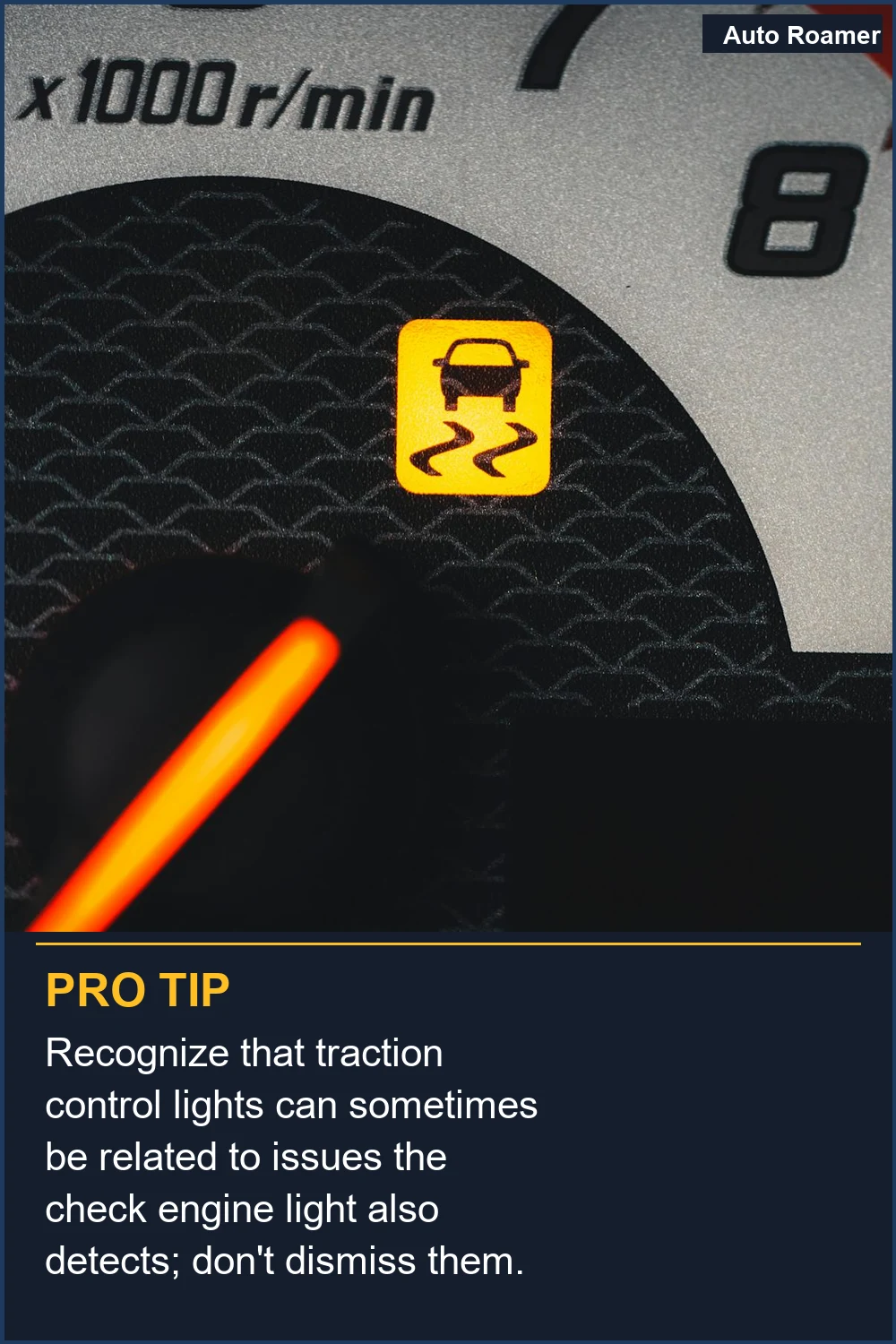
That little orange light on your dashboard, the one that looks like an engine having a bad day, is probably the most universally dreaded sight for any driver. It's the check engine light, and it can send shivers down your spine faster than a $1,000 repair bill.
That little orange light on your dashboard, the one that looks like an engine having a bad day, is probably the most universally dreaded sight for any driver. It's the check engine light, and it can send shivers down your spine faster than a $1,000 repair bill. But here's the honest version: it doesn't always mean your car is about to explode. Most of the time, it's just a signal that something minor needs a look.
This light is your car's way of talking to you, and thankfully, you can learn to understand what it's saying without needing a mechanic's degree or a second mortgage. It's like learning a new language, but for your car. The real move is to figure out how to get that message yourself.
The Core Answer
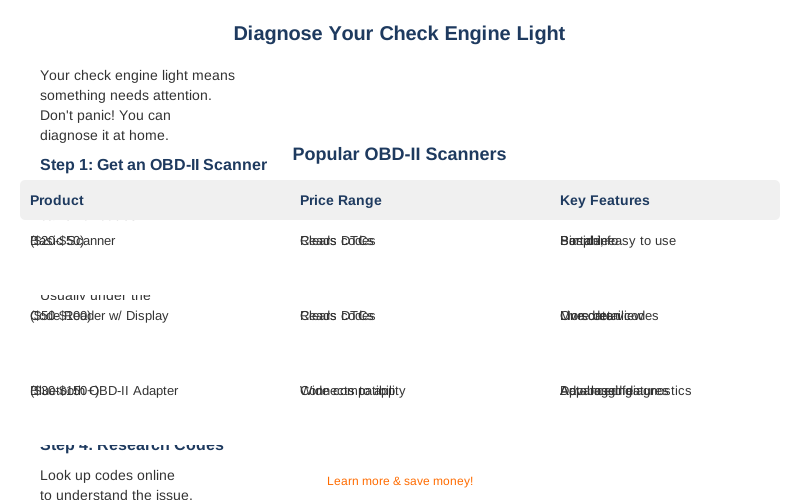
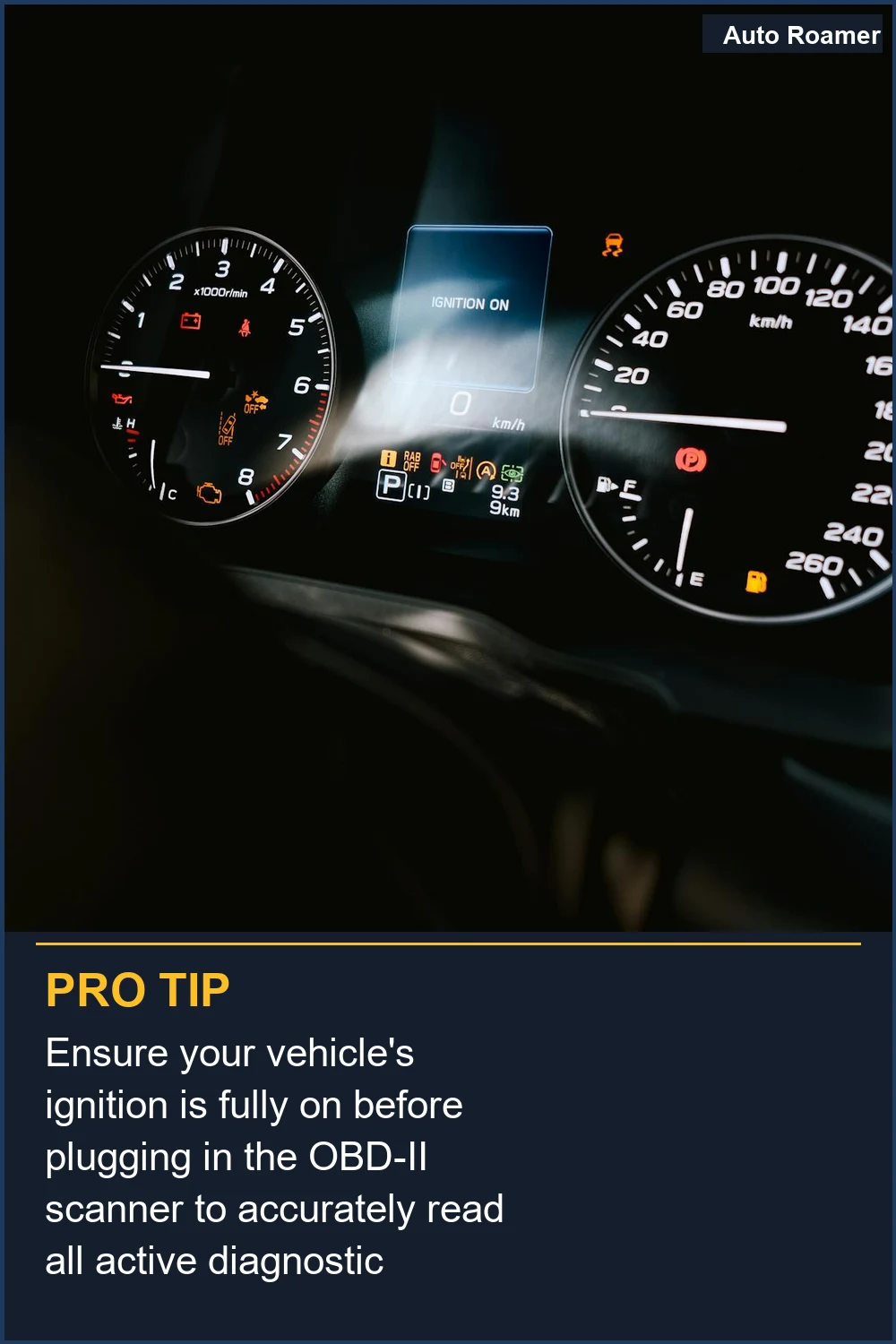
The core answer to diagnosing your check engine light at home is using an OBD-II scanner. OBD stands for On-Board Diagnostics, and the 'II' just means it's the second generation, standard on cars made after 1996. You plug this little gadget into a specific port in your car, usually under the dashboard on the driver's side. It then reads diagnostic trouble codes (DTCs) that your car's computer has stored. These codes are like error messages, pointing you in the direction of what's wrong. A faulty oxygen sensor, for example, might throw a P0420 code. That's specific, unlike just staring at the light and guessing. Some older cars might even have a way to read codes by jumping terminals with a paperclip, but that's a whole other level of old-school troubleshooting. For most of us, a scanner is the game-time move. You can buy one for as little as $20 online, or many auto parts stores offer free scans. Seriously, some places will even do it for you right in the parking lot. The scanner will give you a code, and then you can look up what that code means. There are tons of websites and forums dedicated to explaining these codes. It's not rocket science, it's just reading a report. The light itself can be solid or flashing. A solid light usually means it's something you should get checked out soon, but you can probably still drive. A flashing light? That's your car screaming at you, usually indicating a misfire that could damage your catalytic converter. That's a $2,000 mistake waiting to happen, so pull over. The honest version is that this little step saves you a ton of money and stress. My buddy Dave once spent $150 just to be told his gas cap was loose. Brilliant engineering, that. A $5 gas cap would have saved him a fortune.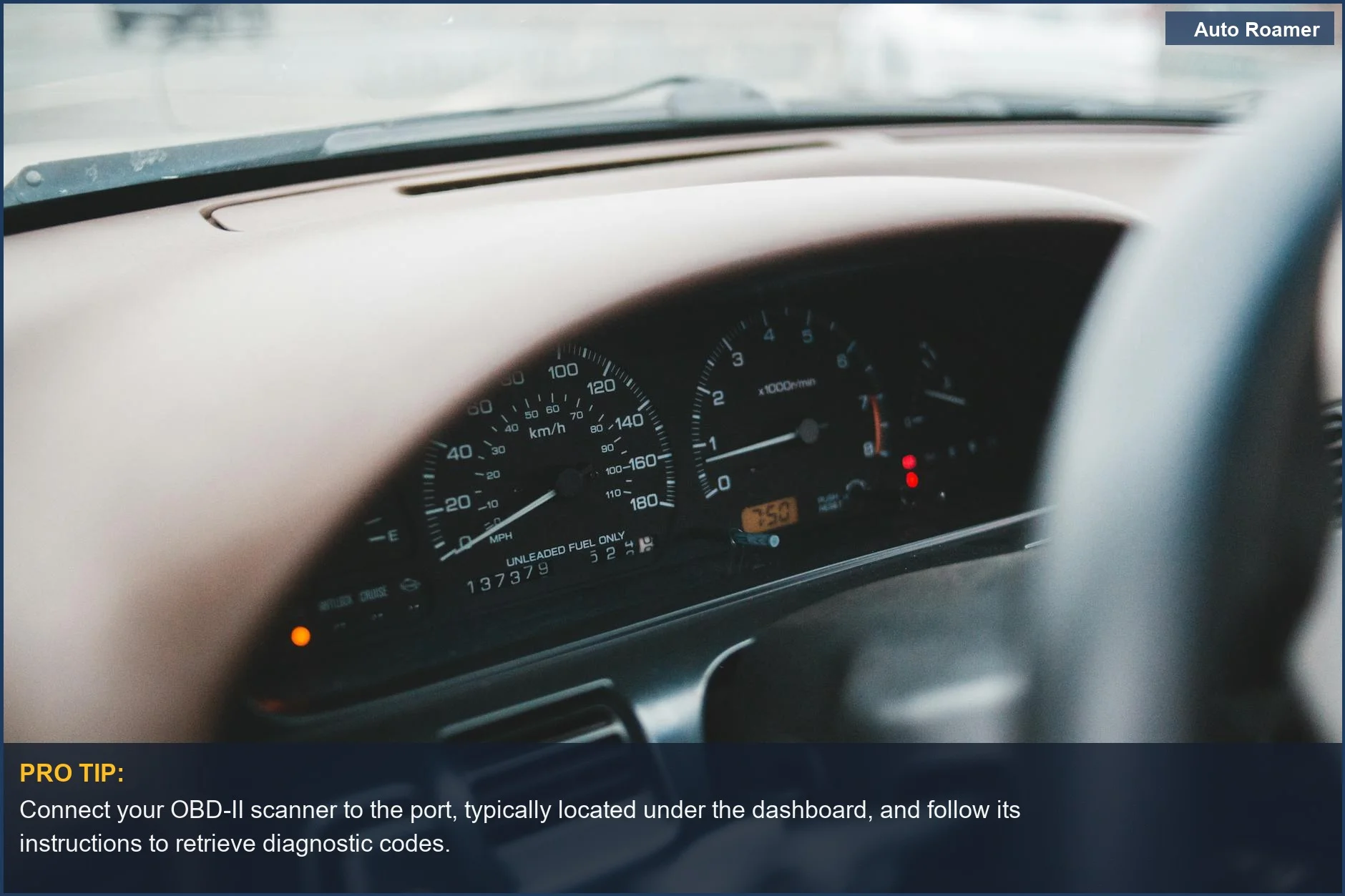
Why This Matters for Your Setup
Why this matters for your car's well-being is huge. Ignoring that light is like ignoring a small leak in your tent; it might seem fine now, but it can turn into a full-blown disaster later. A common culprit, a loose gas cap, can cost you less than $50 to replace, but the light it triggers can be concerning. If you don't check, you might be ignoring a real problem. Another frequent flyer is a faulty oxygen sensor, which can run around $200 to replace. If you just take it to a shop without knowing the code, you might pay for a diagnosis fee on top of the repair. That's a rookie mistake. Knowing the code empowers you to decide if it's a DIY job or if you need to find a trusted mechanic. You can even call around to different shops and compare quotes once you have the specific code. It's about being informed, not just being handed a bill. This simple step turns you from a passive victim of car trouble into an active participant in its maintenance.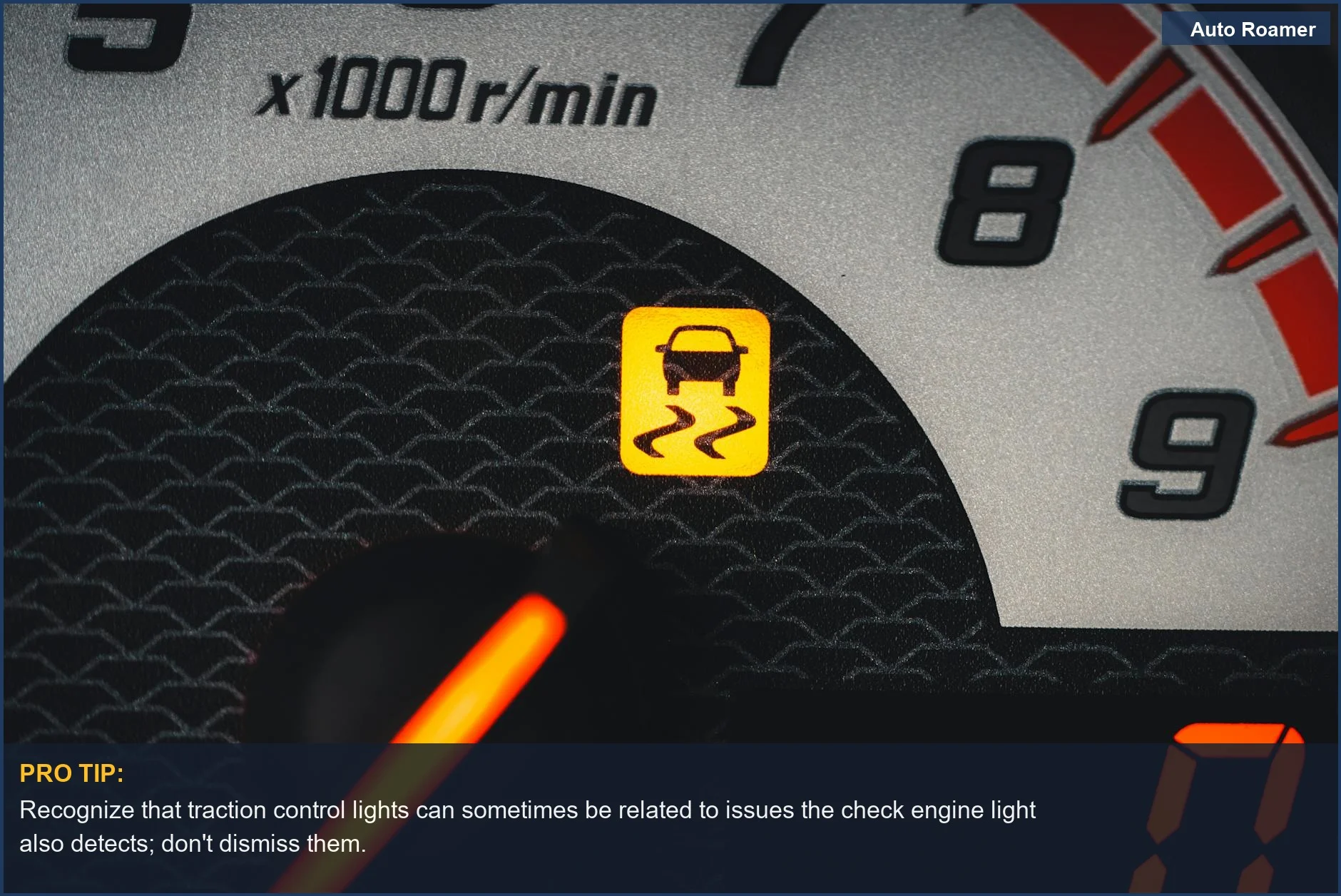
Making the Right Choice
Making the right choice when that light pops on is all about being proactive. Don't let the fear of the unknown cost you a fortune. Your first step should always be to get the code read. Many auto parts stores offer this service for free, and it takes less than two minutes. This is the $50 version of a $150 diagnostic fee at a shop. Once you have the code, you can research it yourself. You'll find out if it's a simple fix like a loose gas cap or something more serious. Armed with that information, you can decide whether to tackle it yourself or seek professional help. It's about putting yourself in control of your car's health and your wallet.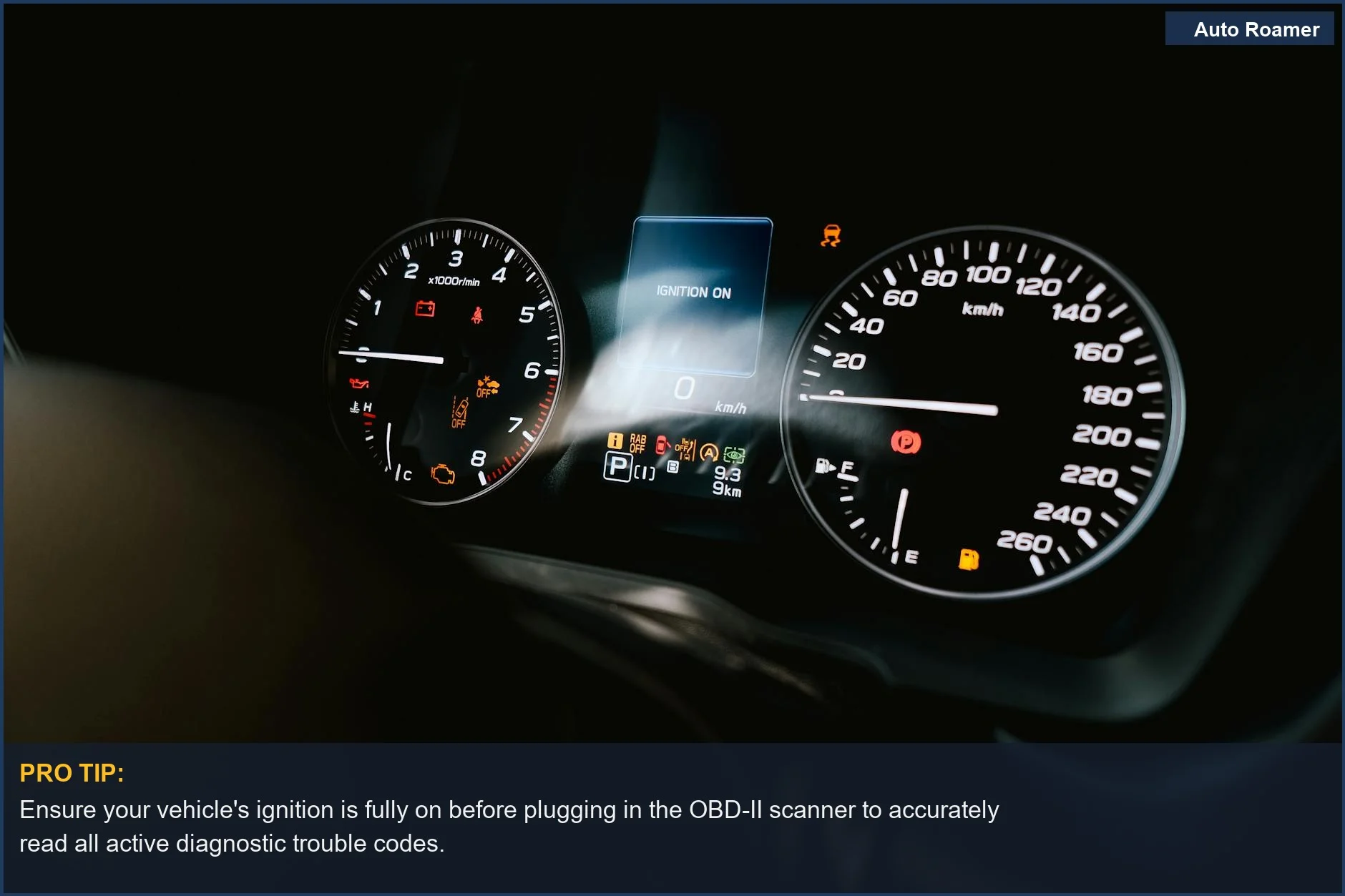
Frequently Asked Questions
I saw a scanner online for $20 and another for $200. What's the difference, and do I really need the expensive one to diagnose my check engine light?
What if I get a code, fix what I think is wrong, and the light stays on?
Can ignoring a check engine light permanently damage my engine?
I heard you can just disconnect the battery to reset the check engine light. Does that actually fix anything?
How much does a mechanic usually charge just to tell me what the check engine light means?
🏅 Looking for Gear Recommendations?
Check out our tested gear guides for products that work with this setup:
Sources
- Free Check Engine Light Test with O'Reilly VeriScan
- How To Check Engine Light Codes Without A Scanner
- How to diagnose your check engine light - YouTube
- How to fix the check engine light on my car myself - Quora
- How to Diagnose a Check Engine Light - YouTube
- How to Read Your Own Check Engine Light With Our Free Fix ...
- How to Self Diagnose your Check Engine light - Ace Auto Parts
- reddit.com