
What Does the Check Engine Light Actually Mean?
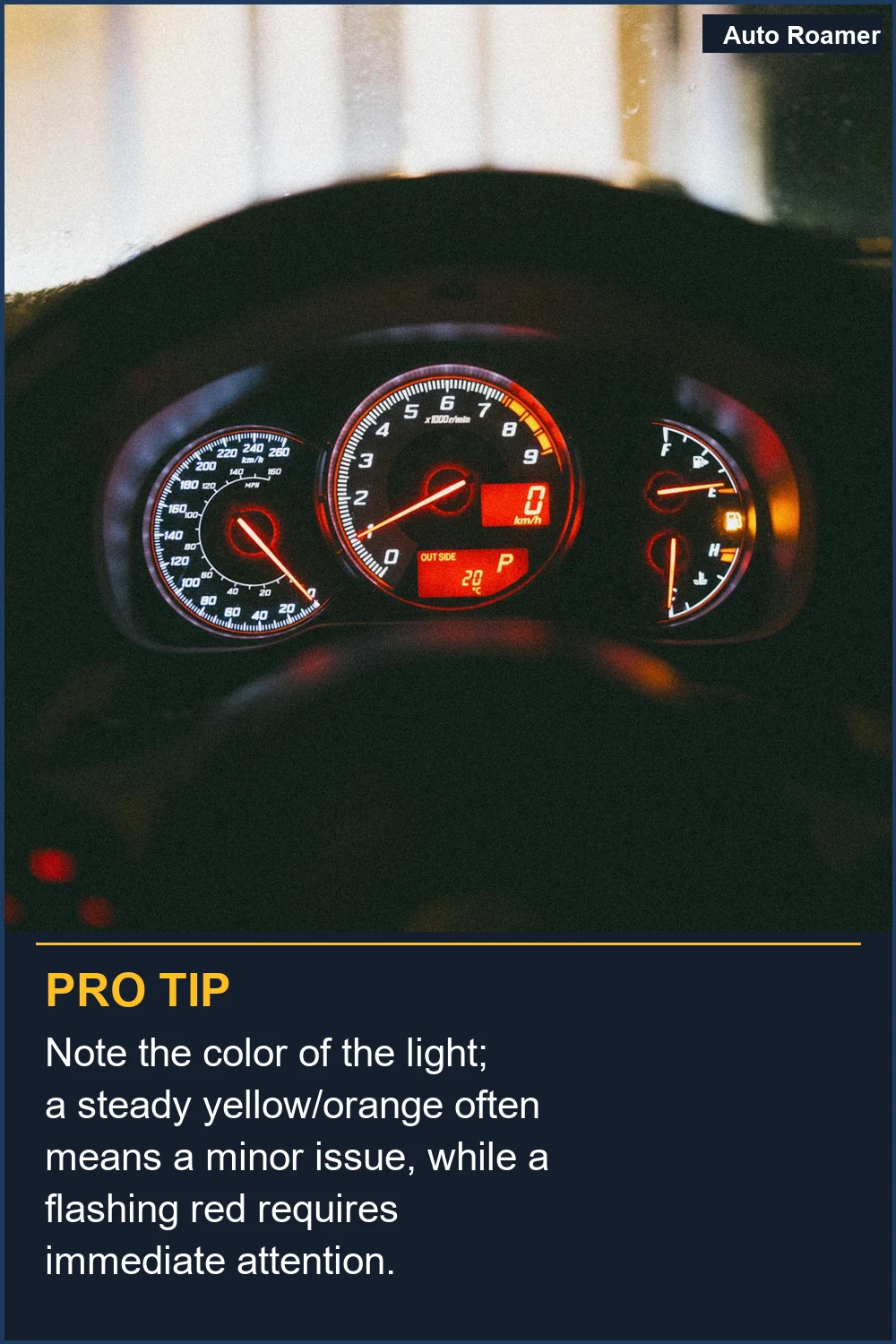
The check engine light. It's that little orange icon that glows on your dashboard, often appearing like a tiny, judgmental eye staring right at you. When it pops on, your brain immediately jumps to worst-case scenarios, right? Like your engine is about to decide it's had enough and gracefully retire.
The check engine light. It's that little orange icon that glows on your dashboard, often appearing like a tiny, judgmental eye staring right at you. When it pops on, your brain immediately jumps to worst-case scenarios, right? Like your engine is about to decide it's had enough and gracefully retire. But here's the honest version: it's usually not that dramatic.
It's your car's computer telling you something is up, and that something could be anything from a loose gas cap to a more serious issue. This light is part of your car's onboard diagnostics system, designed to monitor performance and emissions. It's basically the car's way of saying, 'Hey, I noticed a small hiccup.'
The Core Answer
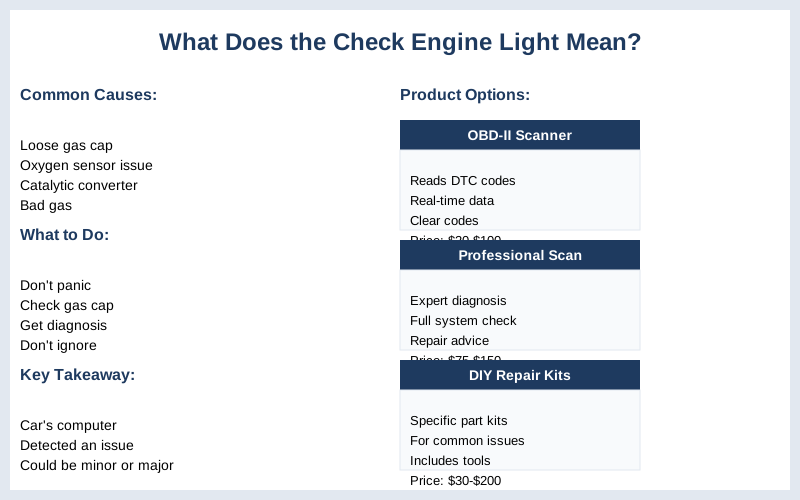
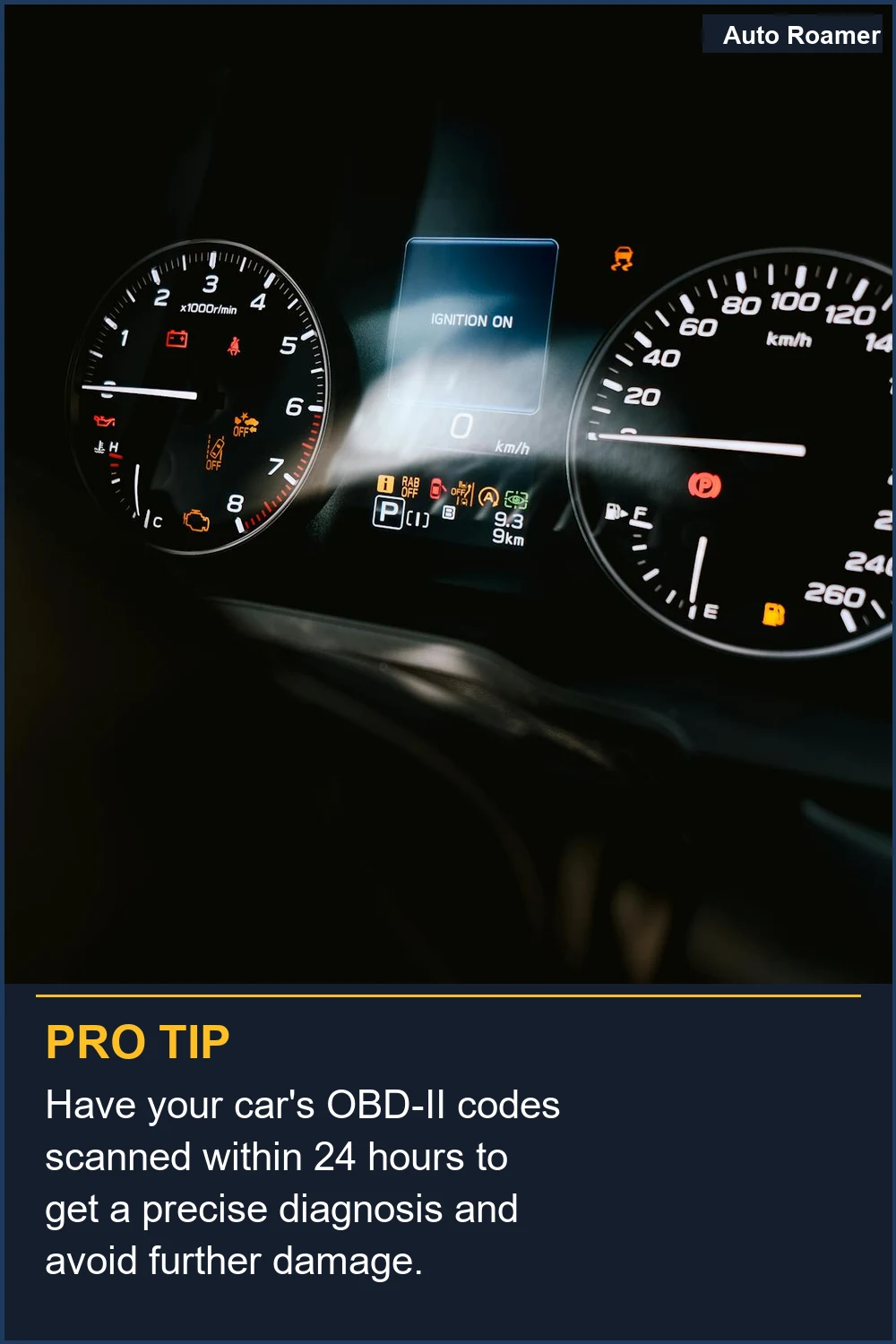
So, what does that glowing orange symbol actually mean? It means your car's internal computer has detected an issue with either the engine or the transmission and is flagging it for your attention. Think of it like your car giving you a nudge. This nudge could be for a minor thing, like a gas cap that isn't screwed on tight enough. Seriously, I've done that. Spent 20 minutes at a gas station in rural Pennsylvania convinced my car was dying, only to realize I'd forgotten to twist the cap all the way. Rookie mistake. A loose gas cap is one of the most common culprits. But it can also signal something more significant. Issues with the oxygen sensor, which monitors how much unburned fuel is in your exhaust, can trigger it. Or maybe your catalytic converter, a crucial part of your emissions system, is acting up. A bad tank of gas can even throw it off. The real move is to not panic, but also not to ignore it. Ignoring it is how you turn a $5 fix into a $500 repair. These sensors and components are all talking to the car's computer. When the light comes on, pay attention to how your car is running. Is it sputtering? Is it making weird noises? If it's blinking, that's a more urgent situation, often indicating an engine misfire that could damage your catalytic converter. A blinking light means you need to reduce power and get it checked ASAP. A steady light is usually less immediately critical, but still needs attention. The most effective way to know for sure is to get the diagnostic trouble codes (DTCs) read. You can do this yourself with an OBD-II scanner, or have a mechanic do it. These codes give you a starting point for diagnosis.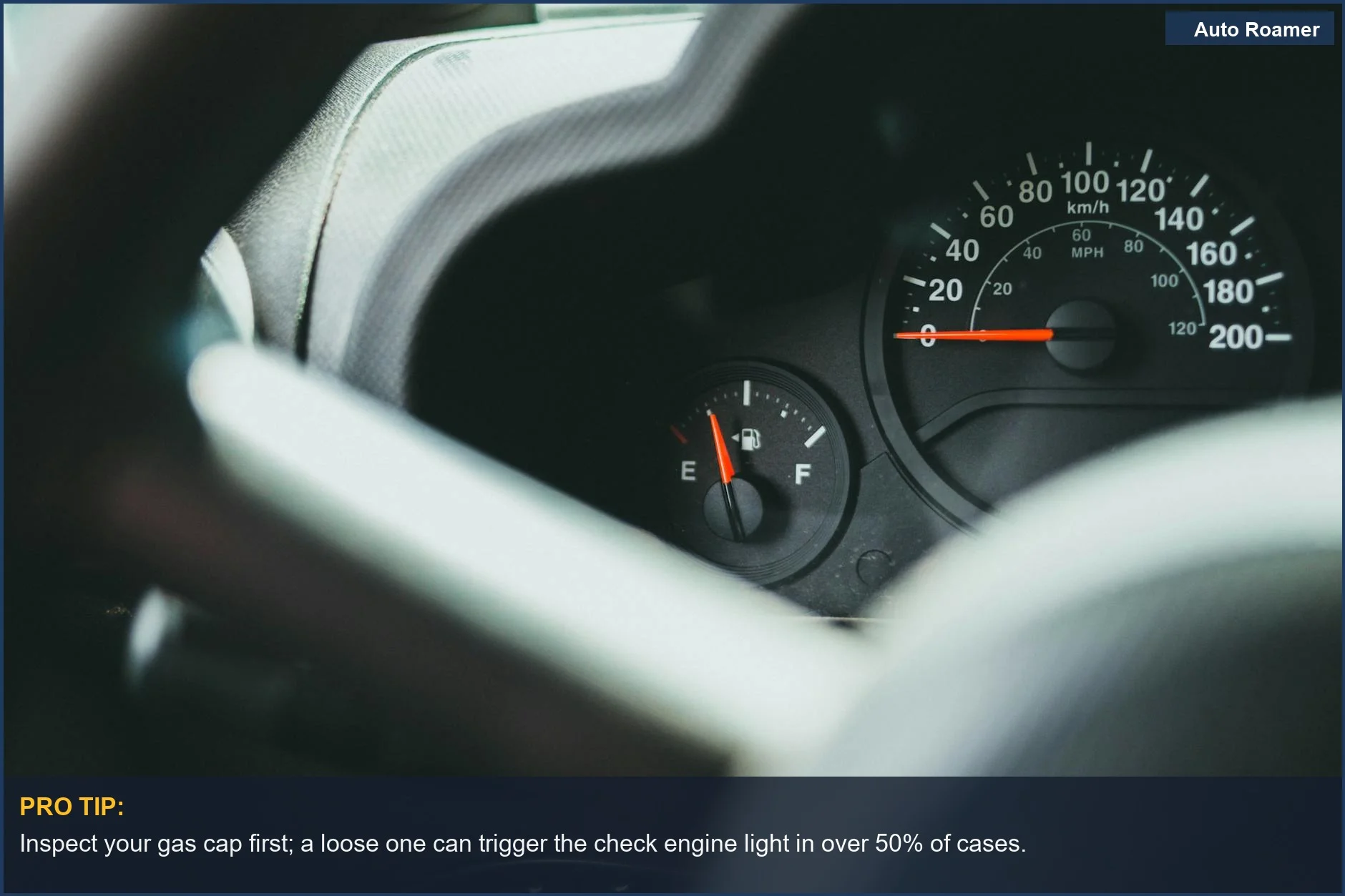
Why This Matters for Your Setup
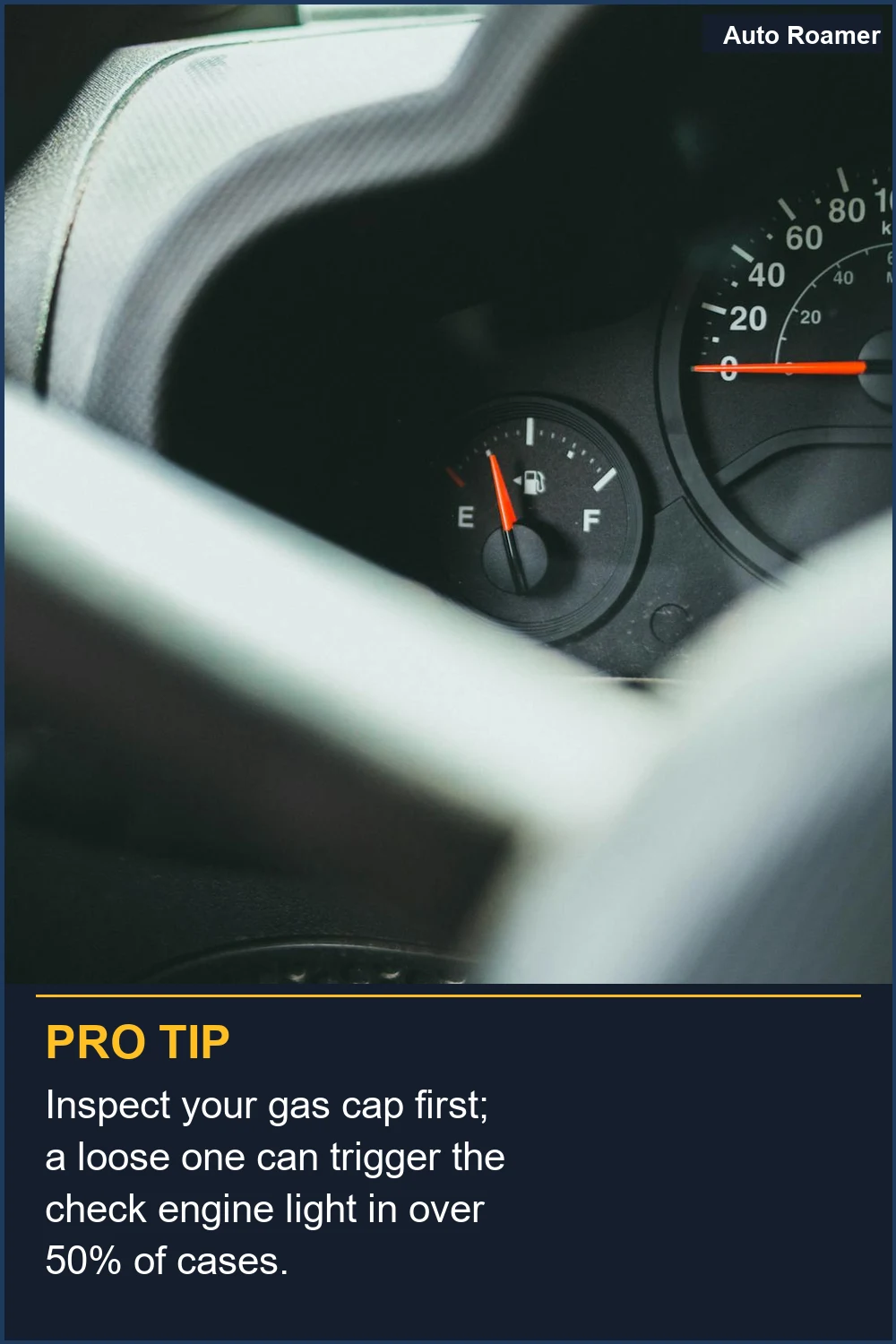
Why does this matter for your weekend adventures? Because a check engine light can sometimes signal a problem that could leave you stranded, miles from anywhere, with nothing but your questionable camp coffee. It's usually related to emissions, but not always. Imagine being deep in a state park, your car starts acting up, and that light comes on. You don't want to be guessing if it's safe to drive back to civilization. Here's the breakdown: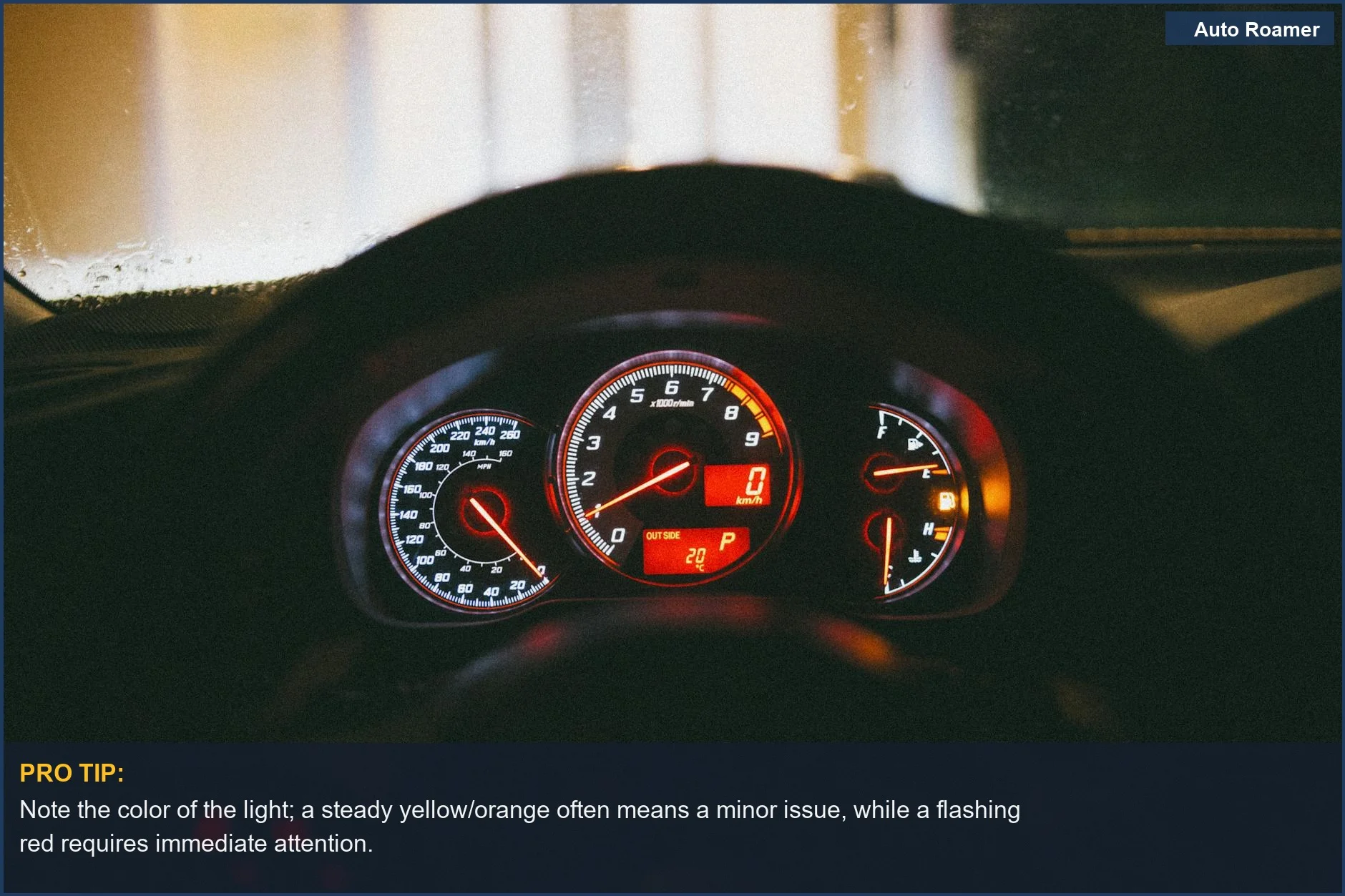
Making the Right Choice
So, that check engine light isn't a death sentence for your vehicle. It's a communication tool. Your car is trying to tell you something. Here's the game-time move: don't let it fester. If the light is steady, check the simple stuff first, like that gas cap. If you're comfortable, use a scanner to read the codes. Many auto parts stores will read codes for free. If the light is blinking, or if you're unsure, get it to a mechanic. It's better to pay a diagnostic fee than to deal with a catastrophic failure on your way to a campsite. Ignoring a blinking light can lead to very expensive repairs. Keeping your car running smoothly means more reliable adventures, and fewer unexpected stops at the mechanic's shop.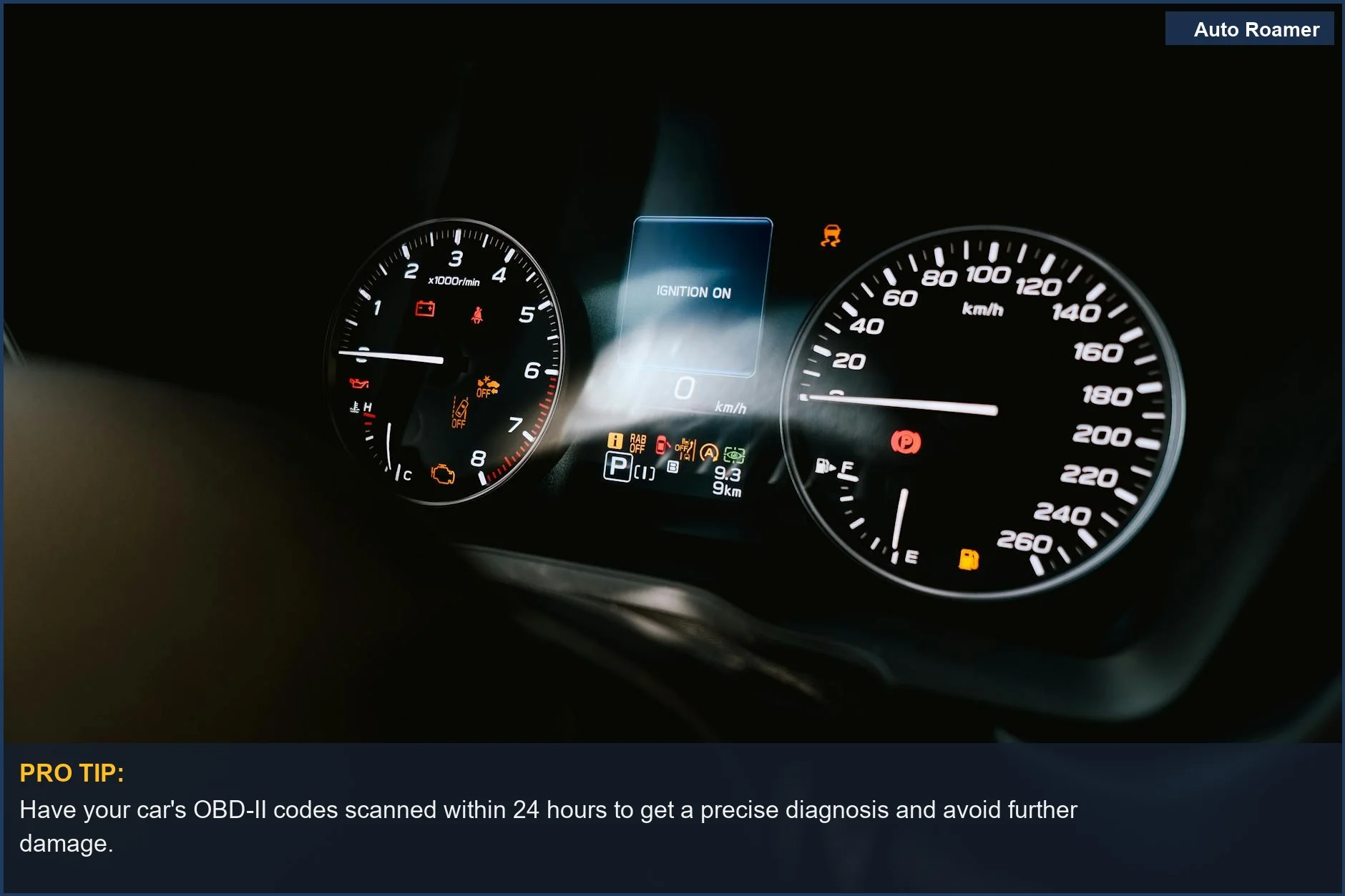
Frequently Asked Questions
If my check engine light comes on for a loose gas cap, how much does it cost to get it fixed at a dealership?
Do I really need one of those fancy OBD-II scanners, or can I just hope for the best?
What if I get the code read, fix what I think is the problem, and the check engine light stays on?
Can a check engine light that stays on permanently damage my engine if I keep driving?
I heard the check engine light only comes on for emissions stuff. Is that true?
🏅 Looking for Gear Recommendations?
Check out our tested gear guides for products that work with this setup:
Sources
- What Does a Check Engine Light Mean? How to Troubleshoot
- What Does Your Check Engine Light Mean? | Progressive
- The Check Engine Light: Common Causes and How To Fix It - AAA
- What Does Your Check Engine Light Mean? | Edmunds
- 11 Common Reasons Your Check Engine Light is On
- What Does the Check Engine Light Look Like, and Really Mean?
- What Does The Check Engine Light Mean And What Should You Do ...
- Very new to cars here, should I be concerned if my check engine ...