
How to Understand OBD2 Codes and What They Mean for Your Car
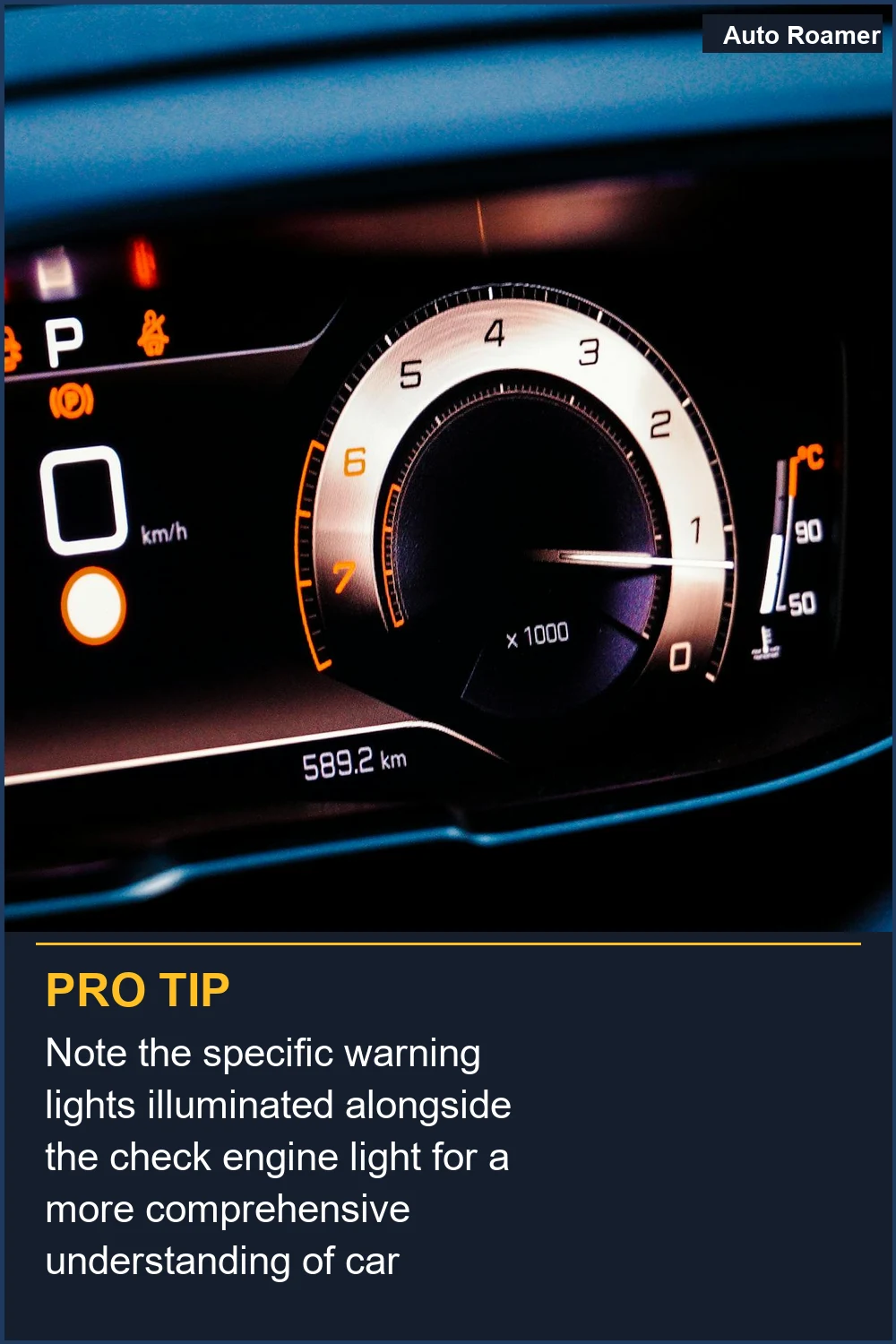
The check engine light has a way of showing up unannounced, like a surprise guest at 2 AM. For anyone who hasn't wrestled with car trouble before, seeing that little orange icon pop up on the dash can feel like a personal attack from your vehicle.
The check engine light has a way of showing up unannounced, like a surprise guest at 2 AM. For anyone who hasn't wrestled with car trouble before, seeing that little orange icon pop up on the dash can feel like a personal attack from your vehicle. It's your car's way of saying something's up, and these On-Board Diagnostics (OBD-II) codes are the cryptic messages it's sending.
Think of them as your car's internal diagnostic report, a standardized language so mechanics, or you, can figure out what's going on under the hood without guessing. The system has been around since 1996, so it's not some brand-newfangled tech; it's just a way for your car's computer to talk to the outside world about its health How to Read OBD-II Codes.
The Core Answer
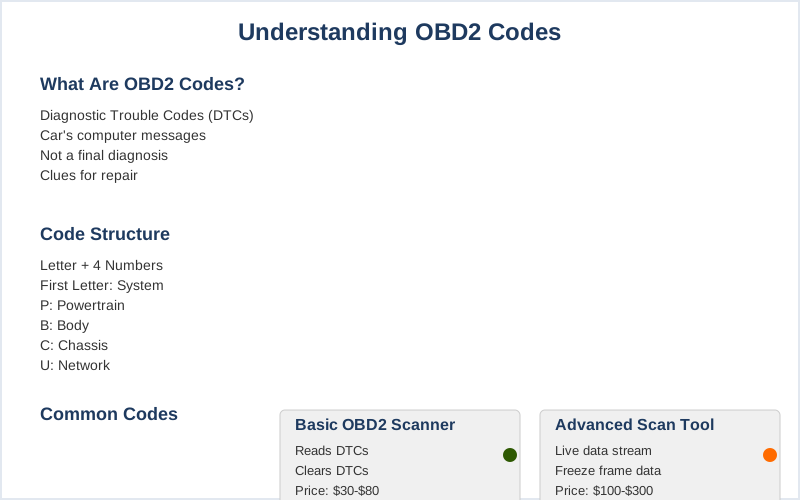
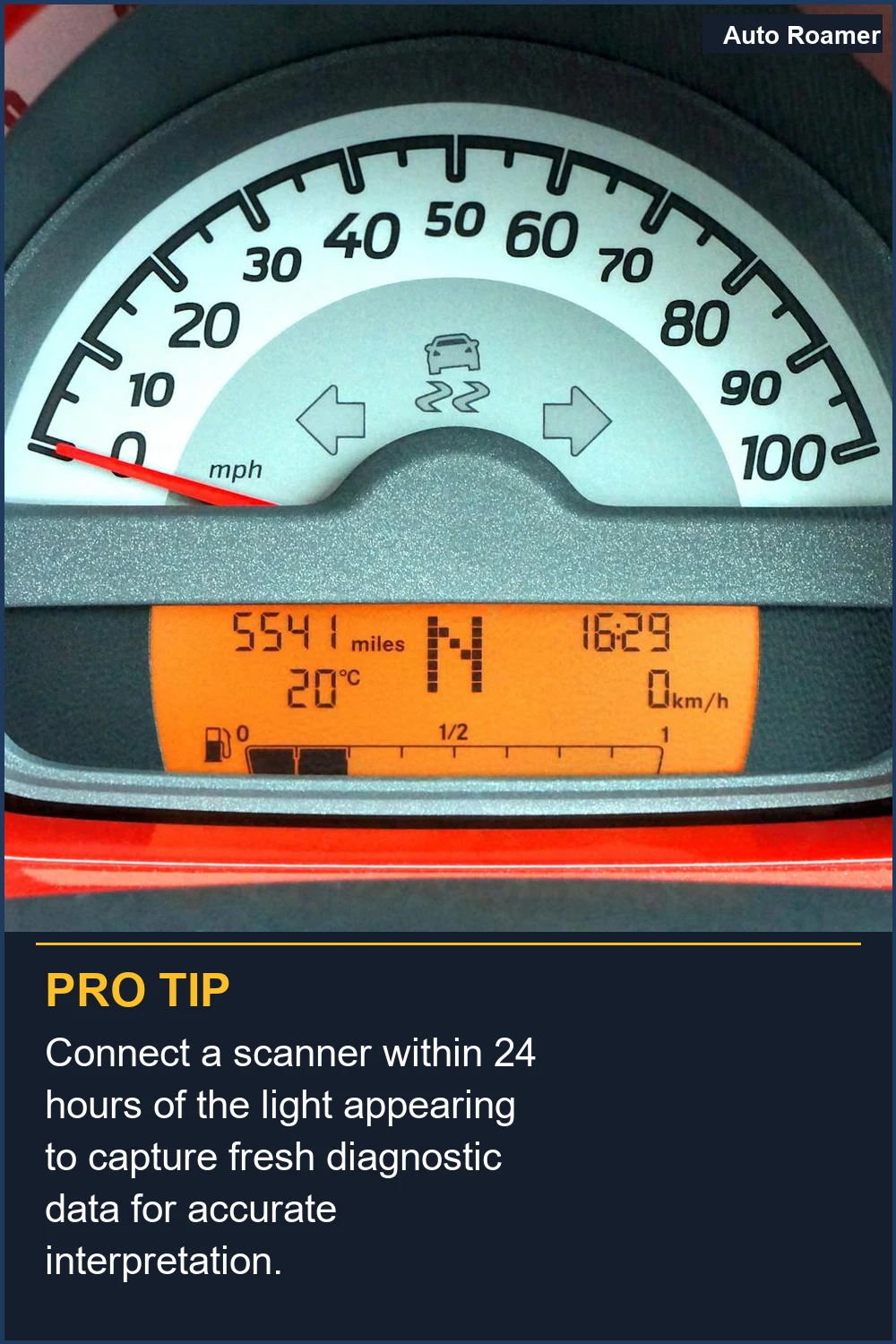
So, what are these OBD-II codes, really? They're basically diagnostic trouble codes, or DTCs, that your car's computer spits out when it detects something's not quite right OBD2 Codes Explained: What Every Mechanic Needs to Know. They're not a final diagnosis, mind you, but more like a clue pointing you in the right direction. My first time seeing a P0420 code, I thought it meant my catalytic converter was toast. Turns out, it was just a leaky exhaust gasket causing a false reading. Rookie mistake, I know. These codes are standardized, meaning a P0301 is the same across most makes and models. They usually start with a letter, followed by four numbers. The first letter tells you which system is having an issue. 'P' is for powertrain (engine, transmission, emissions), 'B' is for body, 'C' is for chassis, and 'U' is for network communication OBD-II Code List. Brilliant engineering, right? One letter to rule them all. The second digit tells you if it's a generic code (meaning all manufacturers use it) or a manufacturer-specific code. A '0' means it's generic, while a '1' means it's specific to your car's brand. The last two numbers narrow down the exact problem within that system. So, a P0301 is a generic powertrain code related to cylinder misfires, specifically cylinder 1. My first attempt to diagnose a check engine light involved staring at a code reader screen until my eyes crossed. I thought the code was the answer. The real move is to understand that the code is just the starting point. It tells you *where* the car thinks the problem is, not necessarily *why* it's happening. It's like getting a map that shows a town, but not the specific house you need to go to How to Read OBD-II Codes. What nobody tells beginners is that a code for a sensor doesn't always mean the sensor is bad. It could be a wiring issue, a vacuum leak, or even a problem with another part that's making the sensor report incorrectly. I spent $150 on a new oxygen sensor once, only to find out it was a tiny crack in a hose that was $5 to fix. That was a painful lesson in not treating the code like a shopping list OBD2 Codes Explained: What Every Mechanic Needs to Know. The honest version: you need to do more digging.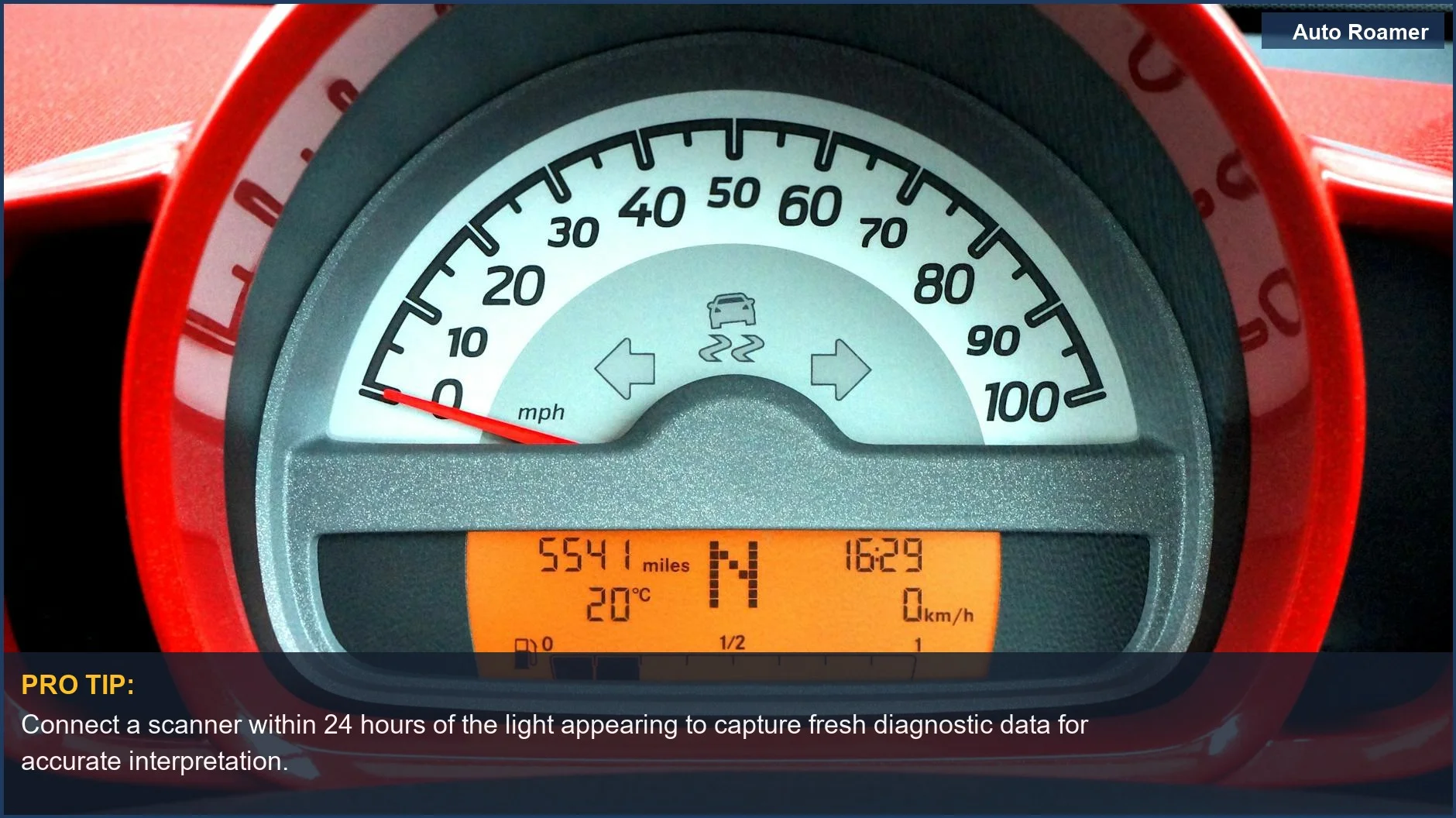
Why This Matters for Your Setup
Why does this matter when you're just trying to get your car from Point A to Point B, maybe even to a trailhead? Because ignoring that check engine light can be a costly mistake. A blinking light, especially, means you should pull over ASAP. Driving with a blinking light can mean raw fuel is getting into your exhaust, which can quickly damage your catalytic converter - a repair that can easily run you $1,000 or more The real meanings behind OBD-II Diagnostic Trouble Codes (DTCs). That's more than I spent on my first three camping trips combined. Here's the breakdown: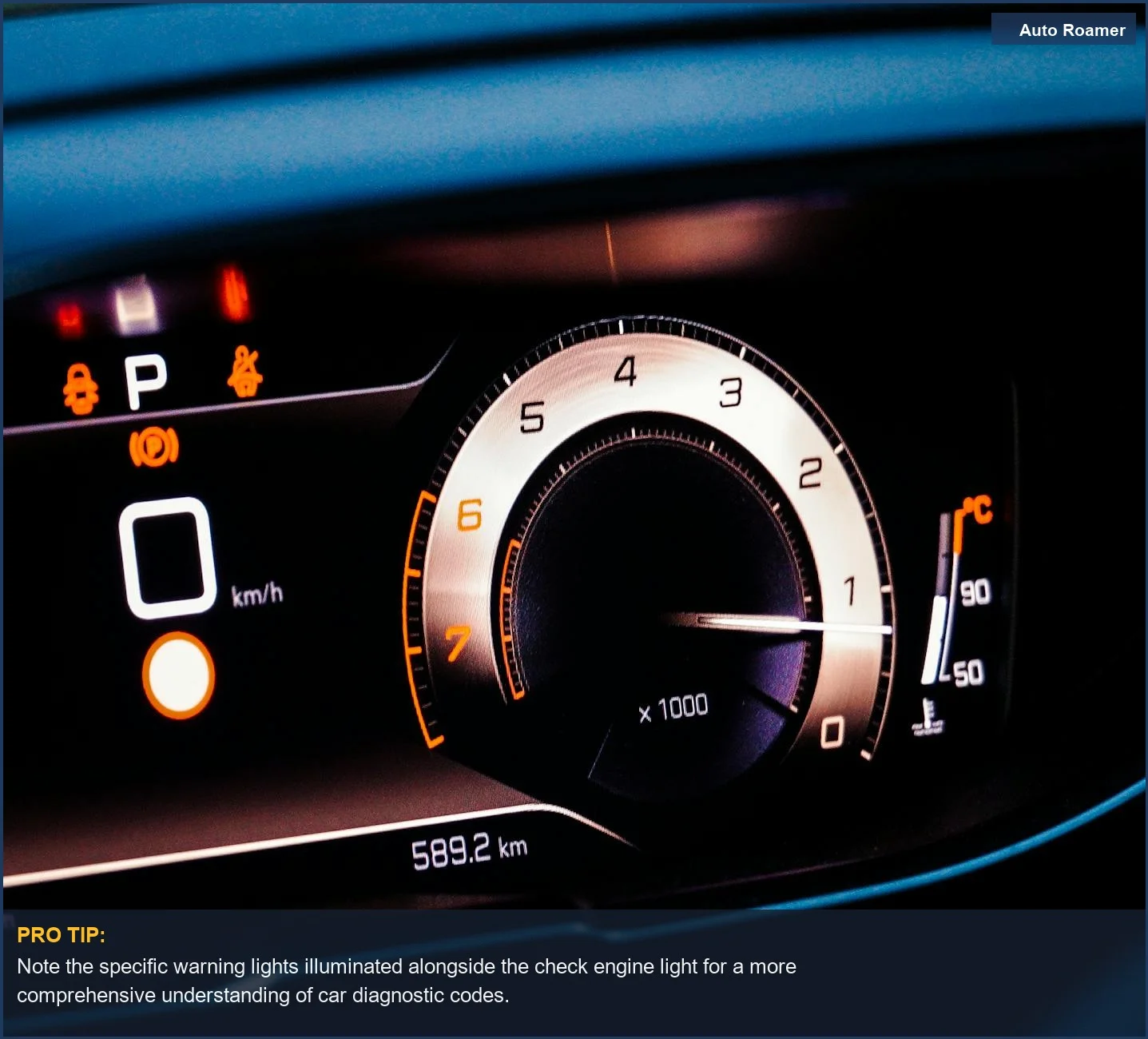
Making the Right Choice
So, what's the takeaway? Don't let that check engine light send you into a tailspin. It's a tool, not a death sentence for your car.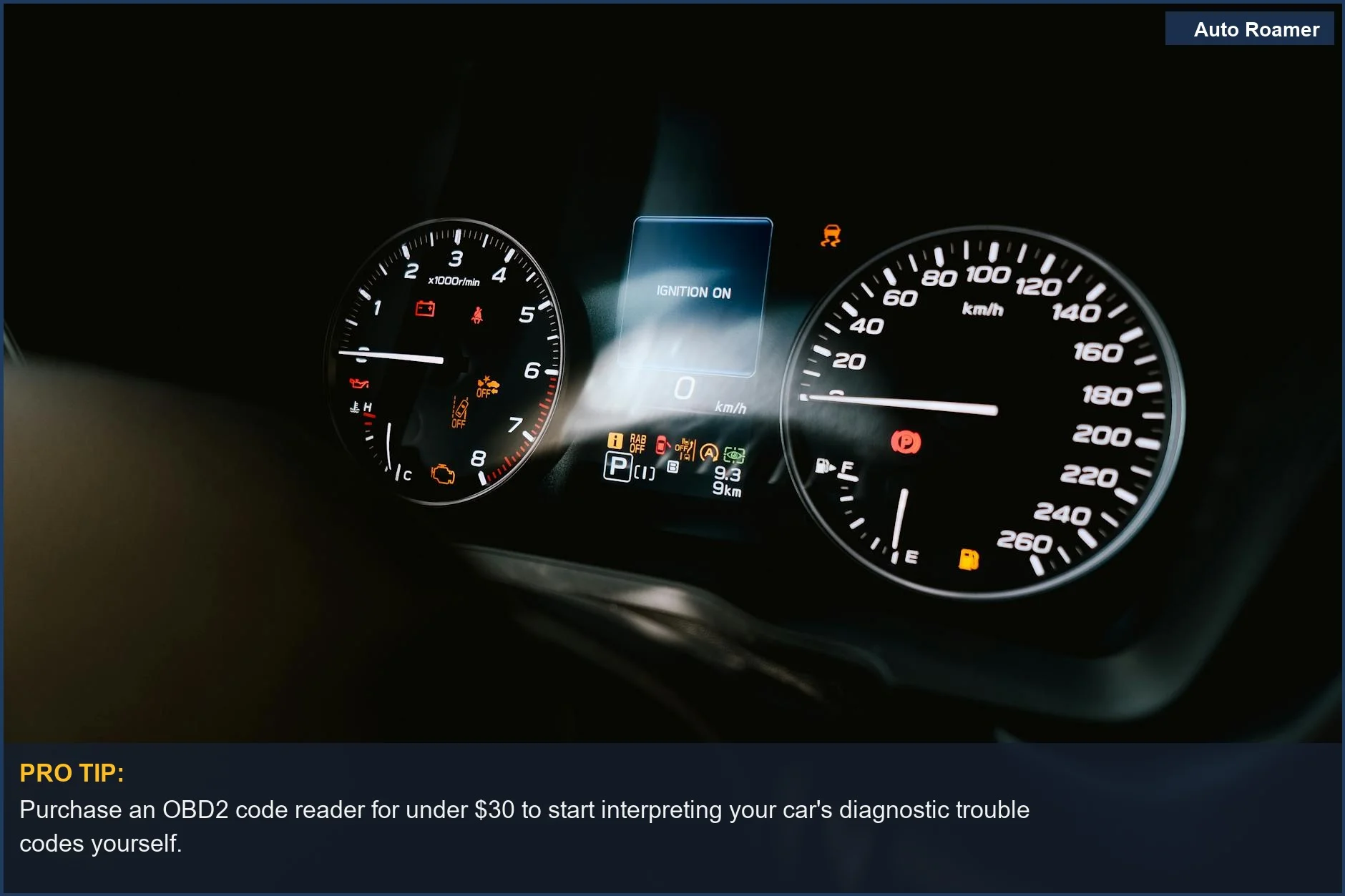
Frequently Asked Questions
If my check engine light comes on with a P0420 code, how much will it cost to fix versus what I'd spend on a cheap code reader?
Do I really need one of those fancy scanners with live data, or can I get by with a basic code reader for my weekend warrior car?
What if I pull a code, do the recommended fix, and the check engine light stays on? What's the next move?
Can ignoring OBD2 codes for a long time permanently damage my car's engine?
I heard that if your check engine light is on, it means your car is about to break down any second. Is that true?
🏅 Looking for Gear Recommendations?
Check out our tested gear guides for products that work with this setup: