Car Maintenance

How to Check All 6 Car Fluids Yourself: The 10-Minute Checkup

Auto Roamer
11 min read
Includes Video

You're miles from the nearest town, the engine starts sputtering, and then you spot it - a dark, ominous puddle forming under your car. Panic sets in. What is that leak? Is it oil, coolant, or something worse? Most drivers never check their car fluids regularly, but you can avoid this roadside nightmare.

You're miles from the nearest town, the engine starts sputtering, and then you spot it - a dark, ominous puddle forming under your car. Panic sets in. What is that leak? Is it oil, coolant, or something worse? Most drivers never check their car fluids regularly, but you can avoid this roadside nightmare. A quick monthly check of just six essential fluids can save you from costly repairs and being stranded. We're talking about engine oil, coolant, brake fluid, transmission fluid, power steering fluid, and windshield washer fluid. Most of these are easily accessible under the hood, and knowing their color and level is critical. Don't wait for a puddle to force your hand; learn how to check car fluids yourself. It's a 10-minute checkup that pays dividends in reliability and peace of mind. Popular Mechanics highlights how these fluids are the lifeblood of your vehicle, and neglecting them is a sure way to invite trouble. This isn't just about basic maintenance; it's about understanding the warning signs your car is trying to give you. AutoKings emphasizes that regular checks can prevent breakdowns and keep you safe on the road.

The Short Answer

Checking your car's six essential fluids is a 10-minute habit that prevents major breakdowns. Think of it as your vehicle's vital signs check - a quick scan to ensure everything is running as it should. This routine checkup, ideally done monthly for oil and every three months for others, can save you thousands in repairs.

We're talking about engine oil, coolant, brake fluid, transmission fluid, power steering fluid, and washer fluid. Each has a unique role, and their condition tells a story. For instance, engine oil lubricates moving parts, and its level should always be between the min/max marks on the dipstick How To Check Essential Car Fluids: A Step-By-Step Guide. Checking it involves pulling the dipstick, wiping it clean, reinserting it, and pulling it out again to read the level. If it's dark brown or black, it's time for a change; milky oil signals a serious internal issue.

Coolant, or antifreeze, prevents overheating. Always check its level in the overflow reservoir when the engine is cool. Never open a hot radiator cap. Healthy coolant is typically green, yellow, or orange, but it should never be mixed with incompatible types How to Check and Maintain the Six Essential Fluids in Your Car.

Brake fluid, usually clear or light gold when new, is critical for stopping power. Low levels can mean worn brake pads, not necessarily a leak. Transmission fluid, often red or pink, ensures smooth gear shifts; dark or burnt-smelling fluid is a red flag. Many cars don't have a separate power steering fluid reservoir, but if yours does, it's typically reddish-pink and essential for easy steering.

Finally, washer fluid is simple: keep it topped up for visibility. The entire process takes about 10 minutes if you know where to look. Your owner's manual is your best friend for pinpointing reservoir locations How to Check the Fluids in a Car. Making this a regular habit, like checking your oil monthly, is a proactive maintenance step that pays dividends.
To ensure your engine runs smoothly, you might also want to learn how to check your oil yourself.
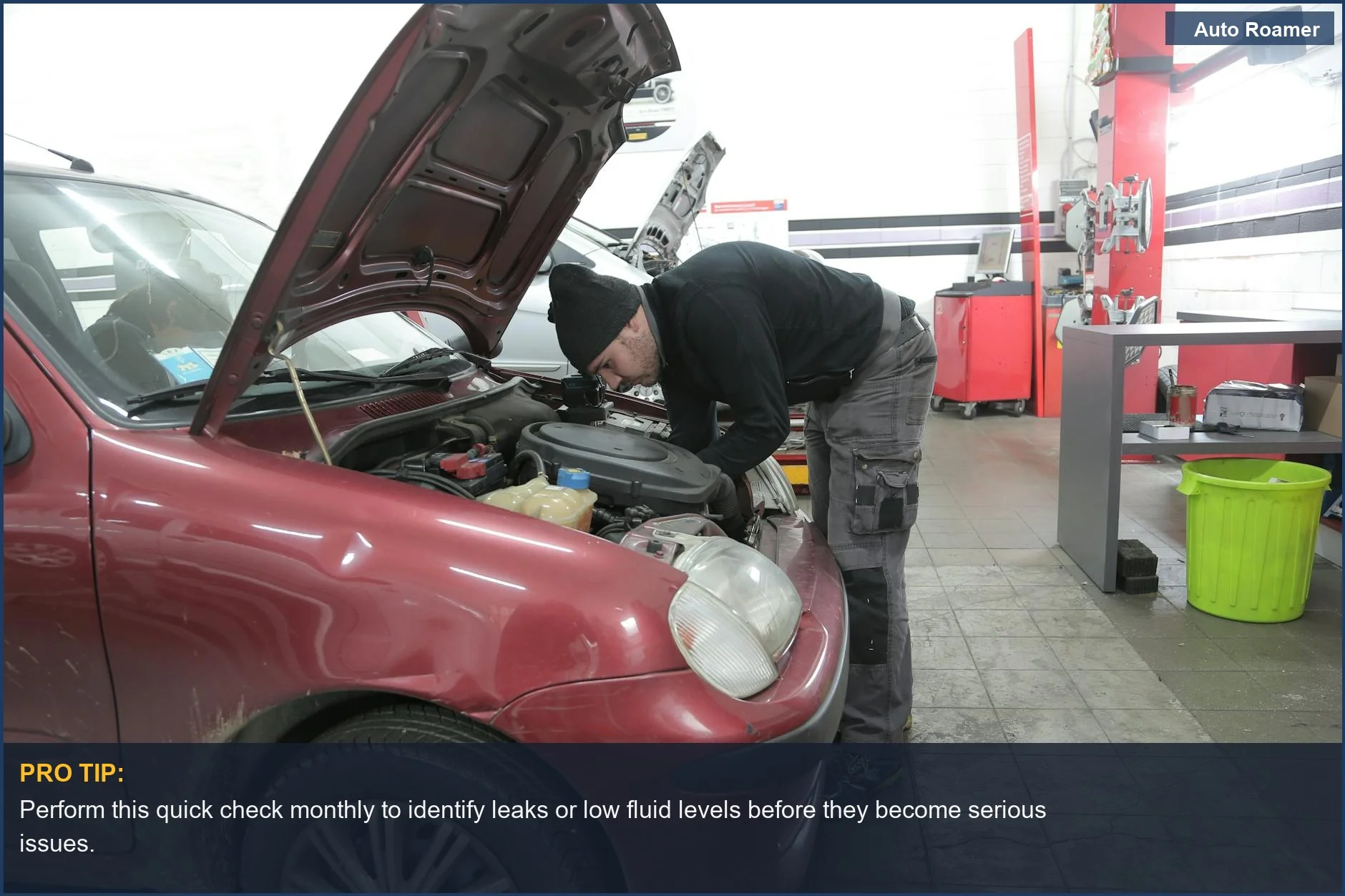
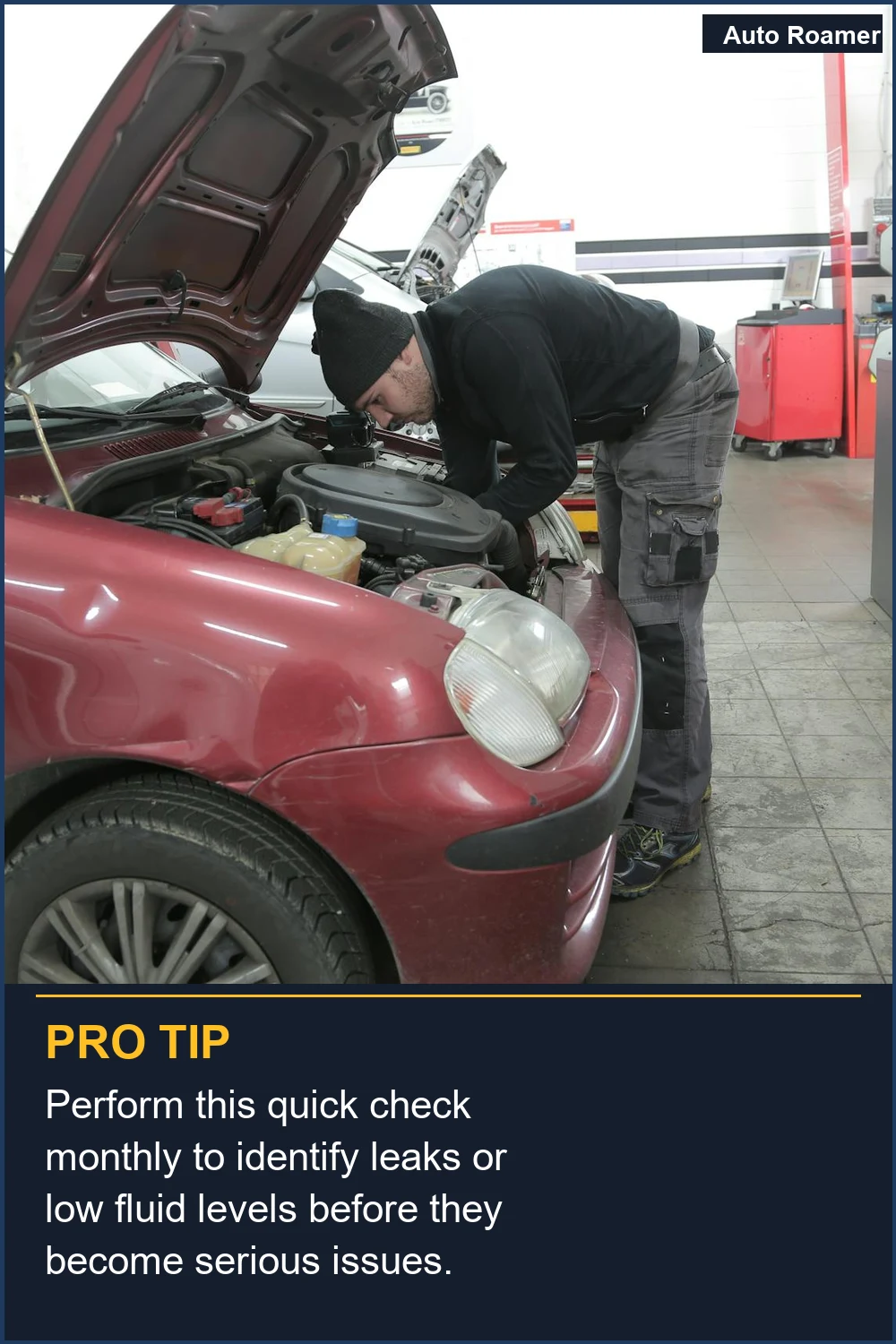
Perform this quick check monthly to identify leaks or low fluid levels before they become serious issues.
Regularly inspecting your vehicle's engine is crucial for a comprehensive car fluids check. Catching issues early can save you significant repair costs. | Photo by Andrea Piacquadio

What You Need to Know

Knowing how to check your car fluids is non-negotiable for any driver who wants to avoid roadside emergencies. This 10-minute checkup, done roughly twice a year or every 5,000-10,000 miles, can save you thousands in repairs and prevent unexpected breakdowns. We're talking about the six essential fluids that keep your vehicle breathing. Get familiar with their normal appearance and color; it's your first line of defense. Consulting your owner's manual is key, as vehicle-specific differences exist, especially between sedans, SUVs, and trucks How To Check Essential Car Fluids: A Step-By-Step Guide.
1
Engine Oil Level and Condition - Park on a level surface with the engine off and cool. Locate the oil dipstick (usually bright yellow or orange). Pull it out, wipe it clean with a RAG, reinsert it fully, and pull it out again. The oil level should be between the "Min" and "Max" marks. New oil is golden; used oil is dark brown or black. Milky oil indicates coolant contamination, a serious issue often pointing to a blown head gasket How to Check and Maintain the Six Essential Fluids in Your Car.
2
Coolant Reservoir Level - This fluid keeps your engine from overheating. Wait for the engine to cool down completely before checking; never open the radiator cap when hot. Locate the translucent coolant reservoir, usually marked with "Min" and "Max" lines. The coolant color varies by manufacturer-common colors include green, orange, or pink. Crucially, never mix different coolant types, as this can cause gelling and severe damage.
3
Brake Fluid Appearance - This fluid is critical for stopping power. Locate the brake fluid reservoir under the hood; it's often a small, translucent plastic container. The fluid should be clear or light gold when new. Dark brown fluid indicates it's time for a brake fluid flush, which is crucial for maintaining performance and preventing corrosion in your brake system How to Check the Fluids in a Car: 10 Steps (with Pictures) - wikiHow. Low brake fluid can also mean your brake pads are worn down.
4
Transmission Fluid Check - For automatic transmissions, check the fluid level and condition. Many vehicles have a dipstick for this, often near the back of the engine; some newer cars have sealed transmissions requiring a mechanic. With the engine warm and running (check your owner's manual for specifics), pull the transmission dipstick, wipe, reinsert, and check. Healthy fluid is typically bright red or pink. Brown or burnt-smelling fluid signals transmission damage and the need for immediate attention.
5
Power Steering Fluid - This fluid assists in steering. Many modern cars, particularly smaller sedans, do not have power steering fluid reservoirs; they use electric power steering systems. If your vehicle does have it, the reservoir is usually clearly labeled. The fluid color is often similar to transmission fluid-reddish or pink when healthy. A low level or dark color can indicate a leak or system issue.
To ensure your vehicle runs smoothly, it's essential to know how to check and top off coolant.
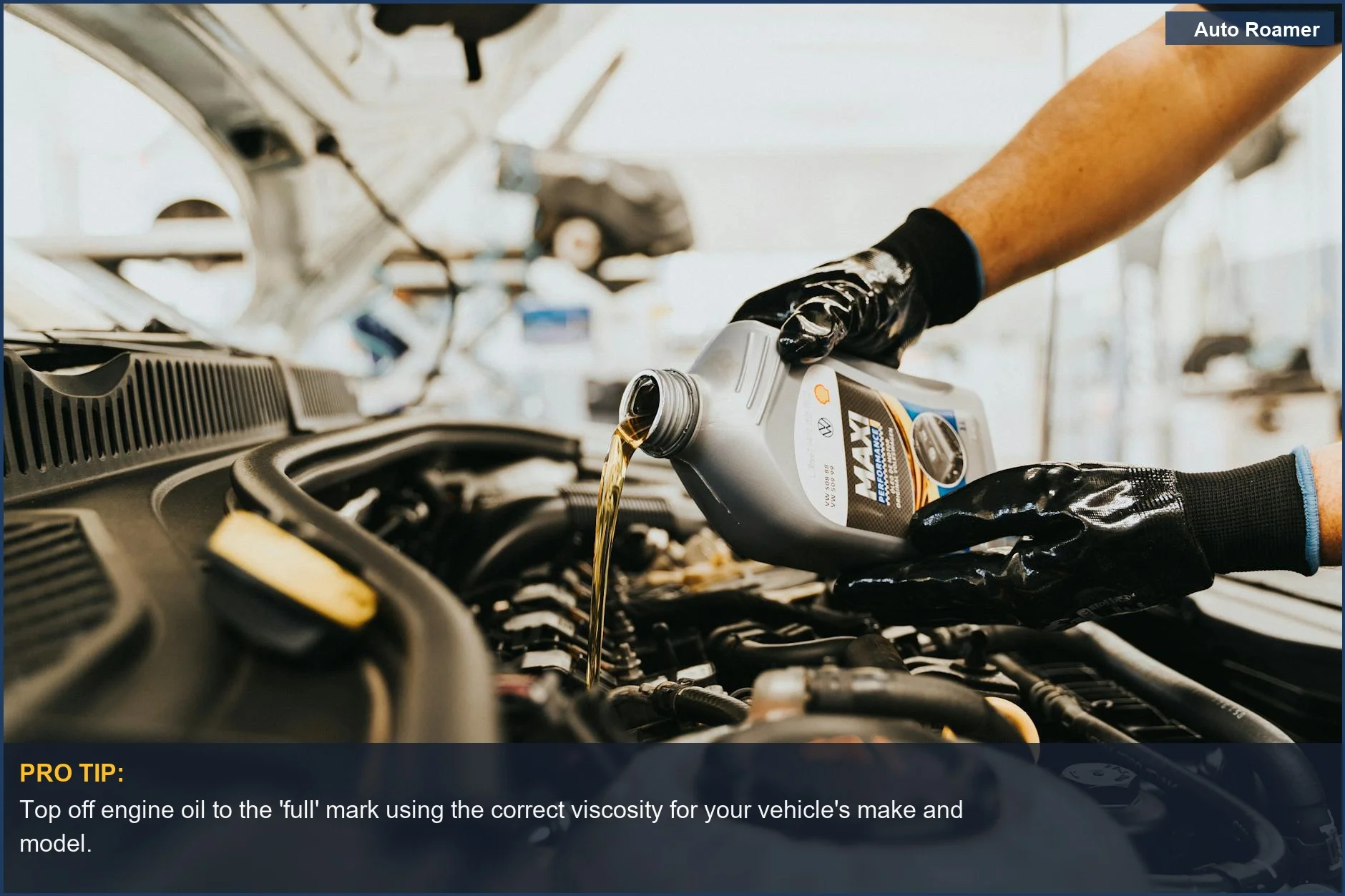
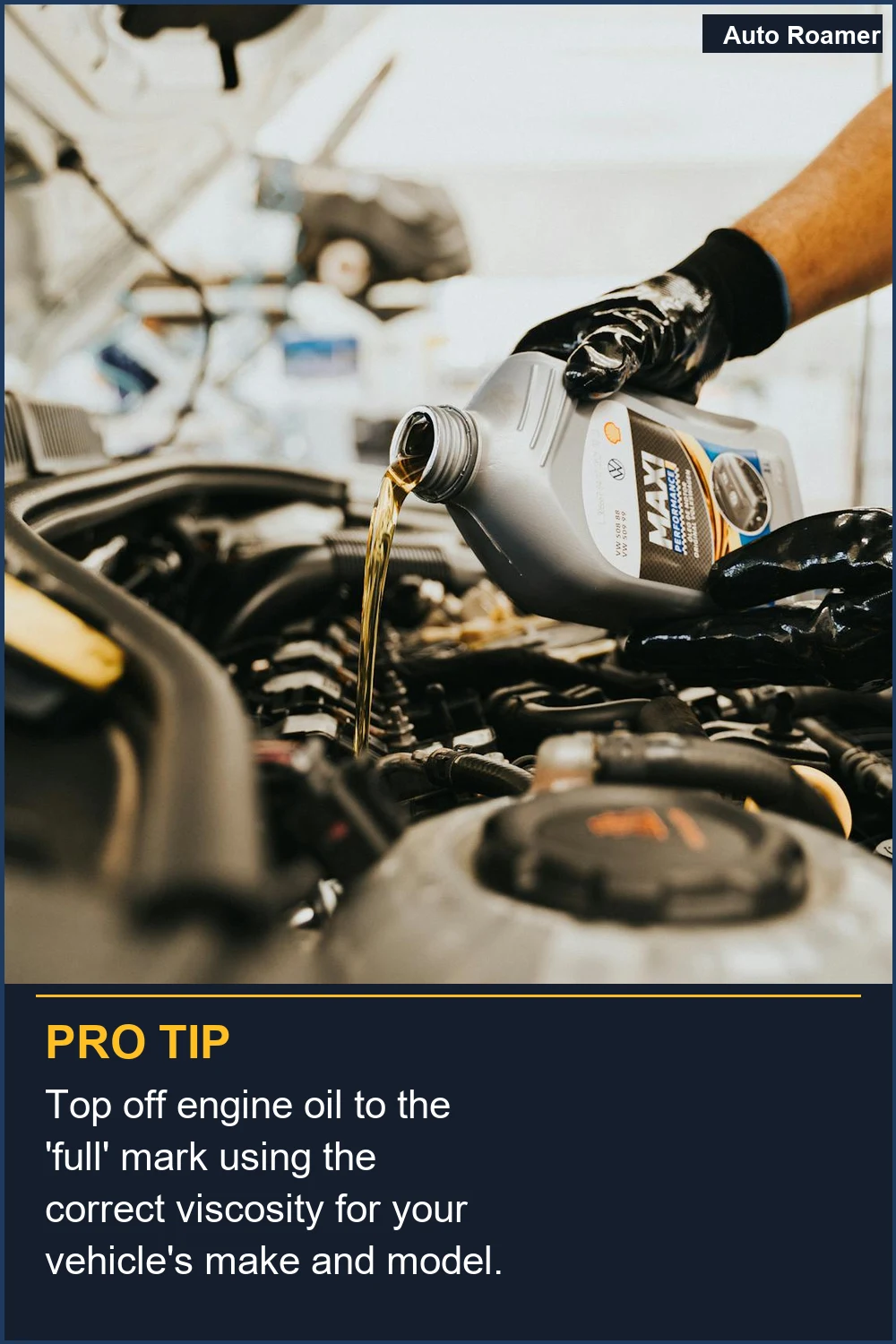
Top off engine oil to the 'full' mark using the correct viscosity for your vehicle's make and model.
Properly checking and topping off engine oil is a fundamental step in maintaining your car. Aim for the 'full' mark on the dipstick. | Photo by Daniel Andraski

How to Handle This

1
Park on a level surface, engine off and warm - Inaccurate readings result from checking fluids on a slope. A cold engine won't circulate fluids properly. A hot engine risks severe burns. Let the engine run for a few minutes to circulate fluids, then shut it off and wait 10 minutes to settle before checking How To Check Essential Car Fluids: A Step-By-Step Guide.
2
Check engine oil: dipstick, wipe, reinsert, pull again - Locate the oil dipstick, pull it out, wipe clean with a lint-free RAG, reinsert fully, and pull again. The oil level must be between the "min" and "max" marks. Low oil risks serious engine damage. Milky oil indicates coolant contamination How to Check and Maintain the Six Essential Fluids in Your Car.
3
Coolant: check overflow reservoir, NEVER open hot cap - Find the translucent coolant reservoir under the hood; the level should be between the "min" and "max" lines. Never open the radiator cap when the engine is hot. Scalding coolant can cause severe burns. Low coolant risks overheating and costly repairs How To Check Essential Car Fluids: A Step-By-Step Guide. Note fluid color; common types are green, yellow, or orange. Do not mix types.
4
Brake fluid: check reservoir under hood - Locate the brake fluid reservoir, typically a small, clear or semi-clear plastic container with a warning label. The fluid should be between the min/max lines. Low brake fluid can indicate worn brake pads and is critical for stopping power. Driving with low brake fluid is dangerous How to Check the Fluids in a Car. Fresh fluid is clear gold; dark brown means it needs a flush.
5
Transmission fluid: dipstick or sealed system - Many automatics have a dipstick. Check level and condition after warming the engine and transmission by driving for a few minutes. Dark or burnt-smelling fluid indicates a problem that could lead to expensive transmission repair. Newer cars may have sealed transmissions requiring a mechanic How To Check Essential Car Fluids: A Step-By-Step Guide.
6
Power steering fluid: check reservoir - Locate the power steering fluid reservoir, often a small plastic tank labeled "Power Steering." Healthy fluid is typically reddish-pink. Low fluid makes steering difficult and can damage the pump. If your car lacks power steering, you won't find this reservoir.
To save even more on expenses, consider exploring car maintenance you can do yourself.
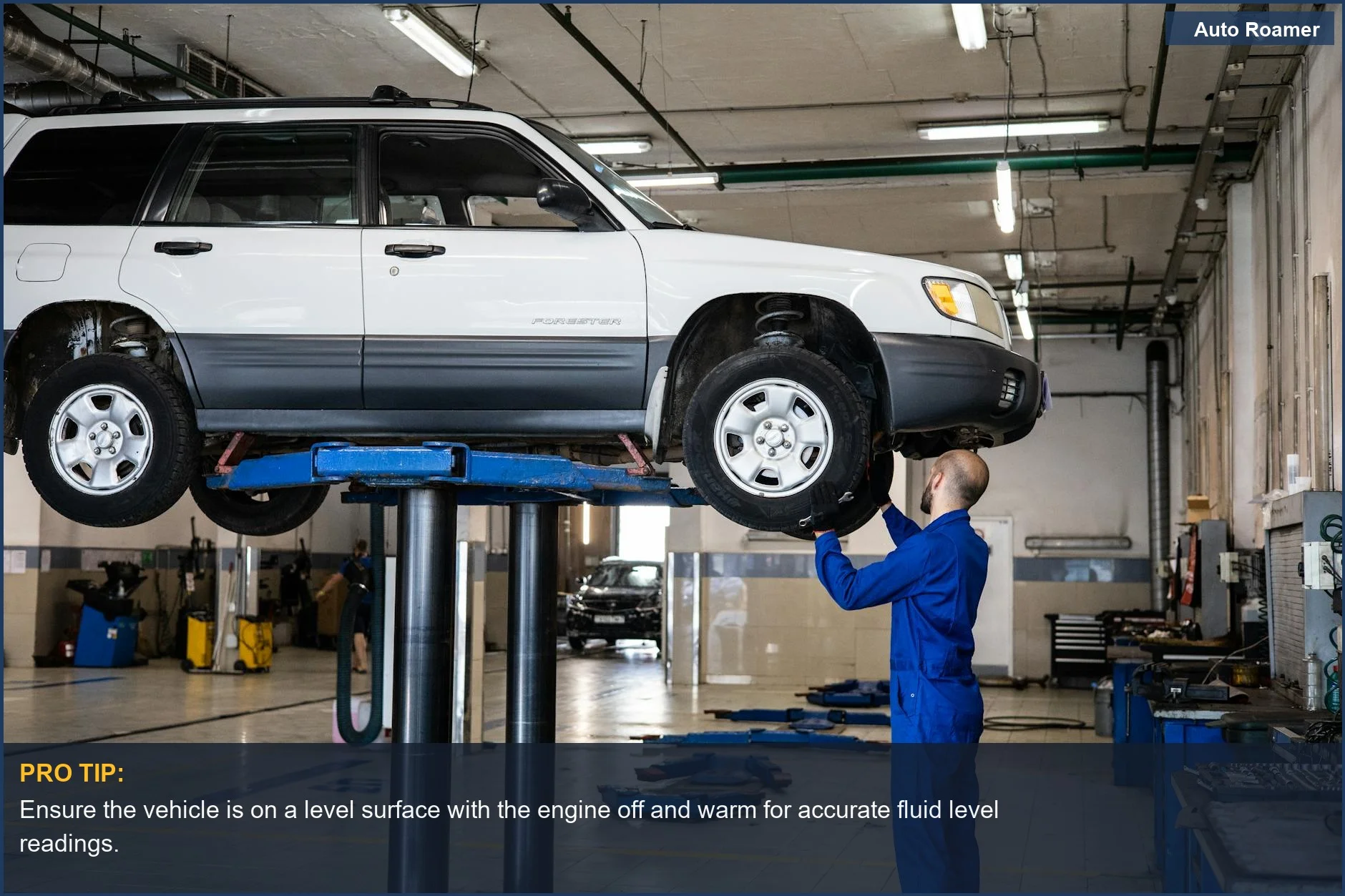
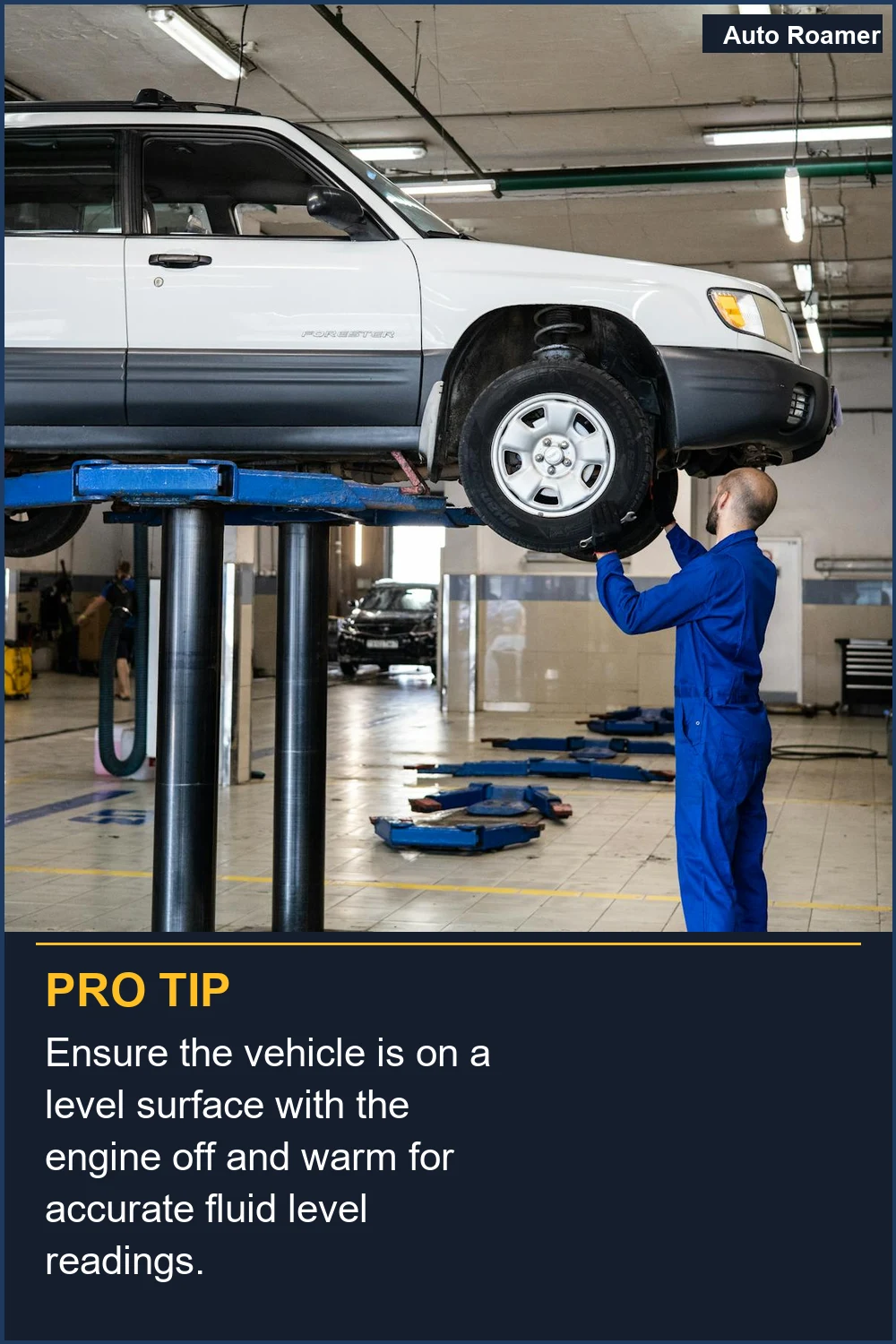
Ensure the vehicle is on a level surface with the engine off and warm for accurate fluid level readings.
Lifting a vehicle allows for a thorough car maintenance fluids check. Always ensure it's on a level surface for precise readings. | Photo by Artem Podrez

What This Looks Like in Practice

  • Milky Oil on a Long Haul Trucking Trip A recent cross-country haul in our rig revealed a milky sheen on the engine oil dipstick. We caught it before catastrophic failure, likely averting a complete engine seizure that would have cost thousands in repairs and days of downtime. This early detection, thanks to regular checks, saved the trip. Popular Mechanics
  • Low Brake Fluid on a Summer Desert Drive During a scorching drive through the desert in a sedan, the brake warning light flickered on. A quick check showed the brake fluid reservoir was low, but upon closer inspection, the brake pads were visibly worn down to their minimum. This wasn't a leak, but a sign that the pads needed replacement soon, preventing a potential brake failure. Autokings
  • Coolant Disappearing on a Winter Mountain Pass On a challenging winter mountain pass in an SUV, we noticed the temperature gauge creeping higher than usual. The coolant reservoir was consistently low, and a subtle sweet smell in the cabin hinted at an internal head gasket seep. This slow leak, if ignored, would have led to overheating and severe engine damage. Jiffy Lube
  • Dark Transmission Fluid Before a Long Road Trip Before embarking on a multi-day road trip, a routine check of our minivan's transmission fluid revealed it was a dark, almost burnt color. This was a critical find, as continuing with this fluid would have significantly accelerated wear and potentially caused transmission failure. Flushing and replacing it saved us from a repair bill that forums suggest can easily exceed $3000. wikiHow
As you navigate winter roads, it's also wise to consider how these tech changes might affect your car maintenance costs.
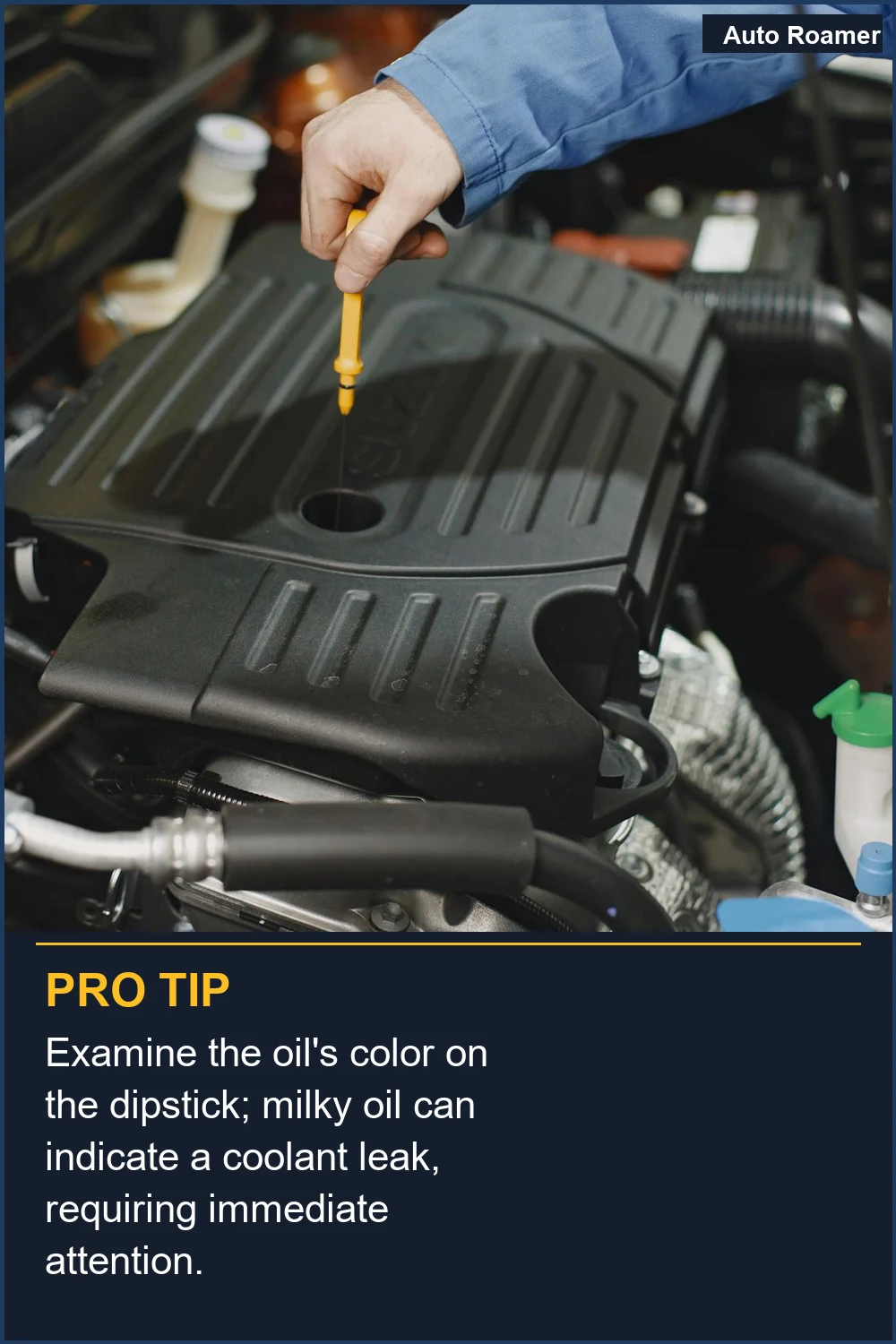
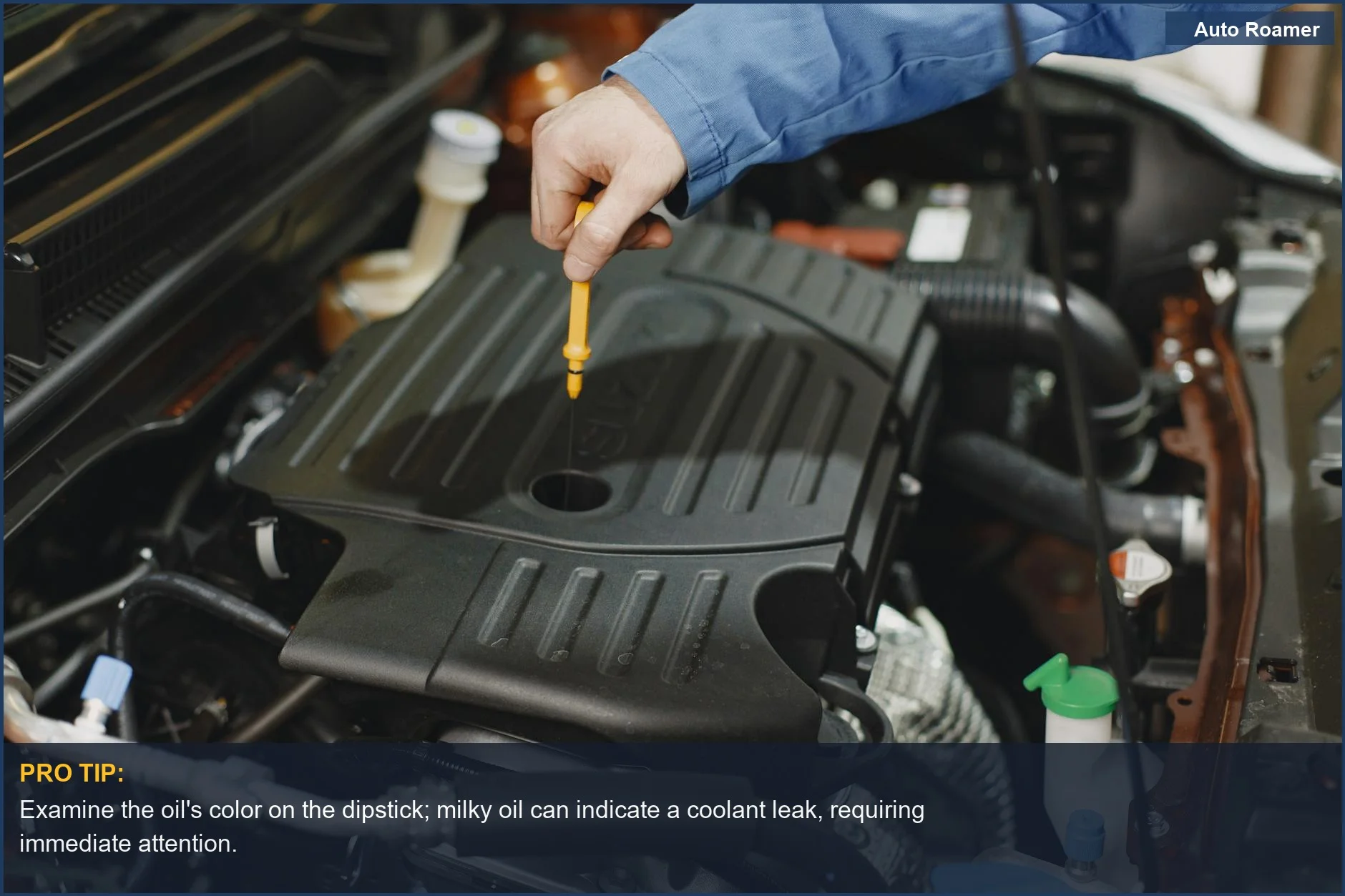
Examine the oil's color on the dipstick; milky oil can indicate a coolant leak, requiring immediate attention.
Understanding car fluid colors meaning is vital. Milky oil on the dipstick is a warning sign of potential internal engine problems. | Photo by Gustavo Fring

Mistakes That Cost People

Symptom Opening the radiator cap when the engine is hot.
Signal Scalding hot coolant spraying out.
Fix Always let the engine cool down completely before opening the radiator cap. The system is pressurized when hot, leading to severe burns.
Symptom Adding the wrong type of coolant.
Signal Coolant turns sludgy, rusty brown, or engine overheats.
Fix Never mix coolant types. Consult your owner's manual for the specific coolant your vehicle requires. Using the wrong type can corrode and damage your cooling system. Coolant comes in various colors, but color alone isn't a reliable compatibility indicator.
Symptom Ignoring a low brake fluid level.
Signal Spongy brake pedal or complete brake failure.
Fix Low brake fluid often indicates worn brake pads. A consistently low level requires immediate inspection by a mechanic. Brake fluid is critical for safety.
Symptom Overfilling engine oil.
Signal Blue exhaust smoke, engine knocking, or oil leaks.
Fix Overfilling causes the crankshaft to churn oil into foam, leading to poor lubrication and potential seal damage. Check the dipstick and add oil slowly, rechecking frequently. Oil should be near the maximum mark.
Symptom Never checking fluids before a long trip.
Signal Breakdown, costly towing, and missed plans.
Fix A 10-minute check before any significant journey can prevent major headaches, especially for older vehicles. Checking fluids every 4-6 months is a minimum; pre-trip checks are smart.
Understanding the importance of fluid checks can help you interpret your vehicle's alerts better, so here’s what those dashboard warning lights actually mean.
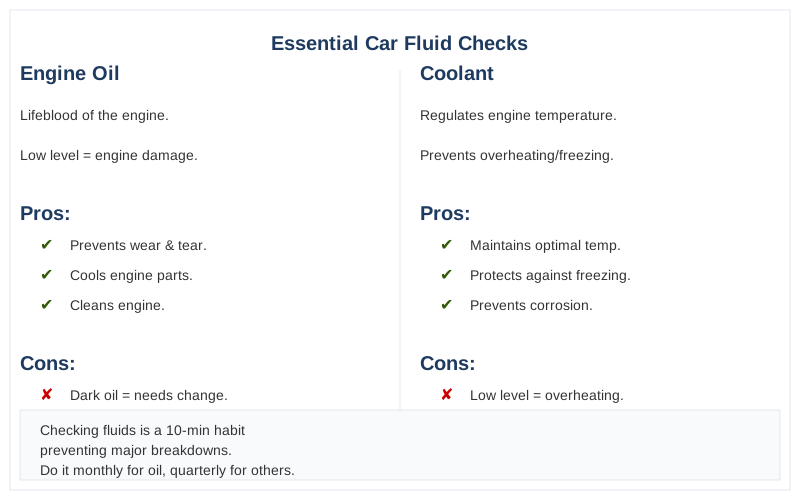
Car fluid check infographic: pros & cons.
Comparison overview for how to check all 6 essential car fluids yourself

Key Takeaways

  • A 10-minute monthly check on your car's essential fluids can prevent thousands in damage and roadside breakdowns. Don't wait for a warning light; make this a non-negotiable part of your routine car maintenance fluids check.
  • Understanding car fluid colors meaning is your first line of defense. Fresh engine oil is typically golden-amber, turning to a darker brown as it ages, while milky oil signals a serious coolant leak How to Check and Maintain the Six Essential Fluids in Your Car.
  • Bright red or pink fluid is usually healthy transmission or power steering fluid; if it turns dark or smells burnt, it's a critical warning sign Identifying Car Fluid Leak Colors and What They Mean.
  • Coolant can be green, yellow, or orange, but never mix different types, and always wait for the engine to cool completely before checking the reservoir How to Check and Maintain the Six Essential Fluids in Your Car.
  • Brake fluid should be clear or light gold when new; dark brown indicates it's time for a flush Car Fluid Leak Color Guide.
  • If you remember one thing, it's this: regularly checking your fluids is the single most effective way to keep your vehicle running reliably and avoid catastrophic failures.
To keep your car running smoothly, you might also want to learn how to change a car air filter.

Frequently Asked Questions

How often should I be checking my car's fluids? Like, is twice a year enough?
We aim to check our essential fluids at least every 5,000-10,000 miles, or roughly every 4-6 months, whichever comes first. It's a good habit to get into, especially before long road trips or extreme weather seasons. Consulting your owner's manual is always the best bet for specific recommendations for your make and model, as some vehicles have slightly different needs.
My oil looks really milky. What's up with that?
Milky oil is a major red flag, usually meaning coolant has mixed with your engine oil. This can happen if there's a breach in the head gasket or cylinder head. We've seen this on older Subarus and some Ford trucks, and it's a serious problem that requires immediate attention from a mechanic to prevent catastrophic engine damage.
Can I just top off my coolant with whatever I have lying around, or do I need a specific type?
Mixing different types of coolant can cause gelling and clog your cooling system, leading to overheating. Coolants come in various formulations (like green, orange, or pink) and additive packages; using the wrong one is a recipe for disaster. Always check your owner's manual for the manufacturer's specified coolant type and color for your vehicle.
My brake fluid level seems to be dropping. Is that normal?
A consistently dropping brake fluid level is not normal and often indicates a leak in the brake system, most commonly at the brake pads or caliper seals. As brake pads wear down, the caliper piston extends, which can slightly lower the fluid level, but a significant drop means you need to get it checked by a mechanic ASAP, as compromised brakes are incredibly dangerous.
My transmission fluid is sealed, so how can I even check that?
Many newer vehicles have sealed transmissions, meaning there's no dipstick for easy checking. For these, you'll need to locate the transmission fluid fill plug (consult your owner's manual or a mechanic). The check is usually done with the engine running and warm, and the fluid level should be at the bottom of the fill hole; if it's low, you'll need to add the specific type of fluid recommended for your car.
What do the different car fluid colors mean when I see a leak?
Fluid colors are our best clue to identifying leaks. Bright red or pink often points to transmission or power steering fluid, while yellow or green usually means coolant (antifreeze). Brown or black could be engine oil, and clear or light amber might be brake fluid. If you see a puddle, noting the color and location can help diagnose the issue quickly.

Sources

Related Articles