Car Camping

What Are the Different Types of Truck Canopies for Camping?

Casey - The Weekend Warrior
5 min read
Includes Video

My first truck camping rig was a beat-up Ford Ranger with a dusty old topper I got for $200. It leaked. Like, a lot. My sleeping bag was soaked on a trip to the Adirondacks in August. Turns out, not all truck caps are built for sleeping.

My first truck camping rig was a beat-up Ford Ranger with a dusty old topper I got for $200. It leaked. Like, a lot. My sleeping bag was soaked on a trip to the Adirondacks in August. Turns out, not all truck caps are built for sleeping. Some are just glorified toolboxes. Knowing the difference between a basic truck cap and something actually designed for camping can save you from a soggy sleeping bag and a lot of buyer's remorse.

It's not just about covering your truck bed; it's about creating a functional space for your adventures. This isn't rocket science, but it's definitely a rookie mistake to buy the wrong one. The real move is understanding what you actually need before you hand over your cash.
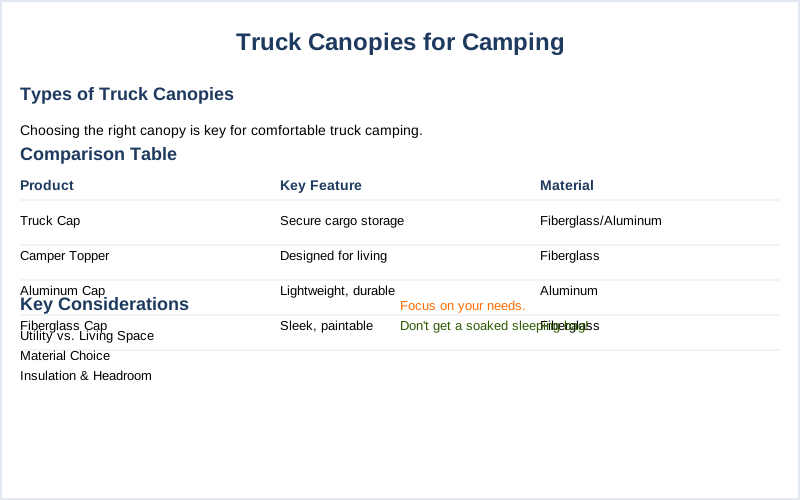
What Are the Different Types of Truck Canopies for Camping? — Key Specifications Compared
Key specifications for What Are the Different Types of Truck Canopies for Camping?

The Core Answer

Look, when people talk about truck caps for camping, they're usually talking about two main types: truck caps (or camper shells) and actual camper toppers. The honest version is that they started out as different things. Truck caps, also called camper shells, originally came from the need to keep tools and gear dry and secure. Think contractors and tradespeople. They're built tough for utility and cargo protection. Then there are camper toppers. These are generally designed from the ground up with sleeping and adventure in mind. They often have better insulation, more headroom, and features geared towards living in them, not just storing stuff. It's a subtle but important difference. When you're looking, you'll see a few material options. Fiberglass is common, looks pretty sleek, and can be painted to match your truck. It's a solid all-around choice. Aluminum is usually lighter and cheaper, often found on more utilitarian caps, but can be noisier and less insulated. Some newer composite or plastic ones are out there too, but I haven't personally put a ton of miles on those yet. Fiberglass is my go-to for a blend of durability and comfort. Designs vary too. You've got your basic cab-high caps that match the roofline of your truck. These are the most common and usually the most affordable. Then there are mid-rise or high-rise options. These give you significantly more headroom, which is a game-changer if you plan on spending any time actually sitting up inside. I learned that the hard way, trying to play cards in my cab-high cap and feeling like a pretzel. More headroom means more comfort. Some caps come with windows on the sides, which is a nice touch for light and ventilation. Others are solid. For camping, I'd strongly recommend at least one or two windows, preferably with screens. Nothing worse than a stuffy truck bed full of mosquitoes. The $500 version might have basic windows, while the $2,500 version might have pop-out vents and built-in lighting. Think about what you'll actually use. And don't forget about the lock. Most caps have a locking tailgate handle, which is decent for deterring casual theft. But if you're storing super valuable stuff, you might need to add extra security. It's not a bank vault, but it's better than nothing. My first cap's lock was a joke; I could jiggle it open with a credit card. Brilliant engineering. Security is a factor, but not the only one.
To maximize your truck canopy's potential, consider how it aligns with your camping needs in our article on choosing the right size.
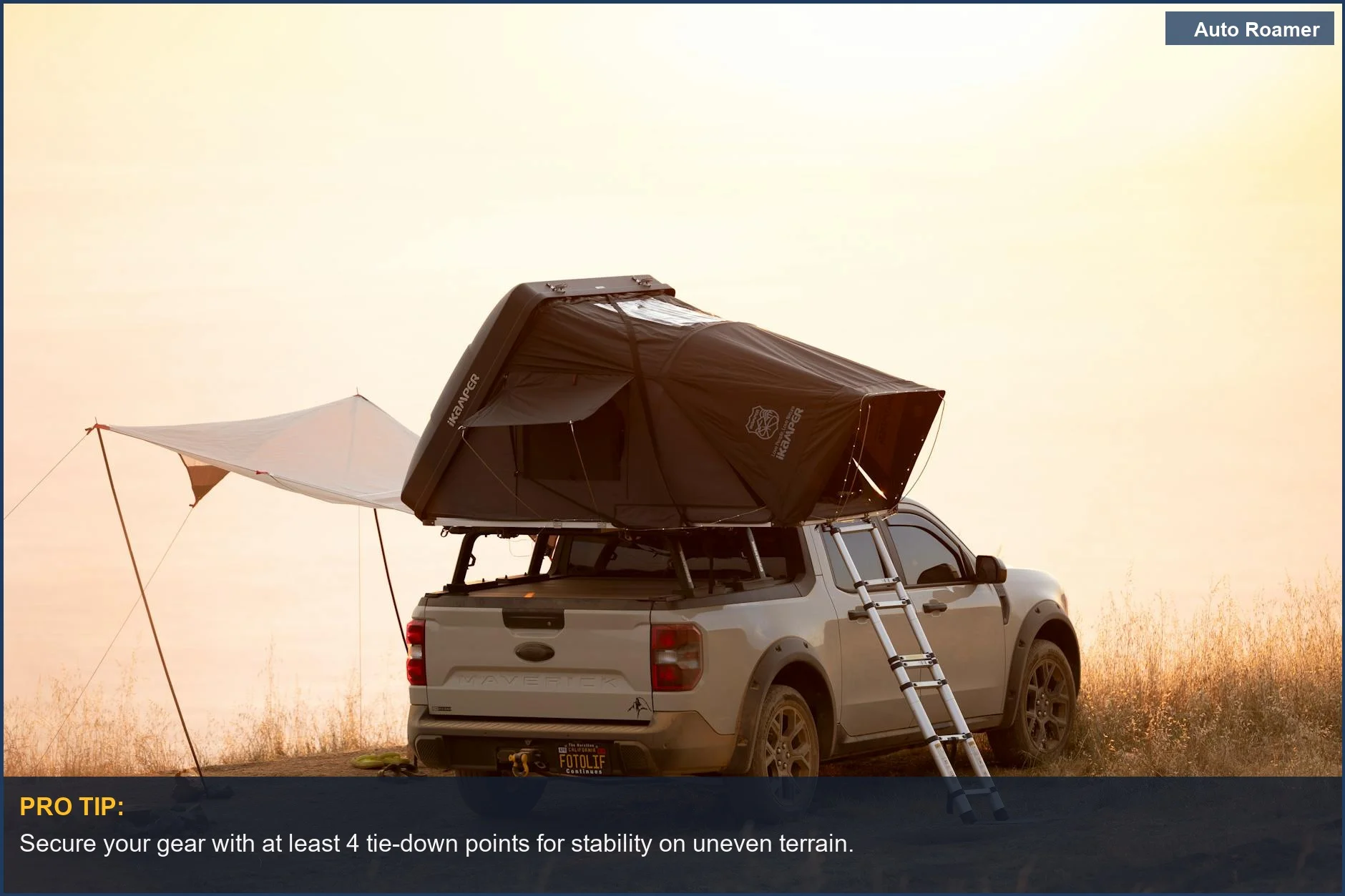
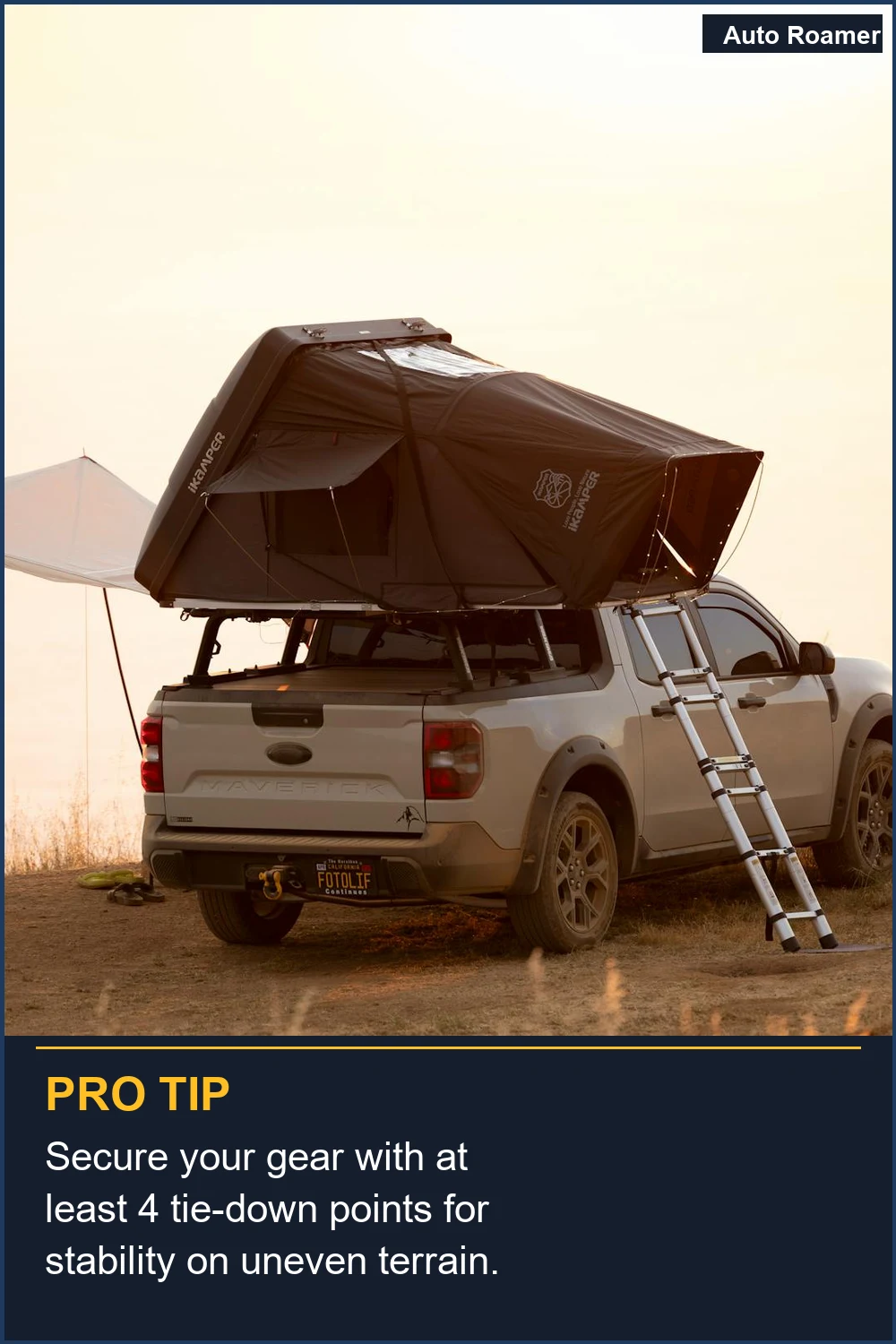
Secure your gear with at least 4 tie-down points for stability on uneven terrain.
Experience breathtaking sunsets with a rooftop tent setup, one of the versatile truck canopy types that elevates your camping comfort and convenience. | Photo by Stephen Leonardi

Why This Matters for Your Setup

  • Weatherproofing is Key: My first leaky cap in the Adirondacks taught me that "weatherproof" is not a given. You need seals that are actually sealed, not just glued on. A decent cap will keep the rain out so your sleeping bag doesn't feel like a swamp. This is non-negotiable for comfort.
  • Headroom for Sanity: Trying to change clothes or just sit up in a low-profile cap is a misery. I once spent 3 hours in my cramped cap during a thunderstorm, feeling like I was in a sardine can. A high-rise cap, even a few extra inches, makes a world of difference. It turns a cramped box into a usable space.
  • Ventilation Prevents Stale Air: In the summer, a sealed truck bed gets hot and stuffy fast. Windows with screens let air flow through without letting bugs in. I forgot to open my windows once on a humid night and woke up in a sweatbox. Good airflow is crucial for a decent night's sleep.
  • Cargo Security Matters: While not Fort Knox, a locking cap keeps your gear safe from opportunistic thieves. On a trip in Colorado, I left my cooler and backpack in the truck overnight. Woke up to find the lock intact and everything still there. Peace of mind is worth a lot.
  • Understanding weight limits and installation considerations can further enhance your camping setup and overall experience.
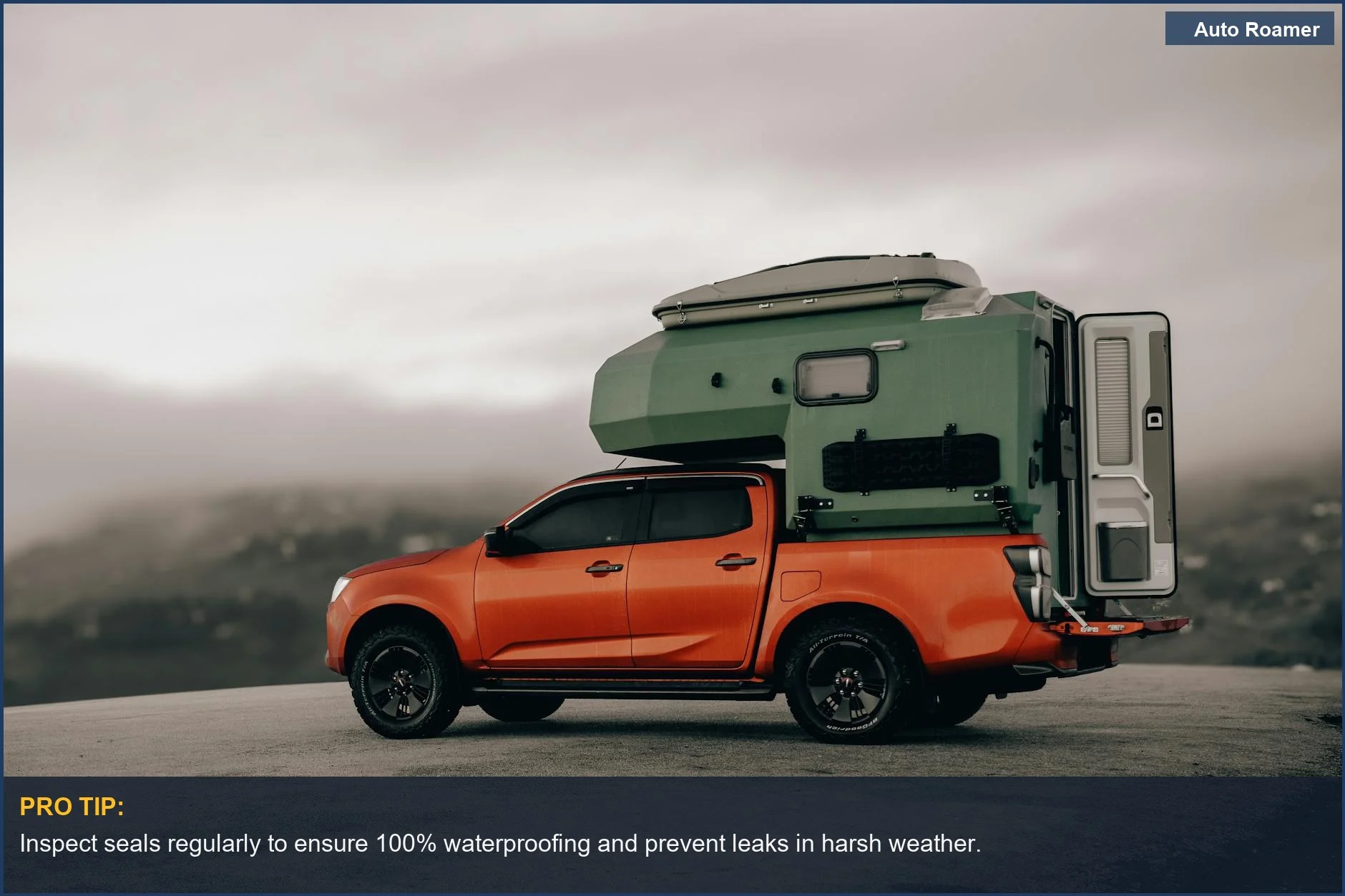
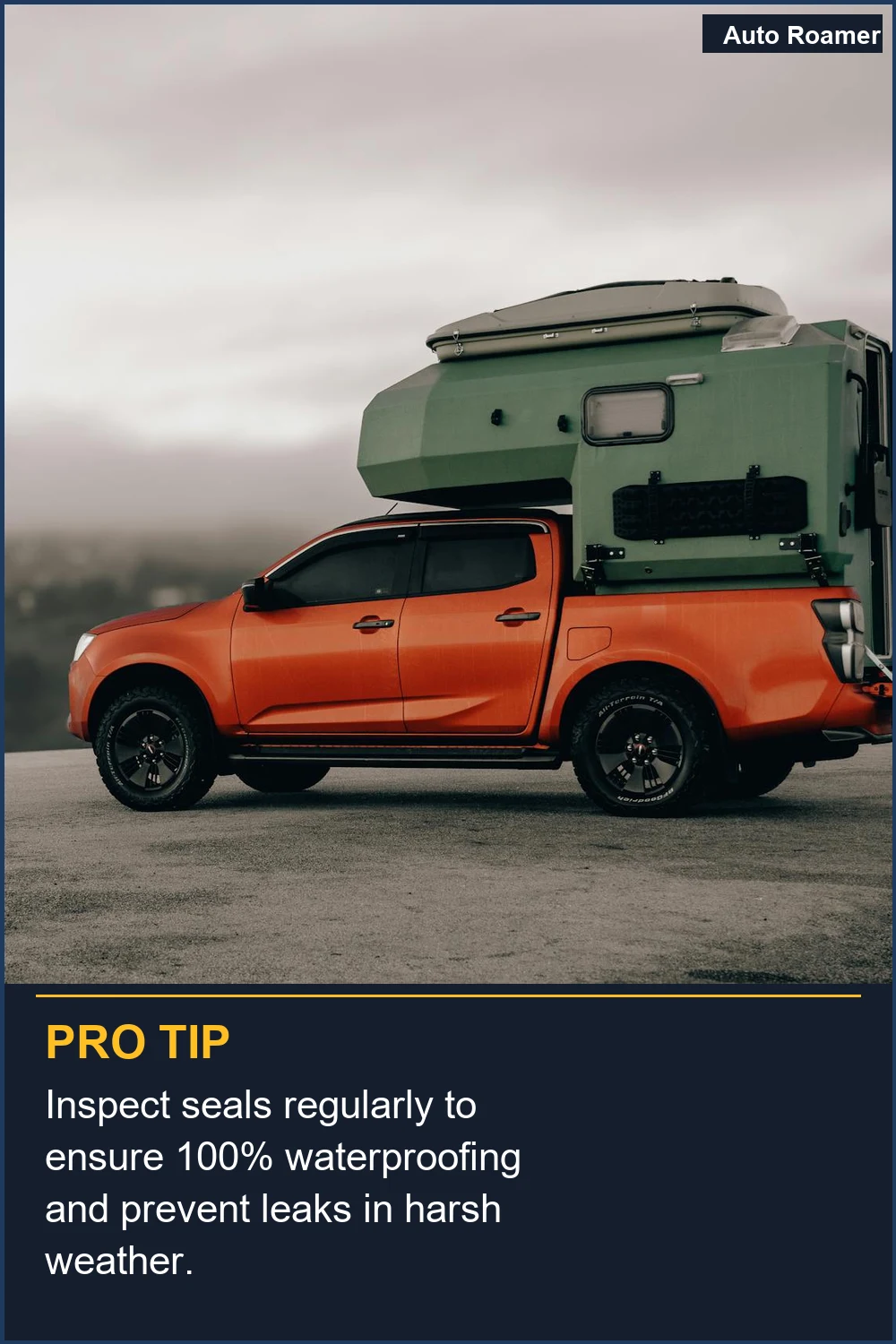
    Inspect seals regularly to ensure 100% waterproofing and prevent leaks in harsh weather.
    This eye-catching camper stands out on a foggy mountain road, demonstrating how a well-maintained truck canopy can be your cozy haven for adventures. | Photo by M.Emin BİLİR

    Making the Right Choice

  • Define Your Use Case: Are you hauling lumber or hauling your sleeping bag? A contractor cap might be cheap, but it won't be comfortable for sleeping. A dedicated camper topper is pricier but designed for living. Know what you're buying.
  • Budget Realistically: You can find basic caps for a few hundred bucks used, or spend $2,000-$4,000 on a new, feature-rich fiberglass model. My $200 leaky cap was a lesson learned. The $1,500 one I have now was worth every penny. Don't cheap out on the most important part of your mobile home.
  • Inspect Thoroughly: If buying used, check for cracks, leaks, and functional locks. Open and close all the windows. Make sure the seals look intact. I once bought a cap where the side window seal was completely rotted out. A little inspection saves a lot of headaches.
  • Consider Installation: Some caps are DIY-friendly, others are best left to the pros. Improper installation can lead to leaks and damage. My buddy tried to install one himself and ended up with a gap big enough for a squirrel to get through. Professional installation usually guarantees a better seal.
  • To enhance your camping experience, consider the features highlighted in our article on the best truck canopy for camping.
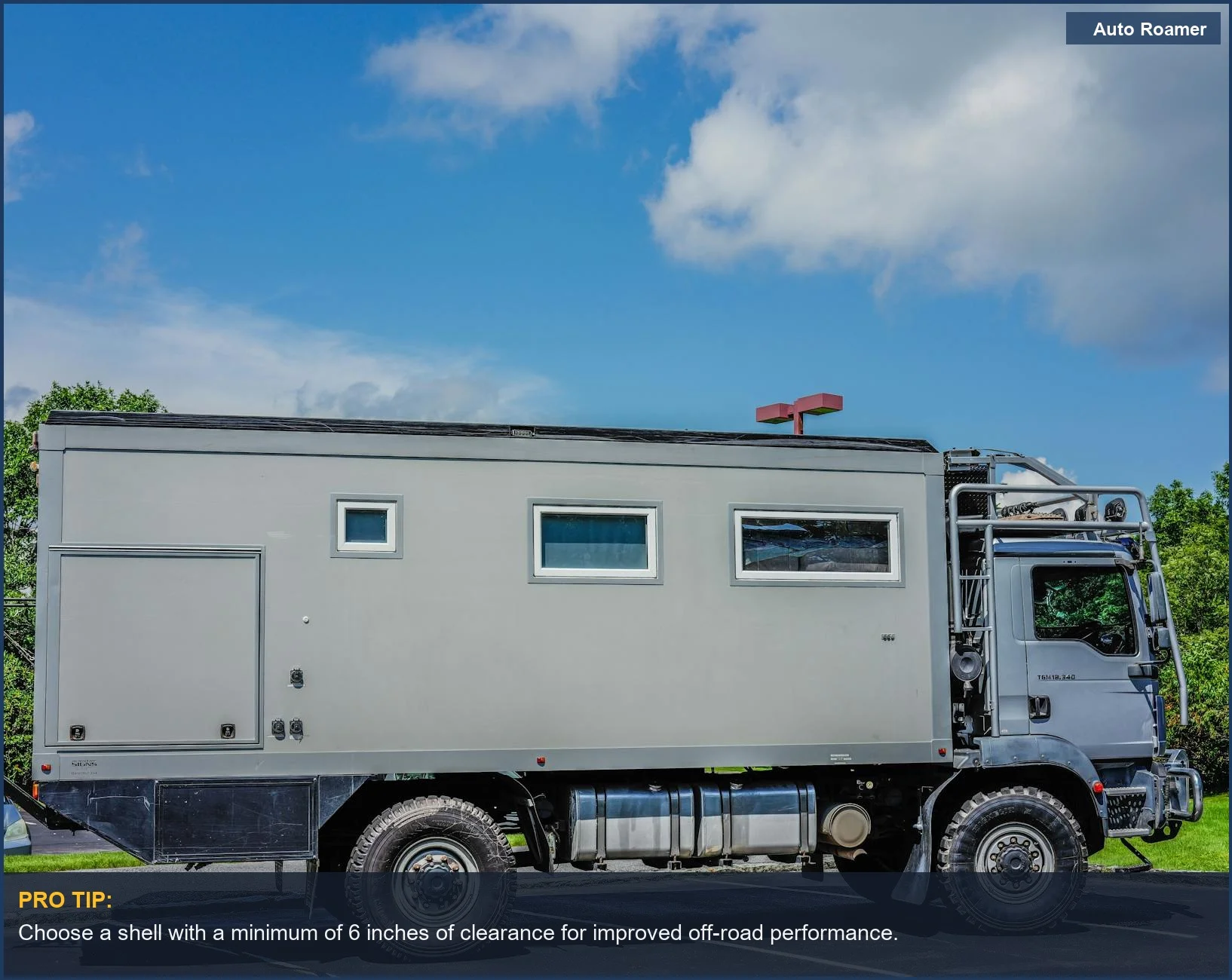
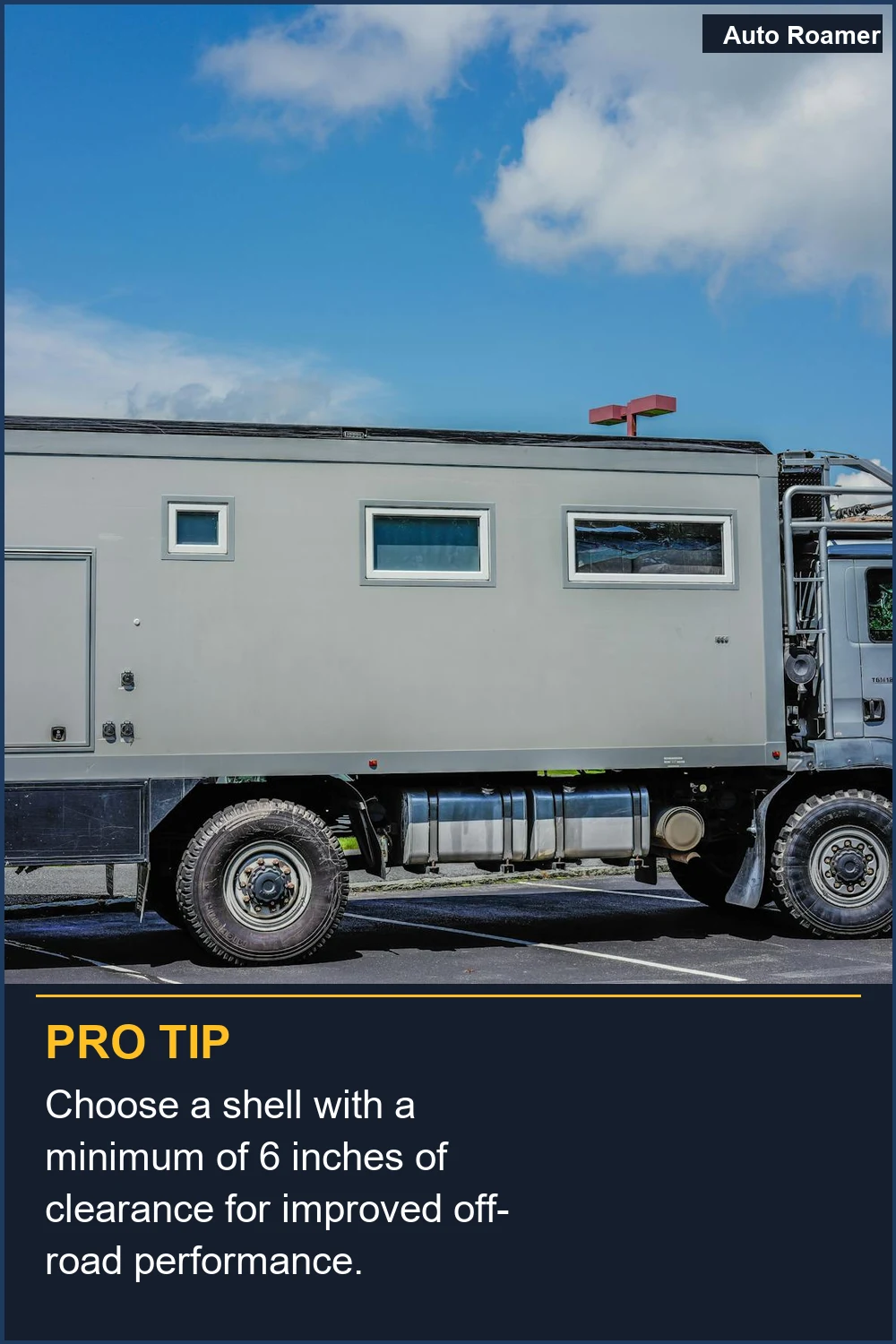
    Choose a shell with a minimum of 6 inches of clearance for improved off-road performance.
    Built for the wild, this expedition vehicle highlights the robust nature of some truck canopy types, designed to withstand challenging off-road conditions. | Photo by R9 Media Photo Collective

    Frequently Asked Questions

    Can I just slap some plywood in a cheap tool cap and call it a camper?
    You absolutely can, and I did for a bit. It'll cost you maybe $50 in wood and screws. But you'll quickly realize the ventilation is terrible, it's going to be loud as heck when it rains, and good luck keeping it dry. A proper camper topper might cost $1,500+, but it's built for purpose, not just for hauling drills.
    Do I need to measure my truck bed down to the millimeter before I buy a cap?
    Nah, you don't need a tape measure for that. Most caps are designed for specific truck models and bed lengths (e.g., '6-foot bed for a Ford F-150'). The dealer or online seller will have charts. Just know your truck's year, make, and model, and whether you have a standard, short, or long bed. Trying to use a bubble level on your truck bed is overkill.
    What if the cap I buy still leaks a little, even after I install it?
    A tiny drip here and there might happen, especially on older caps or if you hit a torrential downpour. For minor leaks, I've had good luck using automotive-grade silicone sealant around the edges of windows or where the cap meets the truck bed. If it's gushing water, then you've got a bigger problem and might need to re-seal the whole thing or consider replacing the rubber seals.
    Can having a truck cap permanently warp my truck bed?
    Not if it's installed correctly. The cap is designed to bolt onto the existing mounting points of your truck bed. The real danger is overtightening the bolts, which can potentially dent or warp the bed rails. Most reputable installers know the torque specs. If you're doing it yourself, follow the instructions to the letter.
    Myth: All truck caps are the same and you can just use any old one for camping.
    This is the biggest rookie mistake. A contractor's cap is built for security and durability, but often lacks insulation, proper ventilation, and headroom. A camper topper is designed from the ground up for comfort and living space. You wouldn't use a toolbox as a tent, right? Same logic applies here.

    🏅 Looking for Gear Recommendations?

    Check out our tested gear guides for products that work with this setup:

    C

    Casey - The Weekend Warrior

    Weekend car camper and road trip enthusiast. Focuses on practical, budget-friendly solutions for families and first-time campers.

    Sources

    Related Articles