
How to Choose the Right Size Truck Canopy for Your Camping Needs
My first truck canopy was a $300 Craigslist special for my beat-up Tacoma. It was bright white, didn't quite seal right, and I learned quickly that "cab-high" meant it was exactly the same height as my cab, which isn't much headspace.
My first truck canopy was a $300 Craigslist special for my beat-up Tacoma. It was bright white, didn't quite seal right, and I learned quickly that "cab-high" meant it was exactly the same height as my cab, which isn't much headspace. I figured any old cap would do for car camping, but then I tried to sleep in it during a spring rainstorm in the Adirondacks.
Turns out, a gap around the tailgate and a lack of insulation means you're basically sleeping in a very noisy, very wet metal box. This whole "truck bed camping" thing is supposed to be easier than tent camping, right?
I bought that first canopy because I saw other people with them and figured it was the next logical step after my $47 Walmart foam pad experiment. The honest version is, it's easy to get lost in the jargon and the fancy aluminum modular systems that cost more than my first car.
But for beginners, it usually boils down to one main thing: making sure you have enough room to actually exist in your truck bed without feeling like you're crammed into a sardine can. Kermode Overlanding even says the first step is figuring out what you're doing with your truck. Brilliant.
The Core Answer
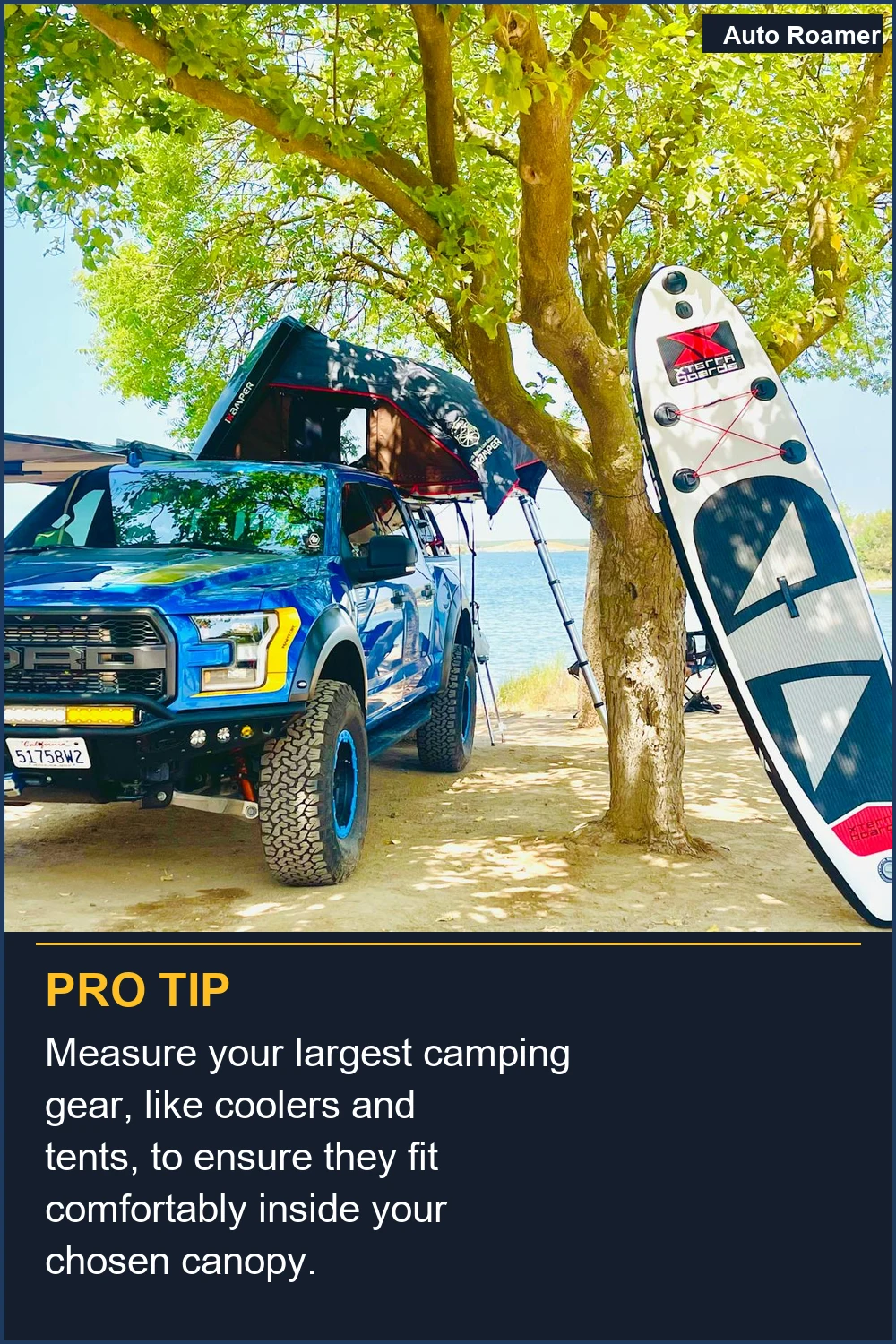
The biggest rookie mistake I see people make with truck canopies is not thinking about how much actual *space* they need inside. My first one was cab-high, which sounds like a good idea for aerodynamics, but it meant I could barely sit up straight. I bought it because it looked clean campandcruise.com, but it was a nightmare for actually living in. Take The Truck points out that interior height directly impacts your ability to move around, change clothes, or even just eat without feeling claustrophobic. If you plan on sleeping in your truck bed regularly, you absolutely need to consider a "mid-rise" or "high-rise" canopy. These are taller than your cab and give you precious extra inches. My second canopy was a mid-rise, and the difference was night and day. I could finally sit up, make coffee without banging my head, and it just felt way more comfortable. It wasn't the cheapest option, but the added livability was worth every penny. Truck Builders LLC talks about choosing a model that provides the storage space you need, and that absolutely includes headspace for sleeping. When you're measuring, don't just measure your truck bed length. You need to know the internal height of the canopy itself. Most guides will tell you to measure your bed, but they forget that the canopy itself adds structure. Look at the specs for the canopy's interior dimensions. A good mid-rise canopy can add 6-10 inches of height over a cab-high model. This is the real move to avoid feeling like you're in a coffin. LEER stresses accurate measurement, and that includes understanding the canopy's internal volume, not just your bed's. Fiberglass is the classic look and usually quieter, but aluminum or modular systems are becoming more popular for their durability and customization options. For pure camping, a fiberglass mid-rise or high-rise is often the sweet spot. They look decent, they're reasonably insulated, and they give you that crucial extra headroom. Don't get suckered into a basic cab-high if you actually want to *live* in your truck for a weekend. It's the difference between a fun adventure and a cramped, miserable experience.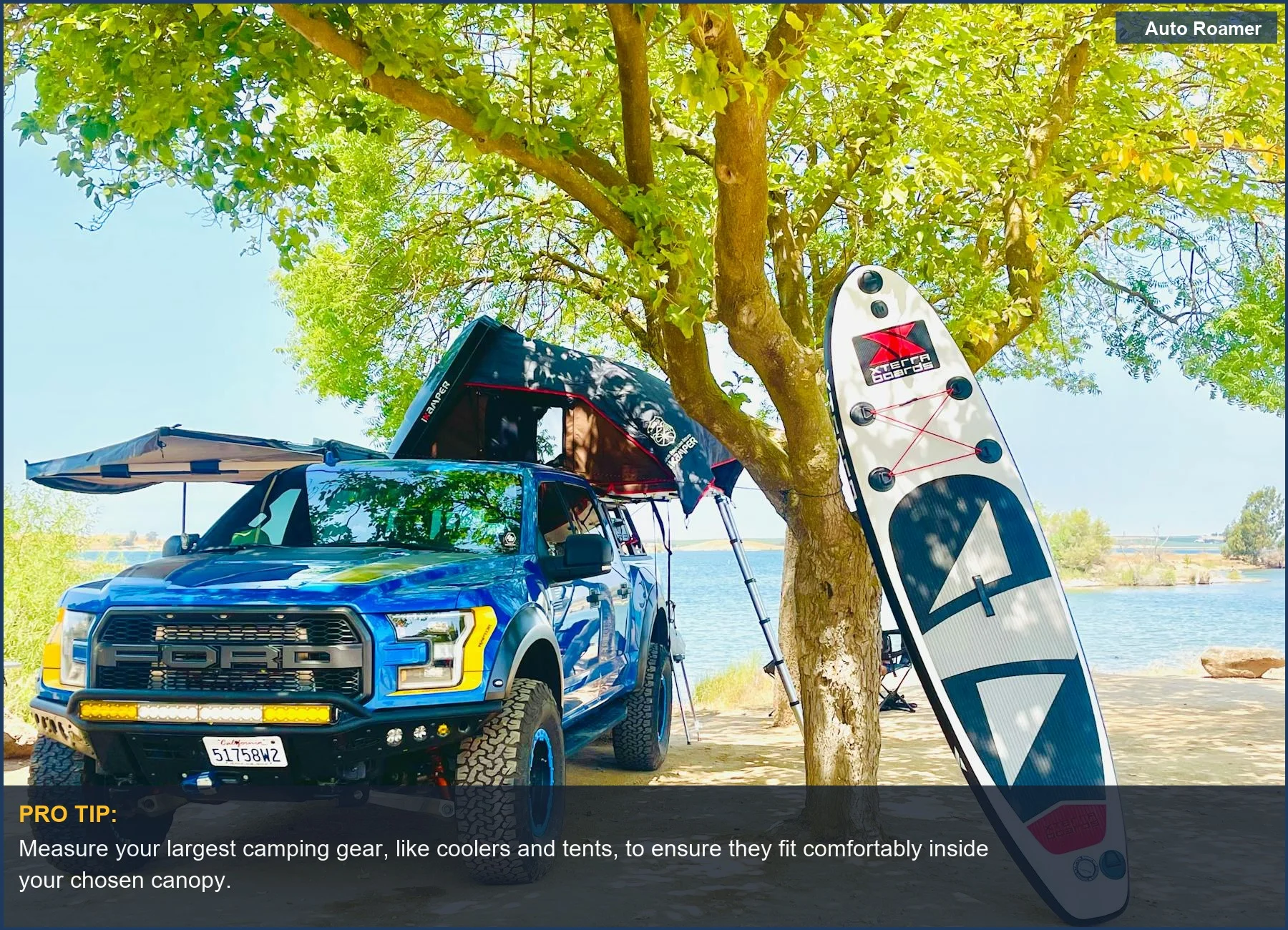
Why This Matters for Your Setup
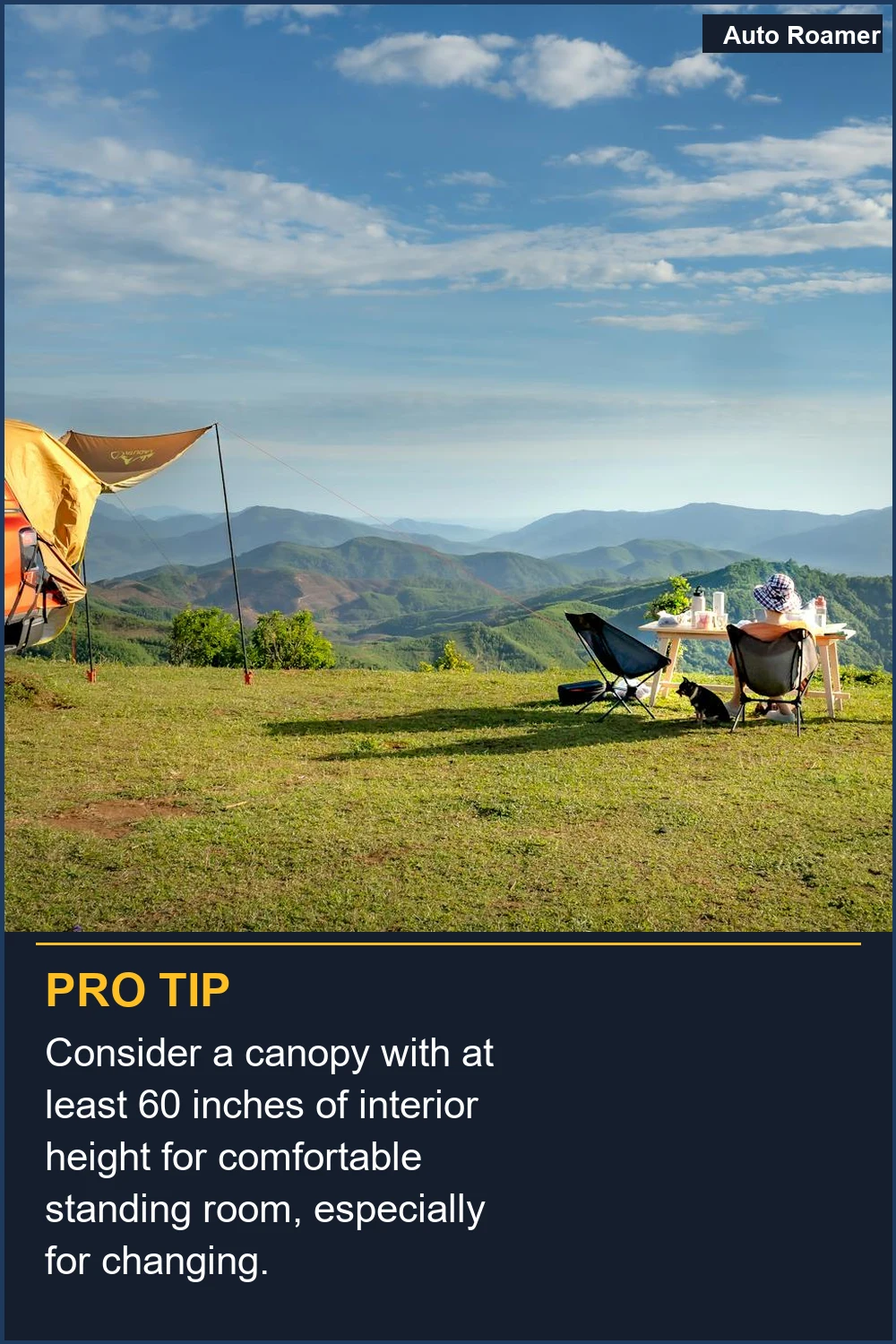
For my first 3-day trip to Zion National Park, I bought a cab-high canopy. It looked sleek, sure, but trying to change clothes inside was like a contortionist act. I ended up just changing outside in the dirt, which wasn't ideal when it started raining. The real move is to prioritize height if you plan on spending any significant time inside.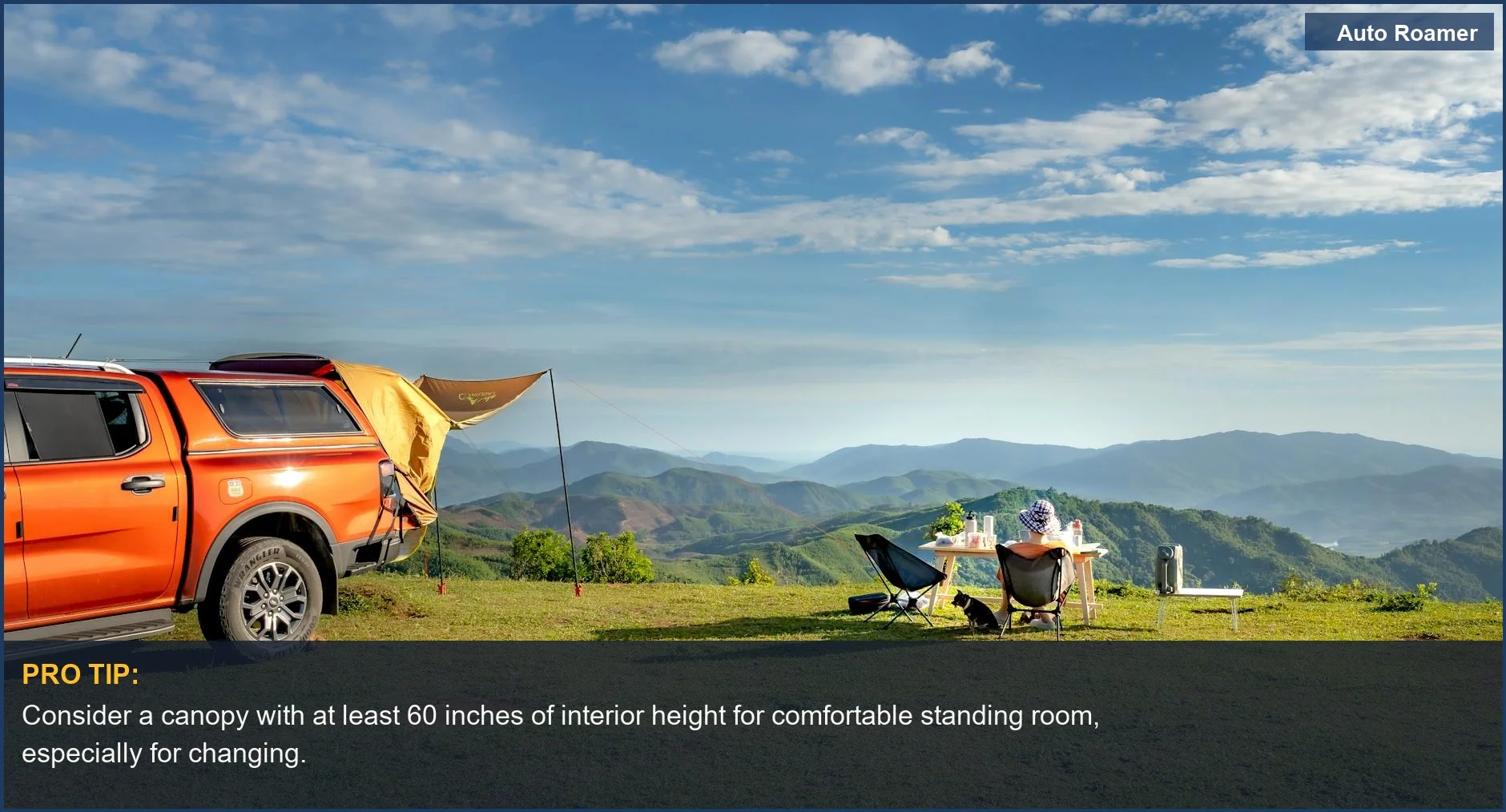
Making the Right Choice
Picking the right truck canopy isn't just about looks; it's about making your camping setup actually functional. My first canopy was a $300 mistake that taught me a hard lesson about interior space. Don't make the same error. Seriously, measure twice and buy once, and think about how you'll actually *use* the space, not just how it looks on your truck.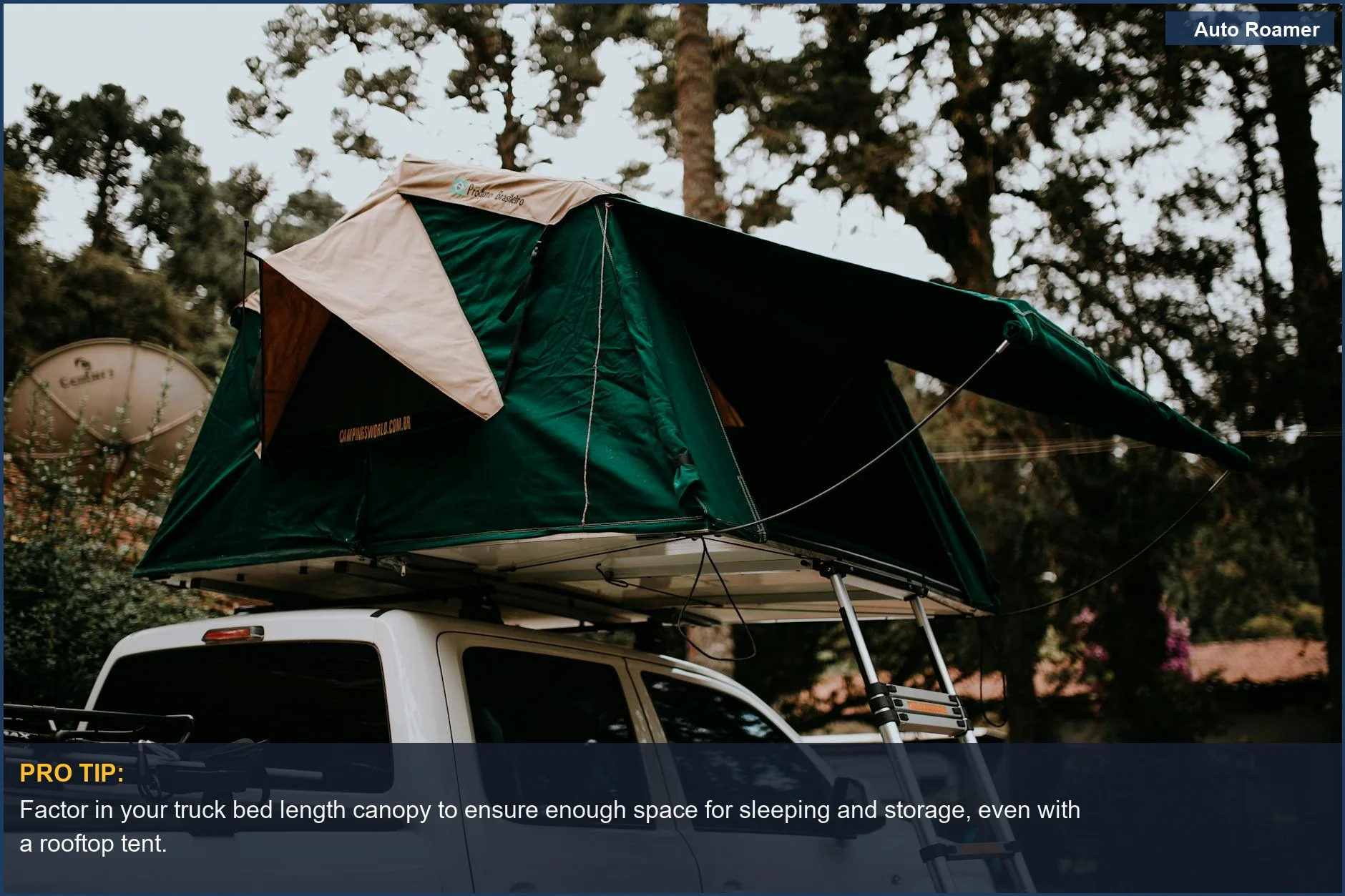
Frequently Asked Questions
I saw a cool modular aluminum canopy online for $4,000. Is it really worth spending that much when I could probably build something myself for $500 in plywood?
Do I really need to get out a tape measure and get super precise with my truck bed dimensions, or can I just eyeball it?
What if I buy a canopy and realize it's too short to sleep in comfortably? Can I just add risers or something?
Will having a truck canopy permanently affect my truck's resale value?
I keep hearing about "overlanding" canopies with gullwing doors. Do I really need all that fancy stuff, or is a basic fiberglass shell enough for camping?
🏅 Looking for Gear Recommendations?
Check out our tested gear guides for products that work with this setup:
Sources
- Truck Caps: What to Look for in 2025 - Kermode Overlanding
- Top Tips for Picking the Perfect Truck Cap - LEER
- TRUCK CAPS 101 - Everything you need to know if 5 MINUTES
- What are some do's and don'ts for a truck canopy camp setup?
- How to Choose the Right Truck Topper - Camp & Cruise
- The Ultimate Guide to Truck Caps: A Comprehensive Adventure ...
- How to Choose a Truck Canopy for Truck Topper Camping
- How To Pick The Best SnugTop Canopy For Your Truck