
Three Bed Lengths, and Only Two You Can Stretch Out In
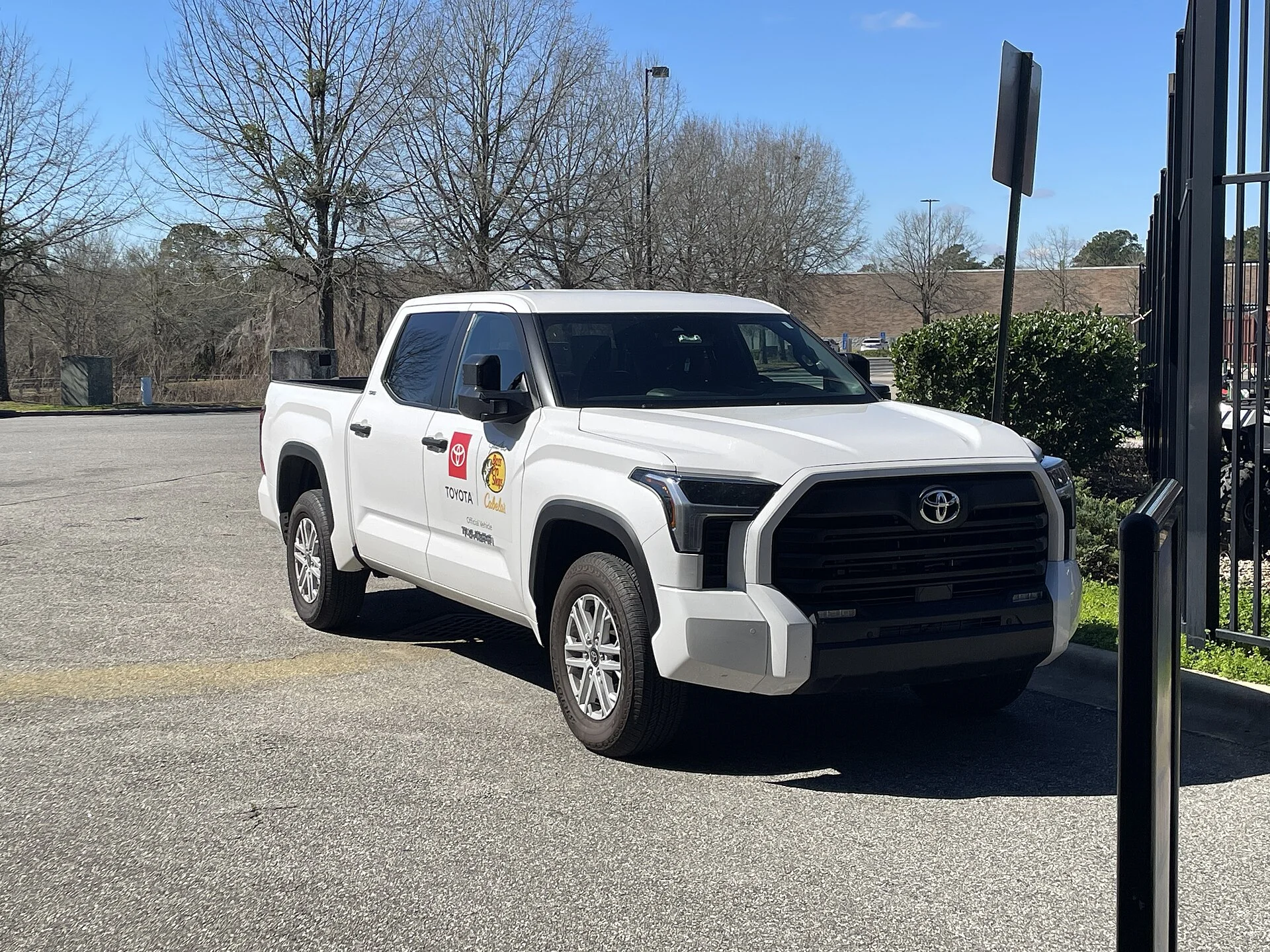
The cheap mistake with a Tundra is assuming any bed is long enough to sleep in. It is not. The Toyota Tundra comes in three bed lengths — 5.5 feet, 6.5 feet, and 8.1 feet — and the most popular one, the 5.5-foot CrewMax bed, is too short for most adults to lie flat in without help. That single fact reshapes which truck you should buy if camping is the plan.
Here is the trap: the 5.5-foot bed pairs with the CrewMax cab, which is the roomy back-seat configuration families love, so people buy it for the cab and inherit a bed that leaves a six-foot adult short. Meanwhile the longer 6.5-foot and 8.1-foot beds pair with the Double Cab, trading rear-seat space for bed length. You are choosing between cab room and sleep room, and the salesman rarely frames it that way.
I look at this the way I look at any purchase: where does spending more actually pay off, and where is the cheap option a false economy? A bed you cannot sleep in is a false economy if car camping is your goal, but there are inexpensive fixes for the short bed that change the math. It depends entirely on how you plan to use the truck.
Everything below traces to the published Tundra bed and dimension figures, compared impersonally, plus honest guidance on the measurements you will have to take yourself. I have not laid a mattress in a specific Tundra; I am reading the spec sheet the way a budget-minded wrench reads any spec — for where the real value and the real limits are.
What Each Bed Length Means for Sleeping
Start with the raw numbers, because they decide everything. The 5.5-foot CrewMax bed offers about 55.5 cubic feet of cargo volume, the 6.5-foot bed about 65.6 cubic feet, and the long 8.1-foot bed a cavernous 81.6 cubic feet. Those volume steps track the length steps, and length is what a sleeper cares about.
The blunt reality is that a 5.5-foot bed is shorter than most adults are tall. Lie down in it with the tailgate up and your knees are bent or your feet are against the bulkhead. It works for a shorter person, for a diagonal, or for two people sleeping crossways if the width allows, but it does not let an average adult stretch straight out. That is the number the brochure will not connect for you.
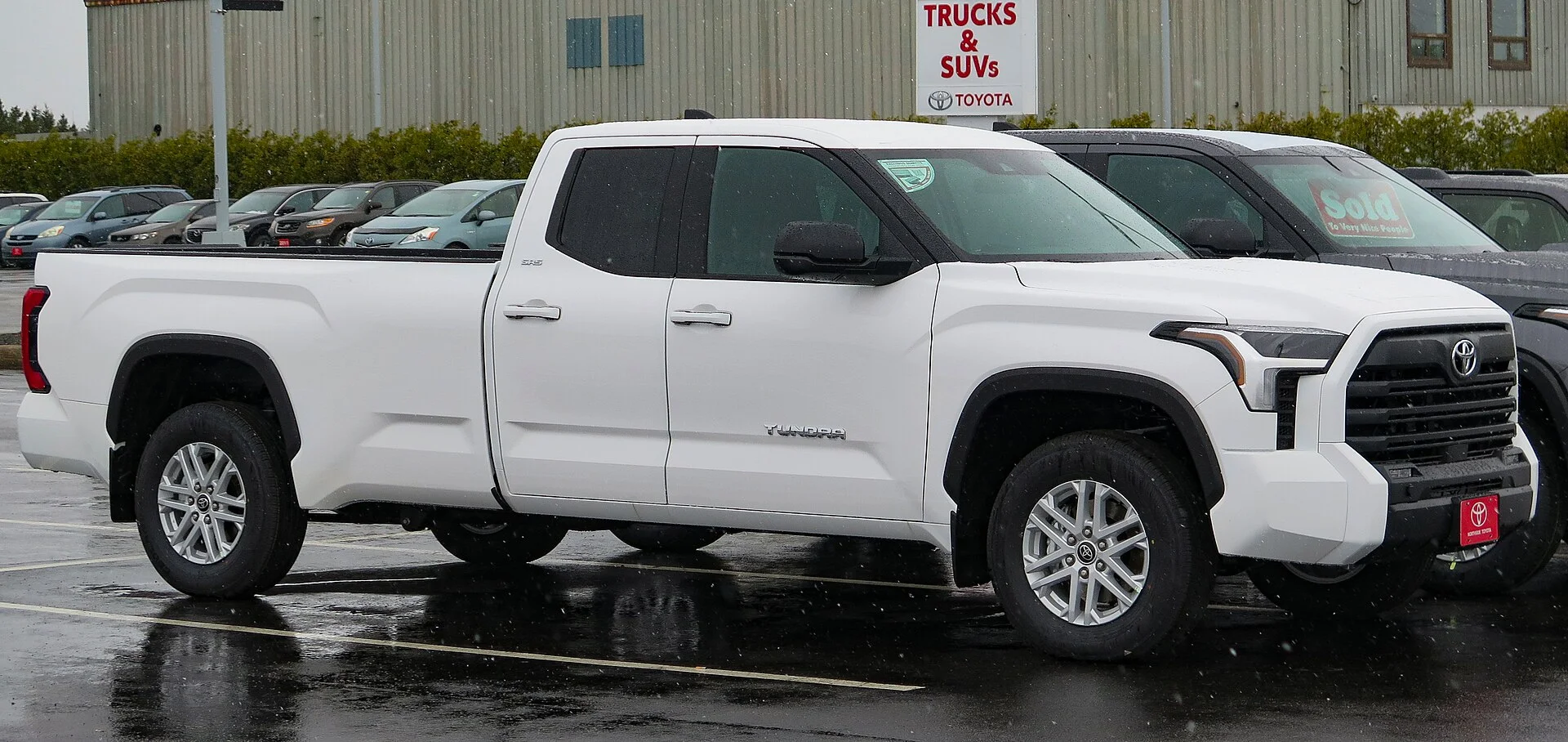
The 6.5-foot bed is the sweet spot for most campers. It is long enough that many adults can lie flat with the tailgate up, or comfortably with a bed extender, while still keeping the truck a manageable length. The 8.1-foot bed is genuinely spacious for sleeping and gear both, but it makes an already-large truck enormous to park and maneuver.
So the sleeping verdict is simple: the 6.5-foot and 8.1-foot beds let you stretch out, and the 5.5-foot bed needs a workaround. Which is fine — the workarounds are cheap — but you have to know the bed you are buying before you plan to sleep in it. Do not assume; check the length against your body.
The 5.5-Foot Bed Trap, and Why People Fall In
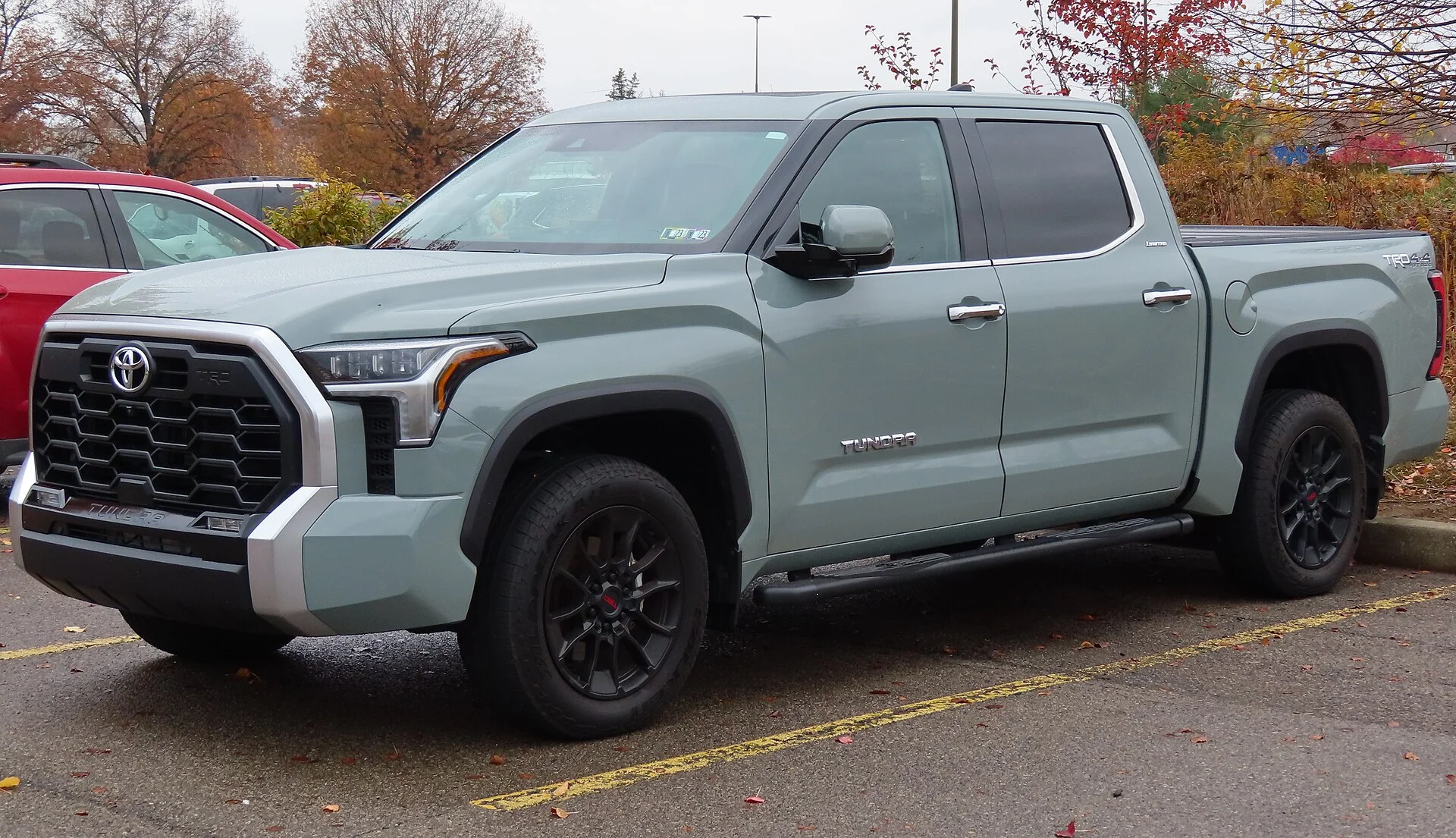
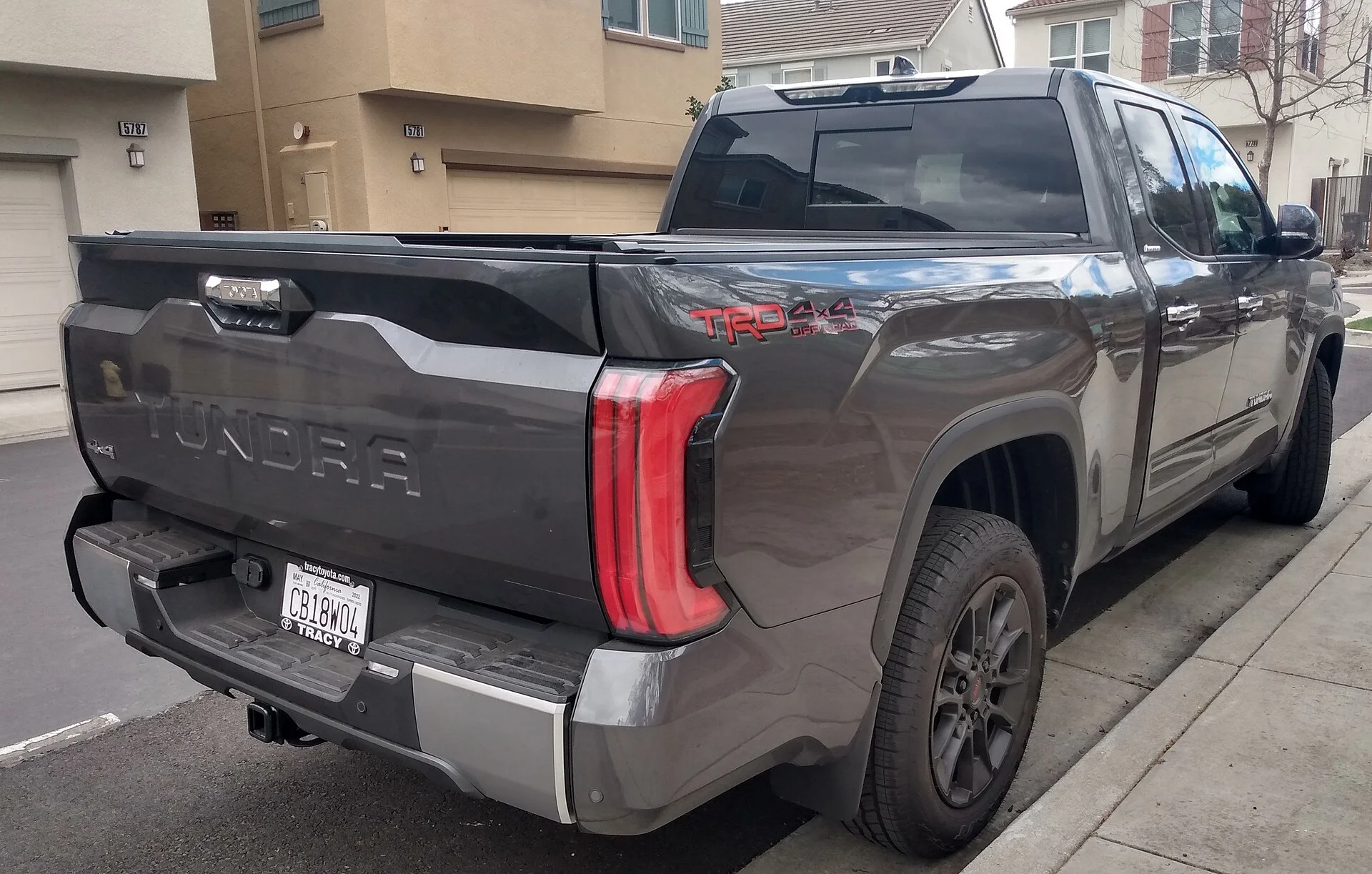
The 5.5-foot bed deserves its own discussion because it is the one most Tundra buyers end up with, and the one that surprises them. It comes with the CrewMax cab, which has the biggest, most comfortable back seat in the lineup — exactly what a family wants. So people choose the cab, and the short bed comes along for the ride.
For daily use that is a fine trade. For sleeping in the bed, it is the false economy in reverse: you paid for cab comfort and got a bed too short to lie flat in. If you never intended to sleep in the bed, no harm done. But if you bought the CrewMax picturing yourself stretched out under the stars, the 5.5-foot length is a rude awakening.
The good news is that this is one of the cheaper problems in truck camping to solve. Dropping the tailgate and adding a simple bed extender — a lightweight frame that folds out over the open tailgate — turns the 5.5-foot bed into an effectively longer platform at a modest cost. It is the budget fix that rescues the CrewMax for camping.
My value take: do not pay up for a longer bed you do not need for daily driving just to sleep flat, if a cheap extender solves it. But do go in with eyes open. The CrewMax with the 5.5-foot bed is a great family truck that needs one inexpensive accessory to become a good camper. Budget for the extender and the trap becomes a non-issue.
Tailgate Down and Bed Extenders: The Cheap Fix
The single best value move for sleeping in any Tundra bed, especially the 5.5-foot, is to use the tailgate. Dropped flat, the tailgate adds usable length to the sleeping platform, and a bed extender bridges the gap so your mattress does not sag into the opening. This turns a bed that is too short into one you can stretch out in, for a fraction of the cost of a longer truck.
A bed extender is exactly what the name says: a simple metal frame that flips out over the lowered tailgate, extending the flat surface. They are inexpensive, install without tools on most trucks, and fold back into the bed when not needed. For a camper, it is one of the highest-value accessories you can buy, because it directly fixes the length problem the 5.5-foot bed creates.
The trade-off to be honest about is weather and security. With the tailgate down and your mattress extending past it, you are more exposed, and the setup is less lockable than a closed bed. A bed cap or topper changes that equation, which we will get to, but the bare extender-and-tailgate approach is the cheapest path to lying flat in a short bed.
The value verdict: before you spend thousands stepping up to a longer bed purely for sleeping, price out an extender. A truck bed extender costs a small fraction of the price difference between trims and solves the exact problem. Spend the money where it actually pays off, and the short bed stops being a dealbreaker.
Width and Wheel Wells: The Measurement That Decides a Crossways Bed
Length gets the attention, but width decides whether you can sleep crossways and whether a mattress lies flat. The Tundra is 80.2 inches wide overall, but that is the exterior figure — the usable width inside the bed, and specifically the width between the wheel wells, is considerably less and is the number that actually matters for a mattress or a platform.
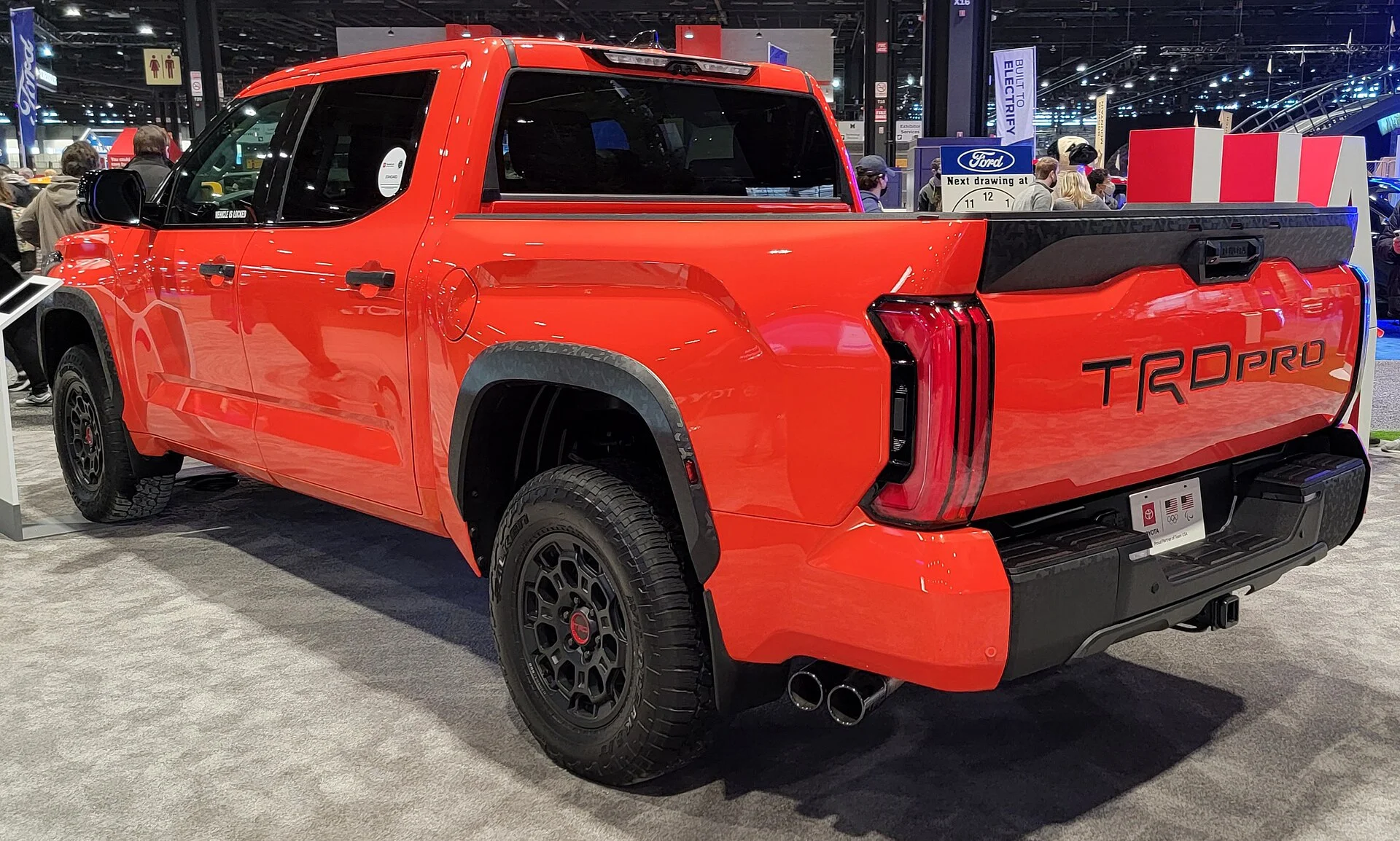
The wheel wells are the key. They intrude into the bed, creating a narrower channel at their height and a wider space above them. A mattress laid on the bed floor is limited by the width between the wheel wells; a platform built above wheel-well height gets the full bed width. This is exactly the measurement the spec sheet does not give you, so you have to take it in the actual truck.
For crossways sleeping, width is length. On the longer beds, lying side-to-side across the bed can fit two people without needing the full body length down the bed — but only if the between-the-wheel-wells width plus the space above them accommodates it. On the 5.5-foot bed, crossways is often the more practical way for two people to sleep, since lengthwise is too short anyway.
The budget-minded habit is to measure before you buy a mattress or build a platform: the bed floor width, the width between the wheel wells, and the height to clear them. Those numbers, not the 80.2-inch exterior width, determine what fits. A mattress bought off the exterior dimension is a mattress that does not fit — the classic waste an afternoon with a tape measure prevents.
CrewMax vs Double Cab: Cab Room or Bed Room
The real decision underneath the bed length is the cab, because Toyota pairs them. The CrewMax gives you the largest rear seat and the 5.5-foot bed. The Double Cab gives you a smaller rear seat and the choice of the 6.5-foot or 8.1-foot bed. You are trading interior passenger space against bed length, and there is no configuration that maximizes both.
Think about how you actually camp. If you sleep in the bed and rarely carry rear passengers, the Double Cab with the 6.5-foot bed is the value pick — more sleeping length, and the smaller back seat is a non-issue when it is usually empty or holding gear. You are spending your space budget where you use it.
If you carry a family and only occasionally sleep in the bed, the CrewMax with the 5.5-foot bed and a cheap extender is the smarter buy. The big rear seat earns its keep every day, and the extender handles the occasional camp night. Paying for a longer bed you rarely sleep in, at the cost of the cab room you use daily, would be the false economy here.
The value verdict is that neither configuration is universally right — it depends on whether your priority is passengers or sleeping length. Decide which you do more often, then let that pick the cab and bed together. Buying the CrewMax and then wishing for the 6.5-foot bed, or the Double Cab and missing the back-seat room, is the regret that comes from not thinking it through first.
Building or Buying a Bed Sleeping Platform
A sleeping platform in the bed is where a Tundra becomes a proper camper, and it is a project that rewards measuring over guessing. The platform creates a flat, level surface above the wheel wells, using the full bed width up top and leaving storage underneath for bins, water, and gear. In a truck bed, that under-platform storage is a big part of the appeal.
The cut list comes from the measurements, not the brochure. You need the bed floor length for your bed size, the width above the wheel wells, the wheel-well height to build over them, and the bed depth to keep sitting-up room under a topper. The 55.5, 65.6, or 81.6 cubic feet of cargo volume tells you the bed is roomy; it does not give you a single dimension you can build from.
The value question is build versus buy. A plywood platform you build yourself is the cheapest path and fits your exact bed if you measure right. Pre-made modular systems cost more but save the labor and the trial-and-error. For a budget camper, building is usually the right call, because a truck bed is a simple rectangle and the materials are cheap — the cost is your weekend, not your wallet.
Whichever way you go, size it to the real bed. A platform cut to the 6.5-foot bed will not fit the 5.5-foot, and one that ignores the wheel wells wastes the width. Measure the specific truck, build to those numbers, and the platform turns the Tundra bed into a bedroom with a basement. Skip the measuring and you have bought lumber twice.
Topper, Tent, or Open Bed: Matching the Spend to the Trip
How you enclose the bed is the last value decision, and the right answer depends on how much you camp. The cheapest approach is an open bed with the tailgate down, an extender, and a mattress or platform — no shell, minimal cost. It works fine in good weather and it is the entry point for trying truck-bed camping without committing money.
A bed cap or topper is the mid-tier upgrade. It encloses the bed, adds weather protection and security, and lets you leave a platform and bedding set up. For someone who camps often, the topper is where spending more genuinely pays off, because it turns the bed into a lockable, weatherproof room you do not have to rebuild every trip. The 6.5-foot and 8.1-foot beds especially reward a topper with their length.
A rooftop or bed-mounted tent is the premium path, keeping the bed free for gear while you sleep above it. It costs the most and adds weight up high, so it is the choice for dedicated overlanders rather than occasional campers. For most budget-minded Tundra owners, it is more truck than the trips justify.
The value verdict across all three: match the enclosure spend to how often you actually sleep out. Occasional campers do fine with the open-bed-and-extender approach; frequent campers earn back a topper quickly. Buying a premium tent for two trips a year is the classic overspend, while skimping on weather protection when you camp monthly is the false economy in the other direction. Be honest about your calendar, then spend accordingly.
The Verdict: Match the Bed to How You Actually Camp
The Toyota Tundra is a capable camping truck once you match the bed to your plans. The 6.5-foot and 8.1-foot beds let most adults stretch out flat; the popular 5.5-foot CrewMax bed does not, but a cheap tailgate-down setup with a bed extender fixes it. The bed you need depends entirely on whether you sleep in it often and how many passengers you carry.
For a dedicated bed camper who rarely hauls rear passengers, the Double Cab with the 6.5-foot bed is the value sweet spot — real sleeping length without the parking headache of the 8.1-foot bed. For a family that camps occasionally, the CrewMax with the 5.5-foot bed plus an inexpensive extender is the smarter overall buy, spending your money on the daily-use cab room.
Whatever you choose, do the two things the brochure will not: measure the bed floor, the width between the wheel wells, and the depth in your actual truck before buying a mattress or building a platform, and match your enclosure spend to how often you really camp. Do that and the Tundra rewards you with a genuinely comfortable bed. Skip it and you will have paid for length or cab room you do not use, or bought a mattress that does not fit — the exact waste a little planning prevents.