
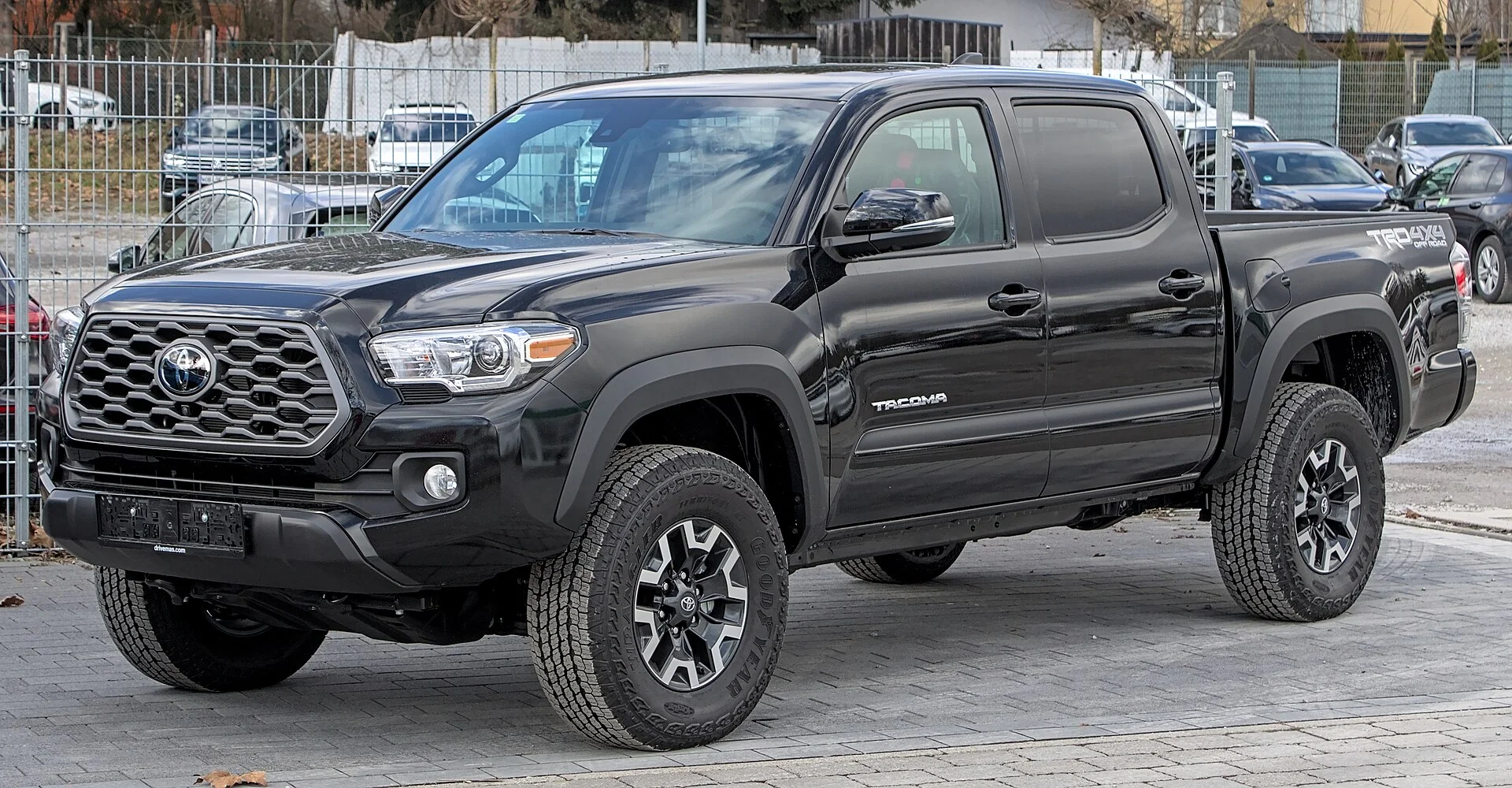
Payload Is a Subtraction, and It Shrinks as You Build
Payload is the most misunderstood number on a truck spec sheet, because it is not a fixed capability, it is a leftover. Payload capacity is the vehicle's GVWR minus its curb weight, so the same Tacoma loses payload as it gains weight from trims, options, and hybrid hardware. Every pound the truck itself weighs is a pound it cannot carry.
That subtraction is why a single quoted payload number is misleading. Toyota's chief engineer stated the maximum payload potential for the 2024 fourth-generation i-FORCE MAX Tacoma is about 1,710 lbs, but that is achievable only on a stripped base configuration. Add trim, options, and weight and the number falls, sometimes dramatically, from that best case.
The real-world spread is wide. Across the lineup, Tacoma payload runs roughly 1,100 to 1,700 lbs depending on configuration, and where a specific truck lands in that range depends entirely on how heavy it is built. A light work truck sits near the top; a loaded off-road hybrid sits near the bottom.
This matters for camping more than for almost any other use, because a camping build adds exactly the weight that eats payload: a rooftp tent, drawers, a fridge, water, fuel, recovery gear, and passengers. Understanding payload as a shrinking subtraction, not a fixed number, is what keeps a Tacoma camping build from quietly going overweight. This guide reads the payload the way a scale reads it.
Payload by Trim: The Numbers That Actually Vary
The clearest way to see the subtraction at work is to line up real trims with their curb weight, GVWR, and the payload that results.
| 2024 Tacoma configuration | Curb weight | GVWR | Payload |
|---|---|---|---|
| SR5 Double Cab Long Bed 4x4 (verified) | 4,550 lbs | 6,005 lbs | 1,445 lbs |
| TRD Off-Road (standard bed) | 5,040 lbs | 6,240 lbs | 1,200 lbs |
| TRD Off-Road i-FORCE MAX hybrid | 5,105 lbs | 6,305 lbs | 1,200 lbs |
The pattern is exactly what the subtraction predicts. The lighter SR5, at a 4,550-pound curb weight under a 6,005-pound GVWR, carries 1,445 lbs. The heavier TRD Off-Road, at 5,040 pounds curb under a 6,240-pound GVWR, carries 1,200 lbs. Nearly 500 pounds of curb weight from the off-road hardware turns directly into a payload loss.
The published curb weights confirm the range. The 2024 Tacoma's curb weights span roughly 4,145 to 4,720 lbs across lighter configurations, rising above 5,000 lbs on heavier off-road and hybrid trims, and a Car and Driver-tested TRD Off-Road weighed 4,794 lbs with a full tank. The heavier the truck leaves the factory, the less it carries, which is why the payload swing between trims can reach several hundred pounds.
The Hybrid Penalty Nobody Advertises
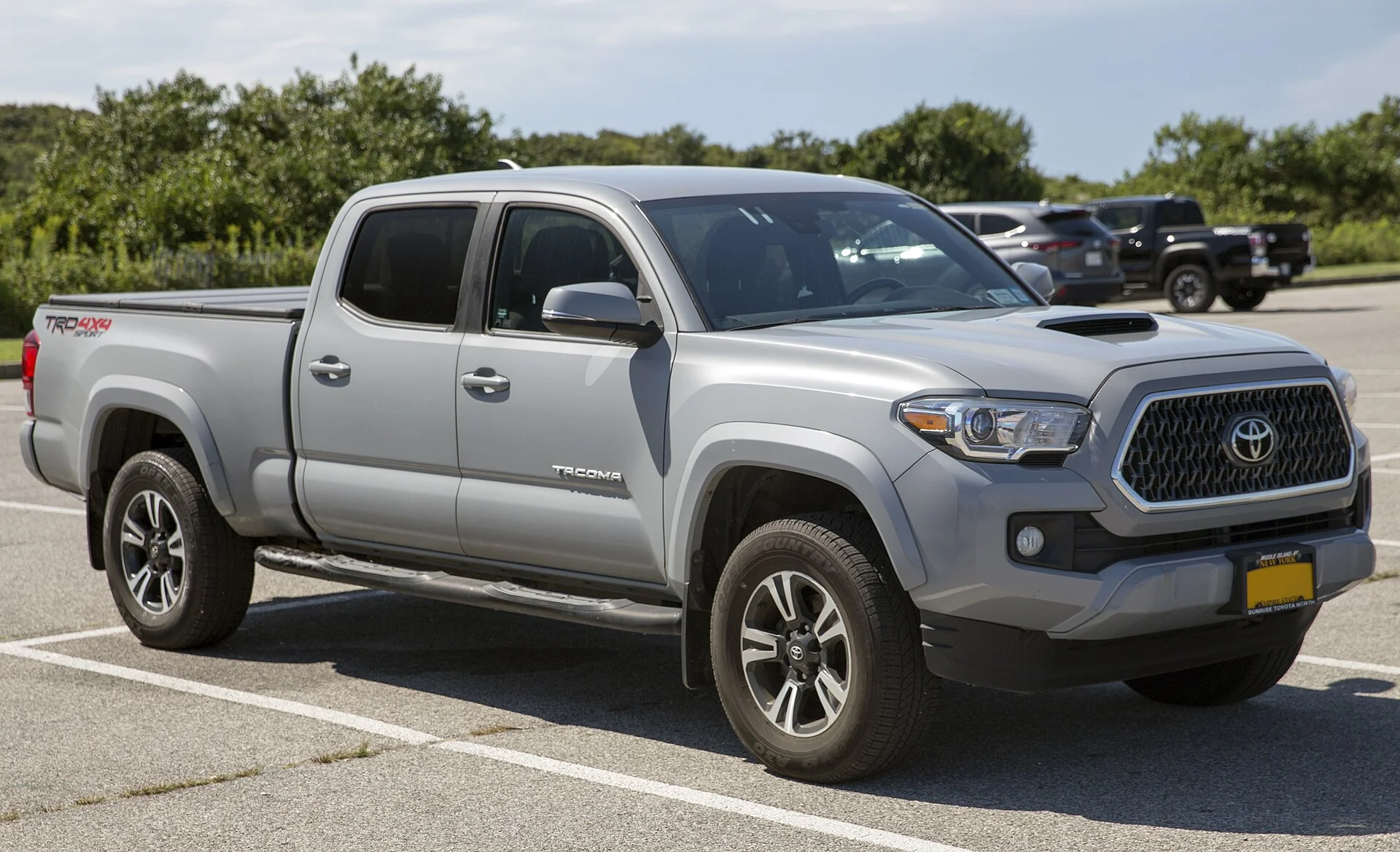
The i-FORCE MAX hybrid is the clearest example of weight eating payload, and it is the one buyers most often overlook because they focus on the power gain. The i-FORCE MAX hybrid powertrain produces 326 combined horsepower but adds roughly 300 to 500 lbs of curb weight versus the non-hybrid 2.4L turbo. That added weight comes straight out of payload.
On the heaviest trims the loss is stark. The added hybrid weight cuts payload to as low as 1,060 lbs on the heavy Trailhunter trim and reduces its towing to about 6,000 lbs. A truck marketed on capability can, in its heaviest hybrid form, carry barely over half a ton, which is a genuine constraint for a fully-kitted overland build.
The trade shows even between otherwise-identical trims. The TRD Off-Road standard bed has a curb weight of 5,040 lbs, while the TRD Off-Road i-FORCE MAX hybrid version rises to 5,105 lbs, and while both list a 1,200-pound payload, the hybrid's higher curb weight against its 6,305-pound GVWR leaves less margin as the build grows. The hybrid battery is real weight the truck carries everywhere.
None of this makes the hybrid a bad choice; the extra power and low-end torque are genuine benefits. But for a camper, the honest accounting is that the hybrid's 326 horsepower comes with a 300-to-500-pound weight penalty that a heavy build cannot ignore. If payload for a rooftop tent, drawers, water, and passengers is tight, the lighter non-hybrid drivetrain simply carries more.
Read the Door Jamb, Not the Brochure
Because payload varies so much with trim and options, the only number that applies to your truck is the one on your truck. The door-jamb tire-and-loading label states the exact payload for a specific truck as "The combined weight of occupants and cargo should never exceed XXX kg or XXX lbs." That figure is calculated for that exact vehicle as it left the factory, options included.
The brochure maximum, by contrast, is a best case for a stripped configuration. Toyota's roughly 1,710-pound maximum payload potential applies only to a base build, and any options, a sunroof, bigger wheels, added equipment, subtract from it. Two Tacomas of the same trim can carry different amounts depending on how they were optioned, and only the door jamb captures that.
The higher a trim's off-road content, skid plates, a lift, larger tires, a hybrid battery, the lower its remaining payload, so overlanders should weigh the actual truck rather than trust brochure maximums. The door-jamb label is where the truth is printed.
The practical step is to read the door-jamb label before planning any camping load, and better still, to weigh the actual truck as it sits, built and equipped the way you camp. A trip across a public scale gives the real curb weight, and subtracting it from the GVWR gives the real payload, which is often lower than the door jamb once aftermarket accessories are added.
Rear Axle GAWR: The Limit Behind the Limit
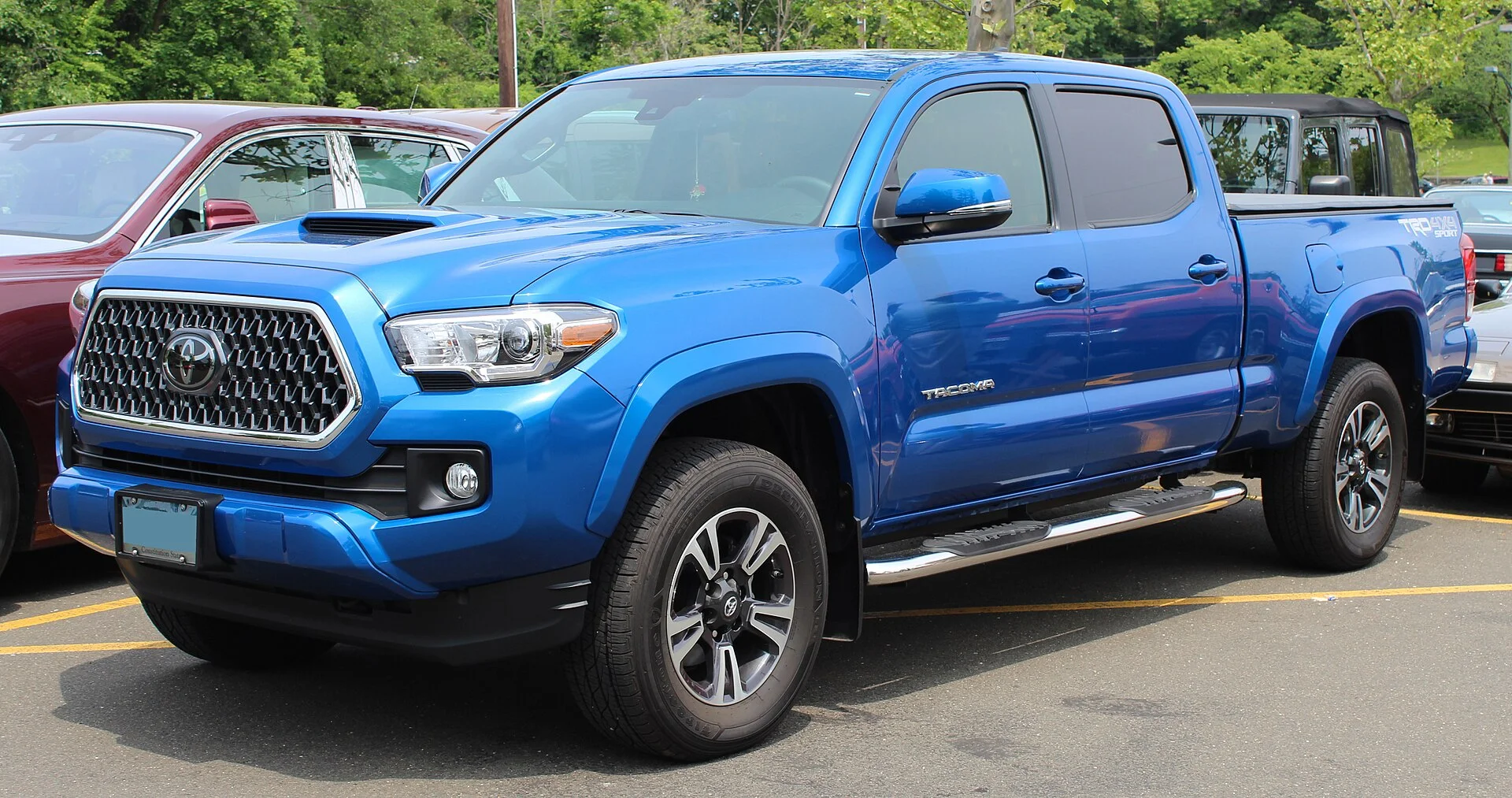
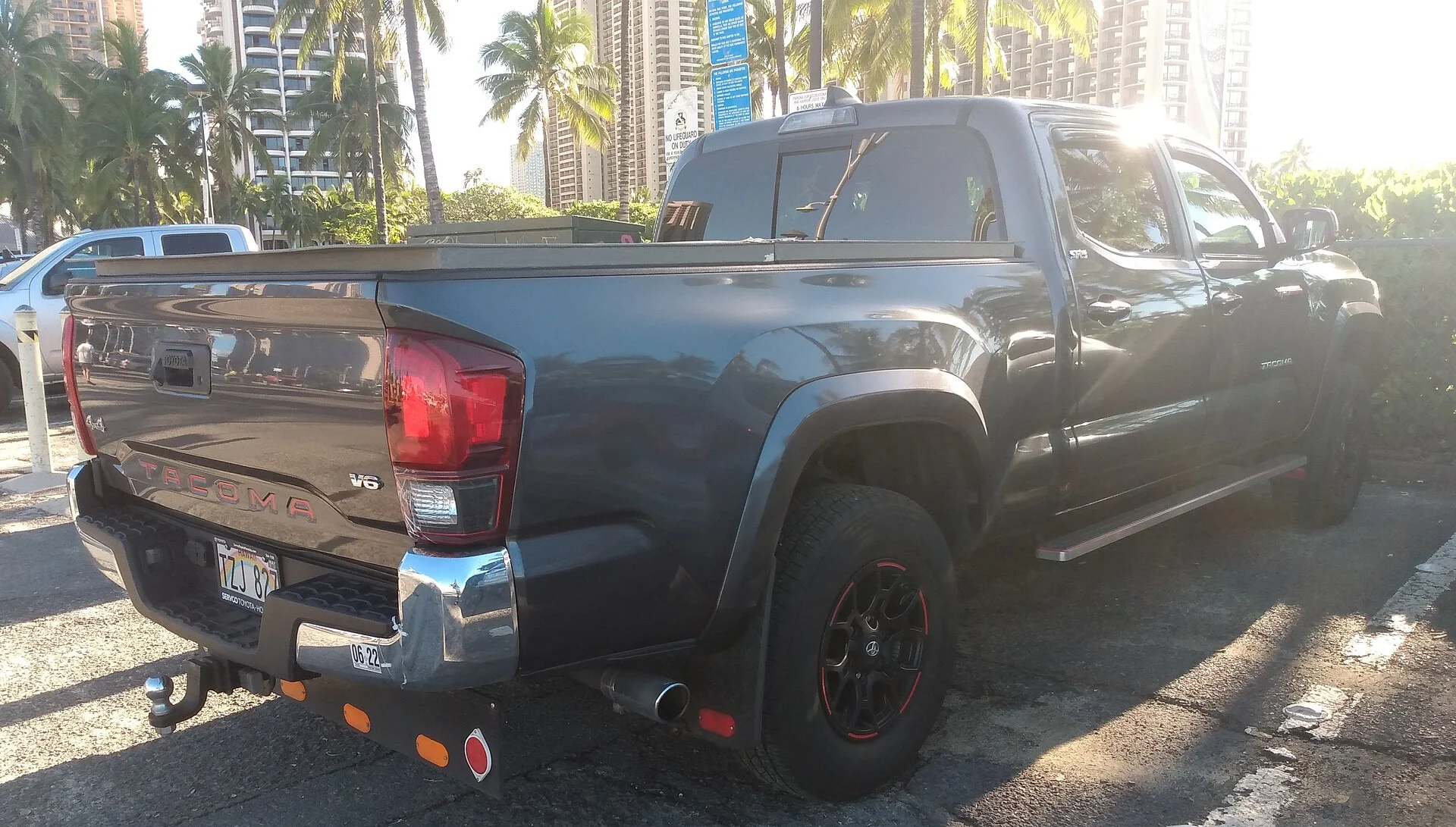
Total payload is not the only ceiling, and for campers who load the back of the truck it may not even be the binding one. Rear axle GAWR, about 3,275 lbs, can be exceeded even when total payload is legal if weight like a rooftop tent and bed cargo is concentrated over the rear axle. A truck can be under its payload and still overload an axle.
The axle ratings tell the story. The 2024 TRD Off-Road's axle ratings are 3,480 lbs front GAWR, 3,275 lbs rear GAWR, and 6,755 lbs combined. Payload counts against these axle limits, not just the total, and camping weight tends to pile onto the rear axle, the bed, the cargo area, a rear-mounted tire carrier, and a rooftop tent set back over the bed.
This is why a payload figure alone can mislead. A camper can carefully stay under the 1,200-pound total payload of a TRD Off-Road and still put too much of it over the rear axle, exceeding the 3,275-pound rear GAWR while the front axle sits light. The truck feels squatted and handles poorly, and it is technically overloaded on the axle even while legal on the total.
The takeaway is to think about weight distribution, not just weight total. Spreading camping load so the rear axle stays under its GAWR, keeping heavy items forward where practical, and not concentrating everything behind the rear wheels is what keeps a Tacoma balanced. A build that respects both the total payload and the rear axle rating is one that rides and handles the way it should.
Passengers Count Against Payload Too
The word payload hides how much of it people consume, and this is where camping loads go over without anyone loading a single piece of gear. Because payload includes everything added after the factory, passengers count against it: two 180-pound adults use about 360 lbs of a truck's payload. That is before a tent, a cooler, or a drop of water.
On a family trip the math tightens fast. Four adults can consume a large share of a truck's payload just by sitting in it, which on a heavy hybrid build with around 1,060 pounds of payload leaves only a few hundred for everything else. The truck that looked like it could carry a half-ton of gear can, once loaded with people, carry only a fraction of that.
This is the accounting campers most often miss, because they picture payload as bed cargo and forget the cab. The payload figure caps occupants plus cargo together, so every passenger is a subtraction from what the bed and roof can hold. A solo camper has most of the payload for gear; a full truck of campers has far less.
The honest planning move is to start the payload budget with the people. Add up the passengers first, subtract them from the door-jamb payload, and only then see how much is left for the tent, the fridge, the water, and the recovery gear. Doing it in that order prevents the common surprise of a truck that is overweight the moment the family climbs in.
The Rooftop Tent Math
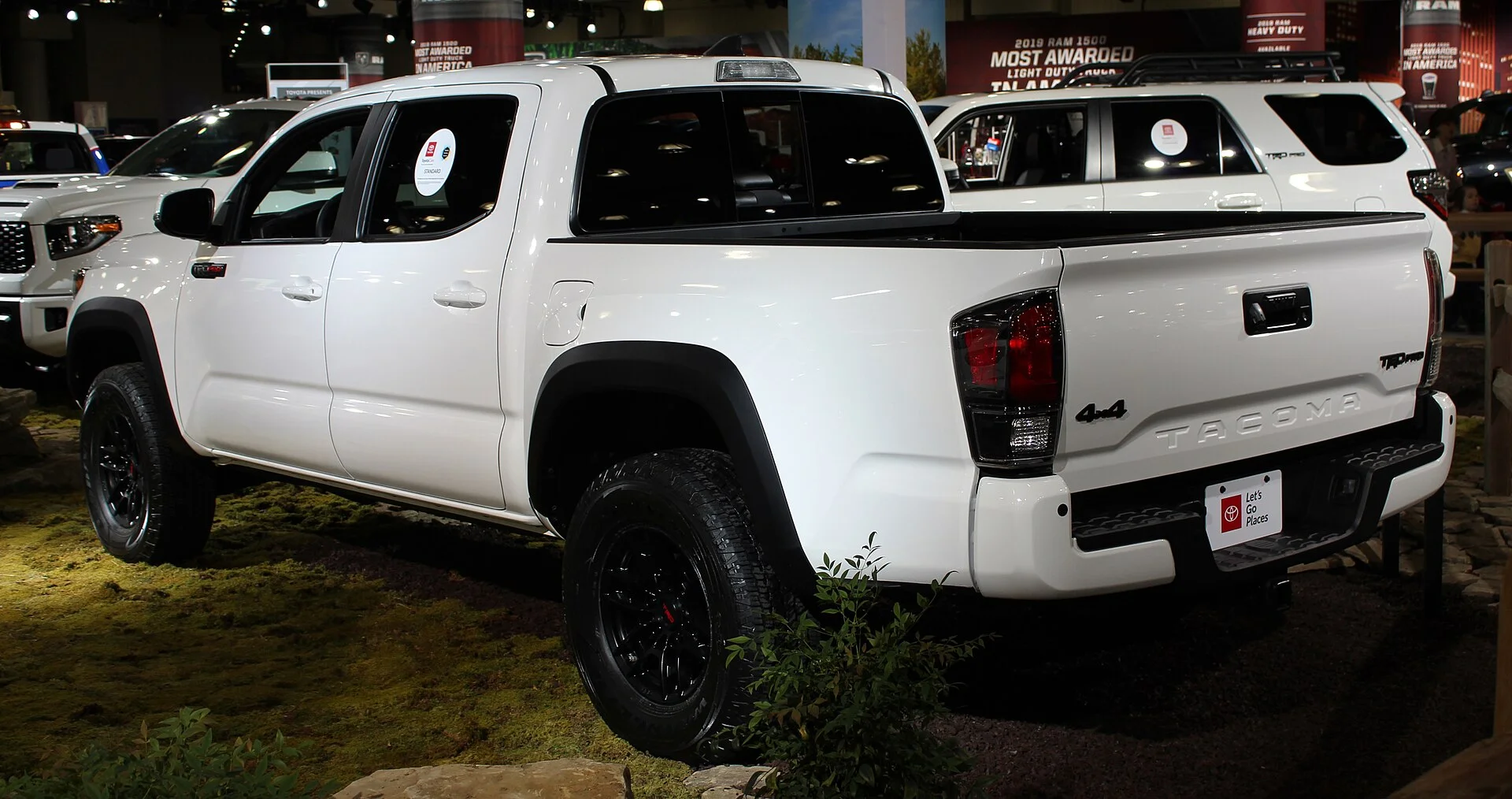
Nothing tests a Tacoma's payload like a rooftop tent, because it is heavy, it sits high, and it lands over the rear. A rooftop tent typically weighs 100 to 200 lbs, and it plus mounting rails and gear can consume a large share of a Tacoma's 1,100-to-1,700-pound payload before the bed is even loaded. On a heavy build, the tent alone can be a fifth of the total payload.
The weight adds up in layers. The tent itself is 100 to 200 pounds, the rack and mounting rails add more, and the bedding and gear stored inside add more still. A rooftop tent for the Tacoma should be chosen with its mounted, loaded weight in mind, not just its bare figure, because that full weight is what the payload has to absorb.
The rooftop tent also stresses the rear axle specifically, which compounds the payload problem. A tent mounted over the bed puts its weight, plus the dynamic loads of two sleepers, over the 3,275-pound rear GAWR, so it can push the rear axle toward its limit even while the total payload stays legal. This is exactly the axle-versus-total distinction the earlier section covered, made concrete.
For a Tacoma camper, the practical conclusion is to weigh the tent choice against the truck's actual payload and rear axle rating, not against the brochure maximum. A lighter tent on a lighter, non-hybrid trim leaves real margin; a heavy tent on a loaded hybrid build can consume most of the payload before a single passenger or cooler is added. The tent is where a Tacoma build most often first goes overweight.
Choosing a Trim for Payload
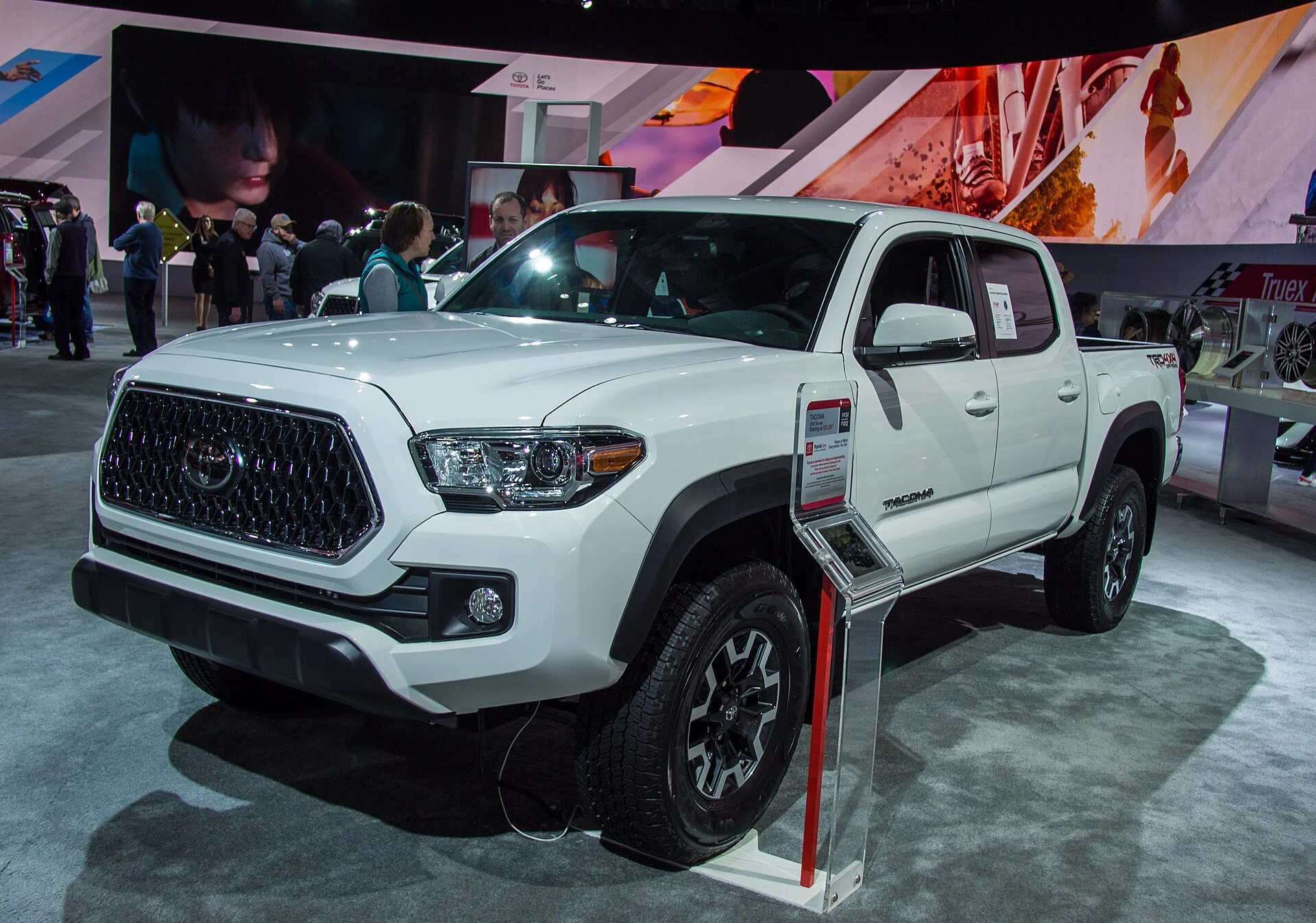
If carrying a camping load is the priority, the trim choice is a payload choice, and the counterintuitive answer is often the plainer truck. Between trims, payload can swing by several hundred pounds, and the lighter SR5 with 1,445 lbs offers more usable payload than a heavier hybrid TRD build for the same load of camping gear. The work-oriented trim carries more than the adventure-oriented one.
The reason is the same subtraction throughout: the higher a trim's off-road content, skid plates, a lift, larger tires, a hybrid battery, the lower its remaining payload. Every capability feature adds curb weight, and curb weight comes out of payload. So a maxed-out overland trim can carry less gear than a modest SR5, even though it looks more capable.
This does not make the off-road trims wrong; they offer clearance, traction, and durability a base truck lacks. But it means the trim decision involves a genuine trade between built-in capability and carrying capacity. A camper who wants to load a rooftop tent, drawers, water, and passengers may be better served by a lighter trim that leaves the payload to do it.
The most honest approach is to decide the camping load first and choose the trim to carry it. Add up the tent, the gear, the water, and the passengers, and pick the trim whose real, door-jamb payload covers that total with margin. A Tacoma chosen that way carries its build comfortably; one chosen on trim alone can end up unable to carry the gear its owner wanted it for.
How to Load a Tacoma Honestly
Putting it together, loading a Tacoma within its limits is a short discipline that starts with the real number and ends at a scale. Begin with the door-jamb payload, not the brochure, because that label states the exact figure for your specific truck, options included. Better still, weigh the truck as it sits, built the way you camp, and subtract from the GVWR for the true payload.
Budget the people first. Two 180-pound adults use about 360 pounds, and a full cab can consume well over 600, so subtract passengers from the payload before counting any gear. A full cab consumes a large share of the total, and what remains is the honest allowance for the tent, fridge, water, drawers, and recovery gear.
Watch the rear axle, not just the total. Keep weight from concentrating over the 3,275-pound rear GAWR by spreading the load and keeping heavy items forward where practical, since a rooftop tent and bed cargo can overload the rear axle even when the total payload is legal. A balanced load rides and handles far better than a tail-heavy one at the same total weight.
Finally, verify at a scale rather than trusting the arithmetic. A loaded pass across a public scale, ideally axle by axle, confirms the truck is under its GVWR and each axle is under its GAWR. That single check turns a careful build from probably-legal into verified, and it is the step that separates a Tacoma loaded honestly from one that is quietly overweight on every trip.
The Verdict: Weigh the Truck You Built
The Toyota Tacoma's payload is a subtraction, GVWR minus curb weight, so it shrinks with every heavier trim, option, and the hybrid battery. The brochure's roughly 1,710-pound maximum applies only to a stripped base truck; real trucks land across a 1,100-to-1,700-pound range, and a heavy hybrid build can fall to around 1,060 pounds.
The hybrid is the clearest penalty: the i-FORCE MAX adds 300 to 500 pounds of curb weight for its 326 horsepower, and that weight comes straight out of payload. Between a light SR5 at 1,445 pounds and a loaded hybrid build, the payload swing is several hundred pounds, which is why the lighter, plainer trim often carries more camping gear than the adventure-focused one.
Two limits govern a camping load, not one. The total payload caps occupants plus cargo together, so passengers matter, two 180-pound adults use about 360 pounds, and the rear GAWR of about 3,275 pounds can be exceeded even when the total is legal if a rooftop tent and bed cargo pile over the rear axle. A 100-to-200-pound tent is where a Tacoma build most often first goes overweight.
The discipline that keeps a Tacoma honest is simple: read the door-jamb label for the real number, budget passengers before gear, distribute weight so the rear axle stays under its rating, and verify the built, loaded truck at a scale. Do that and a Tacoma carries its camping build safely and handles the way it should. Trust the brochure maximum and load by feel, and a capable truck ends up quietly overloaded on every trip.