
The Real Question Behind the Badge
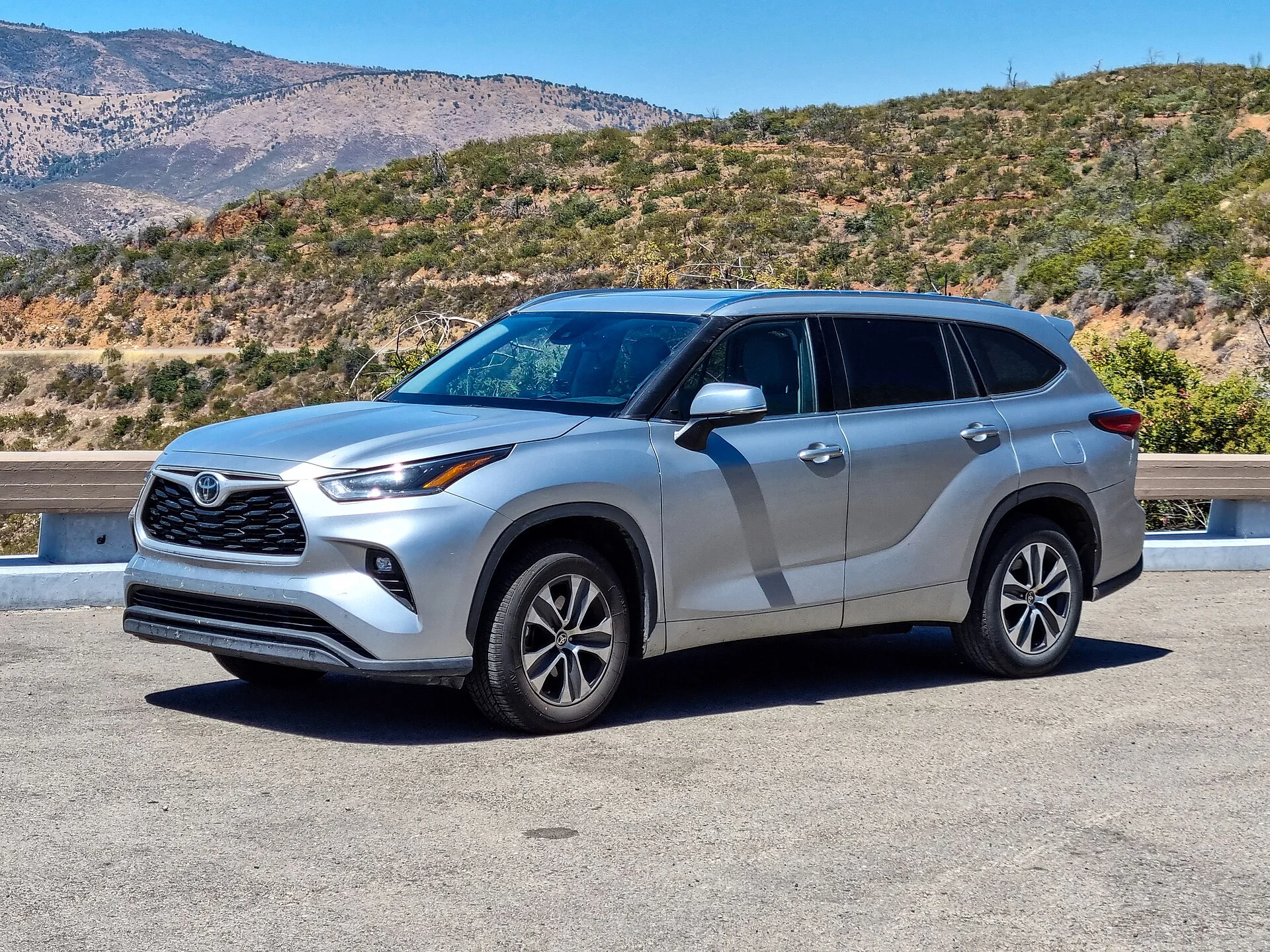
These two share a name and a showroom, so the car-camping decision is not really Toyota versus something else - it is whether you need to pay for the bigger box. Engineer it like a sizing problem and the question sharpens to one thing: can the standard Highlander sleep the person who is actually going to use it flat, or does that require stepping up to the Grand Highlander?
The short version is that both are genuinely good three-row SUVs for car camping, and the Grand Highlander is the clearly better sleeper. It holds 97.5 cubic feet of maximum cargo against the Highlander's 84.3, and - the number that matters more - it gives 9 inches more cargo length behind the second row.
Whether that 13.2-cubic-foot and 9-inch advantage is worth the extra size and money depends entirely on who is sleeping and how tall they are. This is a fork with a right answer for each buyer, not a winner-take-all matchup. The rest of this is the measurements that tell you which side of the fork you are on.
The Numbers That Actually Decide It
Start with the cargo figures, because they frame everything. The standard Highlander offers 16 cubic feet behind the third row, 48.4 with the third row folded, and 84.3 with both rear rows down. The Grand Highlander posts 20.6, 57.9, and 97.5 in the same three configurations. The gaps grow as you fold seats: 4.6 cubic feet behind the third row, 9.5 behind the second, and 13.2 with everything folded.
Volume is the headline, but length is the spec that decides whether you sleep flat. By Cars.com's independent measurement, cargo length behind the second-row seatbacks is 48 inches in the Grand Highlander versus 39 inches in the standard Highlander - a clean 9-inch advantage. That 9 inches is the difference between a bed that fits a tall adult and one that does not.
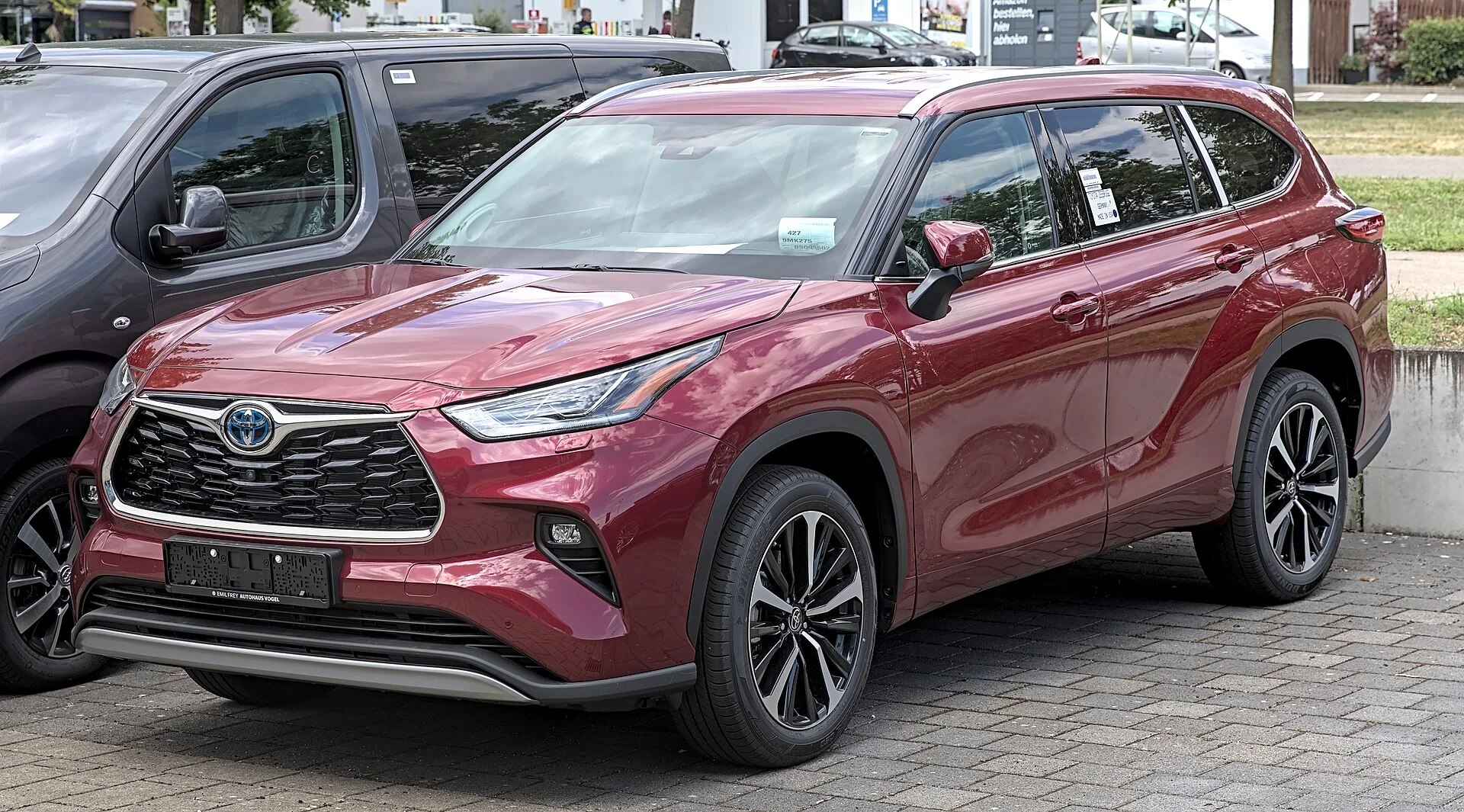
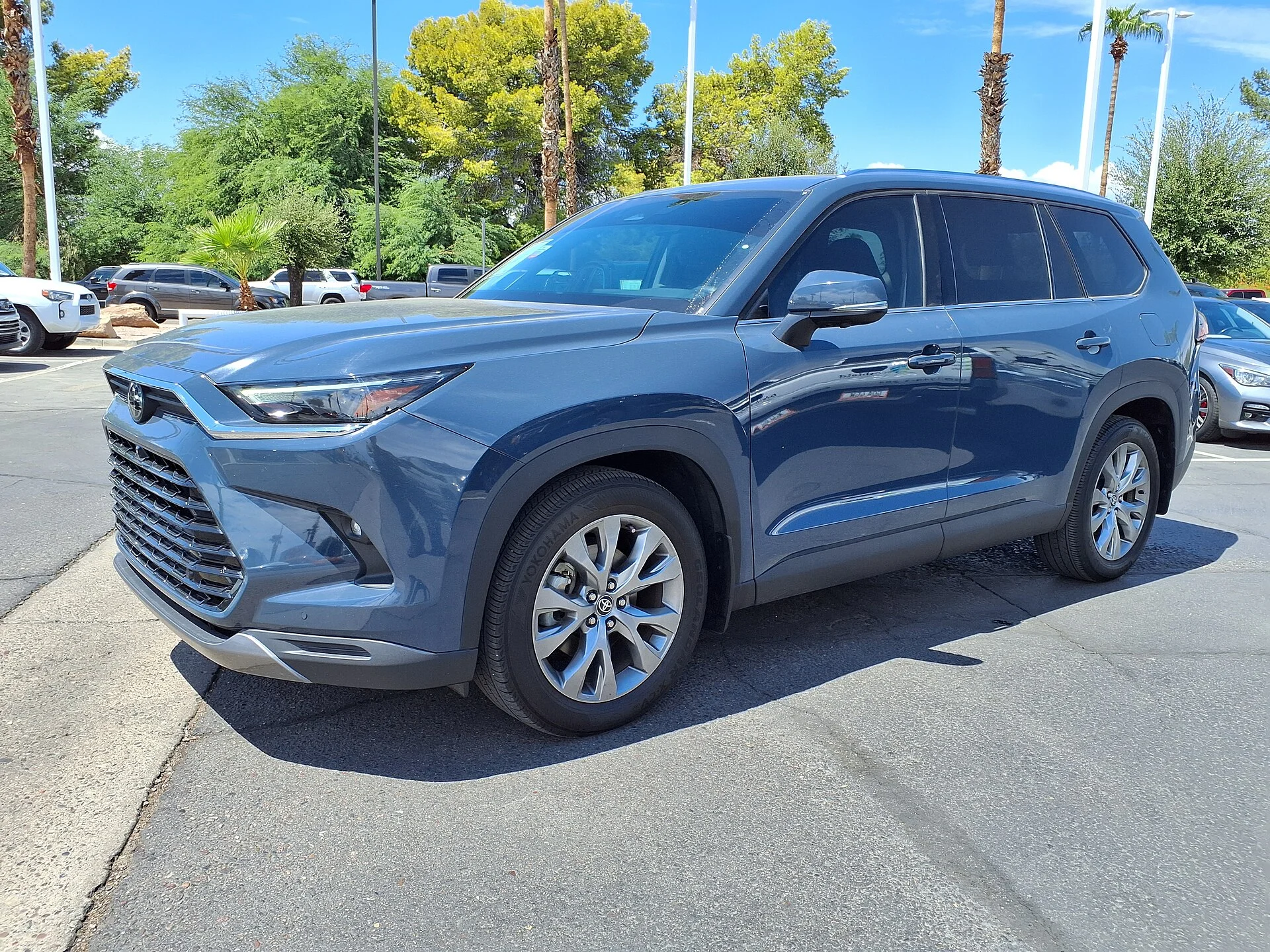
The bodies explain the gap. The standard Highlander is about 194.9 inches long overall; the Grand Highlander is about 201.4, roughly 6.5 inches longer. Toyota put most of that extra length behind the second row, which is exactly where a car camper needs it. The bigger box is not just bigger everywhere - it is bigger in the one place that turns cargo into a bed.
Sleeping the Standard Highlander: Fine for One, Under Six Feet
The standard Highlander is a real solo camper, with an honest ceiling. Fold both the 60/40 second and third rows and the flat cargo length behind the front seats runs roughly 75 to 80 inches. For a person up to about six feet, that is marginal - enough to lie down, but close to the limit, with feet or head near the seatbacks depending on how the front seats are set.
That marginal length is the whole story of the standard Highlander for camping. A sleeper of average height fits comfortably; a tall adult is negotiating with the front seatbacks and sliding the seats forward to reclaim inches. It works, but it is a bed you have to fit yourself into rather than one with room to spare.
The trade-off is that the standard Highlander is the easier vehicle to live with the other 360 days a year. At about 194.9 inches it parks easier, threads a tight campground loop better, and takes up less garage. If the person sleeping in it is under six feet, that everyday ease is real value and the extra size of the Grand Highlander is money spent on room you will not use.
Sleeping the Grand Highlander: Room to Stretch
The Grand Highlander is where a tall adult actually lies flat. With both rear rows folded, the flat cargo length behind the front seats runs roughly 84 to 90 inches - comfortably long enough for a six-foot adult to stretch out lengthwise without touching the seatbacks. That is the practical payoff of the 9-inch behind-second-row advantage and the longer body.
It shows up in the volume too. With 97.5 cubic feet folded, there is room for the sleeper and the gear at the same time, rather than a nightly game of moving bins to the front seats. For a couple who need one to sleep and the other's kit stowed, or a solo camper who wants to keep a full load aboard, the extra 13.2 cubic feet is genuinely useful space, not a spec-sheet flex.
The cost is the size. At about 201.4 inches the Grand Highlander is a bigger vehicle to park and maneuver, and it takes the extra footprint everywhere it goes, not just at camp. That is the honest trade: you buy 6.5 inches of extra length that you use for a handful of nights a year and live with for every errand. Whether that math works is the buyer's call, and it hinges on height.
Neither Floor Is Truly Flat
Here is the catch that applies to both, and it is the kind of thing a spec sheet hides: neither the Highlander nor the Grand Highlander folds to a perfectly level floor. The folded seatbacks sit slightly above the cargo-well floor, so what you get is a long surface with a small step and a slight incline, not a flat platform out of the box.
The fix is the same on both and it is cheap: a foam topper or a low sleeping platform bridges the seatback gaps and levels the surface. On either SUV that turns a usable-but-lumpy floor into a real bed, and it is a required part of the setup rather than an optional upgrade. Budget for it on whichever you buy.
This matters for the comparison because it means the Grand Highlander's advantage is about length and volume, not flatness - both need the same leveling treatment. So do not let a showroom lie-down on the bare floor decide it. Picture both with a foam pad on top, and then the only variable left is whether the length fits the sleeper, which is exactly where the Grand Highlander pulls ahead.
The Mattress Question on Both
Mattress sizing is the same story on both SUVs, driven by width rather than the badge. A queen at 60 inches wide will not fit flat between the wheel wells of either the Highlander or the Grand Highlander - the wheel-well width caps you well short of 60 inches on both. So a queen is out regardless of which one you buy, and anyone picturing a full-size bed in the back should reset that expectation now.
What fits is a mattress that plays to length, not width. an SUV air mattress in a twin size at 38 by 75 inches lies lengthwise on both, oriented front to back on the long folded floor. On the Grand Highlander specifically, the longer floor also accommodates a twin XL at 38 by 80 inches, which is the pick for a tall sleeper who wants every inch - an option the shorter Highlander floor cannot cleanly give.
So the mattress adds a small point to the Grand Highlander's column: same easy twin fit on both, plus the twin XL headroom on the bigger one. It is not the deciding factor - the flat-floor length is - but it reinforces the pattern. Both sleep one adult well; the Grand Highlander sleeps a tall one better and gives more mattress choice doing it.
Getting There: AWD and the Approach
Reaching the campsite is a tie, which simplifies the decision. Both the Highlander and Grand Highlander offer available all-wheel drive across the lineup, so either can be equipped to handle a snowy or loose-surface approach to a site. Neither is a rock-crawler - these are unibody family three-rows - but AWD plus sensible tires gets both up a maintained forest road without drama.
Because the drivetrain and clearance are effectively a wash, access should not tilt the choice between them. If you were weighing a genuinely rough approach you would be shopping a different kind of vehicle entirely; between these two, the road to camp is not the variable. That throws the decision back onto interior length, which is where they actually differ.
The one approach-related edge goes to the standard Highlander, and it is about size, not capability: the shorter, narrower body is easier to place on a tight, tree-lined campground road and easier to turn around at a dead-end pull-in. It is a small, real advantage for the compact one - the same everyday-maneuverability point that runs through this whole comparison.
Remote Start and Pre-Sleep Climate
A shared feature worth planning around: both the Highlander and Grand Highlander come with remote engine start, standard on most trims. For car camping that is the tool you use to pre-heat or pre-cool the cabin before you get in the bag, taking the edge off a cold or hot night without running the engine while you sleep.
The right way to use it is the same on both, and it is not as an overnight heat source. Remote start is a short pre-conditioning cycle - warm the cabin, then shut it down and sleep on insulation and a good bag. Running a combustion engine to sleep carries a carbon-monoxide risk in any vehicle, so this feature is for the transition into and out of sleep, not the night itself.
Since both offer it identically, it is not a differentiator - just a capability to fold into your plan on whichever you choose. Pair it with window covers and a season-appropriate bag, and both SUVs give a comfortable pre-sleep routine. The climate tools are equal; the space you sleep in afterward is not.
Passenger Flexibility Without Losing the Bed
One reason these get cross-shopped is that a buyer wants both people-hauling and camping, and here the two are more alike than different. The Grand Highlander seats seven with second-row captain's chairs or eight with a bench - the same passenger flexibility as the Highlander, just wrapped around a larger cargo package. You are not trading seats for sleeping room on either.
That matters because it removes a false trade-off. The choice is not family-hauler versus camper; both do both. The real question stays the same narrow one: when the seats are folded and it is time to sleep, does the floor fit the person lying on it? The passenger configuration is a wash, so it should not distract from the length spec that actually decides camping comfort.
For a family that camps, the pattern is clean. Buy the standard Highlander if the campers are average height and you value the smaller everyday footprint; buy the Grand Highlander if a tall adult sleeps in back or you want to keep gear aboard with the bed. Same seats, same badge, same drivetrain options - different beds.
The Verdict: Height Decides the Fork
Put it together and the Highlander-versus-Grand-Highlander camping decision comes down to one measurement: how tall is the person sleeping in back. The standard Highlander gives roughly 75 to 80 inches of flat length and 84.3 cubic feet - enough for a solo camper under six feet, in a body that is easier to park and cheaper to buy. If that describes you, the standard car is the smart, no-waste choice.
The Grand Highlander gives roughly 84 to 90 inches, 97.5 cubic feet, and 9 more inches behind the second row - the room a six-foot adult needs to stretch flat and keep gear aboard. It costs about 6.5 inches of extra body length you live with every day. For a tall sleeper or a couple, that is money well spent; for an average-height solo camper, it is room you paid for and will not use.
Both need a foam topper to level the not-quite-flat floor, both cap out at a twin or twin XL mattress on width, and both reach a campsite equally well on available AWD. So ignore the badge and measure the sleeper: under six feet and parking-conscious, take the Highlander; six feet or a full load aboard, pay for the Grand Highlander. The fork has a right answer - it is just a different answer for different bodies.