
The Roof Rack Number Everyone Reads Wrong
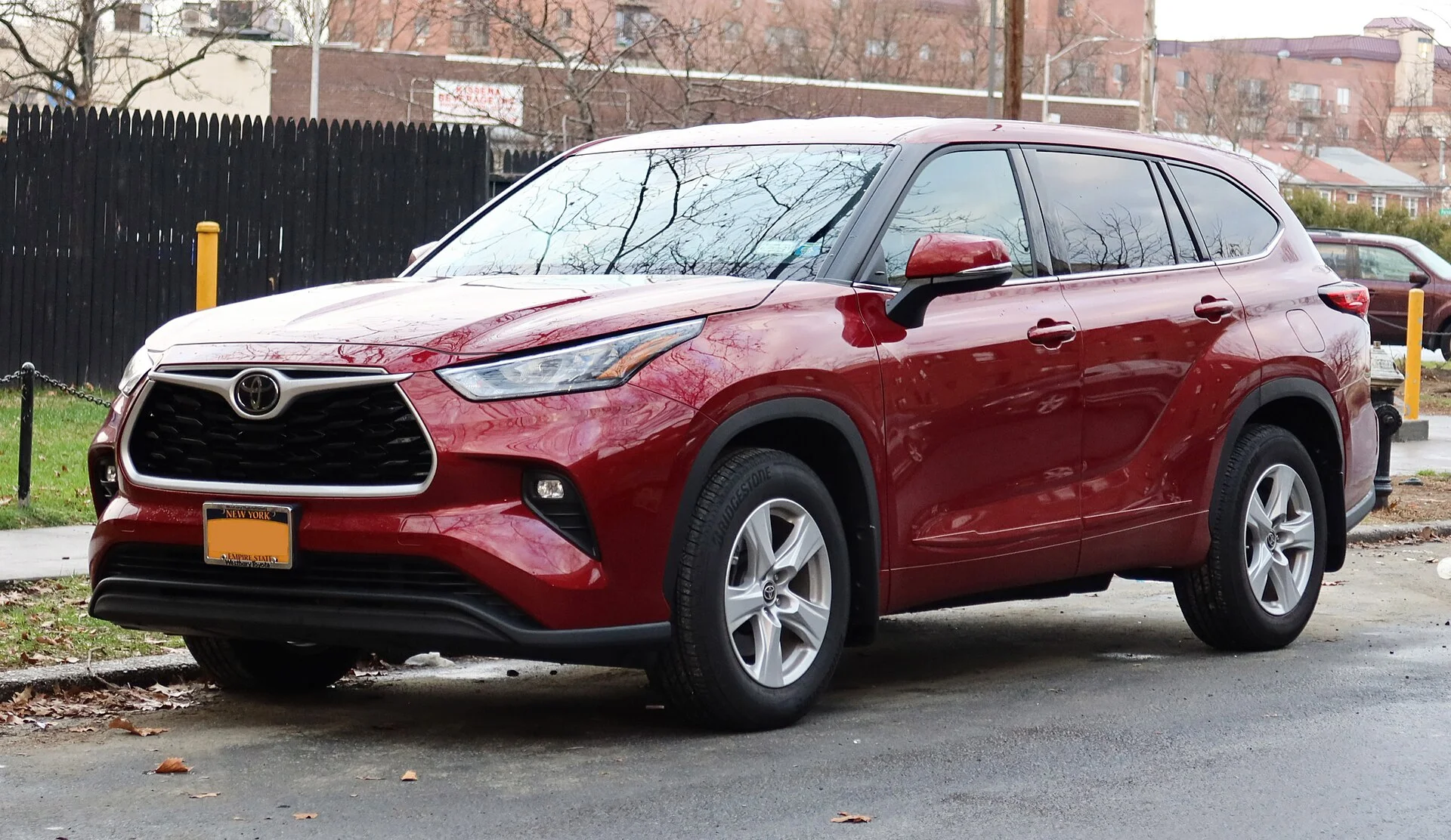
The most common mistake a Highlander owner makes shopping a rooftop tent is reading the wrong number and walking away disappointed. The factory-installed roof rack on the Toyota Highlander typically carries a dynamic while-driving weight limit of 100 pounds, and a shopper who sees that figure next to a heavy rooftop tent concludes the Highlander cannot carry one. That conclusion is usually wrong.
The reason is that a rooftop tent's occupied weight is a static load, borne while the vehicle is parked, and the static rating of a roof is far higher than its dynamic one. Toyota does not publish an explicit static parked weight limit for the Highlander roof rack, but confirms the static rating is much higher than the dynamic driving limit. The 100-pound number is simply answering a different question than the tent buyer is asking.
There is a second complication: the factory number is not even consistent. Reported factory dynamic roof-rack capacities for the Highlander range from 100 lbs to 165 lbs depending on model year and trim, so two owners can quote two different limits and both be right about their own cars. Reconciling those numbers is the first job.
This guide untangles the whole thing: the dynamic-versus-static distinction that decides the rooftop-tent question, why the factory figure varies by year, the difference between a crossbar rating and the roof's structural rating, and the aftermarket ladder that exists for owners who need more. The goal is to read the right number for the load you actually have.
Dynamic vs Static: The Distinction That Decides Everything
Two ratings govern any roof, and confusing them is the root of most rooftop-tent anxiety. The dynamic rating is the weight the roof can carry while the vehicle is moving; the static rating is the weight it can hold while parked. They exist because motion multiplies loads: bumps, braking, and cornering all add force a parked roof never sees.
The Highlander's factory dynamic limit of around 100 pounds is the number that governs a cargo box or kayaks carried down the highway. It is deliberately conservative because a moving load is a dynamic load, and the roof has to survive every pothole at speed with that weight bouncing on it. For driving loads, that 100-pound figure is the ceiling to respect.
A rooftop tent's people-inside weight is a parked, static load. Reading it against the dynamic driving limit is comparing two different numbers, and it is why owners talk themselves out of tents their roofs can actually hold.
The static rating is the relevant one once the vehicle is stopped and the tent is deployed with occupants inside. Because Toyota confirms the static rating is much higher than the dynamic limit, a Highlander that carries a folded tent within its dynamic limit on the drive can then hold the tent plus sleepers at rest. The tent's travel weight, not its occupied weight, is what has to fit the dynamic number.
Why the Factory Number Changes by Year
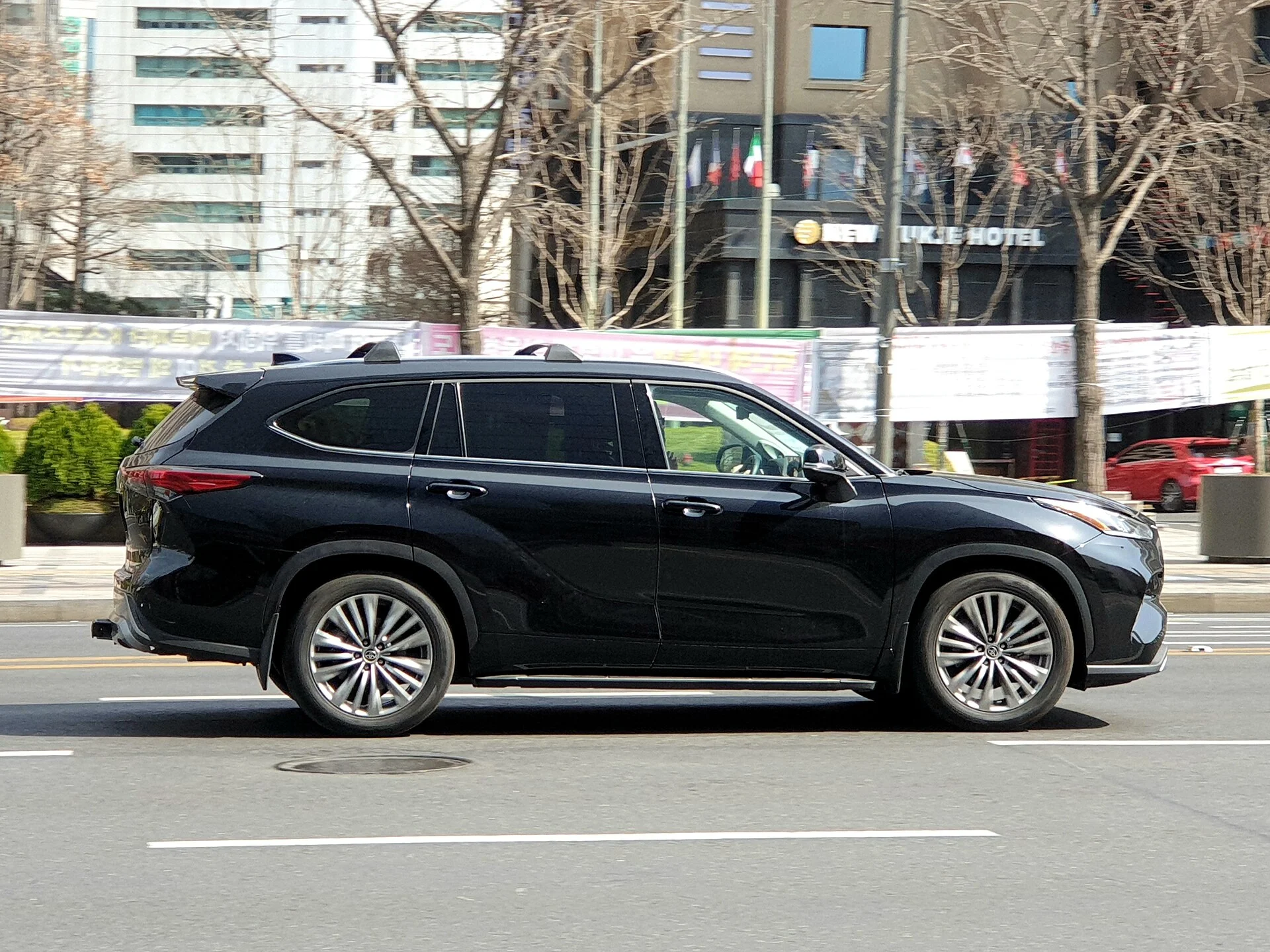
The inconsistent factory figures confuse owners, but they follow the hardware. The roof rails on a 2015 Toyota Highlander have a load capacity of 150 lbs (68 kg) when the load is evenly distributed, while genuine Toyota Roof Rack Cross Bars for the 2020-2023 Highlander are rated for a maximum load capacity of 75 kg (165 lbs). Different years, different components, different numbers.
The takeaway is that the year and the exact rack components on the specific car decide the rating, not a single Highlander-wide figure. A 2015 owner works to 150 pounds on the rails; a 2020-2023 owner with genuine crossbars works to 165 pounds. Quoting a neighbor's number is how an owner ends up over or under the real limit for their own vehicle.
The even-distribution caveat attached to both figures matters as much as the number. The 150-pound and 165-pound ratings assume the load is spread across both bars, so a load concentrated on one bar or one point exceeds the intent even under the stated weight. Distributing the load is part of honoring the rating.
The generational rack designs also differ in how they mount. Older Highlanders often carry raised side rails that accept crossbars, while newer trims may ship with flush rails or none at all depending on grade, which changes both the rating and the crossbars that fit. An owner cannot assume the car came with load-bearing bars simply because it has rails, so confirming the actual installed hardware is part of establishing the real limit.
For an owner, the practical step is to confirm the specific year's rating and the exact rack hardware installed before loading anything. The 100-to-165-pound spread is not contradiction, it is the range across a decade of Highlanders, and the right number is the one printed for the car in the driveway.
Crossbar Rating Is Not the Roof's Rating
A subtler trap is treating a crossbar's rating as the roof's structural limit. The genuine Toyota crossbars for the 2020-2023 Highlander are rated to 75 kg (165 lbs), but that is the crossbar assembly's rating, the weakest link in the load path, not a statement about how much the roof structure beneath could bear.
The distinction is why aftermarket racks can carry so much more on the same vehicle. A Rhino-Rack Heavy Duty Roof Rack fitted to a 2005 Toyota Highlander carries a 200 lb weight rating, above the factory figures, because the aftermarket hardware is built stronger and ties into the vehicle differently. The roof did not change; the rack in the load path did.
This means an owner who needs more capacity is usually limited by the rack, not the roof. Upgrading the crossbars or the whole rack system raises the rating because it replaces the weakest component with a stronger one. The roof structure is rarely the binding constraint at these weights; the bars bolted to it are.
The lesson for a rooftop-tent buyer is to read the rating as belonging to the specific rack installed, and to recognize that a higher-rated rack is the path to a higher limit. The factory crossbar's 165-pound number is not the Highlander's ceiling, it is that crossbar's ceiling, and stronger hardware moves it.
The Aftermarket Ladder for Rooftop Tents
For owners who want a rooftop tent with real margin, the aftermarket offers a clear ladder above the factory numbers. Aftermarket Victory 4x4 roof racks for the Highlander are rated for 300 lbs of dynamic load while driving and up to 800 lbs of static load when parked, which is a different league from the factory rack entirely.
Those two figures matter separately. The 300-pound dynamic rating means a heavier folded tent can ride down the highway with margin the factory 100-pound limit never allowed. The 800-pound static rating means the parked roof can hold a substantial tent plus two occupants with room to spare, which is exactly the reassurance a tent buyer is looking for.
There is a middle rung for owners who do not need that much. A 260 lb heavy-duty aluminum aftermarket crossbar set is sold for 2020-2025 Toyota Highlander XLE, Limited, and Platinum trims, marketed as suitable for rooftop tents, offering a meaningful step up from the 165-pound factory crossbars without the full off-road rack.
The ladder gives an honest range of choices. An owner carrying a light tent may fit within the factory rack's static capacity; one carrying a heavier hard-shell tent steps up to a 260-pound crossbar set or a 300-pound-dynamic Victory rack. Matching the rack to the tent's real travel and occupied weights, rather than buying the biggest rack by default, is the value-minded move.
Sizing a Rooftop Tent to the Right Rack
The tent decision resolves into two weight checks against two ratings. The tent's folded travel weight has to fit the rack's dynamic rating, and the tent plus occupants has to fit the static rating. Getting both right is how a rooftop-tent setup is safe rather than hopeful.
On the factory rack, the dynamic limit is the binding one. A tent whose folded weight approaches or exceeds the roughly 100-to-165-pound dynamic figure for the specific Highlander is over the line for highway travel, regardless of how strong the parked roof is. That dynamic number is why many owners upgrade the rack before they upgrade the tent.
On an upgraded rack, the static rating becomes the comfortable governor. A Victory rack's 800-pound static capacity easily absorbs a hard-shell tent and two adults, so the occupied-weight worry disappears and the dynamic rating, now 300 pounds, comfortably covers the folded tent on the road. The upgrade solves both checks at once.
Two other loads share the roof's budget and are easy to forget. Crossbars themselves weigh something, and a heavy aftermarket bar set eats into the total the roof carries before any tent is added, though it also raises the rating enough to more than pay for its own weight. Mounting accessories, awnings, and the tent's ladder and annex all add up, so the honest tally is the whole roof load, not the tent alone.
The practical sequence is to weigh the tent choice against the rack choice as a pair, not separately. A light soft-shell tent may live on a factory or 260-pound crossbar setup; a heavy hard-shell tent argues for a 300-pound-dynamic rack. Reading the tent's two weights against the rack's two ratings is the whole sizing exercise, and it prevents both an overloaded roof and an over-bought rack.
Distributing the Load and Respecting the Even-Load Rule
Every factory rating on the Highlander carries the same string attached: the weight has to be evenly distributed. The roof rails on the 2015 car are rated to 150 lbs (68 kg) when evenly distributed, and the 2020-2023 crossbars to 75 kg (165 lbs) evenly distributed. Ignore the distribution and the rating no longer applies.
The reason is structural. A rack is designed to spread a load across its mounting points, and a load concentrated on one bar or one corner puts more force on that point than the even-distribution rating anticipated. A 165-pound load balanced across both crossbars is within spec; the same 165 pounds hung off one bar is not, even though the total weight is identical.
For a rooftop tent this is largely self-solving, since a tent spans both crossbars by design and spreads its own weight. For cargo, the owner has to do the work: center heavy items, spread them across both bars, and avoid loading one end. The even-load rule is why a well-packed roof at the rated weight is safe and a lopsided one at the same weight is not.
The discipline extends to how the load behaves in motion. An evenly distributed, well-secured load stays put through the dynamic forces of driving; a poorly balanced one shifts and concentrates load unpredictably. Respecting the even-distribution caveat is as much a part of honoring the rating as staying under the weight number itself.
Matching the Rack to the Trip
The right roof setup depends on what the Highlander is actually asked to carry, and the honest answer is often less rack than the marketing implies. An owner who occasionally straps a cargo box or kayaks is well within the factory rack's dynamic limit and needs nothing more; the 100-to-165-pound figure covers those loads with the even-distribution rule observed.
The owner planning to sleep on the roof is the one who benefits from the aftermarket ladder. For them, the tent's weight and the desire for static margin justify stepping up to a 260-pound crossbar set or a 300-pound-dynamic, 800-pound-static rack. That upgrade buys both the dynamic headroom for travel and the static reassurance at camp.
Between those extremes, the value-minded choice is to buy the rack the trips demand, not the ceiling. A rack rated far beyond the load carried is money spent on capacity that never gets used, the same false economy that shows up across overlanding gear. The rack that matches the tent and the terrain is the one to buy.
The Highlander is a genuinely capable rooftop-tent platform once the ratings are read correctly, and its factory rack is adequate for ordinary cargo. Matching the hardware to the load, factory rack for boxes and kayaks, upgraded rack for a tent, keeps both the roof and the budget in honest territory. Confirm the vehicle's payload capacity too, since a loaded roof also counts against the total weight the Highlander can carry.
Reconciling the Numbers Owners Quote Online
An owner researching a Highlander roof rack meets a wall of conflicting numbers, and knowing why they conflict is what turns confusion into a decision. One forum post cites 100 pounds, another 165, a third mentions 200 or 300, and all of them can be accurate because they describe different racks and different conditions on different cars.
The factory figures split by year and part: the 2015 rails at 150 lbs (68 kg), the 2020-2023 genuine crossbars at 75 kg (165 lbs), and the commonly quoted baseline dynamic limit of about 100 pounds. None contradicts the others; each is the rating for a specific component on a specific model year, which is why an owner has to identify their own hardware rather than average the internet.
The larger numbers come from aftermarket racks entirely. A Rhino-Rack Heavy Duty Roof Rack on a 2005 Highlander is rated to 200 lb, and Victory 4x4 racks reach 300 lbs dynamic and 800 lbs static. An owner quoting 300 pounds is describing an upgraded rack, not the factory one, so the number is real but only for that hardware.
The way through the noise is to sort every quoted figure into three buckets: factory dynamic, factory static, or aftermarket. Once a number is placed in the right bucket, it stops contradicting the others and starts informing the decision. The 100-to-165-pound factory dynamic range, the much-higher factory static, and the aftermarket ladder up to 800 pounds static are three separate conversations that only sound like one.
The Verdict: Read the Right Number for the Load
The Highlander roof rack question is almost entirely a matter of reading the correct number. The factory dynamic limit of roughly 100 to 165 pounds, varying by year and hardware, governs moving loads like cargo boxes and kayaks. The static rating, which Toyota confirms is much higher, governs a parked rooftop tent with occupants inside. Match the load to the right rating and most of the confusion evaporates.
The factory figure's inconsistency is not a defect but a range across a decade: 150 pounds on the 2015 rails, 165 pounds on the 2020-2023 crossbars, all when evenly distributed. The right number is the one printed for the specific car, respected with the even-load rule that comes attached to it.
For rooftop-tent owners who want margin, the aftermarket ladder is clear: a 260-pound crossbar set for a moderate step up, or a Victory rack at 300 pounds dynamic and 800 pounds static for real headroom. The rack, not the roof, is usually the limiting component, so upgrading the hardware is the path to a higher limit.
Read dynamic for travel and static for camp, confirm the specific car's factory rating, and upgrade the rack only to the level the tent actually demands. A properly matched roof rack setup turns the Highlander into a capable rooftop-tent vehicle, while the wrong-number panic talks owners out of a setup their roofs could carry all along.