
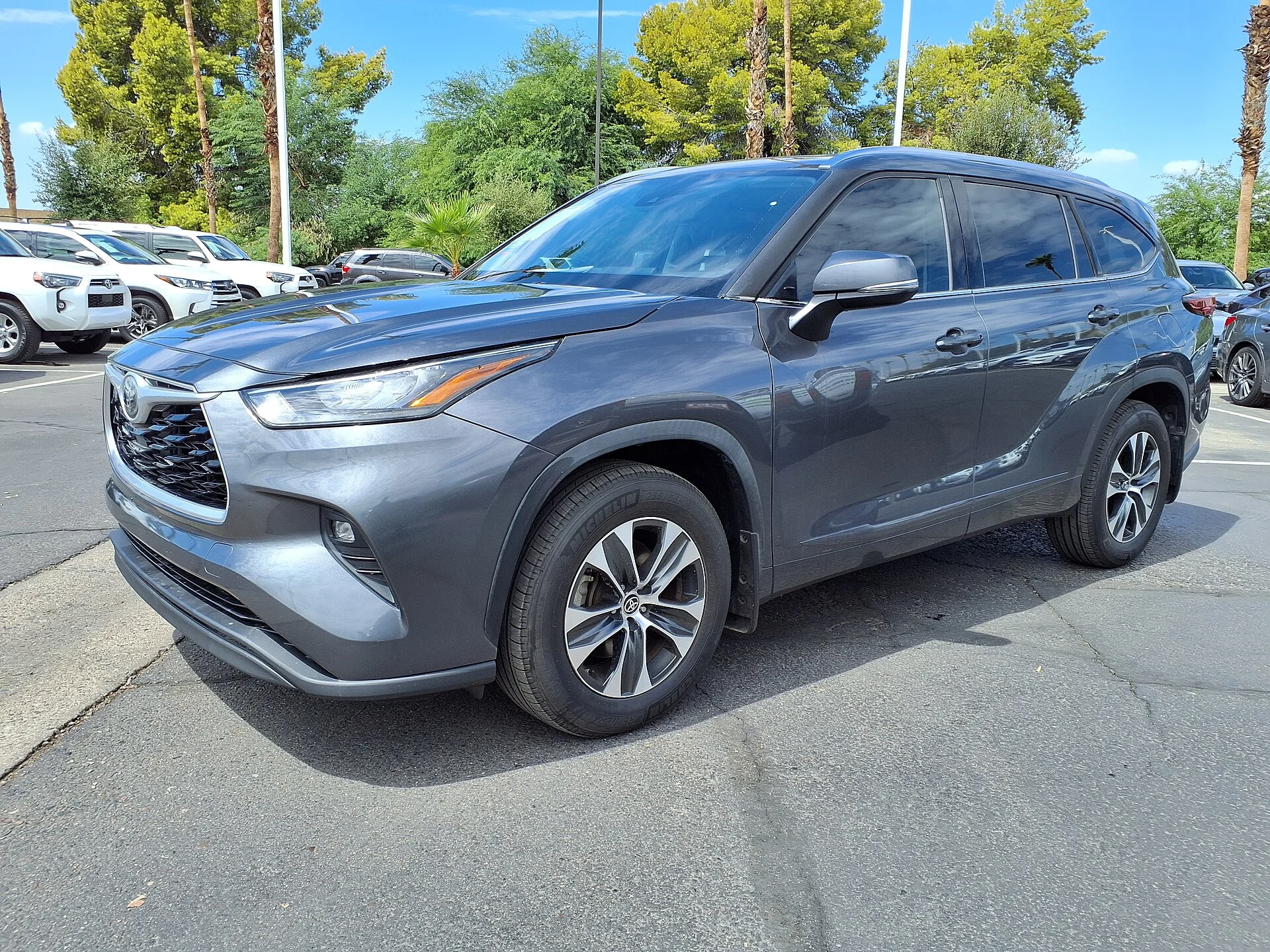
The Number That Runs Out First on a Family Trip
I camp most weekends on a normal budget, usually with the vehicle packed to the headliner, and I have learned that the spec that actually limits a family SUV is almost never the one people obsess over. It is not horsepower and it is rarely towing. It is payload — the total weight the vehicle can legally carry — and on a Highlander loaded for a real trip, it is the ceiling you hit first without realizing it.
The 2025 Toyota Highlander offers up to 1,685 lb of payload, which sounds enormous until you start adding up a family, a week of gear, and a loaded roof. Payload is the number that quietly disappears, and unlike towing, most people never check it against what they actually load.
I judge a vehicle on whether it does the job I need, not on a badge, and for a family camper the job is carrying people and stuff safely. That makes payload the honest headline spec, and it is worth understanding exactly what the Highlander's 1,685 lb covers, where it goes, and how to make sure you are inside it before a trip, not after a nervous glance at a squatting rear end.
This is the weekend camper's guide to Highlander payload: what the number means, where it vanishes, how it differs from towing, and how to weigh your real load so a packed family SUV stays safe and drives right. Every figure here is a published Toyota specification, read the practical way.
What Payload Actually Means
Payload gets confused with cargo space, and they are not the same thing. Cargo space is how much room you have; payload is how much weight you can legally add. You can run out of payload long before you run out of room, which is exactly how families overload an SUV that still looks half empty.
The definition is simple: payload is the vehicle's GVWR — its gross vehicle weight rating, the most it can weigh fully loaded — minus its curb weight, what it weighs empty. Whatever is left is your budget for everything you add. For a Highlander, published example figures put curb weight around 4,145 lb against a GVWR of about 5,830 lb.
The critical part is what counts against that budget: every passenger, all cargo, anything on the roof, and, if you tow, the trailer's tongue weight — all of it combined. Payload is not "cargo weight"; it is the sum of everything you add to the empty vehicle. People forget the passengers, and passengers are heavy.
The authoritative number for your specific Highlander is on the door-jamb sticker, which states the exact payload for that vehicle as built. Trim, drivetrain, and options all shift curb weight, so the sticker beats any brochure figure. Read it once, remember it, and it becomes the budget every packing decision has to fit inside.
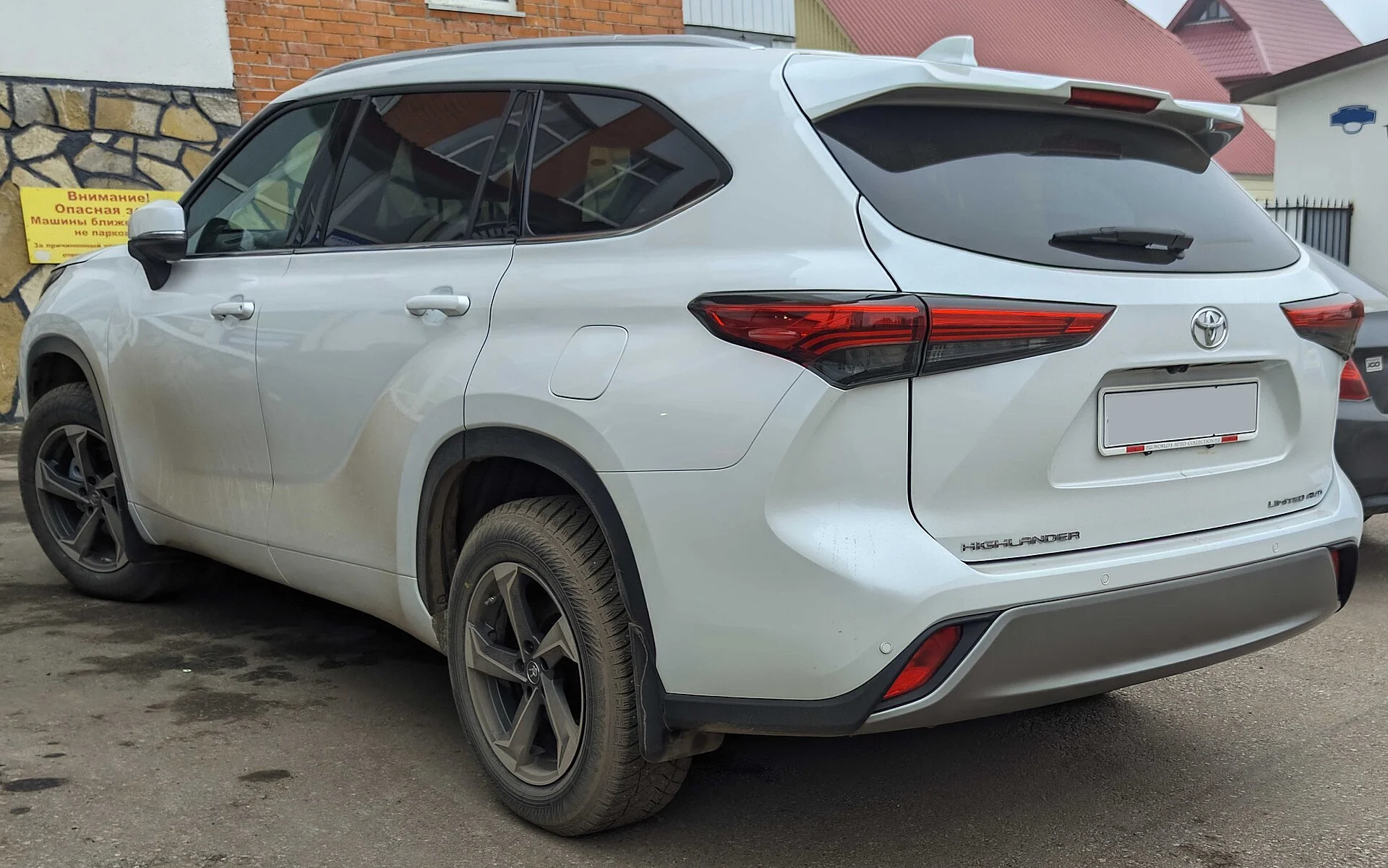
The Highlander's Number: Up to 1,685 lb
The Highlander's headline payload is up to 1,685 lb, and that is a genuinely useful figure for a three-row family SUV. It is enough to carry a full family and a real load of camping gear without drama — provided you actually count what you are loading rather than assuming it fits.
The reason I say "up to" is that payload varies by trim and configuration. Heavier trims with more equipment weigh more empty, which leaves less of the GVWR for payload, so the well-optioned Highlander in the showroom may carry less than the 1,685 lb headline. This is why the door sticker matters more than the marketing maximum.
For a weekend camper, 1,685 lb at the top end is reassuring, because it means the Highlander is not a vehicle you have to baby to stay legal. A sensible family load lives comfortably inside it. The trap is not the number being small; it is people never checking it and then piling on until they are over without any warning light to stop them.
Put the number in context: 1,685 lb is your total budget for people plus everything they bring. Once you see it that way, the next question is obvious and a little sobering — how fast does a family actually spend it? Faster than most people expect, which is the whole point of the next section.
Where 1,685 lb Goes Faster Than You Think
Let us spend the budget the way a real trip does. Start with people, because passengers are the biggest and most-forgotten load. A family of five is a large share of 1,685 lb before a single bag goes in, and if some of those passengers are adults, the share is larger still. The vehicle does not distinguish between a person and a cooler; both are payload.
Then add the gear, which stacks up quietly. Water is heavy, a full cooler is heavy, a tent, sleeping bags, camp chairs, a stove, food, and clothes each seem light and add up fast. A well-stocked family camping load can be a couple hundred pounds on its own, and that is before anything goes on the roof.
The roof is where people blow their budget without knowing it, because roof cargo counts against payload just like everything inside. A loaded rooftop carrier, plus the carrier itself, comes straight out of the same 1,685 lb, and it sits up high where it also raises the center of gravity. Roof weight is the sneakiest payload thief there is.
Add it honestly — people, interior gear, roof load — and a family can approach the Highlander's payload without the vehicle ever looking overloaded. That is the danger: payload runs out invisibly. A squatting rear, vague steering, and long stopping distances are the symptoms, and by the time you feel them, you are already over. The fix is to weigh, not guess.
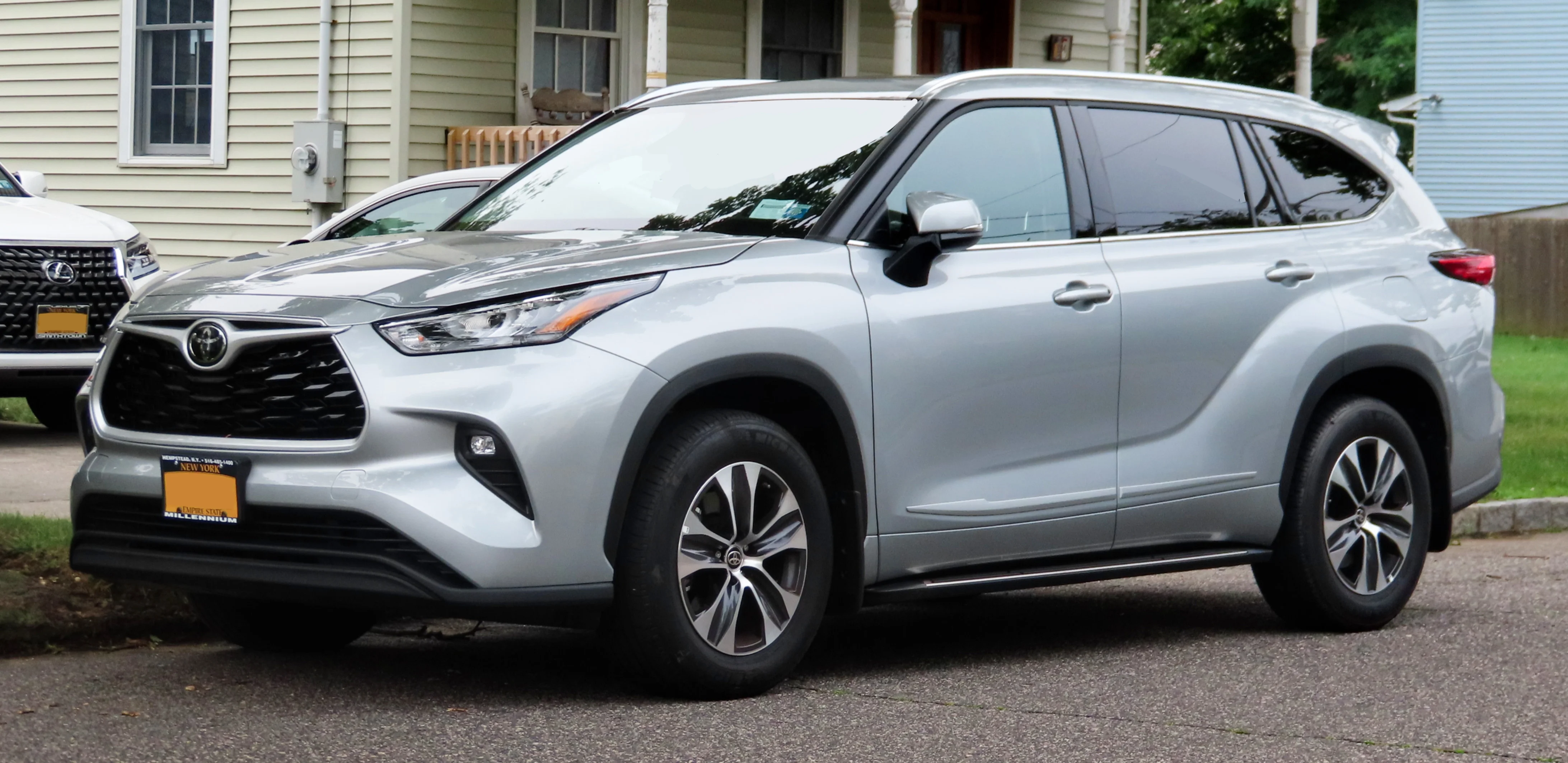
Payload vs Towing: Two Different Ceilings
People conflate payload and towing, but they are separate limits and you have to respect both. The 2025 Highlander gas model tows up to 5,000 lb with the 2.4L turbocharged engine and the factory tow package, while the Highlander Hybrid is rated at 3,500 lb. Those are towing numbers, not payload numbers.
Here is the connection that trips people up: if you tow, the trailer's tongue weight counts against payload. So towing does not sidestep the payload limit — it eats into it. A trailer near the Highlander's rating puts a real tongue load on the hitch, and that load comes out of the same 1,685 lb that carries your family and gear.
That interaction is why a fully loaded family Highlander cannot also tow at its maximum. Fill the payload budget with people and gear, and there is little left for tongue weight, which caps the trailer well below the 5,000 lb or 3,500 lb tow rating. Both numbers are real; they just cannot both be maxed at once.
For a camper the practical rule is to plan the whole system. If your trips are all people and gear, payload is your ceiling and towing barely matters. If you tow a small trailer, budget its tongue weight out of payload first, then load people and gear into what remains. Treating the two ceilings as one budget is the only way to stay inside both.
Weighing Your Real Load
Guessing at payload is how people end up over it, so the fix is to actually weigh. The gold standard is a public scale — many truck stops and recycling centers have one — where you can drive the fully loaded Highlander across and read its actual weight, then compare it to the GVWR of about 5,830 lb on the door sticker. If you are under, you are legal; if you are over, you unpack.
If a scale is inconvenient, you can estimate carefully. Add up the weights of your passengers honestly, then the major gear items — coolers, water, and camping equipment have published or guessable weights — and the roof load, and check the total against your door-sticker payload. It is less precise than a scale, but far better than the usual method of loading until it looks full.
The reason this matters is not just legality. An overloaded SUV steers vaguely, stops longer, wears its tires and brakes faster, and rides on suspension carrying more than it was designed for. Those are safety consequences on a mountain descent with your family aboard, not abstract rules. Payload limits exist because physics does.
Build the weighing habit once and it stops being a chore. You quickly learn your typical load and where its weight lives, and you can pack the next trip from memory with confidence. A cheap luggage scale for the heavy bags and a known passenger count get you most of the way to a safe, legal load without a truck-stop detour every weekend.
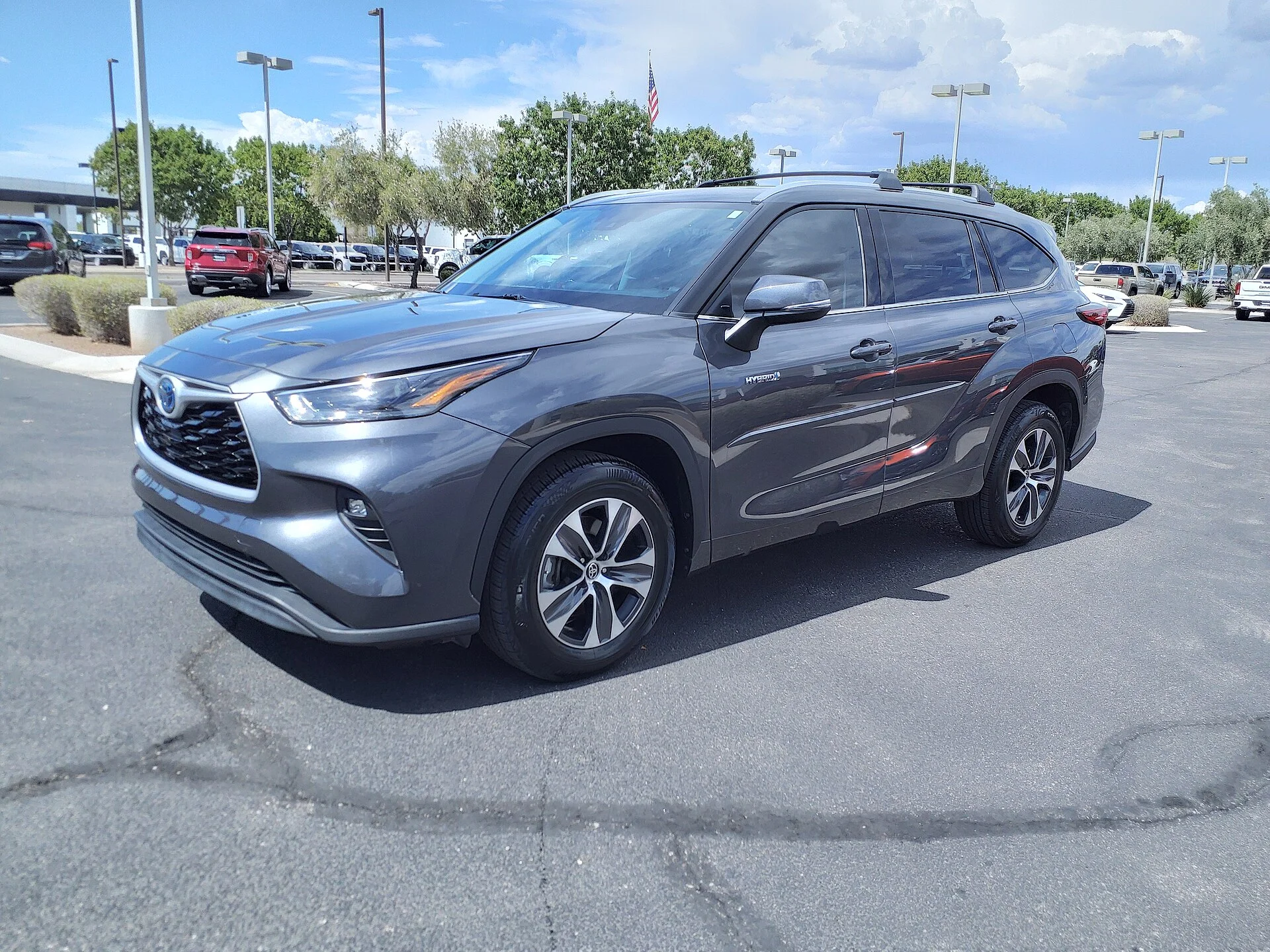
Packing a Highlander Within Its Limit
Staying inside 1,685 lb is mostly about smart choices, not sacrifice. The first is to keep weight low and inside rather than high and on the roof. Interior cargo does not raise the center of gravity the way a loaded roof rack does, so a Highlander packed heavy but low drives far better than one with the same weight piled up top.
When you do need more space than the cabin offers, a hitch-mounted carrier is kinder to both handling and payload logic than the roof, because the weight rides low and behind the axle rather than up high. A hitch-mounted cargo carrier still counts against your limits, but it keeps the load down where it belongs and frees the roof for lightweight, bulky items only.
The second habit is to weigh your heaviest items and cut what you do not use. Water and canned food are the usual culprits — easy to over-pack, genuinely heavy, and often carried in excess out of habit. Bringing the water you will actually drink, rather than a worst-case supply, can free a surprising amount of payload for the gear that matters.
The last habit is to load passengers into your plan first, since they are fixed and heavy. Once you know your people weight, the rest of the 1,685 lb is your gear budget, and packing to a number instead of to the available space keeps you safe. A Highlander loaded thoughtfully is a comfortable, capable family camper; one loaded blindly is a squatting liability.
Why Some Highlanders Carry Less Than Others
The up-to-1,685 lb headline hides an important detail: not every Highlander carries that much, and the ones people often want carry less. The reason is arithmetic. Payload is the fixed GVWR minus curb weight, so anything that makes the vehicle heavier empty comes straight out of what it can carry.
Higher trims are the usual culprits. More equipment, larger wheels, sunroofs, and premium features all add curb weight, and every pound of factory equipment is a pound less payload against the same GVWR of roughly 5,830 lb. The loaded Platinum in the showroom can carry noticeably less than a base trim, which is the opposite of what buyers assume when they pay more.
Drivetrain matters too. All-wheel drive adds hardware and weight over front-wheel drive, and the hybrid system carries its battery and motors somewhere in the mass budget. Those are worthwhile features for many campers, but each one trades a little payload for its benefit, and the door sticker is where that trade shows up as a smaller number.
The practical lesson is to check the payload of the exact Highlander you are buying, not the brochure maximum, especially if you tend toward higher trims or need all-wheel drive. If you routinely carry a heavy family load, a lighter-optioned trim may actually serve you better than a plusher one, because it leaves more of the 1,685 lb ceiling for the people and gear you came to haul.
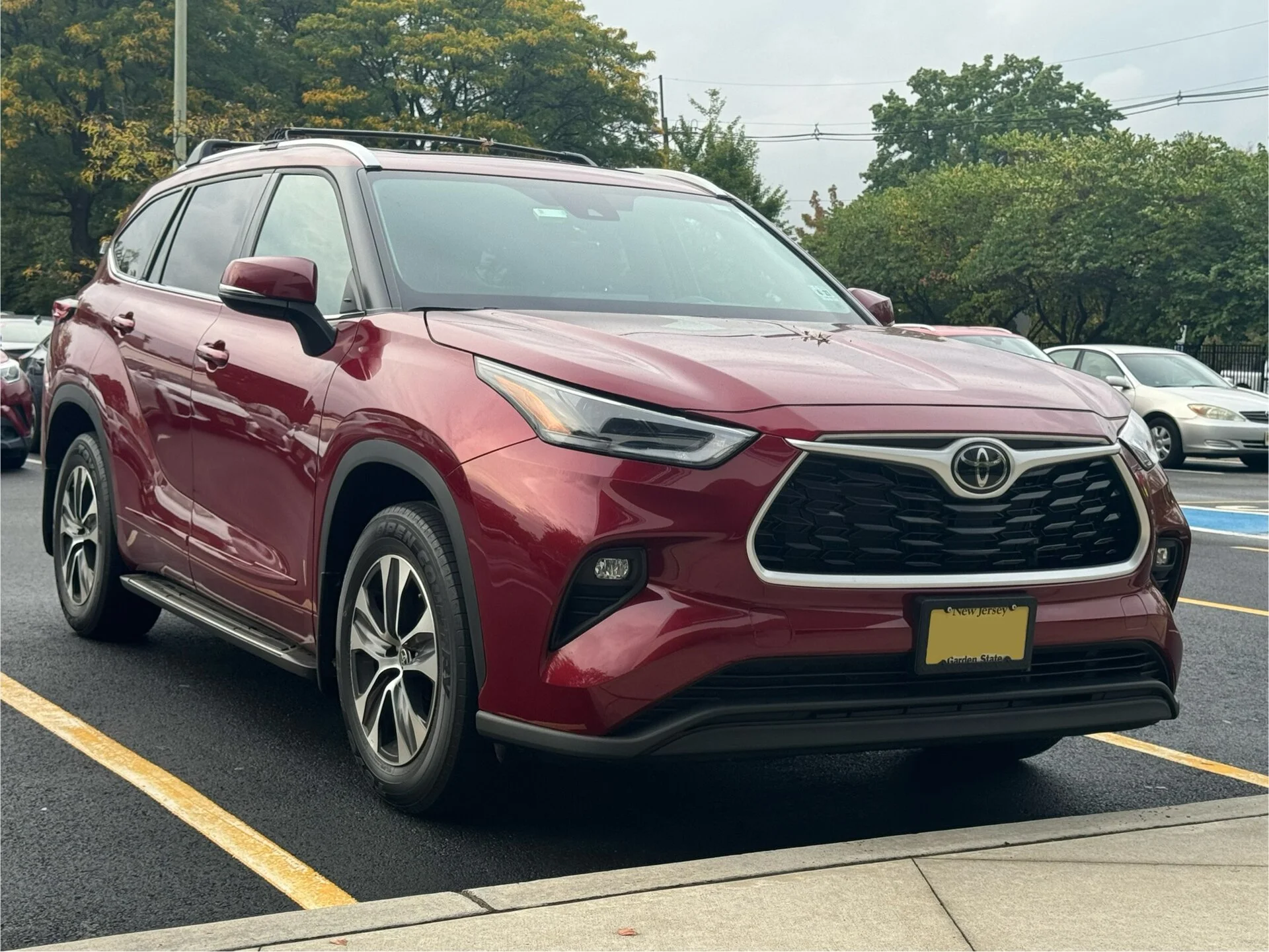
The Verdict: Respect the Budget, Enjoy the Trip
The 2025 Toyota Highlander is a strong family camper, and its up-to-1,685 lb payload is a genuinely useful budget — as long as you treat it as a budget. Payload, not towing or horsepower, is the spec that runs out first when you pack a three-row SUV for a real trip, and it is the one most people never check.
Understand what counts against it: every passenger, all interior cargo, the roof load, and any trailer tongue weight, combined, all fitting under your door-sticker number. Passengers and roof cargo are the sneaky ones, and they are exactly where families quietly go over without a warning light to catch them.
Keep the two ceilings straight, too. The 5,000 lb gas tow rating and 3,500 lb hybrid rating are separate from payload, and towing spends payload through tongue weight rather than escaping it. Plan the whole load as one system and both limits stay honest.
Weigh your real load once, learn where the weight lives, pack low and inside, and the Highlander does exactly what a family camper should: carries your people and your gear safely, trip after trip, without drama. Respect the 1,685 lb, and the number stops being a limit you worry about and becomes a budget you simply plan around. That is the difference between a stressful pack and an easy one. The families who never think about payload are usually the ones quietly over it; the ones who plan around a known number are the ones whose Highlander still steers and stops the way Toyota intended, fully loaded, on the worst grade of the trip. Knowing your number is not fussy. It is just how you keep the vehicle you trust worthy of the trust.