What actually makes Model 3 Camp Mode livable
Tesla's Camp Mode holds the climate, lights and music on overnight without the car shutting down, and on a Long Range Model 3 owners on the Tesla Motors Club forums routinely report it drawing roughly 8-15% of the battery per night depending on outside temperature. That part is free. The problem Camp Mode does not solve is that a Model 3 is a sedan, not a wagon: the rear seats fold 60/40 but leave a raised seam where the seatback meets the trunk floor, and the published cargo opening is far shorter than a real bed.
So the gear that matters is the gear that fixes those three specific gaps — a sleeping surface sized to the folded floor, shades that black out the glass roof and windows, and a way to run power and small devices without killing the traction battery. Everything below is spec-compared from published product listings, named owner reviews and community threads. We have not slept in every one of these ourselves, so we tell you where the dimensions and the owner reports agree and where they don't, rather than pretending to a road test.
The bed: size it to the folded Model 3, not to a number
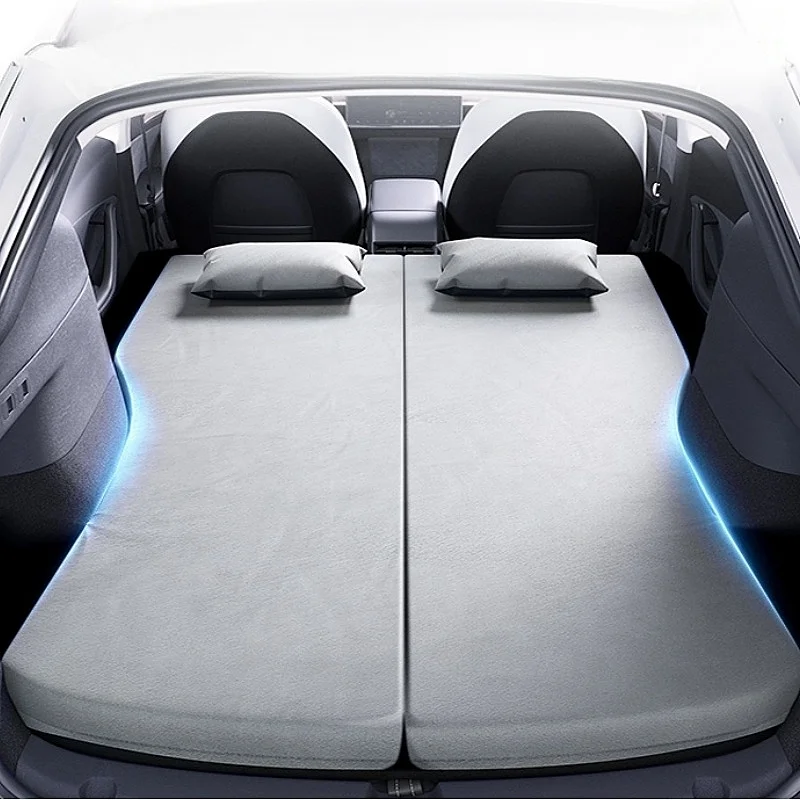
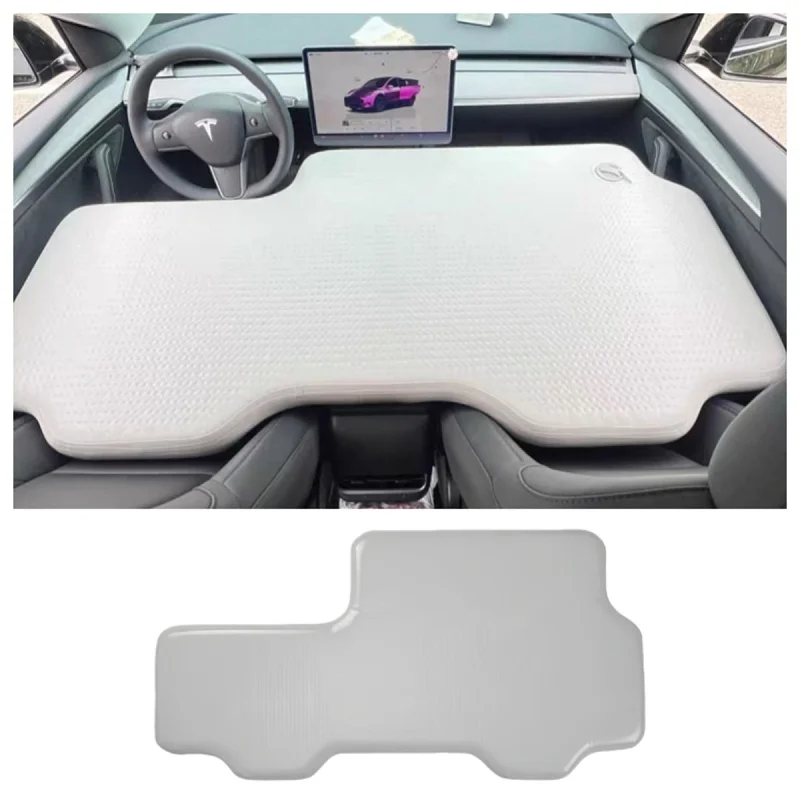
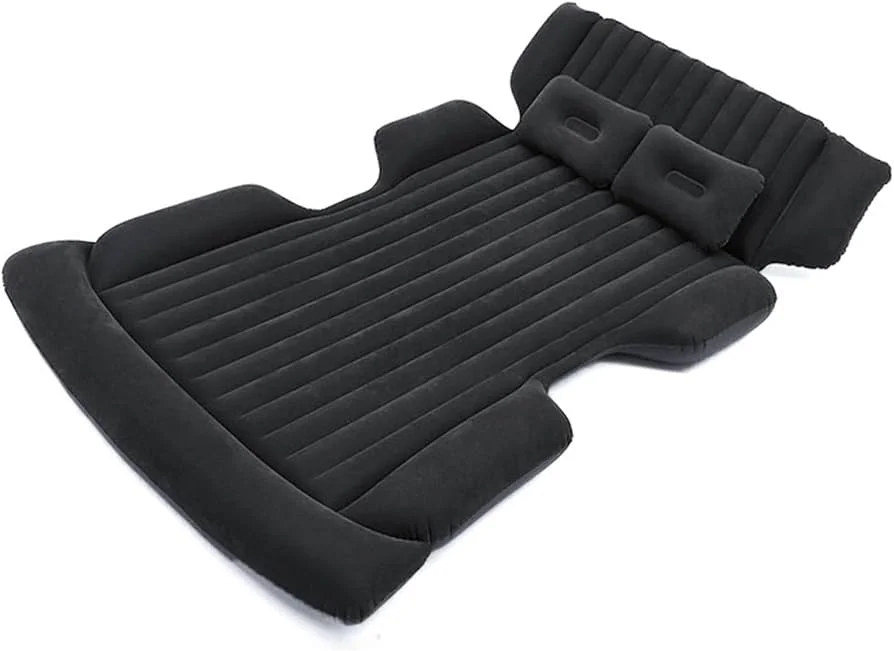
With the 60/40 seats down the Model 3's flat-ish load floor runs about 6 feet 4 inches (76 in) from the trunk to the front seatbacks, but it is interrupted by the seatback seam and narrows at the wheel wells — this is why a generic car air mattress sags into the gap and you wake up folded in half. A Model 3-specific bed is shaped to bridge that seam, which is the whole point of paying more for one. The folded seatbacks also do not lie perfectly flat — they tilt down toward the trunk a few degrees — so the goal of a fitted mattress is to level that slope, not just to add padding.
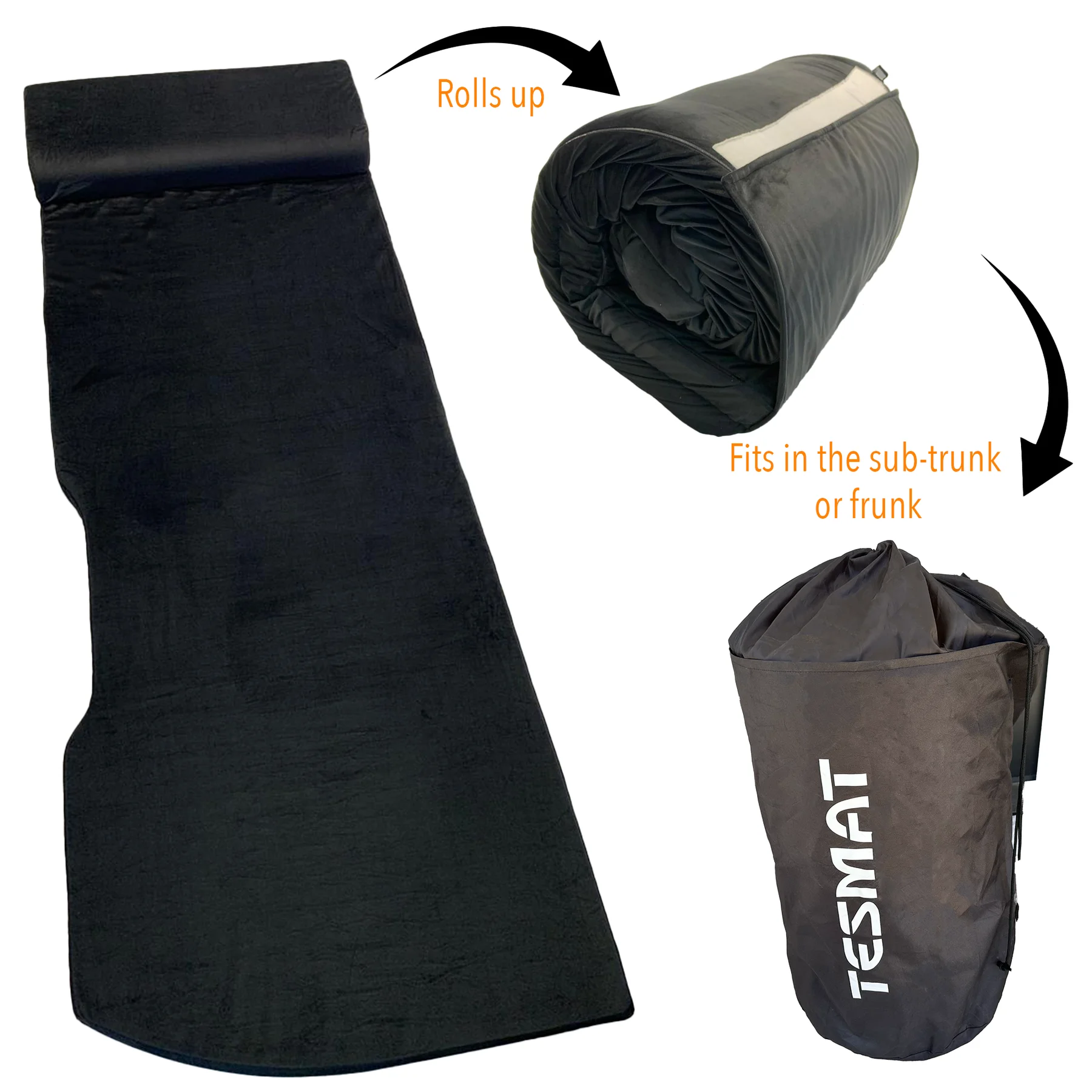
The foam option is the Tesmanian Model 3 Camping Mattress: it is cut to the car's footprint and, per its listing and owner photos, sits flatter across the seam than a flat pad, at the cost of bulk — it eats most of the frunk and trunk when stowed, so it is best for people who leave it in the car between trips. Owners on the Tesla forums who keep one installed treat the Model 3 as a permanent micro-camper; those who pack it in and out for occasional weekends tend to regret the storage footprint.
If packed size matters more than firmness, the Numola Model 3 Inflatable Car Mattress deflates to a duffel and adds headrest cutouts so it tucks against the front seats. The trade-off owners flag is the usual one for inflatables — it gets cold from below and needs a pump, so plan a foam topper or a closed-cell pad underneath in shoulder-season temperatures.
Both beds are two-person-snug for people under about 5'10"; taller campers consistently report sleeping diagonally or sliding the front seats fully forward to reclaim a few inches. Whichever you pick, measure your own folded floor before buying — trim levels and seat positions shift the usable length by an inch or two, and a bed that is even slightly too long forces the front seats uncomfortably upright.
Shades and covers: the glass roof is the real enemy
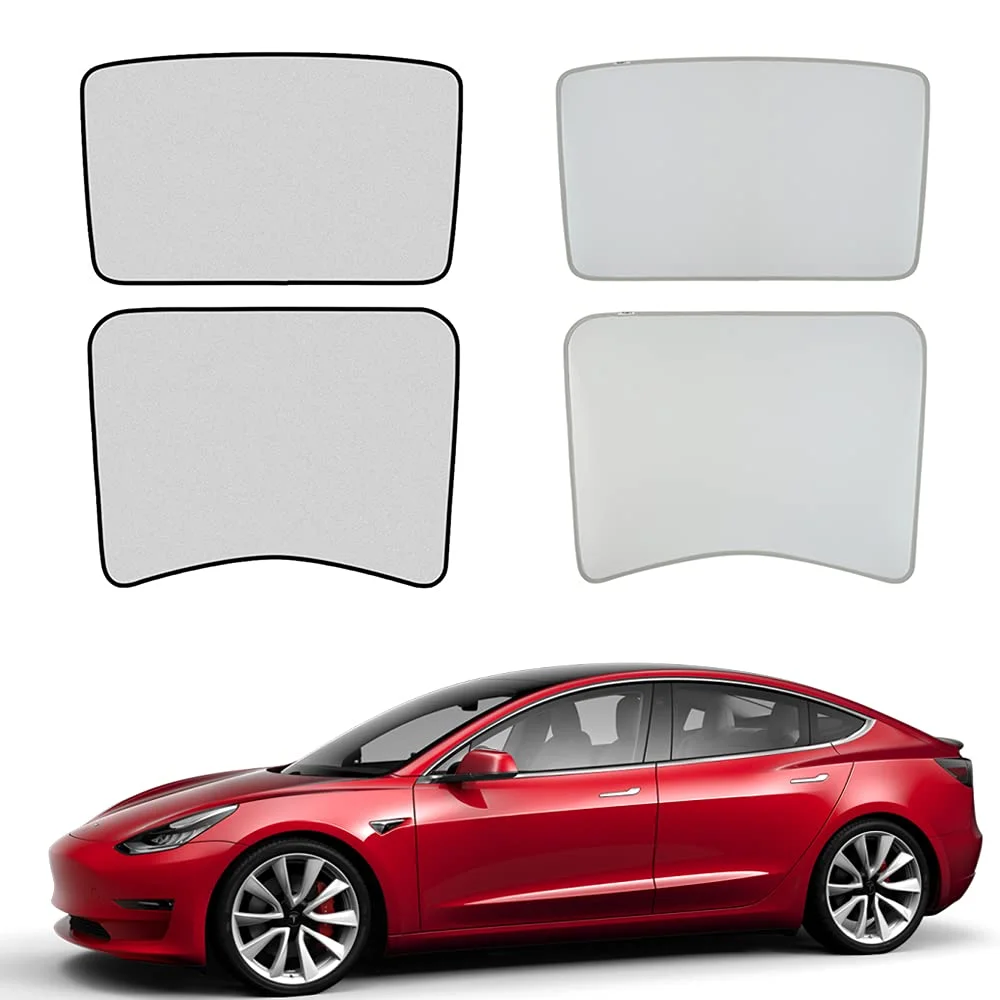
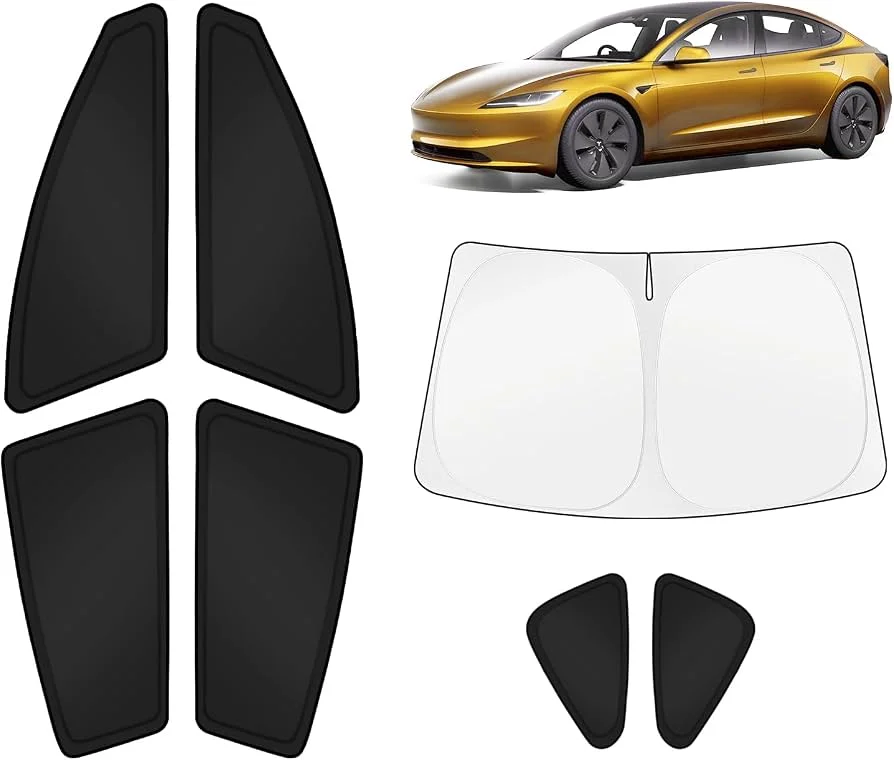
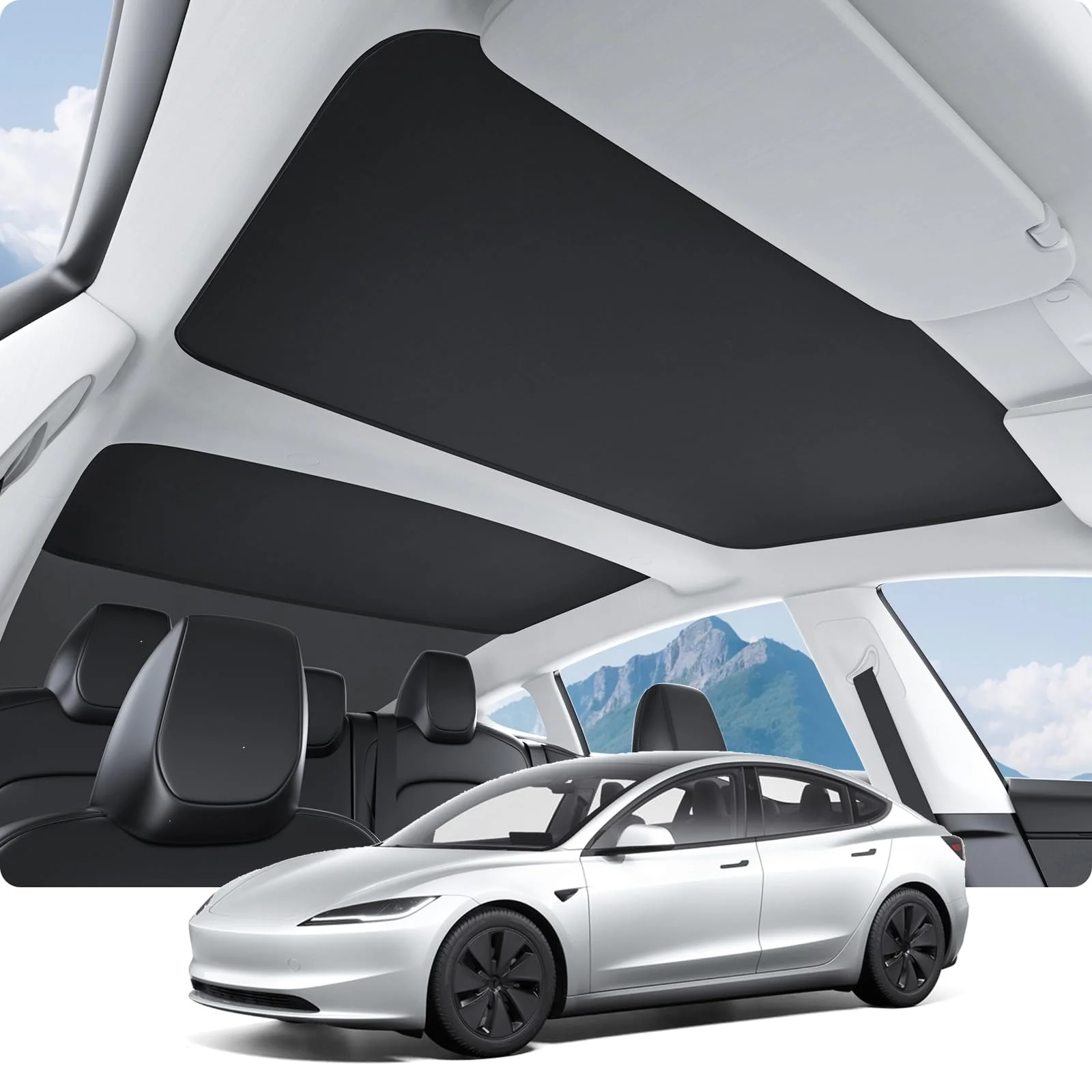
The Model 3's fixed panoramic glass roof is the single biggest reason an unmodified cabin is miserable to sleep in — it lets in dawn light and bleeds heat both ways. A roof shade is not optional gear, it is the first thing to buy. The Basenor Model 3 Glass Roof Sunshade Set is the most-referenced fit in owner threads: a two-piece mesh that clips to the roof rails and, by the listing, cuts a large share of incoming heat while still being breathable.
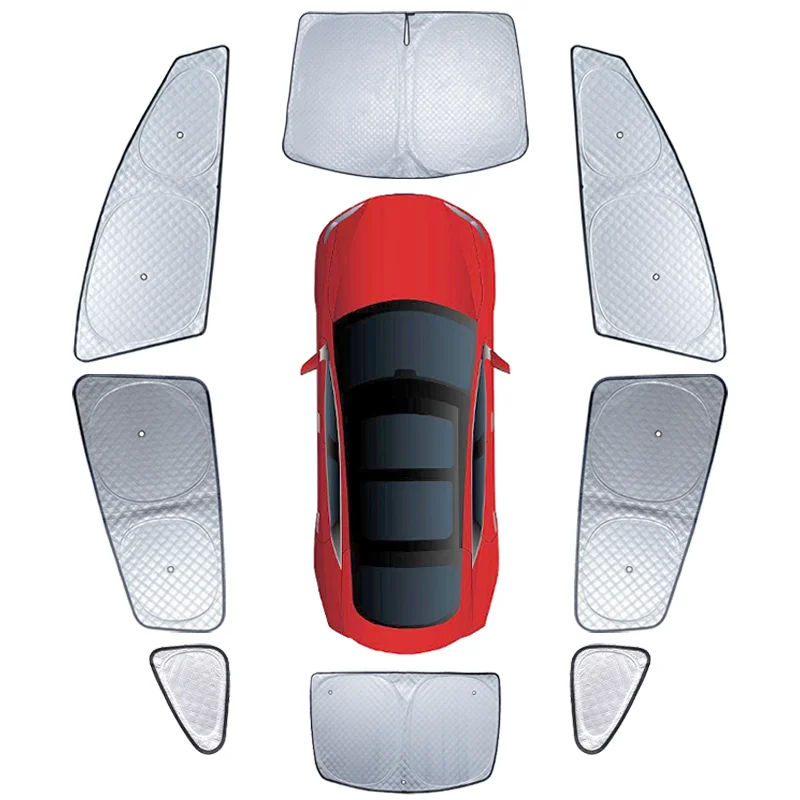
For privacy and blackout you then want the side and rear glass covered. The Joytutus Model 3 Window Shade Privacy Set is custom-cut per-window with magnetic edges, which owners prefer over a windshield-only reflector because a parked car with glowing interior lights is otherwise a fishbowl. Mesh roof shades reduce heat but are not full blackout; if you sleep past sunrise, plan to pair the roof mesh with the opaque window set rather than relying on either alone.
A point the listings tend to undersell: fit and install friction matter more than the shade material. Owner reviews repeatedly note that universal reflective shades cut to no particular car leave gaps at the Model 3's curved A-pillars and fall down overnight, while the car-specific magnetic and clip-in sets stay put. That is the practical case for buying the model-matched Basenor and Joytutus pieces over a bag of generic reflectors — not heat numbers, but whether the shade is still in place when you wake up. If you camp in cold weather, the same shades double as an insulation layer against the single-pane glass, which is the Model 3's biggest thermal weakness.
Power and small gear: what to run off the car, what not to
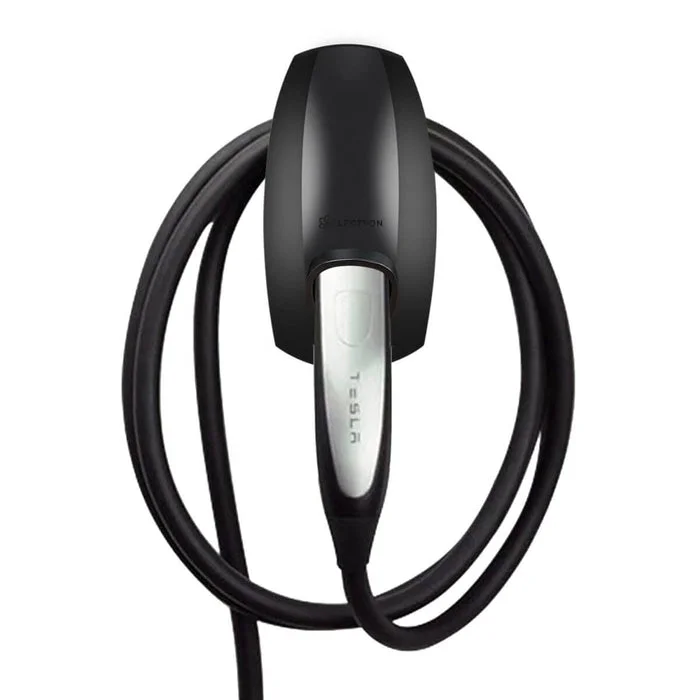
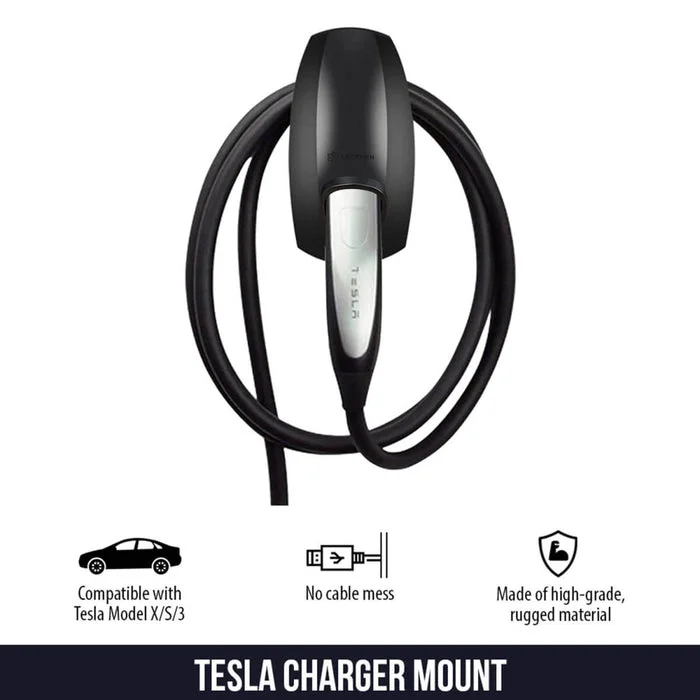
The Model 3 has no household AC outlet, so anyone promising you can run a kettle or a fridge off the car directly is wrong — those need a separate portable power station. What the car CAN do is feed 12V/USB loads through the console, and the cheapest useful upgrade here is the Lectron Tesla 12V Console USB-C Adapter Organizer, which splits the single port into USB-C and USB-A so a fan, a string light and two phones all charge without touching the main battery in any meaningful way.
Keep the heavy draws (induction cooking, a 12V fridge, a heated blanket) on a dedicated power station and treat the car's ports as device-charging only — that is the split owners settle on after a season. The reason is simple: the car's 12V system is fed from the main pack through a DC-DC converter, and pulling appliance-level current through the console accessory port is both limited and wasteful compared to a LiFePO4 station you can recharge while you drive. A 300-500Wh station covers a weekend of lights, a fan and phone charging with margin to spare.
For storage, a soft trunk organizer keeps the frunk and trunk usable around a stowed mattress; rigid bins waste the Model 3's curved cargo space and rattle on dirt roads.
A few small, non-car-specific additions punch above their cost — buy on price and battery life rather than brand:
- Rechargeable LED lanterns so you are not draining the cabin lights all night.
- A 12V cabin fan for airflow when the windows are shaded shut.
- A small condensation towel for the glass, which fogs heavily with two people breathing overnight in a sealed Model 3.
If you are weighing the Model 3 against its sibling, the cargo math is very different — our Model Y camping accessories guide covers the larger, flatter SUV floor that many owners end up moving to once weekend trips become routine.
Spec-compared picks and who each is for
Here is how the five pieces stack up by job and the trade-off the listings and owner reports actually surface. The mattress choice is the one that splits buyers: foam for flatness, inflatable for pack size.
Here is the short version of who each pick is for:
- Tesmanian foam mattress — if you camp often and can store a bulky pad (or leave it in the car). Bridges the seam best.
- Numola inflatable — if you camp occasionally and need the bed to disappear during the day.
- Basenor roof shade — a near-universal buy for anyone with the glass roof.
- Joytutus window set — the moment you plan to sleep where there are people or streetlights.
- Lectron 12V adapter — a $26 quality-of-life upgrade, not a requirement.
None of these turn a Model 3 into a camper van — for that honest expectation-setting, read our how to camp in a Tesla walkthrough and the Camp Mode setup steps before your first night out.
Honest verdict: what's worth it and what isn't
Buy two things first: a Model 3-shaped mattress and the Basenor roof shade. Those fix the deal-breakers — a flat bed and a roof that doesn't cook you. Everything else is comfort.
The window privacy set is the next dollar; the 12V adapter is a nice-to-have you can skip if you already carry a power station.
Set expectations honestly: a Model 3 sleeps two snug, not two comfortable, and it is a fair-weather and overnight-stop tool, not a basecamp. We rate these from published specs, listings and owner-community reports rather than a first-hand test, so treat the dimensions as the hard constraint and the comfort claims as directional. If your trips are turning into multi-day affairs, the money is better spent stepping up to the SUV platform than over-accessorizing the sedan.
One last buying note: resist the bundle deals that throw in a tent skirt, a tailgate awning and a roof box for a Model 3. The sedan's roof is glass and not rated for the loads an SUV crossbar carries, and a tent skirt on a car this short adds setup time for little gain over simply shading the glass and sleeping inside. Spend on the bed and the shades, keep a power station in the trunk, and the Model 3 becomes a genuinely pleasant one- or two-night basecamp for a fair-weather trip — which is exactly what it is good at, and no more.