
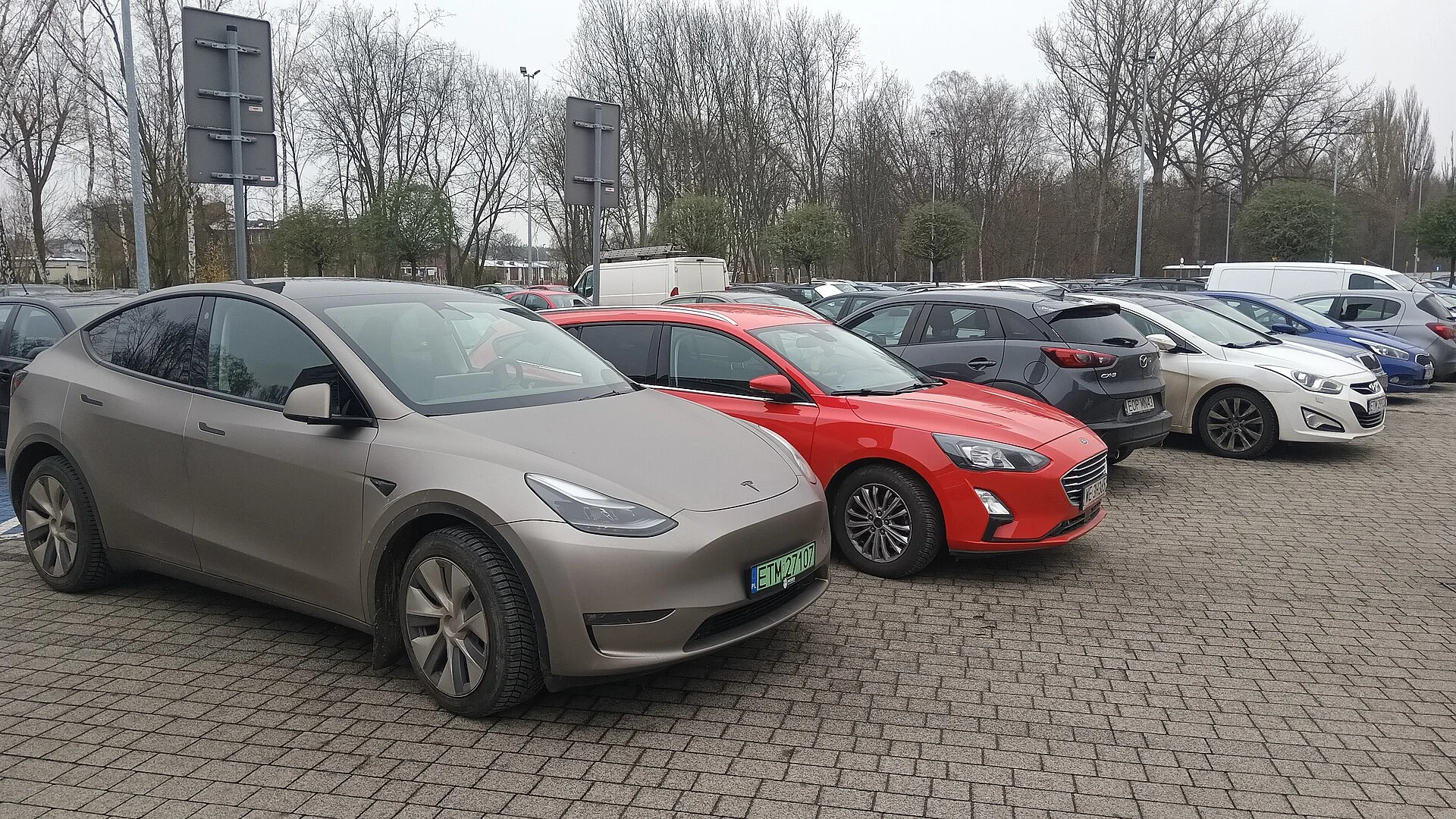
Two Teslas, one great bed and one compromise
Teslas are unusually good campers for one reason: Camp Mode holds a set cabin temperature all night on the big traction battery, so you can run heat or air conditioning while you sleep without idling an engine or fear of carbon monoxide. Both the Model Y and the Model 3 do this. The difference is the shape of the bed underneath you.
The Model Y is a hatchback SUV: fold the rear seats and you get a long, flat load floor built for lying down. The Model 3 is a sedan: it has the same Camp Mode and a surprisingly usable folded floor, but a narrow trunk pass-through and a lower roof make it a tighter, more compromised sleep. Neither needs anything exotic to camp — a mattress cut to the floor and window shades — but which Tesla you can actually stretch out in matters a lot. This comparison covers cargo and floor length, the real Camp Mode experience, battery drain, and everyday livability.
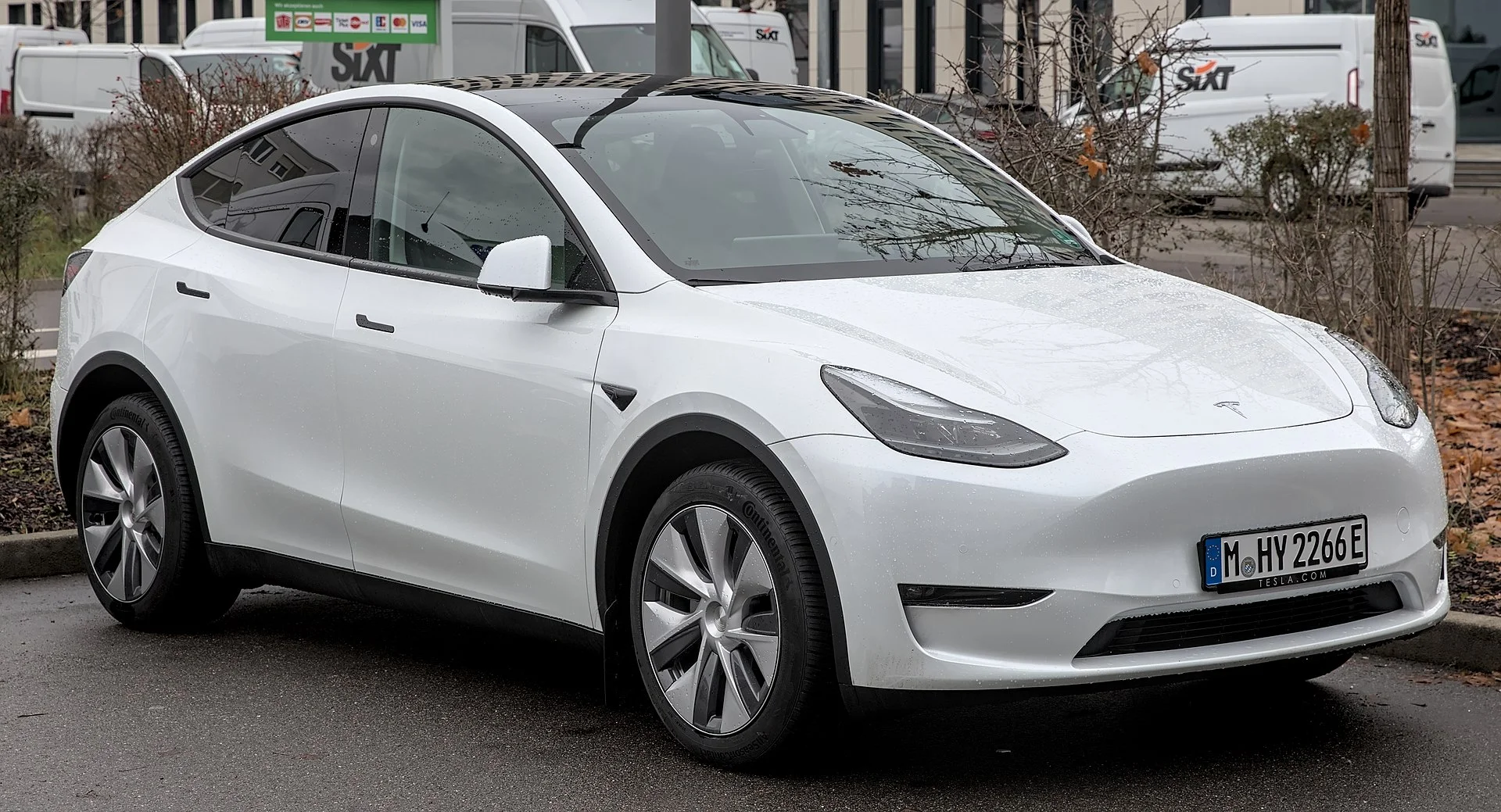
Cargo space and sleeping length: the Model Y is built for it
This is the whole ballgame, and it's a decisive Model Y win.
| Spec | Tesla Model Y | Tesla Model 3 |
|---|---|---|
| Body style | Hatchback SUV | Sedan |
| Cargo, seats up (incl. frunk) | ~34.3 cu ft | ~22.9 cu ft |
| Cargo, seats folded | ~76 cu ft | ~53 cu ft |
| Load opening | Wide hatch, flat floor | Narrow trunk pass-through |
| Camp Mode (climate hold) | Yes | Yes |
| Household AC outlet | None | None |
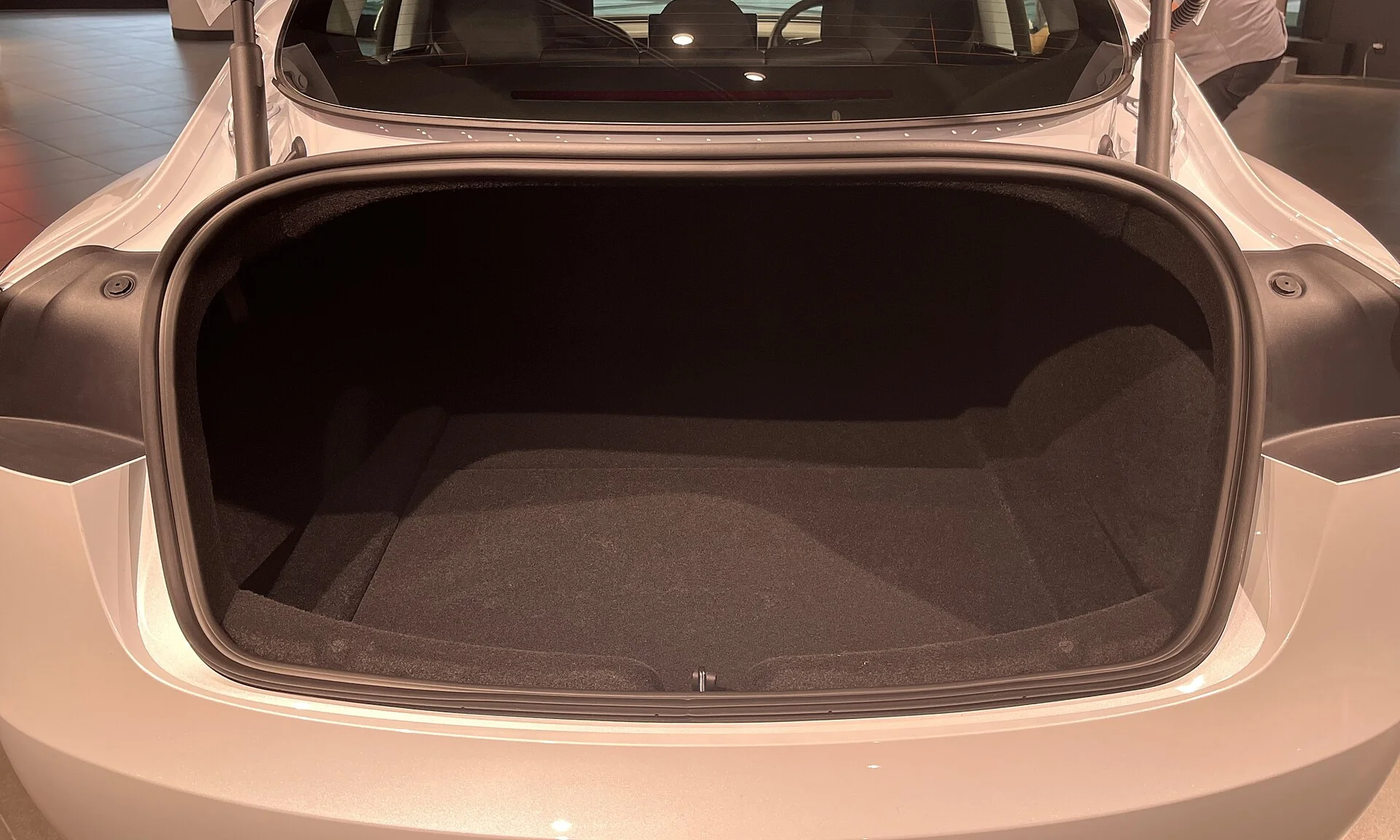
Fold the Model Y's rear seats and its hatchback body gives you a long, flat, roughly 76-cubic-foot load floor that most adults can lie fully flat on — the Model Y is genuinely one of the best sedans-or-crossovers for sleeping inside, and a big reason Camp Mode became a car-camping talking point. The Model 3's folded space (about 53 cubic feet) is usable, but the sedan's narrow trunk opening and the step between the folded seats and the trunk floor make it harder to turn into a flat, full-length bed. A cargo-area mattress cut to the Model Y's floor makes a level queen-ish bed; in the Model 3 you're working around the pass-through.
The sleeping platform and Camp Mode
Both hold cabin temperature overnight with Camp Mode; only the Model Y gives you a flat, full-length floor to spread out on.
Camp Mode is the shared superpower. Set a temperature and the car maintains it all night, keeps the cabin powered for lights and devices, and won't shut off on you — a safer, quieter overnight climate than any gas car can offer, with no CO risk and no idling. In both Teslas it works the same way; the experience differs only in how comfortably you can lie down while it runs.
In the Model Y, fold the seats, bridge the small seam with a foam topper, and you have a flat platform long enough for two. In the Model 3, the rear seats fold 60/40 but the opening into the trunk is narrow and the floor isn't as flat or as long, so it's a comfortable solo sleep at best and awkward for two. If you're tall, the Model Y's extra length and the ability to slide the front seats forward make the difference between straightening out and sleeping curled. For most campers, the Model Y is the bed and the Model 3 is the backup.
Two habits make Camp Mode nights better in either car. Insulate from below — the flat floor sits over the battery pack and can feel cool underneath, so a pad with real R-value helps. And even with climate control running, cracking a window slightly reduces the condensation that builds when two people breathe in a sealed, glass-roofed cabin overnight. Because the Model Y's larger space lets you keep bedding made up and gear stowed to one side, it's also the easier of the two to live in across several nights rather than a single overnight stop — the Model 3 is best treated as an occasional one-nighter.
Battery drain and power for your gear
The honest concern with any EV camper is waking up with too little range, and it's worth planning for in both cars. Running Camp Mode overnight uses battery to hold temperature, and how much depends heavily on the weather — mild nights sip power, while hard heating or cooling in extreme temperatures pulls noticeably more. The practical move in either Tesla is to start the night with a comfortable buffer, camp within reasonable reach of a charger, and lean toward milder set temperatures and warm bedding rather than cranking the heat.
Neither Tesla has a 120V household outlet, so you power gear from 12V and USB-C ports inside the cabin. For anything bigger — a portable fridge, camp lights, or charging a laptop for days — a portable power station is still the cleanest solution, and it keeps that load off the traction battery so it doesn't eat into your driving range. Because the Model Y has far more flat space, it's also the easier of the two to stash a fridge and a power station without crowding the bed.
Living with it: drive, tech, and ownership
Both share the same tech and charging network; the differences are size and stance.
- Space and bed: the Model Y wins decisively for sleeping and hauling gear, thanks to its hatch and flat folded floor.
- Efficiency and cost: the Model 3 is lighter, a little more efficient, and typically cheaper — a better pure commuter.
- Access: the Model Y's higher ride height and hatch make loading a mattress, fridge, and bins far easier than threading them through a sedan trunk.
- Shared strengths: both get Camp Mode, Sentry security, the Supercharger network, and a glass roof that makes the cabin feel open at night.
Put simply: the Model 3 is the sharper, cheaper daily driver; the Model Y is the one you can actually sleep in.
Which should you camp in?
Match the Tesla to how you'll use it:
- Choose the Model Y if camping is a real priority — you want the flat, full-length hatchback bed, room for two, and easy loading of a fridge and gear, all with Camp Mode.
- Choose the Model 3 if it's mainly an efficient, lower-cost daily driver and you only camp occasionally solo — you still get Camp Mode, just a tighter, more compromised bed.
- Camp as a couple or tall? The Model Y, clearly — the Model 3's sedan floor is a stretch for one tall sleeper, let alone two.
Both share charging and running costs, so this is really a body-style decision: SUV hatch versus sedan trunk. If you want specific layouts and gear, the deeper guides on camping in each Tesla cover the mattresses, shades, and power setups that fit best.
The verdict
For camping, the Tesla Model Y is the clear winner. Both cars share Camp Mode — the genuinely great feature that holds cabin temperature all night on the battery with no idling and no CO risk — but only the Model Y pairs it with a flat, roughly 76-cubic-foot hatchback floor that two adults can lie flat on. It's one of the best mainstream EVs for sleeping inside, full stop.
The Model 3 keeps the same overnight climate magic in a lighter, cheaper, more efficient package, but its sedan body — narrow trunk opening, shorter and less-flat folded floor — makes it a compromised solo bed rather than a proper platform. It's a fine occasional camper, not a purpose-built one.
Pick the Model Y if you plan to sleep in your Tesla; pick the Model 3 if you want the efficient daily driver and camp only now and then. Either way, plan your overnight battery buffer, add a mattress and shades, and Camp Mode does the rest.
Whichever you pick, start by enabling Tesla Camp Mode.
Either way, consider a camping tent for your Tesla.