
The Straight Answer, and Why This Car Is Different
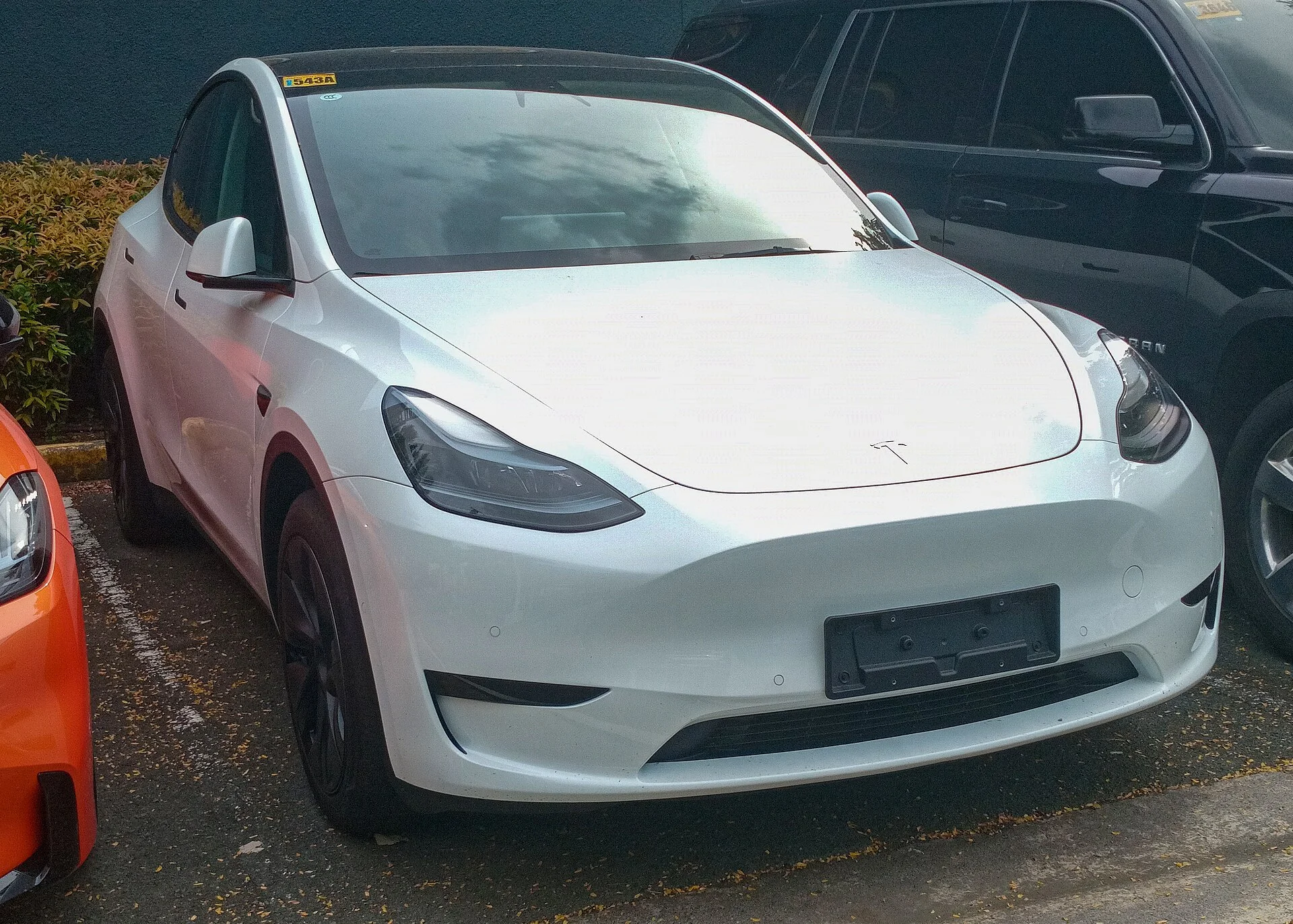
Marketing loves to make camping in an EV sound like magic. The straight answer is simpler and more useful: yes, it is safe to run climate in a Tesla Model Y while you sleep, and it is safe for a reason that does not apply to almost any gas car - there is no engine burning fuel, so there is nothing producing carbon monoxide. The Model Y is a fully electric vehicle with no internal-combustion engine, which means it makes no exhaust while holding your cabin temperature overnight.
That single fact reframes the whole question. When people ask whether it is safe to sleep with the heat or air conditioning on in a vehicle, the danger they are really worried about is carbon monoxide poisoning - the odorless gas that kills people idling gas cars. Because there is no combustion in a Model Y, running Camp Mode overnight carries no carbon-monoxide risk at all. That is the key safety difference versus idling a gasoline car, and it is not a small one.
So the real conversation is not "is it dangerous" - it is "what does it cost you." And the honest cost is battery. The commonly cited figure - from owner reports and third-party guides rather than any official Tesla number - is roughly 1% of charge per hour under moderate conditions, and the actual overnight number swings with the weather. The rest of this guide is about that number: how much charge a night actually takes, when it climbs, and how to make sure you always wake up with enough range to drive to a charger.
The Carbon Monoxide Question, Settled
Here is the marketing claim worth checking against physics: EV camping is safer. In this specific case, it is true, and the reason is worth understanding rather than repeating. Carbon monoxide is a byproduct of burning fuel. A gas engine idling to keep you warm produces a steady stream of it, and every year a few people die from carbon monoxide poisoning while sleeping in an idling vehicle - often because the gas is colorless and odorless and they never wake up. A Model Y removes the source entirely. No combustion, no exhaust, no carbon monoxide.
That does not mean an electric cabin is a sealed life-support pod, and the honest version of this answer says so. Even though a Model Y emits no carbon monoxide, some ventilation and fresh-air exchange is still wise for comfort and oxygen while you sleep in an enclosed cabin. The difference is that in an EV, ventilation is a comfort choice; in a gas car, it is the thin line between waking up and not. Camp Mode actually helps here, because it circulates fresh air according to your climate settings rather than leaving you with the stuffy, still air of a car shut off with the windows up.
The takeaway is not "do whatever you want." It is that the one failure mode that makes sleeping in a running gas vehicle genuinely deadly does not exist in this car. You are trading a poisoning risk you cannot see for a battery-management problem you can plan around - a far better trade, and the entire reason a per-vehicle answer beats a generic one.
What Camp Mode Actually Does
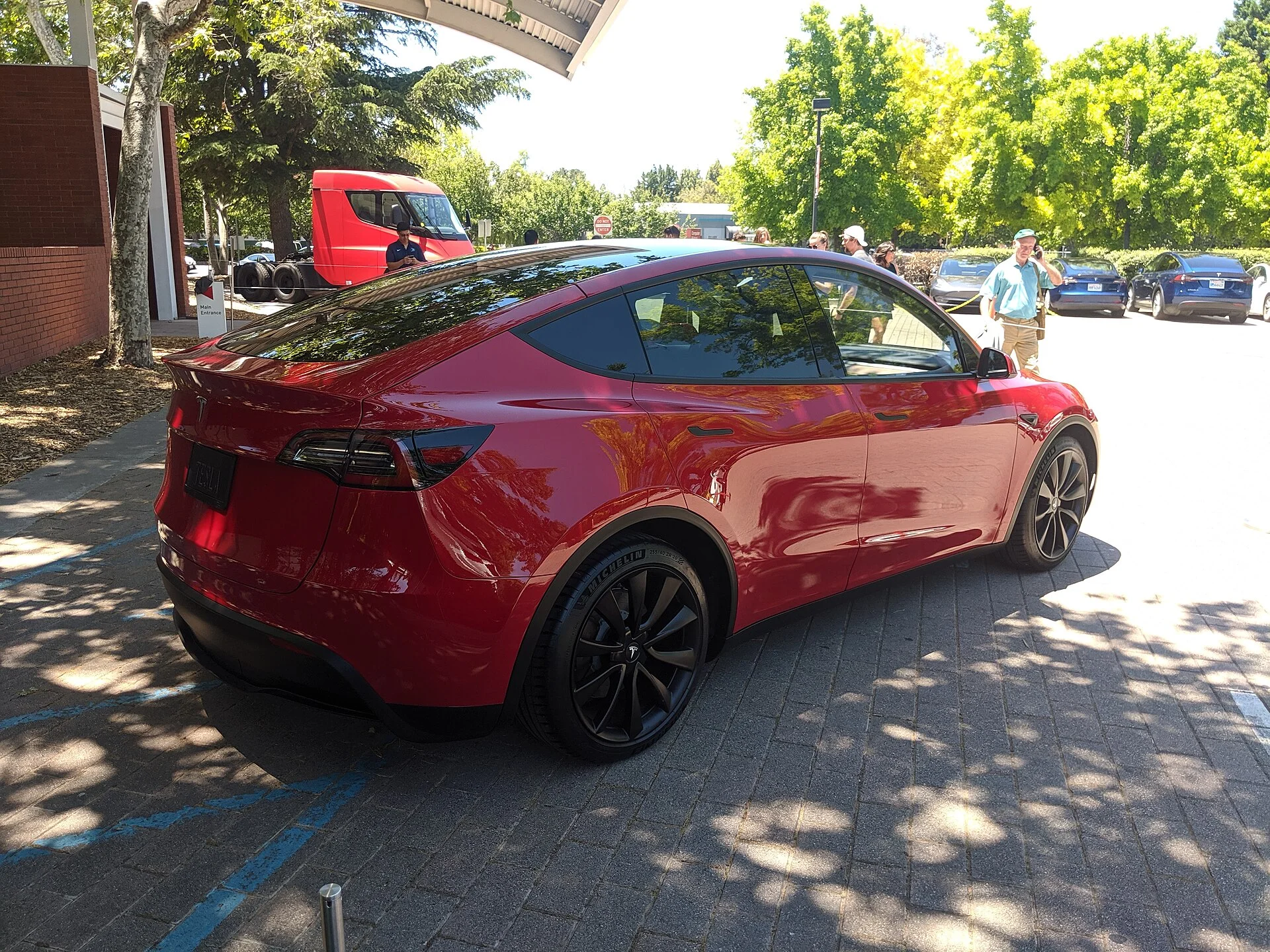
Camp Mode is not just "leave the climate on." It is a purpose-built setting, and knowing what it does explains why it is the right tool instead of a workaround. When you enable it, the Model Y maintains the cabin at your set temperature for as long as you leave it running, so the interior does not swing cold at 3 a.m. the way a car simply parked would. It is designed to run all night.
It also keeps the systems you want alive. Camp Mode holds the touchscreen live and continues to power the USB ports and the low-voltage outlets, so phones and a fan stay charged, and it can keep interior lighting on and play music. Just as importantly, it keeps the vehicle awake - the car will not drop into sleep mode or trip its alarm while you are moving around inside it, which is exactly the nuisance that catches people who try to improvise without it.
The practical upshot is that Camp Mode turns the Model Y into a climate-controlled room with working outlets and no fumes. A quality set of reflective window shades pairs with it to hold that temperature longer, which matters more than it sounds - because everything Camp Mode does draws from one finite resource, and the next section is the number that decides your night.
The Real Cost: Battery Drain by Temperature
This is the number that actually matters, and it is not one number - it scales with the weather. The most commonly cited baseline, from owner reports and third-party guides rather than any official Tesla figure, is roughly 1% of charge per hour under moderate conditions. Over a typical 8 to 9 hour night in mild weather - think an outside temperature around 60 to 70 degrees and the cabin held around 64 to 69 degrees - expect roughly 8 to 10% total battery drain. Real-world owner reports for a Model Y land in a wider band: a full night in Camp Mode uses anywhere from 5 to 15% of the battery depending on conditions.
Heat and cold both push it up. On a hot summer night with the air conditioning working, overnight drain is closer to about 10 to 15%. Cold is the bigger factor, and it has one consistent shape: near-freezing temperatures with the heater running raise the hourly rate to roughly 2 to 3% per hour, which works out to about 15 to 25% of the battery over an 8-hour night. That is the honest way to read the cold penalty - a per-hour rate around 2 to 3% and an overnight total in the mid-teens to mid-twenties, not the far larger spikes some estimates throw around.
As a working rule of thumb, in a typical 8-hour period Camp Mode consumes roughly 10% of the charge on a mild night, rising to about 15 to 25% in freezing temperatures. Treat these as estimates, not guarantees - actual consumption varies greatly with outside temperature and cabin settings. But the shape is dependable: a mild night is cheap, a freezing night costs roughly two to three times as much, and you plan for the cold end, not the average.
The 20% Floor That Won't Strand You
The most common fear - waking up to a car that will not move - is the one Tesla actually engineered against. Camp Mode cannot be started or sustained once the battery falls below about 20%. It shuts down at that reserve on purpose, to protect the battery and to preserve enough range to reach a charger. In other words, the system is built so it will not drain itself into a dead stop with you asleep inside.
That changes how you should read the drain numbers. The risk is not that Camp Mode empties the battery overnight; it is that it switches off in the small hours and the cabin goes cold, because you started too low. If you begin a freezing night that wants 15 to 20% with only a little margin above the floor, the math is uncomfortably close and the heat may quit before dawn. The 20% floor guarantees you can drive away - it does not guarantee you stay warm until morning.
So the floor is a safety net, not a plan. It means a Model Y will not leave you stranded, which is a genuinely reassuring piece of design and another point in the EV's favor over a gas car that will happily idle itself to an empty tank. But respecting the floor means starting high enough that Camp Mode never has to invoke it - which is the next decision.
How Much Charge to Start the Night With
Because the cost scales with temperature, the starting charge should too. The clean rule owners converge on is to scale your starting percentage to the forecast: about 40 to 50% in mild conditions, and 80 to 90% before a freezing night, to keep a safe reserve above the shut-off. That is not overcautious - it is just working backward from the drain table with margin for a colder-than-forecast night.
Walk the mild case first. A mild night costs roughly 8 to 10%, so starting at 40 to 50% leaves you comfortably above the 20% floor with range to spare in the morning. There is little reason to top all the way up for a 60-degree night, and doing so wastes charging time you did not need to spend. The moderate estimate does the work for you.
The freezing case is where people get caught. If a hard night can take 15 to 25% at a rate of roughly 2 to 3% per hour, a start of 80 to 90% is not excessive - it is the difference between waking warm with drivable range and waking cold at the floor. The lesson is the same one that governs every EV trip: cold changes the numbers, so plan to the cold, charge to the forecast, and never start a winter night near the reserve.
Insulation: The Cheapest Hours You Can Buy
Before spending a single kilowatt more, spend a few dollars on insulation - it is the highest-leverage move in the whole setup. Simple insulation, such as roof and window shades plus a mat under the mattress, cuts heat loss in winter and solar gain in summer. Owners report saving 2 to 3% of battery per night with better insulation alone, which sounds trivial until you set it against the drain table.
Put that 2 to 3% in context. On a mild night that runs 8 to 10%, shaving 2 to 3% is a quarter to a third of the entire cost - effectively free hours of comfort for the price of some window covers. On a freezing night, the same insulation blunts the climate system's hardest work, because the heater is fighting less heat loss through the glass, which is exactly where an uninsulated cabin bleeds warmth fastest.
This is the frugal read on EV camping: the battery is the expensive resource, and insulation is the cheap one that stretches it. Window shades and a sleeping surface with a mat under it do not just make the bed nicer - they lower the number Camp Mode has to work against all night. Do the cheap thing first, and the battery math gets easier before you have touched the charge level at all.
Ventilation Still Matters, Even With Zero Fumes
It is tempting to conclude that because a Model Y makes no carbon monoxide, an airtight cabin is fine. That is the wrong lesson to draw from the right fact. Even with zero exhaust, some ventilation and fresh-air exchange is still wise for comfort and oxygen while sleeping in an enclosed space. The concern is no longer poisoning - it is stale, humid air and the condensation two sleeping people breathe onto cold glass all night.
Camp Mode already helps, and this is a real advantage over improvising. It circulates fresh air according to your climate settings, providing active airflow rather than the stuffy air you get sleeping with the windows up and the car off. That moving air keeps the cabin from turning into a damp, oxygen-poor box, and it is one more reason to use the dedicated mode instead of just leaving the fan on manually.
The honest framing separates two things people blur together. In a gas car, ventilation is a safety requirement because the alternative can kill you. In a Model Y, ventilation is a comfort and air-quality choice, because the deadly variable has been removed. You should still crack a window or let Camp Mode do its fresh-air work - not to survive the night, but to sleep better through it.
Model Y vs Model 3, and the Heat-Pump Edge
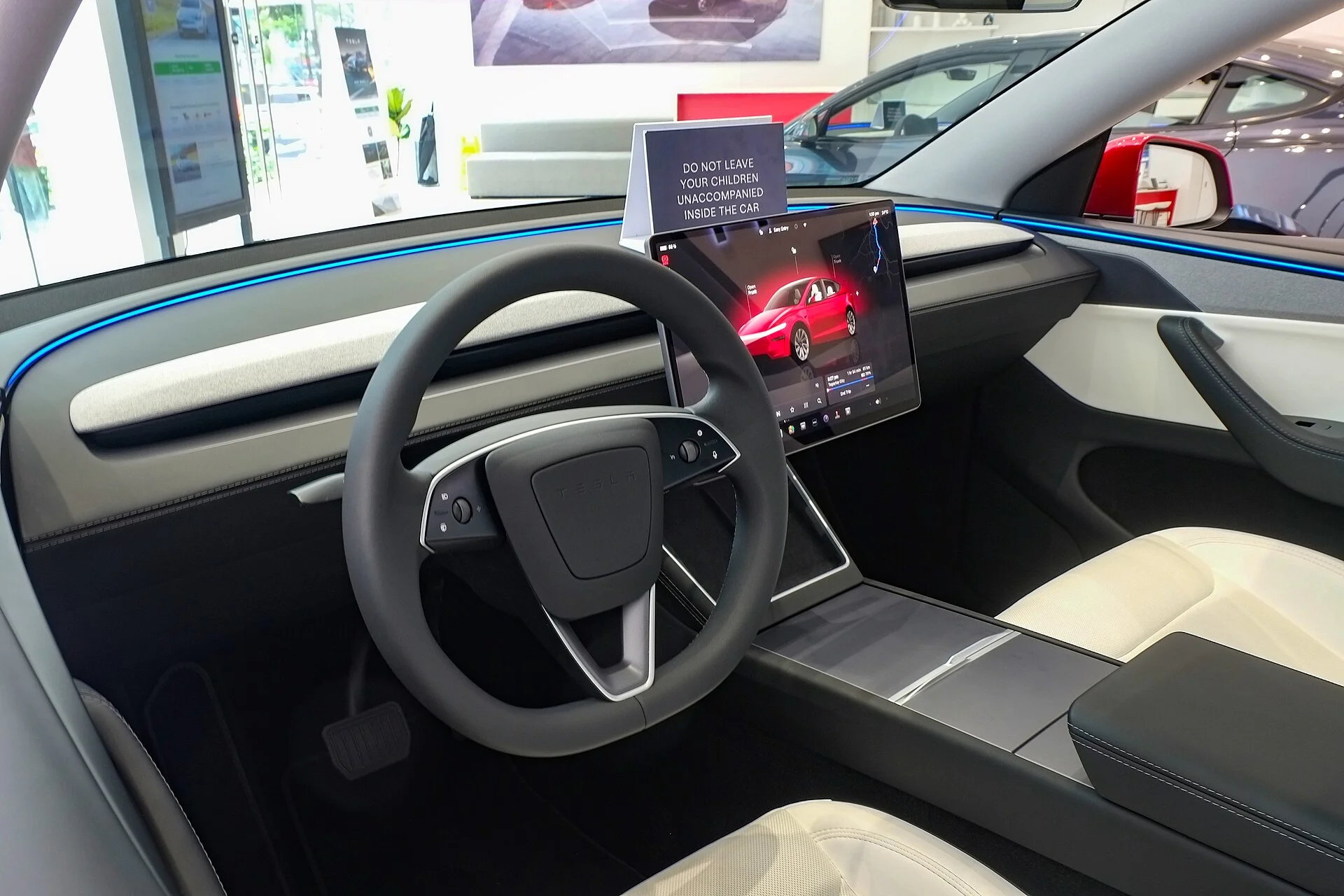
A fair question from anyone choosing between Teslas: does the larger Model Y cost more battery overnight than a Model 3? The answer runs against intuition. Battery-drain differences between the Model 3 and Model Y in Camp Mode are minor despite the Model Y's slightly larger cabin - in practice, the extra interior volume barely registers on the overnight number.
What does move the needle is the heat pump. Model Y and 2021-and-newer Model 3 variants use heat pumps and are slightly more efficient at maintaining cabin heat, which reduces cold-weather drain. That efficiency shows up exactly where it counts - on the freezing nights that otherwise double your hourly rate - so a heat-pump car gives back a little of the cold-weather penalty the drain table warns about.
The buyer's takeaway is not to overthink the cabin size. If overnight comfort is the deciding feature, both cars sip battery at nearly the same rate, and the presence of a heat pump matters more than the model badge. The Model Y earns its place here on space to sleep, not on efficiency - because on the number that decides your night, it is effectively a wash with its smaller sibling.
The Verdict: Safe, Not Free
Put the pieces together and the verdict is clean. Running climate in a Tesla Model Y while you sleep is safe in the way that actually matters - it produces no carbon monoxide, so it carries none of the poisoning risk that makes idling a gas car a genuine hazard. That is not marketing; it is the direct consequence of having no engine to burn fuel, and it is the whole reason this question has a different answer for an EV.
Safe, though, is not the same as free. The cost is battery, and it is predictable: roughly 1% per hour and about 8 to 10% on a mild night, climbing toward 15 to 25% when it is near freezing. Tesla's roughly 20% floor means the car will not strand you, and the moves that keep you comfortable are boringly effective - start your charge to the forecast, insulate the glass to save 2 to 3% a night, and let Camp Mode handle fresh air.
So the honest bottom line is a good one. You get a climate-controlled, fume-free place to sleep, and the only real homework is charge management. Plan to the cold end of the drain table, respect the reserve, and a Model Y will hold a comfortable cabin all night without the one danger that haunts sleeping in a running gasoline vehicle. Safe, not free - and on this question, that is a trade worth making.